
Banggai Cardinalfish: A Comprehensive Care Guide for Reef Aquarists

Welcome to Aquarium Mastery!
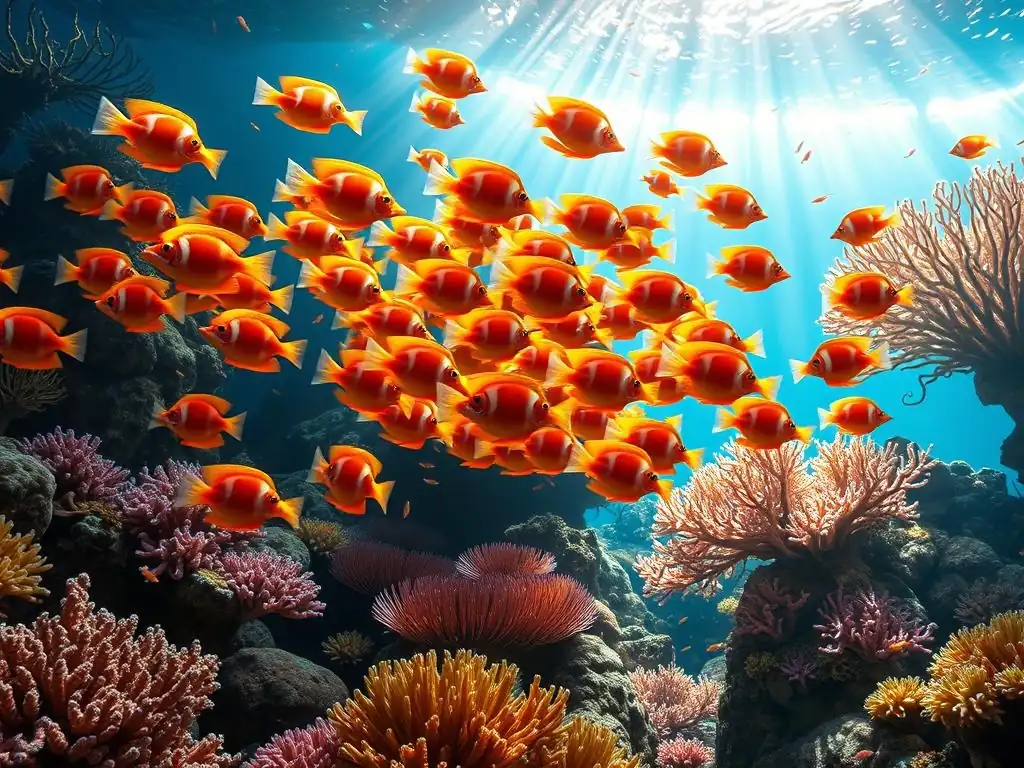
Ever been captivated by the shimmering beauty of the Banggai Cardinalfish? These stunning, peaceful creatures can truly elevate your reef aquarium, but understanding their specific needs is crucial. Dive into our comprehensive guide to Banggai Cardinalfish care requirements and unlock the secrets to keeping these captivating fish thriving in your saltwater paradise. Get ready to explore everything from diet and tank mates to breeding and health, and transform your aquarium into a vibrant, thriving ecosystem.
- Introduction to Banggai Cardinalfish (Pterapogon kauderni)
- Banggai Cardinalfish Care Requirements: Essential Guidelines
- Setting Up the Ideal Banggai Cardinalfish Aquarium
- Banggai Cardinalfish Diet and Feeding
- Banggai Cardinalfish Tank Mates: Compatibility and Considerations
- Banggai Cardinalfish Behavior and Social Dynamics
- Banggai Cardinalfish Breeding in Captivity
- Common Banggai Cardinalfish Diseases and Health Problems
- Troubleshooting Common Banggai Cardinalfish Issues
- Where to Buy Healthy Banggai Cardinalfish
- Conclusion: Mastering Banggai Cardinalfish Care for a Thriving Reef Aquarium
-
Frequently Asked Questions
- What are the basic tank size requirements for keeping Banggai Cardinalfish?
- What are the ideal water parameters for Banggai Cardinalfish?
- What is the best diet for Banggai Cardinalfish in an aquarium setting?
- Are Banggai Cardinalfish reef safe, and can they be kept with corals?
- What are some common health issues to watch out for with Banggai Cardinalfish?
- Final Reflection: The Enduring Appeal of the Banggai Cardinalfish
- Dive Deeper: Transform Your Reef Tank Today!
Introduction to Banggai Cardinalfish (Pterapogon kauderni)
Why Banggai Cardinalfish are Popular Reef Tank Inhabitants
Banggai Cardinalfish ( Pterapogon kauderni) are highly sought-after inhabitants for reef aquariums due to their striking appearance and relatively peaceful demeanor. Their distinctive black and white striped bodies, accented by long, flowing fins and prominent eyes, make them stand out in any marine setup. Beyond their aesthetic appeal, their small adult size, typically reaching about 3 inches (7-8 cm), makes them suitable for a range of tank sizes, including smaller nano-reef systems, contributing to their widespread popularity among aquarists.
Furthermore, these captivating fish exhibit intriguing behaviors, such as their unique mouthbrooding reproductive strategy, which can be observed in a home aquarium. Once properly acclimated, Banggai Cardinalfish are known for their hardiness and adaptability, making their Banggai Cardinalfish care requirements manageable for both novice and experienced reef keepers. Their calm swimming style and tendency to hover gracefully add a dynamic yet serene element to the overall aquarium ecosystem.
Understanding the Natural Habitat of Banggai Cardinalfish: The Banggai Archipelago
The Banggai Cardinalfish is endemic to a very specific and limited region: the Banggai Archipelago in Indonesia, located east of Sulawesi. In their natural environment, these fish inhabit shallow, sheltered coastal waters, typically found at depths ranging from 1 to 5 meters (approximately 3 to 16 feet). They are often observed congregating among specific microhabitats, including the spines of sea urchins ( Diadema setosum), branching corals such as Acropora and Pocillopora, and even discarded debris like plastic bottles or tires, which provide essential refuge from predators.
Their native waters are characterized by stable environmental conditions, with consistent temperatures and moderate water flow, reflecting the calm, protected nature of the archipelago's lagoons and bays. This specific habitat preference highlights their need for a similarly stable and secure environment in captivity, which is a fundamental aspect of meeting optimal Banggai Cardinalfish care requirements. Understanding their natural dwelling helps aquarists replicate conditions that promote health and longevity for this unique species.
Banggai Cardinalfish Care Requirements: Essential Guidelines
Optimal Tank Size for Banggai Cardinalfish
For a single Banggai Cardinalfish, a minimum tank size of 20 gallons (approximately 75 liters) is generally recommended. This allows for sufficient swimming space and helps maintain stable water parameters, which are crucial for their well-being. While they are not highly active swimmers, adequate volume is necessary to dilute waste products and provide consistent water chemistry.
If considering a small group of Banggai Cardinalfish, such as 3 to 5 individuals, a tank of 30 gallons (around 115 liters) or larger is preferable. This increased volume helps to mitigate potential intraspecific aggression and provides enough room for each fish to establish a personal space, even within a loose group. The overall tank footprint is often more important than height for these fish, as they primarily hover in the mid-to-lower water column. Adhering to these tank size guidelines is a primary component of proper Banggai Cardinalfish care requirements.
Water Parameters: Maintaining a Stable Reef Environment for Cardinals
Ideal Temperature for Banggai Cardinalfish
Maintaining a stable temperature is paramount for the health of Banggai Cardinalfish. The ideal temperature range for Pterapogon kauderni is 76-82°F (24-28°C). Consistency within this range is more critical than hitting an exact number; daily fluctuations should ideally not exceed 1-2°F (0.5-1°C).
Sudden or extreme temperature shifts can cause significant stress to Banggai Cardinalfish, weakening their immune systems and making them highly susceptible to common marine diseases like Ich (white spot disease). Utilizing a reliable aquarium heater with a thermostat and regularly monitoring the temperature with an accurate thermometer are essential practices to ensure these vital Banggai Cardinalfish care requirements are met.
Salinity Levels for Healthy Cardinalfish
The optimal salinity for Banggai Cardinalfish in a reef environment is typically within the range of 1.023 to 1.025 specific gravity (SG), or 33 to 35 parts per thousand (ppt). Maintaining stable salinity is just as important as temperature stability, as rapid changes can lead to osmotic shock, severely stressing the fish and potentially causing organ damage.
Regularly testing salinity with an accurate refractometer is highly recommended over less precise hydrometers. Evaporation will naturally increase salinity over time, necessitating the use of an auto top-off (ATO) system with freshwater or manual daily top-offs to maintain consistent levels. Consistent salinity is a non-negotiable aspect of successful Banggai Cardinalfish care requirements.
pH and Alkalinity Considerations
For Banggai Cardinalfish, a stable pH level between 8.1 and 8.4 is ideal, aligning with the parameters typically maintained in a healthy reef aquarium. This pH range is crucial not only for the fish's physiological well-being but also for the health of any corals and invertebrates present in the tank.
Alkalinity, measured in dKH (degrees of carbonate hardness), plays a vital role in buffering the pH and preventing drastic fluctuations. An alkalinity level of 8-12 dKH is generally recommended. Regular testing of both pH and alkalinity, along with appropriate supplementation if levels drop, will help ensure a stable and thriving environment, directly impacting the long-term Banggai Cardinalfish care requirements.
Lighting and Flow Requirements for Banggai Cardinalfish
Banggai Cardinalfish are naturally found in shaded, calmer areas of their reef habitat, often nestled among corals or sea urchin spines. Consequently, they prefer moderate to dim lighting conditions in the aquarium. While they can tolerate brighter reef tank lighting designed for corals, it's crucial to provide ample shaded areas within the aquascape where they can retreat and feel secure. Intense, direct lighting can stress these fish, leading to hiding behavior and faded coloration.
Regarding water flow, Banggai Cardinalfish prefer low to moderate currents. Strong, turbulent water flow can be exhausting for them, as they are not adapted for sustained swimming against powerful currents. Strategically placed powerheads can create varied flow zones, ensuring there are calmer areas where the cardinalfish can comfortably hover and rest. Providing appropriate lighting and flow conditions is a key element in fulfilling the specific Banggai Cardinalfish care requirements for a stress-free environment.
Setting Up the Ideal Banggai Cardinalfish Aquarium
Choosing the Right Substrate and Decorations
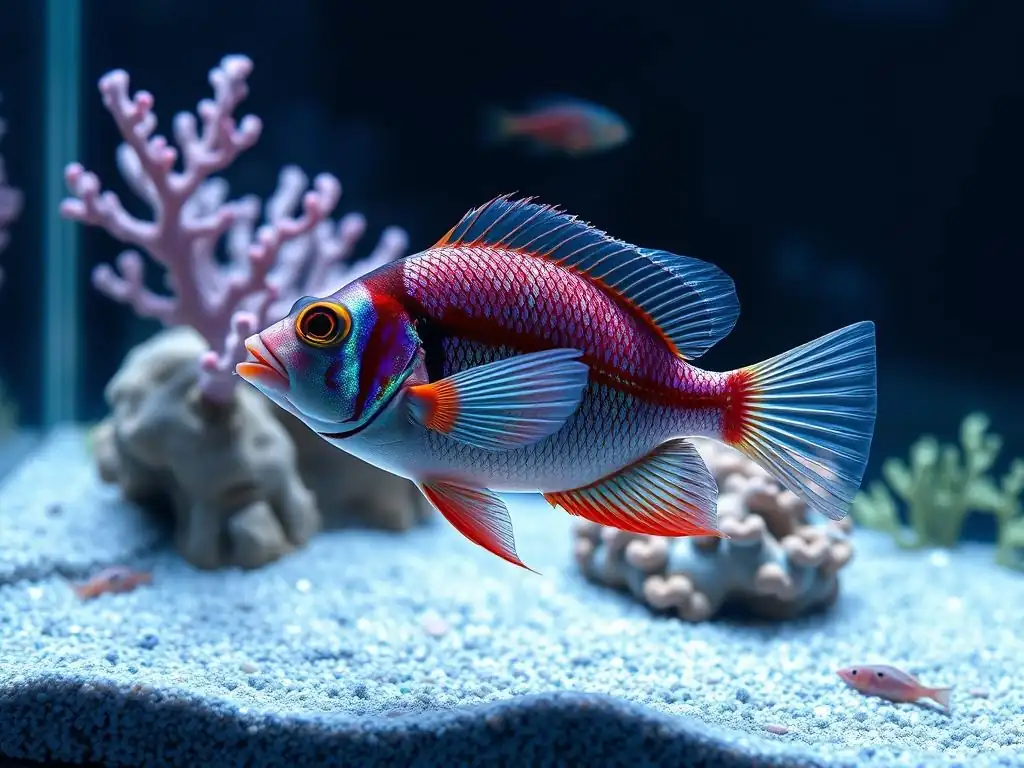
When setting up an aquarium for Banggai Cardinalfish, the choice of substrate is not as critical for the fish themselves, as they primarily hover in the water column rather than spending time on the bottom. However, a sand bed or fine gravel substrate can contribute to the overall aesthetics and provide a base for live rock. A depth of 1-2 inches (2.5-5 cm) is generally sufficient.
More importantly, the tank decorations should prioritize providing ample hiding spots and visual breaks. Mimic their natural habitat by incorporating plenty of caves, crevices, and branching structures using live rock, PVC pipes, or artificial coral decorations. These hiding spots are essential for reducing stress, especially if keeping multiple fish, and contribute significantly to meeting their Banggai Cardinalfish care requirements for security.
The Importance of Live Rock for Banggai Cardinals
Live rock is an indispensable component of a Banggai Cardinalfish aquarium, particularly in a reef setup. It serves multiple critical functions beyond just aesthetics. Firstly, live rock provides extensive surface area for beneficial nitrifying bacteria, which are essential for establishing and maintaining the nitrogen cycle, effectively breaking down harmful ammonia and nitrite into less toxic nitrates.
Secondly, live rock offers a myriad of natural hiding spots and perching opportunities that Banggai Cardinalfish instinctively seek out. It also contributes to a stable ecosystem by hosting various microfauna, which can serve as supplemental food sources. Aim for a density of approximately 1 to 1.5 pounds of live rock per gallon of tank water to ensure robust biological filtration and a structurally complex environment that meets their natural Banggai Cardinalfish care requirements.
Cycling Your Tank Before Introducing Banggai Cardinalfish
The absolute most critical step before introducing any Banggai Cardinalfish, or any marine fish for that matter, is to ensure your aquarium is fully cycled. Tank cycling is the process of establishing a robust colony of beneficial bacteria that can convert toxic ammonia (from fish waste and decaying food) into nitrite, and then convert nitrite into much less harmful nitrates. This process typically takes 4 to 6 weeks for a new tank, though it can vary.
Introducing Banggai Cardinalfish into an uncycled tank will expose them to lethal levels of ammonia and nitrite, almost certainly leading to severe stress, disease, and ultimately death. Regular testing of ammonia, nitrite, and nitrate levels throughout the cycling process is essential to confirm that the biological filter is mature and capable of handling the bioload. A stable, mature biological filter is the cornerstone of successful Banggai Cardinalfish care requirements.
Banggai Cardinalfish Diet and Feeding
What Do Banggai Cardinalfish Eat?
Banggai Cardinalfish are carnivorous micropredators, meaning they primarily feed on very small invertebrates in their natural habitat. In the wild, their diet consists mainly of zooplankton, including copepods, amphipods, and various types of small crustaceans that drift in the water column or hide among the reef structure. They are opportunistic feeders, patiently waiting for prey to come within striking distance.
In captivity, a varied and high-quality diet is crucial for their health and vibrant coloration. They readily accept a range of frozen foods such as mysis shrimp, enriched brine shrimp, finely chopped krill, and copepods. While some may eventually accept high-quality marine flakes or small pellets, frozen foods are generally preferred and provide superior nutrition. Meeting these dietary Banggai Cardinalfish care requirements ensures optimal health.
Recommended Feeding Schedule for Banggai Cardinals
Due to their relatively small size and moderate metabolism, Banggai Cardinalfish benefit from being fed small amounts multiple times a day. A recommended feeding schedule involves offering food 2-3 times per day. This approach prevents overfeeding at any single instance, which can quickly degrade water quality, while ensuring the fish receive adequate nutrition throughout the day.
When feeding, observe their behavior closely. Banggai Cardinalfish are typically slow eaters and can be easily outcompeted by faster, more aggressive tank mates. Ensure that all cardinalfish in the tank are getting enough food and that none are being bullied away from feeding opportunities. This consistent and mindful feeding strategy is a significant part of their overall Banggai Cardinalfish care requirements.
Supplementing Their Diet for Optimal Health and Color
To ensure optimal health, vibrant coloration, and strong immunity, supplementing the Banggai Cardinalfish's diet is highly beneficial. Fortifying frozen foods with liquid vitamin supplements, such as Selcon or garlic extracts, once or twice a week can significantly boost their nutritional intake. These supplements provide essential fatty acids and vitamins that might be lacking in a solely frozen food diet.
Additionally, offering live foods occasionally, such as live copepods or newly hatched brine shrimp, can stimulate their natural hunting instincts and provide a highly nutritious treat. Live foods are particularly beneficial for newly acquired fish that may be reluctant to eat prepared foods, or for conditioning breeding pairs. This diverse feeding regimen is key to meeting all Banggai Cardinalfish care requirements for long-term vitality.
Banggai Cardinalfish Tank Mates: Compatibility and Considerations
Best Tank Mates for Banggai Cardinalfish
Selecting appropriate tank mates is crucial for the peaceful coexistence and well-being of Banggai Cardinalfish. Ideal companions are peaceful, slow-moving fish that will not outcompete them for food or exhibit aggressive behavior. Excellent choices include other small, docile species such as Firefish ( Nemateleotris magnifica), Royal Grammas ( Gramma loreto), peaceful gobies (e.g., watchman gobies, clown gobies), and some species of clownfish (e.g., Ocellaris or Percula clownfish, provided they are not overly territorial).
Small, non-aggressive invertebrates like various types of snails, hermit crabs, and cleaner shrimp (e.g., Skunk Cleaner Shrimp) also make excellent companions, as they typically pose no threat to the cardinalfish and can contribute to the tank's cleanliness. Careful selection of tank mates is a pivotal aspect of ensuring the successful Banggai Cardinalfish care requirements in a community setup.
Fish to Avoid Keeping with Banggai Cardinals
When choosing tank mates, it's equally important to identify fish species that are incompatible with Banggai Cardinalfish. Avoid any highly aggressive or territorial fish, such as many species of damsels, triggers, large angelfish, or puffers, as they are likely to harass or injure the cardinalfish. Similarly, very fast-swimming fish (e.g., some tangs, certain wrasses) can outcompete Banggai Cardinals for food, leading to malnutrition and stress.
Furthermore, any fish large enough to consider the Banggai Cardinalfish as prey, such as lionfish, large groupers, or certain predatory eels, should be strictly avoided. While Banggai Cardinalfish can be kept in small groups, avoid mixing them with other large or dominant cardinalfish species that might compete for territory or resources. Careful consideration of tank mate compatibility is essential to prevent stress and aggression, thus fulfilling critical Banggai Cardinalfish care requirements.
Invertebrate Tank Mates and Banggai Cardinalfish Compatibility
Banggai Cardinalfish are generally considered reef-safe and are compatible with most corals and invertebrates commonly found in reef aquariums. They typically do not bother or nip at SPS (Small Polyp Stony), LPS (Large Polyp Stony), or soft corals. This makes them an excellent choice for a mixed-reef display, where the focus is on a diverse and thriving ecosystem.
While adult ornamental shrimp like cleaner shrimp or peppermint shrimp are usually safe, caution should be exercised with very small or delicate invertebrates, particularly shrimp fry or tiny copepods that might be perceived as food. However, snails, hermit crabs, and most other sessile invertebrates like clams are perfectly safe with Banggai Cardinalfish. Their reef-safe nature simplifies meeting their Banggai Cardinalfish care requirements in a complex reef environment.
Understanding Banggai Cardinalfish Schooling Behavior
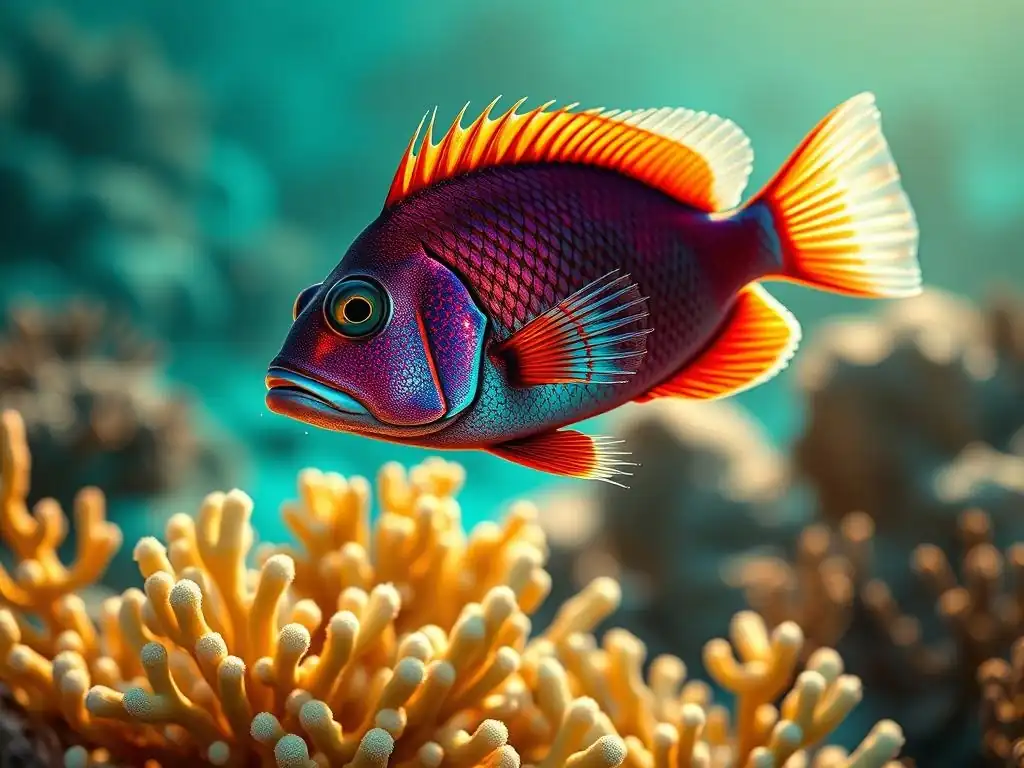
In their natural habitat, Banggai Cardinalfish are known to form small aggregations or loose schools, often seeking refuge among sea urchin spines or branching corals. This schooling behavior provides a sense of security and protection from predators. In a home aquarium, while they may not form tight, synchronized schools like some other species, they do tend to group together, especially if kept in numbers of three or more.
Keeping Banggai Cardinalfish in small groups (e.g., 3-5 individuals) can often reduce individual stress and encourage more natural social interactions. However, it's important to note that the term "schooling" for this species in captivity often refers to a loose aggregation rather than a tightly coordinated group. Providing ample hiding spots and visual breaks within the aquascape helps facilitate this natural grouping behavior, which is part of their Banggai Cardinalfish care requirements.
Potential Aggression Issues and How to Manage Them
While generally peaceful, Banggai Cardinalfish can exhibit intraspecific aggression, particularly in smaller tanks or when kept in odd-numbered groups (e.g., two or three individuals). Males can become territorial towards each other, especially when breeding or competing for prime hiding spots. This aggression is typically confined to chasing and nipping, but it can lead to stress and injury for the weaker fish.
To mitigate potential aggression, it's advisable to either keep a single Banggai Cardinalfish, a confirmed mated pair, or a larger group of five or more. In a larger group, aggression is often diffused among more individuals, reducing the impact on any single fish. Providing numerous hiding spots and visual barriers within the aquascape also helps to break lines of sight and reduce territorial disputes, ensuring that these Banggai Cardinalfish care requirements for social dynamics are met.
Observing Your Banggai Cardinalfish for Signs of Stress
Regular observation of your Banggai Cardinalfish is crucial for early detection of stress or illness. Signs of stress can include clamped fins, rapid breathing (gilling), excessive hiding, refusal to eat, faded coloration, or erratic swimming patterns. A healthy Banggai Cardinalfish should be actively hovering or slowly swimming, exhibiting vibrant colors, and showing interest in food during feeding times.
If you notice any of these symptoms, it's important to promptly investigate the potential causes. Begin by thoroughly checking all water parameters (temperature, salinity, pH, ammonia, nitrite, nitrate) to ensure they are within optimal ranges. Also, assess tank mate compatibility and ensure there are no bullying issues. Addressing stress factors quickly is a vital part of proactive Banggai Cardinalfish care requirements and can prevent more serious health problems.
Banggai Cardinalfish Breeding in Captivity
Creating a Breeding Environment for Banggai Cardinals
Banggai Cardinalfish are one of the few marine species that readily breed in captivity, making them a popular choice for hobbyists interested in aquaculture. To encourage breeding, a dedicated breeding tank of 20-30 gallons (75-115 liters) with stable, pristine water parameters is ideal. The tank should include plenty of hiding spots, such as live rock crevices or PVC pipes, which can serve as a secure location for the male to brood eggs.
Conditioning the prospective breeding pair with a high-quality, varied diet, rich in proteins and essential fatty acids, is crucial. Offering live foods like enriched brine shrimp, mysis shrimp, or copepods can significantly encourage spawning behavior. Consistent water quality and a calm environment are paramount for successful breeding, fulfilling specific Banggai Cardinalfish care requirements for reproduction.
Identifying Male and Female Banggai Cardinalfish
Distinguishing between male and female Banggai Cardinalfish can be challenging outside of breeding periods, as there are no obvious external sexual differences in coloration or finnage. However, during breeding, males are typically larger and develop a more pronounced, angular lower jaw, which becomes noticeably distended when they are carrying a clutch of eggs in their mouth (mouthbrooding).
Females, in contrast, tend to be slightly smaller and have a more rounded abdomen, especially when gravid with eggs. The most reliable method for sexing them is through observation of their breeding behavior: the male will be the one actively mouthbrooding the eggs for approximately 20-30 days until the fry are released. This unique reproductive trait is a key aspect of their Banggai Cardinalfish care requirements when breeding.
Caring for Banggai Cardinalfish Fry
Once the male Banggai Cardinalfish releases the fry from his mouth, they are remarkably large and well-developed, typically measuring around 4-5 mm (about 0.16-0.2 inches) in length. This makes them easier to care for than many other marine fish fry. They are immediately capable of consuming newly hatched brine shrimp ( Artemia nauplii).
Feeding should be frequent, about 5-6 times a day, in small amounts to prevent fouling the water. Maintaining pristine water quality through small, daily water changes (e.g., 10-20%) is essential for fry survival, as they are highly sensitive to ammonia and nitrite spikes. With diligent care and appropriate feeding, the survival rate of Banggai Cardinalfish fry can be quite high, making them a rewarding breeding project for aquarists who master these specific Banggai Cardinalfish care requirements.
Common Banggai Cardinalfish Diseases and Health Problems
Recognizing Symptoms of Disease in Banggai Cardinals
Early recognition of disease symptoms is critical for effective treatment and preventing spread to other tank inhabitants. In Banggai Cardinalfish, common signs of illness include the appearance of white spots (indicative of Marine Ich, Cryptocaryon irritans), a cloudy or patchy grey film on the body (often Marine Velvet, Amyloodinium ocellatum), red lesions or fin erosion (potentially Uronema or bacterial infections), cloudy eyes, labored or rapid breathing, or unusual swimming patterns.
Behavioral changes such as excessive hiding, refusal to eat, clamped fins, or rubbing against tank decorations can also signal underlying health issues. As soon as any of these symptoms are observed, it is imperative to isolate the affected fish in a hospital or quarantine tank to facilitate treatment and protect the rest of the main display. This proactive approach is a cornerstone of effective Banggai Cardinalfish care requirements.
Quarantine Procedures for New Fish
Implementing a strict quarantine procedure for all new Banggai Cardinalfish is one of the most effective preventative measures against introducing diseases into your main display tank. A separate quarantine tank (QT) of at least 10-20 gallons should be set up, complete with a heater, filter, and basic decor. New fish should be housed in the QT for a minimum of 3-4 weeks, or longer if any signs of illness appear.
During the quarantine period, closely observe the fish for any symptoms of disease. This time also allows the fish to de-stress from transport and acclimate to captive conditions. Many aquarists opt for prophylactic treatment for common parasites like Ich or Marine Velvet during quarantine, even if no symptoms are present. This diligent practice is a non-negotiable aspect of responsible Banggai Cardinalfish care requirements.
Treating Common Banggai Cardinalfish Ailments: Ich, Marine Velvet, and Uronema
Ich (Cryptocaryon irritans): This common parasitic infection appears as small white spots resembling salt grains on the fish's body and fins. Treatment typically involves transferring the affected fish to a hospital tank and treating with copper-based medications (e.g., Cupramine) or hyposalinity (gradually reducing salinity to 1.009-1.010 SG). Copper levels must be precisely monitored using a test kit.
Marine Velvet (Amyloodinium ocellatum): More virulent than Ich, Marine Velvet manifests as a dusty, yellowish-grey film, often causing rapid breathing and lethargy. Immediate treatment is crucial, usually with copper or chloroquine phosphate in a hospital tank. Uronema: This ciliate parasite can cause red lesions, fin erosion, and rapid tissue decay, often affecting stressed or injured fish. It is often treated with antibiotics (e.g., Furan-2) or formalin dips in a hospital tank. Always follow medication instructions carefully and ensure proper aeration during treatment for all these ailments, as it is integral to Banggai Cardinalfish care requirements during illness.
Troubleshooting Common Banggai Cardinalfish Issues
Banggai Cardinalfish Not Eating: Potential Causes and Solutions
When a Banggai Cardinalfish refuses to eat, it's a significant cause for concern, as it often indicates an underlying problem. Potential causes include acute stress (from new tank introduction, aggressive tank mates, or poor water quality), internal parasites, bacterial infections, or simply being a finicky eater. New fish may also take a few days to settle in and begin feeding.
To address this, first rigorously test all water parameters to ensure they are optimal and stable. Offer a variety of foods, including highly palatable options like live or frozen mysis shrimp, which are often irresistible. Ensure they are not being outcompeted by faster tank mates; consider target feeding with a pipette. If other symptoms are present, a full disease diagnosis and treatment in a hospital tank may be necessary. Addressing this promptly is a critical Banggai Cardinalfish care requirement.
Cloudy Eyes in Banggai Cardinalfish: Diagnosis and Treatment
Cloudy eyes in Banggai Cardinalfish can affect one or both eyes and are a common symptom of several issues. The most frequent causes include poor water quality (especially high nitrates or fluctuating pH), bacterial infections, or physical injury (e.g., bumping into decor, aggression from tank mates).
Treatment typically begins with immediately improving water quality through a series of significant water changes. If the cloudiness persists or worsens, or if other symptoms of bacterial infection are present, a broad-spectrum antibiotic treatment in a hospital tank may be required. If the cause is physical injury, providing pristine water quality and a stress-free environment often allows the eye to heal on its own. This symptom highlights the importance of consistent Banggai Cardinalfish care requirements for water quality.
Sudden Death Syndrome in Banggai Cardinalfish: Prevention and Management
Sudden Death Syndrome (SDS) in Banggai Cardinalfish, where a seemingly healthy fish dies without obvious prior symptoms, is a distressing but unfortunately reported phenomenon. While the exact cause is not always clear, it is often linked to acute stress, particularly during or shortly after the acclimation process, or due to exposure to high levels of ammonia or nitrite in new, uncycled setups. Poor genetic stock or underlying systemic infections that don't present outward symptoms can also contribute.
Prevention is paramount: ensure a fully cycled and mature aquarium before introduction, use a slow drip acclimation process (over 60-90 minutes) for new fish, and maintain impeccable, stable water parameters. If SDS occurs, immediately test all water parameters for any spikes, especially ammonia and nitrite, and perform large water changes if necessary. While management after the fact is difficult, rigorous adherence to all Banggai Cardinalfish care requirements from day one significantly reduces the risk.
Where to Buy Healthy Banggai Cardinalfish
Selecting Reputable Breeders and Retailers
Choosing where to purchase your Banggai Cardinalfish significantly impacts their long-term health and success in your aquarium. Seek out local fish stores or online retailers with a strong reputation for healthy livestock, ethical practices, and proper husbandry. Ask about their quarantine procedures, the source of their fish (wild-caught vs. captive-bred), and how long the fish have been in their care.
Captive-bred Banggai Cardinalfish are generally preferred as they are often hardier, more accustomed to aquarium foods, and less prone to parasitic infections compared to their wild-caught counterparts. Before purchasing, observe the fish closely: look for clear eyes, vibrant coloration, active swimming, full body condition, and no visible signs of disease or physical damage. Inquiring about their feeding habits in the store can also provide valuable insight into their health and adaptability, helping to meet future Banggai Cardinalfish care requirements.
Acclimation Process for New Banggai Cardinalfish
A proper acclimation process is crucial for the successful introduction of new Banggai Cardinalfish to your aquarium, as they are sensitive to sudden changes in water parameters. The slow drip acclimation method is highly recommended. This involves slowly dripping water from your quarantine or display tank into the bag containing the new fish, gradually equalizing temperature, pH, and salinity over a period of at least 60-90 minutes.
Once acclimated, gently transfer the fish into the quarantine tank, preferably by scooping it with a container rather than a net, to minimize stress and prevent fin damage. Avoid introducing any of the water from the shipping bag into your aquarium, as it may contain pathogens or undesirable substances. A meticulous acclimation process is a fundamental Banggai Cardinalfish care requirement that sets the stage for their long-term well-being.
Conclusion: Mastering Banggai Cardinalfish Care for a Thriving Reef Aquarium
The Banggai Cardinalfish, with its unique appearance and fascinating behaviors, makes an exceptional addition to many reef aquariums. However, their long-term health and vitality hinge upon a comprehensive understanding and diligent application of specific Banggai Cardinalfish care requirements. This includes maintaining impeccably stable water parameters—temperature, salinity, pH, and alkalinity—within their ideal ranges, along with providing an appropriately sized tank that offers ample hiding spots and gentle water flow.
Mastering their care also involves offering a varied, high-quality diet of frozen and live foods, carefully selecting peaceful tank mates, and adhering to strict quarantine protocols for all new arrivals. By committing to these detailed Banggai Cardinalfish care requirements, aquarists can enjoy these captivating fish for many years, observing their intriguing social dynamics and potentially even experiencing the rewarding process of breeding them in captivity, contributing to the species' sustainability within the hobby.
Frequently Asked Questions
What are the basic tank size requirements for keeping Banggai Cardinalfish?
Banggai Cardinalfish need a minimum tank size of 30 gallons for a single fish or a mated pair. Providing ample space is crucial for their well-being and reducing stress.
What are the ideal water parameters for Banggai Cardinalfish?
Maintain a stable temperature of 78-82°F (25-28°C), a salinity of 1.024-1.026 specific gravity, and a pH of 8.1-8.4. Consistent water quality is essential for their health.
What is the best diet for Banggai Cardinalfish in an aquarium setting?
Offer a varied diet of small, meaty foods such as mysis shrimp, brine shrimp, and high-quality flake food. Feed them multiple times a day in small portions.
Are Banggai Cardinalfish reef safe, and can they be kept with corals?
Yes, Banggai Cardinalfish are generally considered reef safe and can be kept with corals. They don't typically bother corals or other invertebrates.
What are some common health issues to watch out for with Banggai Cardinalfish?
Banggai Cardinalfish are susceptible to parasitic infections like ich and bacterial infections. Quarantine new arrivals and maintain excellent water quality to prevent disease.
Final Reflection: The Enduring Appeal of the Banggai Cardinalfish
The journey of understanding Banggai Cardinalfish care requirements is more than just mastering the technical aspects of reef keeping; it's about appreciating the delicate balance of a unique ecosystem and our responsibility in its preservation. The popularity of these captivating fish in the aquarium hobby underscores a growing awareness of marine life, but also highlights the crucial need for responsible sourcing and informed care practices to ensure their continued survival.
This article, and the knowledge it imparts, serves as a reminder that our actions, however small, ripple outwards, impacting the natural world. By understanding and meeting the specific needs of the Banggai Cardinalfish, we contribute to their well-being and, in a broader sense, to the health of our planet's coral reefs. In the end, we will conserve only what we love; we will love only what we understand; and we will understand only what we are taught.
- Baba Dioum. This quote encapsulates the very essence of responsible aquarism.
Now, consider the knowledge you've gained. Let it not simply remain information, but transform into action. Reflect on your own practices, your own choices. Are you contributing to the well-being of these magnificent creatures, or inadvertently hindering their survival? Embrace the responsibility that comes with keeping these fish, and become an advocate for their conservation. The future of the Banggai Cardinalfish, and countless other species, rests, in part, in our hands.
Dive Deeper: Transform Your Reef Tank Today!
Thanks for exploring the captivating world of Banggai Cardinalfish with us! We hope this guide has equipped you with the knowledge to successfully care for these stunning creatures. Now, let's translate knowledge into action.
- Start Planning Your Banggai Biotope: Begin researching compatible tank mates and designing an environment that mirrors their natural habitat. This is the most important step!
- Share your newfound wisdom! Spread the word about the Banggai Cardinalfish's unique needs and the importance of responsible aquarism with your friends.
- Consider contributing your own experiences! Join our Aquarium Mastery community forum to share your challenges and successes with keeping Banggai Cardinalfish.
What specific element of Banggai Cardinalfish care are you most excited to implement in your reef tank setup?