
Invertebrate Tank Mates for Angelfish: Safe Choices and Risky Additions

Welcome to Aquarium Mastery!
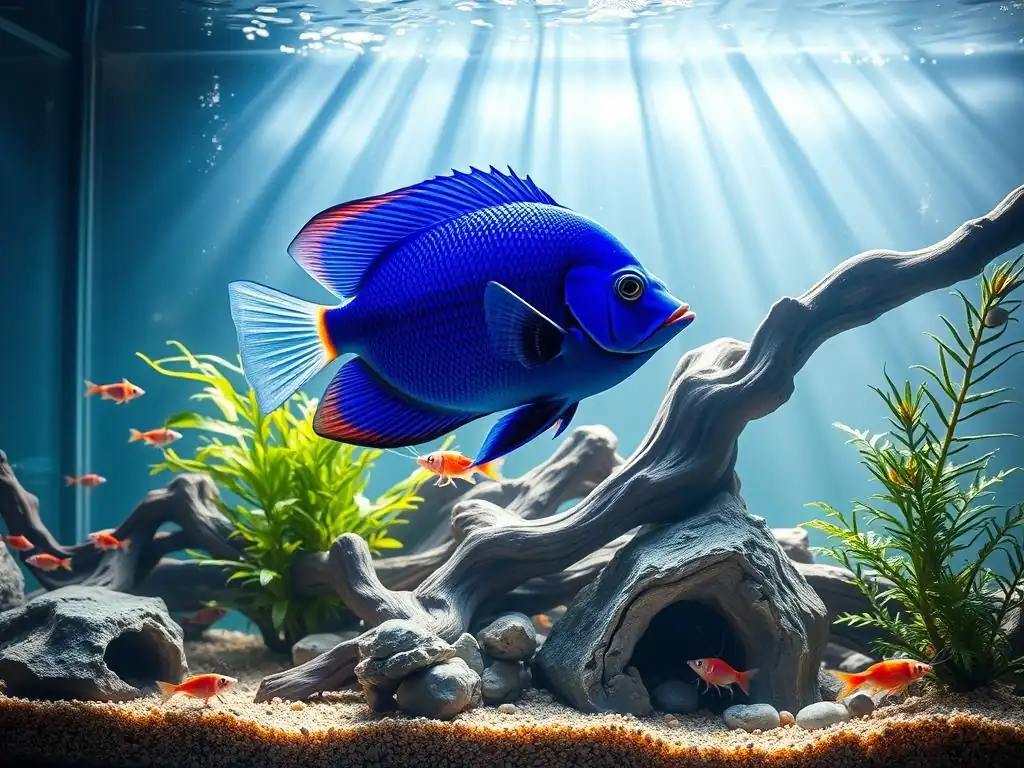
Ever wondered if that stunning starfish or vibrant shrimp could safely share a tank with your majestic angelfish? Navigate the delicate balance of your saltwater aquarium with our expert Angelfish Tank Mate Guide. Discover which invertebrates make harmonious companions and which could spell disaster, ensuring a thriving and beautiful underwater world for your finned friends. Curious to know more? Dive in and let's unlock the secrets to a peaceful reef!
- Invertebrate Tank Mates for Dwarf Angelfish: Safe Choices and Risky Additions
- Dwarf Angelfish Tank Mate Guide: Introducing Invertebrates to Your Reef Aquarium
- Safe Invertebrate Tank Mates for Dwarf Angelfish: A Comprehensive Guide
- Risky Invertebrate Additions to Dwarf Angelfish Tanks: Potential Problems
- Considerations Before Adding Invertebrates to Your Dwarf Angelfish Tank
- Successfully Integrating Invertebrates into Your Saltwater Dwarf Angelfish Aquarium
- Conclusion: Building a Thriving Reef Aquarium with Dwarf Angelfish and Invertebrates
-
Frequently Asked Questions
- What invertebrates are considered safe tank mates for Angelfish?
- Why are some invertebrates considered risky additions to an Angelfish tank?
- How does the size of the invertebrate impact its suitability as an Angelfish tank mate?
- What are some signs that an Angelfish is harassing or preying on invertebrate tank mates?
- Besides size, what other factors should I consider when choosing invertebrate tank mates for Angelfish?
- Final Reflection: Navigating the Delicate Balance of Ecosystem Harmony
- Unleash the Hidden Potential of Your Angelfish Tank!
Invertebrate Tank Mates for Dwarf Angelfish: Safe Choices and Risky Additions
Dwarf Angelfish Tank Mate Guide: Introducing Invertebrates to Your Reef Aquarium
Understanding Dwarf Angelfish Temperament and Tank Mate Compatibility
Dwarf angelfish, encompassing popular species like Flame Angelfish ( Centropyge loriculus), Coral Beauty Angelfish ( Centropyge bispinosa), and Lemonpeel Angelfish ( Centropyge flavissima), are renowned for their vibrant colors and captivating personalities. While generally considered "reef-safe with caution," their individual temperaments can vary significantly. Most dwarf angelfish are semi-aggressive, establishing territories within the aquarium, but are typically peaceful towards most invertebrates if well-fed and provided ample space.
However, it's crucial to acknowledge that a small percentage, perhaps around 10-20% of individual dwarf angelfish, may develop a habit of nipping at corals or sessile invertebrates, particularly if underfed or stressed. This behavior is less common with motile invertebrates such as snails and shrimp, but vigilance is always recommended. Understanding the specific species of dwarf angelfish and its observed behavior is paramount in creating a harmonious environment for an Angelfish tank mate guide.
The Importance of Choosing the Right Invertebrate Companions
Selecting appropriate invertebrate companions for your dwarf angelfish tank is a critical step in establishing a balanced and thriving reef ecosystem. The right choices can contribute significantly to the aquarium's health, aiding in algae control, detritus removal, and overall water quality maintenance, thereby reducing the need for manual intervention. A well-selected clean-up crew, for instance, can effectively manage up to 40% of nuisance algae growth in a mature system.
Conversely, incompatible invertebrates can pose various risks, ranging from becoming a food source for your angelfish to introducing harmful stings or competing for vital resources. Therefore, careful research and consideration of each invertebrate's natural behavior, size, and defensive mechanisms are essential to prevent potential conflicts and ensure the long-term well-being of all inhabitants, making this a vital part of any Angelfish tank mate guide.
Safe Invertebrate Tank Mates for Dwarf Angelfish: A Comprehensive Guide
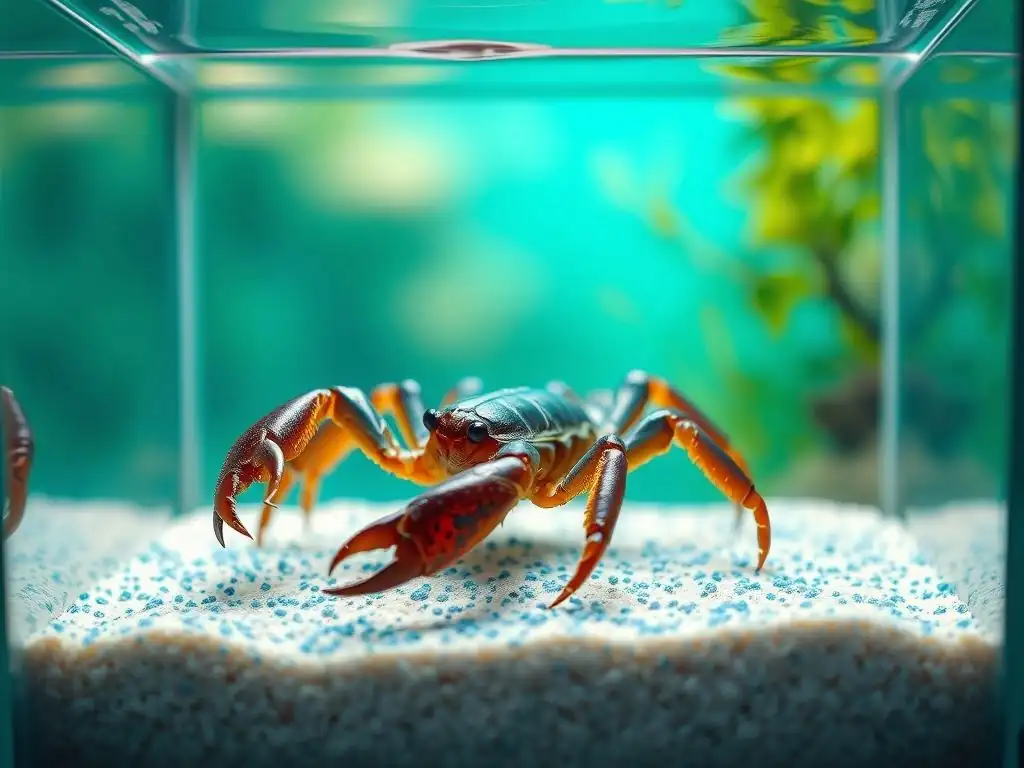
Reef-Safe Clean-Up Crews for Dwarf Angelfish Tanks
Turbo Snails: Effective Algae Eaters for Dwarf Angelfish Aquariums
Turbo snails ( Turbanidae spp.), particularly the Mexican Turbo Snail ( Turbo fluctuosa), are highly prized for their voracious appetite for film algae and diatoms. Growing up to 2 inches in diameter, their robust shells and relatively large size make them generally unappealing targets for dwarf angelfish. They are relentless grazers, constantly moving across rocks and glass surfaces, consuming nuisance algae that can otherwise overwhelm a reef tank.
These hardy snails are incredibly efficient, with a single large Turbo snail capable of clearing several square inches of algae daily. For a standard 50-gallon reef aquarium, a population of 3-5 Turbo snails is often sufficient to keep common algae blooms in check. Their presence significantly contributes to nutrient export and overall tank cleanliness, making them an indispensable component of an effective clean-up crew in any Angelfish tank mate guide.
Nassarius Snails: Scavengers that Thrive with Dwarf Angelfish
Nassarius snails ( Nassarius vibex) are small, agile scavengers known for their unique ability to burrow into the sand bed, where they sift through the substrate in search of uneaten food and decaying organic matter. Their active burrowing helps aerate the sand, preventing the buildup of anaerobic pockets. These snails typically reach about 0.5 to 1 inch in length and possess a distinctive conch-like shell.
Despite their relatively small size, Nassarius snails are rarely bothered by dwarf angelfish due to their quick burrowing response when threatened and their preference for remaining largely hidden within the substrate. They are highly efficient detritivores, emerging rapidly from the sand when food is introduced into the water column. A common recommendation for effective sand-bed maintenance is to keep 1 Nassarius snail per 1-2 gallons of tank volume, ensuring a pristine environment for all inhabitants.
Cerith Snails: Detritus Removal Specialists for Reef Tanks with Dwarf Angelfish
Cerith snails ( Cerithium spp.) are versatile members of the clean-up crew, serving as both effective algae grazers and detritus consumers. These snails typically grow to about 0.5 to 1 inch in length and possess a conical, spiraled shell. They are particularly adept at reaching into crevices and tight spots on live rock, cleaning areas that larger snails might miss.
Their hard shells and active nature make them generally resilient to the occasional curiosity of dwarf angelfish. Cerith snails are excellent at consuming diatoms, cyanobacteria, and various forms of detritus. For a 75-gallon reef tank, a population of 10-15 Cerith snails, combined with other clean-up crew members, can significantly enhance overall tank hygiene and contribute to a balanced ecosystem, making them a valuable addition to an Angelfish tank mate guide.
Shrimp Species Compatible with Dwarf Angelfish
Peppermint Shrimp: Aiptasia Control in Dwarf Angelfish Tanks
Peppermint shrimp ( Lysmata wurdemanni) are highly valued for their natural ability to control Aiptasia anemones, a common and often problematic pest in reef aquariums. These shrimp are characterized by their translucent bodies with reddish-brown stripes and typically grow to about 2 inches. They are generally nocturnal, preferring to hide during the day and forage for Aiptasia at night.
Most aquarists report a significant reduction, often 80-90% within a few weeks, in Aiptasia populations after introducing a few Peppermint shrimp. Dwarf angelfish generally ignore these shrimp, as they lack vibrant colors that might trigger a predatory response and are quite agile. Keeping 2-3 Peppermint shrimp in a 50-gallon tank can be an effective biological control method for Aiptasia, providing a safe and beneficial Angelfish tank mate guide.
Cleaner Shrimp: Mutualistic Symbiosis with Dwarf Angelfish
Cleaner shrimp, such as the Skunk Cleaner Shrimp ( Lysmata amboinensis), are fascinating invertebrates known for their symbiotic relationship with fish. These shrimp set up "cleaning stations" where fish, including dwarf angelfish, will present themselves to have external parasites and dead tissue removed. Skunk Cleaner Shrimp can grow up to 2.5 inches and are easily recognizable by their distinctive white stripe running down their back.
Dwarf angelfish rarely pose a threat to cleaner shrimp, often benefiting directly from their cleaning services. This mutualistic relationship means that the angelfish has little incentive to harm the shrimp. Many aquarists successfully keep 1-2 cleaner shrimp in tanks 50 gallons or larger, observing their engaging behavior as they interact with their fish companions.
Blood Shrimp: Adding Color and Safety to Your Dwarf Angelfish Aquarium
The Blood Shrimp, also known as Fire Shrimp ( Lysmata debelius), is a highly sought-after invertebrate for its striking appearance. With its vibrant red body and contrasting white spots, it adds a dramatic splash of color to any reef aquarium. These shrimp typically reach about 2 inches in size and are generally peaceful, making them an excellent choice for a community tank.
Blood Shrimp are less prone to being picked on by dwarf angelfish compared to smaller or more delicate shrimp species, largely due to their robust size and less frantic movements. While they don't offer the same active cleaning services as Skunk Cleaners, their aesthetic appeal and general compatibility make them a popular and safe option for aquarists looking to add a colorful Angelfish tank mate guide without significant risk.
Crab Species That Can Coexist with Dwarf Angelfish
Emerald Crabs: Controlling Algae in Dwarf Angelfish Reef Tanks
Emerald Crabs ( Mithraculus sculptus) are beneficial additions to reef aquariums, primarily known for their appetite for bubble algae ( Valonia spp.), a notoriously difficult nuisance algae to control. These crabs are typically green and can grow up to 2 inches across their carapace. They are active scavengers, also consuming detritus and other forms of algae.
A single Emerald Crab can significantly reduce or even eliminate a bubble algae outbreak in a small to medium-sized tank within a few weeks. Their hard exoskeleton provides excellent protection from potential predation by dwarf angelfish. While generally peaceful, caution is advised as some individual Emerald Crabs may occasionally nip at soft corals if underfed, though this behavior is less common when ample food sources are available.
Scarlet Reef Hermit Crabs: A Beneficial Addition to Dwarf Angelfish Aquariums
Scarlet Reef Hermit Crabs ( Paguristes cadenati) are perhaps the most popular and safest hermit crab species for reef aquariums. Their bright red legs and peaceful demeanor make them a favorite among aquarists. They typically grow to about 1 to 1.5 inches and are excellent scavengers, sifting through sand and rocks to consume detritus, uneaten food, and various forms of nuisance algae, including hair algae.
These active members of the clean-up crew are generally ignored by dwarf angelfish, as their protective shells make them an unappealing target. It is crucial to always provide a selection of empty shells of various sizes in the aquarium to allow the hermit crabs to upgrade their homes as they grow, preventing them from potentially bothering snails for their shells. A common guideline is 1-2 Scarlet Reef Hermit Crabs per 10 gallons for effective clean-up in an Angelfish tank mate guide.
Risky Invertebrate Additions to Dwarf Angelfish Tanks: Potential Problems
Invertebrates Dwarf Angelfish Might Eat
Small Ornamental Shrimp: A Tempting Snack for Dwarf Angelfish
While some shrimp species are safe, very small or delicate ornamental shrimp, such as Sexy Shrimp ( Thor amboinensis) or certain Anemone Shrimp ( Periclimenes spp.), pose a significant risk when housed with dwarf angelfish. These shrimp often measure less than 1 inch and can be brightly colored, making them highly attractive targets for a curious or opportunistic angelfish.
Dwarf angelfish, being omnivores with a natural inclination to pick at various surfaces and small organisms, may view these tiny shrimp as a convenient food source. Their slow, deliberate movements and lack of effective defensive mechanisms make them highly vulnerable. Anecdotal reports suggest that small ornamental shrimp have a survival rate of less than 30% when kept with dwarf angelfish for extended periods, making them a risky choice for an Angelfish tank mate guide.
Feather Duster Worms: Vulnerable to Dwarf Angelfish Nipping
Feather Duster Worms ( Sabellastarte spp. and similar species) are beautiful sessile invertebrates that filter feed using their delicate, feathery crowns. These crowns can span several inches when fully extended, creating an attractive visual element in a reef tank. However, their vulnerability lies in the very structure that makes them appealing.
Dwarf angelfish are well-known for their tendency to pick at sessile invertebrates, and the delicate, feathery crowns of duster worms are often irresistible. Constant nipping by an angelfish forces the worm to repeatedly retract its crown, leading to chronic stress and preventing it from feeding effectively. Over time, this can lead to the worm starving or dying due, making them an unsuitable Angelfish tank mate guide.
Invertebrates That Might Irritate Dwarf Angelfish
Long Tentacle Anemones: Potential Sting Risk for Dwarf Angelfish
Large, long-tentacled anemones, such as Bubble Tip Anemones ( Entacmaea quadricolor) or Sebae Anemones ( Heteractis crispa), possess powerful stinging nematocysts designed to capture prey and deter predators. While aesthetically pleasing, their presence in a dwarf angelfish tank introduces a significant safety hazard for the fish. These anemones can expand to cover a considerable area, often 6-12 inches in diameter, making them difficult for fish to avoid in a confined aquarium space.
Accidental contact with an anemone's stinging tentacles can cause severe skin irritation, tissue damage, fin rot, or even death for a dwarf angelfish. Even if the angelfish is not directly harmed, the constant stress of avoiding a large, mobile anemone can weaken its immune system. Therefore, for the safety and well-being of the angelfish, it is generally advised to avoid housing them with large, potent anemones.
Mantis Shrimp: Could Prey on Dwarf Angelfish
Mantis Shrimp (Stomatopods) are highly specialized and predatory crustaceans known for their incredibly powerful "smashing" or "spearing" appendages. While fascinating, they are notorious for their aggressive nature and ability to ambush and kill tank inhabitants, including fish much larger than themselves. Some species can grow over 6 inches and are capable of striking with forces comparable to a .22 caliber bullet, even potentially cracking aquarium glass up to 0.25 inches thick.
Even smaller mantis shrimp species pose an extreme threat to dwarf angelfish. They are masters of camouflage and can remain hidden for extended periods, only to emerge rapidly to ambush unsuspecting fish, particularly at night. Introducing a mantis shrimp, even inadvertently as a hitchhiker on live rock, into a tank with dwarf angelfish is an extremely high-risk scenario that almost invariably leads to the loss of the angelfish, making them unequivocally unsuitable for any Angelfish tank mate guide.
Considerations Before Adding Invertebrates to Your Dwarf Angelfish Tank
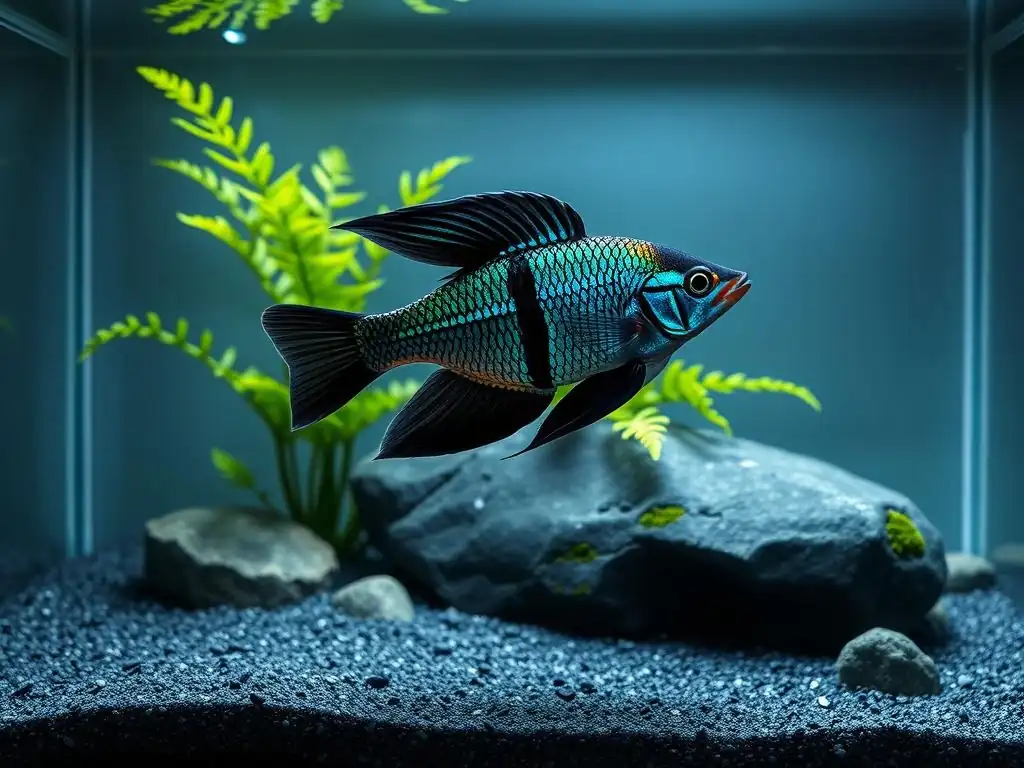
Tank Size and Aquascaping for Dwarf Angelfish and Invertebrate Harmony
The size of your aquarium plays a crucial role in the successful cohabitation of dwarf angelfish and invertebrates. A larger tank, ideally 75 gallons or more, provides ample space for both the angelfish to establish its territory and for invertebrates to find refuge and forage without constant interaction. Overcrowding in smaller tanks can exacerbate stress and increase the likelihood of aggression or predatory behavior from the angelfish towards its tank mates.
Thoughtful aquascaping is equally important. Creating a complex environment with plenty of live rock structures, caves, and crevices offers numerous hiding spots for invertebrates, allowing them to feel secure and retreat if an angelfish becomes overly curious. Visual barriers also help break up the angelfish's line of sight, reducing territorial disputes and promoting a more harmonious environment for all inhabitants in an Angelfish tank mate guide.
Water Parameters: Maintaining Optimal Conditions for All Inhabitants
Maintaining stable and pristine water parameters is paramount for the health and longevity of both dwarf angelfish and their invertebrate companions. Invertebrates, especially corals and many shrimp species, are particularly sensitive to fluctuations in water chemistry. Key parameters to monitor include salinity (1.023-1.026 specific gravity), temperature (75-80°F), pH (8.1-8.4), alkalinity (8-12 dKH), calcium (400-450 ppm), and magnesium (1250-1350 ppm).
Ammonia and nitrite must be undetectable, and nitrates should be kept as low as possible, ideally below 10-20 ppm, as high levels can be detrimental to invertebrates. Regular water changes, typically 10-20% weekly or bi-weekly, are essential not only for removing accumulated nitrates but also for replenishing vital trace elements that invertebrates utilize for shell growth and overall health. Consistent monitoring with reliable test kits is crucial for a thriving Angelfish tank mate guide.
Quarantine Procedures: Protecting Your Dwarf Angelfish and Invertebrates from Disease
Implementing a strict quarantine procedure for all new livestock, including invertebrates, is a non-negotiable step to safeguard your established aquarium. A dedicated quarantine tank, separate from your main display, should be used for at least 4-6 weeks. This isolation period allows you to observe new additions for any signs of disease (e.g., Ich, Marine Velvet) or unwanted hitchhikers, such as predatory crabs or mantis shrimp, before they can infect your main tank.
Quarantining provides a controlled environment where treatments can be administered without harming the sensitive inhabitants of your display tank, especially copper-sensitive invertebrates. It also significantly reduces the stress on existing fish and invertebrates by preventing the introduction of pathogens. This preventative measure is vital for maintaining a healthy and stable Angelfish tank mate guide and avoiding costly and heartbreaking outbreaks.
Successfully Integrating Invertebrates into Your Saltwater Dwarf Angelfish Aquarium
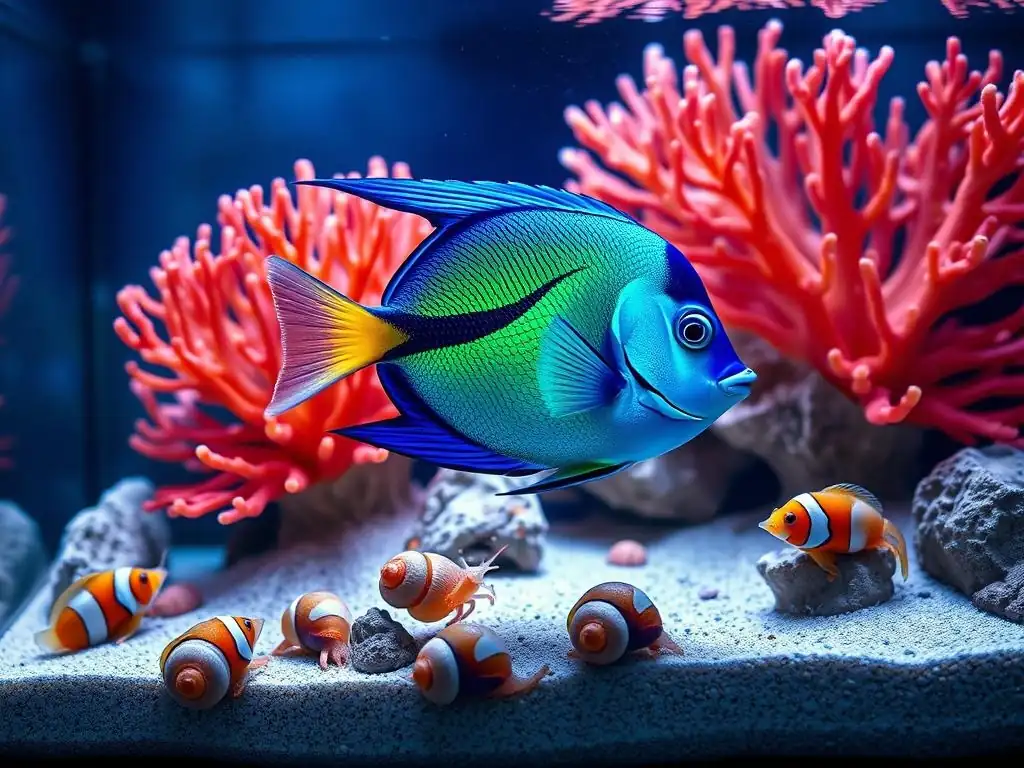
Acclimation Techniques for Introducing New Invertebrates
Proper acclimation is critical for the survival and well-being of new invertebrates, as they are highly sensitive to sudden changes in water parameters such as salinity, temperature, and pH. The drip acclimation method is widely regarded as the safest and most effective technique. This involves slowly dripping water from the display tank into the container holding the new invertebrate over a period of 1 to 2 hours, allowing for a gradual adjustment to the new water chemistry.
During this process, it is essential to ensure that no shipping water is introduced into the main display tank, as it may contain undesirable pollutants or pathogens. Once acclimation is complete, gently net or cup the invertebrate and place it into the aquarium. For particularly sensitive species like shrimp, dimming the tank lights for the first few hours can help reduce stress and allow them to find suitable hiding spots, promoting a smoother transition.
Monitoring Dwarf Angelfish Behavior After Adding Invertebrates
After introducing new invertebrates, diligent observation of your dwarf angelfish's behavior is paramount for the first few hours to several days. Pay close attention to any signs of aggression, excessive curiosity, or persistent nipping directed towards the new inhabitants. While many dwarf angelfish will initially investigate, a sustained focus on a particular invertebrate could indicate a potential issue.
If aggressive behavior is observed, consider increasing the frequency of feeding your angelfish to reduce any potential hunger-driven nipping. Providing additional hiding spots or rearranging existing aquascaping elements can also help diffuse territorial disputes. However, if aggression persists and the safety of the invertebrate is compromised, the difficult decision of removing either the angelfish or the invertebrate may be necessary to maintain harmony in your Angelfish tank mate guide.
Addressing Invertebrate Predation by Dwarf Angelfish
Despite careful selection and preparation, individual dwarf angelfish may occasionally exhibit unpredictable predatory behavior towards "safe" invertebrates. This is a rare occurrence, perhaps affecting 5-10% of cases, but it is a risk that aquarists must be prepared for. If an angelfish is observed actively predating on a clean-up crew member or another invertebrate, immediate action is often required to save the targeted animal.
The most effective solution is typically the prompt removal of the invertebrate to a separate tank or rehoming it. For clean-up crew members, replacing them with larger individuals or different species that are less appealing to the angelfish (e.g., larger, more robust snails) can sometimes mitigate the issue. In persistent or severe cases where the angelfish consistently poses a threat to other tank inhabitants, rehoming the angelfish itself might be the only viable long-term solution for a peaceful Angelfish tank mate guide.
Conclusion: Building a Thriving Reef Aquarium with Dwarf Angelfish and Invertebrates
Creating a harmonious and thriving reef aquarium with dwarf angelfish and a diverse invertebrate community is a rewarding endeavor that requires careful planning and diligent execution. The key to success lies in understanding the nuanced temperament of your chosen dwarf angelfish species, making informed decisions about compatible invertebrate tank mates, and maintaining impeccable water quality.
By prioritizing proper tank size and aquascaping, adhering to strict quarantine protocols, and closely monitoring the interactions between your fish and invertebrates, you can significantly increase the likelihood of a successful cohabitation. With the right approach, your Angelfish tank mate guide will lead to a vibrant, balanced, and aesthetically stunning reef system that provides endless enjoyment for years to come.
Frequently Asked Questions
What invertebrates are considered safe tank mates for Angelfish?
Safe options generally include larger snails like Nerite snails and Mystery snails, as well as some species of Amano shrimp. These are less likely to become a snack for your Angelfish.
Why are some invertebrates considered risky additions to an Angelfish tank?
Smaller invertebrates, such as baby shrimp or small snails, are often seen as food by Angelfish. Their size makes them vulnerable to predation, leading to a short lifespan in the tank.
How does the size of the invertebrate impact its suitability as an Angelfish tank mate?
Larger invertebrates are generally safer because they are less likely to be eaten. The key is to select species that are too big for the Angelfish to easily consume, providing a lower risk of predation.
What are some signs that an Angelfish is harassing or preying on invertebrate tank mates?
Observe for signs like chasing, nipping, or reduced numbers of the invertebrate population. These behaviors indicate that the Angelfish views the invertebrates as a food source.
Besides size, what other factors should I consider when choosing invertebrate tank mates for Angelfish?
Consider the invertebrate's temperament and hiding places. Species that are shy or lack adequate shelter are more vulnerable, regardless of size, impacting their survival rate in the aquarium.
The information presented throughout this guide underscores the critical importance of informed decision-making in aquarium keeping. Understanding the compatibility of different species isn't just about aesthetics; it's about creating a thriving, balanced ecosystem where all inhabitants can flourish. Neglecting this crucial aspect can lead to stress, disease, and ultimately, the demise of the very creatures we seek to nurture.
This exploration of angelfish tank mates has highlighted the intricate web of relationships within an aquarium environment. It's a constant reminder that our choices as aquarists have profound consequences, shaping the lives of the animals under our care. The greatness of a nation and its moral progress can be judged by the way its animals are treated.
- Mahatma Gandhi. This quote, though broader in scope, resonates deeply with the responsibility we bear when creating and maintaining an aquarium.
As you embark on your journey to create the perfect angelfish community, remember that knowledge is your greatest asset. Take the time to research, observe, and adapt your approach based on the unique needs of your aquatic companions. Let this guide serve as a starting point, inspiring you to cultivate not just a beautiful tank, but a harmonious and thriving ecosystem for all.
Thanks for diving deep into the world of angelfish tank mates! We hope you found the information valuable and are ready to create the most harmonious aquarium possible for your finned friends. Now, let's put that knowledge into action:
- Plan your Angelfish tank setup using a compatibility chart before purchasing any new invertebrates.
- Share your angelfish tank experiences and insights with fellow aquarists on our community forum.
- Why not try a small experiment? Carefully introduce a single Amano shrimp to your tank and observe angelfish behavior over 48 hours. Share your results!
What unique invertebrate pairing are you most curious to test in your angelfish tank, and what precautions will you take?