
Aquarium Mastery: Navigating the Critical Stages of Saltwater Larval Development

Welcome to Aquarium Mastery!
Ever wondered how those vibrant saltwater fish start their incredible journey? Dive deep with us into the fascinating and often challenging world of saltwater larval development. This article, your Saltwater Larval Development Stages Guide, unlocks the secrets to understanding and potentially replicating this crucial phase. Prepare to be amazed – and maybe even inspired to try your hand at breeding! Let's explore together...
- Clownfish Larval Development: A Guide to Successful Rearing
- Understanding Clownfish Larval Development: A Comprehensive Guide
- Stage 1: The Egg Stage - Setting the Foundation for Clownfish
- Stage 2: The Yolk-Sac Larva Stage - Initial Nutrition and Development
-
Stage 3: The First Feeding Larva Stage - Transitioning to Live Food
- Recognizing the First Feeding Stage: Mouth Development and Swimming Ability
- Selecting the Right Live Food for Clownfish Larvae: Rotifers and Copepods
- Culturing Live Food for Clownfish Larvae: Setting Up Cultures and Maintaining Density
- Feeding Techniques for First Feeding Larvae: Frequency, Density, and Light
- Stage 4: The Advanced Larva Stage - Growth and Metamorphosis
- Stage 5: The Juvenile Stage - Transitioning to a Reef Aquarium Environment
- Troubleshooting Common Issues in Clownfish Larval Development
- Advanced Techniques for Clownfish Larval Rearing
- Conclusion: Mastering Clownfish Larval Development for Aquarium Success
-
Frequently Asked Questions
- How long does the larval stage typically last for saltwater fish?
- What are the key differences between the various larval development stages?
- Why is water quality so crucial during saltwater larval development?
- What type of food is best for saltwater fish larvae?
- What are some common challenges faced during saltwater larval rearing?
- Final Reflection: The Fragile Promise of New Life
- Dive Deeper: Nurture Your Own Reef Revolution!
Clownfish Larval Development: A Guide to Successful Rearing
Understanding Clownfish Larval Development: A Comprehensive Guide
Why Clownfish Larval Rearing is Crucial for Sustainable Aquariums
The practice of captive clownfish larval rearing is paramount for the sustainability of the marine aquarium hobby. Wild collection of popular species like clownfish, particularly from sensitive coral reef ecosystems, places significant ecological pressure on their natural populations. By mastering the intricate process of saltwater larval development, aquarists and commercial breeders can produce a steady supply of these iconic fish, thereby reducing the demand for wild-caught specimens and helping to conserve marine biodiversity. This shift contributes directly to healthier ocean environments and supports responsible aquariculture.
Beyond environmental benefits, captive breeding offers substantial advantages for the hobbyist. Fish raised in controlled environments are typically hardier, less prone to disease, and better adapted to aquarium life than their wild counterparts. This leads to higher survival rates for hobbyists and a more rewarding experience, as these fish are often free of internal parasites and have already been accustomed to a variety of aquarium foods. The global market for clownfish remains robust, with captive-bred Amphiprion ocellaris and A. percula representing a significant portion of sales, demonstrating the success and importance of these rearing efforts.
The Challenges of Clownfish Larval Development in Captivity
Despite the clear benefits, successful clownfish larval development presents numerous challenges that require meticulous attention and specialized knowledge. Newly hatched clownfish larvae are incredibly tiny, typically measuring only 3-4 millimeters, making them highly delicate and susceptible to even minor fluctuations in their environment. Their initial nutritional requirements are extremely specific, relying on live food organisms that are often difficult and labor-intensive to culture in sufficient quantities and with adequate nutritional value. This dependency on live feed, such as rotifers and copepods, is a critical bottleneck in the rearing process.
Furthermore, maintaining pristine water quality for these miniature organisms is a continuous battle. Larvae are highly sensitive to ammonia, nitrite, and nitrate, as well as shifts in temperature, salinity, and pH. Any deviation from optimal parameters can quickly lead to stress, disease outbreaks, and mass mortalities. The technical expertise, specialized equipment (like dedicated larval rearing tanks, precise dosing pumps, and robust live food culture systems), and significant time commitment required for consistent success mean that mastering this saltwater larval development stages guide is often reserved for dedicated hobbyists or commercial facilities.
Stage 1: The Egg Stage - Setting the Foundation for Clownfish
Clownfish Egg Characteristics: Size, Color, and Hatching Time
Clownfish eggs are typically oval-shaped, measuring approximately 1.5 to 2.0 millimeters in length, and are laid in clutches ranging from a few dozen to over a thousand, depending on the species and maturity of the breeding pair. Initially, the eggs are an opaque orange or yellow color, firmly attached to a flat surface (such as a terracotta pot, PVC pipe, or rock) that has been meticulously cleaned by the parent fish. As embryonic development progresses, the eggs gradually become more translucent, and around day 4-5, distinct silvery eye spots become visible, indicating advanced development.
Hatching typically occurs during the night, 7 to 10 days after spawning, at water temperatures ranging from 26°C to 28°C (79-82°F). The exact hatching time can vary by species, with some Amphiprion species hatching slightly faster or slower. During this period, the male clownfish diligently guards the clutch, fanning the eggs with his fins to ensure proper oxygenation and to remove any detritus or unfertilized eggs, which helps prevent fungal growth and bacterial infections that could jeopardize the entire clutch.
Optimizing Water Quality for Successful Egg Hatching: Temperature, Salinity, and Oxygen
Maintaining stable and optimal water quality parameters is paramount for the successful hatching of clownfish eggs. The ideal temperature range is consistently between 26°C and 28°C (79-82°F), as fluctuations can stress the developing embryos and affect hatching rates. Salinity should be maintained within a specific gravity range of 1.023 to 1.025, mirroring natural reef conditions, while pH levels should remain stable between 8.0 and 8.3. Any significant deviation from these parameters can lead to developmental abnormalities or a complete failure to hatch.
Crucially, sufficient dissolved oxygen levels are vital for embryonic respiration. While parental fanning aids in oxygen delivery, in a breeding setup, gentle, indirect aeration near the egg clutch is often beneficial to ensure optimal oxygen saturation without directly disturbing the eggs. Ammonia and nitrite levels must be undetectable (0 ppm), as even trace amounts can be highly toxic to developing embryos. Regular, small water changes in the breeding tank can help maintain these pristine conditions and support the health of the parent fish, which in turn benefits egg quality.
Stage 2: The Yolk-Sac Larva Stage - Initial Nutrition and Development
Identifying the Yolk-Sac Larva Stage: Visual Cues and Behavior
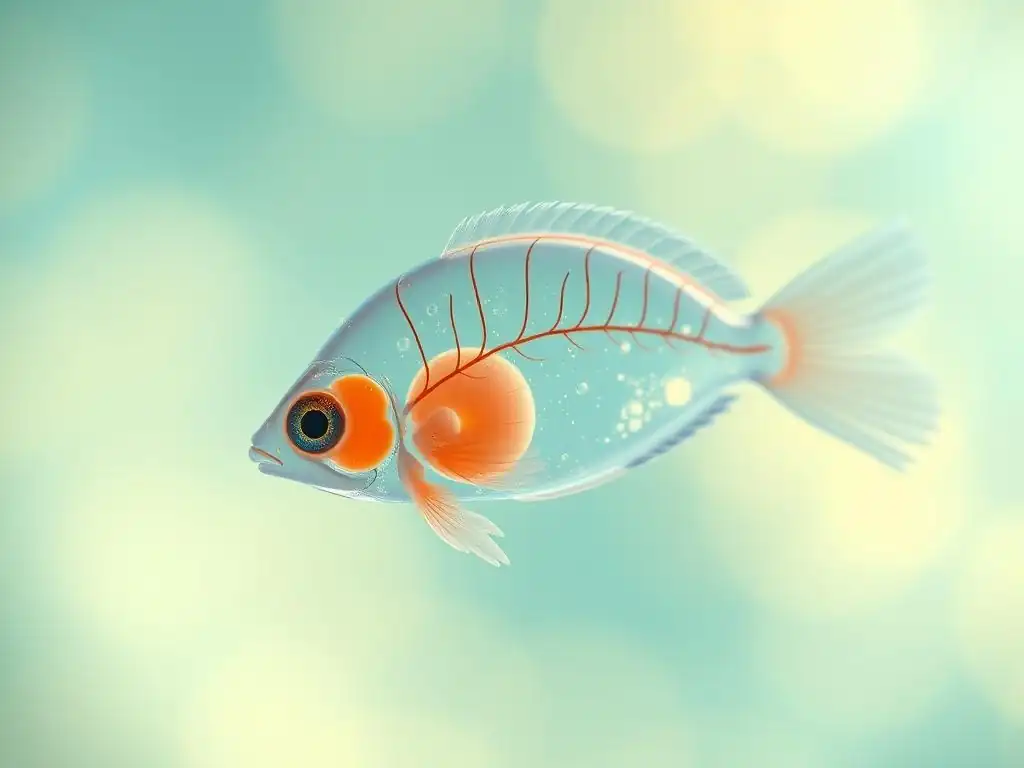
Upon hatching, clownfish larvae enter the yolk-sac stage, a brief but critical period of development. These newly hatched larvae are incredibly small, typically 3 to 4 millimeters in length, and are largely transparent with the most prominent feature being a visible, spherical yolk sac attached to their underside.
This yolk sac contains vital nutrients that sustain the larva during its initial hours of life, before it is capable of exogenous feeding. Their behavior is characterized by limited swimming ability; they often drift passively in the water column, periodically exhibiting short, jerky movements, or resting on the bottom or near the surface.
During this stage, their eyes are still developing, and their mouthparts are not yet fully formed or functional for feeding. The duration of the yolk-sac stage is relatively short, usually lasting between 24 and 48 hours, depending on the species and the ambient water temperature. As the yolk reserves are absorbed, the yolk sac gradually diminishes in size, and the larvae begin to develop more defined fins and greater swimming coordination, signaling their impending transition to the first feeding stage.
The Importance of Yolk Reserves in Early Clownfish Larval Development
The yolk sac is the sole source of nutrition for clownfish larvae immediately post-hatch, providing all the necessary proteins, lipids, and energy for their initial growth and organ development. This finite reserve dictates the critical "window of opportunity" for first feeding; once the yolk is depleted, the larvae must find and consume external food sources or they will quickly starve. The size and nutritional quality of the yolk sac are directly influenced by the health and diet of the parent fish.
For instance, a well-fed and healthy breeding pair will produce larger, more nutrient-rich eggs, resulting in larvae with more substantial yolk reserves. This extended initial energy supply can significantly improve the larvae's chances of survival by giving them a slightly longer buffer period before they absolutely must begin external feeding. Conversely, poor parental conditioning can lead to smaller yolks and weaker larvae, making them more vulnerable during this delicate saltwater larval development stages guide.
Maintaining Optimal Conditions for Yolk-Sac Larvae: Gentle Aeration and Darkness
During the yolk-sac stage, maintaining specific environmental conditions is crucial to minimize stress and maximize the efficient absorption of yolk reserves. Gentle, indirect aeration is essential to ensure adequate dissolved oxygen levels without creating strong currents that could physically harm the delicate larvae. An air stone placed in a corner of the rearing tank, away from the larvae, or the use of a very gentle sponge filter, can provide the necessary oxygenation. Excessive turbulence should be strictly avoided, as it can exhaust the larvae and potentially cause injury.
Furthermore, it is advisable to keep the larval rearing tank in darkness or very dim light during this initial period. Clownfish naturally hatch at night, and maintaining a low-light environment mimics their natural conditions, reducing stress and encouraging the larvae to conserve energy by remaining relatively inactive. This allows them to focus their metabolic resources on absorbing the yolk and developing their organ systems. As they approach the first feeding stage, a gradual increase in light can help stimulate their feeding response.
Stage 3: The First Feeding Larva Stage - Transitioning to Live Food
Recognizing the First Feeding Stage: Mouth Development and Swimming Ability
The transition to the first feeding stage is a pivotal moment in clownfish larval development. This critical period typically occurs around 2 to 3 days post-hatch, as the yolk sac is nearly or fully absorbed. Larvae become noticeably more active, exhibiting a more coordinated, horizontal swimming pattern, often orienting themselves towards light sources. Crucially, their mouthparts will have fully developed and become functional, allowing them to actively pursue and ingest tiny food particles. Observing larvae actively snapping at minute specks in the water is a clear indicator that they are ready for their first meal.
This stage represents a narrow window of opportunity; if larvae do not begin feeding within a few hours of their mouthparts becoming functional, they will quickly starve and perish. Unlike later stages, they cannot revert to yolk-sac nutrition. Their digestive systems are rapidly maturing, and the introduction of appropriate live food is essential to sustain their rapid growth and development. Missing this crucial feeding window is a common cause of high mortality rates in novice saltwater larval development stages guide attempts.
Selecting the Right Live Food for Clownfish Larvae: Rotifers and Copepods
For newly feeding clownfish larvae, the primary and often sole acceptable food source is live, highly nutritious organisms. S-type rotifers ( Brachionus plicatilis or Brachionus rotundiformis) are the most commonly used first food. These microscopic organisms, typically ranging from 50-100 microns in size, are small enough for the larvae's tiny mouths and provide essential fatty acids, particularly when enriched with commercial high-DHA (Docosahexaenoic Acid) products for 12-24 hours prior to feeding. Enrichment significantly boosts their nutritional value, which is critical for larval brain and eye development.
While rotifers are a staple, copepods offer an even superior nutritional profile and are often considered a more natural food source. Certain species of copepods, such as Tisbe or Apocyclops, are excellent alternatives or supplements, especially for species that may be more challenging to feed or exhibit slow growth on rotifers alone. Copepods also possess a jerky swimming motion that can stimulate a stronger feeding response in larvae. Integrating a mix of enriched rotifers and copepods can provide a more comprehensive diet and improve overall survival rates in this saltwater larval development stages guide.
Culturing Live Food for Clownfish Larvae: Setting Up Cultures and Maintaining Density
Successful clownfish larval rearing heavily relies on a consistent and abundant supply of high-quality live food, necessitating the establishment and maintenance of live food cultures. For rotifers, a typical setup involves multiple culture vessels (e.g., 5-gallon buckets or larger tanks) fed with enriched phytoplankton, such as Nannochloropsis or Tetraselmis. Optimal culture conditions include stable salinity (around 1.015-1.025 specific gravity), temperature (20-28°C), and gentle aeration to prevent anoxic conditions. Rotifers reproduce rapidly, allowing for daily harvesting.
Maintaining the correct density of rotifers in the larval rearing tank is crucial. For newly feeding clownfish larvae, a density of 10-15 rotifers per milliliter is generally recommended, gradually increasing to 20-30+ rotifers per milliliter as the larvae grow and their feeding capacity increases. This density ensures that larvae encounter food frequently without overfeeding the tank and compromising water quality. Regular monitoring of rotifer density in both the culture and larval tanks, along with daily harvesting and re-feeding of the cultures, is essential to sustain the rearing effort for this saltwater larval development stages guide.
Feeding Techniques for First Feeding Larvae: Frequency, Density, and Light
Effective feeding techniques are paramount during the first feeding stage to ensure that every larva receives adequate nutrition. Due to their rapid metabolism and small stomach capacity, clownfish larvae require a continuous supply of food. This is best achieved through frequent, small feedings throughout the day, or by maintaining a constant, low density of rotifers in the water column.
Many successful breeders opt for multiple feedings (e.g., 4-6 times daily) or employ automated dosing systems to deliver rotifers consistently over a 12-16 hour period. The goal is to maintain a slight "green water" tint from the rotifer culture, indicating a sufficient food presence.
Lighting also plays a significant role in stimulating feeding behavior. A moderate, consistent light cycle, typically 12-14 hours on and 10-12 hours off, encourages larval activity and helps them locate food. Direct, harsh lighting should be avoided as it can stress the delicate larvae. The light source should be positioned to provide even illumination across the tank. Monitoring larval gut fullness (a visible orange or green coloration in their transparent bodies) is an excellent indicator of successful feeding and helps in adjusting feeding rates for this critical saltwater larval development stages guide.
Stage 4: The Advanced Larva Stage - Growth and Metamorphosis
Monitoring Growth and Development: Measuring Length and Observing Fin Development
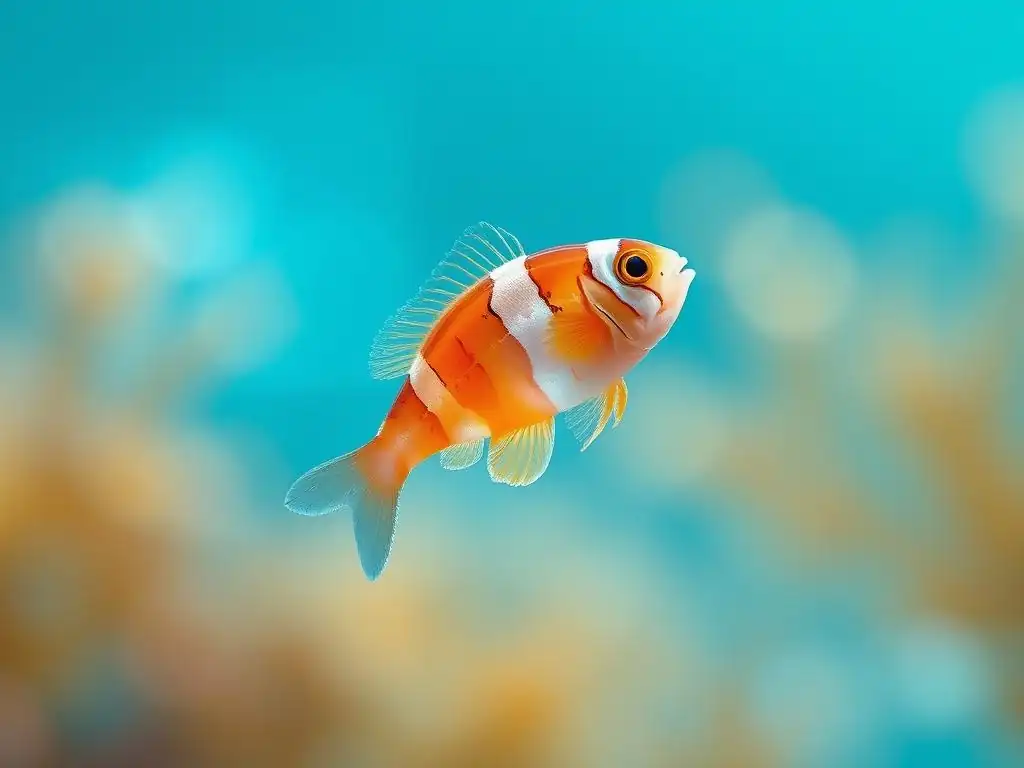
As clownfish larvae progress beyond the first feeding stage, monitoring their growth and physical development becomes increasingly important. Daily observations should focus on their increasing size, which can range from an initial 3-4 mm post-hatch to 8-10 mm or more by the time they are ready to metamorphose. Visual cues of development include the gradual appearance and elongation of adult fin structures, such as the pectoral, dorsal, and anal fins. Their body shape also begins to change, becoming less elongated and more robust.
The onset of metamorphosis is a critical benchmark in this saltwater larval development stages guide. This transformation from a larval form to a juvenile involves significant physiological and morphological changes, including the development of characteristic clownfish coloration (e.g., the appearance of white stripes on an orange body), changes in eye structure, and a shift in swimming behavior. For Amphiprion ocellaris, metamorphosis typically begins around 10-14 days post-hatch, but this can vary depending on the specific species, water temperature, and nutritional plane. Consistent growth and timely metamorphosis are indicators of successful rearing.
Optimizing Water Parameters for Advanced Larvae: Ammonia, Nitrite, and Nitrate Control
As larvae grow, their metabolic rate increases, leading to a greater production of waste. Therefore, maintaining impeccable water quality becomes even more challenging and crucial during the advanced larval stage. Ammonia and nitrite must remain at undetectable levels (0 ppm), as these compounds are highly toxic to developing fish. Nitrate levels should be kept as low as possible, ideally below 10-20 ppm, through regular and consistent water changes. Daily water changes of 10-20% are often necessary, especially in heavily stocked tanks, to dilute waste products and replenish essential elements.
Effective biological filtration, such as mature sponge filters or a small, established fluidized bed filter, is vital for converting harmful ammonia and nitrite into less toxic nitrate. Gentle mechanical filtration, like fine filter floss, can help remove particulate waste, while for larger rearing volumes, a small, appropriately sized protein skimmer can also contribute to nutrient export. Maintaining stable pH (8.0-8.3) and salinity (1.023-1.025) is equally important, as fluctuating parameters can induce stress and compromise the larvae's immune response in this saltwater larval development stages guide.
Gradual Weaning onto Larger Food Sources: Enriched Artemia and Micro Pellets
The advanced larval stage marks the period when clownfish larvae can be gradually weaned off rotifers and introduced to larger food sources. Newly hatched Artemia nauplii (brine shrimp) are typically introduced around 7-10 days post-hatch, serving as an intermediate step due to their larger size (approximately 400-500 microns) and energetic swimming pattern, which stimulates feeding. It is imperative to enrich Artemia nauplii with high-DHA products for 12-24 hours prior to feeding, as freshly hatched Artemia are nutritionally deficient in essential fatty acids crucial for marine fish development.
As larvae approach and enter metamorphosis (around 14-21 days post-hatch for fast-growing species), they can be further transitioned to finely crushed high-quality flake foods or specialized micro pellets, typically ranging from 50-200 microns in size. This gradual weaning process prepares them for a more varied and convenient diet, similar to what they will consume as juveniles and adults in a reef aquarium environment. Successfully transitioning to dry foods reduces reliance on live cultures and simplifies long-term care in this saltwater larval development stages guide.
Preventing Diseases and Parasites in Clownfish Larvae
Clownfish larvae are extremely susceptible to various diseases and parasites due to their underdeveloped immune systems and the high-density nature of larval rearing. Bacterial infections, often caused by opportunistic Vibrio species, are common and can manifest as cloudy eyes, fin erosion, or sudden mass mortalities. Fungal infections, though less common in saltwater, can also occur, particularly on dead or stressed larvae. Protozoan parasites, such as Cryptocaryon irritans (marine Ich) or Amyloodinium ocellatum (Velvet), can decimate a culture rapidly.
Prevention is the cornerstone of disease management. Strict biosecurity measures, including sterilizing all equipment (tanks, nets, air lines) between batches, using only clean, treated water, and quarantining or disinfecting new live food cultures (e.g., rinsing rotifers with clean saltwater before adding to larval tanks), are essential. Maintaining stable, optimal water parameters and avoiding overfeeding reduces stress, which is a major predisposing factor for disease. While some prophylactic treatments exist, many medications are toxic to delicate larvae, making a proactive, preventative approach the most effective strategy in this saltwater larval development stages guide.
Stage 5: The Juvenile Stage - Transitioning to a Reef Aquarium Environment
Recognizing the Juvenile Stage: Complete Fin Development and Adult Coloration
The juvenile stage marks the successful completion of metamorphosis, where the clownfish larva has fully transformed into a miniature version of an adult fish. Visually, juveniles exhibit complete development of all fins, a more robust and recognizable clownfish body shape, and the characteristic adult coloration, including the distinct white stripes on an orange or black background, depending on the species. For Amphiprion ocellaris, this stage is typically reached between 21 and 30 days post-hatch.
At this point, their swimming ability is fully developed, and they display more complex behaviors, including social interactions with their siblings and active foraging. They are no longer dependent on microscopic live foods and are capable of consuming a wider range of prepared foods. Their delicate larval fragility has diminished significantly, and they are now much more resilient to environmental changes, making them suitable for introduction into a larger, more permanent aquarium environment. This transition represents a major milestone in the saltwater larval development stages guide.
Acclimation to the Display Tank: Slow Introduction and Quarantine
Once clownfish reach the juvenile stage, they are ready for acclimation to a larger display tank or a grow-out system. This process must be done slowly and carefully to minimize stress, especially if the parameters of the rearing tank differ significantly from the new environment. Drip acclimation is the preferred method, where water from the display tank is slowly dripped into the juvenile holding container over a period of several hours (e.g., 1-2 hours for every 10% difference in salinity or pH). This allows the fish to gradually adjust to changes in temperature, salinity, and pH.
A dedicated quarantine tank is highly recommended for newly metamorphosed juveniles before their final introduction into a main reef aquarium. This allows for a period of observation (typically 2-4 weeks) to ensure they are free of any latent diseases or parasites that might have been acquired during the rearing process. It also provides an opportunity to further condition them to a varied diet and ensures they are robust enough to compete with existing tank inhabitants, thereby protecting the health of the entire display system. This step is crucial for long-term success in any saltwater larval development stages guide.
Providing Suitable Food and Habitat for Juvenile Clownfish
For juvenile clownfish, providing a diverse and nutritious diet is key to their continued growth and health. They should be fed high-quality flake foods, small pellets (e.g., 0.5 mm to 1.0 mm), and a variety of frozen foods such as enriched mysis shrimp, brine shrimp, and finely chopped seafood. Feeding multiple times a day in small quantities is ideal to support their rapid metabolism and growth. A varied diet ensures they receive all necessary vitamins and minerals, promoting vibrant coloration and strong immunity.
Regarding habitat, juvenile clownfish will thrive in a stable reef aquarium environment with plenty of hiding spots and appropriate water flow. If the goal is to host them with an anemone, a suitable host species (e.g., Entacmaea quadricolor for Amphiprion ocellaris) should be introduced and established in the display tank prior to the clownfish.
Even without an anemone, providing structures like live rock or soft corals can offer a sense of security. Ensuring the display tank has mature biological filtration and stable water parameters (temperature 24-27°C, salinity 1.024-1.026, pH 8.1-8.4) is vital for their long-term well-being and continued success after the intensive saltwater larval development stages guide.
Troubleshooting Common Issues in Clownfish Larval Development
Identifying and Addressing Water Quality Problems
Water quality issues are among the most common causes of mortality in clownfish larval development. High levels of ammonia and nitrite typically manifest as lethargy, gasping at the surface, rapid breathing, and ultimately, mass die-offs. These problems often stem from overfeeding, insufficient water changes, or inadequate biological filtration. Fluctuating pH or salinity can also stress larvae, leading to poor feeding and susceptibility to disease. Visual cues like cloudy water, excessive algae growth, or a foul odor can also signal underlying water quality issues.
To address these problems, immediate action is required. Perform a significant water change (e.g., 20-50%) using perfectly matched, aged saltwater. Reduce feeding amounts and frequency to minimize waste production. Enhance aeration to ensure high dissolved oxygen levels. Critically, test water parameters daily using reliable test kits to pinpoint the exact issue. For persistent ammonia/nitrite, ensure biological filtration (e.g., sponge filters) is mature and functioning correctly. Regular, small, preventative water changes are the best defense against these challenges in any saltwater larval development stages guide.
Managing Disease Outbreaks in Clownfish Larval Cultures
Disease outbreaks can decimate an entire clownfish larval culture rapidly. Signs of disease include abnormal swimming patterns, loss of appetite, cloudy eyes, visible spots (like marine Ich or Velvet), fin rot, or sudden, unexplained mortalities. Bacterial infections, often opportunistic, are common culprits, particularly if water quality is poor or larvae are stressed. Amyloodinium ocellatum (Velvet) is another highly virulent parasite that can cause rapid death in larvae.
Effective management requires swift identification and intervention. Immediately isolate affected larvae if possible, though often the entire culture is affected. Strict hygiene is paramount: remove any dead larvae promptly, as they can quickly foul the water and spread pathogens.
While some broad-spectrum antibiotics or anti-parasitic medications exist, larvae are extremely sensitive to chemicals, and many treatments can be more harmful than beneficial. Prevention, through rigorous sanitation, optimal water quality, and high-quality nutrition, is the most effective strategy. If an outbreak occurs, consulting with experienced breeders or aquatic veterinarians is advisable for specific treatment recommendations tailored to this delicate stage of saltwater larval development stages guide.
Overcoming Feeding Challenges in First Feeding Larvae
Feeding challenges in first feeding larvae are a frequent cause of "starve-outs" and high mortality rates. Common issues include larvae not consuming rotifers, poor growth despite apparent feeding, or a rapid decline in numbers shortly after the yolk sac is absorbed. These problems can stem from insufficient rotifer density in the rearing tank, poor nutritional quality of the rotifers themselves (if not properly enriched), incorrect lighting, or environmental stress that inhibits feeding behavior. Sometimes, larvae simply fail to recognize the food as edible.
To overcome these challenges, first, confirm that rotifer density is adequate (10-15 rotifers per mL for newly feeding larvae) and that they are consistently enriched with high-DHA products. Ensure the lighting is appropriate—moderate and consistent—to encourage active foraging. Observe the larvae closely: are their guts orange or green, indicating they are eating?
If not, try introducing a small amount of "green water" (phytoplankton) directly into the larval tank; this can sometimes stimulate a feeding response by making the food more visible and palatable. Ensure water parameters are pristine, as stress can severely inhibit feeding. Experiment with different rotifer strains or introduce copepods if larvae remain finicky, as these can sometimes trigger a stronger feeding response in this saltwater larval development stages guide.
Advanced Techniques for Clownfish Larval Rearing
Utilizing Probiotics for Enhanced Larval Health
The application of probiotics represents an advanced technique for enhancing the health and survival of clownfish larvae. Probiotics involve introducing beneficial bacteria, such as certain Bacillus species, into the larval rearing water or enriching live foods with them. These beneficial microbes work by colonizing the larval gut, improving digestion and nutrient absorption, and outcompeting pathogenic bacteria for resources and attachment sites. This microbial competition can effectively suppress the proliferation of harmful bacteria, thereby reducing the incidence of bacterial infections, which are a major cause of larval mortality.
Studies in aquaculture have demonstrated that the strategic use of probiotics can significantly improve survival rates and growth performance in various marine fish larvae, including clownfish. Probiotic solutions can be dosed directly into the larval rearing water at low concentrations (e.g., 1-5 ppm daily) or incorporated into the enrichment process for rotifers and Artemia. This approach supports a healthier larval microbiome, boosts the larvae's innate immunity, and contributes to a more stable rearing environment, making it a valuable addition to a comprehensive saltwater larval development stages guide.
Applying Green Water Techniques for Improved Nutrition
The "green water" technique involves maintaining a low density of phytoplankton (microalgae) directly in the larval rearing tank alongside the clownfish larvae. Common phytoplankton species used include Nannochloropsis oculata or Chlorella. The primary benefit of this technique is to serve as a continuous, natural food source for the rotifers being fed to the larvae, ensuring that the rotifers remain highly enriched and nutritious throughout the day. This reduces the need for constant manual enrichment and helps maintain the nutritional quality of the larval diet.
Beyond supporting rotifers, the phytoplankton itself can directly contribute to larval nutrition, either by being consumed directly by larger larvae or by providing a more natural, stable environment. Phytoplankton also plays a role in water quality management by consuming ammonia and nitrite, thereby acting as a natural biofilter.
Careful management is essential to prevent the phytoplankton from crashing (dying off suddenly), which can lead to rapid oxygen depletion and ammonia spikes. When successfully implemented, the green water technique can lead to improved larval health, growth rates, and survival, making it an advanced strategy in this saltwater larval development stages guide.
Implementing Automated Feeding Systems for Consistent Food Delivery
For those seeking to optimize consistency and reduce labor in clownfish larval rearing, implementing automated feeding systems is an advanced and highly effective technique. These systems typically utilize peristaltic pumps or precise dosing pumps to deliver live foods (like rotifers or Artemia) or liquid dry feeds at predetermined intervals throughout the day and night. This ensures a continuous and consistent supply of food to the larvae, mimicking their natural feeding patterns and preventing periods of starvation.
The advantages of automated feeding are numerous. It ensures that food is always available, even when staff are not present, leading to more uniform growth rates among the larvae and significantly higher survival rates compared to manual feeding. It also reduces the labor intensity of the rearing process, making it more scalable for larger operations. By maintaining a constant food density, automated systems minimize fluctuations in water quality caused by intermittent feeding and subsequent waste production, ultimately contributing to a more stable and successful saltwater larval development stages guide.
Conclusion: Mastering Clownfish Larval Development for Aquarium Success
Mastering the intricate stages of clownfish larval development is a challenging yet immensely rewarding endeavor for any dedicated aquarist or commercial breeder. From the delicate egg stage to the robust juvenile, each phase demands meticulous attention to water quality, precise nutritional management, and vigilant observation. Understanding the specific requirements of newly hatched larvae, the critical timing of first feeding, and the complex process of metamorphosis are fundamental to achieving high survival rates and producing healthy, vibrant fish.
By diligently applying the principles outlined in this saltwater larval development stages guide, from optimizing water parameters and culturing live foods to implementing advanced techniques like probiotics and automated feeding, aquarists can significantly increase their success. The ability to successfully rear clownfish not only provides immense personal satisfaction but also makes a tangible contribution to the sustainability of the marine aquarium hobby, reducing reliance on wild-caught specimens and promoting responsible aquaculture practices for these beloved marine inhabitants.
Frequently Asked Questions
How long does the larval stage typically last for saltwater fish?
The duration varies greatly depending on the species, but generally, the larval stage can last from a few days to several weeks. Factors like water temperature and food availability significantly impact the time frame.
What are the key differences between the various larval development stages?
The stages are defined by morphological changes like fin development and pigmentation. Each stage requires different feeding strategies and environmental conditions for survival.
Why is water quality so crucial during saltwater larval development?
Larval fish are extremely sensitive to changes in water parameters. Poor water quality, such as high ammonia levels or fluctuations in salinity, can lead to high mortality rates.
What type of food is best for saltwater fish larvae?
Initially, tiny live foods like rotifers and copepods are essential. As larvae grow, they can be transitioned to larger food sources like newly hatched brine shrimp.
What are some common challenges faced during saltwater larval rearing?
Common challenges include disease outbreaks, nutritional deficiencies, and difficulties in maintaining stable water parameters. These issues often require proactive management and specialized knowledge.
Final Reflection: The Fragile Promise of New Life
The journey through saltwater larval development is more than just a scientific exploration; it's a testament to the delicate balance of life itself. Understanding these critical stages, as we've explored, is not merely academic; it's increasingly vital as we face challenges to marine ecosystems and strive to preserve the beauty and biodiversity of our oceans. The future of many species, and indeed the health of our planet, hinges on our ability to nurture these fragile beginnings.
This intricate dance of life, from egg to juvenile, has profoundly shaped my understanding of the interconnectedness of all things. Witnessing the sheer vulnerability and resilience of these larvae underscores the importance of responsible stewardship of our aquatic environments. In the end, we will conserve only what we love; we will love only what we understand; and we will understand only what we are taught.
- Baba Dioum. This quote resonates deeply, reminding us that education and understanding are the cornerstones of conservation.
Now, I invite you to reflect on your own connection to the ocean. Consider how you can contribute to the preservation of these delicate ecosystems, whether through supporting sustainable practices, advocating for responsible policies, or simply spreading awareness. Let the knowledge gained from this guide inspire you to become a champion for the future of our oceans, ensuring that the promise of new life continues to flourish for generations to come.
Dive Deeper: Nurture Your Own Reef Revolution!
Thank you for exploring the fascinating world of saltwater larval development! We hope you've gained valuable insights into this delicate and crucial stage. Now, let's translate that knowledge into action and propel your aquarium mastery to new depths.
Here's how you can get started:
- Commit to Researching ONE species of coral or fish larvae this week. The more you understand their specific needs, the better equipped you'll be to support their growth.
- Share one thing you learned from this article with a fellow aquarium enthusiast. Spreading knowledge strengthens our community!
- Consider documenting your current aquarium setup. Taking detailed notes on water parameters and tank inhabitants can prove invaluable as you prepare for future breeding attempts.
What small but significant change will you make in your approach to saltwater aquariums based on what you've learned today?