
The Intriguing Symbiosis: Cardinalfish and LongSpined Urchins in the Wild & Tank

Welcome to Aquarium Mastery!
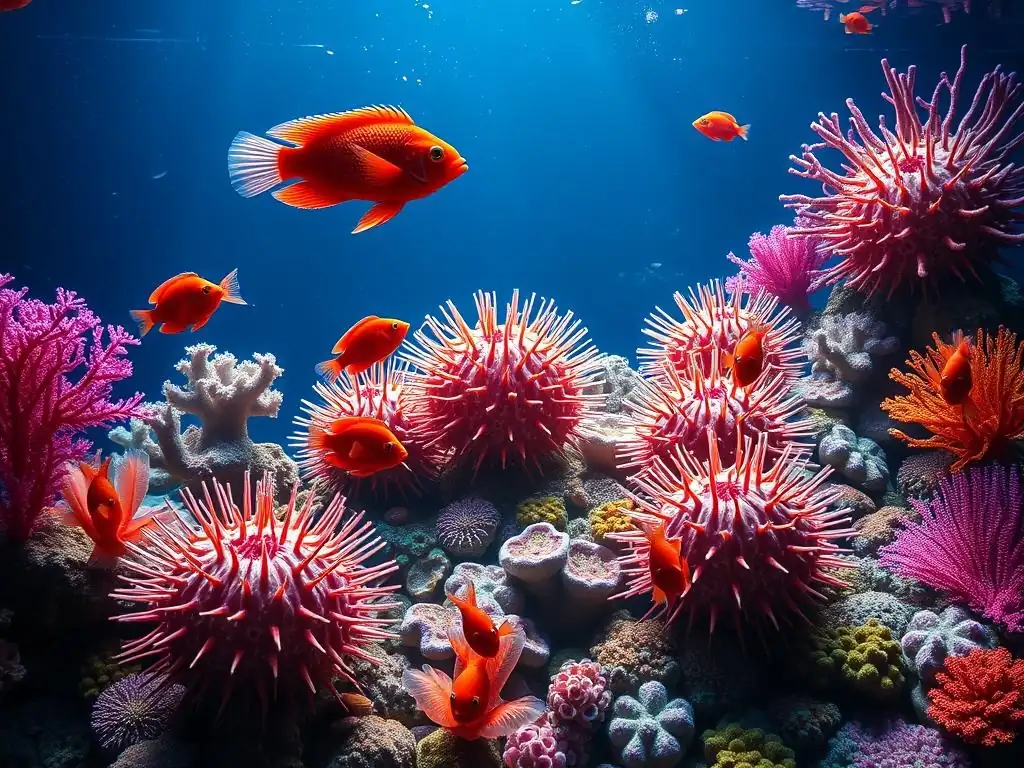
Ever wondered about the secret lives of fish in the reef? Delve into the fascinating world of symbiotic relationships with our in-depth look at Cardinalfish urchin tank symbiosis. Prepare to be amazed as we explore how these seemingly disparate creatures form a bond that's as beneficial as it is beautiful. Discover how you can potentially replicate this captivating dynamic in your own saltwater aquarium – but be warned, there's more to it than meets the eye! Ready to uncover the mysteries?
- The Intriguing Symbiosis: Cardinalfish and Long-Spined Urchins in Reefs and Aquariums
- Understanding Cardinalfish and Long-Spined Urchins: A Symbiotic Relationship
- Cardinalfish and Urchin Symbiosis in the Wild: A Natural History
- Recreating the Cardinalfish-Urchin Tank Symbiosis in Your Aquarium
- Setting Up Your Cardinalfish-Urchin Tank: A Step-by-Step Guide
- Maintaining a Healthy Cardinalfish-Urchin Symbiotic Relationship
- Potential Challenges and Solutions in a Cardinalfish-Urchin Tank
- Alternatives to Long-Spined Urchins for Cardinalfish Shelter
- The Future of Cardinalfish-Urchin Tank Symbiosis in Aquariums
- Conclusion: The Beauty and Responsibility of Cardinalfish-Urchin Symbiosis
-
Frequently Asked Questions
- What is the symbiosis between Cardinalfish and LongSpined Urchins?
- Why is this symbiosis considered "intriguing" in an aquarium setting?
- Are all types of Cardinalfish compatible with LongSpined Urchins?
- What are the potential benefits of keeping Cardinalfish and LongSpined Urchins together in an aquarium?
- What are the key considerations for creating a successful Cardinalfish-LongSpined Urchin tank setup?
- Final Reflection: Embracing Harmony in the Aquarium
- Ignite Your Reef Tank: Emulate Nature's Perfect Pair!
The Intriguing Symbiosis: Cardinalfish and Long-Spined Urchins in Reefs and Aquariums
Understanding Cardinalfish and Long-Spined Urchins: A Symbiotic Relationship
What is Cardinalfish-Urchin Symbiosis? Exploring the Mutualistic Partnership
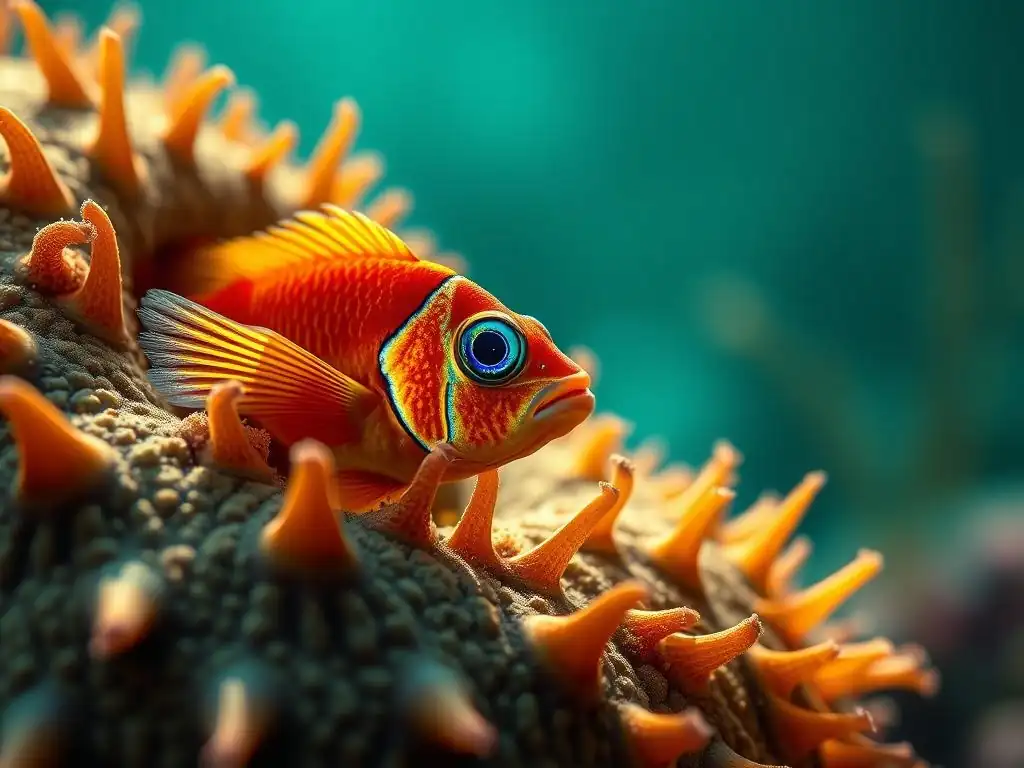
The relationship between certain cardinalfish species and long-spined urchins represents a fascinating example of mutualism in marine ecosystems, a bond that aquarists often seek to replicate in a Cardinalfish urchin tank symbiosis. In this interaction, the cardinalfish gain significant protection from predators by sheltering among the urchin's venomous spines, which deter most larger fish. This provides a safe haven for the cardinalfish, particularly during daylight hours when they are less active and more vulnerable.
While the benefit to the cardinalfish is clearly evident, the advantage for the long-spined urchin is less direct but still hypothesized. Some theories suggest that the cardinalfish may help clean the urchin's test (body) or spines by picking off small parasites or detritus, although concrete evidence for this specific cleaning behavior in Diadema species is limited.
Alternatively, the presence of the cardinalfish might serve as an early warning system against potential threats, or simply the cardinalfish benefit without a significant direct reciprocal benefit to the urchin, making it a commensal relationship where the cardinalfish benefits and the urchin is neither harmed nor significantly helped. Nevertheless, the visual spectacle of this Cardinalfish urchin tank symbiosis remains a highlight for many hobbyists.
Long-Spined Urchins: Important Grazers in Reef Ecosystems
Long-spined urchins, particularly species like Diadema setosum, are critical components of healthy reef ecosystems, acting as primary grazers. These echinoderms consume vast quantities of macroalgae and turf algae, preventing these fast-growing organisms from overgrowing and smothering delicate corals. Their grazing activity helps maintain the balance of the reef, ensuring that coral larvae have clear substrate upon which to settle and grow.
Without the diligent grazing of long-spined urchins, many coral reefs would quickly become dominated by algae, leading to a decline in coral diversity and overall reef health. For instance, the mass mortality of Diadema antillarum in the Caribbean in the 1980s led to widespread algal blooms and significant coral degradation, demonstrating their indispensable role. In a Cardinalfish urchin tank symbiosis, the urchin continues its natural grazing behavior, contributing to algae control within the confines of the aquarium.
Cardinalfish: Small Schooling Fish Seeking Protection
Cardinalfish are a diverse family of small, often nocturnal, schooling fish found in tropical and subtropical waters worldwide. Characterized by their relatively large eyes, typically subdued coloration (though some species are quite vibrant), and often docile temperament, they are popular inhabitants of reef aquariums. Their small size, generally ranging from 2 to 6 inches (5 to 15 cm), makes them susceptible to predation from larger carnivorous fish such as groupers, snappers, and lionfish.
To mitigate this vulnerability, many cardinalfish species have evolved various protective strategies, including schooling behavior and seeking refuge in crevices, caves, or among the stinging tentacles of anemones and the spines of urchins. This inherent need for shelter drives the observed Cardinalfish urchin tank symbiosis. In the wild, observing a school of cardinalfish darting into the safety of an urchin's spines is a common sight, highlighting their reliance on such natural defenses.
Cardinalfish and Urchin Symbiosis in the Wild: A Natural History
The Benefits for Cardinalfish: Enhanced Protection from Predators
The primary and most evident benefit for cardinalfish in their symbiotic relationship with long-spined urchins is significantly enhanced protection from a wide array of predators. The urchin's long, sharp, and often venomous spines act as an impenetrable barrier, deterring most fish that would otherwise prey on the small cardinalfish. When threatened, cardinalfish quickly retreat deep within the protective network of the urchin's spines, becoming virtually inaccessible to larger fish.
This "living fortress" allows cardinalfish to safely rest during the day, as many species are more active at night. Observations in natural reef environments indicate that cardinalfish, such as the Banggai Cardinalfish ( Pterapogon kauderni), exhibit a strong affinity for sheltering within the spines of Diadema setosum, particularly when juveniles. This behavior dramatically reduces their exposure to common reef predators like lizardfish, moray eels, and larger wrasses, thereby increasing their survival rates in a highly competitive and dangerous environment, a dynamic faithfully reproduced in a successful Cardinalfish urchin tank symbiosis.
The Benefits for Long-Spined Urchins: Potential Cleaning of Parasites and Debris
While the protective benefit for cardinalfish is undeniable, the advantages for the long-spined urchin in this symbiotic pairing are less well-documented and often debated among marine biologists. One hypothesis suggests that the cardinalfish might provide a cleaning service to the urchin. As the cardinalfish move among the spines, they could potentially pick off small ectoparasites, detritus, or algal growth from the urchin's test and spines, maintaining its hygiene.
However, direct observations of cardinalfish actively "cleaning" Diadema urchins are rare, and the primary diet of most cardinalfish consists of small invertebrates and zooplankton, not typically external parasites or debris found on urchins. It is also possible that the relationship is primarily commensal, where the cardinalfish benefits significantly, and the urchin is largely unaffected, or the benefits are indirect, such as the cardinalfish attracting less desirable attention to the urchin by their presence. Further research is needed to fully elucidate any direct benefits the urchin receives from this particular Cardinalfish urchin tank symbiosis.
Natural Habitats: Where This Symbiosis Thrives (Indo-Pacific Reefs)
The Cardinalfish urchin tank symbiosis is most commonly observed and best documented in the warm, clear waters of the Indo-Pacific Ocean, encompassing a vast geographical area from the Red Sea and East Africa across to the Pacific islands, including regions like Indonesia, the Philippines, and Australia's Great Barrier Reef. Within these regions, the association thrives on shallow coral reefs, rocky substrata, and seagrass beds where both cardinalfish and long-spined urchins, particularly Diadema setosum, are abundant.
Diadema setosum is one of the most widespread and ecologically significant long-spined urchins in the Indo-Pacific, often found in densities of up to 5-10 individuals per square meter in suitable habitats. Cardinalfish species known for this association, such as the Banggai Cardinalfish ( Pterapogon kauderni) and Pajama Cardinalfish ( Sphaeramia nematoptera), are native to specific parts of this region, with the Banggai Cardinalfish notably endemic to a small area around the Banggai Archipelago in Indonesia.
The prevalence of both species in these biodiverse areas naturally facilitates their unique symbiotic relationship, making it a compelling subject for a Cardinalfish urchin tank symbiosis.
Recreating the Cardinalfish-Urchin Tank Symbiosis in Your Aquarium
Is a Cardinalfish-Urchin Tank a Good Idea? Considerations for Aquarists
Recreating a Cardinalfish urchin tank symbiosis in a home aquarium can be a deeply rewarding experience, offering a glimpse into a natural marine interaction. It provides a unique aesthetic and educational value, showcasing the intricate relationships found on coral reefs. However, aquarists must consider several factors before embarking on this endeavor, primarily related to the specific needs of both the cardinalfish and the long-spined urchin, as well as the safety considerations for the tank.
Long-spined urchins, especially Diadema setosum, possess very sharp, brittle, and mildly venomous spines that can easily puncture skin or damage other delicate tank inhabitants if not handled with extreme care. Their mobility also means they can potentially knock over unstable rockwork or corals. Furthermore, adequate tank size and stable water parameters are crucial for the long-term health of both species, ensuring that the Cardinalfish urchin tank symbiosis thrives rather than merely survives.
Choosing the Right Cardinalfish Species for Urchin Symbiosis
Selecting the appropriate cardinalfish species is paramount for a successful Cardinalfish urchin tank symbiosis. Not all cardinalfish exhibit this behavior, and some are better suited to aquarium life than others. Ideal candidates are generally peaceful, relatively small, and have a documented history of associating with urchins in their natural habitat. Their temperament and size should also be compatible with the overall tank environment and any other tank mates.
When choosing, consider the adult size of the fish, their social requirements (some prefer to be in groups), and their specific dietary needs. Opting for captive-bred specimens, especially for species like the Banggai Cardinalfish, is also a responsible choice that supports sustainable aquaculture and reduces pressure on wild populations, contributing to the ethical aspect of your Cardinalfish urchin tank symbiosis.
Pajama Cardinalfish and Urchin Symbiosis
The Pajama Cardinalfish ( Sphaeramia nematoptera) is one of the most popular and readily available cardinalfish species known to exhibit the Cardinalfish urchin tank symbiosis. Growing to an average adult size of about 3 inches (approximately 7.5 cm), these visually striking fish with their distinct patterns of yellow, black, and silver are generally peaceful and adapt well to aquarium life. They are often kept in small groups of 3-5 individuals, which can enhance their schooling behavior and provide a sense of security.
In the wild, Pajama Cardinalfish are frequently observed sheltering among the spines of Diadema urchins, particularly juveniles. Their docile nature and relatively small size make them excellent candidates for this symbiotic display in a home aquarium, provided adequate space and appropriate tank mates. They are relatively hardy once acclimated, making them a good choice for aquarists looking to establish a vibrant Cardinalfish urchin tank symbiosis.
Banggai Cardinalfish and Urchin Symbiosis
The Banggai Cardinalfish ( Pterapogon kauderni) is arguably the most famous cardinalfish associated with urchins, making them a prime candidate for a Cardinalfish urchin tank symbiosis. Native to a very specific, small region of Indonesia, these elegant fish are critically endangered in the wild, making captive-bred individuals the preferred and most responsible choice for hobbyists. They reach a similar adult size to the Pajama Cardinalfish, typically around 3 inches (approximately 7.5 cm), and possess a unique, angular body shape with striking black and silver stripes.
In their natural habitat, Banggai Cardinalfish juveniles and adults frequently seek refuge within the spines of Diadema setosum, often forming small groups around a single urchin. Their strong natural inclination to host with urchins makes them an ideal choice for replicating this natural behavior in an aquarium. Due to their endangered status, supporting aquaculture efforts by purchasing captive-bred Banggai Cardinalfish is a crucial step for any aquarist aiming for an ethical Cardinalfish urchin tank symbiosis.
Selecting a Compatible Long-Spined Urchin Species
Choosing the right long-spined urchin is as important as selecting the cardinalfish for a thriving Cardinalfish urchin tank symbiosis. The urchin must be compatible with the aquarium environment, including its size, potential for mobility, and its impact on other tank inhabitants. While many urchins are excellent grazers, not all are suitable for hosting cardinalfish, nor are all reef-safe in smaller aquariums.
Consider the adult size of the urchin, its spine length, and its general temperament. Some urchins can be quite active and may occasionally dislodge corals or rockwork, necessitating secure aquascaping. Ensuring the urchin's specific environmental needs are met, such as stable water parameters and sufficient algae for grazing, is vital for its long-term health and its ability to provide a consistent refuge for the cardinalfish in your Cardinalfish urchin tank symbiosis.
Diadema Setosum: The Most Common Long-Spined Urchin
Diadema setosum, often simply called the Long-Spined Urchin or Black Urchin, is the most common and iconic species associated with Cardinalfish urchin tank symbiosis. Found throughout the Indo-Pacific, this urchin is characterized by its very long, slender, and sharp spines, which can reach lengths of up to 12 inches (30 cm) from a test (body) diameter of 4-6 inches (10-15 cm). These spines are mildly venomous, providing an effective deterrent to predators and an ideal protective barrier for sheltering cardinalfish.
Diadema setosum is an excellent algae eater, consuming turf algae and detritus from rocks and sand. However, its large size and long spines require careful consideration in smaller tanks, as they can inadvertently sting other fish or invertebrates, and their movement can be disruptive to aquascaping. Despite these considerations, its natural role as a host makes it the quintessential choice for a truly authentic Cardinalfish urchin tank symbiosis.
Mespilia Globulus: A Smaller, Reef-Safe Urchin Option
For aquarists with smaller tanks or those seeking a less imposing urchin, Mespilia globulus, commonly known as the Tuxedo Urchin or Globe Urchin, presents an appealing alternative for a Cardinalfish urchin tank symbiosis. This species is significantly smaller than Diadema setosum, typically reaching a maximum test diameter of only 2-3 inches (5-7.5 cm), with much shorter, blunter spines. Its body is often adorned with bits of detritus, shell, or even small pieces of live rock that it picks up with its tube feet, giving it a "tuxedo" appearance.
While Mespilia globulus does not offer the same level of formidable protection as the Diadema due to its shorter spines, some cardinalfish, particularly juveniles, may still utilize it for a perceived sense of security. The Tuxedo Urchin is generally considered more "reef-safe" as it is less likely to damage corals or sting tank mates due to its size and spine characteristics. It is also an excellent algae grazer, making it a valuable addition to the clean-up crew in a Cardinalfish urchin tank symbiosis where space is a premium.
Setting Up Your Cardinalfish-Urchin Tank: A Step-by-Step Guide
Tank Size and Water Parameters for Cardinalfish and Urchins
Establishing the correct tank size and maintaining stable water parameters are fundamental for the success of a Cardinalfish urchin tank symbiosis. For a single Diadema setosum and a small group of cardinalfish (e.g., 2-3 Pajama or Banggai Cardinalfish), a minimum tank size of 30-40 gallons (approximately 115-150 liters) is recommended. However, a 50-75 gallon (approximately 190-285 liters) tank or larger is ideal, providing more stable conditions, greater swimming space for the fish, and ample room for the urchin to graze without constantly bumping into obstacles.
Water parameters must closely mimic their natural reef environment. Maintain a stable temperature between 72-78°F (22-26°C), specific gravity (salinity) of 1.023-1.026, and a pH of 8.1-8.4. Crucially, calcium levels should be maintained at 400-450 ppm and alkalinity at 8-12 dKH to support the urchin's skeletal health, while magnesium should be between 1200-1350 ppm to aid in calcium uptake and stability. Regular testing and consistent supplementation, if needed, are vital for a thriving Cardinalfish urchin tank symbiosis.
Providing Adequate Shelter and Hiding Places
Beyond the long-spined urchin itself, incorporating ample live rock with natural caves, crevices, and overhangs is essential for a successful Cardinalfish urchin tank symbiosis. While cardinalfish will utilize the urchin for primary shelter, particularly when resting or feeling threatened, additional rockwork provides alternative hiding spots and contributes to the overall stability and biological filtration of the aquarium. This is especially important if you plan to keep a small group of cardinalfish, as it allows for individual territories and reduces potential aggression.
Arrange the live rock to create a varied landscape that mimics a natural reef, ensuring there are plenty of nooks and crannies where fish can retreat. The urchin should be placed in an area where it has room to move and graze, ideally near some rockwork or in an open area where its spines can be fully appreciated. Secure all rockwork to prevent collapses, especially given the urchin's potential for movement, which could disrupt the aquascape and endanger tank inhabitants in a Cardinalfish urchin tank symbiosis.
Ensuring Proper Water Quality and Filtration
Maintaining pristine water quality is paramount for the health and longevity of both cardinalfish and long-spined urchins in a Cardinalfish urchin tank symbiosis. A mature nitrogen cycle is non-negotiable, meaning the tank must be fully cycled before introducing any livestock. Robust filtration, including a high-quality protein skimmer, ample live rock, and a suitable sand bed, is crucial for biological and chemical filtration, removing dissolved organic compounds and supporting beneficial bacteria.
Regular water changes, typically 10-15% bi-weekly or 20% monthly, are necessary to replenish trace elements, dilute nitrates, and maintain overall water stability. Mechanical filtration, such as filter socks or pads, should be used and cleaned frequently to remove particulate matter, preventing it from breaking down and contributing to nutrient buildup. Adequate water flow throughout the tank is also important to prevent dead spots and ensure oxygenation, creating an optimal environment for all inhabitants within the Cardinalfish urchin tank symbiosis.
Maintaining a Healthy Cardinalfish-Urchin Symbiotic Relationship
Feeding Your Cardinalfish and Long-Spined Urchin
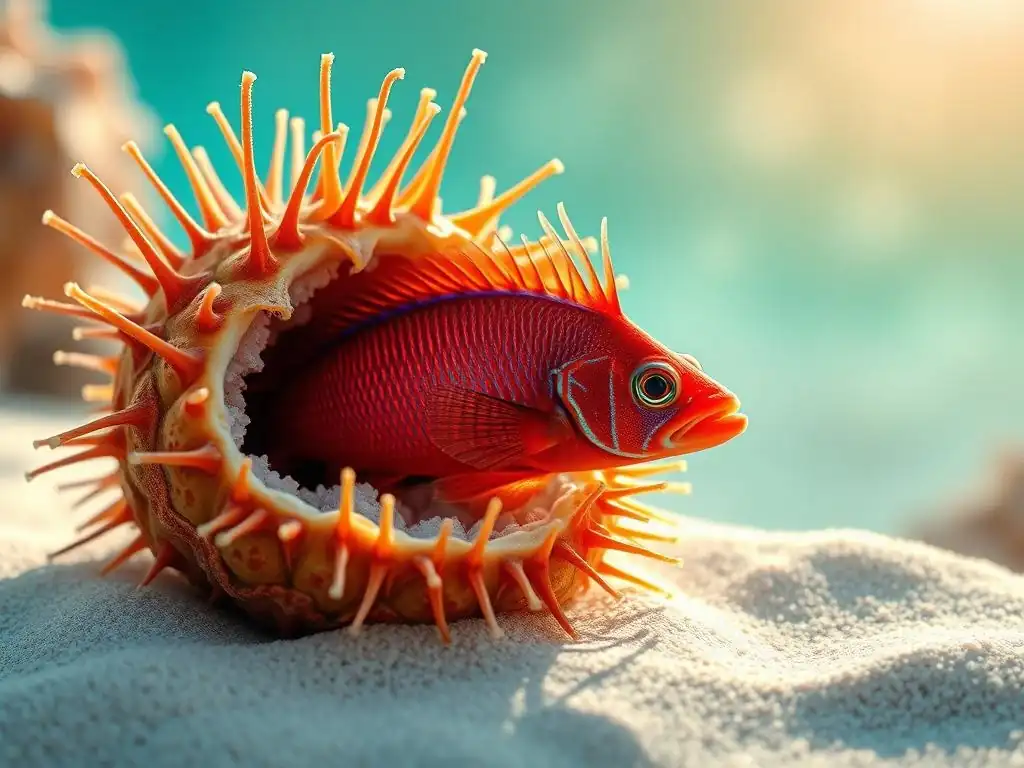
Proper nutrition is vital for the long-term health of both components of your Cardinalfish urchin tank symbiosis. Cardinalfish, being carnivores, require a diet rich in meaty foods. Offer small, high-quality frozen foods such as mysis shrimp, brine shrimp, finely chopped silversides, and high-quality marine flakes or pellets. Feeding 2-3 times daily in small amounts is ideal to prevent overfeeding and maintain water quality. A varied diet ensures they receive all necessary nutrients and maintains their vibrant coloration and activity.
Long-spined urchins are primarily herbivores and detritivores, constantly grazing on algae and detritus within the aquarium. While they will consume naturally growing algae, supplemental feeding is often necessary to ensure their nutritional needs are met, especially in cleaner tanks. Offer algae wafers, dried nori (seaweed), blanched zucchini or spinach, and occasional small pieces of shrimp or other meaty foods a few times a week, or as needed based on the amount of natural algae present. This balanced feeding approach supports both species in the Cardinalfish urchin tank symbiosis.
Monitoring Water Chemistry and Performing Regular Water Changes
Consistent monitoring of water chemistry is non-negotiable for a thriving Cardinalfish urchin tank symbiosis. Regular testing for essential parameters such as ammonia, nitrite, nitrate, pH, salinity, alkalinity, calcium, and magnesium should be part of your routine. Ammonia and nitrite should always be at zero, while nitrates should be kept as low as possible, ideally below 10-20 ppm. Imbalances in any of these parameters can quickly stress both fish and invertebrates, potentially leading to health issues or even death.
Regular water changes, as discussed previously, are critical not only for diluting waste products but also for replenishing vital trace elements that are consumed by invertebrates like urchins and corals. For instance, urchins require sufficient calcium and alkalinity to maintain their test and spine integrity. A bi-weekly 10-15% water change using high-quality salt mix is a good general guideline, ensuring a stable and healthy environment for your Cardinalfish urchin tank symbiosis.
Observing Behavior: Signs of a Healthy Symbiosis vs. Stress
Careful observation of your cardinalfish and urchin's behavior provides crucial insights into the health of your Cardinalfish urchin tank symbiosis. In a healthy relationship, the cardinalfish will consistently be seen near or within the urchin's spines, exhibiting natural schooling or hovering behavior, active feeding responses, clear eyes, and vibrant coloration. The urchin should be actively moving and grazing, with its spines erect and moving independently, and no signs of spine loss, lesions, or white patches on its test.
Signs of stress or illness in cardinalfish may include hiding excessively, rapid breathing, clamped fins, faded or dull coloration, loss of appetite, or not associating with the urchin. For the urchin, signs of distress include immobility, drooping or deflated spines, significant spine loss, white or opaque patches on the test, or a strong chemical smell. Prompt identification and intervention upon observing these signs are critical to rectify issues and maintain the integrity of your Cardinalfish urchin tank symbiosis.
Potential Challenges and Solutions in a Cardinalfish-Urchin Tank
Aggression Between Cardinalfish or with Other Tank Mates
While cardinalfish are generally considered peaceful, aggression can sometimes arise, particularly among themselves if kept in insufficient numbers or if the tank is too small. Some cardinalfish species, like the Banggai Cardinalfish, can exhibit territorial behavior, especially between males if not enough hiding spots are provided. If aggression is observed, it often manifests as chasing, fin nipping, or one fish dominating a preferred hiding spot.
To mitigate this, ensure your tank is adequately sized for the number of cardinalfish you wish to keep; for example, a group of 5 Pajama Cardinalfish would ideally require at least a 50-gallon tank. Provide ample rockwork with numerous caves and crevices where individuals can retreat. When introducing multiple cardinalfish, it's often best to add them simultaneously to reduce territorial disputes. Regarding other tank mates, select only peaceful, non-aggressive species that won't harass the cardinalfish or the urchin, thereby maintaining the harmony of the Cardinalfish urchin tank symbiosis.
Urchin Health Issues and How to Address Them (e.g., Test Damage)
Long-spined urchins, while hardy, can suffer from specific health issues that require attention in a Cardinalfish urchin tank symbiosis. Common problems include spine loss, "bald spots" on the test (the urchin's body), and immobility. Spine loss can be indicative of poor water quality, nutritional deficiencies, or physical injury. For example, if an urchin falls from rockwork, its delicate test can be damaged, leading to spine breakage or infection.
Addressing these issues involves first checking and correcting water parameters, especially calcium, alkalinity, and magnesium, which are crucial for spine regeneration. Ensure the urchin has sufficient algae to graze on, supplementing with nori or algae wafers if necessary. If physical damage is suspected, ensure all rockwork is stable and re-evaluate placement of the urchin. In severe cases, a hospital tank with pristine water might be necessary for recovery. Prompt action is vital, as a compromised urchin cannot provide effective shelter for the cardinalfish in your Cardinalfish urchin tank symbiosis.
Preventing Algae Blooms in the Cardinalfish-Urchin Tank
Even with a diligent grazer like a long-spined urchin, algae blooms can still occur in a Cardinalfish urchin tank symbiosis, threatening water quality and aesthetics. Algae blooms are typically caused by an excess of nutrients (nitrates and phosphates) in the water, often stemming from overfeeding, insufficient water changes, or inadequate filtration. While the urchin will consume some algae, a severe bloom can overwhelm its grazing capacity.
To prevent algae blooms, strictly control feeding amounts and ensure all food is consumed promptly. Increase the frequency or volume of water changes to export nutrients. Verify that your protein skimmer is operating efficiently, as it is a primary method for removing dissolved organic compounds before they break down into nutrients. Consider optimizing your lighting schedule, typically 8-10 hours per day, as excessive light can fuel algal growth. Introducing additional compatible cleanup crew members like turbo snails or hermit crabs can also help manage nuisance algae, complementing the urchin's role in your Cardinalfish urchin tank symbiosis.
Alternatives to Long-Spined Urchins for Cardinalfish Shelter
Rock Structures and Caves as Alternatives
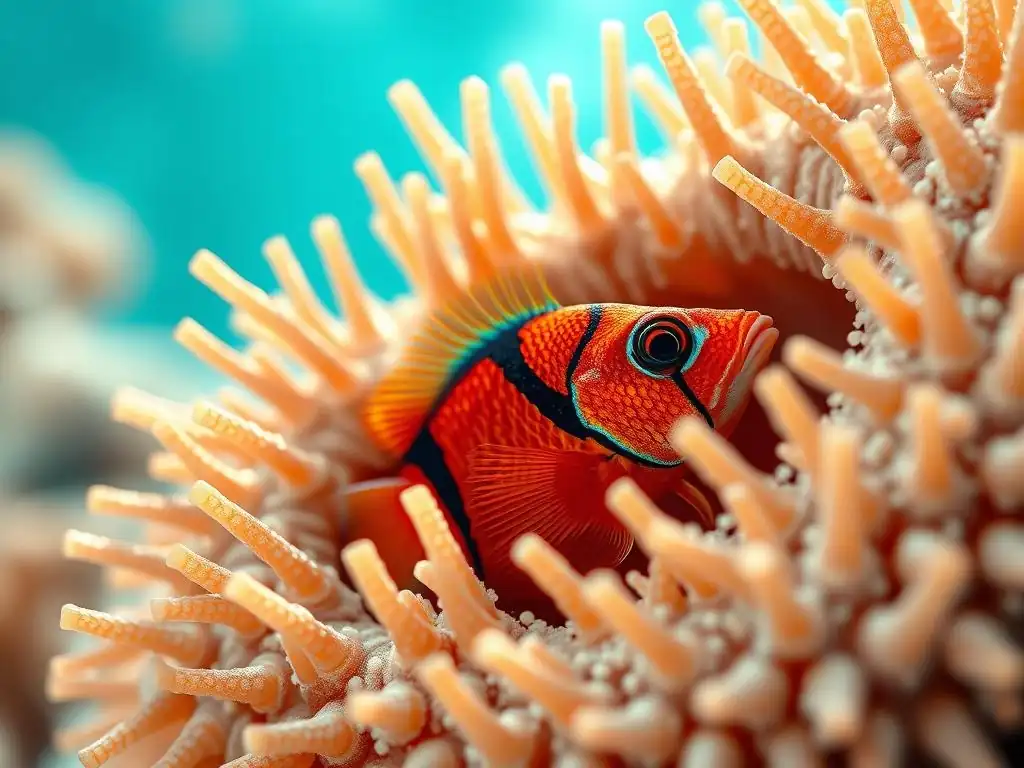
While the Cardinalfish urchin tank symbiosis is captivating, not all aquariums can accommodate a long-spined urchin due to tank size, other inhabitants, or personal preference. In such cases, providing intricate rock structures with ample caves, crevices, and overhangs becomes the primary method of offering shelter for cardinalfish. Live rock is an excellent choice as it provides biological filtration and a natural aesthetic.
Aquascaping should focus on creating multiple hiding spots that allow cardinalfish to retreat when startled or to rest during their less active periods. Overhanging ledges and deep caves are particularly appealing to these fish. While rock structures offer physical protection, it's important to note that they lack the dynamic, active defense provided by an urchin's spines. Nevertheless, well-designed rockwork can still foster a sense of security for cardinalfish and support their natural behaviors in an aquarium setting.
Anemones and Soft Corals that Provide Shelter
Some cardinalfish species, most notably the Banggai Cardinalfish ( Pterapogon kauderni), are known to associate with various other invertebrates for shelter in their natural habitat, including certain anemones and soft corals. This can offer an alternative to the Cardinalfish urchin tank symbiosis for aquarists. For instance, Banggai Cardinalfish have been observed sheltering among the tentacles of bubble tip anemones ( Entacmaea quadricolor), Sebae anemones ( Heteractis crispa), and even within the branches of certain soft corals like Xenia or Briareum (Green Star Polyps).
However, introducing anemones requires careful consideration. Anemones have specific care requirements, including intense lighting and stable water parameters, and they can move around the tank, potentially stinging and damaging other corals or fish. Not all cardinalfish will host in anemones, and the relationship is not as universally observed or strong as the urchin association. If considering this alternative, thorough research into the specific needs of both the cardinalfish and the chosen invertebrate is crucial to ensure a safe and thriving environment.
The Future of Cardinalfish-Urchin Tank Symbiosis in Aquariums
Sustainable Sourcing of Cardinalfish and Urchins
The long-term viability and ethical standing of the Cardinalfish urchin tank symbiosis in the aquarium hobby heavily depend on sustainable sourcing practices. For cardinalfish, particularly species like the Banggai Cardinalfish ( Pterapogon kauderni), which is critically endangered in the wild, prioritizing captive-bred specimens is paramount. Aquaculture efforts for Banggai Cardinalfish have been highly successful, providing a robust supply of healthy, adaptable fish without impacting wild populations.
For long-spined urchins, many species are abundant in the wild, but responsible collection practices are still essential. This includes ensuring that collection methods do not damage reef ecosystems and that quotas are respected to prevent overexploitation. Supporting suppliers who demonstrate a commitment to sustainable sourcing, whether through aquaculture or responsible wild collection, is a critical step for aquarists dedicated to ethical reef keeping and the preservation of natural Cardinalfish urchin tank symbiosis dynamics.
Promoting Responsible Reef Keeping Practices
Beyond sourcing, the future of the Cardinalfish urchin tank symbiosis in aquariums relies on promoting and adhering to responsible reef keeping practices across the hobby. This involves educating aquarists about the specific needs of both cardinalfish and long-spined urchins, emphasizing the importance of adequate tank size, stable water parameters, and appropriate tank mates. Responsible ownership means understanding the long-term commitment required to provide a thriving environment for these animals, which can live for several years.
Encouraging knowledge sharing, participation in community forums, and adherence to best practices for animal welfare will contribute to a more sustainable and ethical hobby. By showcasing a successful Cardinalfish urchin tank symbiosis, aquarists can inspire others to appreciate the intricate beauty of marine ecosystems and reinforce the message that the well-being of our aquatic inhabitants should always be the top priority, fostering a deeper connection to the natural world.
Conclusion: The Beauty and Responsibility of Cardinalfish-Urchin Symbiosis
The Allure of a Natural Ecosystem in Your Home Aquarium
The Cardinalfish urchin tank symbiosis offers a captivating window into the intricate relationships that define natural coral reef ecosystems. Observing cardinalfish gracefully hovering and darting among the protective spines of a long-spined urchin is a mesmerizing sight, bringing a piece of the wild's delicate balance directly into your home aquarium. This dynamic interaction not only adds unique aesthetic appeal but also serves as a living educational exhibit, illustrating the principles of mutualism and survival strategies in the marine world.
For many aquarists, recreating such natural behaviors is the pinnacle of the hobby, providing a sense of accomplishment and a deeper appreciation for the complex lives of marine creatures. The consistent engagement and observation required to maintain this symbiosis foster a profound connection with the aquatic environment, making the Cardinalfish urchin tank symbiosis a truly rewarding endeavor.
Prioritizing the Well-being of Your Aquatic Inhabitants
Ultimately, the success and beauty of any Cardinalfish urchin tank symbiosis hinge on the aquarist's commitment to prioritizing the well-being of their aquatic inhabitants. This means conducting thorough research before purchasing, providing a suitable and stable environment, ensuring proper nutrition, and diligently monitoring for any signs of stress or illness. Responsible reef keeping is not merely about aesthetics; it's about understanding the specific needs of each species and creating conditions where they can truly thrive.
By embracing these principles, aquarists can enjoy the stunning visual display and educational value of the Cardinalfish urchin tank symbiosis while also contributing to a more ethical and sustainable hobby. The rewards are immense: a healthy, vibrant aquarium that showcases one of nature's most intriguing partnerships, inspiring admiration and respect for the delicate balance of life beneath the waves.
Frequently Asked Questions
What is the symbiosis between Cardinalfish and LongSpined Urchins?
The symbiosis involves Cardinalfish seeking shelter and protection among the urchin's spines. In return, the urchin may benefit from the Cardinalfish consuming parasites or providing increased water circulation.
Why is this symbiosis considered "intriguing" in an aquarium setting?
It's intriguing because replicating natural symbiotic relationships can be challenging in a closed environment. Success hinges on providing adequate space and maintaining proper water parameters to support both species.
Are all types of Cardinalfish compatible with LongSpined Urchins?
No, not all Cardinalfish species are compatible. Certain species are more likely to engage in this symbiotic behavior than others. Researching specific compatibility is crucial before introducing them to the tank.
What are the potential benefits of keeping Cardinalfish and LongSpined Urchins together in an aquarium?
Beyond the aesthetic appeal, the potential benefits include reduced stress for the Cardinalfish and possibly improved urchin health through natural parasite control.
What are the key considerations for creating a successful Cardinalfish-LongSpined Urchin tank setup?
Key considerations include a large enough tank to accommodate both species, stable water chemistry, and a variety of hiding places in addition to the urchin, to ensure a balanced ecosystem.
Final Reflection: Embracing Harmony in the Aquarium
The exploration of the cardinalfish urchin tank symbiosis reveals more than just a fascinating biological relationship; it underscores the profound interconnectedness of life, even within the confines of our own aquariums. Understanding this delicate balance is crucial, not only for successful reef keeping but also for fostering a deeper appreciation for the intricate web of life that exists beyond our immediate perception. The lessons learned from observing this partnership in both the wild and the tank are directly applicable to promoting healthier, more sustainable aquatic ecosystems.
This journey into the world of cardinalfish and urchins has profoundly impacted my understanding of responsible aquarium keeping. It's a constant reminder that we are not simply curators of a collection, but stewards of a miniature ecosystem. The success of this symbiosis hinges on our ability to replicate, as closely as possible, the natural conditions that allow these creatures to thrive. In nature, nothing exists alone.
- Rachel Carson. This quote perfectly encapsulates the essence of this symbiosis and the broader understanding we must cultivate when interacting with the natural world, whether in a vast ocean or a humble aquarium.
Now, I invite you to reflect on your own role in the aquatic world. Consider how you can apply the principles of observation, understanding, and responsible stewardship to create a more harmonious and sustainable environment, not just for cardinalfish and urchins, but for all living creatures. Let the intriguing symbiosis of the cardinalfish and long-spined urchin inspire you to cultivate a deeper connection with nature and to embrace the responsibility that comes with bringing a piece of the ocean into your home.
Ignite Your Reef Tank: Emulate Nature's Perfect Pair!
Thank you for exploring the fascinating relationship between cardinalfish and long-spined urchins! We hope you've gained a deeper appreciation for this symbiotic dance and its potential within your own aquarium. Now, it's time to take the plunge and translate this knowledge into action.
- Prioritize Safety: Before even considering the addition of an urchin, make sure the rest of your tank life is safe.
- Start Planning Your Reef: Research compatible tank mates, water parameters, and optimal tank conditions to create a harmonious environment for both cardinalfish and long-spined urchins. Don't rush!
- Share your insights! What is one tip you will give to others about keeping these together?