
Advanced Tetra Care: For Aquarists Seeking a Deeper Challenge

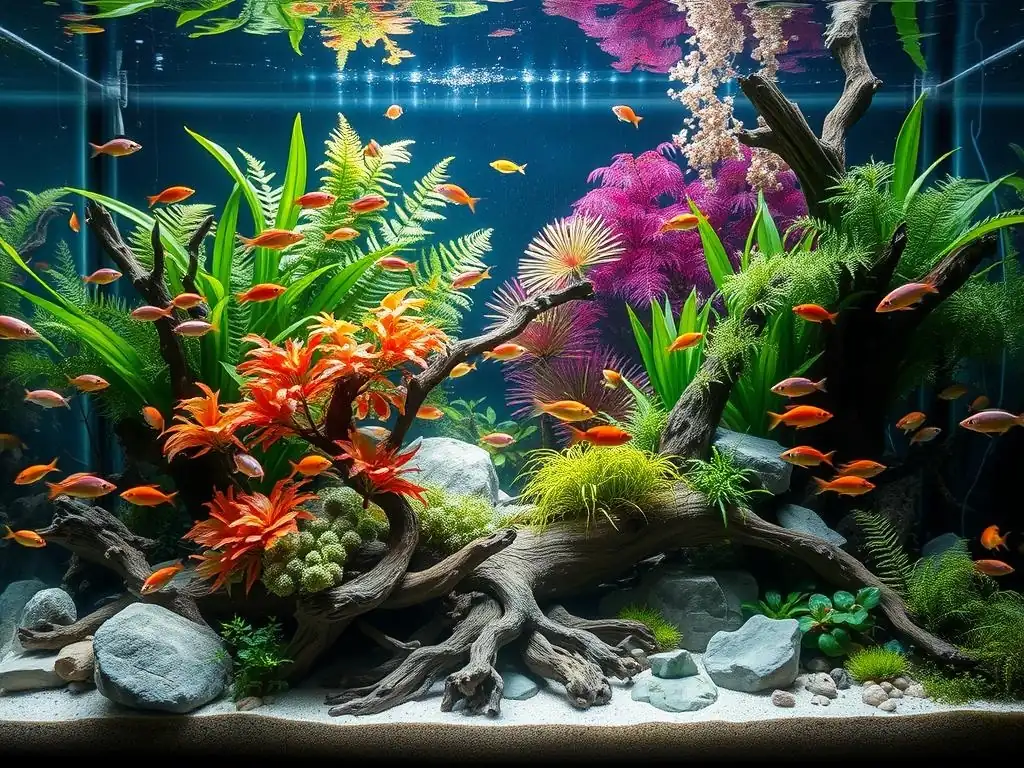
Welcome to Aquarium Mastery!
Intrigued by the vibrant world of Tetras and ready to take your care to the next level? You've come to the right place. Dive in and discover advanced techniques for Tetra care that go beyond the basics, unlocking the secrets to thriving, colorful fish. Are you ready to elevate your Tetra keeping skills and create a truly stunning aquarium? Let's explore!
- Introduction to Advanced Tetra Keeping
- Optimizing Tetra Tank Environment
- Tetra Nutrition: Advanced Feeding Strategies
- Tetra Health Management: Proactive Prevention
- Tetra Breeding: A Challenging but Rewarding Endeavor
- Advanced Tetra Schooling Behavior: Understanding Social Dynamics
- Troubleshooting Common Tetra Keeping Challenges
- Conclusion: Elevating Your Tetra Keeping Skills
-
Frequently Asked Questions
- How does advanced Tetra care differ from basic Tetra care?
- What are the ideal water parameters for maximizing Tetra health and color?
- What type of diet is recommended for advanced Tetra care?
- What are some advanced techniques for stimulating Tetra breeding?
- How can I troubleshoot common Tetra health issues with an advanced approach?
- Final Reflection: Embracing the Art of Tetra Mastery
- Elevate Your Tetra Expertise!
Introduction to Advanced Tetra Keeping
Beyond the Basics: Mastering Tetra Husbandry
Moving beyond the foundational aspects of keeping tetras involves a deeper dive into their specific needs, aiming for not just survival, but true vitality and natural behavior. This advanced approach to tetra husbandry demands a nuanced understanding of water chemistry, intricate dietary requirements, and the subtle cues of fish health. It signifies a shift from merely providing a suitable environment to meticulously crafting an ecosystem that mirrors their native habitats, fostering robust health and longevity.
Mastering advanced tetra care techniques requires dedication to ongoing learning and observation. It encompasses understanding the delicate balance of a thriving aquatic ecosystem, where every element, from substrate to lighting, plays a critical role in the well-being of these fascinating fish. The goal is to unlock their full potential, allowing them to display their most vibrant colors, engage in complex schooling behaviors, and even successfully breed, which are hallmarks of truly exceptional tetra keeping.
Why Advanced Tetra Care Matters: Thriving vs. Surviving
The distinction between a tetra merely surviving and truly thriving is profound and directly impacts their quality of life and lifespan. A surviving tetra might exhibit dull coloration, sporadic schooling, and a shortened life expectancy, perhaps 2-3 years for a Neon Tetra ( Paracheirodon innesi ). In contrast, a thriving tetra, benefiting from advanced tetra care, will display brilliant hues, energetic and cohesive schooling, and can live significantly longer, often reaching 5-7 years or even more for species like the Cardinal Tetra ( Paracheirodon axelrodi ).
Investing in advanced tetra care techniques creates a more stable and resilient aquarium environment. When tetras thrive, they are less susceptible to stress-related diseases, their immune systems are stronger, and they contribute to a healthier overall tank ecosystem. This proactive approach minimizes common issues like algae blooms and disease outbreaks, ultimately leading to a more enjoyable and less problematic experience for the aquarist, showcasing the true beauty and complexity of these fish.
Optimizing Tetra Tank Environment
Understanding Ideal Tetra Water Parameters: A Deep Dive
For advanced tetra keeping, understanding and precisely maintaining ideal water parameters is paramount. It extends beyond simply having "acceptable" ranges to tailoring conditions to the specific geographical origins and physiological needs of each tetra species. Consistent monitoring, often daily for new setups or bi-weekly for established tanks, is crucial to detect even slight fluctuations that could stress sensitive species.
This deep dive into water chemistry involves not only knowing the target pH, GH, and KH values but also understanding how they interact and impact the tetras' osmoregulation, breeding capabilities, and overall vitality. For instance, while many tetras prefer soft, acidic water, the exact parameters can vary significantly, necessitating species-specific research and meticulous adjustments to create a truly optimal environment for advanced tetra care.
pH Levels for Specific Tetra Species: A Nuanced Approach
The pH requirements for tetras are diverse and highly dependent on their natural habitats. For instance, the popular Neon Tetra ( Paracheirodon innesi ) and Cardinal Tetra ( Paracheirodon axelrodi ) originate from the acidic blackwater rivers of the Amazon, thriving in a pH range of 5.5-6.5, with some aquarists achieving success even lower, around pH 5.0 for breeding. Conversely, species like the Congo Tetra ( Phenacogrammus interruptus ) from the Congo River basin are more adaptable, tolerating a slightly higher pH of 6.0-7.5.
Achieving and maintaining these precise pH levels for advanced tetra care often involves more than just chemical buffers. Techniques include the use of reverse osmosis (RO) water remineralized to target parameters, peat filtration which naturally lowers pH and adds beneficial humic substances, or carefully controlled CO2 injection in planted tanks. The key is gradual adjustment and stability, as sudden pH swings are far more detrimental than a slightly off but stable parameter.
Water Hardness and Its Impact on Tetra Health
Water hardness, specifically General Hardness (GH) and Carbonate Hardness (KH), profoundly affects tetra health, particularly for species originating from soft water environments. Many Amazonian tetras, such as the Ember Tetra ( Hyphessobrycon amandae ) or Rummynose Tetra ( Hemigrammus rhodostomus ), thrive in very soft water, typically 1-5 dGH (degrees of General Hardness). Hard water can lead to chronic stress, impede osmoregulation, and even contribute to kidney issues over prolonged periods.
Managing water hardness for advanced tetra care often involves diluting tap water with RO or distilled water to achieve the desired GH. KH, or carbonate hardness, is equally important as it acts as a pH buffer, preventing drastic pH swings. While some tetras prefer very low KH, a minimum level is often necessary to ensure pH stability. Natural methods like adding Indian almond leaves or specific types of driftwood can also slightly reduce hardness while releasing beneficial tannins.
Maintaining Pristine Water Quality: Advanced Filtration Techniques
Beyond standard hang-on-back filters, advanced filtration techniques are essential for maintaining the pristine water quality crucial for thriving tetras. Canister filters are often preferred for their multi-stage filtration capabilities, allowing for mechanical (e.g., filter floss for particle removal), chemical (e.g., Purigen for organic waste, activated carbon for medication removal), and extensive biological filtration (e.g., ceramic rings, bio-balls for beneficial bacteria) within a single unit. For larger setups, sumps offer even greater water volume and customization for filtration media.
Regular maintenance of these advanced filtration systems is key to their effectiveness. This includes routine cleaning of mechanical media to prevent detritus buildup and periodic replacement of chemical media. Furthermore, integrating specialized biological media that provides immense surface area, such as sintered glass or porous ceramics, significantly enhances the nitrogen cycle's efficiency, ensuring ammonia and nitrite remain at undetectable levels, which is vital for advanced tetra care.
Advanced Tetra Aquascaping: Creating a Natural Habitat
Advanced tetra aquascaping transcends mere aesthetic appeal; it is about meticulously recreating the specific natural habitat of your chosen tetra species to minimize stress, encourage natural behaviors, and promote optimal health. This involves understanding the interplay of light, shade, open swimming areas, and dense vegetation, all tailored to the tetra's inherent needs. For instance, shy species like the Green Neon Tetra will flourish in heavily planted tanks with ample cover.
A well-designed aquascape provides crucial psychological benefits, offering security and reducing aggression within a schooling group. Visual barriers created by driftwood or tall plants can prevent dominant individuals from constantly harassing weaker ones, leading to a more harmonious community. This thoughtful approach to tank design is a cornerstone of advanced tetra care techniques, fostering both beauty and biological accuracy.
Plant Selection for Tetra Well-being: Beyond Aesthetics
Plant selection in advanced tetra aquascaping is driven by the well-being of the fish, not just visual appeal. Densely planted areas, particularly with fine-leafed species like Java Moss ( Taxiphyllum barbieri ), Hornwort ( Ceratophyllum demersum ), or various Cabomba species, provide essential hiding spots and a sense of security for shy tetras, mimicking the tangled vegetation of their natural homes. Broader-leafed plants such as Amazon Swords ( Echinodorus species) or Anubias ( Anubias barteri ) offer resting places and shade.
Beyond providing cover, aquatic plants play a vital role in water quality by absorbing nitrates, a byproduct of fish waste, and releasing oxygen through photosynthesis. For tetras that prefer soft, acidic water, selecting plants that thrive in these conditions, such as Cryptocoryne species or various stem plants that don't demand high light, creates a symbiotic environment. This integration of flora for functional benefits is a hallmark of advanced tetra care.
Substrate Considerations for Optimal Tetra Health
The choice of substrate in advanced tetra tanks significantly impacts both water chemistry and fish behavior. Fine-grained, dark substrates such as specialized aquarium sand or very fine gravel are often preferred. Dark substrates reduce light reflection, which can stress tetras, and enhance their natural coloration, making their vibrant hues appear more intense. Avoid sharp or abrasive substrates that could injure their delicate fins or barbels.
For planted tetra tanks, a nutrient-rich substrate layer beneath an inert top layer can support vigorous plant growth, further contributing to water quality and providing natural foraging opportunities. It's also important to consider the substrate's impact on water parameters; inert sands will not alter pH or hardness, while some specialized gravels might buffer water, which may or may not be desirable depending on the target parameters for your specific tetra species.
Replicating Natural Tetra Habitats: Biotope Aquariums
Replicating natural tetra habitats through biotope aquariums is the pinnacle of advanced aquascaping and advanced tetra care. A biotope tank aims to recreate a specific geographical environment, including precise water parameters, substrate type, specific plant species found in that region, and appropriate decor. For instance, an Amazonian blackwater biotope for Neon or Cardinal Tetras would feature very soft, acidic water, a sandy or fine gravel substrate, abundant driftwood (e.g., Malaysian or Mopani wood), and leaf litter (e.g., Indian almond leaves, oak leaves) to stain the water with tannins.
Such a setup not only provides an aesthetically stunning and educational display but also profoundly benefits the tetras by placing them in an environment that perfectly matches their evolutionary adaptations. This reduces stress, encourages natural behaviors like foraging and schooling, and can even trigger breeding. By meticulously researching and implementing the elements of a specific biotope, aquarists provide the ultimate environment for their tetras to thrive.
Tetra Nutrition: Advanced Feeding Strategies
Beyond Flakes: Understanding Tetra Dietary Needs
While commercial flake foods provide basic sustenance, advanced tetra care demands a diet that goes far beyond simple flakes. Tetras are generally omnivores, with a strong natural inclination towards small invertebrates in their wild diets. A truly comprehensive diet must reflect this, offering a wide array of proteins, fats, carbohydrates, vitamins, and minerals to ensure optimal health, vibrant coloration, and strong immune systems.
Understanding the specific dietary needs of different tetra species is crucial. For example, some tetras may prefer smaller food particles, while others can handle larger morsels. A varied diet prevents nutritional deficiencies, stimulates natural foraging behaviors, and significantly enhances the fish's overall vitality. This holistic approach to feeding is a cornerstone of advanced tetra care techniques.
Live and Frozen Foods: Maximizing Tetra Health and Color
Incorporating live and frozen foods is essential for maximizing tetra health and enhancing their natural coloration. Live foods such as newly hatched brine shrimp, daphnia, grindal worms, or small bloodworms offer unparalleled nutritional value, are highly palatable, and stimulate the tetras' natural hunting instincts. They provide complete proteins and essential fatty acids that are often diminished in processed foods.
Frozen alternatives like bloodworms, brine shrimp, mysis shrimp, and daphnia are excellent for convenience and safety, offering many of the nutritional benefits of live foods without the risk of introducing parasites. For instance, feeding spirulina-enriched brine shrimp can significantly boost the reds and blues in Neon or Cardinal Tetras. Small, frequent feedings throughout the day, rather than one large meal, are also beneficial for their digestive systems.
Supplementation for Tetras: Vitamins and Minerals
Even with a varied diet of high-quality flakes, live, and frozen foods, advanced tetra care often benefits from strategic vitamin and mineral supplementation. This is particularly true for tanks using reverse osmosis (RO) water, which strips out essential trace elements. Liquid vitamin supplements, often containing Vitamin C (for immunity), Vitamin A (for vision), and B vitamins (for metabolism), can be added directly to the water or, more effectively, soaked into frozen foods just before feeding.
Trace minerals, such as iodine, potassium, and magnesium, are vital for osmoregulation, enzyme function, and overall metabolic health. Remineralizing salts specifically designed for freshwater aquariums can be used to replenish these minerals in RO water setups. Careful dosing is crucial, as excess supplementation can be as detrimental as deficiency. This targeted approach ensures tetras receive every nutrient needed for peak health.
Feeding Techniques for Shy Tetra Species
Shy tetra species, such as Ember Tetras ( Hyphessobrycon amandae ) or Green Neon Tetras ( Paracheirodon simulans ), can be outcompeted for food in a busy community tank. Advanced feeding techniques ensure these timid fish receive adequate nutrition. One effective method is target feeding using a long pipette or turkey baster to deliver food directly to their preferred hiding spots or schooling areas, away from more aggressive feeders.
Another strategy is to scatter smaller portions of food across multiple areas of the tank simultaneously, providing more opportunities for the shy individuals to grab a bite. Feeding during off-peak hours, such as just before the lights come on or after they've dimmed, can also benefit nocturnal or more reclusive species. Careful observation of individual fish during feeding times is crucial to confirm that all members of the school are eating sufficiently.
Tetra Health Management: Proactive Prevention
Recognizing Early Signs of Tetra Disease: A Keen Eye
Proactive disease prevention in advanced tetra care hinges on meticulous daily observation. Recognizing the earliest, often subtle, signs of illness is critical for successful intervention and preventing widespread outbreaks. These signs can include slight dullness in color, clamped fins (held close to the body), minor changes in swimming patterns (e.g., listlessness, darting, or unusual wobbling), or a slight reduction in appetite.
Unlike waiting for obvious symptoms like severe fin rot or visible lesions, early detection allows for immediate action, often preventing the disease from progressing to an untreatable stage. A keen eye also watches for subtle behavioral changes, such as a fish isolating itself from the school, rubbing against tank decor, or unusual breathing patterns, all of which are indicators that something is amiss.
Advanced Quarantine Protocols for New Tetras
Implementing robust quarantine protocols is a non-negotiable aspect of advanced tetra health management. A dedicated quarantine tank, separate from the main display, should house all new fish for a minimum of 4-6 weeks. This period allows for close observation of fish health, stress reduction, and the pre-emptive treatment of common parasites or bacterial issues without risking the established inhabitants of the main tank.
The quarantine process typically involves maintaining stable water parameters that match the main tank, gradual acclimation, and an initial observation period. Many advanced aquarists opt for prophylactic treatment with broad-spectrum anti-parasitic and anti-bacterial medications during the first week, even if no symptoms are visible, to eradicate potential pathogens. Only after the quarantine period, with no signs of disease and consistent eating, should new tetras be introduced to the main aquarium.
Tetra Disease Treatment: Beyond the Basics
Effective disease treatment in advanced tetra care goes beyond simply adding a general remedy. It requires accurate diagnosis of the specific ailment, understanding the pathogen's life cycle, and selecting the most appropriate medication. Common tetra ailments include Ich ( Ichthyophthirius multifiliis ), various forms of bacterial fin rot, Columnaris ( Flavobacterium columnare ), and internal parasites. Neon Tetra Disease ( Pleistophora hyphessobryconis ) is a notable exception, as it is largely untreatable, emphasizing the importance of prevention.
Once a diagnosis is made, treatment involves precise dosing of medications, often in a hospital tank to avoid impacting the main tank's biological filter or sensitive invertebrates. Understanding how water parameters, such as pH and hardness, can affect medication efficacy and toxicity is also crucial. For instance, some medications are more potent in softer, more acidic water.
Understanding Common Tetra Ailments and Advanced Treatment Options
For Ich (White Spot Disease), advanced treatment involves understanding its complex life cycle. Elevating tank temperature (if the species tolerates it, e.g., to 82-84°F or 28-29°C) combined with medications containing malachite green or formalin targets the free-swimming tomonts, requiring treatment for several days beyond visible signs to break the cycle. For bacterial infections like Fin Rot, specific antibiotics such as Furan-2 or Kanaplex, often administered via medicated food, are more effective than general "fix-all" remedies.
Columnaris, a highly aggressive bacterial infection, demands immediate and strong intervention with antibiotics like Kanaplex or Furan-2, often supplemented with salt baths. Internal parasites, indicated by emaciation despite eating, stringy white feces, or swollen bellies, typically respond best to medicated foods containing metronidazole or praziquantel. Always ensure activated carbon is removed during medication to prevent absorption of the treatment.
Using Medications Responsibly: Dosage and Side Effects
Responsible use of medications is paramount in advanced tetra care. Always read and follow the manufacturer's instructions precisely, as under-dosing can lead to resistant pathogen strains, while over-dosing can severely harm or kill fish. Accurately calculating the true water volume of your tank, accounting for displacement by substrate and decor, is essential for correct dosage.
Be aware of potential side effects: some medications can harm the beneficial bacteria in your biological filter, necessitate increased aeration, or be toxic to invertebrates (e.g., snails, shrimp). Certain medications can also permanently stain silicone or tank decor. After a treatment cycle, performing large water changes and running activated carbon for several days is crucial to remove residual medication and restore water quality.
Preventing Disease Outbreaks: Proactive Measures
The most effective strategy in advanced tetra care is proactive disease prevention. This relies on maintaining stable and optimal water parameters, providing a high-quality and varied diet, implementing strict quarantine protocols for all new fish and plants, and avoiding overstocking. These fundamental practices significantly boost the tetras' natural immune systems, making them inherently more resistant to pathogens.
Regular tank maintenance, including consistent water changes (e.g., 20-30% weekly) and thorough gravel vacuuming, removes organic waste before it can degrade water quality. Minimizing stress through appropriate tank mates, ample hiding spots, and a stable environment further reduces susceptibility to disease. By adhering to these preventative measures, aquarists can dramatically reduce the likelihood of disease outbreaks in their tetra tanks.
Tetra Breeding: A Challenging but Rewarding Endeavor
Creating Optimal Breeding Conditions for Tetras
Breeding tetras is a challenging yet highly rewarding aspect of advanced tetra care, requiring specific conditions that often mimic their natural spawning grounds. This typically involves setting up a dedicated breeding tank, separate from the main display, that allows for precise control over water parameters and provides a safe environment for eggs and fry.
Conditioning adult tetras for breeding is crucial. For several weeks prior to attempting spawning, feed prospective breeding pairs a high-protein diet rich in live and frozen foods such as bloodworms, brine shrimp, and daphnia. This nutritional boost encourages egg development in females and sperm production in males, increasing the likelihood of a successful spawn.
Water Chemistry for Tetra Spawning
Water chemistry is perhaps the most critical factor for successful tetra spawning. Many popular tetras, particularly those from the Amazon (e.g., Neon, Cardinal, Black Neon Tetras), require very soft (GH 1-2 dGH) and acidic (pH 5.0-6.0) water to trigger spawning and ensure egg viability. This is often achieved by using 100% reverse osmosis (RO) water, remineralized minimally, and filtered through peat to lower pH and add humic substances.
Maintaining a stable temperature, typically slightly higher than their normal keeping temperature (e.g., 78-80°F or 25-27°C), can also encourage spawning activity. Dim lighting or even complete darkness for the initial hours after introduction to the breeding tank can also be beneficial, mimicking the low-light conditions of their natural spawning sites.
Providing Suitable Spawning Substrates
Most tetra species are egg scatterers, meaning they release their eggs randomly into the water column. To protect these delicate eggs from parental predation, providing suitable spawning substrates is essential. Fine-leafed plants, such as Java Moss ( Taxiphyllum barbieri ), Hornwort ( Ceratophyllum demersum ), or specially designed nylon spawning mops, offer ideal surfaces for eggs to adhere to and provide cover.
Alternatively, a bare-bottom breeding tank with a layer of marbles or a mesh screen placed just above the bottom can allow eggs to fall through, out of reach of the adults. Once spawning is observed, it is crucial to remove the adult fish promptly, as most tetras will readily consume their own eggs.
Raising Tetra Fry: Advanced Techniques
Infusoria and Micro Worms: First Foods for Tetra Fry
Raising newly hatched tetra fry is a delicate process that demands specific feeding strategies due to their minuscule size. For the first few days, the fry are often too small to consume newly hatched brine shrimp. Their initial diet must consist of microscopic organisms, known as infusoria. These can be cultured at home by placing decaying lettuce leaves or specialized infusoria cultures in a jar of aged aquarium water.
As the fry grow slightly, typically after 3-5 days, they can transition to slightly larger foods like micro worms or very young (newly hatched) brine shrimp nauplii. Frequent, small feedings (4-6 times daily) are essential to ensure all fry receive adequate nutrition without polluting the water. Overfeeding can quickly foul the water, which is detrimental to sensitive fry.
Maintaining Water Quality for Fry Development
Tetra fry are extremely sensitive to fluctuations in water quality, making meticulous maintenance paramount. Large water changes can be stressful and even fatal; instead, perform very small, frequent water changes (e.g., 10-15% daily or every other day) using perfectly matched, aged water from the main tank or a dedicated aging barrel.
Filtration for fry tanks must be gentle to prevent the tiny fry from being sucked into the filter. A mature sponge filter, powered by a gentle air pump, is ideal as it provides biological filtration without creating strong currents. Avoid strong aeration or powerful power filters, which can easily harm or kill the delicate fry.
Preventing Fry Predation: Protecting the Next Generation
Preventing fry predation is a critical component of successful tetra breeding in advanced tetra care. As mentioned, adult tetras will typically consume their own eggs and newly hatched fry. Therefore, the immediate removal of adult fish from the breeding tank once spawning is complete is absolutely essential.
Furthermore, the fry grow-out tank must be free of any other fish or invertebrates that could prey on the delicate fry. Even small snails or very tiny fish can pose a threat. Maintaining a dedicated fry tank ensures the highest survival rate for the next generation of tetras, allowing them to grow undisturbed until they are large enough to be introduced to a community setting.
Optimizing Tank Size and Schooling Dynamics
Understanding and optimizing tank size is crucial for truly advanced tetra schooling behavior. While many species are labeled "schooling," the intensity and nature of their schooling vary. For instance, Neon Tetras ( Paracheirodon innesi ) are known for their tight, synchronous schooling, while Serpae Tetras ( Hyphessobrycon eques ) tend to be more loosely shoaling. A larger tank, typically 20 gallons minimum for small species like Neons, and 30+ gallons for larger species like Congo Tetras, provides ample space for natural schooling patterns to develop, reducing stress and aggression.
The minimum school size, generally 6-8 individuals, is a starting point. For optimal, stress-free behavior and to witness the impressive, cohesive movements of a true school, aiming for 10-15+ individuals of a single species is ideal. This larger group provides security in numbers, allowing individual tetras to feel safer and display their most vibrant colors and natural social dynamics.
Minimizing Stress: Creating a Harmonious Tetra Community
Minimizing stress is a cornerstone of advanced tetra care and directly impacts their schooling behavior and overall health. A harmonious tetra community is achieved through a combination of stable water parameters, appropriate tank mates, and a well-designed aquascape. Consistent water quality prevents physiological stress, while compatible tank mates ensure a peaceful co-existence.
A thoughtfully designed tank with ample hiding spots, visual barriers (e.g., dense plants, driftwood), and open swimming areas allows tetras to retreat when needed and prevents constant harassment from dominant individuals. When tetras feel secure and unthreatened, they are more likely to exhibit natural, cohesive schooling behavior rather than erratic, stressed movements.
Advanced considerations for tetra tank mates go beyond general "peaceful" classifications. It involves understanding the specific temperament, size, and fin-nipping tendencies of various species. For example, while Angelfish are often considered peaceful cichlids, their long fins can be irresistible targets for nippy tetras like Serpae Tetras, or conversely, large Angelfish can view smaller tetras as prey.
Ideal tank mates for tetras are generally other peaceful, similarly sized community fish that occupy different levels of the water column. Examples include various species of Corydoras catfish (bottom dwellers), Otocinclus catfish (algae eaters), or smaller, peaceful rasboras. Dwarf cichlids, such as Apistogramma species, can also be compatible if the tank is large enough and provides ample territories. Careful observation of interactions is key to maintaining a harmonious tetra community.
Troubleshooting Common Tetra Keeping Challenges
Dealing with Aggression in Tetra Schools
Aggression within tetra schools, though seemingly contradictory to their peaceful reputation, is a common challenge in advanced tetra care. It often stems from insufficient school size (leading to a lack of security and increased pecking order disputes), overcrowding, or the presence of inappropriate tank mates. Some species, like Serpae Tetras or Black Skirt Tetras, are naturally more nippy than others, especially if not kept in large enough groups.
Solutions typically involve increasing the school size. For instance, if you have 6 Neons, increasing the group to 12-15 individuals can significantly diffuse aggression as it spreads out among more fish. Providing more hiding spots and visual breaks in the aquascape can also reduce direct confrontations. In rare cases, an overly aggressive individual may need to be isolated or rehomed if the behavior persists and threatens the well-being of other fish.
Addressing Fin Nipping and Bullying
Fin nipping and bullying are specific forms of aggression that can plague tetra tanks. These behaviors are often caused by stress, boredom, an inadequate school size, or the presence of tank mates with long, flowing fins that act as irresistible targets. A tetra being constantly nipped or bullied will exhibit clamped fins, frayed edges, and increased stress, making them susceptible to disease.
To address fin nipping, ensure your tetra school is sufficiently large (e.g., 10+ individuals) to dilute aggression. Provide ample enrichment through varied feeding and a complex aquascape with plenty of visual barriers. If a specific tetra is identified as the primary culprit, consider isolating it temporarily or, if the behavior is ingrained, rehoming it. Immediately treat any damaged fins with clean water and potentially a mild antibacterial to prevent secondary infections.
Combating Algae Blooms in Tetra Tanks
Algae blooms in a tetra tank are not just unsightly; they are a symptom of an underlying imbalance in the aquarium ecosystem, which can negatively impact tetra health by reducing oxygen levels and degrading water quality. Common causes include excessive light duration or intensity, surplus nutrients (nitrates and phosphates) from overfeeding or infrequent water changes, and insufficient plant mass to outcompete algae.
Advanced solutions for combating algae involve a multi-pronged approach. First, precisely control lighting, typically limiting it to 8-10 hours per day. Second, perform regular, larger water changes (e.g., 30-50% weekly) to remove excess nutrients. Using reverse osmosis (RO) water can prevent nutrient buildup from tap water. Third, introduce fast-growing aquatic plants (e.g., Hornwort, Water Sprite) to outcompete algae for nutrients, or add algae-eating invertebrates like Amano shrimp ( Caridina multidentata ) or Nerite snails ( Neritina natalensis ) that are safe for tetras.
Conclusion: Elevating Your Tetra Keeping Skills
Embarking on the journey of advanced tetra care is a testament to an aquarist's dedication and passion. It signifies a shift from merely maintaining fish to truly understanding and meeting their complex needs, fostering an environment where they don't just survive, but profoundly thrive. This involves a deep dive into precise water chemistry, sophisticated nutrition, proactive health management, and the intricate social dynamics of schooling behavior.
The rewards of mastering these tetra care advanced techniques are immense. Witnessing your tetras display their most vibrant colors, engage in natural schooling behaviors, and even successfully breed provides a level of satisfaction that transcends basic fish keeping. It elevates the hobby to an art form, creating a living, breathing ecosystem that is both a source of continuous learning and profound beauty.
Frequently Asked Questions
How does advanced Tetra care differ from basic Tetra care?
Advanced Tetra care focuses on optimizing the environment beyond basic needs. This involves precise water parameter control, specialized diets, and stimulating natural behaviors to promote vibrant colors and longevity, unlike simply keeping them alive. It often requires more meticulous observation.
What are the ideal water parameters for maximizing Tetra health and color?
While general guidelines exist, advanced care emphasizes stability and specific preferences. This often involves maintaining a slightly acidic pH (around 6.5), low nitrate levels, and a consistent temperature, paying close attention to individual species needs.
What type of diet is recommended for advanced Tetra care?
Beyond basic flake food, advanced diets incorporate live or frozen foods like daphnia, brine shrimp, and bloodworms. These provide essential nutrients and stimulate hunting instincts, contributing to better health and enhanced coloration. A variety of foods is critical for optimal results.
What are some advanced techniques for stimulating Tetra breeding?
Advanced breeding techniques involve simulating natural conditions, such as a decrease in water hardness and a gradual increase in temperature, followed by introducing suitable spawning substrates. This mimics their natural breeding triggers to increase the chances of successful spawning.
How can I troubleshoot common Tetra health issues with an advanced approach?
Instead of simply treating symptoms, advanced troubleshooting focuses on identifying the root cause. This includes thorough water testing, observing behavior patterns, and adjusting the environment to eliminate stressors that compromise the immune system. A holistic view is essential.
Final Reflection: Embracing the Art of Tetra Mastery
The journey into advanced Tetra care transcends mere fishkeeping; it's a commitment to understanding and nurturing a delicate ecosystem within the confines of our aquariums. Today, as we witness a growing appreciation for biodiversity and responsible pet ownership, the principles outlined in this article resonate more profoundly than ever. The meticulous attention to detail, the dedication to water chemistry, and the unwavering commitment to providing optimal environments for these vibrant creatures reflect a broader societal shift towards conscious consumption and a deeper connection with the natural world.
This pursuit of excellence in Tetra care has not only enriched the lives of countless aquarists but also fostered a deeper understanding of aquatic ecosystems. The subtle nuances of Tetra behavior, the intricate balance of a thriving planted tank, and the sheer beauty of a school of healthy fish swimming in harmony are experiences that profoundly impact our appreciation for the natural world. In every walk with nature, one receives far more than he seeks,
as John Muir so eloquently stated. This holds true for the dedicated aquarist, who finds not only a rewarding hobby but also a profound connection to the delicate balance of life.
Now, as you close this article, I invite you to reflect on your own journey as an aquarist. Consider how you can apply these advanced techniques to elevate your Tetra care, not just for the well-being of your fish, but also for your own personal enrichment.
Embrace the challenge, delve deeper into the science, and allow the beauty of your Tetra aquarium to inspire a greater appreciation for the interconnectedness of life. Let your tank be a testament to your dedication, a vibrant microcosm reflecting the beauty and complexity of the natural world, and a constant reminder of the responsibility we all share to protect it.
Elevate Your Tetra Expertise!
Thank you for diving into the complexities of advanced Tetra care. We hope this article has empowered you with new insights and a deeper understanding of these fascinating fish. Now, it's time to put that knowledge into action!
Here are a few ways to take your Tetra husbandry to the next level:
- Commit to implementing at least one new enrichment strategy discussed in this article within the next week. This could involve introducing live plants, varying their diet, or creating a blackwater biotope.
- Share your Tetra tank's unique challenges and successes on our Aquarium Mastery forum. Learning from each other's experiences is key!
- Consider researching a lesser-known Tetra species and plan for a future advanced aquarium setup. You might be surprised by what you discover!
What's one specific change you'll make this week to better cater to your Tetra's needs?