
Are Plecos Safe with African Cichlids? The Surprising Truth

Welcome to Aquarium Mastery!
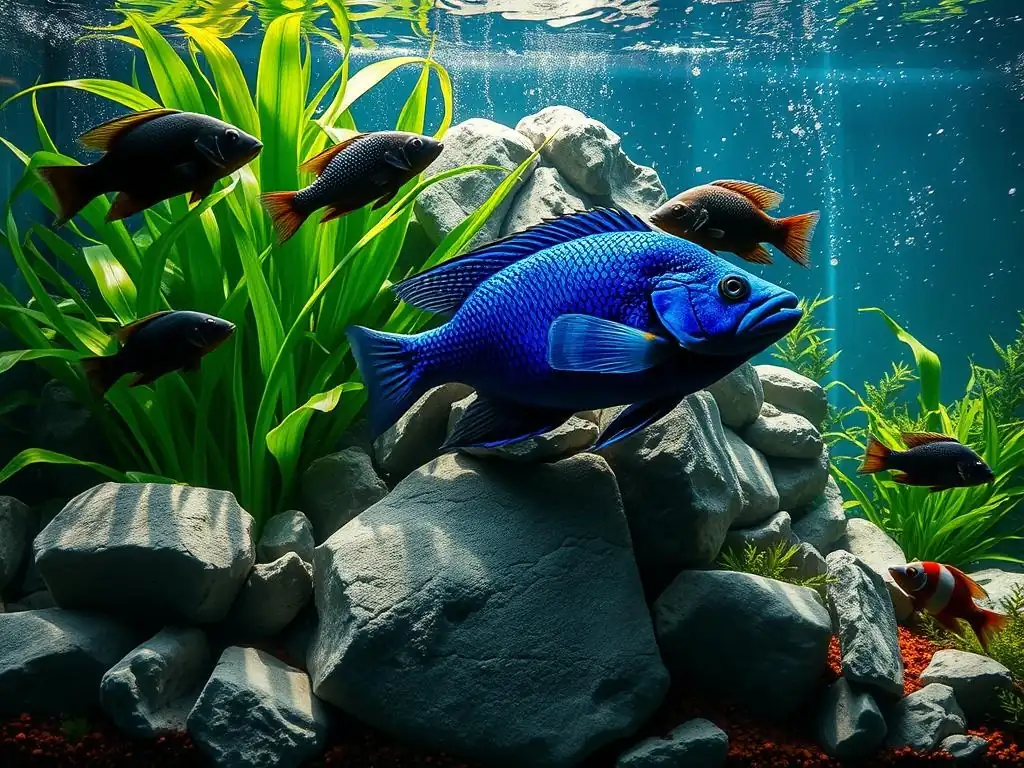
Ever wondered if those algae-eating Plecos and your vibrant African Cichlids can actually coexist peacefully? Dive into our latest article, "Are Plecos Safe with African Cichlids? The Surprising Truth," and uncover the often-overlooked Pleco cichlid compatibility issues that could be impacting your freshwater aquarium's harmony. Prepare to be surprised by what you learn – and discover how to ensure a thriving, balanced ecosystem for all your aquatic friends!
- Are Plecos Safe with Mbuna Cichlids? A Guide to Compatibility
- Understanding Pleco Cichlid Compatibility in Lake Malawi Aquariums
- Mbuna Cichlid Temperament: A Key Factor in Pleco Safety
- Pleco Species and Their Suitability for Mbuna Tanks
- Dietary Considerations: Can Plecos and Mbuna Coexist at Mealtime?
- Tank Setup and Aquascaping for Pleco and Mbuna Harmony
- Success Stories and Potential Problems
- Alternative Algae Eaters for Mbuna Tanks: Exploring Other Options
- Maximizing the Chances of Success
-
Frequently Asked Questions
- What are the main compatibility issues between Plecos and African Cichlids?
- Are there specific types of Plecos that are more compatible with African Cichlids?
- What size aquarium is recommended to house both Plecos and African Cichlids?
- How can I minimize aggression between Plecos and African Cichlids in my aquarium?
- What alternative algae eaters can I use if Plecos are not a good fit with my African Cichlids?
- Final Reflection: Navigating the Murky Waters of Aquarium Harmony
- Unlock the Secrets: Take Your Cichlid Aquarium to the Next Level!
Are Plecos Safe with Mbuna Cichlids? A Guide to Compatibility
Understanding Pleco Cichlid Compatibility in Lake Malawi Aquariums
The Appeal of Plecos in Mbuna Tanks: Algae Control and Aesthetics
Plecos, with their distinctive suckermouths and armored bodies, are often considered a natural choice for algae control in freshwater aquariums. Many aquarists are drawn to their perceived utility as tank cleaners, believing they will efficiently consume unsightly algae that can proliferate in well-lit Mbuna setups. Beyond their functional appeal, plecos also offer a unique aesthetic contrast to the often vibrant, yet streamlined, forms of African cichlids, adding diversity to the tank's visual landscape.
This widespread perception, however, often overlooks the complex realities of Pleco cichlid compatibility issues. While many pleco species do consume algae, their effectiveness can vary significantly, and their general appeal as "janitors" can lead to their introduction into unsuitable environments. Aquarists may not fully research the specific needs of different pleco species, or the aggressive nature of Mbuna cichlids, before combining them, setting the stage for potential problems.
Why Compatibility Concerns Arise: Mbuna Aggression and Dietary Needs
The primary reason Pleco cichlid compatibility issues arise in Mbuna tanks stems from the inherent aggression and territorial nature of Mbuna cichlids. Hailing from the rocky shores of Lake Malawi, these cichlids are known for their robust territoriality, particularly towards other fish that occupy similar niches or are perceived as competitors for food and space. Slow-moving, bottom-dwelling plecos can easily become targets for relentless harassment, leading to stress, injury, and even death.
Furthermore, while both Mbunas and plecos consume algae, their specific dietary needs can lead to competition. Mbunas are primarily herbivorous grazers, constantly nipping at rockwork for biofilm and algae. Plecos, depending on the species, also consume algae but often require supplemental foods like wood, blanched vegetables, or protein-rich sinking wafers. If food is scarce or competition is high, the pleco may not receive adequate nutrition, compounding the Pleco cichlid compatibility issues and leading to health declines.
Mbuna Cichlid Temperament: A Key Factor in Pleco Safety
Metriaclima estherae: Known for Aggression Towards Bottom Dwellers
Metriaclima estherae, commonly known as the Red Zebra Cichlid, is a popular Mbuna species recognized for its striking coloration but also for its significant aggression. These cichlids, typically growing to 4-5 inches (10-12 cm), are highly territorial and will actively defend their chosen rockwork or cave, often displaying intense aggression towards tank mates, especially those that inhabit the lower regions of the tank or share a similar body shape. This makes them a prime contributor to Pleco cichlid compatibility issues.
Their aggressive behavior includes relentless chasing, ramming, and nipping, which can severely stress and injure a pleco. Despite their armored plates, plecos are not immune to persistent attacks. Fin damage, scale loss, and chronic stress can lead to weakened immune systems, making the pleco susceptible to secondary infections like fin rot or ich. Many instances of severe Pleco cichlid compatibility issues are directly attributable to the presence of highly aggressive Mbuna species like M. estherae.
Labidochromis caeruleus: Generally Less Aggressive, but Still a Risk
The Labidochromis caeruleus, or Electric Yellow Cichlid, is often cited as one of the more docile Mbuna species, making it a frequent recommendation for mixed Mbuna setups. Growing to about 3-4 inches (7-10 cm), their relatively calmer demeanor compared to other Mbunas might suggest a reduced risk of Pleco cichlid compatibility issues. They are less prone to outright lethal aggression and tend to be more tolerant of different tank mates.
However, "less aggressive" in the context of Mbunas does not equate to "peaceful" in a general community tank sense. L. caeruleus are still cichlids; they will establish territories, particularly during breeding, and can exhibit aggression if overcrowded or stressed. While a Bristlenose pleco might endure less direct harm from an Electric Yellow, persistent harassment or fin-nipping can still occur, leading to chronic stress and compromising the pleco's health over time. The risk, though lower, is not entirely absent.
The Impact of Overcrowding and Poor Aquascaping on Cichlid Aggression
Tank size and stocking density play a crucial role in mitigating Mbuna aggression. Inadequate tank space, such as a 55-gallon tank housing more than 10-12 adult Mbunas without proper management, can lead to heightened territorial disputes and amplified aggression among the cichlids themselves, which invariably spills over to other tank inhabitants, including plecos. While some degree of "overstocking" is often practiced with Mbunas to spread aggression, true overcrowding without sufficient space for individual territories can be detrimental.
Poor aquascaping further exacerbates Pleco cichlid compatibility issues. Mbunas require a complex arrangement of rocks, caves, and crevices to establish individual territories and provide visual barriers. Without sufficient hiding places and line-of-sight breaks, a pleco has nowhere to retreat from an aggressive cichlid, becoming a constant target. A tank lacking ample rockwork, such as one with only a few scattered decorations, creates an environment where aggression cannot be dispersed, leading to increased stress and conflict for all bottom dwellers.
Pleco Species and Their Suitability for Mbuna Tanks
Common Pleco ( Hypostomus plecostomus): Size and Territorial Concerns
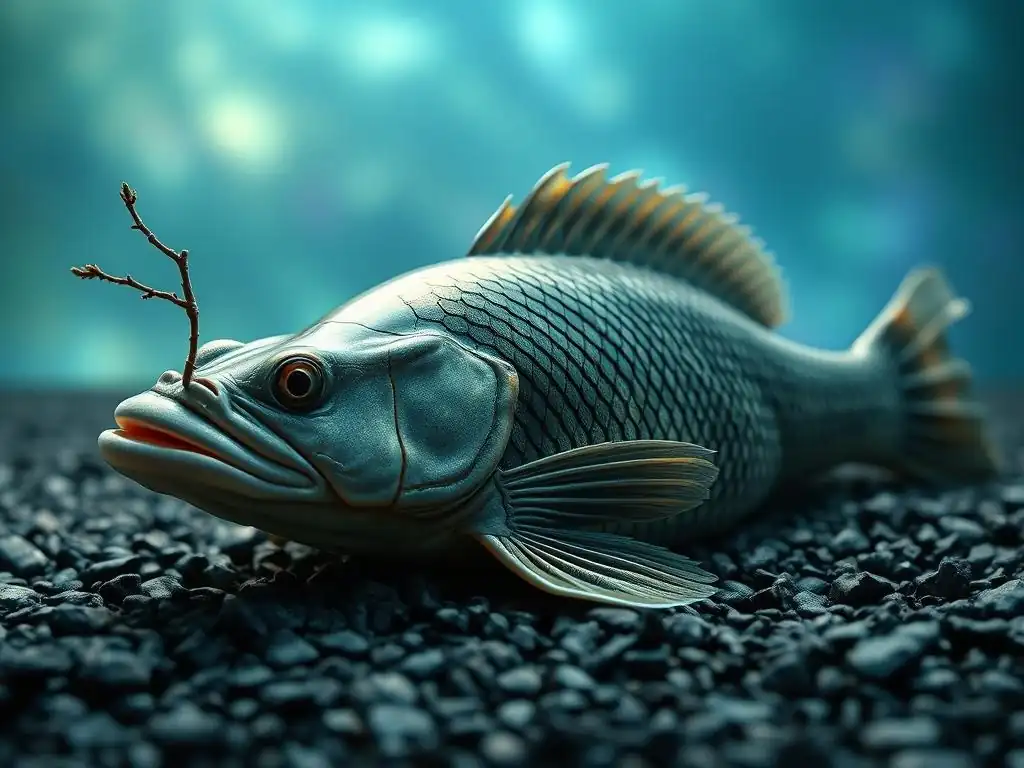
The Common Pleco ( Hypostomus plecostomus) is one of the most frequently purchased "algae eaters" due to its low initial price and widespread availability. However, these fish are entirely unsuitable for the vast majority of home aquariums, let alone Mbuna tanks. They can grow to an enormous size, often exceeding 18-24 inches (45-60 cm) in length, requiring tanks of 150 gallons or more to thrive long-term.
As they mature, Common Plecos also become increasingly territorial and can be quite aggressive towards other bottom-dwelling fish, including slower-moving Mbunas. Their immense bioload significantly impacts water quality, requiring substantial filtration and frequent, large water changes to maintain healthy parameters. Their size, aggression, and waste production make them a primary source of severe Pleco cichlid compatibility issues in any typical Mbuna setup.
Bristlenose Pleco ( Ancistrus sp. ): A Smaller, Potentially Safer Option
The Bristlenose Pleco ( Ancistrus sp.) is a much more appropriate choice for many community aquariums due to its significantly smaller adult size, typically reaching only 4-6 inches (10-15 cm). They are excellent algae eaters, consuming various types of soft green algae and biofilm, and are generally more docile than their common pleco counterparts. Their smaller size also means a considerably lower bioload.
While Bristlenose plecos are comparatively safer, they are not entirely immune to Pleco cichlid compatibility issues in a Mbuna tank. Aggressive Mbunas can still harass them, especially if hiding spots are inadequate or if the pleco is perceived as competing for food. Supplemental feeding with algae wafers and blanched vegetables is crucial to ensure they receive sufficient nutrition, as relying solely on tank algae in a tank with hungry Mbunas is often insufficient.
Clown Pleco ( Panaqolus maccus): A Less Aggressive, Wood-Eating Choice
The Clown Pleco ( Panaqolus maccus) is another smaller pleco species, typically growing to a maximum of 3-4 inches (7-10 cm). What sets them apart is their primary dietary requirement: wood. Clown Plecos are xylophagous, meaning they rasp on driftwood for cellulose, which aids their digestion. This specialized diet makes them less reliant on algae as a food source, potentially reducing direct food competition with Mbunas.
Clown Plecos are also quite shy and reclusive, spending much of their time hidden within or around driftwood. While their timid nature means they are less likely to initiate aggression, it also makes them vulnerable to constant harassment if they cannot find adequate refuge. Their contribution to algae control is minimal due to their wood-based diet, and their overall suitability still hinges on providing ample hiding places to mitigate Pleco cichlid compatibility issues stemming from Mbuna aggression.
Avoiding Longfin Varieties: Vulnerability to Fin Nipping
When considering any pleco species for a Mbuna tank, it is crucial to avoid longfin varieties, such as the longfin Bristlenose. While their flowing fins are aesthetically appealing to some, they represent an irresistible target for fin-nipping Mbuna cichlids. The extended fins, which can be two or three times the length of normal fins, are easily damaged and can lead to severe stress and injury for the pleco.
Constant fin-nipping not only causes physical trauma but also leaves the pleco highly susceptible to secondary bacterial and fungal infections. A pleco with torn and ragged fins will be under immense stress, making it difficult for it to feed properly or maintain its health. The risk of serious Pleco cichlid compatibility issues and eventual demise for longfin varieties in an aggressive Mbuna environment is exceptionally high, outweighing any perceived beauty.
Dietary Considerations: Can Plecos and Mbuna Coexist at Mealtime?
Mbuna Diets: Primarily Herbivorous with Aggressive Feeding Habits
Mbuna cichlids are primarily herbivorous grazers, adapted to scraping algae and biofilm from rocks in Lake Malawi. In an aquarium setting, their diet should consist predominantly of high-quality spirulina flakes or pellets, supplemented with occasional blanched vegetables. They are known for their incredibly enthusiastic and aggressive feeding habits, often rushing to the surface or mid-water to consume food rapidly.
This aggressive feeding behavior can create significant competition for any sinking foods intended for a pleco. If a pleco is slow to react or too timid to compete with the vigorous Mbunas, it may not receive sufficient nutrition, leading to malnourishment, stunted growth, and a weakened immune system. This direct competition for food is a major contributor to Pleco cichlid compatibility issues in a shared tank environment.
Pleco Diets: Algae, Biofilm, and the Importance of Supplemental Feeding
While many plecos are renowned for their algae-eating capabilities, their diets are often more diverse than commonly believed. Species like Bristlenose plecos do graze on soft green algae and diatoms, but also require lignified plant material (wood) for digestion and benefit from some protein. Common plecos are omnivores, consuming a wide range of foods, and cannot subsist solely on tank algae.
Therefore, supplemental feeding is absolutely critical for plecos in a Mbuna tank. Relying solely on the algae naturally present in the aquarium is rarely sufficient, especially as the pleco grows. Algae wafers, blanched zucchini or cucumber slices, and even specific pleco pellets designed for bottom feeders are essential to ensure the pleco receives a balanced diet. Without adequate supplemental feeding, starvation is a very real possibility, compounding existing Pleco cichlid compatibility issues.
Preventing Competition: Sinking Algae Wafers and Separate Feeding Times
To minimize feeding competition and ensure the pleco receives adequate nutrition, strategic feeding practices are essential. One effective method is to feed the Mbuna cichlids first with their usual floating or slow-sinking pellets, ensuring they are satiated and distracted. Once the Mbunas have finished their meal, introduce fast-sinking algae wafers or blanched vegetables for the pleco.
Even more effective is to feed the pleco after the main tank lights have been dimmed or turned off for the night, as many pleco species are primarily nocturnal. This allows the pleco to forage and consume its food without direct harassment or competition from the more active Mbunas. This approach significantly reduces stress for the pleco and mitigates one of the most common Pleco cichlid compatibility issues related to food scarcity and competition.
Tank Setup and Aquascaping for Pleco and Mbuna Harmony
Providing Ample Hiding Places: Caves, Rocks, and PVC Pipes
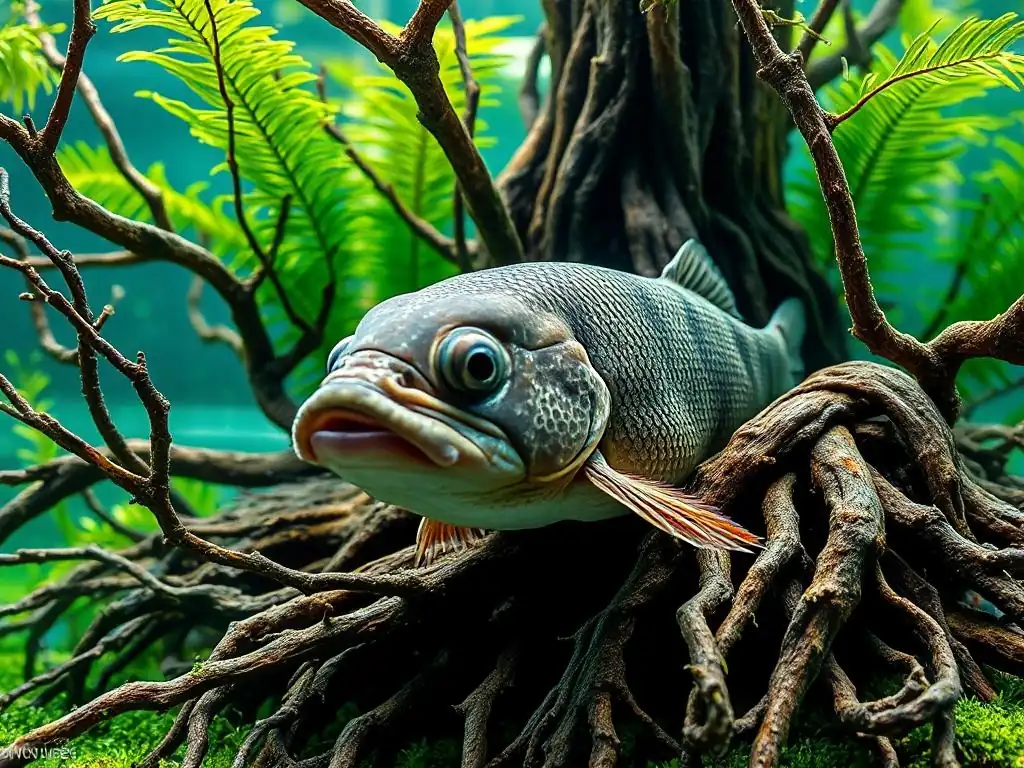
The provision of ample hiding places is paramount for establishing a harmonious environment for both Mbunas and plecos. Mbunas, by nature, require complex rock structures with numerous caves, tunnels, and crevices to establish territories, escape aggression, and break line of sight between dominant and subordinate fish. A well-designed Mbuna tank should resemble a rocky outcrop, not an open swimming area.
For a pleco, these hiding spots are even more critical as safe havens from the aggressive Mbunas. Smooth, dark caves, such as those made from ceramic, slate, or even appropriately sized PVC pipes hidden within the rockwork, offer a secure retreat where the pleco can rest and feel safe from constant harassment. Ensuring a ratio of more hiding spots than fish can significantly reduce Pleco cichlid compatibility issues by providing sufficient personal space and escape routes.
Ensuring Algae Growth: Strategic Lighting and Limited Cleaning
While excessive algae can indicate nutrient imbalances, a certain amount of healthy algae growth on rocks and tank surfaces is beneficial, providing a natural food source for both herbivorous Mbunas and algae-eating plecos. Strategic lighting, typically 8-10 hours per day, can promote the growth of desirable green algae and biofilm, which are primary components of a pleco's diet.
To maintain this natural food source, it's advisable to limit aggressive cleaning of all tank surfaces. While the front viewing pane should be kept clear, allowing algae to grow on the back and side walls, as well as on the rockwork, provides continuous grazing opportunities. This approach reduces the reliance on supplemental feeding alone and can alleviate some Pleco cichlid compatibility issues related to food scarcity, provided the algae is truly accessible to the pleco.
Maintaining Excellent Water Quality: Frequent Water Changes and Filtration
Pristine water quality is non-negotiable for Mbuna cichlids and plecos alike. Both fish produce significant bioloads, and African cichlids, in particular, require stable water parameters with a high pH (typically 7.8-8.5) and high hardness (10-20 dGH). Regular, large water changes, such as 25-50% weekly or bi-weekly depending on stocking levels, are essential to dilute nitrates and prevent the accumulation of toxins.
Robust mechanical and biological filtration is also crucial to handle the waste produced by these fish. An external canister filter or multiple hang-on-back filters with ample filter media volume are often recommended for Mbuna tanks. Poor water quality stresses fish, weakens their immune systems, and can exacerbate any existing Pleco cichlid compatibility issues by making fish more irritable and susceptible to disease.
Success Stories and Potential Problems
Case Studies: Experienced Aquarists' Successes and Failures
Anecdotal evidence from experienced aquarists presents a mixed bag regarding Pleco cichlid compatibility issues. Some hobbyists report long-term success keeping a single Bristlenose pleco in a well-established, densely stocked 75-gallon Mbuna tank with abundant rockwork. Success often hinges on introducing the pleco as a juvenile, providing ample hiding spots, and diligently offering supplemental food. These cases are typically the exception, not the rule, and require meticulous care.
Conversely, numerous accounts detail the failures of such pairings. Many aquarists have witnessed common plecos outgrowing their tanks and becoming aggressive towards Mbunas, or smaller plecos being relentlessly harassed, leading to torn fins, chronic stress, and eventually death. These failures highlight the inherent risks and the significant challenges in overcoming the natural Pleco cichlid compatibility issues that arise when these species are housed together.
Identifying Warning Signs: Torn Fins, Hiding, and Lack of Algae Consumption
Early identification of Pleco cichlid compatibility issues is crucial for intervention. Aquarists should observe their pleco daily for warning signs. Look for physical injuries such as torn, frayed, or ragged fins, especially the caudal (tail) or dorsal fin. Observe the pleco's behavior: Is it constantly hiding, refusing to come out even during feeding times? Does it appear stressed, exhibiting pale coloration or rapid gill movements?
Another critical indicator is a noticeable lack of algae consumption. If the pleco is too stressed or intimidated by the Mbunas to actively graze on tank surfaces or consume supplemental food, it will rapidly decline in health. Persistent refusal to feed, combined with visible signs of stress or injury, are clear indications that the Pleco cichlid compatibility issues have escalated to a dangerous level, requiring immediate action.
What to Do if Issues Arise: Separate Tank or Rehoming
If warning signs of Pleco cichlid compatibility issues are observed, immediate intervention is necessary to prevent further harm. The safest and most effective solution is to remove the pleco from the Mbuna tank and place it in a separate, dedicated aquarium where it can recover and thrive without stress. This could be a "hospital" or "quarantine" tank that becomes its permanent home.
If setting up a separate tank is not a viable option, rehoming the pleco to an appropriate environment is the next best course of action. This might involve finding a larger, peaceful community tank with compatible tank mates, or contacting a local fish store, aquarium club, or reputable rescue organization that can take the fish. Attempting to "force" compatibility invariably leads to prolonged suffering for the pleco and continued Pleco cichlid compatibility issues in the main tank.
Alternative Algae Eaters for Mbuna Tanks: Exploring Other Options
Malawi Snails ( Melanoides tuberculata): Effective Algae Control in Substrate
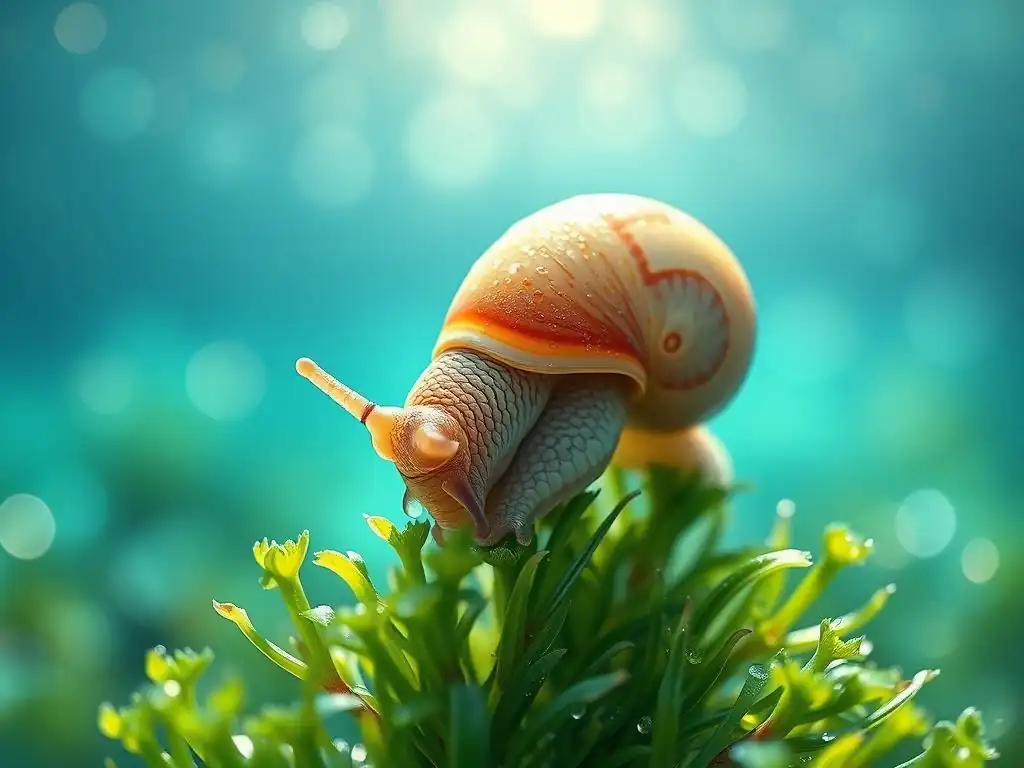
For aquarists seeking a more compatible algae-eating solution for Mbuna tanks, various alternatives exist. Malaysian Trumpet Snails ( Melanoides tuberculata) are an excellent choice, particularly for controlling algae and detritus within the substrate. These small, conical-shelled snails burrow through the gravel or sand, aerating it and consuming decaying organic matter and algae films.
Malaysian Trumpet Snails are generally ignored by Mbuna cichlids due to their hard, pointed shells, which make them unappetizing targets. While they reproduce readily, their population often self-regulates based on food availability. They are particularly effective at keeping the substrate clean and consuming diatoms and green algae films on surfaces, without contributing to the Pleco cichlid compatibility issues often seen with catfish.
Siamese Algae Eater ( Crossocheilus siamensis): Not a True Catfish, but Effective
The Siamese Algae Eater (SAE, Crossocheilus siamensis) is another highly regarded algae eater, though it is not a true catfish. These active, schooling fish typically grow to 5-6 inches (12-15 cm) and are known for their voracious appetite for various types of algae, including the notoriously stubborn black beard algae. Their natural speed and schooling behavior can help them evade aggressive Mbunas.
While generally peaceful, SAEs can be territorial among themselves if kept in insufficient numbers or in smaller tanks. They are active swimmers and their constant movement might still be a source of stress for some Mbunas, leading to a different set of Pleco cichlid compatibility issues (though not directly involving plecos). Close observation is still recommended to ensure they are not being excessively harassed or are themselves becoming problematic.
The Importance of Manual Algae Removal: Scraping and Water Changes
Ultimately, no single algae-eating fish or invertebrate can entirely replace diligent manual algae removal. Regular scraping of the tank glass with an appropriate algae scraper or magnetic cleaner is the most direct and effective method for controlling visible algae and maintaining a clean viewing experience. This proactive approach directly removes algae from the system and reduces the overall algae load.
Furthermore, frequent water changes are crucial for algae control. By removing excess nitrates and phosphates, which are primary nutrients for algae growth, regular water changes directly inhibit algae proliferation. This comprehensive approach, combining manual removal with good husbandry practices, minimizes the reliance on biological algae eaters and significantly reduces the chances of any Pleco cichlid compatibility issues arising from food scarcity or competition.
Maximizing the Chances of Success
Careful Species Selection: Researching Temperaments and Needs
Maximizing the chances of success in any mixed-species aquarium, especially one involving Mbuna cichlids and plecos, begins with meticulous research and careful species selection. Before introducing any fish, thoroughly understand the specific temperament, adult size, and precise dietary requirements of both the chosen Mbuna species and the pleco species. For instance, recognizing that certain Mbunas like Pseudotropheus demasoni are exceptionally aggressive towards similar-looking fish is vital.
Opt for the smallest, most docile pleco species available, such as the Bristlenose or Clown Pleco, and absolutely avoid large or long-finned varieties. If you are determined to try a pleco, prioritize Mbuna species known for relatively lower aggression, like Labidochromis caeruleus, although it must be reiterated that no Mbuna is truly "peaceful" in a conventional sense. This informed selection is the foundational step to minimizing Pleco cichlid compatibility issues.
Maintaining a Mature Aquarium: Stable Water Parameters and Biofilm
Introducing any new fish, particularly a pleco into a Mbuna setup, is best done in a mature aquarium. A well-established tank, cycled for several months, provides a stable environment with robust beneficial bacteria colonies, leading to consistent water parameters and reduced stress for all inhabitants. Mature tanks also have established biofilm and algae growth on surfaces, providing a natural grazing ground for plecos.
Conversely, adding a pleco to an immature or unstable tank adds another layer of stress, making it more susceptible to disease and aggression. Stable pH (around 7.8-8.5), high hardness (10-20 dGH), and undetectable levels of ammonia and nitrite are critical for the long-term health of Mbunas. A stable, mature environment helps to reduce overall fish stress, thereby mitigating potential Pleco cichlid compatibility issues by promoting a healthier, more balanced ecosystem.
Continuous Observation: Monitoring Behavior and Adjusting as Needed
Even with the most careful planning and species selection, continuous observation remains paramount for ensuring the long-term success of a pleco in a Mbuna tank. Spend time daily watching the interactions between the pleco and the Mbunas. Look for subtle signs of stress, such as the pleco constantly hiding, refusing to feed, or showing changes in coloration. Observe for any nips or chases from the Mbunas.
Be prepared to intervene if problems arise. This might mean adjusting feeding schedules to ensure the pleco gets enough food, adding more hiding spots to provide greater security, or, as a last resort, removing and rehoming the pleco to a more suitable environment. Proactive monitoring and a willingness to adapt your tank setup or stocking are crucial for addressing any emerging Pleco cichlid compatibility issues and ensuring the well-being of all your fish.
Frequently Asked Questions
What are the main compatibility issues between Plecos and African Cichlids?
African Cichlids are known for their aggressive nature, which can lead to Plecos becoming targets. Furthermore, some Cichlids may compete with Plecos for algae and food sources, causing starvation for the Pleco.
Are there specific types of Plecos that are more compatible with African Cichlids?
Generally, larger, more armored Plecos are better suited to withstand potential aggression. Avoid smaller, more delicate species as they are more vulnerable to attack.
What size aquarium is recommended to house both Plecos and African Cichlids?
A larger tank is crucial to provide ample space for both species and reduce aggression. A tank of at least 75 gallons is generally recommended, depending on the specific species and number of fish.
How can I minimize aggression between Plecos and African Cichlids in my aquarium?
Provide plenty of hiding places for the Pleco, such as caves and driftwood. Overstocking can also distribute aggression among the Cichlids, but this requires careful monitoring and excellent filtration.
What alternative algae eaters can I use if Plecos are not a good fit with my African Cichlids?
Consider using algae-eating snails or certain types of shrimp, but be aware that some Cichlids may prey on them. Regular manual algae removal is also a viable option.
The question of Pleco and African Cichlid compatibility extends far beyond the confines of a glass tank. It mirrors the broader challenges of creating harmonious ecosystems, whether in our homes or in the wider world. Understanding the nuances of these interactions, as we've explored, is crucial for responsible aquarium keeping and a deeper appreciation for the delicate balance of nature.
This topic has profoundly influenced how we approach aquarium design, moving away from simplistic assumptions and towards a more informed, ethical practice. The ongoing debate highlights the importance of continuous learning and observation in any field, especially when dealing with living creatures. The only true wisdom is in knowing you know nothing.
- Socrates. This quote resonates deeply, reminding us to remain humble and open to new information as we strive to improve our understanding of the natural world.
Now, consider the lessons learned here. How can you apply this understanding of compatibility and responsible stewardship to other areas of your life? Are there "Plecos" and "Cichlids" in your own personal ecosystem – conflicting elements that require careful management and understanding? Let this exploration inspire you to cultivate environments, both literal and figurative, where diverse elements can coexist and thrive.
Unlock the Secrets: Take Your Cichlid Aquarium to the Next Level!
Thanks for diving deep into the compatibility of plecos and African cichlids! We hope you've gained valuable insights to help maintain a thriving aquarium. Now, let's put that knowledge into action!
Here are a few things you can do right now:
- Carefully assess your current aquarium setup. Consider the temperament of your cichlids and the specific needs of your pleco before introducing (or keeping) them together. This is the most important step!
- Explore alternative algae-eaters, like Nerite snails or Otocinclus catfish, if cohabitation seems too risky for your particular setup. A little research can prevent a lot of heartache.
- Share this article with fellow aquarium enthusiasts! Help spread awareness and prevent future pleco-cichlid conflicts.
Ready to create the perfect environment for all your aquatic friends? What specific adjustments will you make to your tank this week based on what you've learned?