
Emperor Tetra Majesty: An Aquarium Mastery Breeder's Guide to Regal Offspring

Welcome to Aquarium Mastery!
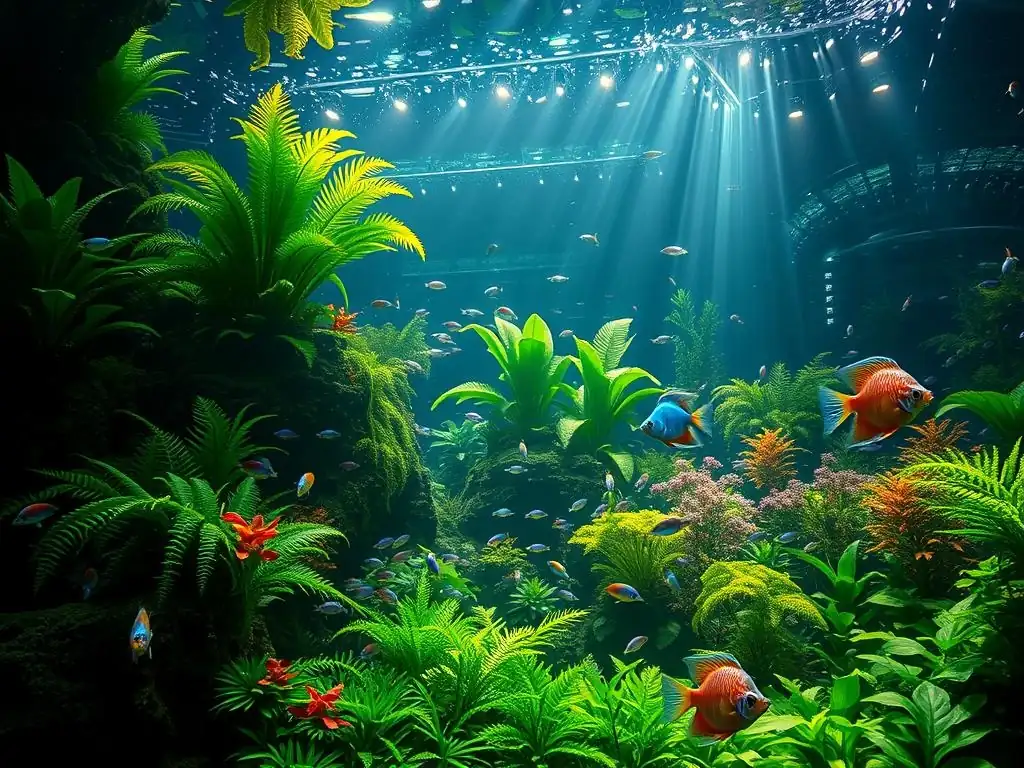
Ever dreamed of witnessing the vibrant beauty of Emperor Tetra offspring gracing your aquarium? Prepare to unlock the secrets to successful breeding! This Emperor Tetra Breeding Guide dives deep into the art of cultivating these regal gems. Curious about the perfect tank setup, optimal water parameters, and the telltale signs of spawning? Let's embark on this fascinating journey together and discover how to bring the majesty of Emperor Tetra breeding right into your own home aquarium.
- Emperor Tetra Majesty: An Aquarium Breeder's Guide to Regal Offspring
- Introduction to Emperor Tetra Breeding
- Setting Up the Ideal Emperor Tetra Breeding Tank
- Selecting and Preparing Emperor Tetra Breeding Stock
- The Emperor Tetra Spawning Process
- Raising Emperor Tetra Fry
- Advanced Techniques for Emperor Tetra Breeding
- Troubleshooting Common Emperor Tetra Breeding Problems
- Conclusion
-
Frequently Asked Questions
- How difficult is it to breed Emperor Tetras in a home aquarium?
- What are the ideal water parameters for breeding Emperor Tetras?
- What type of breeding tank setup is recommended for Emperor Tetras?
- How can I distinguish between male and female Emperor Tetras for breeding purposes?
- What should I feed Emperor Tetra fry after they hatch?
- Final Reflection: The Enduring Majesty of Life
- Unleash Your Inner Emperor Tetra Breeder!
Emperor Tetra Majesty: An Aquarium Breeder's Guide to Regal Offspring
Introduction to Emperor Tetra Breeding
Why Breed Emperor Tetras?
Breeding Emperor Tetras (Nematobrycon palmeri) offers a uniquely rewarding experience for the dedicated aquarist. These striking freshwater fish, known for their iridescent blue-purple stripe and distinctive "trident" caudal fin, are a captivating addition to any aquarium. Successfully undertaking an Emperor Tetra breeding guide not only provides immense personal satisfaction but also contributes significantly to the hobby by making healthy, captive-bred specimens available, reducing reliance on wild-caught populations which can face environmental pressures in their native Colombian river basins.
Beyond the satisfaction of nurturing new life, the process of Emperor Tetra breeding allows hobbyists to deepen their understanding of fish behavior, water chemistry, and intricate life cycles. It opens avenues for selective breeding projects, where enthusiasts can aim to enhance desirable traits such as more vibrant coloration or pronounced finnage, creating unique lines of these already majestic fish. This journey from egg to adult showcases the delicate balance required in an aquatic ecosystem, making it an invaluable learning experience.
Understanding Emperor Tetra Biology
Emperor Tetras originate from the Atrato and San Juan river basins in western Colombia, inhabiting slow-moving, clear, or blackwater tributaries with dense vegetation. They are relatively small, typically reaching an adult size of about 2 inches (5 cm), and can live for 3 to 5 years with proper care. Their natural diet consists primarily of small invertebrates and zooplankton, which influences their dietary needs in captivity, particularly when preparing for Emperor Tetra breeding.
In their natural environment, Emperor Tetras are egg-scattering spawners, meaning they release their adhesive eggs among dense aquatic plants or roots without providing parental care. A female can lay anywhere from 50 to 150 eggs per spawning event. This reproductive strategy necessitates a specific breeding tank setup where eggs can be protected from predation by the parents themselves, a critical consideration in any successful Emperor Tetra breeding guide. Understanding these biological fundamentals is key to replicating conditions conducive to spawning in a home aquarium.
Setting Up the Ideal Emperor Tetra Breeding Tank
Tank Size and Dimensions
For successful Emperor Tetra breeding, a dedicated breeding tank is highly recommended. A 10-gallon (approximately 38-liter) aquarium is often ideal for a single breeding pair or trio (one male, two females). The dimensions of a standard 10-gallon tank, typically 20 inches long by 10 inches wide by 12 inches high (51 cm x 25 cm x 30 cm), provide ample swimming space while remaining manageable for precise water parameter control and fry collection.
The benefits of using a smaller, dedicated tank for Emperor Tetra breeding are numerous. It allows for easier monitoring of spawning activity, simplifies the removal of parent fish post-spawn, and makes feeding tiny fry more efficient. Furthermore, the reduced water volume helps in maintaining stable water parameters and temperature, which are crucial for egg development and fry survival. Ensure the tank has a tight-fitting lid, as Emperor Tetras are known to jump, especially when stressed or during active spawning.
Water Parameters
Optimal Water Chemistry for Spawning
Achieving the precise water chemistry is paramount for stimulating successful Emperor Tetra breeding. These fish thrive and spawn best in soft, acidic water, mimicking their natural blackwater habitats. Optimal parameters include a pH range of 6.0-6.5, very soft water with a general hardness (dGH) of 2-6, and a consistent temperature between 78-82°F (25.5-27.8°C). Deviations outside these ranges can significantly inhibit spawning or lead to infertile eggs.
To achieve these specific parameters, many breeders utilize reverse osmosis (RO) water, often mixed with a small amount of tap water (if tap is soft) or remineralized to the desired dGH. The addition of peat filtration or commercial blackwater extracts can help lower pH and provide beneficial humic substances. Regular testing with reliable liquid test kits for pH, GH, ammonia, nitrite, and nitrate is indispensable to ensure the stability and accuracy of these vital water conditions throughout the Emperor Tetra breeding process.
Maintaining Pristine Water Quality
Maintaining pristine water quality is critical not only for spawning but especially for the delicate fry. For the breeding tank, minimal filtration is preferred to avoid disturbing or sucking up tiny eggs and fry. A gentle sponge filter, powered by an air pump, is an excellent choice as it provides adequate biological filtration and gentle water movement without creating strong currents.
Once spawning has occurred and parent fish are removed, daily small water changes of 10-15% with aged, temperature-matched, and properly conditioned water become essential. This regimen helps to keep ammonia and nitrite at undetectable levels and nitrates below 5 ppm, which are toxic to fry. Consistent water quality management is a cornerstone of any successful Emperor Tetra breeding guide, preventing stress and promoting healthy development from the very first stages.
Substrate and Decor
Plants for Emperor Tetra Breeding
For Emperor Tetra breeding, the choice of plants and decor is crucial for providing a suitable spawning environment and protecting the eggs. Emperor Tetras are egg scatterers and prefer to deposit their eggs among fine-leaved plants. Excellent choices include Java Moss (Taxiphyllum barbieri), Hornwort (Ceratophyllum demersum), or Anacharis (Egeria densa). These plants offer numerous surfaces for eggs to adhere to and provide hiding places from potential predation by the parents.
Arrange these plants in dense thickets, particularly in areas where the male and female are likely to interact. Alternatively, breeders often use synthetic spawning mops made from nylon yarn, which are easy to sanitize and collect eggs from. The goal is to create a structure where eggs can fall and be protected, maximizing the yield from each Emperor Tetra breeding attempt.
Avoiding Common Mistakes
When setting up the breeding tank, it's important to avoid common mistakes that can hinder Emperor Tetra breeding success. Do not use sharp or rough decor that could injure the delicate fish during their spawning dances. Strong lighting should also be avoided during the spawning period, as Emperor Tetras prefer subdued light conditions for reproduction. A dim light or even ambient room light is usually sufficient.
Furthermore, resist the temptation to add any substrate to the breeding tank. A bare-bottom tank is highly recommended as it makes it significantly easier to spot and collect eggs, and simplifies the siphoning of debris without disturbing the eggs or fry. Substrates can trap eggs, making them inaccessible and prone to fungusing, directly impacting the success of your Emperor Tetra breeding efforts.
Selecting and Preparing Emperor Tetra Breeding Stock
Identifying Male and Female Emperor Tetras
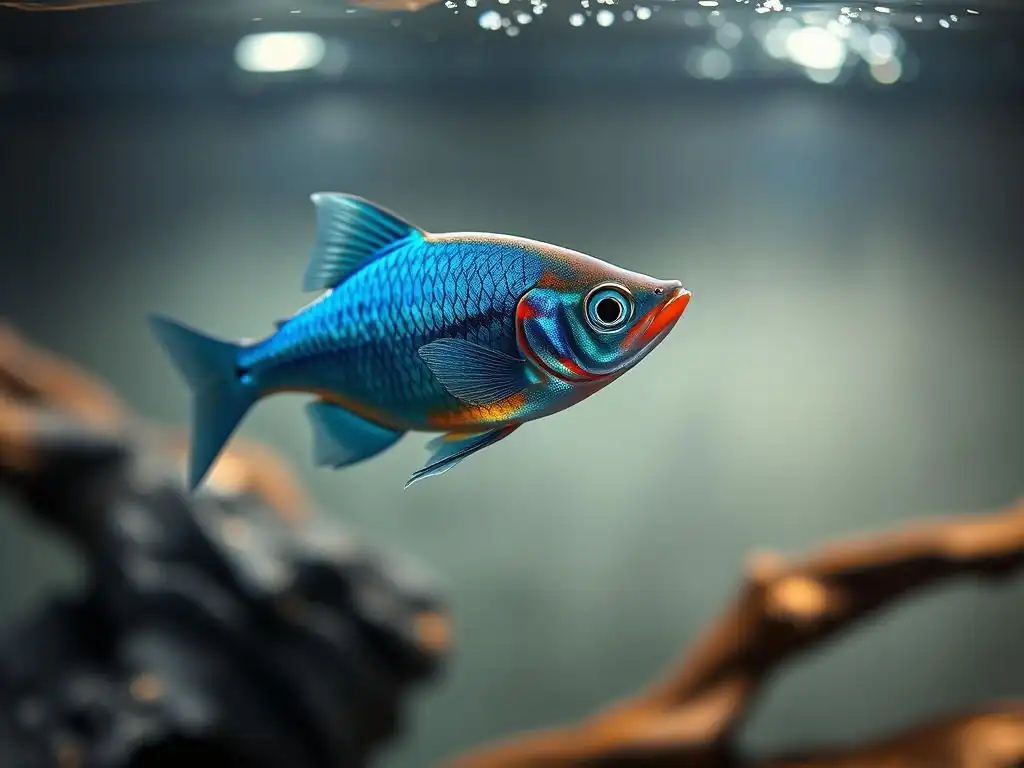
Accurately identifying male and female Emperor Tetras is fundamental to successful breeding. Sexual dimorphism in this species is quite distinct, particularly in mature adults. Males are generally more slender and possess a noticeably elongated, sword-like extension on the central ray of their caudal fin, giving it a characteristic "trident" appearance. Their overall body coloration, especially the iridescent blue-purple stripe, tends to be more vibrant and intense, particularly when displaying for a female.
Females, on the other hand, typically have a rounder, fuller belly, which becomes especially pronounced when they are gravid (full of eggs). Their caudal fin lacks the dramatic extension seen in males, appearing more symmetrical. While their coloration is attractive, it is usually less intense than that of a fully conditioned male. For optimal Emperor Tetra breeding, select healthy, active fish that are approximately 1.5 to 2 years old, as they are typically at their reproductive peak.
Conditioning Emperor Tetras for Breeding
Live Foods in Breeding Preparation
Proper conditioning through diet is crucial to stimulate reproductive readiness and ensure healthy egg and sperm production. For 1-2 weeks prior to attempting Emperor Tetra breeding, feed your selected pair or trio a high-protein diet rich in live foods. Excellent choices include newly hatched brine shrimp (Artemia salina), bloodworms (Chironomid larvae), daphnia (Daphnia magna), and blackworms (Lumbriculus variegatus). These foods mimic their natural diet and provide the necessary nutrients for gonad development.
Feed small amounts several times a day, ensuring all food is consumed within a few minutes to maintain water quality. This intensive feeding regimen not only promotes optimal health but also signals to the fish that conditions are favorable for reproduction, significantly increasing the likelihood of successful Emperor Tetra breeding. Supplementing with high-quality flake or micro-pellet food can also ensure a balanced nutritional intake.
Quarantining and Treating Potential Health Issues
Before introducing any fish into your dedicated Emperor Tetra breeding tank, it is imperative to quarantine them in a separate, observation tank for at least 3-4 weeks. This period allows you to closely monitor the fish for any signs of disease, such as fin rot, ich (Ichthyophthirius multifiltris), or velvet (Oodinium spp.). Introducing an unhealthy fish into a breeding setup can jeopardize the entire project and potentially spread pathogens to other valuable stock.
If any health issues are observed during quarantine, treat them immediately and thoroughly in the quarantine tank. Never introduce sick fish to the breeding environment. A healthy, stress-free breeding stock is paramount for successful Emperor Tetra breeding and for producing robust, viable offspring. This proactive approach minimizes the risk of disease transmission to the vulnerable eggs and fry.
The Emperor Tetra Spawning Process
Recognizing Spawning Behavior
Observing the subtle cues of Emperor Tetra spawning behavior is key to timely intervention and maximizing egg survival. Prior to spawning, male Emperor Tetras will intensify their coloration and engage in elaborate fin-flaring displays to attract females. They may chase females gently through the plants, demonstrating their vigor. The female's belly will become noticeably distended as she becomes heavy with eggs, a clear indication of her readiness to spawn.
Spawning typically occurs in the early morning hours, often just as the lights come on or as natural light begins to filter into the room. The male will guide the female into dense patches of fine-leaved plants or spawning mops. They will then engage in a series of embraces, with the female releasing small batches of eggs that the male immediately fertilizes. This process is usually quick, lasting anywhere from one to a few hours, during which 50 to 150 small, clear, adhesive eggs are scattered.
Emperor Tetra Egg Deposition
Emperor Tetra eggs are quite small, typically measuring about 0.8 to 1.0 mm in diameter, and are translucent to slightly amber in color. They are mildly adhesive and will stick to the surfaces of plants or spawning mops as they are released. After fertilization, the eggs will slowly fall into the dense vegetation below, providing some natural camouflage from the parents.
Not all eggs deposited will be viable. Some may appear opaque or turn white within a few hours, indicating they are either infertile or have succumbed to fungal growth. While removing these immediately is ideal to prevent fungus spread, it can be challenging with such small, scattered eggs. The focus remains on providing an optimal environment for the viable eggs.
Protecting the Eggs: Removing Parent Fish
A critical step in any Emperor Tetra breeding guide is the immediate removal of the parent fish after spawning. Emperor Tetras, like many other tetra species, are notorious egg eaters and will readily consume their own eggs if given the opportunity. Once you observe that spawning has concluded or that the fish are no longer actively engaging in reproductive behavior, carefully net the parent fish.
Transfer the parent fish back to their main display tank or a separate conditioning tank where they can recover from the spawning process. This swift action is paramount to ensuring the highest possible survival rate for the Emperor Tetra eggs. Failure to remove the parents promptly will almost certainly result in the consumption of the entire spawn.
Raising Emperor Tetra Fry
Hatching and First Feeding
Infusoria and Micro-worms: Initial Food Sources
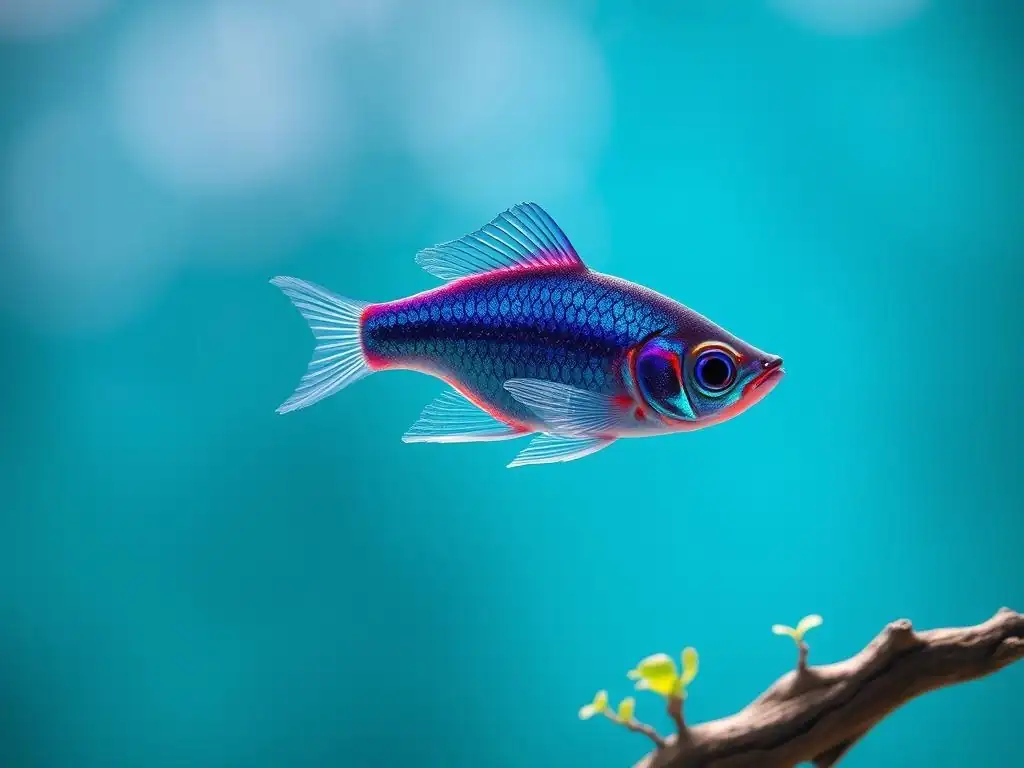
Emperor Tetra eggs typically hatch within 24-36 hours when maintained at optimal temperatures of 78-82°F (25.5-27.8°C). The newly hatched fry are incredibly tiny and possess a yolk sac, which provides their initial nourishment for the first 3-5 days. During this period, they will primarily remain stationary or cling to tank surfaces. Once they become free-swimming and their yolk sacs are absorbed, they require their first external food source.
For these minute fry, infusoria (microscopic protozoans) or commercially available liquid fry food are essential initial offerings. These can be cultured at home or purchased. After approximately 3-5 days on infusoria, as the fry grow slightly, they can be transitioned to slightly larger live foods like microworms (Panagrellus redivivus) or vinegar eels (Turbatrix aceti). Feed small quantities 4-6 times a day to ensure a constant supply of food for the rapidly growing fry, critical for their survival in this early stage of Emperor Tetra breeding.
Maintaining Water Quality for Fry Development
Maintaining impeccable water quality is arguably the most critical factor for the survival and healthy development of Emperor Tetra fry. They are extremely sensitive to even minute fluctuations and the presence of nitrogenous waste. Daily, very small water changes (5-10%) are essential, using aged, temperature-matched, and properly conditioned water. Use an air line tubing or a small siphon to gently remove any uneaten food or debris from the tank bottom without disturbing the delicate fry.
Ammonia and nitrite must remain at zero at all times, and nitrates should be kept below 5 ppm. A gentle sponge filter is invaluable, providing biological filtration and gentle water movement without creating currents strong enough to harm the fragile fry. Regular testing with a liquid test kit is vital to monitor water parameters and ensure a stable, healthy environment for the Emperor Tetra fry to thrive.
Gradual Introduction to Larger Foods
As Emperor Tetra fry grow, their dietary needs evolve. After approximately 1-2 weeks on infusoria and microworms, when they have reached a size of about 3-4 mm, they are ready for their next dietary upgrade: newly hatched brine shrimp nauplii (Artemia salina). Brine shrimp are highly nutritious and stimulate rapid growth. Feed them 2-3 times a day, ensuring the nauplii are consumed within a short period to prevent water fouling.
By 3-4 weeks of age, when the fry are roughly 0.5-0.75 inches (1.2-1.9 cm) long, they can begin to accept finely crushed, high-quality flake food or micro-pellets. Continue to supplement their diet with live foods like daphnia or grindal worms as they continue to grow. This gradual introduction to larger, more varied foods ensures the fry receive the necessary nutrients for robust development and successful maturation within your Emperor Tetra breeding project.
Preventing and Treating Common Fry Diseases
The most common "disease" impacting Emperor Tetra fry is often not a pathogen but rather "sudden fry death" caused by poor water quality, inadequate feeding, or rapid temperature swings. Prevention is key: meticulous tank hygiene, consistent small water changes, and a continuous supply of appropriate food are the best defenses.
Fungal infections can affect unhatched eggs or very young fry, appearing as a white, fuzzy growth. This often starts on infertile or damaged eggs and can spread. While very dilute methylene blue (e.g., 1 drop per gallon) can be used as a preventative or treatment, it will stain tank silicone.
A more natural alternative is to add a few Indian Almond Leaves (Terminalia catappa), which release tannins with natural anti-fungal properties. Bacterial infections are rare in well-maintained fry tanks but, if suspected, require careful diagnosis and treatment with broad-spectrum antibiotics, though extreme caution is advised given the fragility of the fry.
Advanced Techniques for Emperor Tetra Breeding
Implementing a Breeding Rotation System
For dedicated Emperor Tetra breeding on a larger scale or to ensure the long-term health and productivity of your breeding stock, implementing a breeding rotation system is highly beneficial. After a breeding pair or trio has completed 1-2 successful spawning sessions, remove them from the breeding tank and allow them to rest in a well-maintained community or conditioning tank for 2-4 weeks. During this period, provide them with a varied, nutritious diet to help them recover and regain condition.
This rotation prevents over-spawning stress, which can deplete the fish's energy reserves and shorten their reproductive lifespan. It ensures that the parent fish remain vigorous and healthy, leading to more consistent and higher-quality spawns over time. By having multiple breeding setups or conditioning tanks, breeders can manage several pairs in rotation, optimizing their Emperor Tetra breeding output.
Genetic Selection for Enhanced Traits
Beyond simply reproducing Emperor Tetras, advanced breeders often engage in genetic selection to enhance desirable traits within their lines. This involves carefully observing and choosing parent fish that exhibit superior characteristics, such as more intense coloration, a more pronounced "trident" caudal fin in males, or even increased disease resistance. Maintaining detailed records of parentage and offspring characteristics is crucial for this process.
To further refine a line, breeders may selectively cull (remove) fry or juveniles that display undesirable traits, deformities, or weak growth. While this practice can be controversial, it is a fundamental aspect of selective breeding aimed at producing robust, high-quality fish that consistently carry the desired genetic traits. This meticulous approach elevates Emperor Tetra breeding from simple reproduction to a form of living artistry.
Blackwater Extract Use
To precisely replicate the natural habitat of Emperor Tetras and further stimulate spawning, many advanced breeders utilize blackwater extracts or natural sources of tannins and humic acids. Commercial blackwater extracts are readily available, or natural alternatives like Indian Almond Leaves (Terminalia catappa) and alder cones can be added to the breeding tank. These materials gradually release beneficial compounds into the water.
These compounds help to lower the pH, soften the water, and impart a subtle tea-colored tint, closely mimicking the conditions of their native Colombian blackwater streams. Beyond their chemical benefits, the tannins also possess mild anti-fungal and anti-bacterial properties, which can aid in protecting delicate eggs and fry. This environment can significantly reduce stress on the parent fish and enhance the overall success rate of your Emperor Tetra breeding efforts.
Selective Breeding for Specific Traits
Taking genetic selection a step further, selective breeding can focus on developing or enhancing very specific traits within Emperor Tetra lines. For instance, a breeder might aim for males with an exceptionally long and defined trident tail, or for fish with a particularly vibrant and extensive iridescent blue stripe. This requires an even more rigorous selection process, pairing individuals that strongly exhibit the desired characteristic.
Documenting lineage is paramount in such projects. If a male possesses an outstanding finnage, pairing him with a female from a line known for producing robust offspring with good fin development can yield impressive results. This long-term commitment to specific aesthetic or physiological goals allows dedicated Emperor Tetra breeding enthusiasts to create truly unique and high-value strains of these regal fish.
Troubleshooting Common Emperor Tetra Breeding Problems
Egg Fungus: Prevention and Treatment
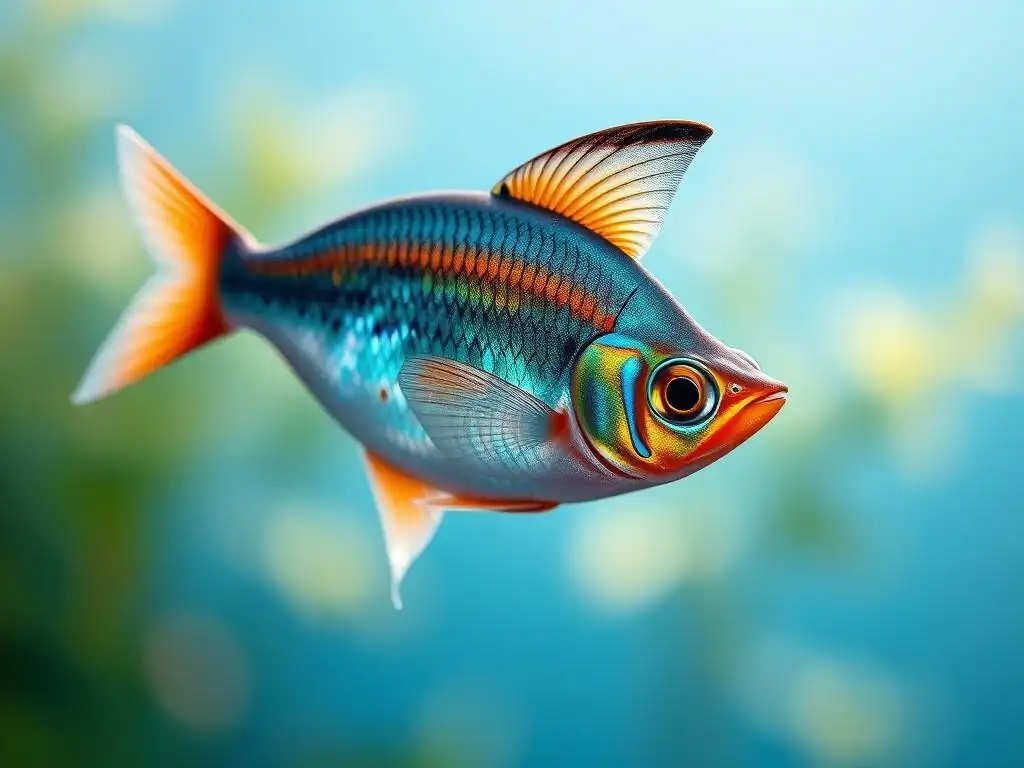
Egg fungus, appearing as white, fuzzy growth on eggs, is a common and frustrating problem in Emperor Tetra breeding. It typically starts on infertile or damaged eggs but can quickly spread to viable ones, leading to significant losses. Prevention is the best approach: ensure the breeding tank is meticulously clean before spawning, maintain optimal water parameters (especially soft, acidic water), and remove parent fish immediately after spawning to prevent them from consuming or damaging eggs.
To further prevent fungus, some breeders add a very dilute amount of methylene blue to the water (e.g., 1 drop per gallon) after the parents are removed. Be aware that methylene blue will stain tank silicone. A more natural alternative is to add a few dried Indian Almond Leaves or alder cones, which release tannins that possess natural anti-fungal properties without staining as much. Prompt removal of any visibly fungused eggs, if possible, can also limit its spread.
Low Hatch Rates: Identifying Causes
If your Emperor Tetra breeding efforts result in low hatch rates, several factors could be at play. The most common causes include infertile eggs, which may stem from unconditioned parent fish, incompatible pairs, or males that are too young or old to be reproductively active. Incorrect water parameters, especially pH or hardness being too high, or significant temperature fluctuations during the incubation period, can also severely impact egg viability.
Review your water parameters against the optimal ranges (pH 6.0-6.5, dGH 2-6, temperature 78-82°F) and ensure they are stable. Intensify the conditioning diet for both parent fish with live foods for at least two weeks prior to the next spawning attempt. If repeated low hatch rates occur with the same pair despite optimal conditioning and water, consider swapping one of the parent fish to try a different pairing, as individual compatibility can play a role.
Fry Mortality: Minimizing Losses
High mortality rates among Emperor Tetra fry after hatching are a disheartening but common challenge. The primary culprits are typically poor water quality, insufficient or incorrect first foods, or rapid temperature swings. Fry are incredibly delicate and highly susceptible to even minute amounts of ammonia or nitrite, and large fluctuations in temperature.
To minimize losses, implement stringent daily water quality management: perform very small (5-10%) water changes with aged, temperature-matched water, ensuring zero ammonia and nitrite. Critically, ensure that appropriate first foods, such as infusoria or microworms, are consistently available from the moment the fry become free-swimming. Avoid overfeeding, as uneaten food quickly decomposes and fouls the water. A gentle sponge filter is essential for biological filtration without creating harmful currents.
Infertile Eggs
Eggs that remain clear and translucent but fail to develop and hatch, or quickly turn opaque without signs of fungal growth, are likely infertile. This issue points to a problem with the male's reproductive readiness or the compatibility of the breeding pair. Causes can include an unconditioned male, a male that is too young or past his prime, or a general incompatibility between the chosen male and female.
To address infertile eggs, first ensure both sexes are receiving a rigorous conditioning diet rich in live foods for at least two weeks before attempting another spawn. Verify that the male is actively displaying his full "trident" tail and engaging in courtship behavior. If the problem persists, try pairing the female with a different male, or the male with a different female, to determine if the issue is specific to that pairing. Sometimes, simply rotating a male out for a short rest period can also improve fertility.
Parental Predation
Parental predation on eggs and fry is a well-known behavior among Emperor Tetras and many other egg-scattering fish. If parent fish are left in the breeding tank for any significant period after spawning, they will almost certainly consume their own eggs. This behavior is instinctual and a natural part of their reproductive strategy in the wild, where only a fraction of eggs are expected to survive.
The only effective solution to parental predation in a controlled Emperor Tetra breeding environment is the immediate removal of the parent fish once spawning is observed or confirmed to be complete. This step is non-negotiable for maximizing the survival rate of the eggs. Ensure the breeding tank is equipped with ample spawning mop material or dense fine-leaved plants, which provide some initial hiding places for the eggs as they are laid, giving you a small window to remove the parents.
Conclusion
The Future of Emperor Tetra Breeding
The journey of Emperor Tetra breeding is a deeply rewarding endeavor, offering aquarists the unique opportunity to witness and facilitate the intricate life cycle of these magnificent fish. Successfully raising a batch of Emperor Tetra fry from egg to maturity is a testament to an aquarist's dedication and skill, contributing robust, captive-bred specimens to the hobby. This not only reduces the demand for wild-caught fish but also allows for the development of stronger, potentially more colorful, and disease-resistant lines through careful selective breeding.
As the hobby evolves, the continued sharing of knowledge and best practices within the aquatic community will further advance Emperor Tetra breeding techniques. Enthusiasts are encouraged to document their processes, share their successes and challenges, and actively participate in forums and clubs. This collaborative spirit ensures that the future of Emperor Tetra breeding remains vibrant, fostering a deeper appreciation for these regal inhabitants of our freshwater aquariums.
Resources for Further Learning
To further enhance your Emperor Tetra breeding success and expand your general aquarist knowledge, numerous resources are available. Delve deeper into aquatic botany to understand which plants best serve as spawning mops and how to cultivate them effectively. Explore advanced water chemistry to master the art of replicating specific blackwater conditions, which can be crucial for stimulating spawning and ensuring optimal fry development.
Consider joining local aquarium clubs or online forums dedicated to freshwater fish breeding. These communities offer invaluable peer support, practical advice, and opportunities to connect with experienced breeders. Consulting scientific literature or reputable online databases on fish genetics and species-specific husbandry can also provide a deeper, more academic understanding of the biological processes involved in successful Emperor Tetra breeding.
Frequently Asked Questions
How difficult is it to breed Emperor Tetras in a home aquarium?
Breeding Emperor Tetras can be challenging but rewarding. It requires specific water parameters, a dedicated breeding tank, and careful observation to maximize your chances of success.
What are the ideal water parameters for breeding Emperor Tetras?
The ideal water parameters include a slightly acidic pH (around 6.0-6.5), a low general hardness (GH), and a temperature between 78-82°F (25-28°C). Maintaining pristine water quality is also crucial.
What type of breeding tank setup is recommended for Emperor Tetras?
A separate breeding tank of at least 10 gallons is recommended. It should include fine-leaved plants or spawning mops to provide a safe place for the eggs. Dim lighting is also beneficial.
How can I distinguish between male and female Emperor Tetras for breeding purposes?
Males typically have longer dorsal and anal fins with more pronounced extensions, while females are generally rounder in the abdomen, especially when carrying eggs. Coloration can also differ slightly.
What should I feed Emperor Tetra fry after they hatch?
Newly hatched fry can be fed infusoria or liquid fry food for the first few days. As they grow, transition to baby brine shrimp or microworms. Consistent feeding is essential for growth.
Final Reflection: The Enduring Majesty of Life
The journey into the world of Emperor Tetra breeding, as explored in this guide, isn't just about achieving successful spawns; it's about understanding the delicate dance of life itself. These shimmering jewels of the aquarium represent a microcosm of the natural world, and mastering their propagation is a testament to our ability to connect with and appreciate its intricate beauty. The principles of observation, patience, and meticulous care outlined here extend far beyond the glass walls of a tank, offering valuable lessons applicable to countless aspects of our lives.
The act of nurturing life, even on this small scale, profoundly impacts our understanding of the interconnectedness of all things. Witnessing the transformation from tiny egg to vibrant, regal Emperor Tetra fosters a deep respect for the fragility and resilience of nature. The best way to observe a fish is to become a fish.
This sentiment, while perhaps whimsical, underscores the importance of empathy and understanding in any endeavor, especially when dealing with living beings. The dedication required to successfully breed these fish is a reminder that even the smallest creatures deserve our utmost care and attention.
As you embark on your own Emperor Tetra breeding adventure, remember that you are not simply raising fish; you are participating in a cycle of life, contributing to the preservation of beauty, and cultivating a deeper connection with the natural world. Let the lessons learned from this guide inspire you to approach all aspects of your life with the same dedication, patience, and reverence for the delicate balance that sustains us all. Embrace the challenge, celebrate the successes, and never cease to marvel at the enduring majesty of life.
Unleash Your Inner Emperor Tetra Breeder!
Thank you for diving into the world of Emperor Tetra breeding! We hope this guide has illuminated the path to successfully raising these regal fish. Now, let's turn that knowledge into action!
- Start Small, Dream Big: Set up a dedicated breeding tank and prepare to witness the miracle of life unfold!
- Explore the dietary preferences of Emperor Tetra fry – experiment with different microscopic foods to discover what sparks their appetite and fuels their growth.
- Share your Emperor Tetra breeding journey with the Aquarium Mastery community! What unique challenges did you face, and what ingenious solutions did you discover?
Ready to witness the next generation of Emperor Tetras thrive under your care?