
Preparing Your Discus for Competition: Secrets to ShowWinning Radiance

Welcome to Aquarium Mastery!
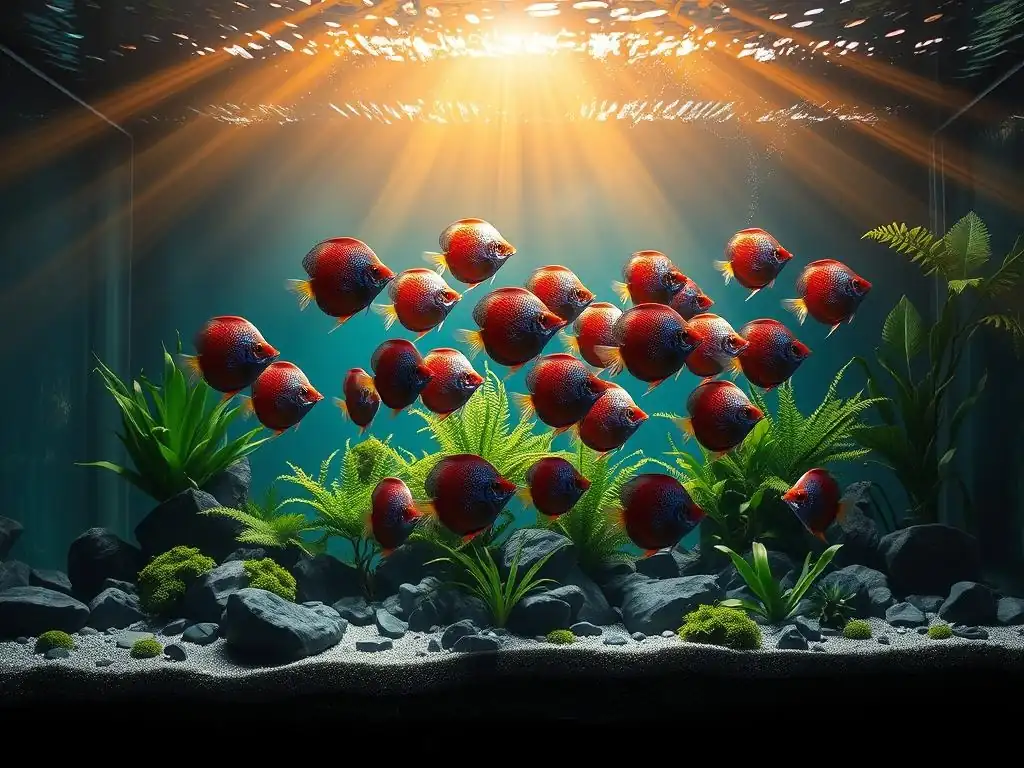
Ever wondered how to unlock the true potential of your Discus fish and transform them into show-stopping specimens? Dive into our latest article, "Preparing Your Discus for Competition: Secrets to ShowWinning Radiance," and discover the expert techniques that will help you achieve unparalleled brilliance. Ready to learn the secrets to Discus fish show preparation? Let's get started!
- Understanding Discus Fish Show Standards and Judging Criteria
- The Discus Fish Show Preparation Timeline: A Week-by-Week Guide
- Advanced Discus Fish Care Techniques for Show Winners
- Show Day: Presenting Your Discus Fish for Optimal Impact
- Post-Show Care: Maintaining Your Discus Fish's Health and Radiance
- Common Mistakes to Avoid When Preparing Discus for Shows
- Resources for Discus Fish Show Enthusiasts
-
Frequently Asked Questions
- How crucial is water quality in preparing Discus for a show?
- What specific foods are recommended to enhance Discus coloration before a competition?
- How long before a show should I begin the dedicated preparation process?
- What are some common signs of stress in Discus fish, and how can I mitigate them during show preparation?
- Besides diet and water quality, what other factors contribute to a Discus fish's overall appearance for a competition?
- Final Reflection: Unveiling the Majesty of Discus
- Ignite Your Discus's Competitive Edge!
Understanding Discus Fish Show Standards and Judging Criteria
Key Characteristics Judges Look for in Show Discus
When preparing your Discus for competition, understanding the judging criteria is paramount. Judges meticulously evaluate several key characteristics, with body shape being a primary focus. An ideal show Discus should exhibit a near-perfectly circular body, where the length from the mouth to the caudal peduncle is roughly equal to its height from the dorsal fin base to the anal fin base, often aiming for a 1:1 ratio. Fins should be fully extended, symmetrical, and free of nips or tears, with the dorsal and anal fins ideally forming a continuous, graceful curve with the body.
Beyond shape, finnage, and overall symmetry, judges also scrutinize the Discus's eye size and placement, preferring small, bright eyes proportionate to the head, indicating good health and strong genetics. The gill plates should be smooth and lie flat against the body, showing no signs of flaring or damage. A Discus that presents an overall harmonious and robust appearance, free from any deformities or signs of stress, will always score highly in a Discus fish show preparation context.
Achieving Optimal Discus Body Shape for Competition
Cultivating the ideal, round body shape for a show Discus begins early in its life and is heavily influenced by consistent, high-quality care. Genetics play a significant role, so selecting young fish from reputable breeders known for producing well-shaped lines is crucial. However, even with excellent genetics, proper nutrition and ample tank space are non-negotiable. Stunting, often caused by inadequate feeding or overcrowded conditions, can permanently impair a Discus's growth and prevent it from achieving its full potential in terms of body shape.
To foster optimal growth and shape, young Discus should be fed frequently—typically 4-6 small, high-protein meals per day—and housed in tanks that provide sufficient swimming room, often recommending a minimum of 20 gallons per adult Discus. Maintaining pristine water quality through daily large water changes (e.g., 50% or more) is equally vital, as it reduces growth-inhibiting hormones and ensures a stress-free environment conducive to rapid, healthy development. Consistent care from a young age is a cornerstone of effective Discus fish show preparation.
Discus Coloration: Enhancing Natural Brilliance for the Show Ring
Vibrant and uniform coloration is a hallmark of a show-winning Discus, and while genetics dictate the base color, environmental factors and diet can significantly enhance its brilliance. For varieties like "Pigeon Blood" or "Blue Diamond," judges look for intense, saturated hues and clear, crisp patterns or a solid, unblemished color field, respectively. The absence of stress bars (vertical dark stripes) is also a strong indicator of health and comfort, which directly impacts color presentation.
Dietary supplementation is a key strategy for boosting color. Foods rich in natural pigments like astaxanthin and spirulina are commonly fed for several months leading up to a show.
For example, some aquarists feed spirulina-enhanced flakes or frozen foods containing krill or bloodworms, which are naturally high in carotenoids, for 2-3 months prior to a competition. Maintaining stable and appropriate water parameters, such as a slightly acidic pH (6.0-7.0) and soft water (GH 3-8 dGH), along with consistent, full-spectrum LED lighting for 10-12 hours daily, can also help intensify and stabilize the Discus's natural pigmentation, making it truly shine during Discus fish show preparation.
The Discus Fish Show Preparation Timeline: A Week-by-Week Guide
7 Days Out: Optimizing Water Parameters for Show Discus Health
One week before a Discus show, the focus shifts intensively to perfecting water parameters. The goal is to create an environment so pristine that the fish experiences zero stress and can display its full splendor.
Daily large volume water changes, often 50% or more, using aged or reverse osmosis (RO) water remineralized to the exact target parameters (e.g., pH 6.5, GH 4 dGH, KH 2 dKH), become standard practice. This rigorous schedule ensures ammonia and nitrite levels remain at 0 ppm, and nitrates are kept below 5 ppm, ideally even lower, which is critical for the health and vibrancy of show Discus.
Temperature stability is equally important at this stage. Maintaining a consistent water temperature, typically between 82-86°F (28-30°C), helps boost the Discus's metabolism and immune system while minimizing any potential for thermal shock. Any fluctuations can induce stress, leading to clamped fins or faded colors, which are detrimental to a show-winning appearance. This meticulous attention to water quality is a cornerstone of successful Discus fish show preparation.
5 Days Out: Fine-Tuning Discus Diet for Vibrant Colors
As the show date approaches, dietary adjustments are made to maximize color intensity and overall vitality. Five days out, feeding frequency is often increased to 5-6 small, high-quality meals throughout the day. The diet should consist primarily of premium, color-enhancing foods rich in astaxanthin, spirulina, and other natural carotenoids, such as specialized Discus pellets, flakes, or frozen bloodworms and brine shrimp that have been gut-loaded with spirulina.
It is crucial to avoid introducing any new or unfamiliar foods at this stage, as novel items can cause digestive upset or stress, which could negatively impact the fish's condition. The focus is on consistency and maximizing nutrient intake from proven sources. Some breeders might also slightly reduce the amount of bulkier foods to ensure the Discus's digestive system is clean and efficient, contributing to a sleek, healthy appearance essential for show Discus.
3 Days Out: Stress Reduction Techniques for Show-Ready Discus
With only three days remaining until the show, minimizing stress becomes the paramount concern for Discus fish show preparation. Any form of stress can cause a Discus to lose color, clamp fins, or become lethargic, significantly impacting its performance. During this period, all unnecessary disturbances to the tank and its inhabitants should be avoided. This includes refraining from major tank maintenance, minimizing sudden movements near the aquarium, and ensuring a calm, quiet environment around the tank.
Dimming the tank lights slightly or reducing the duration of the lighting cycle can also help calm the fish and encourage them to rest, conserving energy for the show. Some aquarists might even place a dark cover over the tank for part of the day to create a more secure feeling. The goal is to provide a serene sanctuary where the Discus can relax and acclimate to its peak physical and mental state before the rigors of transportation and display.
1 Day Out: Final Health Check and Pre-Show Quarantine
The day before the show is dedicated to a final, meticulous health check and preparing the Discus for transport. Every fish intended for the show must undergo a thorough visual inspection. Examine their body for any blemishes, fin tears, or unusual spots. Check their gills for rapid respiration, eyes for cloudiness, and overall behavior for any signs of lethargy or discomfort. Their fins should be fully extended, and their colors vibrant and uniform.
Many experienced Discus breeders opt for a short-term, bare-bottom quarantine for 24 hours prior to departure. This dedicated tank allows for continuous, close observation, ensuring the fish are completely clean and free of any fecal matter that might be expelled during transport or in the show tank. It also minimizes the risk of introducing any pathogens from the main tank to the show environment, safeguarding the health of your valuable show Discus.
Advanced Discus Fish Care Techniques for Show Winners
Discus Fish Diet and Nutrition: Show-Quality Feeding Strategies
Achieving show-quality radiance in Discus fish hinges significantly on a meticulously planned diet and nutrition regimen. The right feeding strategy not only promotes robust growth and vibrant coloration but also strengthens the immune system, making the Discus more resilient to the stresses of competition. A balanced diet tailored to their specific needs is crucial for developing the ideal body shape and enhancing their natural brilliance.
The quantity and frequency of feeding are also critical. Young Discus require frequent, small meals (up to 6-8 times daily) to fuel their rapid growth, while mature show Discus may thrive on 3-4 feedings per day. Overfeeding, however, can lead to digestive issues and poor water quality, both detrimental to show preparation. A precise feeding schedule, combined with high-quality ingredients, forms the backbone of a show-winning Discus care program.
Formulated Discus Food vs. Live Food: Pros and Cons for Show Preparation
When preparing Discus for shows, aquarists often debate the merits of formulated foods versus live foods. High-quality formulated Discus pellets and flakes offer a consistent and nutritionally complete diet. Brands specializing in Discus nutrition often include essential vitamins, minerals, and color enhancers like astaxanthin and spirulina, ensuring a balanced intake without the risk of introducing pathogens. For instance, a premium Discus pellet might contain 45-55% crude protein, with a balanced amino acid profile, promoting steady, healthy growth and robust coloration.
Conversely, live foods such as blackworms, bloodworms, and brine shrimp are highly palatable and can stimulate appetite, leading to rapid growth. However, they carry a higher risk of introducing parasites or bacterial infections if not sourced from reputable, clean suppliers and properly prepared (e.g., thorough rinsing). While live foods can provide a valuable boost, especially for conditioning, many show breeders rely predominantly on high-quality formulated diets supplemented with frozen, sterilized options to mitigate health risks during the critical Discus fish show preparation period.
Supplementing Discus Diets for Enhanced Color and Growth
Strategic supplementation is a powerful tool in Discus fish show preparation to maximize color intensity and promote optimal growth. Carotenoid-rich supplements, such as pure astaxanthin powder or spirulina, are frequently incorporated into the diet. Astaxanthin, for example, is a potent antioxidant and red pigment that can significantly deepen red, orange, and yellow hues in Discus, often administered by mixing a small amount (e.g., 1-2 grams per pound of food) into frozen or gel foods a few times a week for 2-3 months before a show.
Beyond color, general vitamin and mineral supplements are vital for overall health and robust growth. Vitamin C, for instance, supports the immune system and aids in tissue repair. These can be added as liquid drops to food or directly to the water during water changes. However, caution is advised; over-supplementation can lead to imbalances or health issues. A balanced approach, focusing on high-quality base foods augmented by targeted, measured supplements, yields the best results for developing show-quality Discus.
Maintaining Pristine Water Quality: The Key to Healthy, Show-Winning Discus
Pristine water quality is arguably the single most critical factor in successful Discus fish show preparation, directly influencing their health, growth, and vibrant appearance. Discus are highly sensitive to fluctuations and pollutants, making consistent and diligent water management non-negotiable. Crystal-clear, stable water parameters reduce stress, prevent disease, and allow the fish's natural colors and patterns to truly stand out.
Achieving and maintaining this level of purity requires a multi-faceted approach, encompassing frequent water changes, effective filtration, and regular monitoring of key parameters. Any compromise in water quality can quickly lead to stress bars, clamped fins, faded coloration, or even illness, all of which are detrimental to a Discus's show potential. Therefore, water quality management is not just about survival, but about thriving and excelling.
Water Change Schedules and Their Impact on Discus Appearance
Aggressive water change schedules are a cornerstone of Discus fish show preparation. Daily water changes of 50% or more are common practice among serious breeders, especially in the weeks leading up to a competition. This regimen ensures that metabolic waste products, particularly nitrates, are kept at minimal levels (ideally below 5 ppm), preventing the buildup of toxins that can inhibit growth and dull coloration. For example, a 75-gallon Discus tank might receive a 35-40 gallon water change every day for several weeks prior to a show.
The source water quality is equally important. Many Discus enthusiasts use reverse osmosis (RO) water, which is then remineralized to precise parameters (e.g., GH 4-6 dGH, KH 2-4 dKH, pH 6.0-6.8) to ensure consistency and avoid introducing undesirable elements like heavy metals or excess nitrates found in tap water. This consistent supply of fresh, clean, and appropriately conditioned water directly translates to healthier, more vibrant Discus with clear eyes and unblemished skin, essential for show presentation.
Filtration Systems for Optimal Discus Health and Clarity
Effective filtration is indispensable for maintaining the pristine water quality required for show-winning Discus. Biological filtration is paramount, as it converts toxic ammonia and nitrite into less harmful nitrate. Sponge filters are widely favored in Discus tanks, particularly for grow-out and show preparation, due to their excellent biological capacity, gentle water flow (which minimizes stress), and ease of cleaning. A typical 75-gallon Discus tank might utilize two large sponge filters, each rated for 50+ gallons, powered by strong air pumps.
Mechanical filtration, often provided by the sponges themselves or supplemental power filters with filter floss, removes particulate matter, ensuring crystal-clear water—a critical visual component for show Discus. Regular cleaning of filter media (e.g., rinsing sponges in old tank water weekly) prevents the accumulation of detritus and maintains optimal filter efficiency. Chemical filtration, such as activated carbon, can be used intermittently to remove organic pollutants and maintain water clarity, but should be used cautiously as it can remove beneficial elements or medications.
Preventing and Treating Discus Diseases Before a Show
Maintaining the robust health of your Discus is paramount during Discus fish show preparation. Even minor ailments can severely impact a fish's appearance and disqualify it from competition. Proactive disease prevention strategies are far more effective than reactive treatments, especially in the sensitive period leading up to a show. This involves creating an optimal environment that minimizes stress and strengthens the fish's natural defenses.
Regular observation, coupled with strict quarantine protocols for any new additions, forms the first line of defense. Understanding the common ailments that affect Discus and their early warning signs is also crucial. By identifying and addressing potential health issues swiftly and effectively, you can ensure your show Discus remains in peak condition and radiates health on the competition day.
Recognizing Early Signs of Discus Illness
Recognizing the early signs of illness in Discus is vital for prompt intervention and successful Discus fish show preparation. Subtle behavioral changes are often the first indicators. Look for lethargy, hiding more than usual, loss of appetite, or refusing food. Physical signs include clamped fins (where fins are held close to the body), darkening of overall body color, or the appearance of stress bars even in a calm environment.
More specific symptoms might include white, stringy feces (often indicative of internal parasites like Heximita), rapid gill movements (suggesting gill flukes or poor water quality), cloudy eyes, or the presence of white spots (Ich) or fuzzy growths (fungus) on the body. Daily, meticulous observation of each individual Discus is essential to catch these signs early, allowing for targeted treatment before the condition escalates and impacts the fish's show potential.
Safe and Effective Discus Medication Strategies
If illness is suspected during Discus fish show preparation, swift and safe medication strategies are necessary. It is generally advisable to isolate the affected Discus in a separate quarantine tank to prevent the spread of disease and to administer treatment more effectively without affecting the main display tank. For common internal parasites like Heximita, Metronidazole is a widely used medication, often administered at a dosage of 250mg per 10 gallons daily for 3-5 days, with large daily water changes before each dose.
For bacterial infections, broad-spectrum antibiotics like Furan-2 or Erythromycin might be considered, always following the manufacturer's precise dosage instructions and observing for adverse reactions. It's crucial to avoid prophylactic medication unless there is a clear, diagnosed need, as unnecessary chemicals can stress the fish and weaken their immune system. Post-treatment, a regimen of pristine water quality and vitamin supplementation helps the Discus recover and regain its show-winning condition.
Show Day: Presenting Your Discus Fish for Optimal Impact
Transporting Your Discus Fish Safely to the Show
Transporting Discus fish to a show is a critical phase of Discus fish show preparation, requiring careful planning to minimize stress and prevent injury. The primary goal is to maintain stable water conditions and temperature during transit. Discus should be placed in sturdy, appropriately sized shipping bags (double-bagging is recommended for extra security) filled with clean, aged tank water. Ensure there is ample air space above the water line, ideally with pure oxygen if available, to provide sufficient oxygenation for the duration of the journey.
The bags should then be placed inside insulated containers, such as Styrofoam boxes, to maintain a consistent temperature. Depending on the ambient temperature, heat packs or cool packs may be necessary, placed carefully to avoid direct contact with the fish bags. Minimize bumps and jostling during transit, and aim for the shortest possible travel time. A calm, secure journey significantly reduces stress, ensuring your Discus arrives at the show in peak condition, ready to display its radiance.
Acclimation to the Show Tank: Minimizing Stress for Show Discus
Upon arrival at the show venue, proper acclimation to the show tank is paramount to minimize stress for your show Discus. Sudden changes in water parameters can be highly detrimental. Begin by floating the sealed transport bag in the show tank for 15-30 minutes to equalize the water temperature. This gradual temperature adjustment prevents thermal shock.
After temperature equalization, slowly begin to introduce water from the show tank into the bag over a period of 30-60 minutes, using a drip acclimation method if possible. This allows the Discus to gradually adjust to any differences in pH, hardness, or other water parameters. Once the bag contains mostly show tank water, the Discus can be gently released into the show tank. Avoid abrupt movements or chasing the fish, allowing it to settle into its new temporary environment calmly. A smooth acclimation process is a key component of successful Discus fish show preparation.
Show Tank Setup: Creating an Ideal Environment for Discus Display
The show tank setup is designed specifically to highlight the Discus's beauty and allow judges to assess it thoroughly. Show tanks are typically bare-bottomed, which allows for easy cleaning and prevents any substrate from obscuring the fish or harboring debris. A simple, dark background, often black or deep blue, is commonly used to provide a stark contrast that makes the Discus's vibrant colors and intricate patterns truly "pop."
Optimal overhead lighting is crucial for illuminating the Discus and showcasing its iridescence and coloration. This lighting should be bright enough to reveal all details but not so intense as to stress the fish. The water in the show tank must be impeccably clear and free of any particulate matter, as even the slightest cloudiness can detract from the Discus's presentation. Ensuring these elements are perfectly in place creates an ideal stage for your show-winning Discus.
Post-Show Care: Maintaining Your Discus Fish's Health and Radiance
Gradual Re-Acclimation to the Home Aquarium
After the intensity of a Discus show, the post-show care phase is crucial for ensuring the long-term health and continued radiance of your valuable Discus. The first step upon returning home is a gradual re-acclimation process, similar to the one used at the show. However, it is highly recommended to place the show Discus into a dedicated quarantine tank immediately upon return, rather than directly back into the main display aquarium. This quarantine period, ideally lasting 2-4 weeks, allows you to observe the fish for any signs of stress, illness, or parasites it might have contracted at the show.
During this quarantine, slowly re-acclimate the Discus to your home aquarium's specific water parameters and environment. This might involve drip acclimation over several hours to match pH, temperature, and hardness. Providing a stable, clean, and quiet environment in the quarantine tank is essential for recovery. This careful re-introduction minimizes shock and stress, preventing potential health issues that could arise from sudden environmental changes.
Monitoring for Stress and Illness After the Competition
The period immediately following a Discus show is critical for monitoring your fish for signs of stress or illness. The combined effects of transportation, new environments, different water parameters, and exposure to other fish can significantly weaken a Discus's immune system. Watch closely for any changes in behavior such as lethargy, hiding, clamped fins, darkening of color, or refusal to eat. These are common indicators of stress.
Beyond stress, be vigilant for symptoms of common diseases like Ich (white spots), velvet, or bacterial infections, which can manifest as cloudy eyes, body slime, or unusual lesions. Daily, thorough visual inspections are necessary. Maintaining excellent water quality in the quarantine tank, providing a stable temperature, and potentially adding a stress-reducing product like an aloe vera-based conditioner can aid in recovery and bolster the Discus's immune response during this vulnerable period.
Long-Term Discus Care Strategies for Continued Show-Quality Appearance
Maintaining a Discus's show-quality appearance long after the competition requires continued dedication to superior husbandry practices. Consistency in care is paramount. This includes adhering to a high-quality, balanced feeding regimen, ensuring regular and substantial water changes (e.g., 50% daily or every other day) to keep nitrates at minimal levels, and maintaining stable water parameters (pH, GH, KH, temperature). These consistent efforts prevent stunting, promote vibrant coloration, and support robust health.
Beyond the basics, providing a stimulating and low-stress environment in the home aquarium contributes significantly to long-term well-being. While show tanks are bare, a well-decorated home tank with appropriate lighting and minimal aggressive tank mates can reduce stress and encourage natural behaviors. Regular observation for any subtle changes in health or behavior allows for early intervention, ensuring your Discus continues to thrive and maintain its magnificent, show-winning radiance for years to come.
Common Mistakes to Avoid When Preparing Discus for Shows
Overfeeding and Its Impact on Discus Health
One of the most common pitfalls in Discus fish show preparation is overfeeding. While it might seem logical to "bulk up" your Discus for a show, excessive feeding, especially of high-protein foods, can lead to severe health issues. Overfeeding results in a higher bioload, rapidly deteriorating water quality due to uneaten food and increased waste production. This leads to elevated ammonia and nitrate levels, which are highly toxic to Discus and can cause stress, fin rot, and weakened immune systems.
Furthermore, chronic overfeeding can lead to digestive problems, bloating, and even fatty liver disease in Discus. This not only compromises their overall health but also negatively impacts their body shape, making them appear bloated and less streamlined—the opposite of a judge's ideal. Instead of overfeeding, focus on frequent, small, high-quality meals that are fully consumed within minutes, ensuring optimal nutrition without compromising water quality.
Drastic Water Parameter Changes Before a Show
A critical mistake to avoid during Discus fish show preparation is making drastic or sudden changes to water parameters in the weeks leading up to the event. Discus are highly sensitive to fluctuations in pH, temperature, hardness, and even mineral content. A sudden shift, for instance, from a pH of 6.5 to 7.5, or a temperature drop of more than a few degrees Fahrenheit, can induce severe stress, leading to immediate signs like clamped fins, rapid breathing, loss of appetite, and the appearance of stress bars.
Such rapid changes can also weaken the Discus's immune system, making them highly susceptible to opportunistic infections just when you need them to be at their peak. Any necessary adjustments to water parameters should be implemented very slowly and gradually over several days or even weeks, allowing the Discus ample time to acclimate without experiencing shock. Consistency and stability are far more beneficial than last-minute, aggressive parameter manipulation.
Neglecting Quarantine Procedures for New Discus
Neglecting proper quarantine procedures for new Discus or any other fish introduced to your collection is a significant and potentially disastrous mistake in Discus fish show preparation. Even if a new fish appears healthy, it can harbor pathogens, parasites, or bacteria that could be asymptomatic in its previous environment but devastating to your established show Discus, which may not have immunity. Introducing an unquarantined fish directly into your main tank risks a widespread outbreak that could decimate your entire collection and ruin months of preparation.
A minimum 4-week quarantine period for all new fish is highly recommended. During this time, observe the new arrivals closely for any signs of illness, and consider prophylactic treatments for common ailments like internal parasites or external flukes. This isolation period ensures that only truly healthy fish are integrated into your main show tank, safeguarding the health and investment in your show-quality Discus.
Resources for Discus Fish Show Enthusiasts
Discus Show Associations and Clubs
For Discus fish show enthusiasts, joining dedicated Discus show associations and clubs offers invaluable resources and networking opportunities. Organizations such as the North American Discus Association (NADA) or regional Discus clubs provide platforms for sharing knowledge, discussing advanced care techniques, and connecting with experienced breeders and judges. These communities often host webinars, workshops, and informal gatherings where members can learn directly from experts in Discus fish show preparation.
Beyond education, these associations are often responsible for organizing and publicizing major Discus shows and competitions. Membership can grant access to early show announcements, rules and regulations, and even exclusive breeder contacts. Engaging with these groups provides a supportive network and ensures you stay updated on the latest trends and best practices in the Discus hobby, enhancing your journey towards producing show-winning Discus.
Reputable Discus Breeders and Suppliers
Sourcing Discus from reputable breeders and suppliers is a foundational step for anyone serious about Discus fish show preparation. High-quality genetics are paramount for achieving the desired body shape, finnage, and coloration that judges look for. Reputable breeders invest in selective breeding programs, ensuring their fish are genetically predisposed to exhibiting show-winning traits. They also prioritize health, raising their fish in optimal conditions and often providing health guarantees.
When choosing a supplier, look for breeders with established reputations, positive reviews from other hobbyists, and a transparent approach to their breeding practices. They should be able to provide details about the lineage of their fish, their feeding regimens, and their water parameters. Purchasing from such sources minimizes the risk of bringing home diseased or stunted fish, laying a strong foundation for your Discus's journey to the show ring.
Discus Fish Health and Care Guides
Continuous learning is essential for any Discus fish show enthusiast, and comprehensive Discus fish health and care guides are indispensable resources. These guides, found on reputable websites like AquariumMastery.com or in specialized books and forums, offer detailed information on every aspect of Discus husbandry, from water chemistry and filtration to nutrition and disease identification. They provide practical advice on maintaining pristine conditions, which is crucial for developing show-quality Discus.
Regularly consulting these guides helps aquarists understand the nuances of Discus physiology and behavior, enabling them to proactively address potential issues and optimize their care routines. Specific sections on preparing Discus for shows, including conditioning diets, stress management techniques, and pre-show health checks, are particularly valuable. Staying informed ensures that your Discus fish show preparation strategies are based on the latest and most effective practices, maximizing your chances of success.
Frequently Asked Questions
How crucial is water quality in preparing Discus for a show?
Water quality is absolutely essential. Maintaining pristine conditions with regular water changes and optimal parameters is non-negotiable for show-winning Discus.
What specific foods are recommended to enhance Discus coloration before a competition?
A varied diet is crucial, focusing on foods rich in natural pigments like spirulina, astaxanthin, and krill. This will help to intensify their colors.
How long before a show should I begin the dedicated preparation process?
Ideally, you should begin a dedicated preparation process at least 6-8 weeks prior to the show. This allows ample time to improve their condition and address any potential issues.
What are some common signs of stress in Discus fish, and how can I mitigate them during show preparation?
Signs of stress include darkening of color, clamped fins, and hiding. Minimize stress by providing a stable environment, avoiding sudden changes, and ensuring adequate space.
Besides diet and water quality, what other factors contribute to a Discus fish's overall appearance for a competition?
Factors like tank size, tank mates (or lack thereof), and proper lighting all play a role. Ensuring a stress-free and stimulating environment is key for optimal presentation.
Final Reflection: Unveiling the Majesty of Discus
The journey of preparing a Discus fish for competition, as we've explored, is more than just a routine; it's a testament to the dedication and artistry involved in showcasing these aquatic jewels. This meticulous process, demanding patience and keen observation, mirrors the dedication required in any pursuit of excellence. The radiant beauty we strive to achieve in our Discus reflects a deeper appreciation for the natural world and the responsibility we bear as custodians of these magnificent creatures.
The influence of Discus keeping extends beyond the aquarium, fostering a community of passionate individuals who share knowledge and celebrate the beauty of aquatic life. My own journey with Discus has taught me the profound connection we can forge with nature and the importance of meticulous care in nurturing life. The best and most beautiful things in the world cannot be seen or even touched - they must be felt with the heart.
- Helen Keller. This quote resonates deeply with the dedication required to truly understand and appreciate the subtle nuances that contribute to a Discus fish's show-winning radiance.
Now, as you close this article, I invite you to reflect on the lessons learned. Consider how the principles of meticulous care, patient observation, and unwavering dedication can be applied not only to Discus keeping, but to all aspects of your life. Embrace the challenge of nurturing beauty, both within and without, and discover the profound satisfaction that comes from striving for excellence in all that you do.
Ignite Your Discus's Competitive Edge!
Thank you for exploring the secrets to preparing your discus for competition. We hope you’ve gained valuable insights into achieving show-winning radiance! Now, it's time to put that knowledge into action and elevate your discus's potential.
Here are some steps you can take right now:
- Immediately implement the feeding schedule detailed in the article to enhance your discus's color and vitality. This is the single most impactful action you can take.
- Experiment with different lighting options to discover which best showcases your discus's unique beauty.
- Share this article with fellow discus enthusiasts and start a discussion about your own competition preparation techniques.
What's the one immediate change you'll make to your discus's care routine based on what you've learned today?