
Oscar Fish Fry Care: Raising the Next Generation of Aquatic Giants

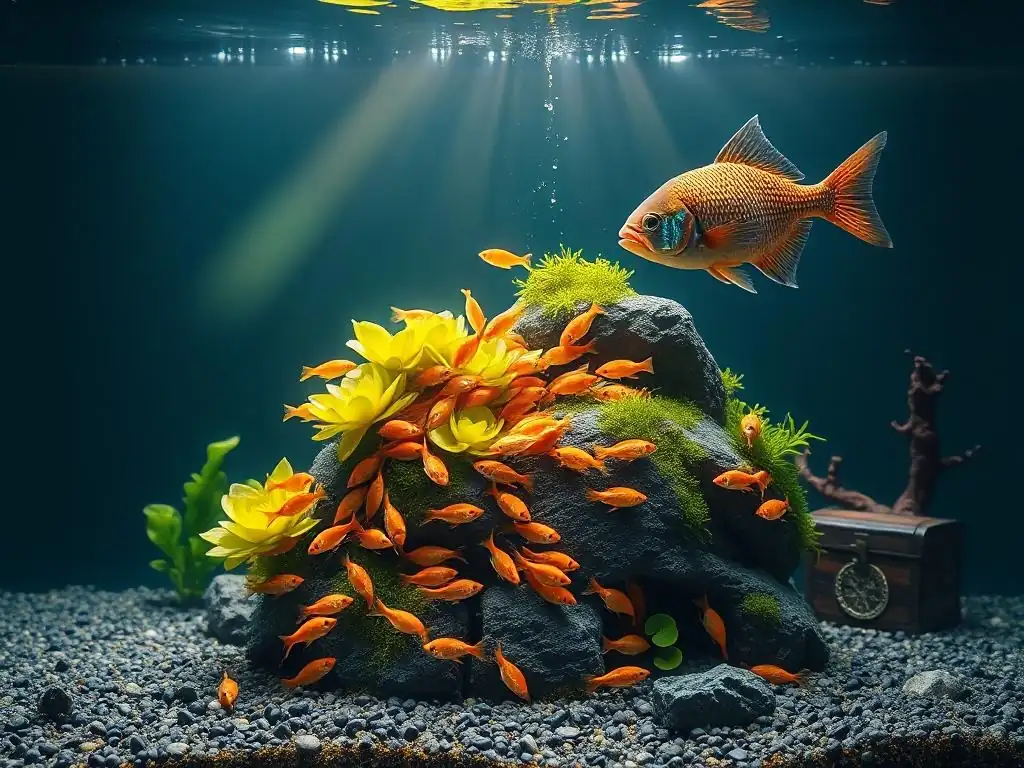
Welcome to Aquarium Mastery, where your aquatic dreams come to life! Ever wondered how to nurture those tiny, seemingly helpless creatures into majestic underwater giants? This week, we dive deep into the fascinating world of raising oscar fish fry. Discover the secrets to successful breeding and care, and unlock the potential to witness the incredible journey of these captivating fish from fragile fry to impressive adults. Get ready to embark on an adventure – the future of your aquarium starts here!
- Introduction to Raising Oscar Fish Fry
- Preparing for Oscar Fry: Setting the Stage for Success
- The Oscar Spawning Process: What to Expect
- Hatching Oscar Fry: The First Days
- Feeding Oscar Fry: Nutritional Needs and Feeding Strategies
- Maintaining a Healthy Environment for Growing Oscar Fry
- Separating and Rehoming Oscar Fry
- Common Challenges and Troubleshooting
- Advanced Oscar Fry Care Techniques
- Conclusion: The Rewards of Raising Oscar Fish Fry
- Frequently Asked Questions
- Final Reflection: Nurturing Aquatic Potential
- Nurture Your Tiny Titans: Embark on Your Oscar Fry Journey!
Introduction to Raising Oscar Fish Fry
Why Breed Oscars? The Appeal of Raising Baby Oscars
The decision to embark on the journey of raising oscar fish fry is often driven by a combination of fascination and a desire for a deeper connection with the aquatic hobby. It offers aquarists a unique opportunity to witness the entire life cycle of one of the most intelligent and charismatic freshwater fish. Beyond the sheer wonder of seeing tiny eggs transform into vibrant, miniature versions of their parents, successfully raising baby Oscars provides an immense sense of accomplishment and contributes significantly to one's understanding of fish biology and behavior.
Furthermore, breeding Oscars can be a rewarding experience from a practical standpoint. It allows hobbyists to produce healthy, home-bred specimens, potentially alleviating the need to purchase fish from unknown sources. Observing the intricate parental care exhibited by Oscars – fanning eggs, guarding fry, and even moving them – is a captivating spectacle that few other freshwater species offer, solidifying the appeal of raising oscar fish fry.
Understanding Oscar Breeding Behavior
Oscars ( Astronotus ocellatus ) are monogamous cichlids that form strong pair bonds when they decide to breed. Their breeding behavior is characterized by distinct courtship rituals, including intense lip-locking, tail slapping, and trembling, all aimed at strengthening their bond and intimidating potential rivals. The pair will meticulously clean a flat, smooth surface, such as a large rock, slate, or even the bottom of the tank, which will serve as their spawning site.
Sexual maturity in Oscars typically occurs when they reach a size of approximately 10 to 12 inches (25-30 cm) in length, which usually corresponds to an age of 1.5 to 2 years. While many pairs will readily breed once mature and in suitable conditions, it's important to note that not all pairings are successful on the first attempt. Some pairs may require several tries or a slight adjustment in water parameters to stimulate spawning, making the process of raising oscar fish fry a patient endeavor.
Preparing for Oscar Fry: Setting the Stage for Success
Setting Up a Dedicated Breeding Tank for Oscars
For successful Oscar breeding and, crucially, for raising oscar fish fry, a dedicated breeding tank is highly recommended. A tank size of at least 75 gallons (approximately 284 liters) is considered the minimum for a breeding pair, with 100 gallons (378 liters) or more being ideal. This generous space helps to reduce aggression between the pair and provides ample room for the subsequent growth of the fry. The tank should have a bare bottom or a very thin layer of fine sand to facilitate easy cleaning and prevent debris from accumulating, which can harm delicate fry.
Within the breeding tank, it's essential to provide a suitable spawning surface. Large, smooth rocks, pieces of slate, or even a ceramic tile placed horizontally work well. Minimal decor is advised to allow for easy observation of the eggs and fry, as well as efficient maintenance. The simplicity of the setup not only benefits the breeding pair by reducing stress but also simplifies the critical task of raising oscar fish fry by allowing for easier water changes and food distribution.
Essential Equipment for Raising Oscar Fish Fry: Spawning Mops, Heaters, and Filtration
Beyond the tank itself, several pieces of essential equipment are vital for a successful Oscar breeding program and for the delicate process of raising oscar fish fry. Reliable heating is paramount; two smaller, high-quality heaters are often preferred over one large one for redundancy and to ensure stable temperatures. A submersible heater set to 78-82°F (25.5-27.8°C) is crucial for stimulating spawning and ensuring proper egg development.
Filtration for a breeding tank, especially one that will house fry, needs careful consideration. Sponge filters are highly recommended due to their gentle flow, which prevents tiny fry from being sucked in, and their excellent biological filtration capabilities. Hang-on-back filters with a pre-filter sponge over the intake can also be used, but flow should be minimized. Adequate aeration, provided by an air stone connected to an air pump, is also necessary to ensure high oxygen levels, which are critical for both eggs and newly hatched fry.
Water Parameters for Oscar Breeding and Fry Development
Maintaining precise and stable water parameters is non-negotiable for successful Oscar breeding and the subsequent raising of oscar fish fry. The ideal temperature range for spawning and fry development is consistently between 78°F and 82°F (25.5°C and 27.8°C). A pH level between 6.5 and 7.5 is generally suitable, with slightly acidic to neutral water often preferred. Water hardness should be kept in the soft to moderately hard range, typically 5-12 dKH (degrees of carbonate hardness).
Beyond temperature and pH, pristine water quality is absolutely critical. Ammonia and nitrite levels must remain at zero, and nitrates should be kept as low as possible, ideally below 10 ppm. This often necessitates frequent, small water changes (20-30% every other day or daily once fry are free-swimming) using dechlorinated, temperature-matched water. Stable, clean water conditions are the cornerstone of preventing disease and ensuring robust development when raising oscar fish fry.
The Oscar Spawning Process: What to Expect
Identifying Oscar Eggs: A Visual Guide
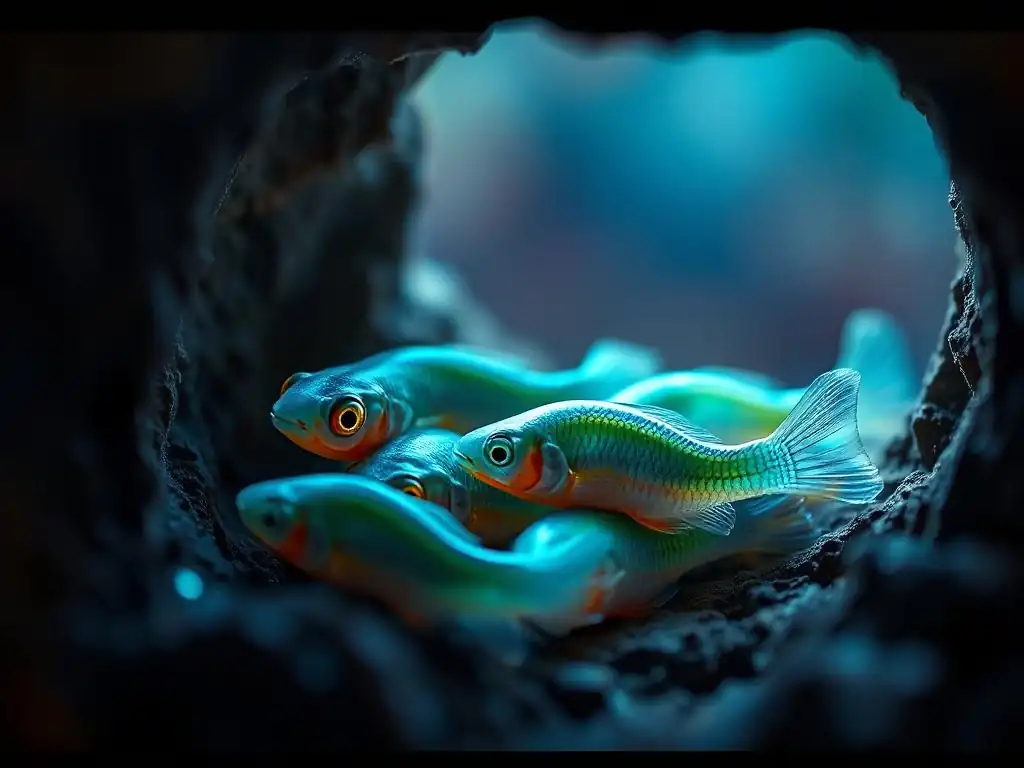
Once an Oscar pair has bonded and selected their spawning site, the female will begin to lay her eggs in neat rows, followed by the male who fertilizes them. Oscar eggs are relatively small, typically around 1 to 2 millimeters (0.04-0.08 inches) in diameter, and are usually an off-white to yellowish color. They are laid in a dense patch on the cleaned surface, often numbering in the hundreds or even thousands. A mature, healthy female Oscar can lay anywhere from 300 to over 2,000 eggs in a single spawn, depending on her size and condition.
During the spawning process, the female will extend her ovipositor, a small, blunt tube used for depositing eggs, while the male will display a more pointed genital papilla for releasing milt. Successfully fertilized eggs will remain translucent or clear, while unfertilized eggs will typically turn opaque white within 24-48 hours. The parents will actively guard and fan the eggs, providing vital oxygenation and removing any debris or unfertilized eggs.
Protecting Oscar Eggs from Predation and Fungus
Oscar parents, particularly first-time spawners or those in a stressful environment, may occasionally consume their own eggs. While this is a natural instinct, aquarists aiming for a high success rate in raising oscar fish fry often intervene. One common strategy is to remove the parents to a separate tank shortly after spawning is complete, allowing the eggs to develop in a controlled environment free from potential predation. This also simplifies the care of the delicate fry.
Fungal infections are a significant threat to Oscar eggs, especially to unfertilized or damaged ones. These infections appear as white, fuzzy patches on the eggs and can quickly spread to healthy ones. To combat this, a mild dose of methylene blue can be added to the water if the eggs are being artificially incubated without the parents. Ensuring good water circulation around the eggs, either through gentle aeration or by strategically placing them in an area with slight water flow, also helps to prevent fungal growth by providing consistent oxygenation.
Hatching Oscar Fry: The First Days
Understanding the Yolk Sac Stage of Oscar Fry
After approximately 3 to 5 days, depending on water temperature, Oscar eggs will hatch into what are commonly referred to as "wigglers." These newly hatched fry are tiny, almost translucent, and possess a prominent yolk sac attached to their underside. During this crucial stage, the fry are largely immobile, or they may twitch and wiggle slightly, primarily remaining attached to the spawning surface or the tank bottom.
The yolk sac serves as the fry's sole source of nutrition during these initial days. It provides all the necessary energy and nutrients for their development, meaning no external feeding is required at this point. The primary focus for the aquarist during the yolk sac stage is to maintain impeccably clean and stable water conditions, as the fry are incredibly vulnerable to even slight fluctuations in parameters or the presence of pollutants, making this a critical phase in raising oscar fish fry.
Maintaining Water Quality for Newly Hatched Oscar Fry
Maintaining pristine water quality is absolutely paramount for the survival and healthy development of newly hatched Oscar fry. Even though they are not yet consuming external food, their tiny metabolic processes produce waste, and the slightest accumulation of ammonia or nitrites can be lethal. Small, daily water changes of 10-20% are essential, using temperature-matched, dechlorinated water to avoid shocking the delicate fry.
Gentle aeration is also crucial to ensure adequate oxygen levels without creating strong currents that could stress or harm the wigglers. A fine air stone connected to a low-flow air pump works best. Regular monitoring of water parameters (ammonia, nitrite, nitrate, pH, and temperature) with reliable test kits is highly recommended to proactively address any issues. The commitment to meticulous water management during this phase sets the foundation for successfully raising oscar fish fry.
Feeding Oscar Fry: Nutritional Needs and Feeding Strategies
First Foods for Oscar Fry: Infusoria, Microworms, and Baby Brine Shrimp
Once Oscar fry absorb their yolk sacs and become free-swimming, typically around day 5-7 post-hatch, they require their first external food. Their mouths are incredibly small, necessitating microscopic food sources. Infusoria, a culture of microscopic organisms, is an ideal first food for the tiniest fry, ensuring they receive immediate nourishment.
As the fry grow slightly (often within a day or two of becoming free-swimming), they can transition to slightly larger live foods. Newly hatched baby brine shrimp (nauplii) are highly nutritious and an excellent staple for growing Oscar fry due to their high protein content (approximately 50-60% dry weight) and their enticing swimming motion. Microworms are another fantastic option, offering a nutritious, wriggling food source that is easy for the fry to consume. Providing these live foods multiple times a day is crucial for rapid initial growth when raising oscar fish fry.
Gradually Introducing Larger Foods: Baby Brine Shrimp Nauplii and Blackworms
As Oscar fry continue to grow, their dietary needs evolve, and they become capable of consuming larger food items. Baby brine shrimp nauplii should remain a primary food source for the first few weeks, as they provide consistent, high-quality nutrition. However, as the fry reach about 0.5 to 1 inch (1.2-2.5 cm) in length, it's time to gradually introduce more substantial foods.
Finely chopped blackworms, grindal worms, or even finely minced bloodworms are excellent next steps due to their higher protein content and larger size. Live foods are always preferred for their nutritional value and their ability to stimulate the fry's natural hunting instincts. The key is to ensure the food particles are small enough for the fry to easily ingest, yet large enough to provide adequate nourishment for their rapid growth during the process of raising oscar fish fry.
Feeding Frequency and Portion Control for Optimal Growth
Oscar fry have incredibly high metabolic rates and require frequent feeding to sustain their rapid growth and development. For very young fry (up to 1 inch), feeding 4 to 6 times a day is not uncommon. The goal is to provide a constant supply of nutrients without overfeeding at any single instance. Small, frequent meals are far superior to large, infrequent ones, as they prevent water fouling and ensure the fry always have access to food.
Portion control is equally important to maintain pristine water quality. Only feed what the fry can consume within a 5 to 10-minute period. Any uneaten food will quickly decompose, leading to dangerous ammonia spikes and bacterial blooms that can decimate a batch of fry. Observing the fry during feeding will help you determine the optimal amount. A clean tank after each feeding is a sign of good portion control and a key factor in successfully raising oscar fish fry.
Maintaining a Healthy Environment for Growing Oscar Fry
Regular Water Changes and Tank Maintenance
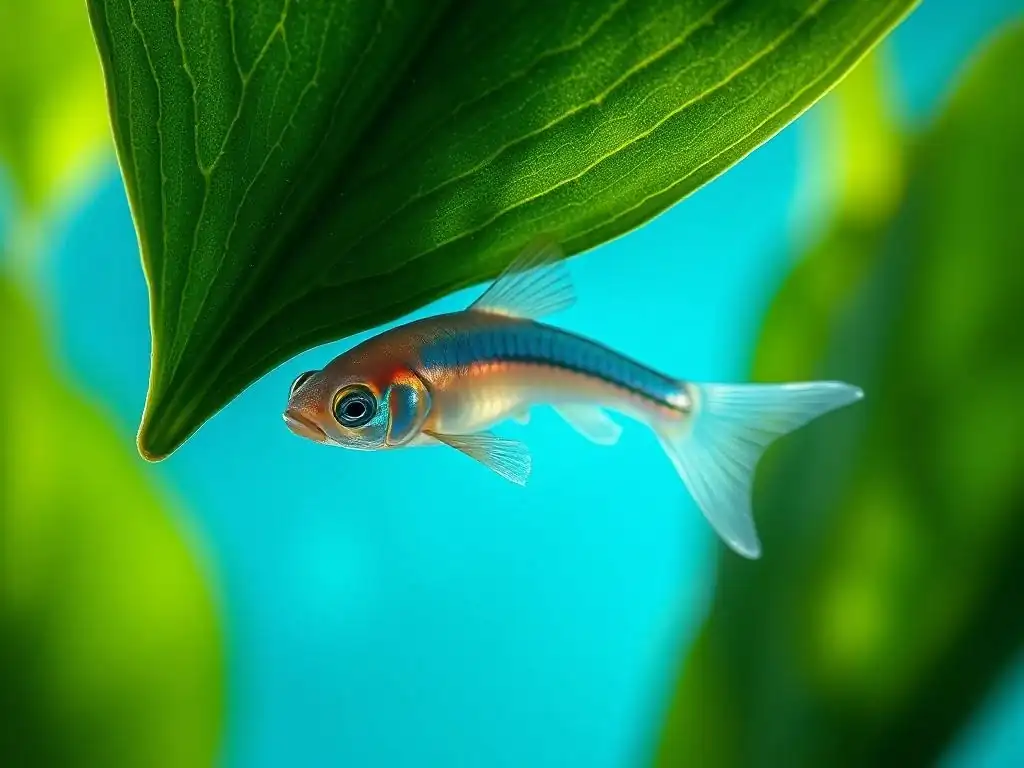
As Oscar fry grow and consume more food, their bioload on the tank increases dramatically. This necessitates even more diligent water changes to maintain a healthy environment. Daily water changes of 20-30% are often required for growing fry, especially once they are regularly consuming larger foods. Using a small siphon or airline tubing, gently vacuum the bottom of the tank to remove any uneaten food, waste, and debris without disturbing the fry too much.
Beyond water changes, regular tank maintenance, such as wiping down the tank walls to prevent excessive algae growth, is also important. Ensuring that filtration media is clean (but not sterilized, to preserve beneficial bacteria) and functioning optimally is crucial. Consistent attention to these maintenance tasks is paramount for preventing the buildup of toxins and maintaining the stable, pristine conditions necessary for healthy development when raising oscar fish fry.
Preventing and Treating Common Fry Diseases
Oscar fry are particularly susceptible to diseases due to their delicate nature and underdeveloped immune systems. Common ailments include Ich (white spot disease), various fungal infections, and bacterial infections. Prevention is always the best approach, relying on excellent water quality, stable temperatures, and a nutritious diet to keep the fry robust. Avoid sudden temperature fluctuations, which can stress fry and make them more vulnerable.
If disease does occur, treatment must be approached with extreme caution, as fry are highly sensitive to medications. For Ich, a gradual increase in water temperature to 86°F (30°C) combined with a mild salt bath (1 teaspoon per gallon for short durations) can be effective. For fungal or bacterial issues, broad-spectrum medications may be necessary, but always research the specific product's safety for fry and use the lowest effective dose. Quarantine any sick fry if possible to prevent spread and protect the rest of your growing batch of oscar fish fry.
Monitoring Growth Rates and Adjusting Care Accordingly
Consistent monitoring of Oscar fry growth rates is essential for ensuring their optimal development and adjusting care as needed. Healthy Oscar fry grow remarkably fast; it's not uncommon for them to reach 1 to 2 inches (2.5-5 cm) in length within their first month if provided with ideal conditions and abundant food. Observing the fry's size, activity levels, and coloration will provide valuable insights into their overall health.
As the fry grow, their environmental needs will change. This includes adjusting the amount and type of food, increasing the frequency or volume of water changes to manage the rising bioload, and most importantly, providing larger grow-out tanks. For example, a batch of 50 two-inch Oscar fry will quickly outgrow a 20-gallon tank, requiring a move to a 40-gallon or larger system to prevent stunting and aggression. Adapting the environment to their increasing size is a continuous process when raising oscar fish fry.
Separating and Rehoming Oscar Fry
Identifying and Separating Aggressive Fry
As Oscar fry mature, typically around 1.5 to 2 inches (3.8-5 cm) in length, individual personalities begin to emerge. Some fry will grow faster and become significantly larger than their siblings, often exhibiting dominant and aggressive behaviors. This aggression can manifest as chasing, nipping, or even bullying smaller, weaker fry, leading to stress, stunted growth, or even injury for the less dominant individuals.
To ensure all fry have the best chance to thrive, it is crucial to monitor their interactions closely and separate aggressive individuals or significantly larger fry into their own grow-out tanks or different groups. This practice, often referred to as "grading," helps to reduce competition for food and space, minimizes stress-induced stunting, and prevents cannibalism. By proactively managing aggression, you improve the overall success rate of raising oscar fish fry.
Gradually Acclimating Fry to Larger Tanks
As Oscar fry grow, they will quickly outgrow their initial nursery and grow-out tanks, necessitating moves to progressively larger accommodations. This transition must be handled carefully to minimize stress, which can lead to stunting or even death. When moving fry to a new, larger tank, ensure the water parameters (temperature, pH, hardness) of the new tank closely match those of their current environment.
A drip acclimation method is highly recommended, especially if there are slight differences in water chemistry. This involves slowly dripping water from the new tank into the fry's transport container over an hour or more, allowing them to gradually adjust. For instance, a batch of 20 two-inch fry might temporarily reside in a 40-gallon breeder tank, but they will soon require a 75-gallon or larger tank to continue their rapid growth without becoming overcrowded, which is vital for raising oscar fish fry to their full potential.
Finding Suitable Homes for Your Oscar Offspring
Successfully raising hundreds of Oscar fry presents a unique challenge: finding suitable, responsible homes for them. A single adult Oscar requires a minimum of a 75-gallon tank, and a pair needs even more space, making it impractical for most hobbyists to keep an entire spawn. Planning for rehoming well in advance is essential.
Reach out to local fish stores, reputable aquarium clubs, or online fishkeeping forums that have classified sections. Be transparent about the size and care requirements of adult Oscars, emphasizing the significant long-term commitment. Offering healthy, home-bred Oscars can be appealing to other hobbyists, but it's crucial to ensure your offspring go to homes where they will receive proper care and live out their long lives in appropriate environments.
Common Challenges and Troubleshooting
Dealing with Fungus on Oscar Eggs
Fungus on Oscar eggs is a common and frustrating challenge when attempting to raise a spawn. It typically appears as white, fuzzy growths on the surface of unfertilized or damaged eggs. If left unchecked, this fungus can quickly spread to healthy, fertilized eggs, leading to significant losses. The presence of fungus often indicates either poor water quality, lack of water flow, or a high percentage of infertile eggs.
To combat fungus, ensure excellent water circulation around the eggs, either by gentle aeration or by carefully positioning them in a mild current. If the eggs are being artificially incubated (without parents), removing affected eggs with a pipette can prevent spread. A mild dose of methylene blue (following product instructions for eggs) can be used as a preventative or treatment, as it acts as an antifungal agent. Maintaining soft, slightly acidic water can also deter fungal growth.
Addressing Swim Bladder Issues in Oscar Fry
Swim bladder issues in Oscar fry can be distressing, manifesting as fry struggling to maintain buoyancy, often floating at the surface, sinking to the bottom, or swimming erratically. This condition can be caused by various factors, including poor diet (e.g., ingesting too much air while feeding on surface foods), rapid temperature fluctuations, or underlying bacterial infections.
To address swim bladder problems, first, ensure the diet is appropriate and that food is soaked to minimize air ingestion. Maintain stable water temperatures and pristine water quality through regular changes. If a bacterial infection is suspected, a gentle salt bath (1 teaspoon per gallon for a short duration, carefully monitored) or a broad-spectrum antibiotic specifically formulated for fry, used with extreme caution and at reduced dosages, might be considered. However, prevention through optimal conditions is always best when raising oscar fish fry.
Preventing Cannibalism Among Oscar Fry
Cannibalism is a natural, albeit undesirable, behavior that can occur among Oscar fry, especially as they grow. Larger, more dominant fry may prey on smaller or weaker siblings, leading to significant reductions in your batch size. This behavior is often exacerbated by insufficient feeding, overcrowding, or significant size disparities within the group.
To prevent cannibalism, ensure that the fry are fed frequently (4-6 times daily) with highly nutritious live foods, ensuring all individuals have ample opportunity to eat. Crucially, regularly grade the fry by size and separate the larger individuals from the smaller ones. Moving significantly larger fry to a separate grow-out tank reduces competition and the likelihood of predation. Providing ample space as they grow also helps minimize aggressive interactions and promotes uniform growth among your batch of oscar fish fry.
Advanced Oscar Fry Care Techniques
Selective Breeding for Desired Traits
For the dedicated aquarist, raising oscar fish fry offers an exciting opportunity for selective breeding. This involves carefully choosing parent fish that exhibit specific desirable traits, such as unique color patterns (e.g., intense Red Tiger, vibrant Albino, or striking Lutino forms), enhanced finnage, or even particularly calm temperaments. By breeding these chosen individuals, you can aim to propagate and intensify these traits across generations.
The process requires meticulous record-keeping, noting the characteristics of the parent fish, the size and health of each spawn, and the development of the fry's traits. Over several generations, consistent selective breeding can lead to the establishment of stable lines with the desired features, contributing to the diversity and quality of Oscars available in the hobby. This advanced technique transforms the act of raising oscar fish fry into a true breeding program.
Enhancing Coloration in Oscar Fry
While Oscar fry initially appear somewhat muted in color, their vibrant hues develop as they mature. To enhance and maximize the coloration in your growing oscar fish fry, a high-quality diet rich in specific pigments is crucial. Foods containing natural carotenes and astaxanthin, such as spirulina, krill, and specialized color-enhancing flake or pellet foods, should be introduced as they transition from live foods.
Beyond diet, environmental factors also play a significant role. Maintaining pristine water quality with consistent parameters and providing a stress-free environment contribute immensely to the overall health and vibrancy of the fish. Adequate lighting, while not directly impacting color production, can also make the developing colors more apparent and appealing. A holistic approach combining nutrition and optimal environment is key to achieving stunning coloration in your home-bred Oscars.
Optimizing Growth Rates Through Diet and Environment
Optimizing the growth rates of Oscar fry involves a synergistic approach combining superior nutrition with an ideal environment. A diet rich in protein (ideally 40-50% protein content) is paramount. This means continuing to provide high-quality live foods like blackworms and chopped bloodworms, supplemented with premium flakes or small pellets designed for cichlid growth as they mature. Feeding very frequently, perhaps 5-6 times a day for younger fry, ensures a constant supply of nutrients.
Environmentally, spacious grow-out tanks are essential to prevent stunting; overcrowding is a primary inhibitor of growth. Maintaining stable, warm temperatures (around 80°F or 26.7°C) throughout their development optimizes their metabolism. Crucially, large, daily water changes (up to 50% for rapidly growing batches) are necessary to dilute waste products and provide fresh minerals, creating the perfect conditions for maximizing the growth potential and overall health of your raising oscar fish fry.
Conclusion: The Rewards of Raising Oscar Fish Fry
Contributing to the Oscar Fish Keeping Hobby
Successfully raising oscar fish fry is more than just a personal achievement; it's a valuable contribution to the broader Oscar fish keeping hobby. By producing healthy, home-bred specimens, aquarists help to ensure the availability of robust fish that are already acclimated to captive conditions, potentially reducing the reliance on wild-caught or commercially mass-produced fish that may carry diseases or suffer from poor genetics.
Furthermore, the knowledge and experience gained from raising multiple batches of Oscars can be shared with the community, enriching the collective understanding of Oscar breeding, care, and behavior. This exchange of information fosters a more informed and responsible hobby, encouraging best practices and ensuring that future generations of aquarists can also enjoy the rewarding experience of keeping these magnificent cichlids.
The Unique Bond with Your Home-Bred Oscars
Few experiences in the aquarium hobby compare to the profound satisfaction and unique bond developed when raising oscar fish fry from egg to adult. Witnessing every stage of their development – from the initial wiggles of a yolk-sac fry to the emergence of their distinct personalities and vibrant colors – creates a deep connection that transcends merely owning a pet. You become intimately familiar with their individual quirks, feeding habits, and growth milestones.
This journey, though demanding, offers unparalleled insights into the intricate world of fish biology and parental care. The dedication required to nurture these tiny lives into robust, intelligent adults culminates in a truly unique and fulfilling relationship, where the rewards far outweigh the challenges. Raising Oscar fry is a testament to an aquarist's commitment and passion, culminating in the joy of seeing your own aquatic giants thrive.
Frequently Asked Questions
How long does it take for oscar fish eggs to hatch?
Oscar fish eggs typically hatch within 2-3 days after being laid, assuming the water temperature is consistently within the ideal range. Consistent water parameters are essential for successful hatching.
What is the best food to feed newly hatched oscar fish fry?
Newly hatched oscar fry are very small and require tiny food. Live foods, such as newly hatched brine shrimp or microworms, are the best initial food sources. Powdered fry food is also a suitable option.
How often should I feed oscar fish fry?
Oscar fish fry require frequent feeding to support their rapid growth. Aim to feed them small amounts of food 3-4 times per day. Observe their feeding behavior and adjust accordingly.
What size tank do oscar fish fry need?
While they start small, oscar fry grow quickly. Initially, a 10-20 gallon tank may be sufficient, but plan to upgrade to a larger tank as they grow. Regular water changes are crucial, especially in a smaller tank.
What water parameters are important for raising oscar fish fry?
Maintaining stable and optimal water parameters is vital for oscar fry health. Keep the temperature between 80-86°F (27-30°C), the pH slightly acidic to neutral, and ensure excellent filtration to remove waste and toxins.
Final Reflection: Nurturing Aquatic Potential
The journey of raising Oscar fish fry is more than just a technical process; it's a testament to the dedication required to cultivate life and witness the growth of these magnificent aquatic giants. The meticulous care, the attentive observation, and the constant learning involved highlight the profound connection we can forge with the natural world, even within the confines of our own homes.
The impact of responsible fishkeeping extends far beyond the individual aquarium. It fosters a deeper appreciation for biodiversity and the delicate balance of ecosystems. In the end, we will conserve only what we love; we will love only what we understand; and we will understand only what we are taught.
- Baba Dioum. This quote resonates deeply, reminding us that understanding and nurturing life, whether it be a tiny Oscar fry or a vast ocean ecosystem, is crucial for its preservation.
Now, as you embark on your own journey of raising Oscar fish fry, remember the patience, dedication, and passion that define successful aquarists. Let the lessons learned here inspire you not only to nurture these aquatic giants but also to cultivate a deeper understanding and respect for the natural world around you. Your commitment to responsible fishkeeping contributes to a future where these magnificent creatures thrive, both in our homes and in their natural habitats.
Nurture Your Tiny Titans: Embark on Your Oscar Fry Journey!
Thank you for diving into the world of Oscar fry care! Now that you're equipped with the knowledge to raise these fascinating fish, it's time to put your skills to the test and witness the miracle of life firsthand.
Here's how you can take the next step:
- Carefully prepare a dedicated fry tank with optimal water parameters and plenty of hiding spots to maximize their survival and growth. This is the most important step!
- Experiment with culturing live food like baby brine shrimp or microworms to ensure your fry get the best possible start in life.
- Share your experiences and photos of your growing Oscar fry with the Aquarium Mastery community – we'd love to see your progress!
What specific challenges are you most excited to overcome in raising your Oscar fry?