
The Impact of Lighting on Swordtail & Variatus Coloration

Welcome to Aquarium Mastery!
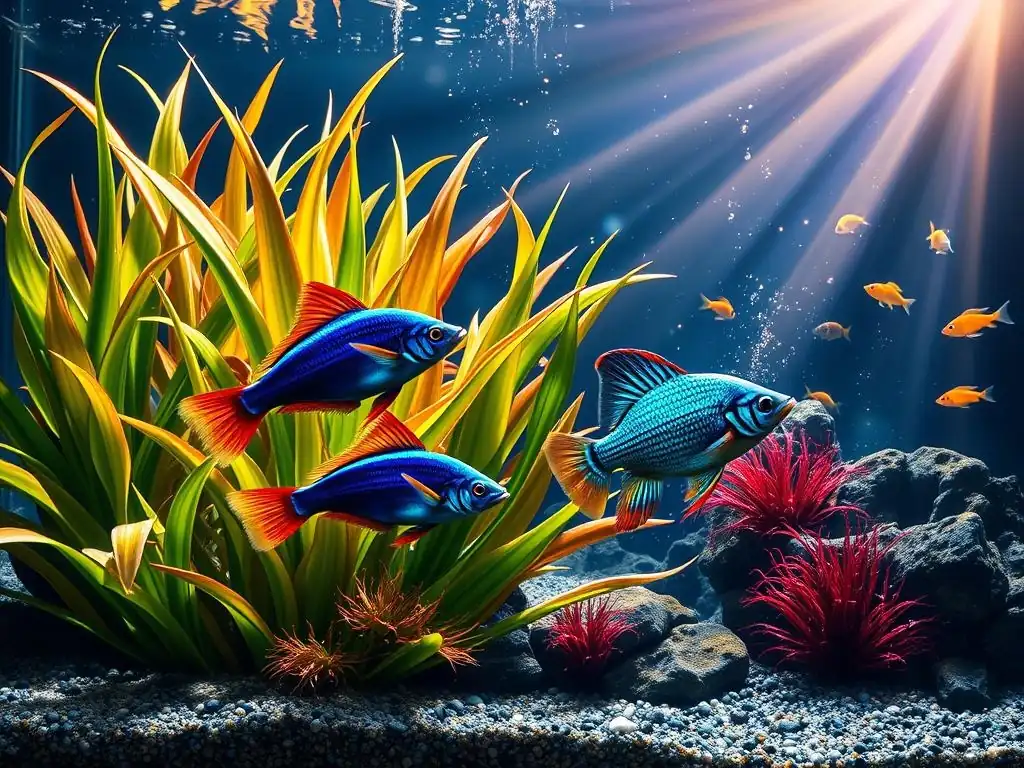
Ever wondered if your Swordtails and Variatus could be even more vibrant? Dive into our latest article, "The Impact of Lighting on Swordtail & Variatus Coloration," where we uncover the secrets to unlocking their full chromatic potential. Get ready to illuminate your understanding and transform your freshwater aquarium into a dazzling display! Ready to see what lighting can really do?
- Understanding Swordtail & Variatus Coloration: An Introduction
- The Role of Lighting in Enhancing Swordtail & Variatus Colors
- Best Lighting Options for Swordtail & Variatus Aquariums
- Specific Light Spectrums and Their Effects on Coloration
- Lighting and Algae Growth: Maintaining a Healthy Balance
- Lighting Schedules and Their Influence on Fish Color and Health
- Case Studies: Successful Lighting Setups for Vibrant Swordtail & Variatus
- Troubleshooting Lighting Issues and Color Fading
- Conclusion: Optimizing Lighting for Stunning Swordtail & Variatus Displays
-
Frequently Asked Questions
- How does lighting affect the coloration of Swordtails and Variatus?
- What type of lighting is best for bringing out the colors in Swordtails and Variatus?
- Can too much light be harmful to Swordtails and Variatus?
- How does water chemistry interact with lighting to impact fish coloration?
- Does the color of the substrate affect how the lighting appears to the fish?
- Final Reflection: Illuminating the Beauty of Swordtails and Variatus
- Unleash the Vibrant Potential of Your Swordtails!
Understanding Swordtail & Variatus Coloration: An Introduction
The Genetic Basis of Color in Swordtails and Variatus
The vibrant coloration observed in Swordtails ( Xiphophorus hellerii) and Variatus Platies ( Xiphophorus variatus) is primarily determined by a complex interplay of genetic factors. Fish coloration is controlled by specialized cells called chromatophores, which contain different types of pigments. Melanophores contain black or brown pigments (melanin), erythrophores contain red pigments (carotenoids and pterins), xanthophores contain yellow pigments (carotenoids and pterins), and iridophores contain reflective guanine crystals that produce iridescent and metallic effects.
The specific genes inherited by an individual Swordtail or Variatus dictate the presence, distribution, and density of these chromatophores, thus establishing the fish's inherent color potential. For example, the "red" gene in Xiphophorus species is responsible for the intense red coloration seen in varieties like the Red Wag Swordtail, while other genetic loci control patterns such as the "tuxedo" or "pineapple" markings.
Over decades, dedicated aquarists and breeders have meticulously selected and line-bred Swordtails and Variatus to amplify desirable color traits, resulting in the astonishing diversity of morphs available today. This selective breeding process has isolated and concentrated specific genetic expressions, leading to the development of stable lines such as the Neon Swordtail, Kohaku Variatus, and Pineapple Variatus.
While the genetic blueprint provides the foundational color palette, it is crucial to understand that environmental factors significantly influence how these genetic potentials are ultimately expressed and perceived. The intrinsic genetic code sets the stage for what colors are possible, but external conditions, including optimal Swordtail & Variatus lighting, play a pivotal role in bringing those colors to their full vibrancy.
Factors Influencing Color Expression Beyond Genetics
Beyond the genetic predisposition, a multitude of environmental and physiological factors profoundly influence the intensity and brilliance of Swordtail and Variatus coloration. Water quality stands as a paramount factor; stable parameters such as a pH between 7.0-8.0, total hardness (GH) of 10-25 dGH, and low nitrate levels (ideally below 20 ppm) are essential for overall fish health, which directly translates to vibrant colors. Suboptimal water conditions can lead to chronic stress, causing fish to "fade" or exhibit duller hues as a physiological response.
Similarly, the diet plays a critical role. A high-quality, varied diet rich in carotenoids and astaxanthin, found in foods like spirulina flakes, brine shrimp, and specialized color-enhancing pellets, directly contributes to the development and maintenance of red and yellow pigments in erythrophores and xanthophores. Without these dietary precursors, even genetically predisposed fish may fail to achieve their full color potential.
Stress, whether from aggressive tank mates, overcrowding, or sudden environmental changes, can also significantly diminish coloration. A stressed Swordtail or Variatus will often appear pale or mottled as a defensive mechanism, diverting energy away from pigment production. Conversely, a comfortable, secure environment allows the fish to display its most vibrant colors.
Among these crucial environmental elements, the type and quality of Swordtail & Variatus lighting emerge as a powerful, yet often underestimated, tool for enhancing and showcasing their natural beauty. While genetics dictate the potential for color, the appropriate lighting can actively stimulate pigment expression and dramatically improve the visual appeal of these already stunning fish.
The Role of Lighting in Enhancing Swordtail & Variatus Colors
How Light Spectrum Affects Pigment Production in Fish
The spectrum of light, specifically the wavelengths present, has a direct and profound impact on the pigment production and display in Swordtails and Variatus. Different wavelengths of light can stimulate or suppress the activity of various chromatophores. For instance, light in the red and orange spectrum (wavelengths roughly 600-700 nm) is particularly effective at enhancing the appearance of red and orange pigments in erythrophores.
This is not merely an optical illusion; studies on various fish species suggest that specific light wavelengths can influence the metabolic pathways involved in carotenoid deposition and pterin synthesis, leading to a genuine increase in pigment density over time. When Swordtails and Variatus are exposed to light with a robust red component, their red and orange hues often deepen and become more saturated, making them appear more vivid.
Conversely, the blue spectrum (wavelengths roughly 450-500 nm) can enhance the perception and, in some cases, the production of blue and iridescent colors by stimulating iridophores and cyanophores. While these cells primarily rely on structural color rather than pigment synthesis, specific blue light can optimize the reflective properties of guanine crystals, making metallic blue or iridescent scales shimmer more intensely.
For fish with blue genetic traits, such as certain Neon Swordtail varieties, a light source with a strong blue peak can bring out these subtle, shimmering qualities. Therefore, selecting Swordtail & Variatus lighting with a balanced or targeted spectrum is not just about illuminating the fish, but actively participating in their physiological color enhancement.
The Importance of Light Intensity for Vibrant Colors
Light intensity, measured in lumens or PAR (Photosynthetically Active Radiation), is another critical factor in optimizing Swordtail and Variatus coloration. While excessive intensity can lead to stress or aggressive algae growth, insufficient light often results in dull, subdued colors and can even impact the fish's overall health and activity levels.
Fish, like most living organisms, require a certain baseline of light to regulate their circadian rhythms and maintain metabolic functions, which indirectly supports vibrant color. A well-lit aquarium allows the fish to display their natural behaviors, reducing stress and promoting a sense of security, both of which contribute to better color expression.
For Swordtails and Variatus, a moderate light intensity is generally recommended. This typically translates to PAR values in the range of 30-50 µmol/m²/s at the substrate level for a standard planted tank, or slightly lower for a non-planted setup. This level provides enough illumination to showcase their colors without causing undue stress or promoting rapid algae proliferation.
Adequate intensity ensures that the colors are not only visible but also "pop," appearing brighter and more saturated to the human eye. It's a fine balance: too dim, and the colors recede; too bright, and the fish might become shy or stressed, potentially leading to faded colors. Optimal Swordtail & Variatus lighting intensity, therefore, is about creating an environment where their inherent beauty can truly shine.
Best Lighting Options for Swordtail & Variatus Aquariums
LED Lighting for Fish Tanks: A Comprehensive Guide
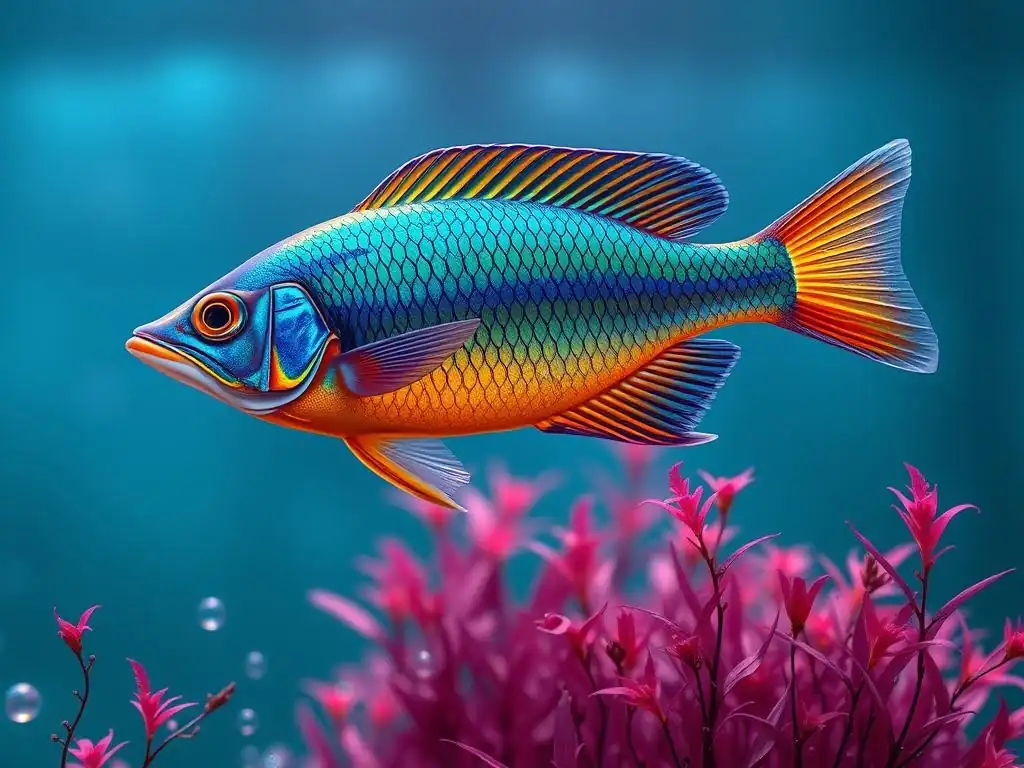
LED (Light Emitting Diode) lighting has become the predominant choice for modern aquariums, offering unparalleled flexibility, energy efficiency, and control over light spectrum and intensity. For Swordtail and Variatus aquariums, high-quality LED fixtures are ideal due to their ability to produce specific wavelengths that enhance fish coloration.
Many contemporary LED units allow for individual control of red, green, blue, and white diodes, enabling aquarists to fine-tune the light spectrum to accentuate specific hues in their fish. For instance, increasing the red and blue channels can significantly deepen the reds and blues present in varieties like the Red Wag Swordtail or the Blue Variatus.
Beyond color enhancement, LED Swordtail & Variatus lighting offers a long lifespan, often exceeding 50,000 hours, which translates to years of maintenance-free operation. They also consume significantly less power than traditional fluorescent bulbs, reducing electricity costs by up to 50% or more.
The ability to dim LEDs and program sophisticated sunrise/sunset cycles further reduces stress on fish and simulates more natural light conditions, contributing to overall fish health and vibrant coloration. While the initial investment might be higher, the long-term benefits in terms of performance, energy savings, and aesthetic enhancement make LEDs a superior choice for dedicated aquarists aiming for stunning Swordtail and Variatus displays.
Fluorescent Lighting: Pros and Cons for Color Enhancement
Fluorescent lighting, particularly T5 and T8 bulbs, has historically been a staple in the aquarium hobby and remains a viable, often more budget-friendly, option for Swordtail and Variatus tanks. These bulbs are available in various color temperatures and spectrums, allowing aquarists to select bulbs specifically designed to enhance fish colors, such as those with higher red and blue peaks (e.g., "actinic" or "color-enhancing" bulbs).
For example, a T5 HO (High Output) bulb with a color temperature around 6,500K provides a good full spectrum for general fish health and plant growth, while a supplemental bulb with a warmer spectrum can be added to pop red and orange tones.
However, fluorescent lighting comes with several drawbacks when compared to modern LEDs. Their lifespan is considerably shorter, typically ranging from 6 to 12 months, after which their light output and spectrum degrade, necessitating regular replacement. This ongoing cost and maintenance can accumulate over time.
Additionally, fluorescents tend to run hotter than LEDs, potentially contributing to higher tank temperatures, and they offer less precise control over individual light spectrums or dimming capabilities. While effective for basic Swordtail & Variatus lighting and color enhancement, their limitations in efficiency, control, and longevity often lead aquarists to transition to LED solutions for optimal results.
Planted Tank Lighting and its Effect on Swordtail & Variatus Color
For aquarists maintaining planted tanks alongside their Swordtails and Variatus, the lighting requirements become a dual consideration: supporting robust plant growth while simultaneously enhancing fish coloration. Plants require specific light spectrums, primarily in the red and blue ranges, for photosynthesis, and adequate intensity to thrive.
Fortunately, these same spectrums often align well with the needs for enhancing fish pigments. For instance, a full-spectrum LED light designed for planted tanks, typically with a strong output in the 450-470 nm (blue) and 630-660 nm (red) ranges, will not only promote lush plant growth but also intensify the red, orange, and blue hues of Swordtails and Variatus.
However, a balance must be struck. Overly intense lighting optimized solely for high-tech planted tanks (e.g., CO2 injected setups) can sometimes be too bright for Swordtails and Variatus, potentially causing stress or leading to excessive algae growth if not managed carefully. A PAR value between 30-60 µmol/m²/s at the substrate is generally sufficient for most moderate-light plants and is well-suited for these fish.
When selecting Swordtail & Variatus lighting for a planted setup, look for fixtures that offer a broad spectrum with emphasis on red and blue, often indicated by a high Color Rendering Index (CRI) of 90+ and a color temperature around 6500K. This ensures both your flora and fauna flourish, with fish displaying their most vibrant colors.
Specific Light Spectrums and Their Effects on Coloration
Red Spectrum Lighting: Enhancing Red and Orange Hues
Red spectrum lighting, typically ranging from 600 nm to 700 nm, plays a crucial role in accentuating and intensifying the red and orange pigments in Swordtails and Variatus. These wavelengths penetrate the water column effectively and are particularly beneficial for fish that derive their red and orange coloration from carotenoids and pterins, which are prevalent in varieties like the Red Wag Swordtail, Pineapple Variatus, and Sunset Variatus.
When these fish are illuminated with light rich in the red spectrum, their erythrophores (red pigment cells) appear more saturated and vibrant, often leading to a deeper, richer hue that might otherwise appear dull under a purely white light source.
Beyond mere visual enhancement, there is evidence to suggest that prolonged exposure to red-enriched Swordtail & Variatus lighting can physiologically stimulate the production and deposition of these specific pigments. While the exact biochemical pathways are complex, the presence of appropriate wavelengths is believed to optimize the metabolic processes within the fish that are responsible for creating and maintaining these vivid colors. Aquarists aiming for the most striking red and orange displays often incorporate dedicated red LED channels or specific "grow light" spectrums into their lighting setup, which have proven effective in making these warm tones truly pop.
Blue Spectrum Lighting: Impact on Blue and Iridescent Colors
Blue spectrum lighting, typically falling within the 450 nm to 500 nm range, has a distinct effect on enhancing blue, purple, and iridescent colors in Swordtails and Variatus. While true blue pigments are rare in fish, many blue hues are created structurally by iridophores, which contain reflective guanine crystals.
The specific wavelength of blue light can interact with these crystals to amplify their reflective properties, making the fish's blue scales or fins appear more brilliant and shimmering. For varieties like Neon Swordtails or certain blue-toned Variatus Platies, a strong blue light component can dramatically bring out their subtle iridescence and metallic sheen.
Furthermore, blue light can also enhance the appearance of dark pigments. Melanophores, which contain black or brown melanin, often appear darker and more contrasted under blue light, making black patterns (like those on a Tuxedo Variatus) stand out more sharply against lighter body colors.
While excessive blue light can create an unnatural "disco" effect, a carefully balanced blue component within a full-spectrum Swordtail & Variatus lighting setup can significantly contribute to the overall visual appeal, highlighting cool tones and adding depth to the fish's coloration. Many modern LED fixtures offer adjustable blue channels specifically for this purpose, allowing aquarists to fine-tune the visual impact.
Full Spectrum Lighting: A Balanced Approach to Color Enhancement
Full spectrum lighting, often characterized by a color temperature around 6500K (daylight equivalent) and a high Color Rendering Index (CRI) of 90 or above, aims to mimic natural sunlight. This approach provides a balanced representation of all visible wavelengths, ensuring that all colors in your Swordtails and Variatus are rendered accurately and vibrantly. Unlike specialized red or blue lights that target specific hues, full spectrum Swordtail & Variatus lighting allows all the fish's natural pigments—reds, oranges, yellows, blacks, and iridescence—to be seen as they would appear in their natural habitat. This results in a more harmonious and natural-looking display.
The benefit of full spectrum lighting extends beyond just aesthetics; it also supports the overall health and well-being of the fish and any live plants. A balanced spectrum is crucial for photosynthesis in plants and helps regulate the fish's natural circadian rhythms, reducing stress and promoting active, healthy behavior.
While a full spectrum light might not make one specific color "pop" as dramatically as a targeted narrow-spectrum light, it ensures that all the complex and beautiful variations in Swordtail and Variatus coloration are presented faithfully and intensely. For aquarists seeking a natural and comprehensive color enhancement solution, a high-quality full spectrum light is often the most recommended choice.
Lighting and Algae Growth: Maintaining a Healthy Balance
Preventing Algae Blooms with Proper Lighting Control
One of the most common challenges associated with aquarium lighting is the proliferation of unwanted algae. While light is essential for fish health and plant growth, an imbalance in lighting duration or intensity is a primary catalyst for algae blooms. For Swordtail and Variatus aquariums, maintaining a consistent photoperiod of 8 to 10 hours per day is crucial.
Exceeding this duration, for instance, running lights for 12-14 hours, provides ample opportunity for algae to photosynthesize and multiply rapidly, outcompeting beneficial bacteria and consuming nutrients. Similarly, excessive light intensity, particularly in tanks without sufficient plant mass to utilize the light, can fuel rapid algae growth.
To prevent algae blooms, it is vital to match Swordtail & Variatus lighting intensity and duration to the tank's bioload and plant needs. If a tank has minimal live plants, a lower intensity and shorter photoperiod (e.g., 7-8 hours) might be necessary. Regular maintenance, including weekly water changes of 25-30% and removal of excess nutrients through gravel vacuuming, also helps starve algae. Introducing light timers is highly recommended to ensure precise and consistent photoperiods, eliminating human error. By adhering to a disciplined lighting schedule and appropriate intensity, aquarists can showcase their fish's vibrant colors without battling persistent algae issues.
Algae Eating Tank Mates and Lighting Strategies
While proper lighting control is the first line of defense against algae, incorporating algae-eating tank mates can provide an additional layer of biological control, especially in Swordtail and Variatus setups. Species such as Otocinclus catfish, Nerite snails, and Amano shrimp are excellent choices for consuming various types of algae, including diatoms, green spot algae, and hair algae, without posing a threat to the Swordtails or Variatus. These invertebrates and peaceful bottom-dwellers can help maintain a cleaner aesthetic, allowing the vibrant colors of the Swordtails and Variatus to remain the focal point.
When integrating algae eaters, the Swordtail & Variatus lighting strategy should consider their needs as well. For instance, Otocinclus catfish prefer tanks with some natural algae growth for grazing, but not so much that it becomes overwhelming. Moderate light intensity that promotes a healthy biofilm and some soft green algae on surfaces, without leading to rampant growth, can benefit these cleaners.
However, if algae becomes a major problem despite optimized lighting and the presence of algae eaters, it often indicates an underlying issue with nutrient imbalance or excessive light. In such cases, a temporary reduction in light intensity or photoperiod, combined with increased water changes, might be necessary to bring the tank back into balance.
Lighting Schedules and Their Influence on Fish Color and Health
Optimizing Photoperiods for Maximum Color Expression
The photoperiod, or the duration of light exposure each day, is a critical factor influencing both the health and color expression of Swordtails and Variatus. Fish, like most living organisms, rely on natural light cycles to regulate their circadian rhythms, which in turn affect their metabolism, stress levels, and overall well-being.
An optimal photoperiod for Swordtails and Variatus typically ranges from 8 to 10 hours of continuous light per day. Providing too little light (e.g., less than 6 hours) can lead to lethargy and subdued colors, as the fish may not feel secure or active enough to display their full brilliance.
Conversely, an excessively long photoperiod (e.g., 12 hours or more) can induce stress, disrupt natural behaviors, and, as previously noted, significantly contribute to problematic algae growth. Stress is a major inhibitor of vibrant coloration, as fish often "pale out" when uncomfortable.
By maintaining a consistent 8-10 hour light cycle, aquarists provide a stable environment that encourages active swimming, feeding, and social interaction, all of which contribute to robust health and the most vivid color display. Using an automated timer for your Swordtail & Variatus lighting is highly recommended to ensure precise and consistent daily cycles, eliminating variability that can stress the fish.
Simulating Natural Light Cycles for Swordtails and Variatus
Beyond a simple on/off schedule, simulating natural light cycles can further enhance the well-being and color vibrancy of Swordtails and Variatus. In their natural habitats in Central America, these fish experience gradual changes in light intensity throughout the day, from the dim light of dawn to the peak brightness of midday, and then a gradual fade into dusk.
Modern LED Swordtail & Variatus lighting systems, particularly those with programmable controllers, can replicate these natural transitions. Features like "sunrise" and "sunset" modes gradually ramp up and ramp down the light intensity over a period of 30-60 minutes, rather than an abrupt switch.
This gradual transition significantly reduces stress on the fish, preventing the sudden shock of lights turning on or off abruptly. Fish that are acclimated to these natural cycles tend to be more active, less prone to jumping, and exhibit more consistent, brighter coloration throughout the day.
Simulating a midday "siesta" or dimming period for an hour or two can also be beneficial in some setups, mirroring periods of cloud cover or deeper water, further promoting natural behavior. While not strictly necessary for basic care, incorporating these advanced light cycles can elevate the aquarium environment, providing a more natural and less stressful existence for your Swordtails and Variatus, which in turn encourages their most spectacular color expression.
Case Studies: Successful Lighting Setups for Vibrant Swordtail & Variatus
Examples of Aquariums with Enhanced Coloration Through Lighting
One notable example demonstrating the impact of Swordtail & Variatus lighting on coloration is an award-winning 60-gallon community tank featuring Red Wag Swordtails and Sunset Variatus Platies. The aquarist utilized a high-quality full-spectrum LED fixture with adjustable red and blue channels. The lighting schedule was set to a 9-hour photoperiod, with a 45-minute sunrise and sunset simulation.
During the peak light hours, the red channel was slightly boosted (to about 80% intensity of the white channel), specifically to enhance the reds and oranges. The result was remarkably vibrant fish; the Red Wag Swordtails displayed an incredibly deep, almost velvety red, and the Sunset Variatus showed brilliant orange hues that seemed to glow. The fish were also noticeably active and unstressed, suggesting the lighting contributed to their overall well-being.
Another successful case involved a 29-gallon breeding tank for Pineapple Variatus, where the aquarist focused on a moderate intensity LED light with a CRI of 95 and a color temperature of 6700K. The lighting was kept at a consistent 8-hour schedule. While not specifically boosting individual color channels, the high CRI ensured that all the complex yellow, orange, and black patterns of the Pineapple Variatus were rendered with exceptional clarity and depth.
The fish consistently exhibited strong, well-defined colors, and even the fry developed robust coloration from an early age, indicating that the balanced, high-quality light provided optimal conditions for pigment development and display. These examples underscore that thoughtful lighting choices directly translate to superior fish aesthetics.
Analyzing Lighting Parameters in Award-Winning Swordtail & Variatus Tanks
Analyzing the lighting parameters in award-winning Swordtail and Variatus tanks often reveals common trends that contribute to their stunning visual appeal. A review of several top-tier competition aquariums featuring Xiphophorus species shows a strong preference for LED lighting systems, particularly those offering programmable control over individual color channels (Red, Green, Blue, White). The average photoperiod observed in these tanks typically falls within the 8 to 9.5-hour range, carefully controlled by digital timers, often incorporating gradual sunrise/sunset simulations lasting 30-60 minutes at each end.
In terms of light spectrum, there's a consistent emphasis on balanced full-spectrum output, usually with a color temperature between 6500K and 7500K, coupled with a high Color Rendering Index (CRI) of 90 or above. However, many aquarists subtly boost the red and blue channels, often by an additional 10-20% during peak lighting hours, to specifically enhance the inherent red, orange, and iridescent blue pigments of their Swordtails and Variatus.
Light intensity, measured in PAR, generally ranges from 30-50 µmol/m²/s at the substrate level, indicating sufficient light for moderate plant growth without overwhelming the fish or promoting excessive algae. These precise and thoughtful Swordtail & Variatus lighting strategies are instrumental in achieving the vibrant, show-quality coloration seen in these exemplary aquariums.
Troubleshooting Lighting Issues and Color Fading
Identifying Causes of Color Loss in Swordtails and Variatus
Color fading in Swordtails and Variatus can be a distressing sight for any aquarist, often indicating an underlying problem within the aquarium environment. While lighting is a significant factor, it's crucial to first rule out other common causes before adjusting your Swordtail & Variatus lighting. One of the most prevalent reasons for color loss is stress, which can be triggered by poor water quality (e.g., high ammonia, nitrite, or nitrate levels), overcrowding, aggressive tank mates, or sudden changes in temperature or pH. Fish under chronic stress will often appear pale, clamped-finned, and lethargic.
Another major contributor to faded colors is an inadequate diet. If the fish are not receiving sufficient carotenoids and other necessary nutrients through their food, their pigment cells simply cannot produce vibrant colors. A diet lacking in color-enhancing foods like spirulina, astaxanthin-rich flakes, or high-quality live/frozen foods will inevitably lead to duller hues. Additionally, disease or old age can also result in a loss of vibrancy. Before making significant lighting adjustments, it is imperative to thoroughly check water parameters, assess the fish's diet, observe their behavior for signs of stress or illness, and ensure the tank is not overstocked.
Solutions for Improving Coloration Through Lighting Adjustments
Once other factors have been ruled out, addressing Swordtail & Variatus lighting issues can significantly improve fish coloration. If colors appear dull or washed out, the first step is to assess the light's spectrum and intensity. If using older fluorescent bulbs, consider replacing them, as their spectrum degrades over time; a bulb over 6-12 months old may no longer provide optimal light.
Upgrading to a full-spectrum LED fixture with a high CRI (90+) and adjustable color channels is often the most effective solution. Experiment with boosting the red and blue channels slightly to see if specific hues in your fish become more prominent.
Secondly, ensure your photoperiod is within the optimal 8-10 hour range. A consistent schedule is key; use a timer to avoid erratic on/off times. If algae is an issue, signaling excessive light, gradually reduce the photoperiod by 30-60 minutes per week until algae growth subsides while maintaining fish color.
If the tank appears too dim, consider gradually increasing light intensity, monitoring the fish's response and algae growth. Remember, any lighting changes should be gradual to avoid stressing the fish. By systematically adjusting the spectrum, intensity, and duration of your Swordtail & Variatus lighting, you can often restore and even enhance their natural, vibrant colors.
Conclusion: Optimizing Lighting for Stunning Swordtail & Variatus Displays
Key Takeaways for Enhancing Fish Color Through Proper Illumination
Optimizing Swordtail & Variatus lighting is a multifaceted approach that significantly contributes to the vibrancy and health of these popular livebearers. The primary takeaway is that lighting is not merely for viewing; it actively influences pigment production and expression. Selecting a full-spectrum light with a high Color Rendering Index (CRI 90+) and a color temperature of 6500K-7500K provides a balanced foundation, accurately showcasing all inherent colors. For enhanced reds and oranges, incorporating a stronger red spectrum component (around 630-660 nm) is highly effective, while blue light (around 450-470 nm) will make blues and iridescence pop.
Secondly, light intensity and photoperiod are crucial. A moderate intensity (e.g., 30-50 PAR) coupled with a consistent 8-10 hour daily photoperiod supports both fish health and vibrant coloration while mitigating algae growth. Modern LED fixtures offer the best control, allowing for precise adjustments to spectrum, intensity, and the implementation of naturalistic sunrise/sunset cycles, which reduce fish stress and promote more consistent color displays. While genetics and diet lay the groundwork, a well-planned and executed Swordtail & Variatus lighting strategy elevates the visual appeal of these fish, transforming a good display into a truly stunning one.
Future Research and Developments in Aquarium Lighting Technology for Fish Color
The field of aquarium lighting technology is continuously evolving, with future research and developments promising even more sophisticated ways to enhance fish coloration. One area of focus is the refinement of tunable LED arrays, allowing for even more granular control over specific wavelengths. This could lead to hyper-targeted spectrums designed not just to enhance existing pigments, but potentially to stimulate novel pigment development or intensify colors in ways not yet fully understood. Imagine fixtures with AI integration that could analyze a fish's specific color profile and automatically adjust lighting to maximize its unique palette.
Another exciting development lies in understanding the photobiological responses of fish at a deeper level. Research into how specific light frequencies influence hormonal regulation, gene expression related to chromatophore development, and the uptake of dietary pigments could unlock new strategies for color enhancement.
Furthermore, advancements in smart aquarium technology, allowing for seamless integration of Swordtail & Variatus lighting with water quality monitoring and feeding systems, could create truly optimized environments where fish color is maximized through a holistic, data-driven approach. As technology progresses, aquarists can anticipate even more precise and effective tools to bring out the absolute best in their Swordtails and Variatus.
Frequently Asked Questions
How does lighting affect the coloration of Swordtails and Variatus?
Lighting plays a crucial role. Specific wavelengths can enhance certain pigments, making colors appear more vibrant. Inadequate lighting can lead to duller, less impressive coloration.
What type of lighting is best for bringing out the colors in Swordtails and Variatus?
Full-spectrum LED lighting is generally recommended. This type of lighting provides a balanced spectrum of light, which helps to showcase the natural colors of the fish.
Can too much light be harmful to Swordtails and Variatus?
Yes, excessive light can cause stress and algae growth. It's important to provide a balanced lighting schedule and ensure there are shaded areas in the tank for the fish to retreat to.
How does water chemistry interact with lighting to impact fish coloration?
Poor water quality can inhibit pigment production. Even with optimal lighting, if the water is unhealthy, the colors will appear muted. Regular water changes are essential.
Does the color of the substrate affect how the lighting appears to the fish?
Yes, a darker substrate can absorb more light, potentially reducing the overall brightness and emphasizing the fish's coloration against the background. A lighter substrate reflects more light.
Okay, here's a final reflection designed to close your article "The Impact of Lighting on Swordtail & Variatus Coloration," optimized for the keyword "Swordtail & Variatus lighting" and following your specified structure:
Final Reflection: Illuminating the Beauty of Swordtails and Variatus
The insights we've explored regarding Swordtail & Variatus lighting are not merely academic; they directly impact the vibrancy and health of these captivating fish in our aquariums today. Understanding the specific light spectrum and intensity required to unlock their full chromatic potential is crucial for responsible fishkeeping and appreciating the true artistry of nature. This knowledge empowers aquarists to create environments where these fish not only survive but truly thrive, showcasing their magnificent colors to their fullest extent.
This journey into the science of light and coloration has profoundly influenced my own perspective on aquarium keeping, highlighting the interconnectedness of environment and organism. It's a reminder that responsible aquarists are not just keepers of fish, but curators of miniature ecosystems, and that even seemingly small adjustments, like choosing the right lighting, can have a dramatic effect. The best and most beautiful things in the world cannot be seen or even touched - they must be felt with the heart.
- Helen Keller. This quote resonates deeply when considering the subtle yet powerful influence of light on the well-being and beauty of our aquatic companions.
Now, armed with this knowledge of Swordtail & Variatus lighting, I invite you to reflect on your own aquarium practices. Consider how you can refine your lighting setup to better support the health and coloration of your fish. Explore the possibilities, experiment responsibly, and witness firsthand the transformative power of light in unlocking the hidden beauty within your Swordtails and Variatus. Let us all strive to create environments where these vibrant creatures can truly shine.
Unleash the Vibrant Potential of Your Swordtails!
Thank you for exploring the fascinating influence of lighting on your Swordtail and Variatus fish! Now that you understand how light can dramatically impact their colors, it’s time to put that knowledge into action and create an even more stunning aquarium.
Here’s what you can do next:
- Experiment with different light spectrums to observe how they affect the coloration of your Swordtails and Variatus. Document your findings!
- Share your experiences and photos on social media using #AquariumMasteryLighting, inspiring other aquarists to optimize their setups.
- Consider adding live plants to your aquarium, as they thrive under specific light conditions and can further enhance the visual appeal of your fish.
What lighting adjustments will you make to unlock the full color spectrum of your aquatic companions?