
Beyond Algae Control: The Fascinating World of Plecos, Ancistrus & Otocinclus Care

Welcome to Aquarium Mastery!
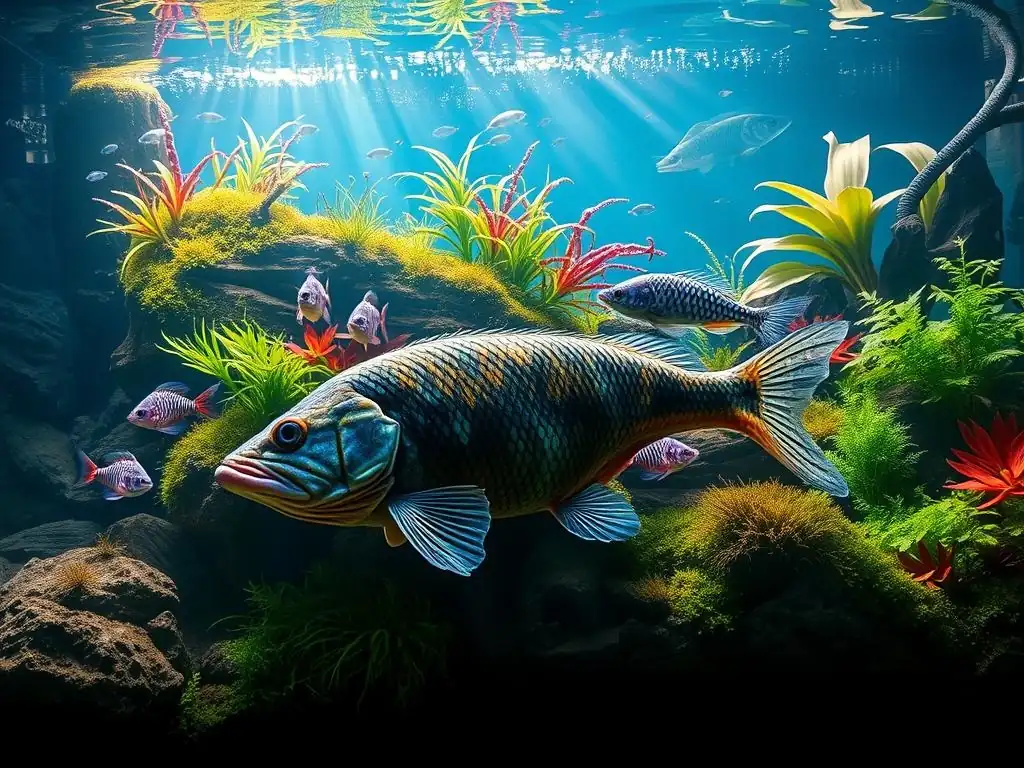
Ever wondered if there's more to those algae-eating buddies in your tank than just keeping the glass clean? Dive into the captivating world of Plecos, Ancistrus, and Otocinclus with us! Discover essential Pleco care tips for beginners and unlock the secrets to thriving freshwater environments. Get ready to go beyond the basics and explore the fascinating lives of these incredible fish – your aquarium journey starts now!
- Caring for Freshwater Aquarium Clean-Up Crew: Plecos, Ancistrus & Otocinclus
- Introduction to Freshwater Algae Eaters
- Basic Pleco Care: A Beginner's Guide
- Ancistrus Care: The Bristlenose Pleco Guide
- Otocinclus Care: The Schooling Algae Eaters
- Dietary Needs of Plecos, Ancistrus & Otocinclus
- Common Health Issues and Prevention in Plecos, Ancistrus & Otocinclus
- Selecting the Right Pleco, Ancistrus, or Otocinclus for Your Aquarium
- Suitable Tank Mates for Plecos, Ancistrus & Otocinclus
- Advanced Care for Plecos, Ancistrus & Otocinclus
- Conclusion: Benefits of Keeping Plecos, Ancistrus & Otocinclus.
-
Frequently Asked Questions
- What are the key differences between Plecos, Ancistrus, and Otocinclus, and why is it important to know them for proper care?
- What are the essential water parameters to maintain for a healthy Pleco aquarium, and how often should I test the water?
- Besides algae, what foods should I provide to my Pleco to ensure a balanced and nutritious diet, particularly for juvenile Plecos?
- How can I identify common Pleco diseases early on, and what are some effective treatments for these ailments?
- What size aquarium is recommended for different types of Plecos, and how important is hiding spaces in their tank setup?
- Final Reflection: A Thriving Ecosystem in Miniature
- Dive Deeper: Unlock the Secrets of a Thriving Aquarium!
Caring for Freshwater Aquarium Clean-Up Crew: Plecos, Ancistrus & Otocinclus
Introduction to Freshwater Algae Eaters
Understanding the Role of Plecos, Ancistrus & Otocinclus in a Freshwater Aquarium Ecosystem
In the intricate world of freshwater aquariums, certain fish species play a vital role as part of the "clean-up crew," contributing significantly to the ecosystem's balance. Among the most popular and effective are the Loricariidae family members: Plecos (specifically referring to the larger species often seen), Ancistrus (Bristlenose Plecos), and Otocinclus catfish. These fish are primarily herbivorous or omnivorous bottom-dwellers, and in their natural habitats, they are crucial for grazing on algae, consuming decaying plant matter, and processing detritus, thereby helping to maintain water clarity and nutrient cycling.
Within an aquarium setting, these catfish continue their natural behaviors, acting as diligent tank custodians. They actively graze on biofilm and various types of algae that grow on tank surfaces, decor, and plants. By consuming these organic materials, they help prevent excessive algae blooms and reduce the accumulation of uneaten food and waste, which are common challenges for pleco care tips beginners. Their presence contributes to a healthier environment, supporting the overall well-being of all tank inhabitants by maintaining cleaner water and a more stable biological system.
Benefits of Including Plecos, Ancistrus, or Otocinclus in Your Aquarium
The most immediate and apparent benefit of incorporating Plecos, Ancistrus, or Otocinclus into your freshwater aquarium is their exceptional ability to control algae. Unlike chemical treatments, these fish provide a natural, continuous method of algae removal, significantly reducing the need for manual scrubbing and minimizing the reliance on potentially harmful additives. This natural approach not only saves time but also promotes a more stable and balanced aquatic environment, which is a key aspect of successful beginner pleco care.
Beyond their renowned algae-eating prowess, these species offer several other advantages. Many species, particularly the smaller Ancistrus and Otocinclus, are relatively peaceful and can coexist well with a variety of other community fish, making them excellent tank mates. Their unique appearances, from the armored bodies of Plecos to the bristly faces of Ancistrus and the schooling charm of Otocinclus, add aesthetic appeal and fascinating behavioral dynamics to the aquarium. Furthermore, their continuous grazing helps to break down organic waste, contributing to improved water quality and a more robust ecosystem.
Basic Pleco Care: A Beginner's Guide
Optimal Water Parameters for Plecos: Temperature, pH, and Water Hardness
For successful pleco care tips beginners, understanding optimal water parameters is fundamental. Most common Pleco species, such as the Bristlenose Pleco ( Ancistrus dolichopterus) or the Clown Pleco ( Panaque maccus), thrive in stable freshwater conditions. A general temperature range of 72-80°F (22-27°C) is suitable for many species, though specific requirements can vary. For instance, some Amazonian species prefer slightly warmer waters, while others from cooler mountain streams may prefer the lower end of this range.
Regarding pH, a slightly acidic to neutral range of 6.5-7.5 is generally well-tolerated by most Plecos. Water hardness, measured in dGH (degrees of General Hardness), should typically fall between 5-15 dGH. While these ranges provide a good starting point for beginner pleco care, consistency is more critical than hitting exact numbers. Sudden fluctuations in temperature, pH, or hardness can cause significant stress, weakening their immune systems and making them susceptible to disease. Regular water testing with a reliable kit is essential to monitor and maintain these stable conditions.
Tank Size and Setup Requirements for Plecos
One of the most critical aspects of pleco care tips beginners must grasp is the significant adult size many Pleco species can reach. While a young Common Pleco ( Hypostomus plecostomus) might be sold at a few inches, it can grow to an impressive 18-24 inches (45-60 cm) within a few years, necessitating a tank of 75-150 gallons or even larger. In contrast, the popular Bristlenose Pleco ( Ancistrus spp.)
typically reaches 4-6 inches (10-15 cm) and can be comfortably housed in a 20-30 gallon aquarium. Always research the specific species' adult size before purchase to avoid overcrowding and ensure proper development.
Beyond volume, the tank's footprint is more important than its height for these bottom-dwelling fish, as they primarily inhabit the substrate and lower water column. Adequate filtration is also paramount; Plecos are known for producing a substantial amount of waste, so a robust filtration system, such as a canister filter or a powerful hang-on-back filter with a high GPH (gallons per hour) rating, is crucial to maintain pristine water quality. A mature biological filter is essential to process the ammonia and nitrites produced by their waste.
Suitable Substrates for Plecos
When setting up an aquarium for Plecos, the choice of substrate is an important consideration for their long-term health and comfort. Fine gravel or sand is generally preferred over sharp or coarse substrates. Plecos, like many bottom-dwelling catfish, spend a considerable amount of time sifting through the substrate in search of food particles and detritus. A smooth substrate helps protect their delicate barbels, which are essential sensory organs used for foraging, and prevents injury to their soft underbellies.
Sand, in particular, allows for natural sifting behaviors, mimicking their natural environment more closely. For species that occasionally burrow or enjoy resting partially buried, a soft sand bed is ideal. If using gravel, ensure it is smooth and rounded, not jagged, to prevent abrasions. While coarser gravel can trap more detritus, requiring more diligent cleaning, a well-maintained tank with regular vacuuming can mitigate this. The primary goal is to provide a safe and comfortable surface for these bottom-dwelling fish.
Decor and Hiding Places for Plecos
Providing ample decor and numerous hiding places is not merely aesthetic but a fundamental requirement for the well-being of Plecos. As predominantly nocturnal fish, they require secure retreats where they can rest, feel safe, and escape bright lights or territorial tank mates during the day. Driftwood is absolutely essential for many Pleco species, particularly those from the Panaque genus and even Bristlenose Plecos. Many Plecos rasp on driftwood, consuming the cellulose fibers, which are vital for their digestion and overall health. Providing several pieces of Mopani, Malaysian, or other aquarium-safe driftwood allows for both consumption and shelter.
In addition to driftwood, ceramic caves, PVC pipes, or carefully stacked, smooth rocks can serve as excellent hiding spots. These structures should be large enough for the Pleco to comfortably enter and turn around in, offering a sense of security. Dense planting, especially with broad-leafed plants like Anubias or Java Fern (which can be attached to driftwood), also provides cover and contributes to a more natural environment. A well-decorated tank with plenty of cover reduces stress, promotes natural behaviors, and is a vital component of successful pleco care tips beginners should prioritize.
Ancistrus Care: The Bristlenose Pleco Guide
Identifying Common Ancistrus Species
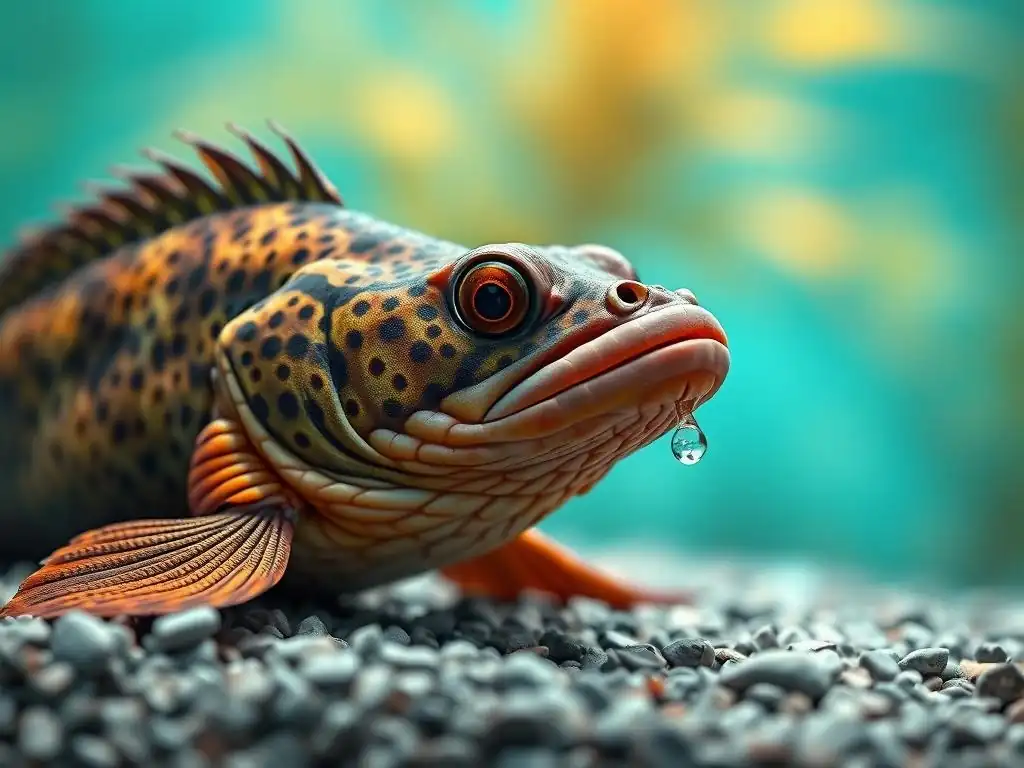
Ancistrus species, commonly known as Bristlenose Plecos, are among the most popular and manageable Loricariids for home aquariums, making them ideal for those seeking pleco care tips beginners. The most prevalent species is Ancistrus dolichopterus, often simply referred to as the Common Bristlenose Pleco, which typically grows to about 4-6 inches (10-15 cm) in length. They are characterized by their flattened body shape, large head, and, most notably, the fleshy, branched tentacles or "bristles" that develop on their snouts. These bristles are particularly prominent and bushy on mature males, distinguishing them from females who have smaller or no bristles.
Beyond the standard brown coloration, numerous color morphs and fin variations have been selectively bred, including Albino Bristlenose Plecos (with white or pale yellow bodies and red eyes), Lemon Bristlenose Plecos (a vibrant yellow variant), and Longfin Bristlenose Plecos (with elongated fins). While their core care requirements remain similar, identifying the specific species or morph can sometimes offer clues about slight dietary preferences or growth rates. Their smaller size and effective algae-eating habits make them a superior choice for tanks where larger Plecos would quickly outgrow their space.
Bristlenose Pleco Diet and Feeding
Bristlenose Plecos are primarily herbivorous, with a diet in the wild consisting largely of algae, biofilm, and decaying plant matter. In the aquarium, their staple diet should include high-quality sinking algae wafers or pellets, preferably those rich in spirulina. These commercial foods are formulated to provide the essential nutrients and roughage they need. It's crucial to ensure that the wafers reach the bottom of the tank and are available to the Bristlenose before faster-feeding tank mates consume them.
Supplementing their diet with blanched vegetables is highly recommended and an excellent pleco care tip for beginners. Favorites include zucchini, cucumber, shelled peas, spinach, and romaine lettuce. Vegetables should be blanched briefly to soften them, then cooled and weighed down to sink. Offer small portions daily or every other day, and remove any uneaten vegetable matter after 12-24 hours to prevent water fouling. While primarily herbivorous, occasional small amounts of protein-rich foods like bloodworms or brine shrimp can be offered, but these should be a rare treat, as their digestive system is optimized for plant matter.
Breeding Bristlenose Plecos
Breeding Bristlenose Plecos is relatively straightforward in a well-maintained aquarium, making them one of the easier Loricariids to propagate. Successful breeding typically requires a mature male and female, stable water parameters within their preferred range (e.g., pH 6.5-7.5, temperature 75-80°F or 24-27°C), and most importantly, plenty of suitable spawning sites. Males are easily identified by their more pronounced, branched bristles on the snout, while females have fewer or no bristles.
Males will select and meticulously clean a cave or a similar enclosed space, often a ceramic cave, a piece of PVC pipe, or a hollow log, to entice a female. Once the female lays her adhesive, typically orange to yellow eggs (clutches can range from 20 to over 100 eggs), the male will diligently guard and fan them until they hatch, usually within 4-7 days.
The fry, once free-swimming, will feed on biofilm and micro-algae in the tank. Supplementing their diet with blanched vegetables and crushed algae wafers ensures their healthy growth, making breeding Bristlenose Plecos a rewarding experience for aquarists.
Otocinclus Care: The Schooling Algae Eaters
Ideal Environment for Otocinclus: Schooling Behavior and Tank Mates
Otocinclus catfish, often simply called "Otocinclus" or "Oto cats," are small, peaceful algae eaters that thrive when kept in groups. Their schooling behavior is crucial for their well-being and confidence; a minimum group of 6-10 individuals is highly recommended. Keeping them in smaller numbers can lead to stress, shyness, and a reluctance to feed. For a small school, a tank of at least 10-15 gallons is suitable, provided it is well-established and stable.
When selecting tank mates for Otocinclus, prioritize small, peaceful community fish that will not outcompete them for food or stress them with aggressive behavior. Excellent companions include small tetras (like Neon, Cardinal, or Rummy-nose Tetras), rasboras, small peaceful gouramis, and Corydoras catfish. Avoid large, boisterous, or aggressive species, as well as fin-nippers, which could easily intimidate or harm these delicate fish. A heavily planted tank with plenty of hiding spots and a mature biological filter will provide the ideal environment for these sensitive algae eaters.
Otocinclus Diet and Feeding Strategies
Despite their reputation as prolific algae eaters, Otocinclus often struggle to find enough natural algae in a typical home aquarium, especially if the tank is very clean or newly set up. Their primary diet in the wild consists of soft green algae and diatoms, and they are not particularly efficient at consuming tougher, brush-like algae. Therefore, supplementing their diet is essential for their long-term health. High-quality spirulina flakes and wafers are excellent staples, and blanched vegetables like zucchini, cucumber, and shelled peas are also readily accepted.
When feeding vegetables, it's beneficial to blanch them briefly to soften them, then weigh them down with an aquarium clip or a plant weight to keep them at the bottom. Feed small amounts daily or every other day, ensuring they have access to food throughout the day, as they are continuous grazers. It's crucial to observe their feeding behavior to confirm they are getting enough food, particularly if they are housed with faster-feeding tank mates. A common issue with Otocinclus is starvation, especially if introduced to a tank lacking sufficient biofilm or if their diet is not adequately supplemented.
Maintaining Water Quality for Otocinclus
Otocinclus catfish are notably sensitive to fluctuations in water quality and are particularly intolerant of elevated levels of ammonia, nitrite, and even nitrate. This makes maintaining pristine and stable water parameters a critical aspect of their care. A fully cycled and mature aquarium is paramount before introducing Otocinclus, as they are often among the first fish to show signs of distress or perish in a newly set up tank undergoing the nitrogen cycle.
Regular, small water changes are far more beneficial than infrequent, large ones. Performing weekly water changes of 10-20% helps to keep nitrate levels low and replenish essential minerals. Excellent filtration, preferably with biological media, is also crucial to process waste efficiently. Additionally, Otocinclus prefer well-oxygenated water, so ensuring good surface agitation or using an air stone can be beneficial. Consistent monitoring of water parameters with a reliable test kit is vital for the long-term health and survival of these delicate yet valuable algae eaters.
Dietary Needs of Plecos, Ancistrus & Otocinclus
The Role of Algae in Their Diet
While often broadly categorized as "algae eaters," the role of algae in the diet of Plecos, Ancistrus, and Otocinclus varies significantly among species. For Otocinclus and many Ancistrus species, soft green algae and diatoms form a substantial part of their natural diet, along with biofilm that develops on surfaces. These species are highly efficient at grazing these types of algae, using their specialized mouthparts to rasp them off rocks, wood, and plant leaves.
However, it's a common misconception that a tank will naturally produce enough algae to sustain these fish long-term. Even in tanks with visible algae, it's often insufficient, especially for multiple specimens or as they grow.
Larger Pleco species, like those from the Hypostomus or Pterygoplichthys genera, also consume algae, but their diet is often more omnivorous, incorporating detritus, decaying plant matter, and even some protein. Some specialized Plecos, such as Panaque species (Royal Plecos), are xylophagous, meaning they primarily consume wood, utilizing the cellulose fibers for digestion, alongside biofilm and algae. Understanding these nuances is a vital pleco care tip for beginners, as it directly impacts their health and longevity. Relying solely on natural algae will likely lead to malnourishment for most of these fish.
Supplementing Diets with Vegetables, Wafers, and Protein
Given that natural algae alone are often insufficient, supplementing the diet of Plecos, Ancistrus, and Otocinclus is essential for their health. Blanched vegetables are a cornerstone of their diet. Favorites include zucchini, cucumber, shelled peas, and spinach. These should be blanched briefly to soften them, then cooled and weighed down for the fish to access. A common practice is to attach them to the tank glass with an aquarium clip or use a plant weight. Remove uneaten vegetable matter within 12-24 hours to prevent water fouling.
Commercially prepared foods are also crucial. High-quality sinking algae wafers, spirulina pellets, and vegetable-based flakes are excellent staples. These foods are formulated to provide a balanced nutritional profile, including essential vitamins and minerals. For omnivorous Pleco species, occasional protein supplementation with sinking carnivore pellets, bloodworms, or brine shrimp can be beneficial, but this should be done sparingly, perhaps once or twice a week, as their primary diet remains plant-based. Overfeeding with protein can lead to digestive issues and water quality problems.
Avoiding Overfeeding
While ensuring your Plecos, Ancistrus, and Otocinclus receive adequate nutrition is vital, avoiding overfeeding is equally important. Overfeeding is a common mistake, particularly for pleco care tips beginners, and can lead to a cascade of negative consequences for both the fish and the aquarium ecosystem. Excess food quickly breaks down, contributing to elevated ammonia, nitrite, and nitrate levels, which are toxic and stress fish, making them more susceptible to disease.
Furthermore, chronic overfeeding can lead to obesity in the fish, which can shorten their lifespan and cause internal organ damage. It also encourages the growth of unwanted algae and can lead to cloudy water. A good rule of thumb is to feed only what your fish can consume within a few hours for nocturnal species, or within 15-30 minutes for more active daytime feeders.
For nocturnal Plecos, feeding just before the lights go out ensures they have access to food without being outcompeted. Observing the fish's belly condition – a slightly rounded belly is healthy, a bloated one is not – can help gauge if they are receiving the right amount of food.
Common Health Issues and Prevention in Plecos, Ancistrus & Otocinclus
Recognizing Signs of Illness
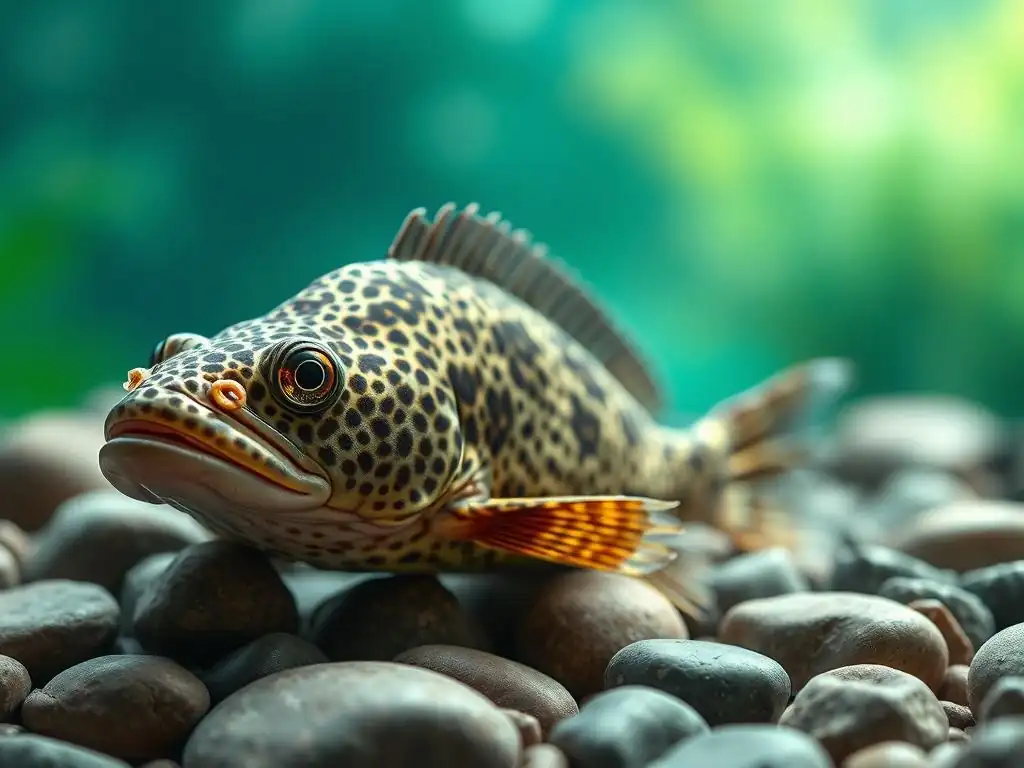
Early recognition of illness is crucial for effective treatment and preventing the spread of disease in your aquarium. For Plecos, Ancistrus, and Otocinclus, common signs of illness include lethargy, unusual hiding, or a complete loss of appetite. Their coloration might appear faded or develop unusual patches. Physical symptoms can include white spots (a classic sign of Ich or White Spot Disease), frayed fins, cloudy eyes, or visible lesions on the body. Labored breathing, indicated by rapid gill movements, is another serious sign.
Changes in behavior, such as erratic swimming, rubbing against decor, or prolonged periods of inactivity, should also raise concern. For Otocinclus, "skinny disease" is a common issue, often stemming from starvation due to insufficient algae or supplemental food; affected fish will appear emaciated with sunken bellies. Any deviation from their normal appearance or behavior warrants close observation and prompt action to diagnose and address the underlying cause, which is often related to water quality issues.
Disease Prevention Through Quarantine and Water Quality
The most effective strategy for preventing disease in Plecos, Ancistrus, and Otocinclus is proactive management, focusing on quarantine and maintaining pristine water quality. A dedicated quarantine tank is an invaluable tool; all new fish should be quarantined for at least 2-4 weeks before being introduced to the main aquarium. This isolation period allows you to observe new fish for signs of illness, treat any potential diseases they might carry without risking your established tank, and ensure they are eating well.
Beyond quarantine, consistently excellent water quality is the single most important factor in disease prevention. Stable water parameters (temperature, pH, hardness) and undetectable levels of ammonia and nitrite, along with low nitrates, are paramount. Regular partial water changes (e.g., 10-25% weekly) remove accumulated toxins and replenish essential minerals. Adequate filtration, avoiding overstocking, and preventing overfeeding all contribute to a healthy, stress-free environment where fish are less susceptible to pathogens. This foundational pleco care tip for beginners cannot be overstated.
Treating Common Diseases
While prevention is always the best approach, understanding how to treat common diseases is an important part of responsible fishkeeping. If signs of illness are observed, accurate diagnosis is the first step. For parasitic infections like Ich (White Spot Disease), treatment often involves raising the water temperature slightly (if compatible with all tank inhabitants) and using an appropriate Ich medication, often combined with aquarium salt. Bacterial infections, which might manifest as fin rot, body sores, or cloudy eyes, typically require broad-spectrum antibiotics or antibacterial treatments. Fungal infections, appearing as cotton-like growths, are treated with antifungal medications.
It is crucial to follow the medication instructions precisely, as incorrect dosages can be harmful. Always remove activated carbon from the filter during treatment, as it will absorb the medication. After treatment, a large water change and a fresh carbon filter insert help remove residual medication. For persistent or undiagnosed issues, consulting a veterinarian specializing in aquatic animals or an experienced aquarist can provide valuable guidance. Remember, treating fish in a quarantine tank is always preferable to treating the main display tank.
Selecting the Right Pleco, Ancistrus, or Otocinclus for Your Aquarium
Matching Species to Tank Size and Temperament
Selecting the appropriate Pleco, Ancistrus, or Otocinclus species for your aquarium is a critical decision that directly impacts the fish's health and the overall balance of your tank. The most common mistake for pleco care tips beginners is purchasing a species that will quickly outgrow their tank. For instance, a Common Pleco ( Hypostomus plecostomus) can reach over 18 inches and requires a tank of 75-150 gallons or more, making it unsuitable for most home aquariums.
In contrast, a Bristlenose Pleco ( Ancistrus spp.) grows to a manageable 4-6 inches and thrives in a 20-30 gallon tank. Otocinclus, being small and schooling, need at least 10-15 gallons for a small group.
Beyond size, consider the temperament of the chosen species and your existing tank inhabitants. Most Ancistrus and Otocinclus are peaceful and make excellent community fish. While many Pleco species are generally docile, some of the larger ones can become territorial or destructive as they mature, rearranging decor or uprooting plants. Always research the specific species' adult size, temperament, and compatibility with your current fish to ensure a harmonious and healthy environment.
Researching Specific Species Requirements
The term "Pleco" encompasses a vast and diverse family of fish, the Loricariidae, with over 1,000 described species, each with unique requirements. Therefore, thorough research into the specific species you are considering is non-negotiable. Don't rely on generic "Pleco care" advice. For instance, a Royal Pleco ( Panaque nigrolineatus) primarily eats wood and requires a very large tank, while a Clown Pleco ( Panaque maccus) is smaller and also wood-eating but has different dietary nuances. An Otocinclus requires a mature tank with soft algae and stable parameters, while a Bristlenose is more adaptable.
Key aspects to research include: precise adult size, specific dietary needs (herbivore, omnivore, xylophage), preferred water parameters (temperature, pH, hardness), social behavior (solitary, schooling), and typical lifespan. Understanding these specific needs before purchase is paramount for successful beginner pleco care. This due diligence ensures you can provide an environment where the fish will not just survive, but truly thrive, preventing common pitfalls and ensuring a rewarding experience.
Sourcing Healthy Fish
Once you've identified the right species for your aquarium, the next crucial step is sourcing healthy specimens. Purchasing from a reputable local fish store or a trusted online breeder significantly increases your chances of acquiring healthy fish. When at a store, take time to observe the fish and their tank environment. Look for fish that are active, alert, and exhibiting natural behaviors. Their fins should be intact and spread, not clamped. Check for clear eyes, no visible injuries, and a healthy, plump (but not bloated) belly.
Equally important is observing the condition of the tank the fish are housed in. Avoid tanks with dead fish, visibly sick fish, or excessively dirty water, as these are indicators of poor husbandry and potential disease outbreaks. Inquire about the fish's origin and how long they have been at the store. A good fish store will provide accurate information and ensure their fish are well-cared for. Sourcing healthy fish is the first line of defense against introducing diseases into your established aquarium and sets the foundation for successful pleco care tips beginners.
Suitable Tank Mates for Plecos, Ancistrus & Otocinclus
Compatible Fish Species
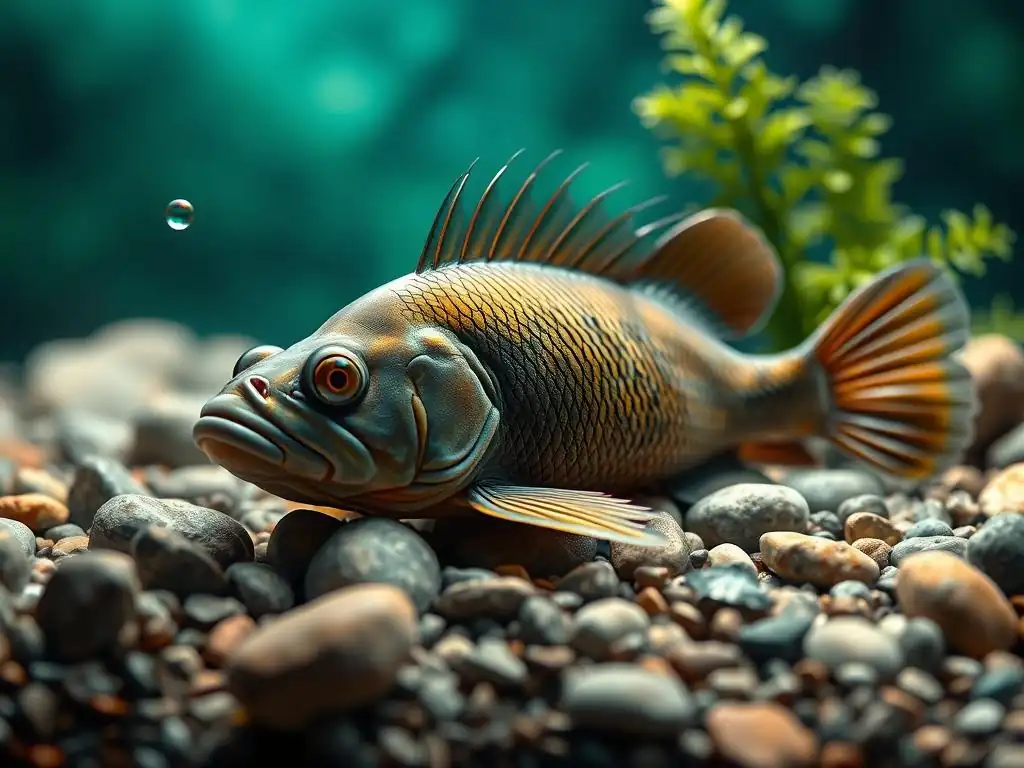
Selecting compatible tank mates is essential for the peaceful coexistence and well-being of Plecos, Ancistrus, and Otocinclus. Generally, these bottom-dwelling fish thrive with peaceful, non-aggressive species that occupy different levels of the water column, minimizing direct competition for space and food. Good choices for tank mates include most species of tetras (e.g., Neon Tetras, Cardinal Tetras, Rummy-nose Tetras), rasboras (e.g., Harlequin Rasboras), Corydoras catfish, peaceful gouramis (e.g., Dwarf Gouramis, Honey Gouramis), and small, non-aggressive schooling barbs.
These species are typically compatible because they have similar water parameter preferences, are not prone to fin-nipping, and do not pose a threat to the slower-moving bottom dwellers. For Otocinclus, which are schooling and particularly sensitive, tank mates should be very docile and not overly boisterous. Ensuring that the tank is adequately sized to accommodate all inhabitants and provides sufficient hiding spots for the Plecos and Ancistrus will further promote a harmonious environment.
Fish Species to Avoid
While Plecos, Ancistrus, and Otocinclus are generally peaceful, certain fish species are unsuitable as tank mates due to their aggressive nature, size, or specific behavioral traits. Large, aggressive cichlids such as Oscars, Jack Dempseys, or Green Terrors should be strictly avoided. These fish can view smaller Plecos and Otocinclus as potential food or may bully and injure larger armored catfish. Fin-nipping species, like some Tiger Barb varieties, can also cause stress and damage to the fins of slower-moving Plecos, leading to secondary infections.
Additionally, avoid very fast or overly competitive eaters, especially when housing Otocinclus or smaller Ancistrus. These fish may outcompete the slower, more deliberate bottom feeders for sinking foods, leading to malnourishment for your algae eaters. Fish that require vastly different water parameters (e.g., extremely hard, alkaline water for African Cichlids) should also be avoided, as compromising on water quality to suit one group will negatively impact the other. Choosing wisely ensures a stress-free environment for all inhabitants.
Monitoring Tank Interactions
Even when carefully selecting compatible tank mates, continuous monitoring of tank interactions is a crucial part of responsible aquarium husbandry and vital for pleco care tips beginners. Fish behavior can sometimes be unpredictable, and subtle signs of stress or aggression might emerge over time. Observe your Plecos, Ancistrus, and Otocinclus during feeding times to ensure they are getting enough food and are not being outcompeted or bullied by faster or more aggressive tank mates. Look for signs of nipped fins, torn barbels, or body scrapes, which indicate physical aggression.
Also, pay attention to their general demeanor. Are they hiding excessively, even during periods when they would normally be active? Are they showing faded coloration or signs of clamped fins? These can be indicators of chronic stress due to incompatible tank mates or an overcrowded environment. If signs of aggression or stress become apparent, be prepared to take action, which may include rearranging decor to break up territories, adding more hiding spots, or, in severe cases, rehoming one or more fish to a more suitable environment.
Advanced Care for Plecos, Ancistrus & Otocinclus
Creating a Biotope Aquarium
For aquarists looking to provide the most enriching environment for their Plecos, Ancistrus, and Otocinclus, creating a biotope aquarium offers an advanced level of care. A biotope aims to replicate a specific natural habitat, including its water chemistry, substrate, decor, and plant life. For instance, many Plecos and Otocinclus originate from the Amazon basin, thriving in blackwater conditions characterized by soft, acidic water (pH 5.5-6.5), stained with tannins from decaying leaf litter and driftwood. Recreating such an environment can significantly enhance their health, coloration, and natural behaviors.
Elements of a biotope might include a fine sand substrate, extensive amounts of driftwood (especially for wood-eating species), dried Indian almond leaves or other botanicals to release tannins, and plants native to the region like Amazon Swords or Cryptocorynes. Precise control over water parameters using RO/DI water remineralized to target specific conditions, along with gentle filtration and subdued lighting, contributes to a truly authentic setup. This specialized approach not only benefits the fish by mimicking their evolutionary environment but also provides a fascinating educational experience for the aquarist, allowing for observation of more natural behaviors.
Managing Algae Growth
While Plecos, Ancistrus, and Otocinclus are invaluable members of the clean-up crew and excellent algae eaters, it's important to understand that they are not a magical "cure-all" for excessive algae growth. Persistent or rampant algae blooms are typically symptoms of underlying imbalances in the aquarium ecosystem, such as too much light, excess nutrients (nitrates and phosphates), or overfeeding. Relying solely on these fish to control severe algae problems will often lead to malnourished fish and continued water quality issues.
Effective algae management involves addressing the root causes. This includes controlling lighting duration (typically 8-10 hours per day), ensuring proper nutrient export through regular water changes, avoiding overfeeding, and maintaining a healthy balance of live plants to outcompete algae for available nutrients. Using a comprehensive approach that combines proper husbandry practices with the natural grazing abilities of your Plecos, Ancistrus, and Otocinclus will lead to a cleaner, healthier, and more aesthetically pleasing aquarium environment for all inhabitants.
Conclusion: Benefits of Keeping Plecos, Ancistrus & Otocinclus.
The world of Plecos, Ancistrus, and Otocinclus offers a fascinating and rewarding dimension to freshwater aquarium keeping. Far beyond their popular role as "algae eaters," these diverse Loricariid catfish contribute significantly to the health and stability of an aquatic ecosystem. From the diligent grazing of Otocinclus to the robust cleaning power of Ancistrus and the unique personalities of various Pleco species, they provide natural algae control, assist in detritus consumption, and add intriguing behavioral dynamics to any tank.
Successfully integrating these unique fish into your aquarium hinges on understanding their specific needs, from appropriate tank sizing and water parameters to specialized diets and suitable tank mates. Adhering to essential pleco care tips beginners, such as thorough research, proper feeding, diligent water quality management, and disease prevention through quarantine, ensures their long-term well-being. Ultimately, providing a thriving environment for these beneficial and beautiful bottom dwellers enriches the aquarium experience, demonstrating the profound benefits of responsible and informed fishkeeping.
Frequently Asked Questions
What are the key differences between Plecos, Ancistrus, and Otocinclus, and why is it important to know them for proper care?
Plecos, Ancistrus (Bristlenose Plecos), and Otocinclus are all algae eaters, but differ significantly in size, temperament, and diet. Understanding these differences is crucial for providing the correct environment and food.
What are the essential water parameters to maintain for a healthy Pleco aquarium, and how often should I test the water?
Maintain stable water parameters, including a pH of 6.5-7.5, temperature of 72-82°F, and low ammonia/nitrite levels. Test your water weekly with a reliable test kit to ensure water quality is optimal.
Besides algae, what foods should I provide to my Pleco to ensure a balanced and nutritious diet, particularly for juvenile Plecos?
Supplement algae with sinking pellets, algae wafers, and blanched vegetables like zucchini and cucumber. Juveniles need a varied diet to support healthy growth and development.
How can I identify common Pleco diseases early on, and what are some effective treatments for these ailments?
Look for signs like clamped fins, bloating, white spots, or lethargy. Common diseases include ich and fungal infections, treatable with appropriate medication after identifying the disease.
What size aquarium is recommended for different types of Plecos, and how important is hiding spaces in their tank setup?
Tank size depends on the species; some Plecos require tanks over 75 gallons. Hiding spaces, such as driftwood and caves, are crucial for providing security and reducing stress.
Final Reflection: A Thriving Ecosystem in Miniature
The insights shared throughout this article, from algae control to understanding the unique needs of Plecos, Ancistrus, and Otocinclus, are more relevant than ever as aquascaping and responsible fishkeeping gain popularity. It's not just about a pretty tank; it's about creating a balanced and thriving ecosystem, even in the confines of our homes. The health and well-being of these often-overlooked algae eaters are intrinsically linked to the overall success of our aquariums.
The journey into understanding these fascinating creatures has profoundly impacted how we perceive the delicate balance within our aquariums. Recognizing their individual needs and contributions transforms us from mere hobbyists into responsible stewards of a miniature world. The greatness of a nation and its moral progress can be judged by the way its animals are treated.
- Mahatma Gandhi. This quote, while not directly about fish, resonates deeply with the ethical considerations of responsible fishkeeping and the respect we owe to all living creatures, no matter how small.
Now, armed with these insights and practical Pleco care tips, I encourage you to reflect on your own aquarium practices. Consider how you can further enhance the lives of these incredible algae eaters and, in doing so, create a more vibrant and sustainable aquatic environment. Let's move beyond simply controlling algae and embrace the opportunity to cultivate a thriving ecosystem where every creature, from the smallest Otocinclus to the most majestic Pleco, can flourish.
Dive Deeper: Unlock the Secrets of a Thriving Aquarium!
Thanks for exploring the world of algae eaters with us! We hope you’ve gained valuable insights into keeping your aquarium clean and healthy. Now, let's put that knowledge into action!
Here are a few things you can do to continue your journey:
- Commit to observing your algae eaters daily for signs of health and happiness – a proactive approach is key to a thriving ecosystem!
- Explore unconventional feeding methods! Have you considered offering blanched zucchini or cucumber? Experiment and share your results!
- Join the Aquarium Mastery community forum and share your experiences with plecos, ancistrus, and otocinclus. Let's learn from each other!
What unique algae-eating strategy will you try first in your aquarium? Share your thoughts in the comments below!