
Do Cardinalfish Need Special Lighting in a Reef Tank Environment?

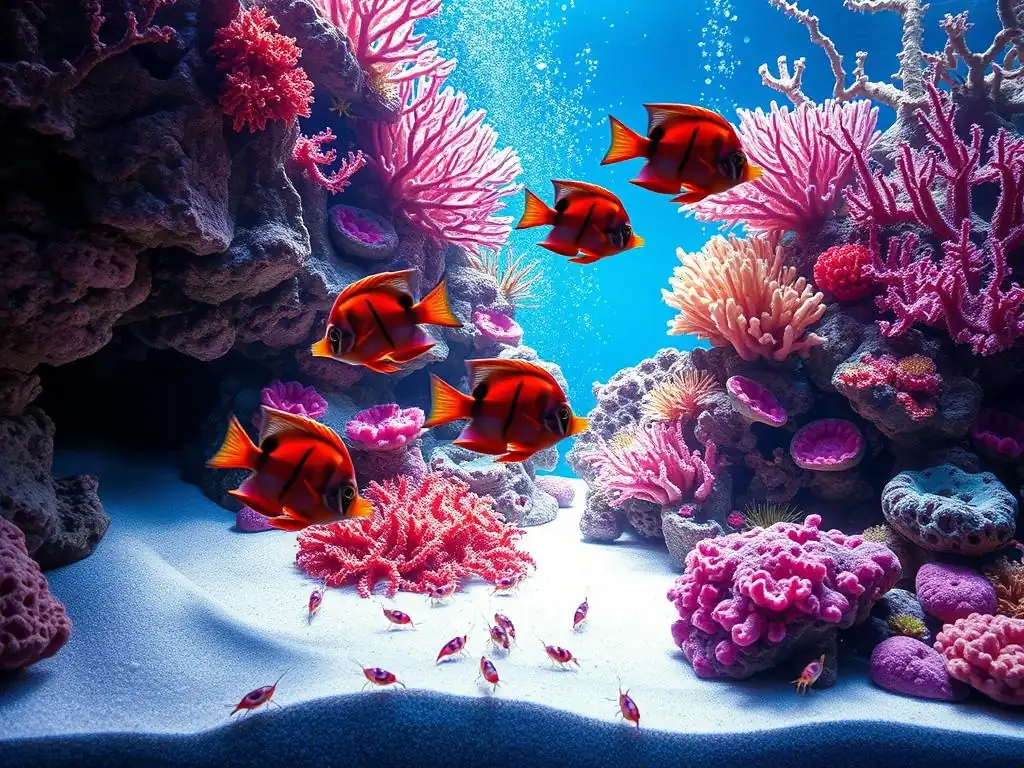
Welcome to Aquarium Mastery! Ever wondered if those shimmering Cardinalfish in your reef tank are truly thriving under your current lighting setup? Discover the surprising secrets to optimal Cardinalfish reef tank lighting and unlock the key to vibrant colors and healthy habits. Dive in to learn more and ensure your Cardinalfish reach their full potential!
- Understanding Cardinalfish and Reef Tank Lighting Requirements
- Cardinalfish Reef Tank Lighting: Specific Needs and Considerations
- Cardinalfish Coloration and Lighting: Enhancing Visual Appeal
- Types of Reef Tank Lighting Suitable for Cardinalfish
- Managing Lighting Intensity for Cardinalfish Well-being
- Lighting and Algae Growth in Cardinalfish Reef Tanks
- Cardinalfish Behavior and Lighting: Stress Reduction
- Combining Cardinalfish with Photosynthetic Corals: A Lighting Strategy
- Cardinalfish Reef Tank Lighting: Troubleshooting Common Issues
- Best Practices for Cardinalfish Reef Tank Lighting
- Case Study: Optimizing Lighting for Pajama Cardinalfish in a Mixed Reef Tank
-
Frequently Asked Questions
- Do Cardinalfish require intense lighting in a reef tank?
- What type of lighting is most suitable for a reef tank housing Cardinalfish?
- How can I tell if the lighting is too strong for my Cardinalfish?
- Can I keep Cardinalfish in a reef tank with high-light demanding corals?
- Does the color spectrum of reef tank lighting affect Cardinalfish?
- Final Reflection: Illuminating the Cardinalfish's World
- Dive Deeper: Illuminate Your Cardinalfish Care Today!
Understanding Cardinalfish and Reef Tank Lighting Requirements
Cardinalfish Natural Habitat and Light Exposure
Cardinalfish, a diverse family encompassing over 200 species, are predominantly found in the Indo-Pacific and Caribbean regions. Unlike many brightly colored reef fish that inhabit shallow, brightly lit waters, cardinalfish species often prefer environments with lower light levels.
Their natural habitats include shaded areas such as caves, crevices, overhangs, and deeper sections of the reef, typically ranging from 5 to 50 meters in depth. Many species, like the popular Pajama Cardinalfish ( Sphaeramia nematoptera) and Banggai Cardinalfish ( Pterapogon kauderni), are crepuscular or nocturnal, meaning they are most active during dawn, dusk, or at night, further indicating their adaptation to subdued lighting.
This preference for dimmer conditions in their natural environment is a critical consideration for Cardinalfish reef tank lighting. Their large eyes, characteristic of many nocturnal or low-light adapted species, are highly efficient at gathering ambient light. Consequently, exposure to the intense, full-spectrum lighting often used in vibrant coral-dominated reef tanks can be overwhelming and stressful for these fish. Understanding their innate need for lower light conditions is the first step in creating a suitable and comfortable habitat within a captive reef environment.
General Reef Tank Lighting Considerations for Fish Health
Reef tank lighting is primarily designed to support the photosynthetic needs of corals, which often require high light intensity and specific spectrums, particularly in the blue range. However, it is essential to remember that the lighting setup must also cater to the well-being of the fish inhabitants. While corals thrive under strong illumination, fish health can be negatively impacted by excessive or inappropriate light. A balanced approach ensures that both corals and fish can coexist harmoniously.
For fish, appropriate Cardinalfish reef tank lighting contributes significantly to their overall health, natural behavior, and vibrant coloration. Insufficient light can lead to lethargy and faded colors, while excessive light can cause chronic stress, leading to hiding, behavioral issues, and even physical ailments. The goal is to provide a light environment that mimics their natural photoperiod and intensity, allowing them to exhibit natural behaviors such as schooling, feeding, and resting without feeling constantly exposed or threatened.
Cardinalfish Reef Tank Lighting: Specific Needs and Considerations
Cardinalfish Sensitivity to Intense Lighting
Cardinalfish, particularly species like the Banggai Cardinalfish and Pajama Cardinalfish, possess large, prominent eyes adapted for low-light conditions. This anatomical feature makes them inherently sensitive to intense illumination. When exposed to overly bright Cardinalfish reef tank lighting, these fish can exhibit clear signs of stress, such as constant hiding behind rockwork, darting frantically, or displaying clamped fins. Prolonged exposure to high PAR (Photosynthetically Active Radiation) levels, which can easily exceed 250-300 PAR in a vibrant coral reef tank, is often far greater than the typical 50-100 PAR found in their natural, shaded habitats.
This sensitivity can lead to chronic stress, which suppresses their immune systems, making them more susceptible to diseases. In severe cases, extreme light intensity can even contribute to eye damage over time, manifesting as cloudiness or cataracts. Therefore, when designing Cardinalfish reef tank lighting, it is crucial to prioritize their comfort by providing a light environment that avoids direct, harsh illumination and offers ample shaded retreats, ensuring their long-term health and well-being.
Ideal Light Spectrum for Cardinalfish in a Reef Aquarium
While photosynthetic corals thrive under specific wavelengths, particularly in the blue and royal blue spectrum (around 400-470 nm), the ideal light spectrum for cardinalfish themselves is more aligned with a broader, balanced spectrum that mimics natural sunlight. A color temperature in the range of 10,000K to 20,000K, which includes a good blend of white light with a sufficient amount of blue, is generally suitable. This spectrum not only supports coral health but also allows cardinalfish to perceive their environment naturally and display their true coloration.
Overly monochromatic blue lighting, while popular for its aesthetic "pop" for corals, can be disorienting and unnatural for cardinalfish. A balanced Cardinalfish reef tank lighting spectrum ensures their visual acuity for identifying food and tank mates, promotes natural schooling behavior, and reduces visual stress. Integrating dimmer white channels alongside blue channels in an LED system, for example, allows aquarists to fine-tune the overall light appearance while maintaining a comfortable environment for these sensitive fish.
Cardinalfish Coloration and Lighting: Enhancing Visual Appeal
Lighting Effects on Cardinalfish Color Development
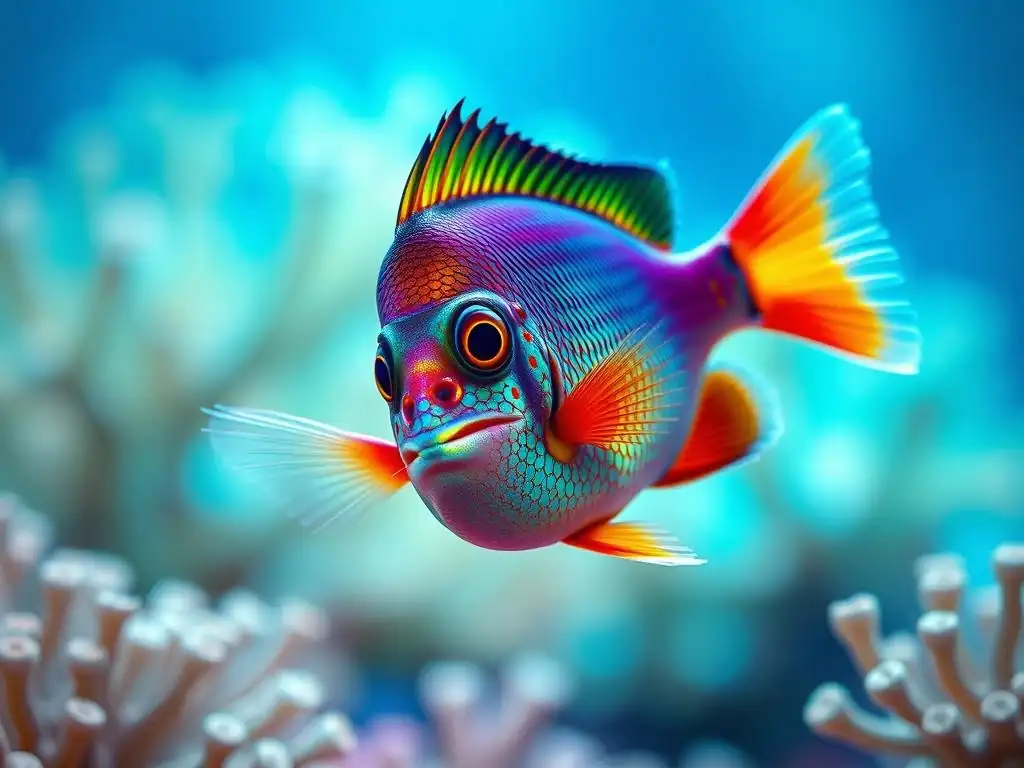
The vibrant colors of cardinalfish, such as the distinct black stripes on a Banggai Cardinalfish or the bold red and yellow patterns of a Pajama Cardinalfish, are influenced by a combination of genetics, diet, water quality, and environmental factors, including lighting. While genetics primarily determine the potential for coloration, appropriate Cardinalfish reef tank lighting can certainly enhance and maintain their vividness. A spectrum that includes a full range of visible light, rather than just heavy blue, can bring out the nuances in their pigmentation.
Conversely, stress caused by inappropriate lighting can lead to faded or dull coloration. If cardinalfish are constantly hiding or exhibiting signs of discomfort due to overly intense light, their colors may become muted as a physiological response to stress. Therefore, providing a lighting environment that encourages natural behavior and reduces stress is essential for the optimal development and display of their inherent beauty.
Choosing Lights to Showcase Cardinalfish Beauty
When selecting Cardinalfish reef tank lighting specifically to showcase their beauty, flexibility and spectral control are key. LED fixtures are highly recommended due to their ability to adjust both intensity and spectrum. Lights with a high Color Rendering Index (CRI) will accurately represent the true colors of your fish. Avoid lighting that casts a heavily monochromatic tone, as this can wash out certain colors or create an unnatural appearance.
Instead, opt for programmable LED systems that allow you to customize the balance between white, blue, and other colored channels (like red or green). A gentle mix that mimics natural sunlight, perhaps leaning slightly towards the bluer end for a reef aesthetic, will make the intricate patterns and iridescence of cardinalfish truly pop. For instance, a light setting that provides a balanced 14,000K-16,000K appearance during peak hours often highlights the contrasting stripes and spots on species like the Banggai Cardinalfish effectively, without overwhelming them.
Types of Reef Tank Lighting Suitable for Cardinalfish
LED Lighting for Cardinalfish Reef Tanks: Pros and Cons
LED (Light Emitting Diode) lighting has become a dominant choice for reef tanks due to its versatility and efficiency. For Cardinalfish reef tank lighting, LEDs offer significant advantages, primarily their precise control over intensity and spectrum. High-quality LED fixtures allow users to dim the lights to very low levels, program dawn-to-dusk cycles, and fine-tune individual color channels (e.g., white, blue, red, green). This adaptability is crucial for creating a comfortable environment for light-sensitive cardinalfish while still meeting the needs of photosynthetic corals. LEDs also boast high energy efficiency and a remarkably long lifespan, often exceeding 50,000 hours, which translates to lower long-term operating costs and less frequent replacement compared to other lighting types.
However, LEDs also have some drawbacks. The initial investment for a high-quality LED system can be considerably higher than other lighting options. Additionally, some cheaper or older LED units might suffer from poor spectrum blending, creating "disco ball" effects or concentrated "hot spots" of light, which can be particularly stressful for cardinalfish if not properly diffused or positioned. While modern LEDs have largely addressed these issues, careful selection and thoughtful placement are still essential to ensure even light distribution and prevent visual discomfort for your cardinalfish.
T5 Lighting Options for Cardinalfish and Reef Health
T5 (Fluorescent) lighting, specifically high-output (HO) T5 bulbs, has long been a staple in the reef keeping hobby and remains a viable option for Cardinalfish reef tank lighting. One of the primary benefits of T5 lighting is its excellent light spread and uniform PAR distribution across the tank. Unlike the more concentrated beams often associated with LEDs, T5s provide a broad, even blanket of light, which can be less harsh and more natural for fish like cardinalfish, reducing the likelihood of intense hot spots. They also offer good color rendition and have a proven track record for supporting vibrant coral growth. Aquarists can customize the spectrum by selecting different bulb combinations (e.g., actinic blue, daylight white, coral plus) to achieve a desired aesthetic and support both corals and fish.
Despite their benefits, T5 lighting comes with certain considerations. They produce more heat than LEDs, which can contribute to higher tank temperatures, potentially requiring additional cooling solutions. T5 bulbs also have a limited lifespan, typically needing replacement every 9-12 months to maintain optimal performance and spectrum, adding to the ongoing maintenance cost and effort. While less energy-efficient than LEDs, T5s remain a reliable choice for a balanced Cardinalfish reef tank lighting setup, particularly for aquarists who prefer a more diffuse light source.
Metal Halide Lighting: Is it Appropriate for Cardinalfish?
Metal halide (MH) lighting was once the gold standard for reef tanks, particularly for growing demanding SPS (Small Polyp Stony) corals due to its intense light output and excellent PAR penetration into deeper tanks. Metal halides create a strong "shimmer" effect, mimicking natural sunlight on the water's surface. However, for Cardinalfish reef tank lighting, metal halides are generally considered less appropriate due to their inherent characteristics. The sheer intensity of metal halide bulbs, often producing PAR values far exceeding what cardinalfish are comfortable with, can be a significant source of stress.
Furthermore, metal halides generate substantial heat, which can lead to higher tank temperatures and increased evaporation. They also consume significantly more electricity than T5s or LEDs, leading to higher operating costs. Like T5s, metal halide bulbs require replacement every 6-12 months to maintain their optimal spectrum and intensity. While they can grow corals exceptionally well, the high intensity and heat output of metal halides typically make them an unsuitable primary light source for a tank where the comfort of light-sensitive fish like cardinalfish is a priority, unless the tank is exceptionally deep and offers vast, consistent shaded areas.
Managing Lighting Intensity for Cardinalfish Well-being
Acclimation to New Lighting Systems
When introducing cardinalfish to a new reef tank or upgrading your Cardinalfish reef tank lighting system, a gradual acclimation process is paramount for their well-being. Sudden changes in light intensity or spectrum can be a major source of stress, leading to hiding, faded colors, and a general decline in health. For new fish, it's advisable to start with lower light intensity, perhaps 30-50% of the planned peak output, for the first few days to a week. This allows the fish to adjust to their new surroundings and the light conditions without being overwhelmed.
Over the subsequent weeks, the light intensity can be slowly ramped up by 5-10% increments each week, while closely observing the cardinalfish's behavior. If they exhibit signs of stress, such as constant hiding or frantic swimming, the intensity increase should be paused or even slightly reduced. This slow, methodical approach to Cardinalfish reef tank lighting acclimation minimizes shock, promotes natural adaptation, and ensures that the fish settle comfortably into their new environment.
Using Dimming Options and Light Cycles
Modern Cardinalfish reef tank lighting systems, especially LEDs, offer advanced dimming capabilities and programmable light cycles, which are invaluable for creating an optimal environment for cardinalfish. Implementing a dawn-to-dusk cycle is highly recommended; this mimics the natural progression of sunlight, starting with very low intensity (like moonlight or twilight), gradually ramping up to peak intensity during the day, and then slowly dimming back down to darkness. A typical cycle might involve a 1-2 hour ramp-up, 8-10 hours of peak light, and a 1-2 hour ramp-down, followed by a period of complete darkness or a very dim moonlight phase.
This gradual transition significantly reduces stress for cardinalfish, preventing the abrupt shock of lights suddenly turning on or off. The ability to fine-tune the peak intensity ensures that while corals receive sufficient light, the overall PAR levels remain within a comfortable range for cardinalfish (e.g., keeping peak PAR below 150-200 in areas where fish congregate). Consistent light cycles also help establish a stable routine for the fish, promoting natural feeding behaviors and overall well-being.
Lighting and Algae Growth in Cardinalfish Reef Tanks
Balancing Light for Corals and Algae Control
One of the persistent challenges in reef keeping is balancing the need for sufficient Cardinalfish reef tank lighting for coral photosynthesis with the desire to control nuisance algae growth. Algae, like corals, are photosynthetic organisms and will proliferate rapidly if light levels are too high, especially when combined with elevated nutrient levels (nitrates and phosphates). While cardinalfish themselves do not directly influence algae growth through their lighting needs, their comfort level often dictates a more moderate light intensity, which can inadvertently benefit algae control.
To strike this balance, it's crucial to optimize the light spectrum and photoperiod for your specific coral inhabitants, ensuring they receive adequate PAR without being excessive. For example, a photoperiod of 8-10 hours of main light is typically sufficient for most corals and less likely to fuel rampant algae growth than a 12-14 hour cycle. Regularly testing water parameters to keep nitrates below 10 ppm and phosphates below 0.05 ppm is also vital. By maintaining stable parameters and providing appropriate Cardinalfish reef tank lighting, you can encourage healthy coral growth while minimizing the conditions that lead to undesirable algae blooms.
If an algae bloom occurs, Cardinalfish reef tank lighting can be a significant contributing factor, particularly if the intensity is too high or the photoperiod is too long. Common nuisance algae types like diatoms, hair algae, and cyanobacteria can quickly take over a tank. Often, these blooms are triggered by an imbalance of light and nutrients, such as during the initial cycling phase of a new tank or after a sudden increase in light intensity.
To address algae blooms related to lighting, several strategies can be employed. The most direct approach is to reduce the photoperiod by 1-2 hours daily for a week or two, or to slightly dim the overall light intensity. This can help starve the algae of some of its energy source. Simultaneously, focus on improving nutrient export through regular water changes (e.g., 10-20% weekly), ensuring adequate protein skimming, and using phosphate-removing media if necessary. While adjusting the Cardinalfish reef tank lighting might temporarily impact coral growth, prioritizing algae control is essential for the long-term health and aesthetic of the entire system, including the cardinalfish.
Cardinalfish Behavior and Lighting: Stress Reduction
Signs of Stress from Excessive Lighting
Observing the behavior of your cardinalfish is crucial for determining if your Cardinalfish reef tank lighting is too intense. Signs of stress from excessive lighting are often quite clear. Cardinalfish may constantly hide in shaded areas, such as behind rockwork or in caves, refusing to venture into open, brightly lit zones. They might exhibit rapid breathing, clamped fins (where fins are held close to the body), or darting, erratic movements as if trying to escape the light. In some cases, they may even show aggression towards tank mates due to heightened anxiety.
Chronic stress from inappropriate lighting can also manifest as a refusal to eat, leading to weight loss and weakened immunity. Furthermore, their vibrant colors may fade, becoming duller than usual. Recognizing these behavioral cues promptly allows you to make necessary adjustments to your Cardinalfish reef tank lighting, preventing long-term health issues and ensuring your fish remain active, colorful, and comfortable in their environment.
Creating Shade and Refuge Areas for Cardinalfish
Regardless of how well your Cardinalfish reef tank lighting is managed, providing ample shade and refuge areas within the aquascape is indispensable for the well-being of cardinalfish. These fish are naturally inclined to seek shelter from intense light, and having readily available hiding spots allows them to retreat and feel secure when needed. Live rock is excellent for this purpose, as it can be arranged to create numerous caves, overhangs, and crevices.
When aquascaping, consider creating multi-tiered rock structures that offer varying levels of light exposure. Taller, more intricate rock formations can provide deep shadows at their base or under ledges, which are perfect for cardinalfish. Even large, branching corals, once established, can offer dappled light and shaded areas. By thoughtfully designing your aquascape to include these natural retreats, you empower your cardinalfish to manage their own light exposure, significantly reducing stress and promoting more natural and confident behavior, even under a moderately lit Cardinalfish reef tank lighting system.
Combining Cardinalfish with Photosynthetic Corals: A Lighting Strategy
Selecting Corals Compatible with Cardinalfish Lighting Needs
Successfully combining light-sensitive cardinalfish with photosynthetic corals requires a strategic approach to Cardinalfish reef tank lighting. The key is to select corals that thrive in moderate to low light conditions, thereby aligning with the comfort levels of cardinalfish. Excellent choices include various soft corals such as Zoanthids, Mushrooms ( Discosoma, Rhodactis), and Leather Corals ( Sarcophyton, Lobophytum). Many Large Polyp Stony (LPS) corals are also suitable, including Euphyllia (Frogspawn, Hammer, Torch), Blastomussa, Acanthastrea, and Favia.
These corals generally require PAR levels in the range of 50-150 PAR, which is significantly lower than the 200-400+ PAR often needed for demanding Small Polyp Stony (SPS) corals. By focusing on these less light-demanding species, you can maintain a Cardinalfish reef tank lighting setup that supports vibrant coral growth without overwhelming your cardinalfish, creating a harmonious and aesthetically pleasing mixed-reef environment.
Adjusting Lighting for Coral Growth and Cardinalfish Health
When integrating cardinalfish into a reef tank with photosynthetic corals, the goal is to find a middle ground for Cardinalfish reef tank lighting that satisfies both inhabitants. If you wish to keep some corals that prefer slightly higher light, strategically place them higher in the tank or directly under the most intense light zones. Conversely, ensure that the lower sections of the tank and areas with significant rockwork provide ample shaded retreats where cardinalfish can escape the direct light.
Using a PAR meter to map the light intensity throughout your tank can be incredibly beneficial. This allows you to identify specific zones within the aquarium: areas with higher PAR (e.g., 150-200 PAR) for moderately light-demanding corals, and crucial lower PAR zones (e.g., 50-100 PAR) for cardinalfish comfort. Programmable LED systems are ideal for this, as they allow for precise control over intensity and spectrum, enabling you to create a lighting gradient that supports both coral growth and the well-being of your cardinalfish, leading to a thriving mixed reef.
Cardinalfish Reef Tank Lighting: Troubleshooting Common Issues
Addressing Fading Colors in Cardinalfish
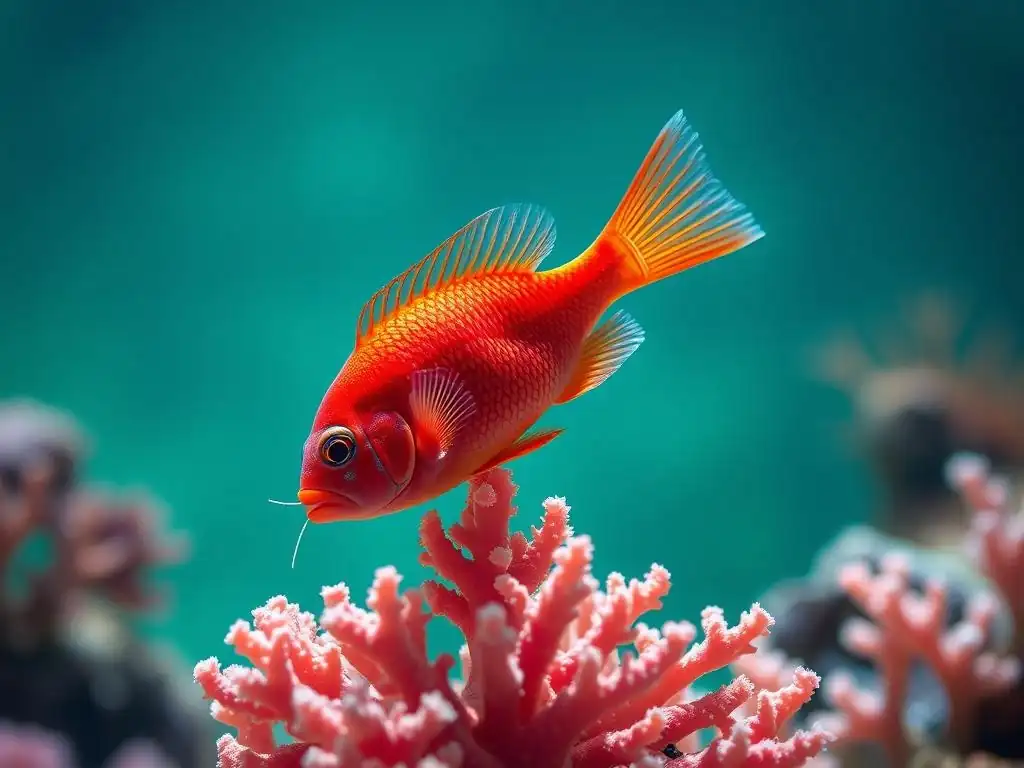
Fading colors in cardinalfish can be a distressing sign for any aquarist, and while multiple factors like diet, water quality, and disease can contribute, Cardinalfish reef tank lighting is often a strong suspect. If the lighting is too intense or the spectrum is imbalanced, cardinalfish may become chronically stressed, leading to a dulling of their natural vibrant hues. For instance, a tank with excessively blue lighting might not allow red or yellow pigments to be fully expressed, making the fish appear washed out.
To address fading colors related to lighting, first, review your Cardinalfish reef tank lighting intensity. If PAR levels are consistently high (e.g., above 200 PAR in fish-dominant areas), consider gradually dimming the lights. Next, evaluate the spectrum; ensure a balanced mix of white and blue light rather than an overly dominant blue. Also, confirm that the fish have ample shaded areas to retreat to. Alongside lighting adjustments, ensure a varied, high-quality diet rich in color-enhancing foods (e.g., spirulina, astaxanthin) and maintain pristine water parameters (stable temperature, salinity, low nitrates/phosphates).
Preventing Eye Damage from Intense Light
Cardinalfish, with their characteristically large eyes adapted for low-light environments, are particularly susceptible to eye damage from intense Cardinalfish reef tank lighting. Prolonged exposure to very high PAR levels or direct, unshaded light can lead to conditions such as cataracts (clouding of the lens) or general eye irritation, which can impair their vision and overall health. This is a critical concern, as impaired vision can affect their ability to find food, navigate, and avoid predators or aggressive tank mates.
To prevent eye damage, several preventative measures are essential. Ensure that your Cardinalfish reef tank lighting is adequately diffused, avoiding harsh, concentrated beams of light that can create "hot spots" directly overhead. If using powerful LED fixtures, consider using diffusers or raising the light fixture higher above the water surface to spread the light more evenly. Most importantly, provide plenty of natural hiding spots and shaded areas within the aquascape, such as caves, overhangs, and dense rockwork, allowing cardinalfish to retreat from the light whenever they feel overwhelmed. Regularly observe your cardinalfish's eyes for any signs of cloudiness or abnormal behavior related to light exposure.
Best Practices for Cardinalfish Reef Tank Lighting
Recommended Lighting Schedules for Cardinalfish
For optimal cardinalfish health and behavior in a reef tank, a carefully planned lighting schedule is essential. A common best practice for Cardinalfish reef tank lighting involves a photoperiod of 8-10 hours of main light per day. This duration is generally sufficient for most photosynthetic corals while being considerate of the cardinalfish's light sensitivity. Crucially, this main light period should be accompanied by gradual ramp-up and ramp-down phases, typically lasting 1-2 hours each.
For example, a schedule might start with a dim "moonlight" phase from 6:00 AM to 8:00 AM, followed by a gentle ramp-up to peak intensity from 8:00 AM to 9:00 AM. The main light then runs from 9:00 AM to 7:00 PM, followed by a ramp-down from 7:00 PM to 8:00 PM, transitioning back to moonlight or complete darkness. Consistency is key; maintaining the same schedule daily helps establish a natural rhythm for the fish, reducing stress and encouraging predictable behaviors like feeding and schooling.
Monitoring Lighting and Water Parameters
Effective Cardinalfish reef tank lighting is not a "set it and forget it" task; it requires ongoing monitoring and occasional adjustments. Regularly observing your cardinalfish's behavior is the simplest and most direct way to gauge their comfort level with the current lighting. Look for signs of stress, such as hiding, darting, or faded colors. If possible, using a PAR meter to periodically measure the actual light intensity at various depths and locations within your tank can provide valuable quantitative data, allowing for precise adjustments to intensity and placement.
Furthermore, remember that lighting is interconnected with other crucial water parameters. Excessive light can contribute to nuisance algae, which in turn impacts water quality. Therefore, consistently monitoring parameters such as temperature (ideally 76-78°F), salinity (1.024-1.026), alkalinity (8-11 dKH), calcium (400-450 ppm), and magnesium (1300-1400 ppm) is vital. Stable water chemistry supports overall fish health, making them more resilient to environmental factors, including light. Regular checks and proactive adjustments are cornerstones of successful Cardinalfish reef tank lighting and reef keeping.
Case Study: Optimizing Lighting for Pajama Cardinalfish in a Mixed Reef Tank
Lighting Equipment Used: AI Prime 16HD LED
In a 40-gallon breeder mixed reef tank housing six Pajama Cardinalfish ( Sphaeramia nematoptera), the choice of Cardinalfish reef tank lighting was an AI Prime 16HD LED fixture. This particular LED unit was selected for its advanced programmability, allowing for precise control over spectral output and intensity. The tank's dimensions (36"L x 18"W x 16"H) meant that a single AI Prime 16HD could provide ample coverage, particularly given the cardinalfish's preference for moderate light.
The initial Cardinalfish reef tank lighting settings were deliberately conservative. The fixture was programmed to a maximum intensity of 50% across all channels, with a photoperiod of 9 hours of main light preceded by a 1.5-hour ramp-up and followed by a 1.5-hour ramp-down. The spectrum was initially set to mimic a 14,000K appearance, leaning slightly more towards blue (royal blue and blue channels at 70%, white at 40%, red/green at 10%) to provide a visually appealing aesthetic for corals while ensuring the overall intensity was not overwhelming for the cardinalfish.
Observed Cardinalfish Health, Behavior, and Coral Growth
Over a period of two months, the Pajama Cardinalfish exhibited excellent health and natural behaviors under these optimized Cardinalfish reef tank lighting conditions. They displayed consistently vibrant coloration, with their distinct red and yellow patterns appearing crisp and bright. The schooling behavior was prominent, with the group often swimming together in the open water column, only occasionally retreating into the rockwork for brief periods of rest. There were no observed signs of stress, such as clamped fins, rapid breathing, or excessive hiding; they were active and readily accepted food during feeding times.
Concurrently, the photosynthetic corals in the mixed reef thrived. LPS corals, specifically Euphyllia divisa (Frogspawn) and Blastomussa wellsi, showed excellent polyp extension and noticeable growth. Zoanthids also expanded rapidly and maintained their vibrant coloration. This case study demonstrates that a well-chosen and carefully adjusted Cardinalfish reef tank lighting strategy, prioritizing moderate intensity and a balanced spectrum, can successfully support the health and natural behavior of light-sensitive cardinalfish while simultaneously fostering healthy growth in a variety of photosynthetic corals, achieving a balanced and thriving reef ecosystem.
Frequently Asked Questions
Do Cardinalfish require intense lighting in a reef tank?
No, Cardinalfish generally prefer lower lighting conditions. They are often found in shaded areas in their natural reef habitats and can be stressed by bright, intense lighting.
What type of lighting is most suitable for a reef tank housing Cardinalfish?
A moderate intensity LED lighting system is generally recommended. This allows for coral growth while providing shaded areas that Cardinalfish can retreat to.
How can I tell if the lighting is too strong for my Cardinalfish?
Signs of stress from excessive lighting can include hiding excessively, faded coloration, and reduced feeding activity. Observe your Cardinalfish closely for these behavioral changes.
Can I keep Cardinalfish in a reef tank with high-light demanding corals?
Yes, but you'll need to create shaded areas within the tank. This can be achieved using rockwork, overhangs, or by strategically placing corals to block some of the light.
Does the color spectrum of reef tank lighting affect Cardinalfish?
While not as critical as intensity, a balanced color spectrum mimicking natural reef conditions is beneficial. Avoid excessively blue or white light, as natural daylight spectrums are usually best.
Final Reflection: Illuminating the Cardinalfish's World
The exploration of Cardinalfish reef tank lighting has revealed more than just technical specifications; it's highlighted the delicate balance we strive to create within our home aquariums. Understanding the specific needs of these captivating creatures, particularly their sensitivity to light, underscores our responsibility as stewards of these miniature ecosystems. The insights gained are not just about keeping Cardinalfish alive, but about fostering an environment where they can truly thrive.
This journey into the nuances of reef tank lighting has profoundly influenced my perspective on aquarium keeping. It's a constant reminder that successful reef keeping is not just about aesthetics, but about understanding and respecting the biological needs of each inhabitant. In the end, we will conserve only what we love; we will love only what we understand; and we will understand only what we are taught.
- Baba Dioum. This quote encapsulates the importance of continuous learning and empathy in our pursuit of creating thriving reef environments.
Now, I invite you to reflect on your own reef keeping practices. Consider how you can further optimize your lighting to better suit the needs of all your aquatic inhabitants, especially those, like the Cardinalfish, that require a more gentle touch. Let's strive to create not just visually stunning tanks, but truly harmonious ecosystems where every creature can flourish under the right light.
Dive Deeper: Illuminate Your Cardinalfish Care Today!
Thanks for exploring the fascinating world of cardinalfish and their lighting needs! Now that you're equipped with the knowledge to optimize their environment, it's time to take action and truly enhance their well-being.
Here's how you can make a difference:
- Start monitoring your cardinalfish's behavior closely under your current lighting. Note any changes in coloration, feeding habits, or activity levels.
- Share your unique experiences with cardinalfish lighting in the comments below. What has worked (or not worked) for you?
- Explore other fascinating reef inhabitants! Research a new species and consider how you can create a more diverse and thriving aquarium ecosystem.
Ready to transform your aquarium into a cardinalfish paradise? What small change will you implement this week to improve their light exposure and overall happiness?