
Acclimating Your New Triggerfish: Minimizing Stress and Initial Aggression

Welcome to Aquarium Mastery!
Ever wondered how to ensure your new Triggerfish thrives from day one? Dive into our comprehensive guide on Triggerfish acclimation stress tips and unlock the secrets to a smooth transition for these captivating, yet sometimes challenging, aquatic additions. Discover proven methods to minimize stress and initial aggression, setting the stage for a vibrant and harmonious saltwater aquarium. Ready to learn more? Let's get started!
- Acclimating Your New Clown Triggerfish: Minimizing Stress and Initial Aggression
- Understanding Clown Triggerfish Acclimation Challenges
- Pre-Acclimation Preparation: Setting the Stage for Success
- Step-by-Step Clown Triggerfish Acclimation Process: A Detailed Guide
- Post-Acclimation Monitoring and Care: Ensuring a Smooth Transition
- Addressing Common Clown Triggerfish Acclimation Problems
- Long-Term Care Considerations for Clown Triggerfish
- Clown Triggerfish Acclimation Stress Tips: Summary and Key Takeaways
-
Frequently Asked Questions
- How long should I float the bag containing my new Triggerfish in the aquarium before releasing it?
- What is the best way to acclimate a Triggerfish to new water parameters?
- What are some signs of acclimation stress in Triggerfish?
- How can I reduce aggression from my Triggerfish towards other tank inhabitants during acclimation?
- What should I feed my Triggerfish immediately after acclimation to encourage a healthy start?
- Final Reflection: Navigating the Waters of New Beginnings
- Dive Deeper: Transform Your Triggerfish Introduction!
Acclimating Your New Clown Triggerfish: Minimizing Stress and Initial Aggression
Understanding Clown Triggerfish Acclimation Challenges
Why Clown Triggerfish are Prone to Acclimation Stress
Clown Triggerfish (Balistoides conspicillum) are magnificent marine fish, but their vibrant appearance belies a sensitive nature, making them highly susceptible to stress during acclimation. Originating from expansive reef environments across the Indo-Pacific, these fish are accustomed to vast territories and stable water conditions. The process of capture, transport, and introduction to a new, confined environment represents a profound disruption to their natural instincts and physiological equilibrium. This sudden shift can trigger elevated cortisol levels, suppressing their immune system and making them vulnerable to disease.
Their inherent intelligence and territoriality further contribute to their stress susceptibility. When confined in shipping bags or introduced to a new tank, they perceive the limited space and unfamiliar surroundings as threats, which can manifest as extreme anxiety. Even minor fluctuations in water parameters, such as pH or salinity, during transit can have a disproportionately large impact on their delicate internal balance, leading to osmotic shock. Recognizing these intrinsic sensitivities is the first crucial step in developing effective Triggerfish acclimation stress tips.
Recognizing Signs of Stress in Newly Acclimated Clown Triggerfish
Prompt identification of stress signs is vital for successful acclimation. A newly introduced Clown Triggerfish under duress may exhibit several observable symptoms. Physically, look for clamped fins where their dorsal and anal fins are held close to their body, rapid gilling (breathing rate exceeding 60-80 breaths per minute), and faded or dull coloration, where their typically vivid patterns lose their intensity. They might also hide excessively, refusing to explore their new surroundings, or display erratic swimming patterns, such as darting quickly or swimming aimlessly.
Behaviorally, stress can manifest as a complete refusal to eat, even preferred foods, for several days. They might also "flash" or rub their bodies against tank decorations or the substrate, an attempt to dislodge perceived irritants or parasites, often a precursor to parasitic infections like Ich. Lethargy, spending prolonged periods at the bottom of the tank, or showing unusual aggression towards reflections or the aquarist are also clear indicators of a stressed state. Early detection of these signs is paramount for applying timely Triggerfish acclimation stress tips and interventions.
Pre-Acclimation Preparation: Setting the Stage for Success
Quarantine Tank Setup for Clown Triggerfish Acclimation
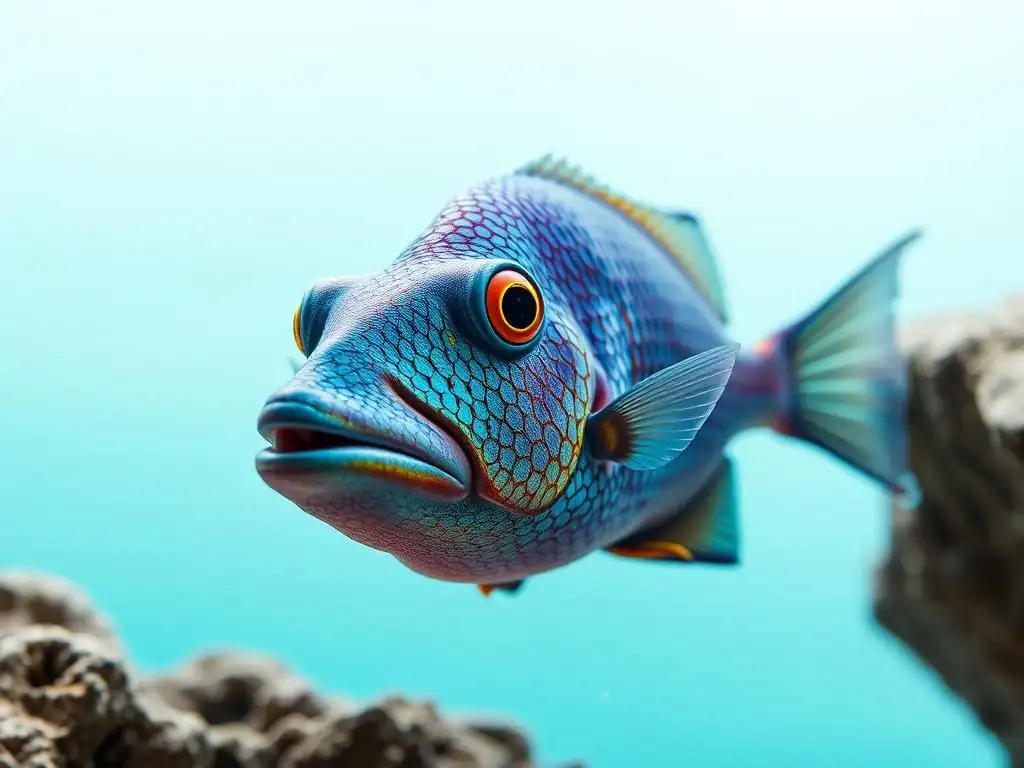
A dedicated quarantine tank (QT) is absolutely non-negotiable for the successful acclimation of a Clown Triggerfish. For a juvenile specimen, a minimum 50-75 gallon QT is recommended, allowing ample space for movement and reducing initial confinement stress; adult Clown Triggers can reach 18-20 inches and will require significantly larger display tanks. The QT should be equipped with essential, basic life support: a reliable heater to maintain stable temperatures, a small powerhead for gentle water circulation, and a mature, cycled sponge filter or hang-on-back (HOB) filter. Adequate biological filtration is critical to manage waste produced by the new fish.
A bare-bottom QT is highly advantageous for a Clown Triggerfish acclimation. This setup simplifies cleaning, prevents the accumulation of detritus that can harbor pathogens, and makes it easier to observe the fish for signs of disease, such as white spots or lesions, against a clear background. Provide non-porous hiding places like PVC pipes (e.g., 4-6 inch diameter for a medium-sized trigger) or ceramic caves. These serve as immediate refuges, significantly reducing the fish's initial anxiety and providing essential Triggerfish acclimation stress tips through environmental enrichment.
Optimizing Water Parameters for Clown Triggerfish Health
Before your new Clown Triggerfish arrives, meticulously optimize and stabilize the quarantine tank's water parameters. Target a salinity level between 1.023 and 1.026 specific gravity (SG), a temperature range of 76-80°F (24-27°C), and a stable pH between 8.1 and 8.4. Crucially, ammonia and nitrite levels must be undetectable (0 ppm), and nitrates should be kept below 20 ppm. Use high-quality test kits to confirm these parameters are met and maintained consistently.
It is beneficial, if possible, to ascertain the water parameters of the shipping bag and attempt to match them initially in the QT before slowly adjusting to optimal levels over hours or days. This minimizes the shock of a sudden environmental change. While not directly consumed, stable alkalinity (dKH 8-12) and calcium (400-450 ppm) also contribute to overall water stability and the fish's physiological well-being, even for a non-coral inhabitant. Consistent water quality is one of the most fundamental Triggerfish acclimation stress tips.
Preparing Food and Hiding Places for the New Clown Triggerfish
Having appropriate food on hand is vital for encouraging a newly acclimated Clown Triggerfish to eat, which is a strong indicator of reduced stress. Prepare a variety of high-quality, meaty frozen foods such as mysis shrimp, krill, silversides, and chopped seafood like shrimp and squid. Clown Triggers are carnivores and require a diverse diet to thrive and maintain their vibrant coloration. Avoid offering large quantities initially; small, frequent feedings are better to prevent water quality degradation.
Equally important are ample and secure hiding places. Clown Triggerfish are naturally wary and territorial, especially when introduced to a new environment. Providing several options for shelter, such as large diameter PVC pipes (e.g., 4-inch diameter for a 6-inch fish, scaling up with fish size), ceramic caves, or non-porous rock structures, allows them to feel secure. These refuges reduce visual stress and provide a sense of safety, which are critical Triggerfish acclimation stress tips for a successful transition.
Step-by-Step Clown Triggerfish Acclimation Process: A Detailed Guide
Step 1: Temperature Acclimation - Floating the Bag
Upon arrival, the very first step in acclimating your Clown Triggerfish is to equalize the water temperature. Do this by placing the sealed shipping bag directly into the quarantine tank. Allow the bag to float for approximately 15 to 20 minutes. This gradual process ensures that the water temperature inside the bag slowly matches that of the quarantine tank, preventing temperature shock, which can be a significant stressor for marine fish.
During this temperature equalization period, it is crucial not to open the shipping bag. Opening the bag prematurely would expose the fish to the ambient air, allowing carbon dioxide to escape from the shipping water. This rapid gas exchange can cause a sudden and potentially fatal pH spike due to the release of CO2, which acts as an acid buffer. Keeping the bag sealed maintains the stable, albeit temporary, CO2/pH balance within the bag, minimizing one of the major Triggerfish acclimation stress tips to avoid.
Step 2: Drip Acclimation for Saltwater Adjustment
Once the temperature is equalized, carefully open the shipping bag and roll down the edges to create a floatable rim. Place the entire contents of the bag (fish and shipping water) into a clean bucket or container. Next, use a length of airline tubing and a small air valve or simply tie a loose knot in the tubing to create a slow drip. Initiate a siphon from the quarantine tank into the bucket, aiming for a drip rate of about 1 to 2 drops per second.
This drip acclimation process should ideally last for at least 60 to 90 minutes, or even longer (up to 2-3 hours) if there's a significant difference in salinity or pH between the shipping water and your quarantine tank. The goal is to slowly and gradually equalize the salinity, pH, and other water parameters, allowing the Clown Triggerfish's osmoregulation system to adjust without shock.
The water volume in the bucket should at least double, preferably triple, during this period, ensuring a thorough dilution of the original shipping water. This slow, deliberate approach is a cornerstone of effective Triggerfish acclimation stress tips.
Step 3: Introducing the Clown Triggerfish to the Quarantine Tank
After the drip acclimation is complete, carefully net the Clown Triggerfish from the acclimation bucket. It is critical to avoid transferring any of the shipping water into your quarantine tank. Shipping water can contain high levels of ammonia, nitrites, nitrates, and potentially pathogens or parasites from the collection and transport process. Discard the water from the bucket responsibly.
Gently release the netted Clown Triggerfish into the quarantine tank. To further minimize stress during this critical transition, it is advisable to turn off the aquarium lights for the first few hours after introduction. This provides a calmer, darker environment for the fish to explore its new surroundings and find hiding spots without being startled. Observe the fish from a distance, allowing it to settle in without disturbance. This final step, executed with care, solidifies the successful implementation of Triggerfish acclimation stress tips.
Post-Acclimation Monitoring and Care: Ensuring a Smooth Transition
Observing Clown Triggerfish Behavior in Quarantine
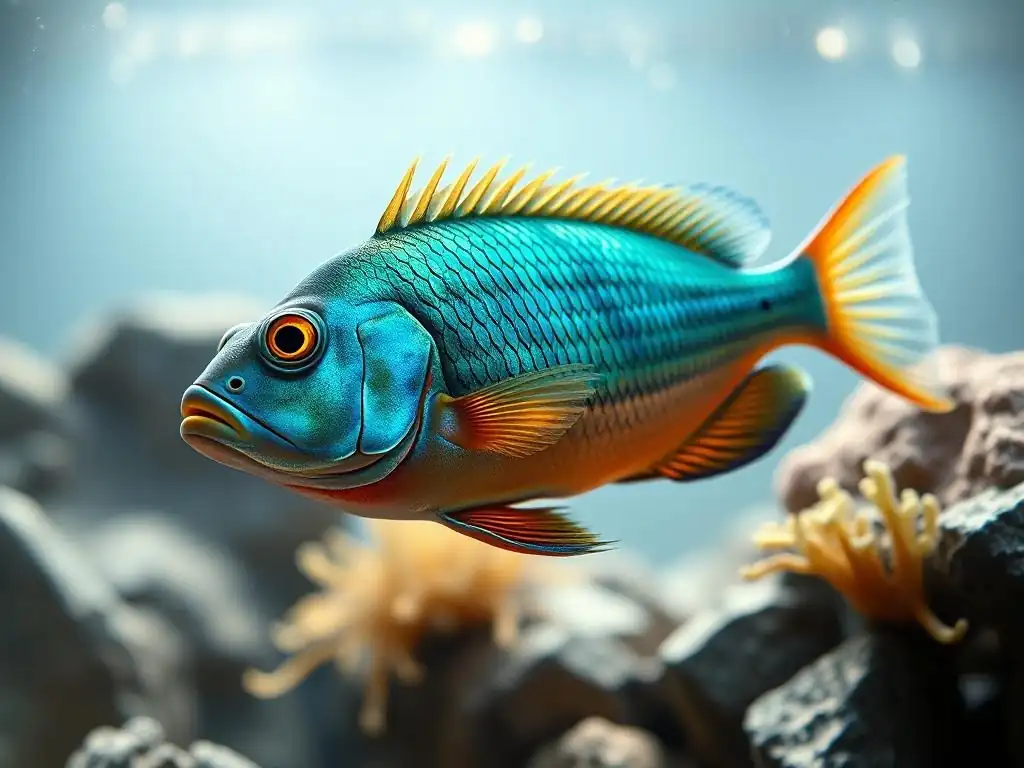
After introducing your Clown Triggerfish to the quarantine tank, consistent and diligent observation is paramount for at least 4 to 6 weeks. Daily monitoring allows you to quickly identify any signs of stress, disease, or abnormal behavior. Look for the previously mentioned symptoms: clamped fins, rapid breathing, faded colors, refusal to eat, or flashing against objects. Also, note their swimming patterns, how they interact with their environment, and if they are utilizing the provided hiding spots.
Maintain a detailed log of your observations, including water parameters, feeding responses, and any changes in the fish's appearance or behavior. This record helps in tracking their progress and provides crucial data if interventions become necessary. Early detection of issues during this quarantine period significantly increases the chances of successful treatment and ensures that the fish is robustly healthy before being introduced to a main display tank, serving as a proactive Triggerfish acclimation stress tip.
Feeding Schedule for Newly Acclimated Clown Triggerfish
Encouraging a new Clown Triggerfish to eat is a key indicator of successful acclimation and reduced stress. Offer their first meal approximately 12 to 24 hours after their introduction to the quarantine tank. Start with small, highly palatable portions of varied frozen foods like mysis shrimp, krill, or chopped silversides. Begin with 2-3 small feedings throughout the day rather than one large one, to prevent overwhelming the fish and to maintain water quality.
As the triggerfish settles in and begins to eat consistently, gradually increase the portion sizes and variety of their diet. Observe how much they consume and remove any uneaten food promptly to prevent ammonia spikes and maintain pristine water conditions. A healthy appetite signifies that the fish is adapting well to its new environment and that your Triggerfish acclimation stress tips are proving effective.
Managing Initial Aggression and Tank Mate Interactions
Clown Triggerfish are renowned for their aggressive and territorial nature. Even in a quarantine setting, they may exhibit initial aggression, sometimes directed at their own reflection, the aquarist, or even inanimate objects. Providing ample hiding spots and structure within the quarantine tank can help diffuse this aggression by giving them a sense of security and territory. It's important to remember that this behavior is innate and will persist in the main display tank.
When considering future tank mates for a Clown Triggerfish, extreme caution is advised. They are predatory and will consume smaller fish and nearly all invertebrates. Only large, robust, and equally aggressive fish, such as certain tangs, large groupers, or puffers, should be considered as potential companions. Introducing a Clown Triggerfish to the main display should be done strategically, perhaps at night or by rearranging decor, to minimize initial territorial disputes. Careful tank mate selection and environment design are essential Triggerfish acclimation stress tips for long-term harmony.
Addressing Common Clown Triggerfish Acclimation Problems
Dealing with Clown Triggerfish Refusal to Eat
A common and concerning issue with newly acclimated Clown Triggerfish is their refusal to eat. This can stem from stress, shipping fatigue, or a preference for specific food types. Initially, try offering a variety of high-quality frozen foods, such as mysis shrimp, krill, or chopped fresh seafood like shrimp or squid. If they remain uninterested, consider soaking the food in garlic extract or a liquid vitamin supplement, which can act as an appetite stimulant. In some cases, live foods like brine shrimp or blackworms might be necessary to entice them to eat, with a gradual transition to frozen options.
Ensure that all water parameters are optimal and stable, as poor water quality can significantly suppress appetite. Also, verify that the tank environment provides sufficient hiding places, as a feeling of insecurity can prevent a fish from feeding. If the Clown Triggerfish refuses to eat for more than 3-5 days, it may indicate an underlying health issue, necessitating further investigation, possibly for internal parasites, or a consultation with a marine fish veterinarian. Addressing this promptly is a critical Triggerfish acclimation stress tip.
Treating Ich and Marine Velvet After Acclimation
Stress from acclimation significantly weakens a Clown Triggerfish's immune system, making it highly susceptible to common marine parasites like Cryptocaryon irritans (Ich) and Amyloodinium ocellatum (Marine Velvet). Ich manifests as tiny white spots resembling salt grains across the body and fins, while Marine Velvet appears as a fine, dusty, golden-brown coating, often accompanied by rapid gilling. Both are highly contagious and lethal if untreated.
Immediate treatment in the quarantine tank is essential. Copper-based medications, such as Copper Power or Cupramine, are highly effective when dosed precisely (e.g., maintaining 0.5 ppm for Ich, or 0.25 ppm for Velvet, for 14-21 days). Alternatively, hyposalinity (gradually reducing salinity to 1.009-1.010 SG for 4 weeks) can be used if no invertebrates are present. Formalin dips can offer temporary relief but are not a cure. Always remove carbon filtration during medication. Proactive disease management is a vital Triggerfish acclimation stress tip.
Mitigating Ammonia Spikes During the Acclimation Period
The introduction of a new fish, especially a larger one like a Clown Triggerfish, significantly increases the biological load on a quarantine tank, which may not have a fully mature biological filter. This can quickly lead to dangerous ammonia spikes, even in a cycled tank. Ammonia is highly toxic to fish, causing gill damage and further stress. Levels can jump from 0 ppm to 0.25 ppm or even 0.5 ppm within hours, especially if the fish is not eating and waste accumulates.
Regular, ideally daily, testing for ammonia, nitrite, and nitrate is crucial during the acclimation period. If ammonia is detected, immediate action is required. Perform small, frequent water changes (e.g., 10-20% daily) using pre-mixed, perfectly matched saltwater until ammonia levels return to zero. Ammonia-neutralizing products can be used as an emergency measure but should not replace diligent water changes. Ensuring stable and pristine water quality is a foundational Triggerfish acclimation stress tip.
Long-Term Care Considerations for Clown Triggerfish
Transitioning the Clown Triggerfish to the Main Display Tank
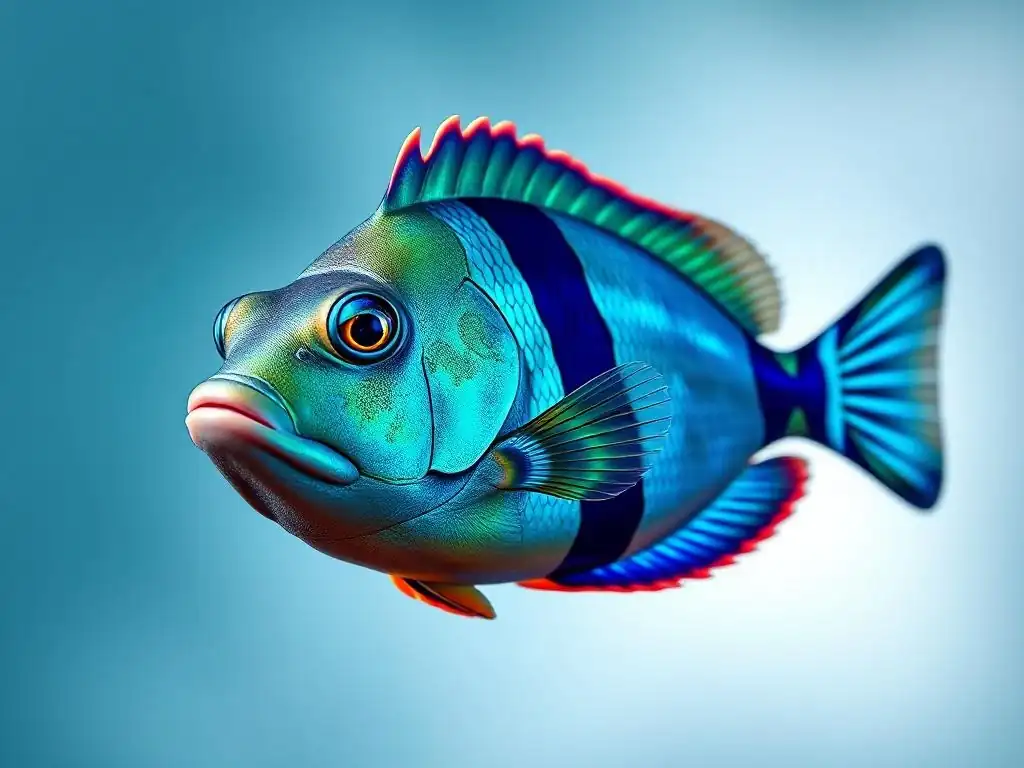
Once your Clown Triggerfish has completed its 4-6 week quarantine period, is eating robustly, shows no signs of disease, and exhibits healthy behavior, it is ready for transition to the main display tank. Before transfer, ensure that the water parameters in the quarantine tank are precisely matched to those of the main display tank to prevent any last-minute shock. This includes salinity, temperature, and pH.
The transfer process should be as stress-free as possible. It is often beneficial to transfer the fish at night or with the main display tank lights off, giving the triggerfish time to explore and establish itself without immediate visual stress or territorial confrontations with existing tank mates. Provide ample new hiding spots in the display tank. Closely monitor the Clown Triggerfish and its tank mates for several days following the introduction, watching for any signs of aggression or stress. A smooth transition is a crucial Triggerfish acclimation stress tip for long-term success.
Maintaining Optimal Water Quality for Clown Triggerfish Health
Long-term health for a Clown Triggerfish hinges on consistently optimal water quality. These fish produce a significant bio-load, necessitating robust filtration systems such as sumps, large protein skimmers, and potentially refugiums. Regular water changes are paramount; for a mature Clown Triggerfish in a 150-gallon tank, a bi-weekly water change of 15-20% is often recommended to dilute nitrates and replenish essential trace elements.
Beyond just water changes, continuous monitoring of key parameters is essential. Salinity, temperature, pH, ammonia, nitrite, and nitrate should be tested regularly. Maintaining stability within the optimal ranges (e.g., SG 1.023-1.026, Temp 76-80°F, pH 8.1-8.4, Ammonia/Nitrite 0, Nitrate <20 ppm) prevents chronic stress and strengthens the fish's immune system against disease. Proactive water quality management is a vital Triggerfish acclimation stress tip for preventing future health issues.
Providing a Suitable Environment for Long-Term Clown Triggerfish Keeping
Clown Triggerfish are large, active, and highly intelligent fish that require a substantial and well-structured environment for long-term well-being. A minimum tank size of 180-200 gallons is recommended for an adult specimen to accommodate their size and provide adequate swimming space. The tank aquascape should include plenty of robust rockwork with secure caves and crevices, allowing the triggerfish to establish multiple territories and retreat when feeling threatened.
Careful consideration of tank mates is crucial. Due to their aggressive and predatory nature, Clown Triggerfish should only be housed with similarly large, robust, and assertive fish that can hold their own. Avoid keeping them with smaller, docile species or any invertebrates, as they will likely be consumed. A well-designed, spacious, and appropriately stocked environment is the ultimate Triggerfish acclimation stress tip for ensuring a thriving and engaging Clown Triggerfish for years to come.
Clown Triggerfish Acclimation Stress Tips: Summary and Key Takeaways
Successfully acclimating a Clown Triggerfish is a meticulous process that demands patience and adherence to best practices. The core principles revolve around minimizing stress at every stage, from arrival to long-term residency. This includes establishing a dedicated, fully cycled quarantine tank, meticulously matching and stabilizing water parameters, and providing immediate refuge through ample hiding places. Proactive preparation significantly reduces the initial shock and susceptibility to disease.
The step-by-step acclimation process, emphasizing gradual temperature and water chemistry equalization via drip acclimation, is critical. Post-introduction, diligent observation for signs of stress or illness, coupled with a consistent feeding schedule and vigilant water quality management, ensures a smooth transition. Addressing common issues like refusal to eat, parasitic infections, or ammonia spikes promptly is vital. Ultimately, the most effective Triggerfish acclimation stress tips are preparation, patience, and persistent observation, which collectively pave the way for a healthy and vibrant Clown Triggerfish in your aquarium.
Frequently Asked Questions
How long should I float the bag containing my new Triggerfish in the aquarium before releasing it?
Floating the bag allows the water temperature to equalize. You should float the bag for approximately 15-30 minutes before proceeding with acclimation. This minimizes temperature shock.
What is the best way to acclimate a Triggerfish to new water parameters?
Drip acclimation is highly recommended. Slowly drip water from the aquarium into the bag containing the Triggerfish over 1-2 hours to gradually adjust it to the new water chemistry.
What are some signs of acclimation stress in Triggerfish?
Common signs include erratic swimming, loss of color, and refusal to eat. Watch for these symptoms in the first few days after introduction.
How can I reduce aggression from my Triggerfish towards other tank inhabitants during acclimation?
Provide plenty of hiding places and consider using an acclimation box for the first few days. Monitor behavior closely and be prepared to separate if necessary.
What should I feed my Triggerfish immediately after acclimation to encourage a healthy start?
Offer a high-quality, palatable food that the Triggerfish is likely to accept. Consider frozen or live foods to stimulate their appetite and reduce stress.
The journey of introducing a new triggerfish to its aquarium home is more than just a technical process; it's a delicate dance of understanding and patience. Minimizing acclimation stress is not merely about survival, but about fostering a thriving life. The tips and techniques discussed throughout this article are not just for the benefit of the fish, but also for the enrichment of the aquarist's experience, transforming a potentially fraught introduction into a rewarding connection.
This process, in many ways, mirrors our own experiences with new environments and relationships. The careful observation, the gradual introduction, and the attentive response to signs of stress are all lessons applicable far beyond the glass walls of an aquarium. The best way to find yourself is to lose yourself in the service of others.
This quote, often attributed to Mahatma Gandhi, resonates deeply here, reminding us that by focusing on the well-being of our triggerfish, we learn invaluable lessons about empathy and responsibility.
So, as you prepare to welcome your new triggerfish, remember that you are not just adding a fish to your tank; you are embarking on a journey of care, observation, and connection. Let the principles of minimizing stress and aggression guide your actions, not just in the aquarium, but in all aspects of your life. Embrace the challenge, learn from the experience, and create an environment where both you and your triggerfish can thrive.
Dive Deeper: Transform Your Triggerfish Introduction!
Thank you for exploring the intricacies of introducing a new Triggerfish to your aquarium. Hopefully, you've gained valuable insights to ensure a smooth transition and minimize potential stress for your new and existing aquatic inhabitants. Now, let's turn that knowledge into action!
- Immediately implement what you learned: Carefully Acclimate Your Triggerfish Following the Guidelines Outlined, paying special attention to drip acclimation and dimming the lights.
- Consider setting up a temporary visually divided "safe zone" in your aquarium to allow existing fish to adjust to the newcomer without direct confrontation, which could reduce nipping.
- Share this article with fellow aquarium enthusiasts to help them master the art of Triggerfish introduction.
What subtle acclimation technique are you most excited to try, and how do you envision it improving your Triggerfish's adjustment period?