
The Role of UV Sterilizers in Maintaining Tang Health & Disease Control

Welcome to Aquarium Mastery!
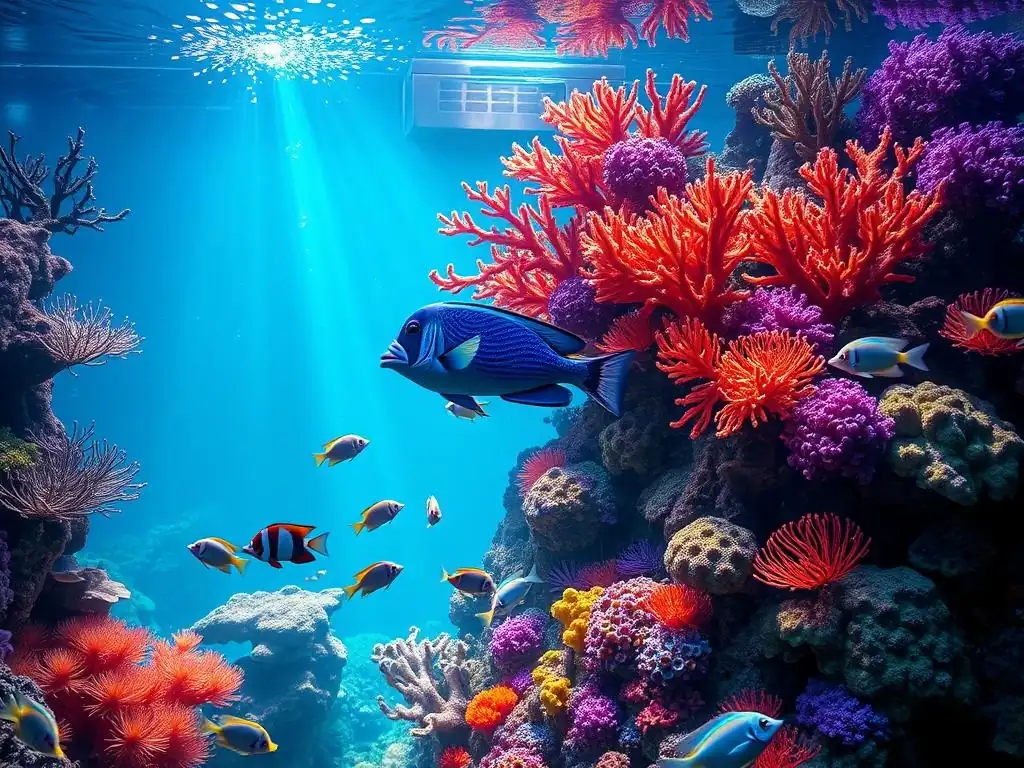
Ever wondered how to keep your beloved Tangs thriving and disease-free in your saltwater aquarium? We dive deep into the fascinating world of UV sterilizers and their pivotal role in maintaining vibrant health within your tank. Curious to know how this technology can revolutionize your approach to aquarium care? Let's explore UV sterilizers and unlock the secrets to a healthier, happier aquatic environment for your finned friends!
- The Role of UV Sterilizers in Maintaining Reef Aquarium Health & Disease Control
- Introduction: Understanding Reef Aquarium Health & the Importance of UV Sterilization
- What are UV Sterilizers and How Do They Benefit Reef Aquariums?
- Common Reef Aquarium Diseases and How UV Sterilizers Can Help
- Choosing the Right UV Sterilizer for Your Reef Aquarium
- Integrating UV Sterilizers into Your Reef Aquarium Setup
- Maintaining Optimal Water Quality for Reef Aquariums: A Holistic Approach
- Troubleshooting Common Issues with UV Sterilizers
- Best Practices for Using UV Sterilizers to Promote Reef Aquarium Wellness
- Conclusion: UV Sterilizers as a Valuable Tool for Reef Aquarium Health Management
-
Frequently Asked Questions
- What is a UV sterilizer, and how does it work in an aquarium?
- How does a UV sterilizer specifically benefit Tang health in a saltwater aquarium?
- Will a UV sterilizer eliminate the need for other water quality measures in my Tang aquarium?
- Are there any downsides to using a UV sterilizer in a reef aquarium with Tangs?
- How do I choose the right size UV sterilizer for my Tang aquarium to ensure optimal effectiveness?
- Final Reflection: The Clear Path to Tang Health
- Ignite Your Reef: Safeguard Your Tangs Today!
The Role of UV Sterilizers in Maintaining Reef Aquarium Health & Disease Control
Introduction: Understanding Reef Aquarium Health & the Importance of UV Sterilization
Maintaining a thriving reef aquarium is a delicate balance of water chemistry, proper filtration, and diligent husbandry. The health of corals, invertebrates, and especially fish within these complex ecosystems hinges on minimizing stressors and controlling pathogens. Fish, particularly popular species like tangs (surgeonfish), are often susceptible to various parasitic and bacterial infections that can rapidly decimate an entire tank if not addressed proactively.
Ultraviolet (UV) sterilization has emerged as a valuable tool in the aquarist's arsenal, offering an additional layer of protection against free-floating microorganisms that cause disease and cloudiness. While not a standalone solution, a well-implemented UV sterilizer can significantly reduce the pathogenic load in the water column, thereby decreasing the risk of outbreaks and promoting a more stable and robust environment for all inhabitants, including the often-sensitive tangs.
What are UV Sterilizers and How Do They Benefit Reef Aquariums?
UV Sterilizer Functionality: A Breakdown of the UV-C Process
A UV sterilizer operates by exposing the aquarium water to specific wavelengths of ultraviolet light, primarily UV-C, as it passes through a sealed chamber. The core component is a UV-C lamp, typically emitting light at a germicidal wavelength of around 254 nanometers (nm). This particular wavelength is highly effective at disrupting the DNA and RNA of free-floating bacteria, viruses, algae spores, and various protozoan parasites, rendering them unable to reproduce or infect. The water flows around a quartz sleeve that encases the UV lamp, protecting it from direct contact with water while allowing the UV-C light to penetrate effectively.
The effectiveness of a UV sterilizer is determined by several factors, including the intensity of the UV-C light, the contact time the water spends exposed to it, and the clarity of the water itself. For instance, a 25-watt UV lamp operating efficiently can effectively sterilize water flowing at a rate of approximately 200-300 gallons per hour for disease control, assuming proper maintenance and water clarity. This process does not add chemicals to the water, nor does it remove beneficial minerals or alter essential water parameters, making it a safe and environmentally friendly method of water purification.
Benefits of UV Sterilization for Reef Aquariums: Disease Prevention & Water Clarity
The primary benefit of integrating a UV sterilizer into a reef aquarium system is its significant contribution to disease prevention. By neutralizing free-swimming pathogens like Cryptocaryon irritans (marine Ich) and Amyloodinium ocellatum (marine velvet), UV sterilizers dramatically reduce the chances of these highly contagious diseases spreading throughout the tank, which is particularly beneficial for species like tangs that are notoriously susceptible to these parasites. For example, in a system with tangs, a properly sized and maintained UV sterilizer can reduce the population of free-swimming Ich trophonts by over 90% in a single pass, significantly lowering infection pressure.
Beyond disease control, UV sterilization also plays a crucial role in improving overall water clarity. It effectively targets and eliminates free-floating microalgae and bacterial blooms that can cause cloudy or green water, leading to a visibly cleaner and more aesthetically pleasing aquarium. This enhanced clarity also contributes to better light penetration for corals and allows for clearer observation of fish behavior, aiding in early detection of potential health issues. Furthermore, by reducing the overall microbial load, UV sterilizers can indirectly lessen the biological oxygen demand in the water, contributing to a more stable and oxygen-rich environment.
Common Reef Aquarium Diseases and How UV Sterilizers Can Help
Ich (White Spot Disease) and UV Sterilization
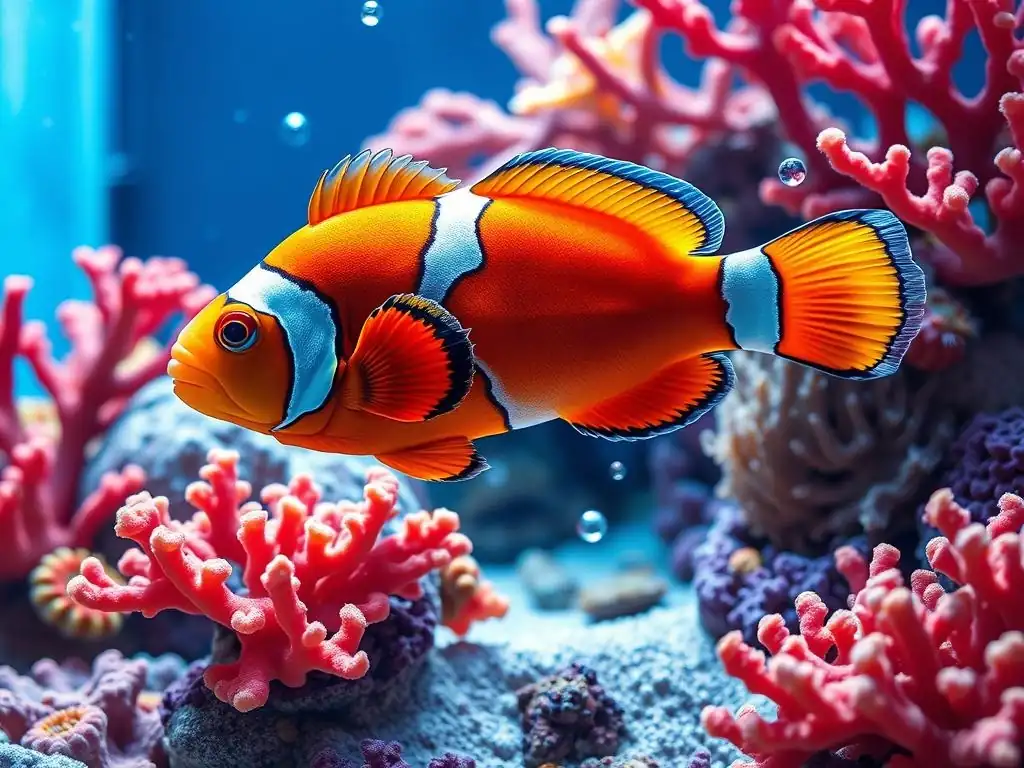
Marine Ich, caused by the protozoan parasite Cryptocaryon irritans, is one of the most common and devastating diseases in reef aquariums, particularly affecting tang health. The parasite has a complex life cycle, with a free-swimming "theront" stage that actively seeks out and infects fish. UV sterilizers are highly effective against this free-swimming stage. As the theronts pass through the UV chamber, their DNA is damaged, preventing them from attaching to fish and completing their life cycle.
While UV sterilization cannot cure an already infected fish, it significantly reduces the re-infection rate and the overall parasitic load in the water column. For instance, in a 100-gallon reef tank experiencing an Ich outbreak, a properly sized UV sterilizer (e.g., 25W-40W) running continuously can drastically cut down the number of infective theronts, breaking the reproductive cycle and giving fish, especially stressed tangs, a better chance to recover. This prophylactic measure is invaluable for maintaining UV sterilizers tang health by keeping parasite populations at bay.
Marine Velvet (Amyloodinium) Prevention with UV Sterilizers
Marine Velvet, caused by Amyloodinium ocellatum, is another highly virulent protozoan parasite that poses a severe threat to reef fish, including tangs, due to its rapid life cycle and high mortality rate. Similar to Ich, Amyloodinium has a free-swimming infective stage (dinospores) that UV sterilizers can effectively neutralize. These dinospores are particularly vulnerable to UV-C radiation as they are exposed while suspended in the water column.
Implementing a UV sterilizer in a system housing tangs can be a critical preventative measure against marine velvet outbreaks. By constantly reducing the number of infective dinospores, the UV unit minimizes the chances of a widespread infection taking hold. For a 150-gallon reef tank, a 40-watt UV sterilizer running at a flow rate of approximately 300-400 gallons per hour ensures sufficient contact time to eradicate a significant portion of these fast-reproducing parasites, thereby safeguarding the fish population.
Other Parasitic Infections: Reducing Risk with UV Sterilization
Beyond Ich and Marine Velvet, UV sterilizers offer a broader spectrum of protection against various other free-swimming parasites and bacterial infections that can plague reef aquariums. This includes certain types of flukes (trematodes) in their larval stages, as well as various opportunistic bacteria that can cause fin rot, bacterial infections, and other systemic issues. While not all pathogens have a free-swimming stage susceptible to UV, many common ones do, making the sterilizer a valuable proactive tool.
For example, many bacterial infections that cause cloudy water or affect fish gills can be mitigated by the reduction of free-floating bacteria in the water column. By maintaining a consistently lower bacterial count, UV sterilizers help to improve overall water quality and reduce the stress on fish, making them less susceptible to secondary infections. This continuous reduction in the microbial load creates a cleaner, healthier environment that promotes robust UV sterilizers tang health and general fish well-being.
Choosing the Right UV Sterilizer for Your Reef Aquarium
UV Sterilizer Sizing: Matching the Unit to Your Tank Volume
Selecting the correct size of UV sterilizer is paramount for its effectiveness in a reef aquarium. The sizing depends primarily on the volume of your tank and your specific goals—whether it's primarily for water clarity or robust disease control. For general water clarity and algae control in a typical reef tank, a unit rated for the tank's volume passed through at least once per hour might suffice. However, for serious disease control, especially when aiming to protect sensitive species like tangs, a more powerful unit is often recommended.
As a general guideline for disease control in a marine environment, many experts suggest a UV sterilizer wattage of approximately 10-15 watts per 50 gallons of water. For instance, a 75-gallon reef tank aiming for disease prevention might benefit from a 20-25 watt UV sterilizer, while a 120-gallon system could require a 30-40 watt unit. It's crucial to consider the manufacturer's recommendations for tank size and flow rates, as these are optimized for the specific unit's design and UV-C output.
UV Sterilizer Flow Rate: Optimizing Contact Time for Effective Sterilization
The flow rate of water through the UV sterilizer is just as critical as its wattage. For effective sterilization, pathogens must be exposed to UV-C light for a sufficient duration, known as "contact time." A slower flow rate allows for longer contact time, which is essential for killing more resilient organisms like Ich theronts or marine velvet dinospores. Conversely, a very high flow rate, while excellent for improving water clarity by zapping free-floating algae, may not provide enough contact time for complete pathogen eradication.
For optimal disease control in a reef tank, a common recommendation is to circulate the entire tank volume through the UV sterilizer at least 1 to 1.5 times per hour. For example, if you have a 100-gallon tank, you would aim for a flow rate of 100-150 gallons per hour through the UV unit. This ensures that the water is adequately exposed to the germicidal UV-C light, significantly contributing to UV sterilizers tang health by reducing the pathogen load. Manufacturers often provide specific flow rate recommendations for their units, which should be adhered to for maximum efficacy.
UV Bulb Replacement: Maintaining UV Sterilizer Efficiency
The UV-C lamp inside the sterilizer does not burn out like a regular light bulb; rather, its germicidal effectiveness degrades over time. While the bulb may still appear to be glowing, its ability to emit the critical 254 nm wavelength diminishes significantly after a certain period of operation. This degradation means that even if the light is on, it may no longer be effectively killing pathogens or controlling algae.
Most UV lamp manufacturers recommend replacing the bulb every 9 to 12 months of continuous operation. This ensures that the unit maintains its peak germicidal efficiency, providing consistent protection against diseases and maintaining water clarity. Failing to replace the bulb on schedule can lead to a false sense of security, as the unit may appear to be working while offering little to no actual sterilization benefit. Regular bulb replacement is a small but critical investment in maintaining the overall health and stability of your reef aquarium.
Integrating UV Sterilizers into Your Reef Aquarium Setup
UV Sterilizer Placement: Best Practices for Installation
Proper placement of a UV sterilizer within your reef aquarium's filtration system is crucial for its optimal performance. The ideal location is typically after mechanical filtration (like filter socks or sponges) and before biological filtration. Placing it after mechanical filtration ensures that the water entering the UV unit is free of large particulate matter, which can block UV light and reduce its effectiveness. Suspended debris can create "shadows" where pathogens can hide from the UV-C radiation.
Often, UV sterilizers are installed in the sump of a reef tank, drawing water from a dedicated pump or a return pump line. This allows for discreet installation and easy access for maintenance. Ensuring that the unit is installed horizontally or vertically according to the manufacturer's instructions is also important for proper water flow and bulb longevity. Correct placement maximizes the exposure of pathogens to the UV-C light, thereby enhancing the unit's contribution to UV sterilizers tang health.
Connecting Your UV Sterilizer: Tubing and Plumbing Considerations
Connecting a UV sterilizer involves careful consideration of tubing size, plumbing materials, and flow control. Most units come with barb fittings that accommodate standard flexible tubing sizes, such as 3/4-inch or 1-inch. It's essential to use tubing that matches the inlet/outlet size of the sterilizer to prevent flow restriction or leaks. Clear tubing can sometimes allow UV light to escape, so opaque or black tubing is generally preferred to maximize internal reflection and ensure safety.
When plumbing the unit, ensure that there are no kinks or sharp bends in the tubing that could impede water flow. If the flow rate from your pump is higher than the recommended flow rate for your UV sterilizer, consider adding a ball valve on the input or output line to restrict the flow to the optimal level. This precise flow control is vital for achieving the necessary contact time within the UV chamber, which directly impacts the unit's ability to effectively neutralize pathogens and protect sensitive species like tangs from disease.
Monitoring UV Sterilizer Performance: Ensuring Effectiveness
While UV sterilizers are generally low-maintenance devices, regular monitoring of their performance is important to ensure they are operating effectively. The most obvious indicator of a working UV sterilizer is the presence of a visible glow from the bulb, often seen through a small viewing port on the unit. However, as noted, a glowing bulb does not guarantee germicidal effectiveness, as UV-C output degrades over time.
Beyond visual checks, monitoring water clarity can be an indirect indicator of performance. A sudden increase in cloudy water or persistent free-floating algae might signal a failing UV bulb or an issue with flow. Some advanced UV units may include flow sensors or hour meters to track bulb life more precisely.
Keeping a log of bulb replacement dates is a simple yet effective way to ensure timely maintenance. Regularly inspecting the quartz sleeve for mineral deposits or bio-film buildup, which can reduce UV penetration, and cleaning it as needed, is also crucial for maintaining optimal performance and thereby safeguarding UV sterilizers tang health.
Maintaining Optimal Water Quality for Reef Aquariums: A Holistic Approach
The Role of UV Sterilizers within a Complete Water Management Strategy
UV sterilizers are powerful tools, but they are not a standalone solution for maintaining pristine reef aquarium health. They function best as one component within a comprehensive water management strategy. A healthy reef environment relies on a combination of effective mechanical, biological, and chemical filtration, coupled with consistent maintenance practices. The UV sterilizer primarily targets free-floating microorganisms and does not remove solid waste, dissolved organic compounds, or toxic nitrogenous waste products.
Therefore, while a UV sterilizer significantly reduces the risk of disease, it must be supported by a robust filtration system that includes adequate live rock and sand for biological filtration, a powerful protein skimmer for organic waste removal, and mechanical filters to capture particulate matter. This holistic approach ensures that all aspects of water quality are addressed, creating a stable and low-stress environment where fish, including tangs, can thrive and resist potential pathogens more effectively, even those not directly targeted by UV.
Water Changes and UV Sterilization: A Synergistic Approach
Regular water changes remain an indispensable practice for maintaining optimal water quality in a reef aquarium, and they work synergistically with UV sterilization. While UV sterilizers reduce the number of harmful microorganisms, they do not remove accumulated nitrates, phosphates, or other dissolved organic pollutants that can build up over time. These pollutants, if allowed to accumulate, can stress fish and corals, making them more susceptible to disease regardless of the UV sterilizer's presence.
Performing routine water changes, typically 10-20% weekly or bi-weekly, replenishes essential trace elements, removes undesirable substances, and helps to dilute any remaining pathogens or toxins. The combination of active pathogen reduction by the UV sterilizer and the removal of environmental stressors through water changes creates a much more resilient and healthier ecosystem. This integrated approach is especially beneficial for maintaining UV sterilizers tang health, as these fish are sensitive to fluctuating water parameters and elevated nutrient levels.
Protein Skimmers and UV Sterilizers: Complementary Filtration Methods
Protein skimmers and UV sterilizers serve complementary roles in maintaining water quality in a reef aquarium. A protein skimmer physically removes dissolved organic compounds (DOCs) from the water before they can break down into nitrates and phosphates. By removing these precursors to pollutants, the skimmer reduces the overall organic load in the system. This reduction in organic matter directly benefits the UV sterilizer's efficiency.
High levels of DOCs can tint the water, reducing the penetration of UV-C light and making the sterilizer less effective. A well-performing protein skimmer ensures that the water passing through the UV sterilizer is as clear as possible, allowing the UV-C light to reach and neutralize pathogens more efficiently. Together, the protein skimmer tackles the bulk of organic waste, while the UV sterilizer focuses on microbial control, creating a powerful duo that significantly contributes to the cleanliness and disease resistance of the reef aquarium, particularly benefiting the often delicate UV sterilizers tang health.
Troubleshooting Common Issues with UV Sterilizers
Cloudy Water Despite UV Sterilization: Potential Causes and Solutions
If your reef aquarium water remains cloudy despite the continuous operation of a UV sterilizer, several factors could be at play. The most common reason is an expired or weakened UV bulb; even if it's glowing, its germicidal output might be insufficient. A simple solution is to replace the bulb, typically recommended every 9-12 months. Another frequent cause is inadequate pre-filtration. If large particulate matter is entering the UV unit, it can shield microorganisms from the UV-C light, rendering the sterilization ineffective.
Ensure your mechanical filtration (e.g., filter socks, sponges) is clean and efficiently removing debris before water reaches the UV sterilizer. Incorrect flow rate can also lead to cloudy water; if the flow is too fast, pathogens don't receive enough contact time, while too slow might mean the entire tank volume isn't being turned over frequently enough.
Adjusting the flow to the manufacturer's recommended range for your specific unit and tank size is crucial. Finally, a significant bacterial bloom overwhelming the UV unit, or the presence of suspended detritus rather than free-floating organisms, might require additional measures like increased water changes or enhanced mechanical filtration.
Algae Blooms and UV Sterilization: Understanding the Limitations
While UV sterilizers are highly effective at combating free-floating green water algae (phytoplankton blooms), they have limited impact on established nuisance algae growing on rocks, sand, or tank walls. This is a common misconception among aquarists. UV sterilizers only target organisms that pass through their chamber; once algae attaches to a surface, it is no longer susceptible to the UV-C light. Therefore, if you are experiencing an outbreak of hair algae, dinoflagellates, or diatoms on surfaces, a UV sterilizer alone will not resolve the issue.
Addressing attached algae blooms requires a different approach, primarily focusing on nutrient control. This involves measures such as reducing nitrates and phosphates through aggressive protein skimming, regular water changes, proper feeding practices, and potentially the use of GFO (granular ferric oxide) or other phosphate-removing media. While the UV sterilizer helps prevent new algae spores from becoming established in the water column, it is not a substitute for comprehensive nutrient management in controlling existing, attached algae.
UV Sterilizer and Beneficial Bacteria: Addressing Concerns
A common concern among aquarists is whether a UV sterilizer will harm the beneficial nitrifying bacteria essential for the nitrogen cycle in a reef tank. Fortunately, this concern is largely unfounded for a properly installed UV unit. The vast majority of beneficial nitrifying bacteria (e.g., Nitrosomonas and Nitrobacter) reside as sessile colonies within the biological filter media, on live rock, and in the sand bed. They are attached to surfaces and do not free-float in the water column.
The UV sterilizer primarily targets free-floating microorganisms. Therefore, the beneficial bacteria that are crucial for converting ammonia and nitrite into less harmful nitrate are largely unaffected. While a minimal amount of free-floating nitrifying bacteria might be impacted, the established colonies within the biological filter are robust and quickly replenish any minor losses. This means you can confidently use a UV sterilizer to enhance UV sterilizers tang health and overall water quality without compromising your aquarium's vital biological filtration.
Best Practices for Using UV Sterilizers to Promote Reef Aquarium Wellness
Quarantine Procedures and UV Sterilization: Protecting New Additions
While a UV sterilizer significantly reduces the pathogen load in your main display tank, it is not a substitute for a dedicated quarantine procedure for all new fish, corals, and invertebrates. Quarantine tanks allow you to observe new arrivals for signs of disease, treat them if necessary, and ensure they are healthy before introducing them to your established reef system. This is particularly crucial for tangs, which are often carriers of Ich or Marine Velvet.
Even with a UV sterilizer running in your display, introducing an infected fish can overwhelm the unit's capacity and introduce new, resistant strains of pathogens. A proper quarantine protocol, typically lasting 4-6 weeks, allows for observation and treatment, protecting your existing fish, especially sensitive species like tangs, from potential outbreaks. The UV sterilizer then acts as a secondary line of defense, helping to keep background pathogen levels low and providing an additional layer of security for your established population.
Feeding Practices and UV Sterilization: Minimizing Organic Load
Optimal feeding practices play a significant role in maximizing the efficiency of your UV sterilizer and promoting overall reef aquarium wellness. Overfeeding introduces excess nutrients and organic waste into the water, which can contribute to higher levels of dissolved organic compounds (DOCs) and suspended particulate matter. These substances can absorb UV light, reducing its penetration and, consequently, the effectiveness of the UV sterilizer.
By feeding your fish, including tangs, appropriate amounts of high-quality food that they can consume completely within a few minutes, you minimize the organic load in the water. This ensures that the water passing through the UV sterilizer is clearer, allowing the UV-C light to effectively reach and neutralize pathogens. Furthermore, reduced organic waste means less strain on your entire filtration system, contributing to a more stable and healthier environment that supports robust UV sterilizers tang health.
Regular Maintenance Schedules and UV Sterilizer Effectiveness
Consistent adherence to a regular maintenance schedule is paramount for ensuring the long-term effectiveness of your UV sterilizer. The most critical maintenance task is the timely replacement of the UV-C bulb, typically every 9 to 12 months, as its germicidal output diminishes over time, even if it still appears to be lit. Failing to replace the bulb on schedule means the unit may not be providing adequate sterilization.
Equally important is the periodic cleaning of the quartz sleeve that encases the UV bulb. Over time, mineral deposits (such as calcium carbonate) and bio-film can accumulate on the outside of this sleeve, creating a barrier that significantly reduces the penetration of UV-C light into the water.
A simple cleaning with a soft cloth and a mild acid solution (like vinegar or citric acid) can restore the sleeve's clarity and the unit's efficiency. Regular maintenance ensures your UV sterilizer consistently contributes to the pristine water quality and disease prevention crucial for a thriving reef aquarium and especially for UV sterilizers tang health.
Conclusion: UV Sterilizers as a Valuable Tool for Reef Aquarium Health Management
In the complex and often challenging world of reef aquariums, maintaining optimal water quality and preventing disease outbreaks are continuous priorities. UV sterilizers have proven to be an invaluable asset in this endeavor, offering a targeted and chemical-free method to reduce the pathogenic load in the water column. By effectively neutralizing free-swimming bacteria, viruses, and parasites like Ich and Marine Velvet, UV sterilizers significantly lower the risk of widespread disease, providing a crucial layer of protection for all inhabitants, particularly the often-sensitive tangs.
While not a magic bullet, a properly sized, installed, and maintained UV sterilizer, integrated into a comprehensive filtration and maintenance strategy, empowers aquarists to create a more stable, clearer, and healthier environment. From enhancing UV sterilizers tang health by mitigating common parasitic threats to improving overall water clarity, the benefits are substantial. Embracing UV sterilization as part of a holistic approach to reef aquarium husbandry is a wise investment that contributes significantly to the long-term success and vibrancy of your underwater ecosystem.
Frequently Asked Questions
What is a UV sterilizer, and how does it work in an aquarium?
A UV sterilizer uses ultraviolet light to kill or inactivate harmful microorganisms like algae, bacteria, and parasites in the aquarium water. Water passes through a chamber where it's exposed to UV-C radiation.
How does a UV sterilizer specifically benefit Tang health in a saltwater aquarium?
UV sterilizers can significantly reduce the risk of parasitic infections and bacterial blooms that commonly affect Tangs, which are particularly susceptible to diseases like ich and velvet. This leads to improved overall health and longevity.
Will a UV sterilizer eliminate the need for other water quality measures in my Tang aquarium?
No, a UV sterilizer is not a replacement for proper aquarium maintenance. It complements regular water changes, appropriate filtration, and maintaining stable water parameters crucial for Tang health.
Are there any downsides to using a UV sterilizer in a reef aquarium with Tangs?
While generally safe, excessive UV exposure can potentially harm beneficial bacteria in the water column, though this is rare with properly sized units. Also, it won't affect parasites already attached to fish or substrate.
How do I choose the right size UV sterilizer for my Tang aquarium to ensure optimal effectiveness?
The appropriate size depends on the aquarium volume and flow rate. Refer to the manufacturer's guidelines and consider the specific needs of your Tangs, prioritizing a unit strong enough for effective disease control.
Okay, here's a final reflection designed to close your article, "The Role of UV Sterilizers in Maintaining Tang Health & Disease Control," optimized for the keyword "UV sterilizers tang health" and following the structure you outlined:
Final Reflection: The Clear Path to Tang Health
The principles outlined in this article, focusing on the crucial role of UV sterilizers in promoting tang health, are more relevant than ever in today's reefkeeping hobby. As we strive for sustainable and thriving aquarium ecosystems, understanding and implementing effective disease control measures, like the proper use of UV sterilizers, becomes paramount to the well-being of our beloved tangs and the overall health of our reef environments.
The impact of proactive disease prevention, particularly concerning tangs, resonates deeply within the reefkeeping community. Witnessing the vibrant colors and graceful movements of healthy tangs is a testament to our dedication and responsible practices. An ounce of prevention is worth a pound of cure,
a sentiment that rings especially true when safeguarding the delicate health of our aquatic companions. The use of UV sterilizers is not just a technical solution; it's an investment in the long-term vitality and beauty of our underwater worlds.
Now, as you consider the information presented, take a moment to reflect on your own reefkeeping practices. How can you integrate the knowledge of UV sterilizers and their impact on tang health into your aquarium management routine? Embrace the power of proactive care, and let's collectively strive to create healthier, more vibrant reef ecosystems where tangs can thrive for generations to come.
Ignite Your Reef: Safeguard Your Tangs Today!
Thank you for diving into the world of UV sterilization and tang health! We hope you've gained valuable insights into how these devices can contribute to a thriving reef aquarium. Now, let's put that knowledge into action.
Here are a few things you can do right now:
- Assess your current setup: Thoroughly examine your existing equipment to determine if a UV sterilizer is right for your tank, considering factors like tank size, fish bioload, and common disease outbreaks.
- Delve deeper: Research different brands and models of UV sterilizers, comparing features and reviews to find the perfect fit for your specific needs.
- Share your insights: Join the Aquarium Mastery community forum and share your experiences with UV sterilization or ask any burning questions you might have about tang health!
What specific aspect of UV sterilizer implementation are you most curious about tackling in your own reef tank?