
Aquarium Mastery: Understanding and Combating "Sudden Larval Death Syndrome"

Welcome to Aquarium Mastery, where your aquatic dreams become reality!
Ever wondered about the heartbreaking mystery of Sudden Larval Death Syndrome and how to protect your precious saltwater fry? This article dives deep into the causes and, more importantly, practical solutions to combat this devastating issue. Discover the secrets to successful breeding and healthy larval development within your saltwater aquarium. Ready to unlock the secrets to raising thriving saltwater fry? Let's dive in!
- Aquarium Mastery: Understanding and Combating Larval Mortality
- Understanding Larval Mortality in Marine Fish
- Common Causes of Larval Mortality in Saltwater Fish
- Diagnosing Larval Mortality: A Step-by-Step Approach
- Larval Mortality Prevention Strategies
- Advanced Techniques for Preventing Larval Mortality
- Conclusion: Achieving Success in Larval Rearing.
-
Frequently Asked Questions
- What is Sudden Larval Death Syndrome (SLDS) in aquariums?
- What are some potential causes of Sudden Larval Death Syndrome?
- How can I prevent Sudden Larval Death Syndrome in my aquarium?
- What are the key indicators of poor water quality that might lead to SLDS?
- Is there a specific "cure" for Sudden Larval Death Syndrome once it starts?
- Final Reflection: Navigating the Fragility of New Life
- Transform Your Aquarium: Halt Larval Loss Now!
Aquarium Mastery: Understanding and Combating Larval Mortality
Understanding Larval Mortality in Marine Fish
Defining Larval Mortality in Aquaculture
Larval mortality, particularly in the context of marine fish aquaculture, refers to the significant and often rapid die-off of fish larvae during their early developmental stages. This phenomenon is a primary bottleneck in the commercial propagation of many marine species, impacting the overall success and profitability of hatchery operations. It encompasses a spectrum from chronic, low-level losses to acute, mass mortality events often termed "Sudden Larval Death Syndrome" due to their rapid onset and devastating impact on an entire cohort.
The sensitivity of marine fish larvae to environmental changes, nutritional deficiencies, and pathogens makes them highly vulnerable. In many aquaculture settings, initial larval survival rates can be as low as 5-10% for challenging species, with even well-established species struggling to consistently exceed 50% survival from hatch to metamorphosis. Understanding the underlying mechanisms behind these losses is paramount to developing effective strategies for a "Sudden larval death syndrome cure."
Identifying Signs of Distress in Fish Larvae: Early Detection
Early detection of distress in fish larvae is crucial for intervening before a full-blown "Sudden Larval Death Syndrome" outbreak occurs. Daily, meticulous observation of larval tanks is indispensable. Signs of distress often include changes in swimming behavior, such as lethargy, erratic movements, or swimming at the surface or bottom instead of evenly distributed throughout the water column. Larvae may also exhibit abnormal postures, like head-down or tail-up swimming.
Visual cues are equally important. Healthy larvae typically have clear, transparent bodies and a visible, full gut indicating active feeding. Distressed larvae might appear opaque, discolored, or show signs of emaciation with an empty gut, even in the presence of adequate food. Observing a 10-15% increase in inactive or moribund larvae within a 6-hour period can be a strong indicator of an impending mass mortality event, requiring immediate investigation.
Larval Mortality vs. Other Larval Issues: Differential Diagnosis
It is critical to differentiate true larval mortality from other common issues encountered in marine fish rearing, such as slow growth, developmental deformities, or cannibalism. While these issues can contribute to eventual mortality, they typically manifest over a longer period and do not present as the acute, widespread die-off characteristic of "Sudden Larval Death Syndrome." Slow growth, for instance, might indicate sub-optimal nutrition or environmental conditions but not immediate death.
Developmental deformities, such as spinal curvature or jaw abnormalities, are often linked to genetics, specific nutritional deficiencies (e.g., vitamin C, choline), or early environmental stressors. Cannibalism, particularly prevalent in species with asynchronous growth, results in the disappearance of smaller larvae rather than dead bodies. Larval mortality, conversely, is typically characterized by the sudden appearance of significant numbers of dead or dying larvae, often with no clear external lesions, necessitating a swift and precise diagnostic approach to find an effective "Sudden larval death syndrome cure."
Common Causes of Larval Mortality in Saltwater Fish
Water Quality Parameters and Their Impact on Larval Survival
The pristine water quality required for delicate marine fish larvae is far more stringent than for adult fish, making deviations a leading cause of "Sudden Larval Death Syndrome." Larvae possess underdeveloped osmoregulatory and excretory systems, rendering them highly sensitive to even subtle fluctuations in their aquatic environment. Maintaining stable and optimal parameters is foundational to preventing mass die-offs.
Even minor imbalances in critical parameters can induce severe physiological stress, compromise immune function, and directly lead to mortality. Regular and precise monitoring of these parameters is not merely good practice; it is a vital preventative measure against the catastrophic losses associated with larval mortality events.
Ammonia and Nitrite Toxicity in Larval Tanks
Ammonia (NH3/NH4+) and nitrite (NO2-) are metabolic byproducts that are highly toxic to fish, particularly to fragile larvae. Larval fish have immature gills and excretory systems, making them exceptionally vulnerable to these compounds. Un-ionized ammonia (NH3), which increases with higher pH and temperature, can be lethal at concentrations as low as 0.01 mg/L, inhibiting oxygen uptake and causing irreversible gill damage.
Nitrite toxicity, while generally less acutely lethal than ammonia, can still cause significant stress and mortality. Nitrite interferes with oxygen transport in the blood by converting hemoglobin to methemoglobin, leading to "brown blood disease" and asphyxiation. Levels exceeding 0.1 mg/L are often detrimental to larval development and survival, severely compromising their ability to cope with other stressors and making a "Sudden larval death syndrome cure" impossible if these toxins persist.
pH Instability and Its Effects on Delicate Larvae
pH, a measure of water's acidity or alkalinity, plays a critical role in the physiological well-being of marine fish larvae. Most marine species thrive within a narrow pH range, typically between 8.0 and 8.3. Fluctuations outside this optimal window can induce severe metabolic stress, disrupt enzyme activity, and impair vital bodily functions, including respiration and osmoregulation.
Sudden shifts in pH, even by as little as 0.2-0.4 units within a few hours, can be particularly detrimental, leading to rapid stress responses and increased susceptibility to disease. For instance, a drop from 8.2 to 7.8 can cause acidosis, reducing oxygen carrying capacity and leading to lethargy and ultimately death in sensitive larval batches. Maintaining consistent pH is a cornerstone of preventing "Sudden Larval Death Syndrome."
Maintaining Optimal Salinity for Larval Development
Salinity, the concentration of dissolved salts in water, is another critical parameter that must be precisely controlled for marine fish larvae. The specific optimal salinity range varies by species, but for many common aquaculture species, it typically falls between 30 and 35 parts per thousand (ppt). Larvae expend significant energy on osmoregulation – balancing internal salt and water levels with their external environment.
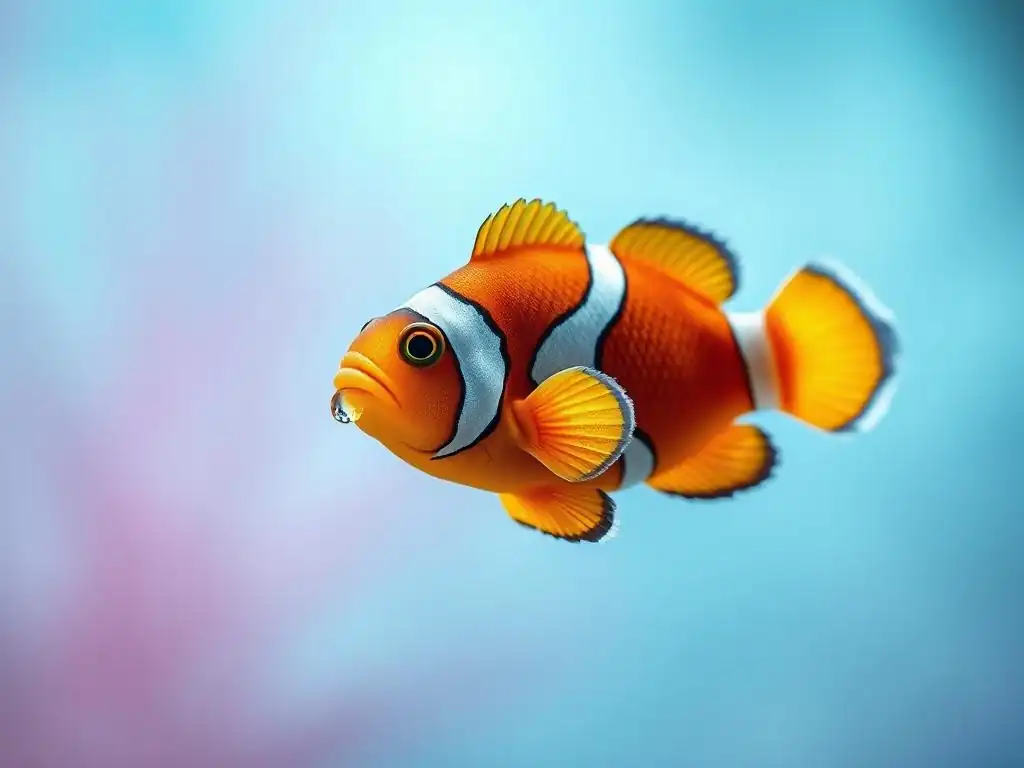
Sudden or prolonged deviations from their species-specific optimal salinity can impose severe osmotic stress, leading to dehydration or overhydration of cells, impaired metabolic function, and reduced growth rates. For example, a sudden drop in salinity by 5 ppt due to incorrect water changes can lead to widespread osmotic shock and mass mortality within hours for highly sensitive species like clownfish larvae, directly contributing to "Sudden Larval Death Syndrome."
Nutritional Deficiencies and Larval Mortality: Feeding Strategies
Adequate nutrition is paramount for the rapid growth, development, and immune system maturation of marine fish larvae. Unlike adult fish, larvae have limited energy reserves and rapid metabolic rates, requiring a continuous supply of high-quality, digestible food. Nutritional deficiencies are a major contributor to larval mortality, often manifesting as slow growth, deformities, and increased susceptibility to disease, paving the way for "Sudden Larval Death Syndrome."
The small mouth gape of newly hatched larvae often necessitates very small food particles, and their digestive systems are frequently underdeveloped, requiring highly digestible and nutrient-dense live prey. A comprehensive feeding strategy that addresses both the quantity and quality of food is therefore essential for successful larval rearing.
The Importance of Live Food Cultures: Rotifers, Copepods
Live food organisms are indispensable for the successful rearing of most marine fish larvae, especially during the crucial first-feeding stages. Their natural swimming motion stimulates feeding responses, and their high digestibility and appropriate size make them ideal initial prey. The two most commonly used live foods are rotifers ( Brachionus plicatilis and Brachionus rotundiformis) for early stages and copepods (e.g., Parvocalanus crassirostris, Acartia spp.) for later stages or species with smaller mouthparts.
Rotifers, typically 50-250 micrometers in size, are often the first food offered due to their manageable size. Copepods, though harder to culture consistently, offer a superior nutritional profile, particularly in essential fatty acids and amino acids, which are crucial for larval development and preventing the onset of "Sudden Larval Death Syndrome."
Identifying Nutritional Deficiencies in Fish Larvae
Identifying nutritional deficiencies in fish larvae often requires keen observation of their physical appearance, behavior, and growth rates. Common signs include emaciation, where larvae appear thin and translucent with an empty gut even when food is present. Reduced growth rates compared to expected benchmarks for the species are a strong indicator.
Furthermore, specific deficiencies can lead to developmental abnormalities. For instance, a lack of highly unsaturated fatty acids (HUFAs) like DHA (docosahexaenoic acid) and EPA (eicosapentaenoic acid) can result in poor pigmentation, skeletal deformities (e.g., lordosis, scoliosis), and impaired vision, making larvae less efficient at feeding and more vulnerable. Larvae fed HUFA-deficient diets often exhibit significantly reduced survival rates, sometimes by 30-50% within 7-10 days, directly contributing to "Sudden Larval Death Syndrome."
Supplementing Larval Diets: Vitamins and Essential Fatty Acids
While live foods are vital, their baseline nutritional content can be insufficient to meet the demanding requirements of rapidly growing fish larvae. Therefore, enriching live food cultures with concentrated nutrients is a standard practice to prevent deficiencies and improve larval survival. This typically involves feeding rotifers or copepods with enrichment products rich in essential fatty acids (especially DHA and EPA), phospholipids, and fat-soluble vitamins (A, D, E, K).
Enrichment protocols usually involve a specific feeding period, often 6-12 hours, where the live food organisms bioencapsulate these vital nutrients. For example, unenriched rotifers may contain less than 1% DHA, but after enrichment, their DHA content can increase to 15-20% of total fatty acids. This enhanced nutritional profile significantly boosts larval immunity, growth, and overall vigor, serving as a critical preventative measure and a key component of any "Sudden larval death syndrome cure" strategy.
Pathogens and Parasites Causing Larval Mortality
Pathogens and parasites represent a significant and often devastating threat to marine fish larvae, capable of causing rapid and widespread "Sudden Larval Death Syndrome." The high stocking densities typical in larval rearing tanks, coupled with the larvae's undeveloped immune systems, create an ideal environment for the rapid proliferation and transmission of disease agents. Identifying and controlling these threats is paramount for successful aquaculture.
Outbreaks can occur suddenly, leading to catastrophic losses within a matter of hours or days. Prevention through stringent biosecurity and water quality management is often more effective than treatment, as many therapeutic agents are too harsh for delicate larvae or are ineffective against certain pathogens.
Bacterial Infections: A Major Threat to Fish Larvae
Bacterial infections are arguably the most common and destructive cause of "Sudden Larval Death Syndrome" in marine hatcheries. Species from genera such as Vibrio, Pseudomonas, Aeromonas, and Flexibacter are frequently implicated. These bacteria can be opportunistic, proliferating rapidly in tanks with suboptimal water quality or stressed larvae.
Symptoms often include fin rot, necrosis of the mouth or tail, cloudy eyes, and signs of septicemia (internal infection) such as lethargy and darkening of the body. For instance, Vibrio alginolyticus can cause over 90% mortality in a larval batch of species like sea bass or snapper within 24-48 hours once an outbreak takes hold. Rapid diagnosis and intervention, though challenging, are critical to finding a "Sudden larval death syndrome cure" when bacterial pathogens are involved.
Protozoan Infestations: Identifying and Treating Common Parasites
Protozoan parasites can also cause significant larval mortality, though they are often more associated with juvenile and adult fish. However, in high densities or compromised conditions, larvae can become rapidly overwhelmed. Common culprits include dinoflagellates like Amyloodinium ocellatum (causing marine velvet disease) and ciliates like Cryptocaryon irritans (marine ich).
While Cryptocaryon is less common in very young larvae, Amyloodinium can be devastating. Infested larvae may exhibit flashing, rapid gill movements, increased mucus production, and visible white specks on their bodies. The parasites feed on host tissues, causing gill damage and osmotic imbalance, leading to rapid death. Heavy infestations can cause 100% mortality in a larval tank within a few days if left untreated, highlighting the need for vigilance and a rapid "Sudden larval death syndrome cure" response.
Viral Diseases and Their Role in Larval Mortality
Viral diseases, while perhaps less frequently identified due to diagnostic challenges, are among the most lethal threats to marine fish larvae, often causing nearly 100% mortality. Unlike bacterial or protozoan infections, there are currently very few effective treatments for viral diseases in aquaculture, making prevention and eradication the only viable strategies.
One notable example is Nervous Necrosis Virus (NNV), also known as Viral Encephalopathy and Retinopathy (VER). NNV targets the central nervous system and retina, leading to abnormal swimming behavior, lethargy, and ultimately death. Outbreaks of NNV have decimated larval production of commercially important species like sea bass, groupers, and cod, often resulting in complete batch losses. The insidious nature and high lethality of viral infections underscore the difficulty in finding a "Sudden larval death syndrome cure" once they are established.
Environmental Stressors Contributing to Larval Mortality
Beyond water quality, nutrition, and pathogens, various environmental stressors can significantly compromise the health and survival of marine fish larvae, often acting as predisposing factors for "Sudden Larval Death Syndrome." These stressors can weaken immune systems, disrupt normal development, and directly lead to mortality, even if other parameters seem optimal. Maintaining a consistently stable and appropriate environment is thus a critical component of successful larval rearing.
Understanding and mitigating these physical and environmental factors is just as important as managing water chemistry or feeding regimes. Any sudden or prolonged deviation from optimal conditions can trigger a stress response that pushes delicate larvae past their physiological limits.
Temperature Fluctuations and Their Impact on Larval Health
Temperature is arguably the most critical environmental parameter affecting larval development and survival. Each marine fish species has an optimal temperature range for its larvae, typically narrow (e.g., 25-28°C for many tropical species). Deviations from this range, especially sudden fluctuations, can have profound negative impacts.
Temperature affects metabolic rates, oxygen solubility, and the activity of enzymes crucial for digestion and growth. A sudden temperature drop or rise of more than 2°C within an hour can induce severe thermal shock, leading to immediate stress, reduced feeding, and increased susceptibility to disease. Prolonged exposure to sub-optimal temperatures can result in slow growth, developmental abnormalities, and chronic stress, ultimately contributing to "Sudden Larval Death Syndrome."
Light Intensity and Photoperiod: Optimizing Larval Environment
Light conditions play a vital role in the visual development, feeding behavior, and overall well-being of marine fish larvae. The optimal light intensity and photoperiod (light-dark cycle) are species-specific but generally involve lower intensities than those used for adult fish. Excessive light can cause stress, inhibit feeding, and even damage delicate larval eyes.
Many species thrive under relatively dim light conditions, often between 500-1000 lux, especially during the first-feeding stage, as this helps them locate their microscopic prey. A common photoperiod is 14 hours of light and 10 hours of darkness (14L:10D) or 16L:8D, mimicking natural day-night cycles. Inappropriate lighting can lead to reduced feeding success, increased stress, and ultimately contribute to "Sudden Larval Death Syndrome."
Physical Trauma and Handling Stress in Larval Rearing
Marine fish larvae are incredibly delicate, lacking the protective scales and robust skeletal structures of adult fish. Consequently, they are highly susceptible to physical trauma and handling stress, which can lead to immediate mortality or predispose them to secondary infections and delayed die-offs.
Causes of physical trauma include overly aggressive water flow within the rearing tank, rough siphoning during cleaning, or improper netting during transfers. Even slight mechanical agitation can rupture internal organs, damage fins, or cause scales (if present) to detach. Such injuries may not immediately cause death but create entry points for pathogens or lead to chronic stress that culminates in "Sudden Larval Death Syndrome." Minimizing direct handling and optimizing tank design for gentle water movement are crucial preventative measures.
Diagnosing Larval Mortality: A Step-by-Step Approach
When "Sudden Larval Death Syndrome" strikes, a systematic diagnostic approach is essential to identify the underlying cause and implement effective countermeasures. Rushing to a conclusion without thorough investigation can lead to ineffective treatments and continued losses. The process typically involves a combination of direct observation, microscopic examination of affected larvae, and comprehensive water quality testing.
This methodical approach allows aquarists to pinpoint the primary stressor or pathogen, which is crucial for developing a targeted and effective "Sudden larval death syndrome cure." Without accurate diagnosis, efforts to mitigate mortality are often futile.
Microscopic Examination of Larvae: Identifying Pathogens
Microscopic examination of both live and freshly dead larvae is a cornerstone of diagnosing larval mortality. A compound microscope (magnification from 40x to 400x) is indispensable. Gently pipetting a few larvae onto a slide with a drop of tank water allows for observation of external parasites, bacterial colonies, and internal anomalies.
Look for signs of external parasites like Amyloodinium trophonts or Cryptocaryon tomonts on the body or gills. Observe for bacterial overgrowth, particularly around the mouth, gills, or fins, which may appear as fuzzy patches or rapid movement of rod-shaped bacteria. Internally, examine the gut for food content (an empty gut can indicate starvation or feeding inhibition) and look for signs of organ damage or necrosis. For example, observing Vibrio bacteria swarming around the mouth or gills of lethargic larvae strongly suggests a bacterial infection as the cause of "Sudden Larval Death Syndrome."
Water Quality Testing: A Crucial Diagnostic Tool
Comprehensive and accurate water quality testing is a non-negotiable step in diagnosing larval mortality. Even if no obvious pathogens are visible under the microscope, subtle or acute changes in water parameters can be the primary cause of "Sudden Larval Death Syndrome." Essential parameters to test immediately include ammonia, nitrite, nitrate, pH, salinity, temperature, and dissolved oxygen.
Use high-quality test kits or calibrated digital meters for precise readings. Compare current readings to known optimal ranges for the specific larval species. For example, a sudden spike in un-ionized ammonia (e.g., 0.05 mg/L) or a significant drop in pH (e.g., from 8.2 to 7.6) correlated with a mass die-off strongly indicates water quality as the primary culprit. Regular, even daily, monitoring provides a baseline, making it easier to identify significant deviations during a crisis and pinpoint the precise "Sudden larval death syndrome cure."
Larval Mortality Prevention Strategies
Preventing "Sudden Larval Death Syndrome" is far more effective and less costly than attempting to cure an ongoing outbreak. A multi-faceted approach encompassing superior water quality management, optimized nutrition, stringent biosecurity, and environmental control is essential. These proactive strategies create a robust and resilient environment for delicate larvae, significantly increasing their chances of survival and metamorphosis.
Implementing these preventative measures systematically reduces the likelihood of encountering the common pitfalls that lead to mass mortality. They form the foundation of a proactive "Sudden larval death syndrome cure" by eliminating the conditions that allow it to occur.
Improving Water Quality to Minimize Risk
Maintaining impeccable water quality is the single most critical factor in preventing "Sudden Larval Death Syndrome." Larval tanks are often high-density environments with significant metabolic waste production, making robust water management systems indispensable. Consistent, stable, and pristine water conditions minimize stress and support strong immune function in the larvae.
Proactive water quality management involves a combination of mechanical, biological, and chemical filtration, coupled with regular maintenance routines. This creates a buffer against the rapid accumulation of toxins that can quickly overwhelm larval systems.
Implementing Effective Filtration Systems
Effective filtration systems are fundamental to maintaining pristine water quality in larval rearing tanks. Mechanical filtration, such as sponge filters, filter socks, or fine filter pads, physically removes particulate matter like uneaten food and fecal waste, preventing their breakdown into toxic compounds. Biological filtration, using media like bio-balls, ceramic rings, or fluidized beds, provides a surface area for beneficial nitrifying bacteria to convert toxic ammonia and nitrite into less harmful nitrate.
Chemical filtration, typically activated carbon, can remove dissolved organic compounds and certain toxins. Protein skimmers are highly effective in marine larval systems, removing dissolved organic waste before it can break down, with some skimmers capable of removing up to 30% of dissolved organic carbon daily. A well-designed, multi-stage filtration system is a primary defense against "Sudden Larval Death Syndrome."
Performing Regular Water Changes
Regular partial water changes are a simple yet highly effective method for maintaining water quality and preventing "Sudden Larval Death Syndrome." They dilute accumulated nitrates and other dissolved organic compounds that filtration systems might not fully remove, and they replenish essential trace elements that larvae consume. The frequency and volume of water changes depend on tank density, feeding rates, and filtration efficiency.
For high-density larval tanks, daily water changes of 10-20% are common, or even 50% every few days for very sensitive species. It is crucial to ensure that the new water is perfectly matched in temperature, pH, and salinity to avoid shocking the larvae. Using aged, aerated, and filtered saltwater for changes further minimizes stress and helps maintain stability.
Maintaining Biological Stability in the Larval Tank
Biological stability refers to the establishment and maintenance of a healthy nitrogen cycle within the larval tank, ensuring efficient conversion of ammonia and nitrite. This is achieved by "cycling" the tank before introducing larvae, allowing beneficial bacteria to colonize filtration media. This process can take several weeks but is crucial.
Avoiding sudden, large-scale changes to the biological filter, such as aggressive cleaning or replacement of all media, is vital. Introducing new broodstock or live food cultures gradually, and using probiotic supplements containing beneficial nitrifying bacteria, can further enhance biological stability. A robust and stable biological filter acts as a continuous "Sudden larval death syndrome cure" by preventing the buildup of lethal nitrogenous wastes.
Optimizing Larval Nutrition for Enhanced Immunity
Beyond simply providing food, optimizing larval nutrition is a proactive strategy to bolster their immune systems and resilience against disease, thereby preventing "Sudden Larval Death Syndrome." A comprehensive nutritional program ensures that larvae receive all the essential building blocks for rapid growth and robust health.
This involves not just the selection of appropriate live foods but also their enrichment and the meticulous management of feeding regimes. A well-nourished larva is inherently more capable of resisting environmental stressors and pathogenic challenges.
Culturing High-Quality Live Foods
The quality of live food cultures directly impacts larval health and survival. Culturing high-quality live foods means ensuring they are clean, free of contaminants, and consistently available in sufficient quantities. Rotifer and copepod cultures should be maintained under optimal conditions (e.g., specific temperatures like 25-30°C for rotifers, and fed with nutrient-rich microalgae like Nannochloropsis oculata or Tetraselmis chuii).
Regular harvesting and cleaning of live food cultures prevent the buildup of waste products and potential pathogens that could be transferred to the larval tanks. Ensuring a continuous supply of healthy, vibrant live food is paramount, as even a short period of starvation or poor-quality food can set back larval development and increase susceptibility to "Sudden Larval Death Syndrome."
Enriching Live Foods with Essential Nutrients
As previously discussed, enriching live foods like rotifers and copepods with essential nutrients is a critical step in optimizing larval nutrition. Commercial enrichment products, rich in highly unsaturated fatty acids (HUFAs) such as DHA and EPA, phospholipids, and fat-soluble vitamins (A, D, E), are commonly used. These products are fed to the live prey for a specific period (e.g., 6-12 hours) before they are fed to the larvae.
The bioencapsulation of these nutrients significantly boosts the nutritional value of the live food. For instance, enriched rotifers can have their DHA content increased by over 10-fold compared to unenriched cultures. This enhanced nutritional profile directly translates to improved larval growth, reduced deformities, and significantly higher survival rates, sometimes increasing survival by 15-20% or more, serving as a powerful preventative "Sudden larval death syndrome cure."
Implementing a Consistent Feeding Schedule
Marine fish larvae have very high metabolic rates and limited energy reserves, necessitating a consistent and frequent feeding schedule. Unlike adult fish that can go for extended periods without food, larvae require a continuous supply of prey to sustain their rapid growth and development. Implementing a schedule of frequent, small feedings throughout the day (e.g., every 2-3 hours) is common practice.
This approach ensures that food is always available, preventing starvation and maintaining an optimal prey density in the water column, which encourages active feeding behavior. Automated feeding systems can help maintain consistency, especially during off-hours. A consistent feeding regimen minimizes nutritional stress, supports continuous growth, and builds the larvae's resilience against factors that could lead to "Sudden Larval Death Syndrome."
Disease Prevention and Control Measures
Proactive disease prevention and control are paramount in larval rearing, as treatments for established diseases are often ineffective or harmful to delicate larvae. The focus should be on minimizing the introduction and proliferation of pathogens through stringent biosecurity and hygiene. These measures are the most reliable "Sudden larval death syndrome cure" when it comes to infectious agents.
Implementing a strict protocol reduces the overall pathogen load in the hatchery environment, creating a healthier and safer space for larvae to develop.
Quarantine Procedures for New Cultures
Quarantine procedures are essential for preventing the introduction of pathogens into the main larval rearing system. This applies not only to new broodstock but also to new live food cultures (e.g., rotifers, copepods, microalgae) and any new equipment. New cultures should be isolated in separate, dedicated tanks for a period of observation, typically 7-14 days.
During quarantine, observe for any signs of disease or contamination. If any issues are detected, the culture should be treated or discarded. Using separate equipment for quarantine tanks and maintaining strict hygiene protocols (e.g., hand washing, foot baths) when moving between areas further minimizes the risk of cross-contamination and helps prevent "Sudden Larval Death Syndrome."
Prophylactic Treatments for Common Issues
While the primary focus should be on prevention, limited prophylactic treatments can sometimes be employed, especially on new broodstock before spawning, to reduce the risk of pathogen transmission to larvae. For instance, mild formalin dips or freshwater baths can be used on adult fish to remove external parasites.
However, caution must be exercised, as many common therapeutic agents are highly toxic to larvae. Direct prophylactic treatment of larval tanks is generally discouraged due to the larvae's extreme sensitivity and the risk of developing resistant strains of pathogens. Instead, maintaining optimal conditions and robust immune systems through nutrition and water quality is the best "Sudden larval death syndrome cure" in terms of preventing disease.
Maintaining Strict Hygiene Protocols in the Hatchery
Strict hygiene protocols are fundamental to preventing the spread of pathogens in a larval rearing facility. This includes regular and thorough cleaning and disinfection of all tanks, equipment, and surfaces. All equipment, such as nets, siphons, buckets, and tubing, should be sterilized between uses, ideally with bleach solutions, iodine-based disinfectants, or by autoclaving.
Dedicated equipment should be used for each larval tank or system to prevent cross-contamination. Staff should adhere to strict hand hygiene, using hand sanitizers or washing hands thoroughly before and after handling larvae or moving between different tanks. Maintaining a clean and sterile environment significantly reduces the environmental pathogen load, thereby minimizing the risk of "Sudden Larval Death Syndrome."
Environmental Control and Stress Reduction
Beyond water chemistry, meticulous control over the physical environment within the larval rearing facility is crucial for minimizing stress and preventing "Sudden Larval Death Syndrome." A stable and appropriate environment allows larvae to allocate their energy to growth and development rather than coping with adverse conditions.
Reducing environmental stressors directly contributes to stronger, more resilient larvae, capable of fending off disease and thriving. This holistic approach is a key component of a comprehensive "Sudden larval death syndrome cure."
Maintaining Stable Temperature and Salinity Levels
Maintaining stable temperature and salinity levels is paramount for larval survival. Even minor fluctuations can induce significant stress. This requires reliable heating and cooling systems (e.g., aquarium heaters with precise thermostats, chillers if ambient temperatures are high) to keep the temperature within the optimal range (e.g., +/- 0.5°C).
Salinity stability is equally vital. Automated top-off systems using precisely mixed saltwater or RODI water can prevent salinity creep due to evaporation. Regular calibration of probes and meters is essential to ensure accuracy. The goal is to minimize fluctuations to within 0.5 ppt for salinity and 0.5°C for temperature, creating a consistently stable environment that prevents the osmotic and thermal shock contributing to "Sudden Larval Death Syndrome."
Providing Appropriate Lighting Conditions
Providing appropriate lighting conditions is critical for larval development, feeding success, and stress reduction. Harsh or excessively bright lighting can stress larvae, inhibit their feeding response, and even cause physical damage to their developing eyes. Conversely, too little light can make it difficult for larvae to locate and capture their live food.
Using dimmable LED lights and timers allows for precise control over light intensity and photoperiod. Replicating natural photoperiods (e.g., 14 hours light, 10 hours dark) generally works well for most species. Gradually increasing light intensity as larvae grow and their visual systems develop can also be beneficial. Optimized lighting contributes to the overall well-being of larvae, reducing a key environmental stressor and thus acting as a preventative "Sudden larval death syndrome cure."
Minimizing Physical Disturbances and Handling
Marine fish larvae are incredibly fragile and prone to physical trauma. Minimizing physical disturbances and handling stress is therefore crucial to prevent immediate or delayed mortality. This involves designing larval tanks with gentle water circulation that avoids strong currents or turbulent areas where larvae can be injured.
When cleaning tanks, use wide-bore siphons with a slow flow rate to gently remove waste without damaging larvae. Avoid netting larvae whenever possible; instead, use wide, shallow containers for transfers, or siphon them gently. Any sudden movements or vibrations near the larval tanks should also be avoided. Reducing physical trauma prevents direct injury, secondary infections, and chronic stress that can lead to "Sudden Larval Death Syndrome."
Advanced Techniques for Preventing Larval Mortality
As aquaculture science advances, new techniques are emerging to further enhance larval survival and provide more robust solutions for preventing "Sudden Larval Death Syndrome." These methods often focus on improving gut health, enhancing water purification, and refining environmental control beyond conventional practices.
Integrating these advanced techniques can significantly boost overall success rates in challenging species and provide additional layers of protection against common mortality factors. They represent the cutting edge in achieving a comprehensive "Sudden larval death syndrome cure."
Probiotics and Their Role in Larval Gut Health
The use of probiotics in marine larval aquaculture is an increasingly popular advanced technique to prevent "Sudden Larval Death Syndrome." Probiotics are beneficial microorganisms (e.g., specific strains of Lactobacillus, Bacillus, or Vibrio) that, when administered to larvae or their environment, confer a health benefit. They work by colonizing the larval gut, outcompeting pathogenic bacteria for resources and attachment sites, and sometimes producing antimicrobial compounds.
Probiotics can be added directly to the larval rearing water, incorporated into live food cultures, or even applied to broodstock. Studies have shown that the inclusion of certain probiotic strains can improve larval digestion, enhance nutrient absorption, and significantly boost immune response, leading to reduced mortality rates by 10-15% or more in some species. This approach strengthens the larvae from within, providing an internal "Sudden larval death syndrome cure."
Ozone and UV Sterilization for Water Purification
Ozone (O3) and UV (ultraviolet) sterilization are advanced water purification techniques that can dramatically reduce pathogen loads in larval rearing systems, acting as powerful preventative measures against "Sudden Larval Death Syndrome." Ozone is a highly reactive oxidant that destroys bacteria, viruses, fungi, and parasites, and also breaks down dissolved organic compounds, improving water clarity and reducing the demand on biological filters. It must be used carefully due to its toxicity, often involving an ozone generator and a contact chamber, followed by a degasser or activated carbon to remove residual ozone.
UV sterilizers use germicidal UV-C light to damage the DNA of microorganisms as water passes through the unit, rendering them unable to reproduce and cause disease. The effectiveness of a UV sterilizer depends on its wattage, flow rate, and water clarity. For example, a properly sized 25W UV sterilizer can effectively treat a 500-gallon system, significantly reducing bacterial counts. Both ozone and UV sterilization provide a crucial line of defense against waterborne pathogens, contributing significantly to a comprehensive "Sudden larval death syndrome cure" strategy.
Conclusion: Achieving Success in Larval Rearing.
Achieving success in marine fish larval rearing is a complex yet rewarding endeavor, fundamentally dependent on understanding and diligently combating larval mortality. "Sudden Larval Death Syndrome," a devastating challenge in aquaculture, can be mitigated and often prevented through a multi-faceted approach that prioritizes impeccable water quality, precise nutritional management, stringent disease prevention, and meticulous environmental control.
The journey to a consistent "Sudden larval death syndrome cure" is not about a single magic bullet, but rather a continuous commitment to excellence in every aspect of hatchery management. By integrating rigorous diagnostic practices, implementing robust preventative strategies, and embracing advanced techniques like probiotics and sophisticated water purification, aquarists can significantly improve larval survival rates, paving the way for sustainable and prosperous marine fish aquaculture.
Frequently Asked Questions
What is Sudden Larval Death Syndrome (SLDS) in aquariums?
SLDS is a frustrating condition characterized by the rapid and unexplained death of fish larvae in both freshwater and saltwater aquariums. It often occurs shortly after hatching and can decimate an entire brood. The exact cause can be difficult to pinpoint.
What are some potential causes of Sudden Larval Death Syndrome?
Potential causes include poor water quality, specifically ammonia or nitrite spikes, and nutritional deficiencies in the larvae's diet. Other factors can involve diseases and the presence of harmful bacteria or parasites.
How can I prevent Sudden Larval Death Syndrome in my aquarium?
Prevention focuses on maintaining pristine water conditions through regular water changes and proper filtration. Providing a suitable diet for the larvae, such as rotifers or newly hatched brine shrimp, is also crucial.
What are the key indicators of poor water quality that might lead to SLDS?
Key indicators include elevated levels of ammonia and nitrite, as well as unstable pH levels. Regular testing of your aquarium water is essential to catch these issues early.
Is there a specific "cure" for Sudden Larval Death Syndrome once it starts?
Unfortunately, there's no guaranteed "cure" once SLDS manifests. However, immediate water changes and adjustments to feeding practices might help some larvae survive. Prevention remains the best approach.
The insights shared throughout this article highlight the crucial need for a deeper understanding of Sudden Larval Death Syndrome (SLDS), a challenge that continues to plague aquarists striving to cultivate thriving aquatic ecosystems. The fight against SLDS is not merely about preserving individual larvae; it's about safeguarding the future biodiversity of our home aquariums and contributing to the broader knowledge of aquatic life cycles.
The persistent threat of SLDS underscores the delicate balance within these miniature worlds and the profound responsibility we bear as custodians. My own experiences with larval rearing have instilled in me a deep respect for the resilience and vulnerability of these tiny creatures. The sea, once it casts its spell, holds one in its net of wonder forever.
- Jacques Cousteau. This quote resonates deeply, reminding us that the wonder of the aquatic world comes with a commitment to understanding and protecting its inhabitants, even at their most fragile stage.
As we conclude this exploration of SLDS and potential cures, I urge you, the reader, to embrace a spirit of continuous learning and proactive care. Let the knowledge gained here empower you to create healthier, more sustainable aquatic environments. By sharing your experiences, contributing to research, and advocating for responsible aquacultural practices, you can play a vital role in ensuring that the future of aquatic life, both in our homes and beyond, remains vibrant and full of promise.
Transform Your Aquarium: Halt Larval Loss Now!
Thanks for diving deep into the world of larval care with us! We hope this article has equipped you with the knowledge to combat Sudden Larval Death Syndrome and nurture thriving aquatic life. Now, let's put that knowledge into action.
Here are some immediate steps you can take:
- Implement a stricter quarantine protocol for new additions to your aquarium to prevent future outbreaks. This is your most crucial step towards preventing SLDS.
- Share this article with fellow aquarium enthusiasts to expand awareness and support community-wide preventative measures.
- Consider experimenting with a wider variety of larval feeds, documenting your results, and contributing to our community knowledge base.
What innovative quarantine technique are you excited to implement in your aquarium setup?