
From WildCaught to Broodstock: Aquarium Mastery's Acclimation & Conditioning Secrets

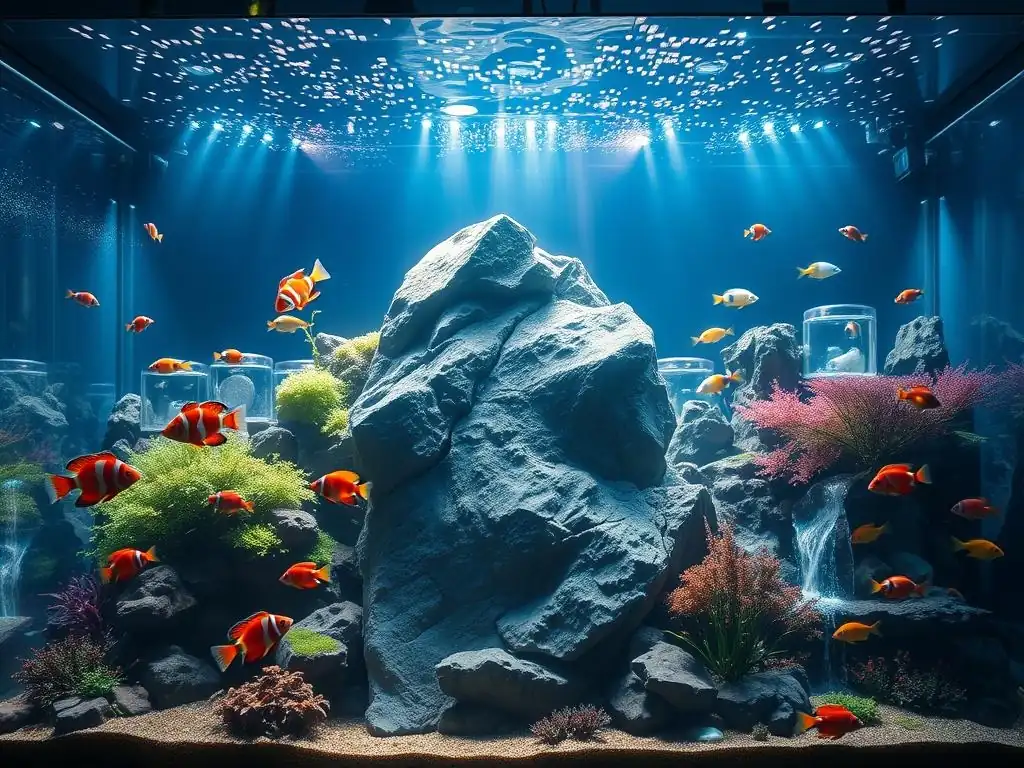
Welcome to Aquarium Mastery!
Ever wondered how the pros successfully introduce vibrant, wild-caught fish into their saltwater aquariums? Unlocking their secrets starts right here. Dive into our comprehensive guide on wildcaught fish acclimation techniques and discover the methods that can transform a stressed newcomer into a thriving member of your underwater community. Ready to master the art of acclimation and ensure a healthy and happy life for your saltwater additions? Let's get started!
Stress Factors Affecting Wild-Caught Fish Survival in Aquariums
The journey from their natural marine habitats to a controlled aquarium environment is fraught with significant physiological and psychological challenges for wild-caught fish, often leading to severe stress that compromises their survival. Immediately following capture, fish experience acute stress responses, including elevated cortisol levels and lactic acid buildup from exertion, which can disrupt their delicate osmoregulation and energy balance.
Studies on species like the Banggai Cardinalfish ( Pterapogon kauderni) have shown that improper handling and netting techniques during capture can result in physical abrasions, scale loss, and fin damage, creating entry points for opportunistic pathogens. Furthermore, the subsequent transport phase, often involving dense packing, prolonged periods without food, and fluctuating water quality parameters such as rising ammonia and dropping oxygen levels, exacerbates this stress, significantly weakening the fish's immune system before it even reaches its final destination for wildcaught fish acclimation techniques.
Upon arrival at the aquarium, wild-caught specimens face another gauntlet of stressors related to the drastic environmental shift. The sudden change in water chemistry—differences in salinity, pH, temperature, and even trace element composition—can induce osmotic shock, causing cellular damage and organ dysfunction. For instance, a rapid shift of just 2-3°C can be detrimental to sensitive species.
The unfamiliar enclosed environment, different lighting cycles, and the presence of new tank mates or even the absence of familiar social structures contribute to psychological stress, often manifesting as hiding, refusal to eat, or erratic swimming. This cumulative stress load severely depletes their energy reserves and suppresses their immune function, making them highly susceptible to parasitic, bacterial, and fungal infections that they might otherwise resist. Therefore, meticulous wildcaught fish acclimation techniques are paramount to mitigating these stressors and ensuring the long-term health and viability of these valuable specimens for future broodstock development.
- How does Aquarium Mastery define "acclimation" when dealing with wildcaught fish?
- What are the key differences in acclimating wildcaught fish compared to captive-bred fish, according to Aquarium Mastery?
- What specific water chemistry parameters are most critical to monitor during the acclimation of wildcaught fish, according to Aquarium Mastery?
- What are some recommended quarantine procedures for newly acquired wildcaught fish, as suggested by Aquarium Mastery?
- What feeding strategies does Aquarium Mastery recommend to encourage wildcaught fish to accept prepared foods during acclimation?
Frequently Asked Questions
How does Aquarium Mastery define "acclimation" when dealing with wildcaught fish?
Acclimation, as used by Aquarium Mastery, refers to the gradual process of adjusting wildcaught fish to the captive aquarium environment. This includes adapting to new water parameters, food sources, and tank mates.
What are the key differences in acclimating wildcaught fish compared to captive-bred fish, according to Aquarium Mastery?
Wildcaught fish often experience greater stress due to capture and transport. They may also be more susceptible to disease and require specialized diets compared to captive-bred fish.
What specific water chemistry parameters are most critical to monitor during the acclimation of wildcaught fish, according to Aquarium Mastery?
Maintaining stable and appropriate pH levels, ammonia, nitrite, and nitrate levels are crucial. Also, matching salinity (for saltwater) to the fish's original environment is paramount.
What are some recommended quarantine procedures for newly acquired wildcaught fish, as suggested by Aquarium Mastery?
Aquarium Mastery advises a strict quarantine period (usually 4-6 weeks) in a separate tank. This allows for observation, treatment of potential diseases, and prevents introducing pathogens to the main tank.
What feeding strategies does Aquarium Mastery recommend to encourage wildcaught fish to accept prepared foods during acclimation?
Offering a variety of high-quality frozen and live foods initially is crucial. Gradually introduce prepared foods mixed with the preferred options, and observe feeding behavior closely.
Final Reflection: The Enduring Art of Nurturing Life
The journey from the wild ocean depths to the controlled environment of an aquarium is fraught with challenges, and as we've explored in this article, mastering wildcaught fish acclimation techniques is not just about survival, but about fostering thriving ecosystems in miniature. The knowledge shared here isn't merely academic; it's a vital bridge connecting the raw beauty of the natural world with our desire to understand and appreciate it, ensuring the responsible and ethical keeping of these magnificent creatures.
This delicate balance between capture and care has profoundly shaped, and continues to shape, the aquarium hobby. The success of acclimation directly impacts the longevity and well-being of these fish, influencing the sustainability of the trade and our understanding of marine life. In the end, we will conserve only what we love; we will love only what we understand; and we will understand only what we are taught.
- Baba Dioum. This quote underscores the responsibility we bear as aquarists to not only learn but to teach, ensuring the future of the hobby is rooted in respect and conservation.
Now, as you close this article, consider the profound impact of your choices as an aquarist. Are you prepared to embrace the responsibility that comes with caring for wildcaught fish? Let the knowledge you've gained here inspire you to become a steward of these creatures, a champion of ethical practices, and a lifelong learner in the ever-evolving art of aquarium mastery. Let your tank be not just a display, but a testament to your dedication and a beacon of responsible aquarism.
Unleash Your Aquarium's Full Potential!
Thank you for exploring the secrets to acclimating and conditioning wild-caught fish. You've now gained valuable insights to ensure their health and vibrancy. Ready to put your knowledge into action?
Here’s how to take your aquarium mastery to the next level:
- Prioritize a single wild-caught species that truly captivates you, research its specific needs meticulously, and build your aquarium around its optimal environment. This focused approach will yield the greatest success.
- Consider sharing your acclimation experiences and insights with other aquarists in online forums. Your challenges and triumphs can inspire and educate others.
- Explore rare and unusual conditioning techniques. Can you stimulate breeding through creative habitat design or unexpected food sources?
What unique approach will you take to enhance the wellbeing of your wild-caught fish, and how will you document the journey?