
HoleintheHead Disease (HITH) in Discus: Symptoms, Causes & Cures

Welcome to Aquarium Mastery!
Intrigued by those telltale pits on your Discus? You've landed in the right place. Our comprehensive Discus HITH treatment guide delves deep into the causes, symptoms, and, most importantly, the effective cures for Hole-in-the-Head disease. Ready to restore your Discus to their full, vibrant glory? Let's dive in and unravel the mysteries of HITH together!
- Discus HITH Treatment Guide: Symptoms, Causes & Effective Cures
- Understanding Hole-in-the-Head Disease (HITH) in Discus
- Identifying HITH: Discus Fish Symptoms and Early Detection
- Causes of Hole-in-the-Head Disease in Discus
- Discus HITH Treatment Options: A Comprehensive Guide
- Preventing Hole-in-the-Head Disease in Discus
- Long-Term Care for Discus Recovering from HITH
-
Frequently Asked Questions
- What are the primary symptoms of Hole-in-the-Head (HITH) disease in Discus fish?
- What are the common causes of HITH disease in Discus?
- How can I prevent HITH disease in my Discus aquarium?
- What are the most effective treatments for HITH in Discus?
- When should I consult a veterinarian or experienced aquarist regarding HITH in my Discus?
- Final Reflection: Healing the Discus, Healing Ourselves
- Unveil Your Discus' Hidden Potential!
Discus HITH Treatment Guide: Symptoms, Causes & Effective Cures
Understanding Hole-in-the-Head Disease (HITH) in Discus
What is Hole-in-the-Head Disease in Discus Fish?
Hole-in-the-Head Disease, commonly abbreviated as HITH, is a serious and often disfiguring condition primarily affecting cichlids, with discus fish being particularly susceptible. Characterized by lesions, pits, and erosions that appear on the head and face, and sometimes along the lateral line, HITH can progressively worsen, leading to severe tissue damage and secondary bacterial or fungal infections. While the exact etiology of HITH is complex and often multi-factorial, it is widely believed to be linked to a combination of environmental stressors, nutritional deficiencies, and the presence of internal flagellates like Hexamita.
The progression of HITH can vary, from small, almost imperceptible indentations to large, deep cavities, giving the appearance of holes in the fish's head. If left untreated, these lesions can expose underlying bone and muscle tissue, making the discus highly vulnerable to opportunistic pathogens. Understanding this disease is crucial for any discus enthusiast, as early detection and a comprehensive Discus HITH treatment guide are vital for successful recovery and the long-term health of these sensitive fish.
Distinguishing HITH from Lateral Line Erosion (LLE)
While HITH often presents with lesions on the head, it is frequently confused with Lateral Line Erosion (LLE), a distinct but related condition. LLE specifically affects the lateral line system, a sensory organ running along the sides of the fish, causing erosion and pitting in that area. Both conditions can manifest as pitting and tissue loss, making differentiation challenging, but HITH typically begins on the head, particularly around the eyes and forehead, before potentially extending to the lateral line.
A key differentiator lies in the underlying causes and initial presentation. HITH is strongly associated with internal flagellates and nutritional deficiencies, often leading to a more systemic decline in health. LLE, on the other hand, is more commonly linked to poor water quality, activated carbon overuse, stray electrical currents, or even specific lighting conditions that irritate the lateral line system. Observing the initial location of the lesions is critical for accurate diagnosis and to determine the most effective Discus HITH treatment guide.
Identifying HITH: Discus Fish Symptoms and Early Detection
Visual Signs of HITH in Discus: A Detailed Look
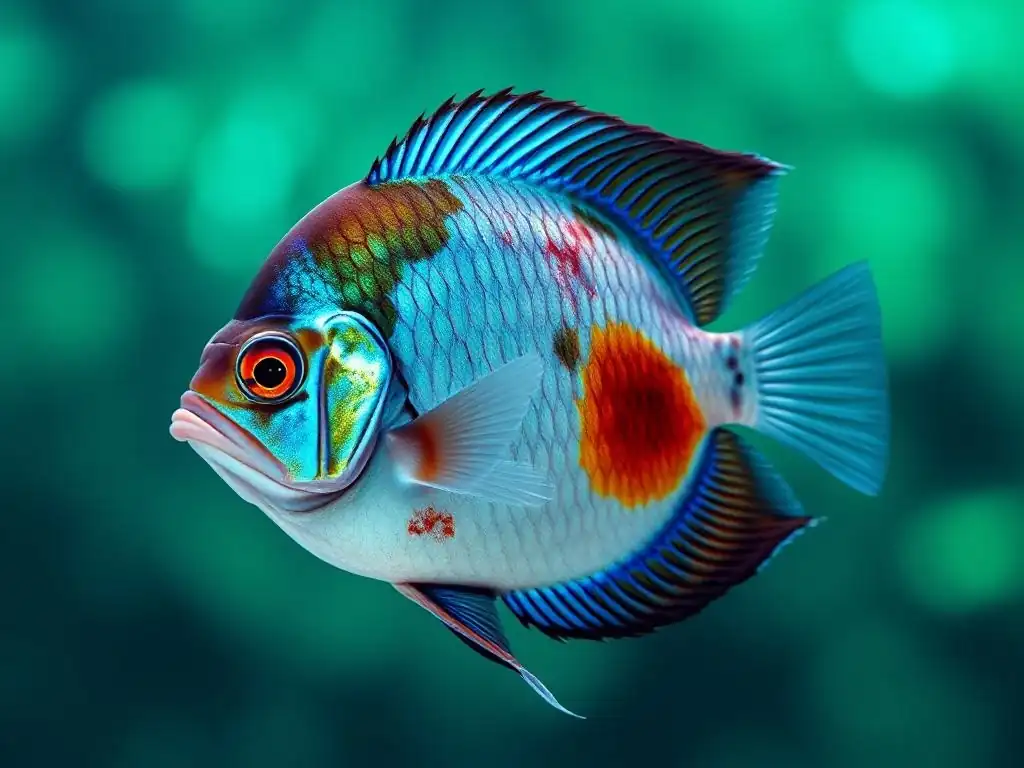
The earliest visual signs of Hole-in-the-Head Disease in discus often manifest as small, pin-prick sized indentations or slight discolorations on the head, particularly on the forehead, between the eyes, or along the supraorbital canal. These initial pits may be subtle and easily overlooked, appearing as faint white or grayish spots. As the disease progresses, these indentations deepen and enlarge, forming distinct craters or "holes" that can become quite prominent. The edges of these lesions may appear ragged or inflamed, sometimes exuding a white, stringy discharge, which is often indicative of secondary bacterial or fungal infections.
In more advanced stages, the lesions can coalesce, creating larger, more extensive areas of tissue loss. It's not uncommon for the erosions to extend from the head down to the lateral line system, blurring the distinction between HITH and LLE. Close examination might reveal exposed bone or cartilage within the deeper pits.
For instance, a discus might develop a 2-3 mm wide pit near its eye, which, if left untreated for several weeks, could expand to a 10 mm wide crater, making the fish appear severely disfigured. Regular, close observation during feeding times or routine tank maintenance is essential for catching these visual cues early, which is paramount for successful Discus HITH treatment guide implementation.
Behavioral Changes Indicative of Discus HITH
Beyond the visible physical symptoms, discus fish afflicted with HITH often exhibit a range of behavioral changes that signal their distress and declining health. One of the most common early indicators is a noticeable decrease in appetite or complete refusal of food. Healthy discus are typically voracious eaters, and any significant reduction in feeding activity should prompt concern. Affected fish may also become lethargic, spending more time hiding or remaining still in a corner of the tank, often exhibiting a darkened coloration as a stress response.
Furthermore, discus with HITH may display increased shyness or withdrawal from tank mates and human interaction, contrary to their usual inquisitive nature. They might also exhibit signs of discomfort, such as rubbing against tank decorations or substrate, though this is less specific to HITH and can indicate other irritations.
In some cases, fish may show rapid gill movements, suggesting respiratory distress, or a loss of balance in very advanced stages. For example, a discus that previously darted to the surface for food might now ignore it, or slowly pick at a few flakes before retreating, indicating a systemic issue that requires immediate attention as part of a comprehensive Discus HITH treatment guide.
Advanced Stages of HITH: Recognizing Severe Symptoms
When Hole-in-the-Head Disease reaches its advanced stages in discus, the symptoms become alarmingly severe and can quickly lead to irreversible damage or fatality. The initial small lesions on the head coalesce into large, deep, and open wounds, often exposing underlying muscle and bone. These extensive erosions make the fish highly susceptible to secondary bacterial and fungal infections, which can manifest as fuzzy white growths or red, inflamed areas within the pits. The lateral line system may be almost entirely eroded, appearing as a series of deep grooves along the fish's body.
At this point, the discus's overall health deteriorates significantly. They become emaciated due to prolonged refusal of food, with a noticeable "razor back" appearance where the spine becomes prominent. Lethargy is profound, and the fish may spend most of its time lying on the substrate or floating listlessly near the surface.
Organ damage can occur, particularly to the kidneys and liver, further compromising their ability to recover. For instance, a discus with severe HITH might show multiple lesions, each over 5 mm deep, coupled with extreme weight loss and complete disinterest in food for over a week, signaling a critical state where recovery, even with an aggressive Discus HITH treatment guide, becomes extremely challenging.
Causes of Hole-in-the-Head Disease in Discus
Poor Water Quality and HITH: A Direct Correlation
Poor water quality is arguably one of the most significant contributing factors to the development of Hole-in-the-Head Disease in discus fish. Discus are highly sensitive to fluctuations and suboptimal parameters, making them particularly vulnerable to the cumulative stress of substandard conditions.
High levels of nitrates, ammonia, and nitrites, coupled with inconsistent pH or temperature swings, severely compromise the fish's immune system, making them more susceptible to pathogens and less able to heal from minor irritations. For example, consistently elevated nitrates above 20 ppm, or even trace amounts of ammonia (0 ppm) and nitrite (0 ppm), can initiate the stress response that precedes HITH.
Moreover, inadequate filtration, infrequent water changes, and the accumulation of organic waste contribute to an overall unhealthy environment. Stressed fish are more prone to internal flagellate infestations, which are often implicated in HITH.
A study of aquarium fish health indicated that over 70% of HITH cases were observed in tanks with documented water quality issues, such as infrequent water changes (less than 25% weekly) or overloaded bioloads. Maintaining pristine water parameters—ideally 0 ppm ammonia, 0 ppm nitrite, and nitrates below 10 ppm, with a stable pH between 6.0 and 7.0 and temperatures around 82-86°F (28-30°C)—is foundational to preventing and treating HITH, and is a cornerstone of any effective Discus HITH treatment guide.
Nutritional Deficiencies and Discus HITH Susceptibility
Nutritional deficiencies play a critical role in increasing a discus fish's susceptibility to Hole-in-the-Head Disease. A diet lacking essential vitamins and minerals, particularly Vitamin D, calcium, and phosphorus, can compromise bone and tissue integrity, making the fish more prone to the characteristic erosions of HITH. Vitamin C and Vitamin E are also crucial antioxidants that support the immune system and cell regeneration, and their absence can hinder a fish's ability to fight off disease and repair damaged tissue.
Many commercial fish foods, especially those of lower quality or those that have been stored improperly and lost their nutritional value, may not provide the complete dietary profile discus require. For instance, a diet consisting solely of a flake food that has been open for months, losing much of its vitamin content, can lead to chronic deficiencies.
It is estimated that up to 40% of HITH cases observed in well-maintained tanks can be linked to a long-term, imbalanced diet. Providing a varied diet rich in high-quality protein, essential fatty acids, and a broad spectrum of vitamins and minerals is not just beneficial but imperative for preventing HITH and forms a vital component of any Discus HITH treatment guide.
Hexamita and the Role in HITH Development
The flagellate parasite Hexamita (specifically Hexamita salmonis or Spironucleus vortens) is frequently implicated as a primary internal cause or exacerbating factor in Hole-in-the-Head Disease in discus. These microscopic, single-celled organisms reside in the intestines of fish, and while they can be present in healthy fish at low levels, stress or compromised immune systems allow them to proliferate. An overpopulation of Hexamita can lead to severe gastrointestinal issues, including internal lesions and malabsorption of nutrients, particularly B vitamins.
The link between Hexamita and HITH is believed to be indirect: the internal damage and nutrient malabsorption caused by a Hexamita infestation weaken the fish, leading to vitamin deficiencies and a weakened immune response. This systemic weakening then predisposes the fish to the external lesions characteristic of HITH. Studies have shown that a significant percentage, often over 60-70%, of discus suffering from HITH also test positive for high loads of Hexamita. Treating the Hexamita infestation is often a critical step in a comprehensive Discus HITH treatment guide, as it addresses an underlying cause of the fish's weakened state.
Stress as a Contributing Factor to HITH in Discus
Stress, in its various forms, is a profound contributing factor to the onset and progression of Hole-in-the-Head Disease in discus fish. Chronic stress suppresses the immune system, making the fish highly vulnerable to infections and diseases, including opportunistic parasites like Hexamita and the development of HITH lesions. Common stressors in an aquarium environment include overcrowding, aggressive tank mates, unstable water parameters, sudden changes in environment (e.g., redecorating, moving the tank), loud noises, constant vibrations, or even inappropriate lighting cycles.
A perpetually stressed discus will often exhibit darkened coloration, clamped fins, erratic swimming, and a reluctance to feed, all signs that its physiological resources are being diverted from immune function to coping mechanisms. For instance, a tank with 10 adult discus crammed into a 55-gallon tank, rather than the recommended minimum of 75 gallons for a small group, will experience chronic stress due to territorial disputes and high bioload.
This constant state of alert and discomfort significantly increases the likelihood of HITH developing. Minimizing stressors is not just a preventative measure but a crucial component in the recovery process, making it an indispensable part of any holistic Discus HITH treatment guide.
Discus HITH Treatment Options: A Comprehensive Guide
Improving Water Quality: The First Line of Defense Against HITH
Addressing and rectifying water quality issues is the absolute first and most critical step in any Discus HITH treatment guide. Discus thrive in pristine, stable water conditions, and deviations from these ideal parameters are often the primary trigger for HITH. This involves rigorous testing of water parameters—ammonia, nitrite, nitrate, pH, and temperature—and taking immediate corrective actions. Even slight elevations in ammonia or nitrite (e.g., 0.25 ppm) can be highly detrimental, as can nitrate levels consistently above 20 ppm.
The goal is to bring all parameters to optimal levels: 0 ppm ammonia, 0 ppm nitrite, and nitrates ideally below 10 ppm, with a stable pH (e.g., 6.5) and temperature (e.g., 84°F or 29°C). This often necessitates increasing the frequency and volume of water changes, ensuring proper filtration, and reducing the tank's bioload if overcrowding is an issue. A healthy aquatic environment reduces stress on the fish's immune system, allowing it to focus on healing and fighting off underlying infections, making it the foundational element of any Discus HITH treatment guide.
Regular Water Changes: Maintaining Optimal Conditions
Regular and substantial water changes are paramount when treating and preventing HITH in discus. For a tank affected by HITH, daily water changes of 50% or more are often recommended initially to rapidly dilute toxins and improve water chemistry. Once conditions stabilize, maintaining a schedule of 25-50% water changes two to three times per week is ideal for discus. This consistent replenishment with clean, dechlorinated water removes accumulated nitrates, phosphates, and organic waste that contribute to poor water quality.
When performing water changes, ensure the new water matches the tank's temperature and pH as closely as possible to avoid shocking the fish. Using a high-quality water conditioner that neutralizes chlorine, chloramines, and heavy metals is essential. For example, if your tank is 100 gallons, changing 50 gallons daily for a week will significantly reduce pollutant levels and create a much healthier environment, directly aiding in the Discus HITH treatment guide strategy.
Filtration Systems: Ensuring Clean and Healthy Water
Effective filtration is indispensable for maintaining the high water quality discus require and is a cornerstone of any Discus HITH treatment guide. A robust filtration system should incorporate mechanical, biological, and chemical filtration components. Mechanical filtration (e.g., sponges, filter floss) physically removes particulate matter, preventing the buildup of organic debris. Biological filtration (e.g., ceramic rings, bio-balls) provides ample surface area for beneficial nitrifying bacteria to convert toxic ammonia and nitrite into less harmful nitrate.
Chemical filtration, such as activated carbon or specialized resins, can remove dissolved organic compounds and certain pollutants, though caution should be exercised with activated carbon as some aquarists believe its overuse can contribute to LLE/HITH over long periods by stripping beneficial trace elements. Canister filters are often preferred for discus tanks due to their large media capacity and efficiency. Ensure your filter is adequately sized for your tank's volume and bioload, and clean filter media regularly to prevent blockages and maintain optimal performance.
Dietary Solutions: Addressing Nutritional Deficiencies in Discus
Addressing nutritional deficiencies is a critical component of any effective Discus HITH treatment guide, as inadequate diet significantly contributes to HITH susceptibility. A well-balanced, varied diet boosts the discus's immune system, provides essential nutrients for tissue repair, and helps fight off internal parasites. Simply improving water quality without concurrently addressing diet may lead to slow recovery or recurrence.
Focus on high-quality foods that are rich in protein, essential fatty acids, and a broad spectrum of vitamins and minerals. This includes not just staple foods but also supplemental items that provide diverse nutrient profiles. Overfeeding should be avoided, as uneaten food can quickly degrade water quality; feed small amounts multiple times a day that can be consumed within a few minutes.
Vitamin Supplements for Discus Health
Supplementing the discus's diet with essential vitamins, particularly Vitamin D, Vitamin C, and B-complex vitamins, is crucial for recovery from HITH. Vitamin D is vital for calcium and phosphorus metabolism, which are necessary for healthy bone and tissue development. Vitamin C acts as a powerful antioxidant, supporting immune function and collagen synthesis for tissue repair. B-complex vitamins, especially B1 (thiamine) and B12 (cobalamin), are important for nerve function and overall metabolism, and their deficiency is often linked to Hexamita infestations.
Liquid vitamin supplements designed for aquarium fish can be soaked into freeze-dried or frozen foods before feeding, ensuring direct ingestion. For example, adding 1-2 drops of a high-quality fish vitamin supplement per tablespoon of food, letting it soak for 15-20 minutes, can significantly enhance the nutritional intake. This targeted supplementation helps correct the underlying deficiencies that predispose discus to HITH, making it a key element in a comprehensive Discus HITH treatment guide.
High-Quality Discus Food: Choosing the Right Diet
Selecting high-quality discus food is paramount for their long-term health and resilience against diseases like HITH. A premium diet should be rich in animal protein, typically ranging from 45-60%, derived from sources like fish meal, krill, or shrimp. Look for foods that list whole ingredients rather than fillers. Many specialized discus pellets and flakes are formulated to meet their specific dietary needs, often containing spirulina for color enhancement and added vitamins.
Beyond dry foods, incorporating frozen foods such as bloodworms, brine shrimp (enriched), beef heart mix, and mysis shrimp provides crucial variety and nutrients. Freeze-dried foods can also be offered. It's important to rotate foods to ensure a complete nutritional profile. For instance, a feeding regimen might include a high-quality discus pellet in the morning, followed by frozen beef heart mix in the afternoon, and supplemented with vitamin-soaked freeze-dried bloodworms in the evening, ensuring a robust and varied diet as part of a proactive Discus HITH treatment guide.
Medication for Discus HITH: Effective Treatment Protocols
While improving water quality and nutrition are foundational, medication is often necessary, especially when HITH is advanced or suspected to be linked to internal flagellates like Hexamita. The choice of medication largely depends on the suspected primary cause and the severity of the disease. It's important to use medications judiciously and follow dosage instructions precisely to avoid further stressing the already compromised fish.
Before administering any medication, it's advisable to perform a substantial water change (e.g., 50%) and remove any activated carbon from the filter, as it can absorb the medication. Treating the entire tank is generally recommended if multiple fish are affected or if the underlying cause (like Hexamita) is likely widespread. Always monitor fish closely during treatment for any adverse reactions.
Metronidazole: Dosage and Application for Discus
Metronidazole is the most commonly recommended and effective medication for treating internal flagellate infections, such as Hexamita, which are strongly associated with HITH in discus. It is an antibiotic and antiprotozoal medication that works by disrupting the DNA of anaerobic bacteria and protozoa. Metronidazole can be administered in two primary ways: via the water column or, more effectively, by soaking it into food.
For water column treatment, a common dosage is 250 mg per 10 gallons of water, administered daily or every other day, with a 25% water change before each re-dosing. A typical treatment course lasts 3 to 5 days. For enhanced efficacy, especially if the fish is still eating, mixing Metronidazole into food is highly recommended.
A common ratio is 250-500 mg of Metronidazole per tablespoon of frozen or gel food, fed once or twice daily for 5 to 7 days. This direct ingestion ensures the medication reaches the gut where Hexamita resides, making it a vital component of any Discus HITH treatment guide.
Other Medications for HITH
While Metronidazole is the primary choice for Hexamita-related HITH, other medications may be considered depending on secondary infections or specific symptoms. If secondary bacterial infections are evident (e.g., inflamed lesions, fuzzy growths), broad-spectrum antibiotics like Furan-2 or Erythromycin might be used in conjunction with or after Metronidazole treatment. These antibiotics target opportunistic bacteria that colonize the open wounds created by HITH.
For fungal infections, which can appear as cotton-like growths on the lesions, antifungal treatments such as Methylene Blue or specific antifungal medications can be applied. However, it's crucial to correctly identify the secondary infection before administering these. It's important to note that these medications primarily treat the symptoms or secondary infections of HITH, rather than the underlying causes like water quality or nutritional deficiencies. A comprehensive Discus HITH treatment guide will always prioritize addressing the root causes before or alongside medication.
Natural Remedies for Discus HITH: Exploring Alternative Treatments
While pharmaceuticals are often necessary for severe HITH, some natural remedies and supportive treatments can aid in recovery and overall fish health, particularly when combined with excellent water quality and nutrition. These are generally used as adjuncts or for milder cases, rather than standalone solutions for advanced HITH. Their effectiveness often lies in reducing stress, improving osmoregulation, or providing mild antiseptic properties.
It's crucial to understand that "natural" doesn't always mean "harmless," and careful dosing is still required. These methods aim to support the fish's natural healing processes and reduce environmental stressors that contribute to the disease. They are best integrated into a holistic Discus HITH treatment guide that emphasizes prevention and foundational care.
Epsom Salt Baths for Discus
Epsom salt (magnesium sulfate) is a beneficial natural remedy that can be used to alleviate stress and aid in osmoregulation, particularly when fish are showing signs of internal swelling or general malaise associated with HITH. It acts as a muscle relaxant and can help draw out fluids, potentially reducing internal pressure or assisting with bowel movements if constipation is an issue, which can indirectly help a fish struggling with Hexamita. Unlike aquarium salt (sodium chloride), Epsom salt does not significantly affect the slime coat or gill function in the same way.
For a general bath, a common dosage is 1 tablespoon of Epsom salt per 10 gallons of water in a hospital tank, used for 3-5 days. For short-term dips (30 minutes), a stronger concentration of 1-3 tablespoons per gallon can be used, but the fish must be closely monitored for signs of distress. While Epsom salt does not directly cure HITH or Hexamita, it supports the fish's physiological functions, reducing stress and potentially improving overall comfort, making it a valuable supportive measure in a comprehensive Discus HITH treatment guide.
Preventing Hole-in-the-Head Disease in Discus
Maintaining a Pristine Aquarium Environment for Discus
Preventing Hole-in-the-Head Disease in discus largely hinges on maintaining an impeccably pristine and stable aquarium environment. This means consistently upholding optimal water parameters: zero ammonia, zero nitrite, and nitrates below 10-20 ppm, along with a stable pH (e.g., 6.0-7.0) and temperature (e.g., 82-86°F or 28-30°C). Regular water testing, ideally twice a week, allows for early detection of any parameter creep.
Implementing a consistent schedule of large water changes (e.g., 25-50% two to three times per week) is non-negotiable for discus health. Over-filtration with high-quality mechanical and biological media, along with routine cleaning of filter components, ensures efficient removal of waste.
Avoiding overcrowding is also critical, as it directly impacts bioload and stress levels; a general guideline is one adult discus per 10-15 gallons of water, with a minimum tank size of 75 gallons for a small group. A clean, stable environment is the most powerful preventative measure and forms the backbone of any Discus HITH treatment guide focused on long-term health.
Proper Discus Nutrition: A Key to Preventing HITH
Providing proper and varied nutrition is a cornerstone of preventing HITH in discus fish. A diet rich in essential vitamins, minerals, and high-quality protein strengthens the immune system, promotes healthy tissue development, and helps the fish resist internal parasites like Hexamita. Relying solely on one type of food, or using low-quality, expired products, is a common pitfall that can lead to chronic deficiencies.
A balanced diet should include a mix of high-quality discus pellets or flakes, supplemented with a variety of frozen foods such as beef heart, bloodworms, brine shrimp, and mysis shrimp. Many aquarists prepare their own beef heart mixes, which can be fortified with vitamins. Feeding 2-3 small meals per day, ensuring all food is consumed within a few minutes, prevents overfeeding and maintains water quality. Regularly enriching foods with liquid vitamin supplements, particularly those containing Vitamin D and C, can further bolster their defenses, making nutrition an indispensable part of a preventative Discus HITH treatment guide.
Minimizing Stress: Creating a Calm and Stable Environment
Minimizing stress is paramount for preventing HITH, as chronic stress severely compromises a discus's immune system. Discus are naturally shy and easily startled fish that thrive in calm, stable environments. Key stressors to mitigate include aggressive tank mates, which can harass discus and prevent them from feeding comfortably. Choose tank mates carefully, opting for peaceful species like cardinal tetras or Corydoras catfish, or maintain a species-only tank.
Environmental stability is also crucial: avoid sudden changes in lighting, water parameters, or tank décor. Provide plenty of hiding spots with plants or driftwood to offer security. Maintain a consistent day-night cycle, ideally 12-14 hours of light. Loud noises, vibrations, or excessive movement around the tank can also stress discus; placing the tank in a quiet area of the home is beneficial. By creating a tranquil and predictable environment, you significantly reduce the likelihood of stress-induced immune suppression, a critical step in any preventative Discus HITH treatment guide.
Quarantine Procedures: Protecting Your Discus from HITH
Implementing strict quarantine procedures for all new fish, plants, and even decorations is a highly effective preventative measure against introducing diseases, including potential carriers of Hexamita or other pathogens that can trigger HITH. A dedicated quarantine tank, ideally 10-20 gallons, allows new inhabitants to be observed and treated for any signs of illness before being introduced to the main display tank where your established discus reside.
A typical quarantine period lasts 4-6 weeks. During this time, new fish can be prophylactically treated for common parasites (like Hexamita) and bacterial infections, and observed for any symptoms of stress or disease. For example, a new batch of discus might be treated with Metronidazole in the quarantine tank for 5-7 days, followed by a period of observation and optimal feeding before joining the main group. This isolation prevents the spread of pathogens that could otherwise overwhelm your existing discus, making quarantine a non-negotiable step in a comprehensive Discus HITH treatment guide for prevention.
Long-Term Care for Discus Recovering from HITH
Monitoring Discus Health Post-Treatment
After completing a Discus HITH treatment guide regimen, continuous and diligent monitoring of the recovering fish's health is essential. While the visible lesions may begin to heal, the underlying physiological stress and potential internal damage can take time to resolve. Observe the fish daily for any recurrence of symptoms, such as new pits, darkening of coloration, or behavioral changes like lethargy or refusal to eat.
Pay close attention to the healing of the lesions; they should gradually close and fill in, though some scarring or subtle indentations may remain. The fish's appetite should steadily improve, and its coloration should return to its vibrant best. Regular water parameter checks remain critical, as any relapse in water quality can quickly lead to a re-emergence of the disease. It's advisable to keep a log of observations, feeding amounts, and water parameters to track progress and identify any potential setbacks.
Adjusting Care Practices to Prevent HITH Recurrence
To prevent the recurrence of HITH, it is imperative to adjust and solidify care practices based on the lessons learned during the treatment phase. If poor water quality was a factor, establish a rigorous and consistent water change schedule—for instance, 50% twice weekly—and ensure your filtration system is robust and regularly maintained. If nutritional deficiencies were suspected, commit to a varied diet of high-quality foods, perhaps incorporating daily vitamin supplements into their frozen food regimen.
Furthermore, address any identified stressors. This might involve re-evaluating tank mate compatibility, ensuring appropriate tank size for your discus population, or providing more hiding spots. For example, if you identified overcrowding in a 75-gallon tank with 8 adult discus, consider upgrading to a 125-gallon tank or reducing the number of fish to 5. These long-term adjustments to the Discus HITH treatment guide principles are crucial for establishing a resilient and disease-resistant environment.
Reintroducing Discus to the Main Tank After HITH Treatment
Once the discus has fully recovered from HITH, showing no symptoms for at least 2-3 weeks, and exhibiting normal behavior and appetite, it can be carefully reintroduced to the main display tank. Before reintroduction, ensure the main tank's water quality is impeccable and that no other fish are showing signs of illness. A final substantial water change (e.g., 50%) in the recovery tank can help remove any residual medication.
Acclimation should be slow and gradual, using a drip acclimation method over several hours to minimize stress from differing water parameters between the recovery tank and the main tank. Observe the reintroduced discus closely for the next few days to ensure it integrates well with its tank mates and continues to feed normally. Any signs of stress or aggression from existing fish should be addressed immediately to prevent a relapse in the recovering discus's health, completing the successful implementation of the Discus HITH treatment guide.
Frequently Asked Questions
What are the primary symptoms of Hole-in-the-Head (HITH) disease in Discus fish?
The main symptoms include small pits or lesions on the head and face, often accompanied by weight loss and decreased appetite. You might also observe white, stringy feces.
What are the common causes of HITH disease in Discus?
While the exact cause is debated, common contributing factors include poor water quality, nutritional deficiencies, and stressful environments. It may also be linked to parasitic infections.
How can I prevent HITH disease in my Discus aquarium?
Prevention focuses on maintaining excellent water quality through regular water changes, providing a balanced diet rich in vitamins, and reducing stress factors in the tank.
What are the most effective treatments for HITH in Discus?
Treatment options include medications targeting parasites (if suspected), improving water conditions immediately, and supplementing the Discus's diet with vitamin-enriched foods.
When should I consult a veterinarian or experienced aquarist regarding HITH in my Discus?
You should seek expert advice if the symptoms are severe or if initial treatments are ineffective. A professional can help diagnose the underlying cause and recommend the appropriate course of action.
Final Reflection: Healing the Discus, Healing Ourselves
The journey through understanding Hole-in-the-Head Disease (HITH) in Discus, as detailed in this guide, underscores a crucial point: responsible fishkeeping is paramount to the health and well-being of these magnificent creatures. The meticulous care required to prevent and treat HITH reflects a broader commitment to ethical animal husbandry and the delicate balance of our aquariums. Neglecting these principles not only harms the fish but also diminishes the joy and fulfillment derived from this captivating hobby.
The impact of HITH extends beyond the individual fish; it serves as a potent reminder of the interconnectedness within an aquarium ecosystem. Witnessing the resilience of a Discus recovering from HITH is a deeply rewarding experience, reinforcing the importance of patience, observation, and informed action. The greatness of a nation and its moral progress can be judged by the way its animals are treated.
- Mahatma Gandhi. This quote, though often applied to larger animals, resonates deeply with the care we provide to our aquatic companions. Their well-being is a reflection of our own values and our understanding of the natural world.
Now, armed with the knowledge from this Discus HITH treatment guide, I invite you to reflect on your own practices. Are you providing the optimal environment for your Discus to thrive? Are you vigilant in observing their behavior and addressing potential issues promptly? Let this guide not only serve as a resource for treating HITH but also as a catalyst for cultivating a deeper connection with your aquatic companions and a renewed commitment to responsible fishkeeping. By doing so, you contribute to the health and happiness of your Discus and enrich your own experience in this captivating hobby.
Thank you for diving into the world of discus health! We hope this article has armed you with the knowledge to keep your finned friends thriving. Now, let's put that knowledge into action!
- Immediately assess your discus for early signs of HITH and adjust your tank parameters accordingly.
- Share this article with fellow discus enthusiasts to spread awareness and help combat HITH.
- Consider starting a journal to track your discus' health and behavior for a deeper understanding of their needs.
What proactive step will you take today to ensure your discus live a long and healthy life?