
When Can Guppy Fry Join the Main Tank? Safe Integration Tips

Welcome to Aquarium Mastery!
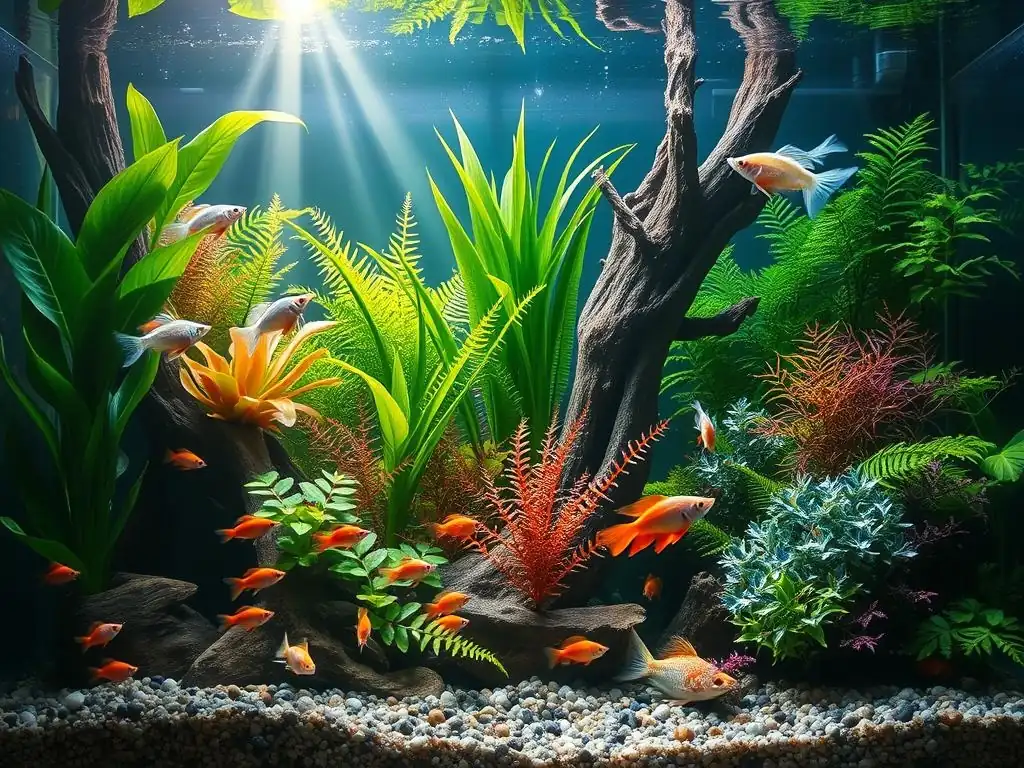
Ever wondered when those adorable guppy fry are finally big enough to brave the main tank? Getting it wrong can be a risky game! Dive in to discover expert tips and tricks on ensuring their safe integration, minimizing stress, and maximizing their chances of thriving. Let's unlock the secrets to a harmonious aquarium and healthy, happy guppies! Read on to learn more...
- Understanding Guppy Fry Development and Growth Stages
- Assessing the Risks: Why Separate Guppy Fry Initially?
- Determining the Optimal Time to Introduce Guppy Fry to the Main Tank
- Preparing the Main Tank for Guppy Fry Introduction
- Gradual Acclimation: Safely Introducing Guppy Fry to the Main Tank
- Minimizing Stress During Guppy Fry Integration
- Strategies for Successful Guppy Fry Integration: Protecting the Young
- Monitoring Guppy Fry Health in the Main Tank
- Creating a Thriving Guppy Community: Long-Term Success
-
Frequently Asked Questions
- How long should guppy fry stay separate from the main tank?
- What are the main dangers to guppy fry in a main tank environment?
- How can I prepare the main tank for the introduction of guppy fry?
- What size should guppy fry be before introducing them to the main tank?
- What steps should I take when first introducing guppy fry to the main tank?
- Final Reflection: Nurturing Growth, Ensuring Harmony
- Nurture & Integrate: Your Guppy Fry's Thriving Journey Begins Now!
Understanding Guppy Fry Development and Growth Stages
Guppy Fry: From Birth to Independence
Guppy fry are born live, fully formed, and remarkably self-sufficient from the moment they enter the water. At birth, they typically measure a tiny 4-6 mm (approximately 0.16-0.24 inches) in length and are capable of swimming, hiding, and foraging for food immediately. Despite this innate independence, their minuscule size makes them extremely vulnerable to predation, even from their own parents or other peaceful community fish.
In their first few weeks, guppy fry exhibit rapid growth, provided they receive consistent and appropriate nutrition. Their color patterns begin to emerge, and their fins develop further definition. This early stage is crucial for their development, as they learn to navigate their environment and compete for food. High-protein, finely crushed foods are essential during this period to fuel their quick development and increase their chances of survival.
Key Indicators of Guppy Fry Readiness for the Main Tank
The primary indicator for guppy fry readiness to join the main tank is their size. Generally, fry are considered safe to introduce when they are too large to fit into the mouths of the adult fish in the main tank. For a typical guppy-only tank, this often means the fry should reach a size of at least 1.5-2 cm (approximately 0.6-0.8 inches) in length, which usually correlates to about 4 to 6 weeks of age, though growth rates can vary significantly based on diet and water quality.
Beyond physical size, observing the guppy fry's behavior provides valuable insights into their readiness. Ready fry will exhibit confident, active swimming, exploring their grow-out tank rather than constantly hiding. They should actively forage for food, compete with their siblings, and appear robust and well-fed. Fry that are still very timid, lethargic, or show signs of stunted growth are not yet prepared for the challenges of a larger, more dynamic guppy fry main tank environment.
Assessing the Risks: Why Separate Guppy Fry Initially?
Predation Risks in the Main Tank: Protecting Your Guppy Fry
The most significant risk to guppy fry in a main tank is predation. Almost all adult fish, including adult guppies, will instinctively view tiny fry as a readily available food source. This natural predatory behavior is not limited to aggressive species; even seemingly peaceful community fish like mollies, platies, or tetras can and will consume guppy fry if they are small enough to fit into their mouths.
The risk of predation is heightened in tanks with larger or more active species, such as certain cichlids, barbs, or even larger gouramis. Overcrowding in the main tank further exacerbates this risk, as it reduces the available hiding spots and increases the likelihood of fry being spotted and pursued. For successful guppy fry main tank integration, protecting them from these inherent dangers is paramount.
Competition for Resources: Ensuring Guppy Fry Get Enough Food
Another critical reason for initially separating guppy fry is to ensure they receive adequate nutrition. Guppy fry have very small mouths and require frequent, tiny meals, often 3-5 times a day, of specialized high-protein foods like powdered flakes or newly hatched brine shrimp. In a community tank, adult fish are much faster and more aggressive eaters, quickly consuming all available food before the slow-moving fry can get their share.
This intense competition for food often leads to starvation or stunted growth among the fry, even if they manage to avoid predation. Without sufficient and appropriate nutrition, their development is compromised, making them weaker, more susceptible to disease, and less likely to thrive. A dedicated grow-out tank ensures the guppy fry receive the specific diet and feeding frequency necessary for robust growth before their guppy fry main tank transition.
Determining the Optimal Time to Introduce Guppy Fry to the Main Tank
Size Matters: Minimum Size for Guppy Fry to Avoid Predation
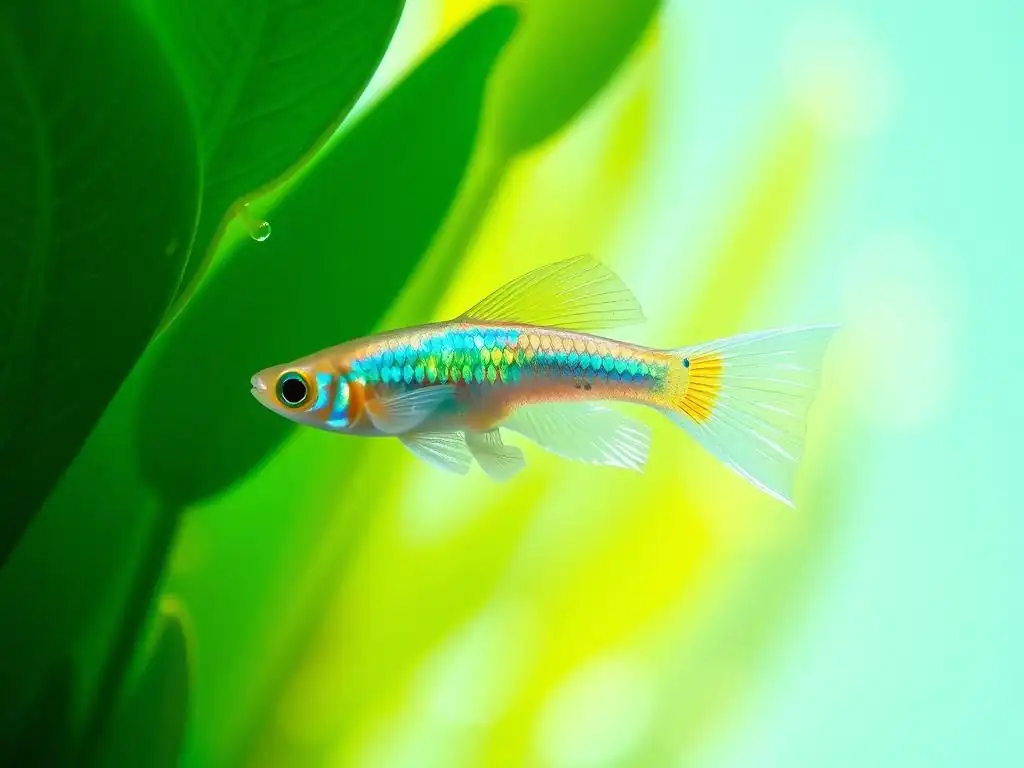
The most crucial factor in determining when guppy fry can join the main tank is their physical size relative to the adult fish. As a general guideline, guppy fry should be at least 1.5 cm (approximately 0.6 inches) long to avoid being easily eaten by adult guppies. This size typically corresponds to about 4 to 6 weeks of age, assuming optimal feeding and water conditions in their grow-out tank.
However, if the main tank contains larger or more predatory tank mates, such as certain types of angelfish, larger tetras, or dwarf cichlids, the fry will need to be significantly larger, perhaps 2.5-3 cm (1-1.2 inches) or more, to stand a reasonable chance of survival. It is essential to assess the mouth size of the largest potential predator in your tank; if a fish can fit the fry in its mouth, it will likely try to eat it. Prioritizing their size ensures a safer guppy fry main tank introduction.
Guppy Fry Behavior: Signs of Confidence and Independence
Beyond physical size, observing the behavior of your guppy fry provides key insights into their readiness. Fry that are prepared for the main tank will exhibit confident and active swimming, exploring their environment rather than constantly hiding. They should be seen actively foraging for food, competing with their siblings, and demonstrating strong, coordinated movements.
Conversely, fry that appear lethargic, constantly hide, or show signs of stress (such as clamped fins or erratic darting) are not yet ready. Healthy, confident fry will also show less fear of approaching the front of their grow-out tank and interacting with their environment. These behavioral cues, coupled with adequate size, indicate that the guppy fry are mentally and physically robust enough to handle the dynamics of a larger guppy fry main tank community.
Preparing the Main Tank for Guppy Fry Introduction
Ensuring a Safe Environment: Tank Size, Hiding Places, and Water Parameters
Before introducing guppy fry, the main tank must be thoroughly prepared to ensure their safety and well-being. Firstly, confirm the tank is adequately sized to prevent future overcrowding. For a typical guppy community, a 20-gallon (approximately 75-liter) tank can comfortably house 10-15 adult guppies, but adding growing fry will increase the bioload. Secondly, provide abundant hiding spots. Dense live plants, such as Java moss, hornwort, or guppy grass, offer excellent natural cover where fry can retreat from curious adults.
Crucially, maintain stable and optimal water parameters: a temperature range of 24-27°C (75-80°F), a pH of 6.5-7.5, and undetectable levels of ammonia and nitrite (0 ppm), with nitrates ideally below 20 ppm. Use a gentle filter flow, as strong currents can exhaust small guppy fry. Sponge filters are particularly gentle and effective for tanks housing delicate young fish, making the guppy fry main tank environment more hospitable.
Introducing Plants and Decorations for Guppy Fry Protection
Live plants are an invaluable asset for protecting guppy fry in a community tank. They provide essential visual barriers and intricate hiding spots, breaking the line of sight for adult fish and allowing fry to escape predation. Fine-leafed plants like Java moss (Taxiphyllum barbieri) or Hornwort (Ceratophyllum demersum) are particularly effective, creating dense thickets where fry can safely navigate.
Floating plants such as Dwarf Water Lettuce (Pistia stratiotes) or Frogbit (Limnobium laevigatum) also offer excellent surface cover, a preferred hiding spot for many fry. Aim for at least 50-70% plant coverage to maximize protection for the guppy fry main tank.
In addition to live plants, strategically placed decorations can further enhance fry protection. Small ceramic caves, driftwood with numerous crevices, or even fine-leafed artificial plants can create additional safe zones. Arrange these elements to create a complex environment with many nooks and crannies where fry can hide quickly. Ensure all decor is smooth and free of sharp edges to prevent any injury to the delicate guppy fry.
Gradual Acclimation: Safely Introducing Guppy Fry to the Main Tank
The Drip Acclimation Method for Guppy Fry
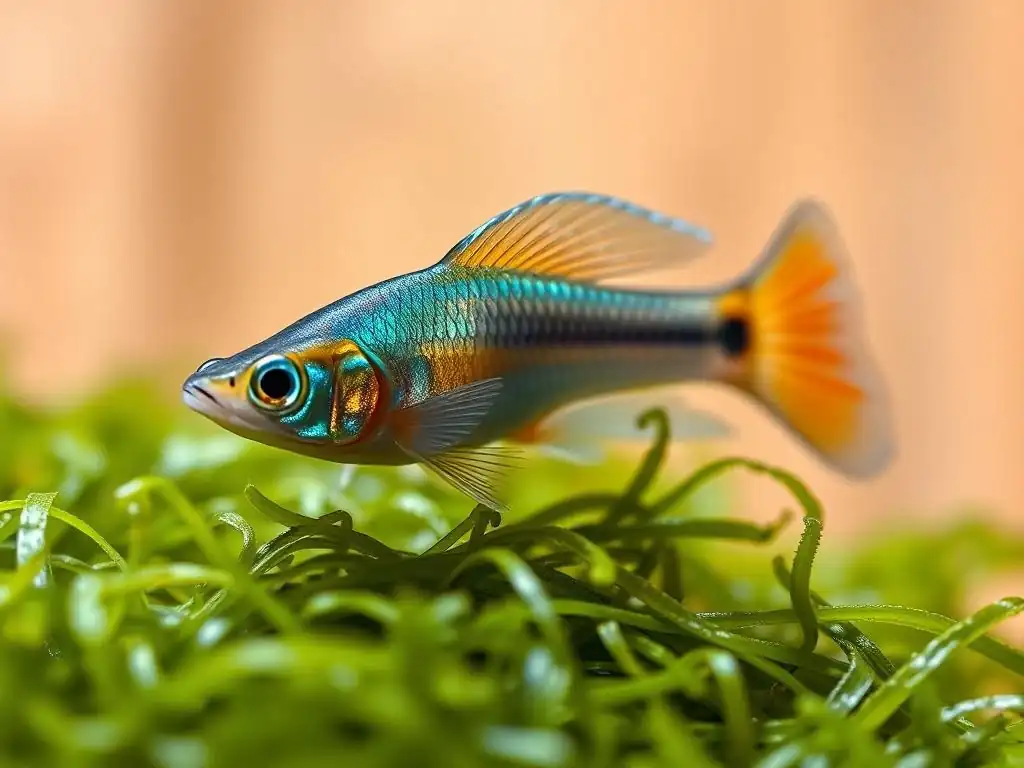
The drip acclimation method is highly recommended for introducing sensitive fish like guppy fry to a new tank, as it minimizes stress from rapid changes in water parameters. Begin by placing the guppy fry, along with their current water, into a separate clean container, such as a small bucket or plastic tub. Next, use an air line tube to create a siphon from the main tank into the container. Secure the tube with a clamp or tie a loose knot to regulate the drip rate to approximately 1-2 drops per second.
Allow the drip acclimation to proceed for at least 45 minutes to an hour, or until the volume of water in the container has doubled or tripled. This slow and steady introduction of main tank water gradually equalizes the temperature, pH, and hardness, preventing shock to the delicate fry. Once acclimation is complete, gently net the guppy fry and transfer them into the main tank, discarding the water from the container to avoid introducing any potentially harmful elements into your established guppy fry main tank.
Observing Guppy Fry Behavior Post-Introduction: What to Watch For
After introducing the guppy fry to the main tank, close observation is crucial, especially during the first few hours. Initially, healthy fry will typically seek out hiding spots immediately, utilizing the provided plants and decor. Watch for signs of immediate stress, such as rapid gill movement, lethargy, or erratic darting, which may indicate discomfort with the new environment or water parameters.
Over the next few days, continue to monitor their behavior. Ensure they are actively foraging for food when offered and that they are not being excessively harassed or chased by adult fish. Healthy fry will gradually become more confident, exploring more of the tank while still utilizing cover. If you notice persistent signs of stress, bullying, or a significant lack of appetite, it might be necessary to temporarily re-isolate them or adjust the guppy fry main tank environment further to improve their chances of survival.
Minimizing Stress During Guppy Fry Integration
Avoiding Overcrowding: Maintaining a Balanced Fish Population
Overcrowding is a significant stressor for all aquarium inhabitants, and guppy fry are particularly susceptible to its negative effects. An overcrowded tank leads to increased competition for food and space, elevated waste production (which deteriorates water quality), and heightened aggression among tank mates. For guppies, a common guideline is to allow at least one gallon of water per inch of adult fish, meaning a 20-gallon tank can comfortably house about 20 guppies, including growing fry, without undue stress. Exceeding this capacity can quickly lead to health issues and reduced survival rates for the guppy fry main tank population.
To mitigate overcrowding, regularly assess your tank's fish population. If you anticipate a large number of fry surviving to adulthood, consider rehoming some of your adult guppies or planning for a larger tank. While proper filtration and increased water change frequency can help manage the effects of overcrowding, they cannot fully compensate for inadequate space. A balanced fish population ensures less competition, better water quality, and overall improved health for your guppy fry.
Optimal Water Quality: Regular Testing and Maintenance
Pristine and stable water quality is paramount for minimizing stress and preventing disease in guppy fry during and after integration. Fry are highly sensitive to fluctuations in water parameters and elevated levels of toxic compounds. Regularly test your water parameters (at least weekly) for ammonia, nitrite, and nitrate. Ammonia and nitrite should always be at 0 ppm, and nitrates ideally below 20 ppm. Even slight increases can cause significant stress to the delicate fry.
Implement a consistent water change schedule, typically 25-30% of the tank volume weekly, using dechlorinated water that is matched in temperature to the tank. Clean filter media regularly (using old tank water to preserve beneficial bacteria) and ensure proper aeration. Stable water parameters reduce physiological stress on the guppy fry, bolster their immune systems, and promote healthy growth, making their guppy fry main tank transition smoother and more successful.
Strategies for Successful Guppy Fry Integration: Protecting the Young
Providing Adequate Hiding Spots: Plants, Caves, and Decor
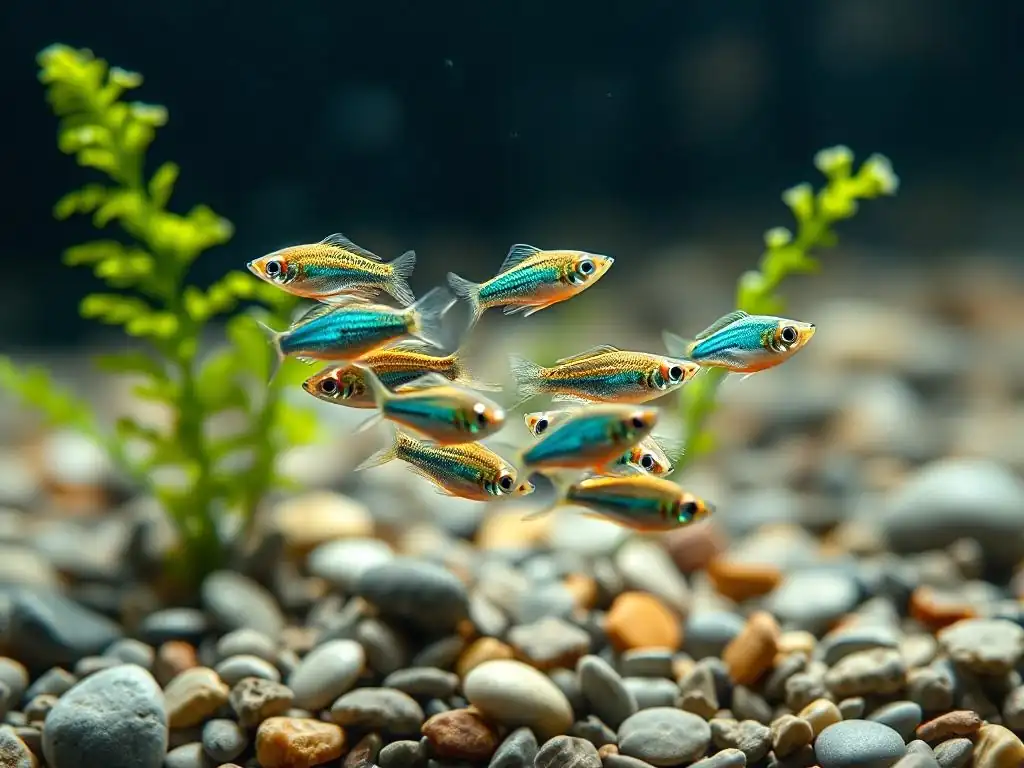
The most critical strategy for successful guppy fry integration into a main tank is providing an abundance of safe hiding spots. Dense live plants, especially fine-leafed varieties such as Java moss, Hornwort, or Guppy grass, offer unparalleled refuge. These plants create a complex labyrinth of safe zones where fry can escape the attention of adult fish and forage for microscopic organisms. Aim for at least 70% of the tank's floor space to be covered with dense plant growth or other protective decor to maximize safety for the guppy fry main tank.
Complement live plants with other forms of decor that offer additional sanctuary. Small ceramic caves, intricate driftwood pieces with crevices, or even strategically placed rock formations can provide vital hiding places. Arrange these elements to break up lines of sight, preventing adult fish from constantly spotting and pursuing the fry. The more options fry have to disappear quickly and effectively, the higher their chances of survival and the lower their stress levels will be.
Feeding Strategies: Ensuring Guppy Fry Receive Sufficient Nutrition
Ensuring guppy fry receive enough food in a main tank, where adult fish are present, requires specific feeding strategies. Fry have tiny mouths and high metabolic rates, necessitating frequent, small meals—ideally 3-5 times a day—of high-protein, finely crushed food. Offer specialized fry foods such as powdered flake food, newly hatched brine shrimp (Artemia nauplii), or micro-pellets, which are appropriately sized for their mouths and provide the necessary nutrients for rapid growth.
To ensure the fry get their share, consider distributing the food widely across the tank's surface, allowing some to drift down to lower levels where fry might be hiding. Alternatively, target-feed by introducing food directly into areas with dense plant cover where the fry typically congregate. Some aquarists find it effective to feed the adult fish their regular food first to distract them, then immediately offer the specialized fry food. Consistent and adequate nutrition is vital for developing strong, healthy guppy fry, making them less vulnerable during their guppy fry main tank integration.
Monitoring Guppy Fry Health in the Main Tank
Identifying Signs of Stress or Illness in Guppy Fry
After their introduction to the main tank, close monitoring of guppy fry is essential to identify any signs of stress or illness promptly. Behavioral cues are often the first indicators: stressed fry may exhibit clamped fins (held tightly against their body), rapid gill movement, lethargy, or erratic darting movements indicative of panic. They might also constantly hide, refusing to come out even when food is offered. These behaviors suggest they are not coping well with the guppy fry main tank environment or are experiencing poor water quality.
Physically, look for any abnormalities. Healthy fry should have clear eyes, vibrant developing coloration, and full, erect fins. Signs of illness include white spots (Ich), fuzzy fungal growths, fin rot (frayed or decaying fins), or unusual growths on their body. Any deviation from healthy appearance or behavior warrants immediate investigation to prevent the condition from worsening or spreading to other tank inhabitants.
Addressing Potential Problems: Treating Illnesses and Injuries
If you identify stressed or ill guppy fry, prompt intervention is crucial. The first step is often to gently remove the affected fry to a separate hospital tank, if available. This allows for targeted treatment without affecting the main tank's biological filter or other inhabitants. Common treatments may include salt baths for external parasites or broad-spectrum medications for bacterial infections, always administered strictly according to product instructions and dosages appropriate for small fish.
Beyond medication, review the main tank conditions thoroughly. Check water parameters immediately, as poor water quality (e.g., high ammonia or nitrite) is a common underlying cause of stress and illness in fry. Ensure there is adequate filtration, sufficient hiding spots, and that the tank is not overcrowded. If you observe bullying by adult fish, consider adding more dense plant cover or re-evaluating the compatibility of tank mates. Timely adjustments to the guppy fry main tank environment are vital for the survival and well-being of the young.
Creating a Thriving Guppy Community: Long-Term Success
Maintaining Optimal Tank Conditions for Guppies and Fry
Long-term success in fostering a thriving guppy community, including integrated fry, hinges on maintaining consistent, optimal tank conditions. This includes performing regular water changes—typically 25% of the tank volume weekly—to keep nitrate levels low and replenish essential minerals. Continuously monitoring water parameters (temperature between 24-27°C, pH 6.5-7.5, and 0 ppm ammonia/nitrite) is non-negotiable. Stable conditions significantly reduce stress for all guppies, promoting robust health, vibrant colors, and natural breeding cycles within the guppy fry main tank.
Furthermore, provide a varied and high-quality diet for all guppies, incorporating high-quality flakes, micro-pellets, and occasional live or frozen foods like brine shrimp or daphnia. Ensure the tank remains heavily planted with ample hiding spots, which benefits both adult guppies and any future generations of fry. A well-maintained, biologically balanced aquarium creates a dynamic and healthy environment where guppies can flourish and fry can grow to maturity successfully.
Population Control: Managing Guppy Breeding
Guppies are renowned for their prolific breeding capabilities, with females able to produce a new batch of fry approximately every 21-30 days. Without effective population management, a guppy community can quickly become overcrowded, leading to increased stress, heightened aggression, stunted growth, and deteriorating water quality. This directly impacts the health and survival rates of all guppies, including the integrated guppy fry main tank residents.
Several strategies can help manage the guppy population. Introducing carefully researched, peaceful predatory tank mates (such as a single Betta fish or certain dwarf cichlids, ensuring compatibility and adequate tank size) can help control fry numbers naturally. Alternatively, regularly rehoming excess guppies to local fish stores or other hobbyists is a humane and effective method. Some aquarists also opt to keep only male or only female guppies to prevent breeding entirely, thus maintaining a stable and manageable guppy fry main tank population without the continuous influx of new fry.
Frequently Asked Questions
How long should guppy fry stay separate from the main tank?
Guppy fry should ideally stay separate for at least 4-6 weeks to allow them to grow large enough to avoid being eaten. This period helps them develop and increase their chances of survival in the main tank.
What are the main dangers to guppy fry in a main tank environment?
The primary danger is being eaten by adult fish. Adult guppies and other tank mates can see them as a food source. Also, strong currents and competition for food can be problematic.
How can I prepare the main tank for the introduction of guppy fry?
Ensure the main tank has plenty of hiding places, such as plants and decorations, where the fry can retreat. Also, make sure the water parameters are stable and suitable for both fry and adult guppies.
What size should guppy fry be before introducing them to the main tank?
Guppy fry should be at least half an inch long before being introduced to the main tank. This size typically makes them less appealing as food and increases their maneuverability to evade predators.
What steps should I take when first introducing guppy fry to the main tank?
Observe the fry closely for the first few days to ensure they are not being harassed or eaten. Provide extra food to distract the adults and ensure the fry are getting enough to eat. Consider introducing them gradually to minimize stress.
Final Reflection: Nurturing Growth, Ensuring Harmony
The journey from tiny fry to thriving guppy is a delicate dance, and understanding the optimal timing for integration into the main tank is crucial for their survival and well-being. This isn't just about fishkeeping; it's about fostering a balanced ecosystem where every member has the opportunity to flourish.
This seemingly simple question of when to introduce guppy fry highlights a much larger principle: the importance of mindful stewardship in all aspects of life. We must consider the vulnerabilities of the young and ensure they have the support they need to thrive. The best way to predict the future is to create it.
This quote reminds us that we have the power to shape the environment and experiences of those around us, whether they are guppy fry or fellow humans.
So, as you observe your guppy fry growing stronger each day, remember that your patience and care are shaping their future. Consider how you can apply these principles of nurturing and protection to other areas of your life. What small acts of kindness and support can you offer to help others thrive? The lessons learned from a guppy tank can ripple outwards, creating a more compassionate and harmonious world.
Nurture & Integrate: Your Guppy Fry's Thriving Journey Begins Now!
Thank you for exploring the fascinating world of guppy fry! We hope this article has equipped you with the knowledge to successfully raise these tiny wonders. Now, let's take that knowledge and put it into action!
Here are your next steps to ensure your guppy fry thrive:
- Carefully observe your fry for the next few days, noting their growth rate and overall health. This will influence your decision on when they are ready to move.
- Begin slowly introducing small amounts of water from the main tank into the fry's tank to help them acclimate to the new water parameters.
- Share your own guppy fry raising tips and experiences in the comments below – what unique challenges have you faced, and how did you overcome them?