
Creating a Thriving Cherry Barb Biotope: Replicating Their Natural Sri Lankan Home

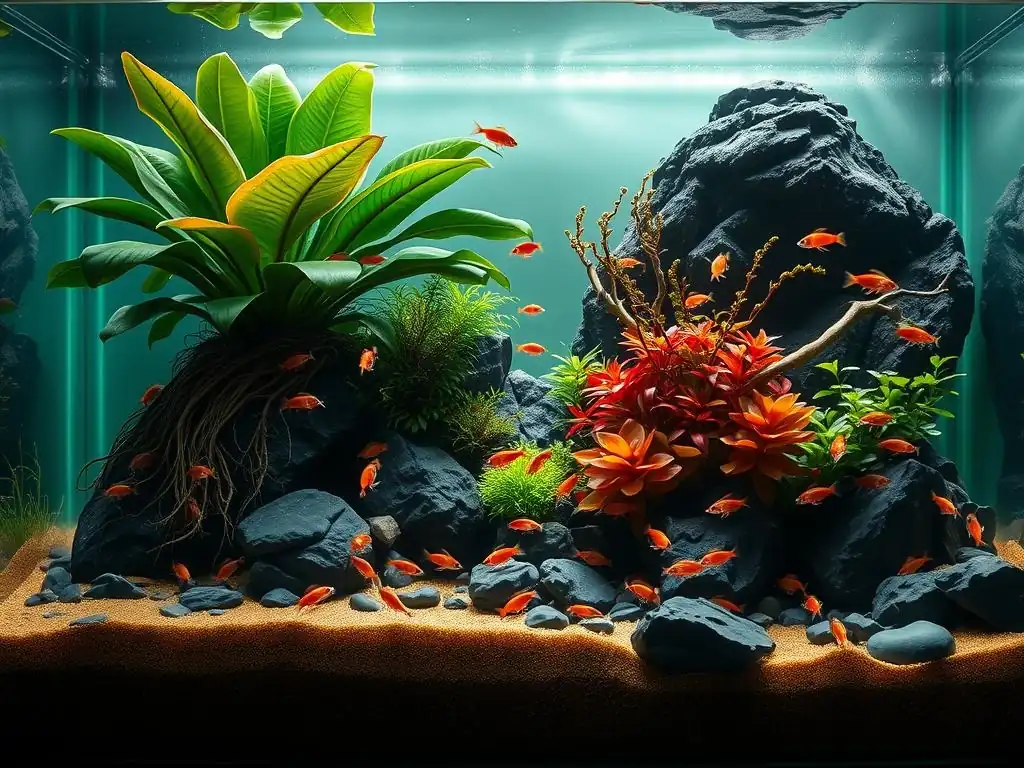
Welcome to Aquarium Mastery!
Intrigued by the vibrant colors and peaceful nature of Cherry Barbs? Ever wondered how to perfectly recreate their natural habitat in your own home aquarium? Dive in as we explore the secrets to a thriving Cherry Barb biotope setup, transforming your tank into a slice of Sri Lankan paradise. Discover the ideal plants, substrate, and water parameters to unlock the full potential of these captivating fish – and leave them feeling right at home! Ready to get started?
- Understanding the Cherry Barb's Natural Habitat: A Sri Lankan Biotope Overview
- Planning Your Cherry Barb Biotope Setup
- Recreating the Substrate and Hardscape of a Sri Lankan Stream
- Planting Your Cherry Barb Biotope: Sri Lankan Flora
- Water Chemistry and Parameters for Cherry Barbs
- Selecting Tank Mates for Your Cherry Barb Biotope
- Feeding Your Cherry Barbs in a Biotope Setting
- Maintaining Your Cherry Barb Biotope for Long-Term Success
- The Benefits of a Species-Specific Biotope Aquarium
- Frequently Asked Questions
- Final Reflection: Embracing the Essence of Aquatic Harmony
- Rediscover the Joy of a Thriving Aquarium!
Understanding the Cherry Barb's Natural Habitat: A Sri Lankan Biotope Overview
The Native Environment of Cherry Barbs ( Puntius titteya)
The cherry barb, Puntius titteya, originates from the lush, tropical island nation of Sri Lanka. These beautiful cyprinids are predominantly found in the lower reaches of river basins such as the Kelani, Kalu, Gin, and Nilwala rivers, particularly in the forested, slow-moving streams and clear, shallow tributaries. Their natural habitat is characterized by a high degree of shade provided by dense riparian vegetation, which limits direct sunlight and contributes to stable water temperatures.
These streams typically feature clear, oxygen-rich water with a substrate composed of fine sand, leaf litter, and detritus, interspersed with submerged roots and fallen branches. The water parameters in these environments are generally soft to moderately hard, ranging from 2-12 dGH, with a slightly acidic to neutral pH between 6.0 and 7.5. The stable temperatures, typically between 72-79°F (22-26°C), are crucial for their metabolism and overall well-being.
Key Characteristics of a Sri Lankan Stream Biotope for Cherry Barbs
A typical Sri Lankan stream biotope for cherry barbs is defined by its gentle flow, allowing for the accumulation of leaf litter and fine sediment. The water is often stained with tannins from decaying organic matter, giving it a subtle amber tint, though many cherry barb habitats are also characterized by remarkably clear water. Dense aquatic and semi-aquatic plants, particularly various Cryptocoryne species, thrive in the shaded conditions, offering abundant cover and foraging grounds.
The presence of submerged roots, driftwood, and fallen leaves creates intricate hiding places and territorial markers for the fish. These elements also contribute to the biotope's natural filtration and serve as surfaces for beneficial microbial growth. The ecosystem is rich in microfauna, insect larvae, and small crustaceans, which form a significant part of the cherry barb's natural diet. Replicating these conditions is key to a successful Cherry barb biotope setup.
Planning Your Cherry Barb Biotope Setup
Choosing the Right Aquarium Size for Cherry Barbs
For a thriving school of cherry barbs, selecting an appropriately sized aquarium is paramount. While a small group of 6-8 individuals can comfortably inhabit a 15-gallon (approximately 57-liter) tank, a 20-gallon (around 76-liter) long aquarium is often recommended as an ideal minimum. This provides ample horizontal swimming space, which is crucial for these active, schooling fish to exhibit their natural behaviors without feeling confined.
For a larger community or a dedicated breeding setup, a 30-gallon (approximately 114-liter) or larger tank is highly beneficial. The increased volume offers greater stability in water parameters and allows for a more elaborate biotope design, including denser planting and more intricate hardscaping. Remember, longer tanks are generally preferred over taller ones for species that primarily swim horizontally, such as cherry barbs.
Essential Equipment for a Cherry Barb Biotope Tank
Filtration Systems for Maintaining Water Quality
Effective yet gentle filtration is vital for a Cherry barb biotope setup. Cherry barbs prefer slow to moderate water flow, mirroring their natural stream environments. Sponge filters, which provide excellent biological filtration and minimal current, are an ideal choice. Alternatively, a hang-on-back (HOB) filter with an adjustable flow rate or a small canister filter can be used, ensuring that the outflow is diffused to prevent strong currents that could stress the fish.
Biological filtration, facilitated by beneficial bacteria colonizing filter media, is crucial for converting harmful ammonia and nitrites into less toxic nitrates. Mechanical filtration, through filter floss or sponges, removes particulate matter, keeping the water clear. While chemical filtration (e.g., activated carbon) can be used to remove discoloration or odors, it's often unnecessary in a well-maintained, balanced biotope.
Lighting Considerations for Plant Growth and Fish Health
Lighting in a cherry barb biotope should aim to replicate the dappled, shaded conditions of their natural habitat. Moderate light intensity is generally sufficient, particularly if you plan to incorporate Cryptocoryne species, which thrive under subdued lighting. Excessive light can lead to unwanted algae growth, detracting from the natural aesthetic and potentially competing with your chosen aquatic plants.
A photoperiod of 8-10 hours daily is recommended for optimal plant growth and to establish a consistent day-night cycle for the fish. LED lights with adjustable intensity are an excellent option, allowing precise control over light levels. Utilizing a timer ensures a stable lighting schedule, reducing stress on both plants and fish.
Heating and Temperature Control for Cherry Barbs
Maintaining a stable water temperature within the optimal range of 72-79°F (22-26°C) is critical for the health and longevity of cherry barbs. Fluctuations in temperature can weaken their immune systems, making them susceptible to diseases. A reliable, submersible aquarium heater equipped with a thermostat is an indispensable piece of equipment for any Cherry barb biotope setup.
Position the heater in an area with good water circulation to ensure even heat distribution throughout the tank. It is also advisable to use an independent thermometer, preferably a digital one, to monitor the water temperature accurately and regularly. This helps confirm that the heater is functioning correctly and maintaining the desired thermal environment.
Recreating the Substrate and Hardscape of a Sri Lankan Stream
Selecting the Appropriate Substrate for Your Biotope
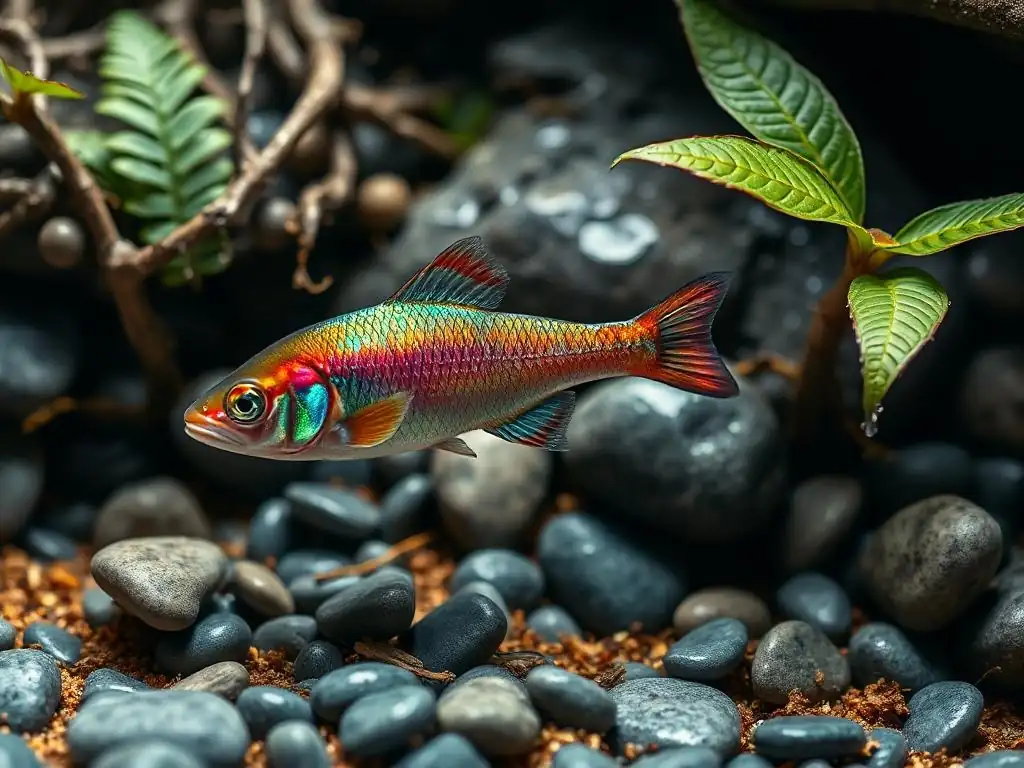
The substrate forms the foundation of your Cherry barb biotope setup and should closely mimic the fine, soft bottom of their natural streams. Fine sand, such as play sand or specialized aquarium sand, is an excellent choice, with a grain size typically ranging from 0.5 to 2 mm. This type of substrate not only looks natural but also allows cherry barbs to engage in their natural foraging behavior, sifting through the grains for micro-organisms.
Alternatively, a very small, smooth gravel (1-3 mm) can be used, but avoid sharp or coarse gravels that could injure their delicate barbels. For planted biotopes, a thin layer of nutrient-rich aquasoil can be placed beneath the sand to provide essential nutrients for rooted plants like Cryptocorynes, ensuring robust growth while maintaining the desired aesthetic of a sandy riverbed.
Incorporating Natural Hardscape Elements: Rocks and Wood
Hardscape elements are crucial for replicating the structural complexity of a Sri Lankan stream. Smooth, rounded river stones or pebbles, varying in size, can be strategically placed to mimic natural rock formations found in stream beds. These elements should be non-calcareous to avoid altering water chemistry significantly.
Driftwood, particularly pieces that resemble submerged branches or roots, is another essential component. Spiderwood, Mopani wood, or Malaysian driftwood are popular choices that release beneficial tannins, which can subtly tint the water, replicating the natural "blackwater" conditions found in some parts of their habitat. Driftwood also provides excellent hiding spots, visual barriers, and surfaces for beneficial bacteria to colonize, enhancing the overall stability of your Cherry barb biotope setup.
Creating Depth and Hiding Places for Cherry Barbs
Effective arrangement of hardscape and plants is vital for creating a visually appealing and functional biotope. By varying the height and placement of rocks and wood, you can create a sense of depth and natural topography, making the aquarium appear larger and more complex. For example, taller pieces of driftwood can be placed towards the back, with smaller rocks and lower plants in the foreground.
Ample hiding places are paramount for the well-being of cherry barbs. While they are generally peaceful, they can become shy or stressed if they feel exposed. Dense clumps of plants, intricate driftwood tangles, and small rock caves provide secure retreats where individual fish can rest, seek refuge from more boisterous tank mates, or engage in spawning activities. A well-structured layout enriches their environment and encourages natural behaviors.
Planting Your Cherry Barb Biotope: Sri Lankan Flora
Choosing Biotope-Appropriate Aquatic Plants
Cryptocoryne Species: A Staple for Sri Lankan Biotopes
Cryptocoryne species are perhaps the most iconic and biotope-appropriate plants for a Cherry barb setup, as many varieties are native to Sri Lanka. These low-light tolerant, rhizomatous plants come in various sizes and leaf shapes, making them versatile for aquascaping. Excellent choices include Cryptocoryne wendtii (available in green, red, and brown forms), Cryptocoryne undulata (known for its wavy leaves), and Cryptocoryne walkeri.
These plants thrive in soft to moderately hard water and can tolerate a range of pH levels, making them highly adaptable. They typically grow slowly, forming dense bushes or carpets over time, providing excellent cover and foraging areas for cherry barbs. Their natural appearance and resilience make them an indispensable element in any authentic Sri Lankan stream biotope.
Other Suitable Plant Options for a Cherry Barb Tank
While Cryptocorynes are central, other aquatic plants can complement the biotope aesthetic and provide additional benefits. Although not strictly native to Sri Lanka, species like Java Fern ( Microsorum pteropus) and Anubias species ( Anubias barteri) are highly compatible due to their similar care requirements and ability to attach to hardscape, mimicking plants growing on submerged logs or rocks. These plants are also very hardy and tolerant of low light.
For surface cover, which provides a sense of security and diffuse lighting, consider floating plants like Dwarf Water Lettuce ( Pistia stratiotes) or Frogbit ( Limnobium laevigatum). While natural Sri Lankan streams may not have extensive floating plant coverage, a moderate amount can enhance the shaded effect and contribute to a more natural feel for your Cherry barb biotope setup.
Planting Techniques for Optimal Growth and Aesthetics
Proper planting techniques are essential for the health and aesthetic appeal of your biotope. For rooted plants like Cryptocorynes, ensure the rhizome (the thick horizontal stem) is not buried too deeply in the substrate; only the roots should be covered. Burying the rhizome can lead to rot. Plant them in clumps or individually to create dense sections that offer cover for the fish.
Epiphytic plants such as Anubias and Java Fern should not be planted in the substrate at all. Instead, attach them to driftwood or rocks using fishing line, cotton thread, or even super glue (cyanoacrylate gel). Over time, their roots will naturally cling to the hardscape. This method mimics their natural growth habit and ensures their rhizomes do not rot, contributing to a healthy and vibrant Cherry barb biotope setup.
Water Chemistry and Parameters for Cherry Barbs
Achieving Optimal Water Parameters for Cherry Barb Health
Replicating the water chemistry of the cherry barb's natural Sri Lankan habitat is paramount for their health and vibrant coloration. The ideal pH range is slightly acidic to neutral, typically between 6.0 and 7.5. Water hardness should be soft to moderately hard, falling within 2-12 dGH (35-210 ppm). These parameters contribute to reduced stress and optimal physiological function for the fish.
Consistency is key; stable parameters are far more beneficial than attempting to achieve exact numbers that fluctuate wildly. If your tap water is significantly outside these ranges, consider using a blend of reverse osmosis (RO) water with a suitable remineralizer, or mixing RO water with tap water, to achieve and maintain the desired conditions for your Cherry barb biotope setup.
The Importance of Water Changes and Testing
Regular water changes are fundamental to maintaining pristine water quality in a Cherry barb biotope. A weekly or bi-weekly partial water change of 20-30% of the tank's volume is generally recommended, depending on stocking levels and filtration efficiency. This process removes accumulated nitrates, replenishes essential trace elements, and helps stabilize pH and hardness.
Consistent water testing is equally vital. Utilize a reliable liquid-based test kit to monitor key parameters such as ammonia, nitrite, nitrate, and pH. Ammonia and nitrite should always read zero after the tank is cycled. Regular testing, perhaps once a week, allows you to track the stability of your nitrogen cycle and identify any potential issues before they become harmful to your cherry barbs.
Maintaining a Stable and Healthy Aquarium Environment
Achieving and maintaining a stable aquarium environment goes beyond just water parameters. It involves a holistic approach to tank management. Ensure your tank is fully cycled before introducing fish; this means the beneficial bacteria colony is robust enough to process fish waste efficiently. A mature filter and a consistent feeding schedule contribute significantly to this stability.
Avoid common pitfalls such as overfeeding, which leads to excess organic waste and potentially dangerous ammonia spikes. Similarly, overstocking the tank can quickly overwhelm the biological filtration system. Sudden large changes in temperature, pH, or salinity should also be avoided, as these rapid shifts are major stressors for fish. Gradual adjustments are always preferred to ensure the long-term health of your Cherry barb biotope setup.
Selecting Tank Mates for Your Cherry Barb Biotope
Compatible Fish Species for a Community Biotope
When selecting tank mates for your Cherry barb biotope setup, prioritize peaceful, similarly sized fish that share similar water parameter requirements. Ideal companions include other small, non-aggressive cyprinids like Harlequin Rasboras ( Trigonostigma heteromorpha), Lambchop Rasboras ( Trigonostigma espei), or Espei Rasboras. Small, peaceful characins such as Neon Tetras ( Paracheirodon innesi) or Ember Tetras ( Hyphessobrycon amandae) can also coexist harmoniously.
It is crucial to avoid any fish known for fin-nipping or aggressive behavior, as cherry barbs have delicate fins that can be easily damaged. Focus on species that prefer the same slightly acidic to neutral, soft to moderately hard water conditions to ensure all inhabitants thrive in the biotope.
Invertebrates That Thrive with Cherry Barbs
Peaceful invertebrates can be excellent additions to a Cherry barb biotope, contributing to the tank's ecosystem and adding visual interest. Amano shrimp ( Caridina multidentata) are highly recommended for their efficiency in consuming algae and detritus, without posing any threat to the fish. Nerite snails ( Neritina natalensis) are another superb choice for algae control on glass and hardscape, and they are completely harmless to fish and plants.
While smaller freshwater shrimp like Cherry Shrimp ( Neocaridina davidi) can be kept, be aware that cherry barbs, especially hungry ones, might predate on very young or vulnerable shrimplets. However, adult shrimp are generally safe from predation in a well-fed tank with ample hiding spots provided by the dense planting of the Cherry barb biotope setup.
Avoiding Aggressive or Incompatible Tank Mates
To ensure the peaceful environment of your Cherry barb biotope, strictly avoid any large, aggressive, or territorial fish species. This includes larger cichlids, aggressive barbs like Tiger Barbs ( Puntigrus tetrazona), and any fish known to be fin-nippers. Such tank mates will invariably stress, injure, or even kill your cherry barbs.
Furthermore, do not introduce fish that require vastly different water parameters, such as very hard or alkaline water, or species that have significantly different dietary needs. Maintaining a stable biotope relies on all inhabitants thriving under the same environmental conditions. Introducing incompatible species compromises the entire ecosystem and the well-being of your cherry barbs.
Feeding Your Cherry Barbs in a Biotope Setting
Providing a Varied and Nutritious Diet
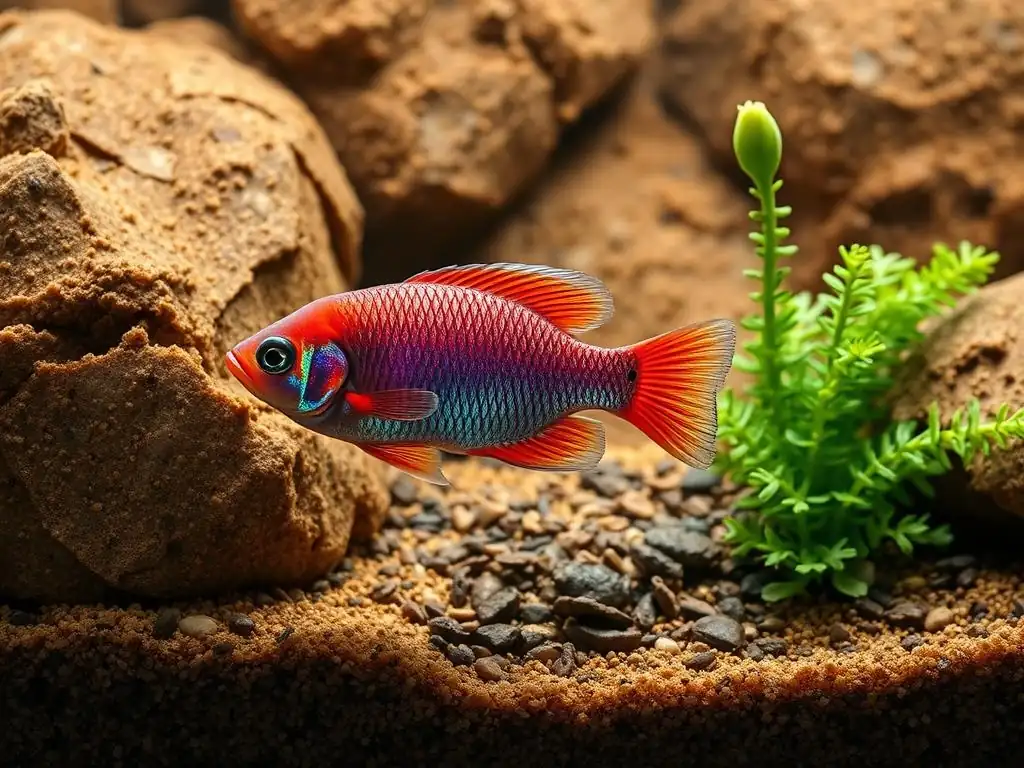
Cherry barbs are omnivorous, and a varied diet is essential for their health, coloration, and active behavior in a biotope setting. A high-quality flake food or small pellet designed for tropical fish should form the staple of their diet. Ensure the food is nutritionally complete and easily digestible.
To replicate their natural foraging habits and provide a full spectrum of nutrients, supplement their dry food with live or frozen options. Live foods such as daphnia, brine shrimp, and micro-worms are excellent choices, providing natural enrichment and encouraging hunting behaviors. Frozen bloodworms, spirulina brine shrimp, and tubifex worms also offer vital proteins and vitamins, contributing to a robust Cherry barb biotope setup.
Replicating Natural Feeding Behaviors
In their natural Sri Lankan streams, cherry barbs would continuously forage for small insects, larvae, and detritus. To mimic this, it is best to feed them small amounts multiple times a day (e.g., 2-3 times) rather than one large meal. This approach reduces waste, minimizes water pollution, and allows the fish to graze more naturally throughout the day.
Cherry barbs will also naturally graze on biofilm, micro-algae, and detritus that accumulates on plants, wood, and substrate within a well-established biotope. This natural scavenging further contributes to their diet and helps maintain the cleanliness of the tank. Observing these behaviors is a rewarding aspect of a biotope aquarium.
Avoiding Overfeeding and Maintaining Water Quality
Overfeeding is one of the most common mistakes in aquarium keeping and can quickly destabilize even a meticulously designed Cherry barb biotope setup. Excess food decomposes, leading to spikes in ammonia and nitrite, and contributes to high nitrate levels, which are detrimental to fish health and can fuel unsightly algae blooms.
Feed only what your cherry barbs can consume entirely within 2-3 minutes. Any uneaten food should be promptly removed from the tank using a small net or siphon to prevent it from decaying. Regular monitoring of feeding habits and adjusting quantities accordingly will help maintain excellent water quality and ensure the long-term success of your biotope.
Maintaining Your Cherry Barb Biotope for Long-Term Success
Regular Maintenance Tasks for a Healthy Biotope
Consistent and routine maintenance is critical for the long-term success of your Cherry barb biotope setup. This typically involves weekly or bi-weekly partial water changes of 20-30% to replenish minerals and remove nitrates. During water changes, lightly vacuum the substrate surface to remove detritus, being careful not to disturb rooted plants excessively.
Clean the aquarium glass as needed to remove algae and maintain clear viewing. Filter maintenance, such as rinsing filter media in old tank water (never tap water, as chlorine can kill beneficial bacteria), should be performed every few weeks or months, depending on filter type and tank load. Regular trimming of overgrown plants and removal of decaying leaves also contributes to a cleaner, healthier environment.
Monitoring Fish Health and Behavior
Daily observation of your cherry barbs is a simple yet crucial maintenance task. Pay close attention to their behavior, swimming patterns, coloration, and overall appearance. Healthy cherry barbs are active, display vibrant colors, and school together. Any deviation from this, such as clamped fins, labored breathing, loss of color, unusual spots, or lethargy, can indicate stress or disease.
Early detection of health issues allows for prompt intervention, which can prevent minor problems from escalating into widespread illness throughout your Cherry barb biotope setup. If a fish appears sick, research potential causes and appropriate treatments immediately, and consider quarantining the affected individual if possible.
Troubleshooting Common Biotope Issues
Even with diligent care, issues can arise in any aquarium. Common problems in a Cherry barb biotope setup include algae blooms (often caused by too much light or excess nutrients), cloudy water (due to bacterial blooms, overfeeding, or insufficient filtration), and fish diseases (frequently linked to poor water quality or stress).
For algae, reduce lighting duration, ensure proper nutrient balance, and increase water changes. Cloudy water usually resolves with increased water changes, reduced feeding, and ensuring your filter is clean and appropriately sized. Fish diseases require immediate attention; verify water parameters, ensure stable temperatures, and consider appropriate medications only after accurate diagnosis. A proactive approach to troubleshooting maintains the biotope's stability.
The Benefits of a Species-Specific Biotope Aquarium
Promoting Natural Behaviors and Breeding
Creating a species-specific biotope, such as a Cherry barb biotope setup, offers unparalleled benefits in promoting the natural behaviors of your fish. When cherry barbs are housed in an environment that closely mimics their native Sri Lankan streams, stress is significantly reduced. This allows them to display their full range of natural behaviors, including schooling tightly, foraging actively, and exhibiting their most vibrant colors.
Furthermore, a well-designed biotope provides the ideal conditions for breeding. Cherry barbs are egg scatterers, and the dense planting, leaf litter, and stable water parameters of a biotope tank create a perfect spawning ground. The intricate structure offers ample hiding spots for the scattered eggs and subsequently for the tiny fry, significantly increasing the chances of successful breeding and fry survival, a truly rewarding experience for the aquarist.
Enhancing the Aesthetic Appeal of Your Aquarium
A biotope aquarium is far more than just a fish tank; it is a living, breathing piece of art that replicates a specific natural habitat. The meticulous recreation of a Sri Lankan stream for your cherry barbs results in an aesthetically stunning display that is both cohesive and captivating. Unlike a generic community tank, a biotope tells a story, offering a harmonious blend of fish, plants, and hardscape that belong together.
The natural beauty of a Cherry barb biotope setup lies in its authenticity. The subtle play of light through aquatic plants, the gentle movement of fish among driftwood, and the overall ecological balance create a serene and visually compelling underwater landscape. It provides a unique educational opportunity to observe a miniature ecosystem functioning as nature intended, enhancing appreciation for the aquatic world.
Creating a Thriving Ecosystem for Your Cherry Barbs
Ultimately, the goal of a Cherry barb biotope setup is to create a self-sustaining, thriving ecosystem where every element works in harmony. From the substrate and hardscape to the plants, water chemistry, and fish selection, each component is carefully chosen to replicate the fish's natural environment. This holistic approach ensures not just survival, but true prosperity for your cherry barbs.
In such a balanced ecosystem, fish are healthier, less stressed, and more likely to live longer, fuller lives. The natural interactions between the fish and their environment are maximized, providing a deeply rewarding experience for the aquarist. A well-executed biotope is a testament to dedicated care and understanding, fostering a truly vibrant and robust habitat for your beloved cherry barbs.
Frequently Asked Questions
What is a Cherry Barb biotope aquarium?
A Cherry Barb biotope aquarium is a setup designed to mimic the natural habitat of Cherry Barbs, specifically the slow-moving streams and rivers of Sri Lanka. It involves carefully selecting substrate, plants, and decor to replicate their natural environment.
What are the key elements of a Cherry Barb biotope setup?
The key elements include a dark substrate (like fine gravel or sand), dim lighting, driftwood and leaf litter to mimic their natural hiding places, and plants native to Sri Lanka or similar regions. Water parameters should also be considered.
What kind of plants are suitable for a Cherry Barb biotope?
Suitable plants often include Cryptocoryne species, Anubias species, and Java Moss. These plants are found in similar environments and provide natural cover and breeding sites for the Cherry Barbs.
What water parameters are ideal for a Cherry Barb biotope?
Ideal water parameters include a slightly acidic to neutral pH (around 6.0-7.0), a temperature between 72-79°F (22-26°C), and soft water. Regular water changes are essential to maintain water quality.
Can I include other fish in my Cherry Barb biotope?
While the focus is on Cherry Barbs, you can include other peaceful, small fish that share similar water parameter requirements and come from similar regions. Consider species like Rasboras or Corydoras, but research compatibility first.
Final Reflection: Embracing the Essence of Aquatic Harmony
The journey of crafting a thriving Cherry Barb biotope extends far beyond simply arranging plants and gravel. It's about understanding and respecting the delicate balance of an ecosystem, a principle increasingly vital in our interconnected world. By meticulously recreating the Sri Lankan habitat of these vibrant fish, we not only provide them with an optimal environment but also gain a deeper appreciation for the beauty and fragility of nature itself.
This endeavor resonates profoundly because it underscores the power of mindful observation and intentional action. The act of recreating a natural environment, even on a small scale, fosters a sense of responsibility and connection to the larger world. It reminds us that even seemingly small choices, like the selection of substrate or the careful placement of driftwood, can have a significant impact. Look deep into nature, and then you will understand everything better.
- Albert Einstein. This quote perfectly encapsulates the essence of biotope creation: understanding through immersion and observation.
Now, consider the lessons learned from this journey. How can you apply the principles of mindful creation and environmental awareness to other aspects of your life? Let the dedication and care you invested in your Cherry Barb biotope inspire you to cultivate harmony and balance in your own surroundings, fostering a deeper connection with the natural world and contributing to a more sustainable future for all.
Rediscover the Joy of a Thriving Aquarium!
Thank you for diving into the world of Cherry Barbs! We hope you've gained a deeper understanding of how to create the perfect Sri Lankan-inspired biotope for these vibrant fish. Now, it's time to transform that knowledge into action.
- Prioritize the creation of your biotope: Begin by meticulously researching and gathering the necessary elements to emulate a Sri Lankan stream – the right substrate, driftwood, plants, and lighting are key to creating an environment where your Cherry Barbs will truly thrive.
- Share your newfound wisdom! Post pictures or videos of your tank or the tanks that inspired you, and give us a rundown of the things you will include in your tank.
- Consider documenting the journey! Start a blog or vlog series about your experience setting up the biotope and caring for your Cherry Barbs, sharing your challenges and successes with the wider aquarium community.
What unique element will you incorporate into your biotope to truly capture the essence of a Sri Lankan stream, and how do you envision it benefiting your Cherry Barbs?