
The Magic of Discus Milk: Parental Care & Fry Nutrition Explained

Welcome to Aquarium Mastery!
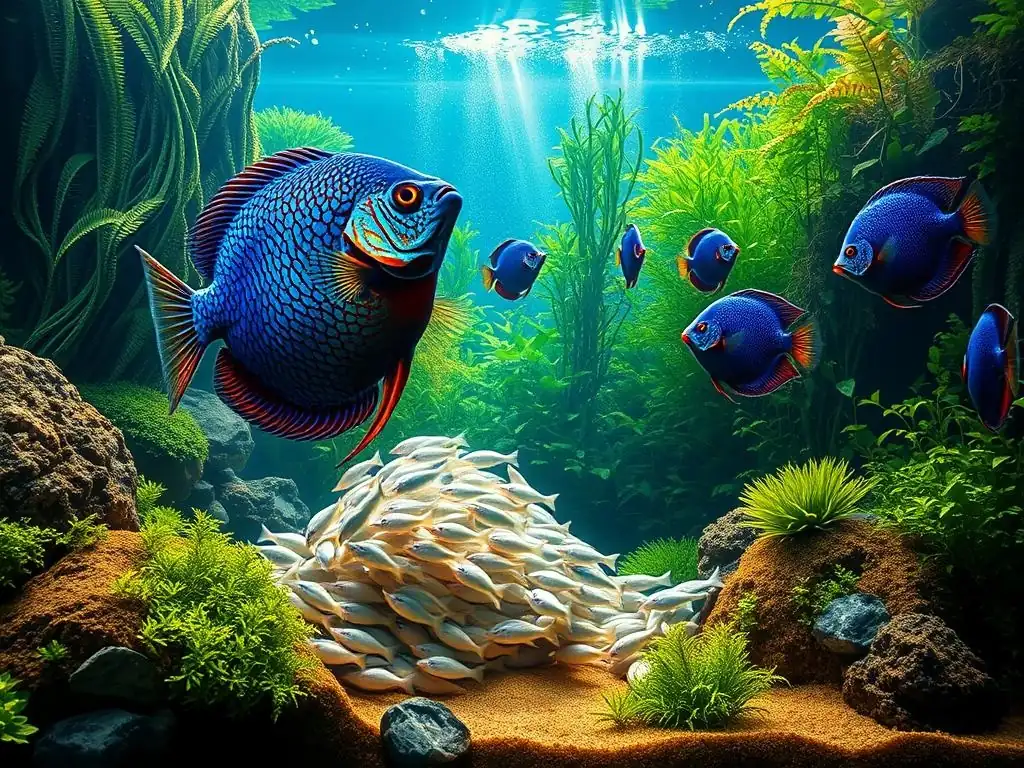
Ever wondered about the almost magical way Discus parents nourish their young? Dive into our comprehensive guide on Discus Fish Parental Care and uncover the secrets of "Discus Milk," a fascinating phenomenon that makes these fish such devoted and successful breeders. Prepare to be amazed by the dedication of these aquatic parents and learn how you can support their incredible journey! Eager to understand this unique aspect of freshwater fishkeeping? Let's get started!
- Discus Parental Care and Fry Nutrition
- Understanding Discus Fish Parental Care
- Discus Milk: The Secret to Fry Nutrition
- Discus Parental Care Stages
- Optimizing Fry Growth Through Parental Care
- Troubleshooting Parental Care Challenges
- Supplementing Discus Milk: Alternative Feeding Strategies
- Advanced Fry Rearing Techniques
- The Future of Discus Fry Nutrition
- Conclusion: Mastering Discus Fish Parental Care
-
Frequently Asked Questions
- How important is parental care for Discus fry survival?
- What exactly is "Discus milk" and why is it so important?
- How long do Discus parents typically care for their fry?
- What are some signs that Discus parents are not properly caring for their fry?
- What can I do if my Discus parents are neglecting their fry?
- Final Reflection: The Enduring Wonder of Discus Nurturing
- Ignite Your Discus Passion: Become a Fry-Rearing Pro!
Discus Parental Care and Fry Nutrition
Understanding Discus Fish Parental Care
The Importance of Parental Care in Discus Fry Survival
Discus fish (Symphysodon species) exhibit a unique and highly specialized form of parental care, setting them apart from many other freshwater cichlids. This dedicated Discus fish parental care is not merely about guarding eggs; it's a critical component of fry nutrition and survival.
Unlike species where fry are simply left to fend for themselves after hatching, Discus parents actively feed their young, dramatically increasing the survival rate of their offspring. Without this direct parental involvement, fry survival rates in a typical home aquarium setting can plummet to less than 10%, whereas attentive parental care can elevate success rates to over 80% under optimal conditions.
This intricate parental care provides the developing fry with essential nutrients directly from the parents' bodies, ensuring rapid initial growth and robust health. The unique "Discus milk" secreted by the parents acts as a complete first food, packed with proteins, fats, and vital antibodies. This direct nutritional supply contributes significantly to the fry's immune system development and overall vigor, leading to a much stronger generation of adult Discus. The success of Discus breeding hinges almost entirely on the quality and consistency of this initial parental care of Discus fish.
Discus Breeding Behavior
The breeding behavior of Discus fish is a fascinating display of cooperative partnership. A bonded pair will typically select a vertical surface within the aquarium, such as a PVC pipe, a broad plant leaf, or a piece of slate, and meticulously clean it in preparation for egg laying. This cleaning ritual can last for several hours, with both male and female meticulously rubbing and picking at the chosen site to remove any debris or algae.
Once the spawning site is prepared, the female begins to lay rows of adhesive eggs, often numbering between 100 to 300 in a single spawn, though experienced, mature pairs can lay up to 400 eggs. Immediately following the female's pass, the male will follow closely behind, fertilizing the eggs. Both parents then assume roles in guarding the eggs, fanning them with their fins to ensure proper oxygenation and prevent fungal growth. This diligent attention to the eggs is the first crucial phase of effective Discus fish parental care.
Discus Milk: The Secret to Fry Nutrition
Composition of Discus Milk
Discus milk, scientifically known as epidermal mucus or dermal secretion, is a unique and vital food source for newly hatched Discus fry. It is a highly specialized secretion produced by glands in the parents' skin, particularly concentrated on their flanks.
This mucus is not merely a protective slime layer; it is a rich, nutrient-dense substance that serves as the primary food for Discus fry during their critical initial weeks of life. Analysis suggests that Discus milk is exceptionally high in protein, often exceeding 40% of its dry weight, and also contains significant amounts of fat, carbohydrates, and essential vitamins and minerals.
Beyond its macronutrient profile, Discus milk is believed to contain antibodies and other immunological components that provide crucial disease resistance to the vulnerable fry. This biological advantage is akin to the colostrum found in mammalian milk, offering passive immunity that protects the fry from common pathogens in their environment. The specific composition ensures that the fry receive all necessary elements for rapid growth and development, making it an irreplaceable part of the natural Discus fish parental care process.
How Discus Parents Produce and Deliver Discus Milk
The production of Discus milk is a fascinating physiological adaptation, primarily stimulated by hormonal changes within the parent fish, similar to the prolactin-like hormones seen in mammals. As the eggs hatch and the fry become free-swimming, the parents' skin thickens slightly, and mucus production significantly increases. This enhanced secretion forms a visible, nutrient-rich layer over their bodies.
The delivery of Discus milk is equally remarkable. Once the fry are free-swimming, they instinctively seek out and attach themselves to the parents' flanks. They then "graze" or "nibble" directly on this epidermal mucus, consuming it as their primary food source. Parents will often rotate positions, allowing all fry ample access to the nutrient-rich skin. This direct feeding behavior typically continues for two to four weeks, during which the fry grow rapidly, doubling their size in just a few days, a testament to the efficacy of this unique form of Discus fish parental care.
Discus Parental Care Stages
Stage 1: Egg Laying and Fertilization
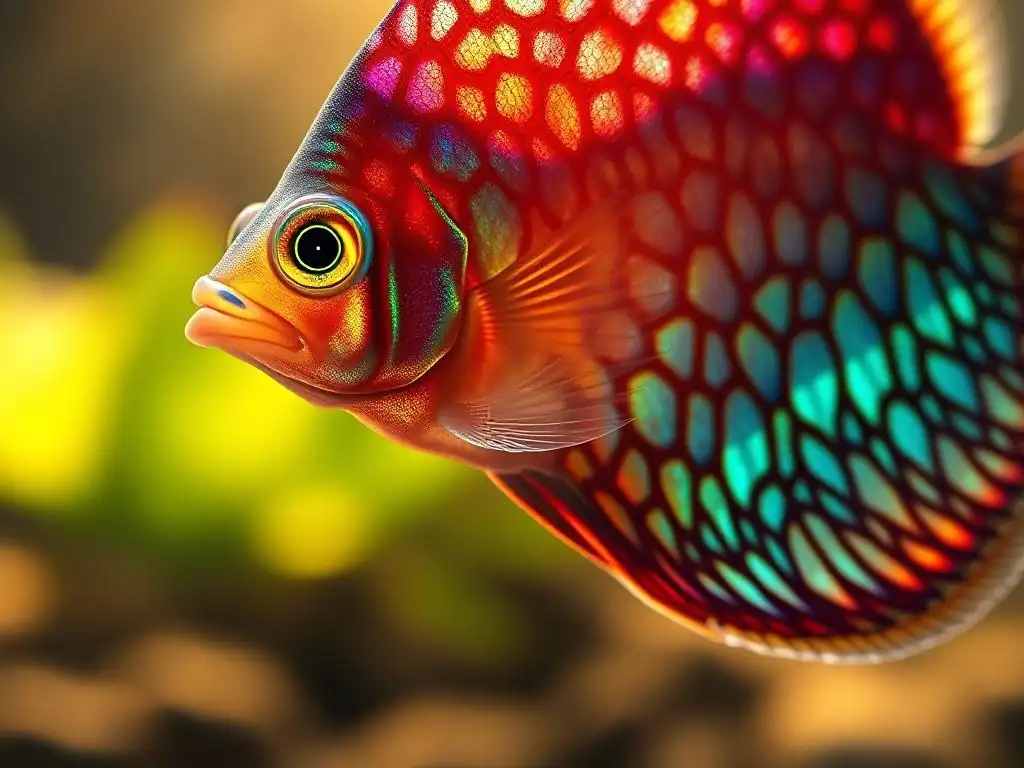
The journey of Discus fish parental care begins with a meticulously choreographed act of egg laying and fertilization. After a bonded pair has thoroughly cleaned a chosen spawning site—be it a spawning cone, a broad plant leaf, or a piece of slate—the female will commence depositing her eggs. She typically lays them in neat, horizontal rows, performing multiple passes over the surface. A healthy, mature Discus pair can lay anywhere from 100 to 400 adhesive eggs in a single spawn, with younger pairs often starting with smaller clutches.
Immediately after the female deposits a row of eggs, the male follows closely, releasing his milt to fertilize them. This synchronized dance ensures a high fertilization rate. Once the eggs are laid and fertilized, both parents become vigilant guardians, taking turns fanning the eggs with their fins to ensure adequate oxygen circulation and to prevent fungal growth. Any unfertilized or fungused eggs are typically removed by the parents to maintain the health of the clutch, demonstrating their meticulous attention in this initial phase of Discus fish parental care.
Stage 2: Incubation and Hatching
Following egg laying, the incubation period for Discus eggs is relatively short, typically lasting between 2 to 3 days when water temperatures are maintained at an optimal 82-84°F (28-29°C). During this critical phase, the parents remain highly attentive, continuously fanning the eggs and diligently removing any unfertilized eggs that might turn white or develop fungus. This proactive cleaning prevents the spread of infection to healthy eggs, underscoring the vital role of Discus fish parental care in ensuring clutch viability.
When the fry begin to hatch, they emerge as tiny, translucent "wigglers." At this stage, they are not yet free-swimming; instead, they remain attached to the spawning site by a sticky gland on their heads, absorbing the last remnants of their yolk sac. The parents continue their diligent fanning, ensuring the wigglers receive ample oxygen and remain undisturbed. This delicate stage requires constant vigilance from the parents, protecting their vulnerable offspring until they are ready for the next crucial phase of development.
Stage 3: Fry Attachment and Initial Feeding
The transition from "wigglers" to free-swimming fry is a pivotal moment in Discus fish parental care, occurring typically around day 3 to 5 post-hatching. Once the fry absorb their yolk sacs and gain sufficient strength, they detach from the spawning site and begin to swim freely. Their instinct immediately drives them to seek out their parents, often swimming in a frantic swarm until they locate the large, dark bodies of the adult Discus.
Upon finding their parents, the fry instinctively attach themselves to the parents' flanks, where they begin to "graze" on the nutrient-rich epidermal mucus, or "Discus milk." This unique feeding behavior is the cornerstone of Discus fry nutrition during their first 1-2 weeks of free-swimming life. The parents will often shift their bodies or rotate to allow all fry equal access to the mucus, patiently enduring the constant nibbling. This direct, continuous feeding by the parents is absolutely essential for the rapid growth and development of the fry, making it the most distinctive aspect of Discus fish parental care.
Stage 4: Transition to Solid Food
As Discus fry grow, typically reaching about two to three weeks old post-attachment, their nutritional demands begin to outpace what Discus milk alone can provide. While they will continue to graze on their parents, their increasing size and metabolic rate necessitate the introduction of supplemental solid foods. This stage marks a gradual transition where the fry start to explore other food sources in their environment.
At this point, breeders typically begin offering newly hatched brine shrimp (Artemia nauplii), which are small enough for the fry to consume and highly nutritious. Finely powdered high-protein flakes or specialized liquid fry foods can also be introduced. The fry will initially consume small quantities, but their intake of supplemental food will steadily increase as they develop. This careful introduction of external food sources is a vital part of comprehensive Discus fish parental care, preparing the fry for full independence.
Stage 5: Fry Independence
The final stage of intensive Discus fish parental care culminates in the fry becoming largely independent of their parents, typically around three to four weeks post-attachment. By this time, the fry have grown significantly, often reaching a size of 0.5 to 0.75 inches (1.2-1.9 cm) in length, and are actively consuming solid foods like newly hatched brine shrimp and finely crushed flakes. While they may still occasionally nibble on their parents, their reliance on Discus milk diminishes considerably.
At this juncture, the parents may show signs of exhaustion from the continuous feeding and attention, sometimes becoming less tolerant of the fry's constant presence. This is often the ideal time to separate the fry from the adults. Removing the fry allows the parents to recover their strength and condition, and it enables the breeder to provide the fry with more frequent and specialized feedings in a dedicated grow-out tank, maximizing their growth potential without stressing the breeding pair.
Optimizing Fry Growth Through Parental Care
Water Quality Parameters for Fry Development
Maintaining pristine and stable water quality is paramount for the successful development of Discus fry under parental care. The water parameters must be kept within very specific ranges to ensure the health of both parents and their delicate offspring. Ideal conditions include a slightly acidic to neutral pH, typically ranging from 6.0 to 7.0, and very soft water with a General Hardness (GH) of 1-5 dGH. The temperature should be consistently warm, between 82-86°F (28-30°C), as this promotes rapid metabolism and growth in the fry.
Crucially, ammonia and nitrite levels must be zero, and nitrates should be kept at extremely low concentrations, ideally below 5 ppm. This necessitates frequent, small water changes, often 10-20% daily, using aged or reverse osmosis (RO) water that is carefully matched for temperature and parameters. Excellent water quality reduces stress on both parents and fry, minimizes the risk of bacterial infections, and is fundamental to the overall success of Discus fish parental care.
Minimizing Stress for Parents and Fry
Stress is a significant detriment to successful Discus fish parental care, capable of disrupting mucus production, leading to parental neglect, or even causing parents to consume their own fry. To minimize stress, the breeding tank should be situated in a quiet, low-traffic area of the home. Dim lighting can help create a more secure environment, and covering the sides of the tank with dark paper or paint can provide a sense of privacy and reduce external disturbances.
Sudden movements, loud noises, or frequent peering into the tank should be avoided. A stable environment encourages parents to focus on their offspring rather than feeling threatened. Providing a calm and predictable setting not only supports consistent mucus production but also fosters a secure bond between parents and fry, ensuring that the intensive Discus fish parental care process proceeds without interruption.
Preventing Diseases and Infections in Fry
Preventing diseases and infections is a critical aspect of optimizing fry growth during Discus fish parental care. Healthy parent stock is the first line of defense; any new fish introduced to the breeding program should undergo a strict quarantine period of at least four to six weeks to prevent the introduction of pathogens. The breeding tank itself must be meticulously clean and free of any potential disease vectors.
While healthy Discus milk provides some passive immunity to the fry, exceptional husbandry is paramount. Maintaining optimal water parameters, as previously detailed, is the most effective way to prevent bacterial infections and parasitic infestations. Overcrowding, even in the grow-out stages, should be avoided, as it leads to increased waste production and stress, making fry more susceptible to illness. A proactive approach to cleanliness and water management is essential for successful Discus fish parental care and the subsequent rearing of healthy fry.
Troubleshooting Parental Care Challenges
Parents Not Producing Milk
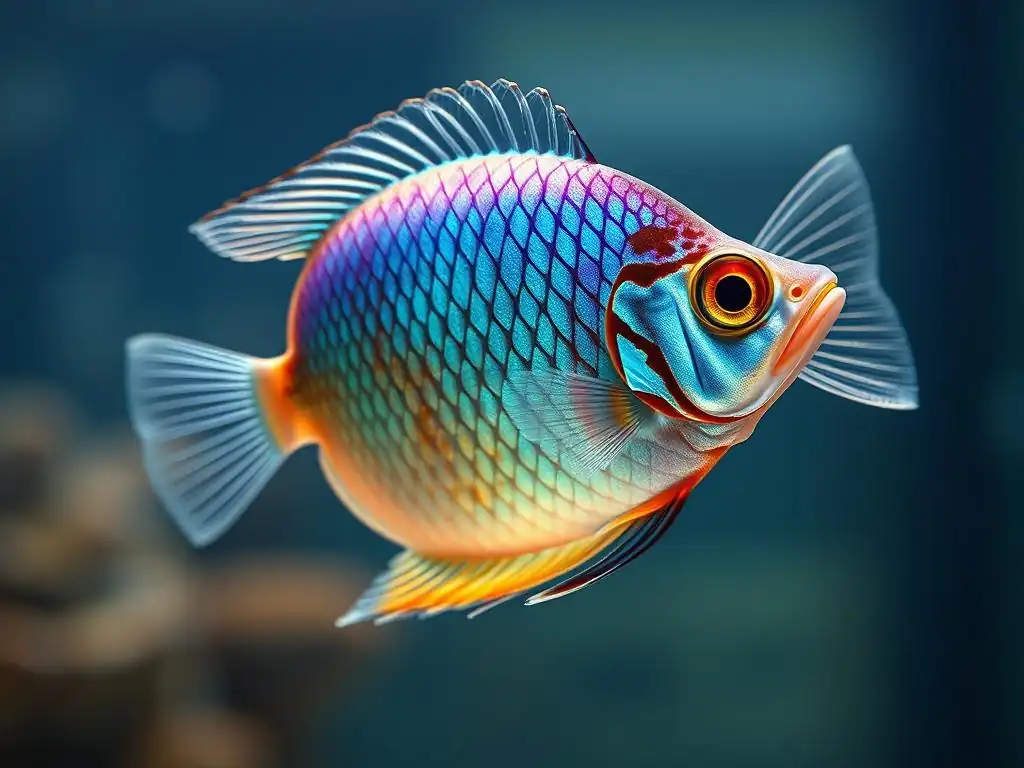
One of the most disheartening challenges in Discus fish parental care is when parents fail to produce sufficient "milk" for their fry. This can manifest as fry constantly picking at the parents but appearing thin or lethargic, or simply not attaching at all. Common causes include stress, often due to an unsuitable environment or frequent disturbances, or the parents being too young or inexperienced for their first few spawns. Nutritional deficiencies in the parents' diet can also impair mucus production.
To address this, first ensure impeccable water quality and a stable, quiet breeding environment, as described earlier. Feed the parents a high-quality, varied diet rich in protein, such as beef heart mix, high-grade pellets, and frozen bloodworms, to ensure they are in peak condition. If it's a pair's first attempt, patience is key; some pairs require several spawns to perfect their Discus fish parental care skills. In some cases, if the fry are clearly starving, immediate intervention with supplemental feeding becomes necessary.
Parents Eating Their Fry
The phenomenon of Discus parents consuming their own fry, known as "cannibalism," is a frustrating but not uncommon challenge in Discus fish parental care. This behavior is often attributed to extreme stress, such as sudden changes in the environment, perceived threats, or excessive disturbances. First-time parents are particularly prone to this, sometimes due to inexperience or nervousness. Nutritional deficiencies in the parents can also play a role, as they may resort to consuming fry to recoup lost nutrients.
To mitigate this, provide the breeding pair with a highly secure and private breeding tank, free from any external stressors. Ensure they are well-fed with a high-quality diet before and during the breeding cycle. Dim lighting and physical barriers around the tank can help reduce anxiety. While it's disheartening, sometimes a pair simply isn't cut out for natural Discus fish parental care, and in such rare cases, artificial rearing of the fry might be the only alternative.
Fry Not Attaching to Parents
When Discus fry fail to attach to their parents, it's a critical sign that something is amiss with the Discus fish parental care process. This can occur for several reasons: the parents might not be producing enough mucus, the fry themselves may be weak or malformed, or the water parameters could be subtly off, making the environment uncomfortable for the delicate fry. Sometimes, if the parents are overly dark or stressed, the fry may struggle to locate them visually.
Begin by meticulously checking all water parameters to ensure they are perfectly within the ideal range for Discus breeding. Observe the parents for signs of stress or illness that might inhibit mucus production; a healthy parent should have a noticeable slime coat. Ensure the tank is dimly lit and peaceful. If the fry are very weak, this could indicate issues with egg quality or genetics. Gently nudging fry towards the parents can sometimes help, but persistent non-attachment often points to a fundamental issue that may require intervention, such as attempting to hand-rear the fry.
Supplementing Discus Milk: Alternative Feeding Strategies
When to Supplement
While natural Discus fish parental care is ideal, there are situations where supplementing the parents' "milk" becomes necessary to ensure fry survival and optimal growth. This is typically considered when the parents are inexperienced and not producing enough mucus, if the spawn is exceptionally large (e.g., over 150-200 fry), or if the fry appear lethargic, thin, or are not growing at a healthy rate despite actively grazing on the parents. Signs of insufficient milk include fry constantly picking at the parents but remaining small, or a significant number of fry dying off within the first week of free-swimming.
Supplementation can also be a proactive measure for breeders who want to maximize growth rates or if they anticipate separating the fry from the parents earlier than the typical 3-4 weeks. It acts as a safety net, ensuring the fry receive adequate nutrition even if the Discus fish parental care is not fully robust. Introducing supplemental food gradually allows the fry to adapt while still benefiting from the parents' natural secretions and immune benefits.
Suitable Fry Food Options
When supplementing Discus milk, the choice of fry food is crucial, as the fry's mouths are incredibly tiny, and their digestive systems are still developing. The gold standard for initial fry food is freshly hatched brine shrimp nauplii (Artemia). These microscopic crustaceans are highly nutritious, easily digestible, and their jerky swimming motion triggers the fry's feeding response. Brine shrimp eggs can be hatched at home, providing a continuous supply of live food.
Other suitable options include high-quality, finely crushed flake food specifically formulated for fry or powdered Discus fry foods. Liquid fry foods are also available, though they often require very precise dosing to avoid polluting the water. Regardless of the choice, food must be offered in very small quantities, multiple times a day (e.g., 5-8 times daily), to ensure constant availability without excessive waste. This frequent feeding schedule is key to rapid growth and complements the natural Discus fish parental care.
Transitioning Fry to Solid Food
The transition of Discus fry from relying primarily on parental mucus to consuming solid foods is a gradual but essential process. This phase typically begins around 2 to 3 weeks post-hatching, when the fry are noticeably larger and more active. While they will still graze on their parents, their increasing size and metabolic needs mean they require more substantial nutrition.
To initiate the transition, begin by offering tiny amounts of newly hatched brine shrimp or finely powdered dry food alongside the parental grazing. Over the next week or two, gradually increase the frequency and quantity of the supplemental feedings while observing the fry's willingness to accept the new food. As the fry grow, their reliance on the parents will naturally diminish, and they will spend more time foraging for the introduced solid foods. This methodical transition ensures the fry are well-nourished and prepared for full independence from Discus fish parental care.
Advanced Fry Rearing Techniques
Separating Fry from Parents
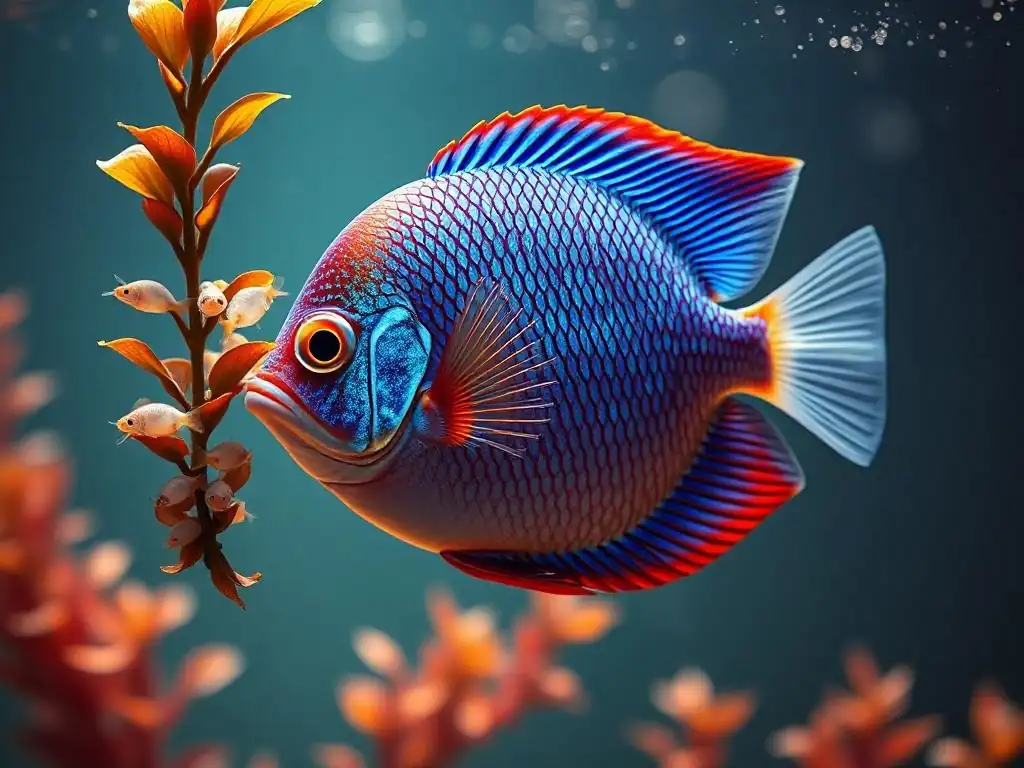
While extended Discus fish parental care is beneficial, there comes a point, typically around 3 to 4 weeks post-hatching, when separating the fry from their parents becomes advantageous. This decision is often made when the fry are actively consuming solid foods and are about 0.5 to 0.75 inches (1.2-1.9 cm) in size, or when the parents show signs of stress, exhaustion, or aggression towards the fry. The separation process involves carefully siphoning the fry from the breeding tank into a dedicated "grow-out" tank.
The benefits of separation are twofold: it allows the adult Discus to recover from the strenuous breeding and parental care period, reducing their stress and allowing them to regain condition for future spawns. For the fry, it enables the breeder to implement a more aggressive feeding regimen without concern for fouling the parents' water, leading to faster and more uniform growth. It also prevents any potential instances of the parents consuming fry if stress levels become too high.
Grow-Out Tanks for Fry
Dedicated grow-out tanks are essential for successfully raising large batches of Discus fry after they are separated from their parents. These tanks should be designed for ease of cleaning and optimal fry development. A bare-bottom tank is highly recommended, as it allows for easy siphoning of uneaten food and waste, which is crucial given the high feeding frequency required for rapid growth. A typical 20-gallon (approx. 75-liter) tank can comfortably house 50-75 fry initially, but multiple tanks may be needed as they grow.
Filtration should be gentle yet effective; sponge filters, powered by air pumps, are ideal as they provide biological filtration without creating strong currents that can stress the delicate fry. Heaters are necessary to maintain a consistent temperature of 82-86°F (28-30°C). As fry grow, it's often beneficial to sort them by size into different grow-out tanks to prevent bullying and ensure that all fry receive adequate food, maximizing the success of the post-Discus fish parental care phase.
Maintaining Water Quality in Fry Grow-Out Tanks
Maintaining impeccable water quality in Discus fry grow-out tanks is arguably the most critical factor for their survival and rapid growth, even more so than during the Discus fish parental care phase with parents. Due to the high frequency of feeding (often 5-8 times daily) and the rapid metabolism of growing fry, waste accumulation can be significant. Ammonia and nitrite levels must remain at zero, and nitrates should be kept as low as possible, ideally below 5 ppm.
This necessitates an extremely rigorous water change regimen. Daily, large volume water changes, often ranging from 50% to 100% of the tank's volume, are common practice among successful Discus breeders. The water used for changes must be carefully aged, dechlorinated, and temperature-matched to prevent shock. Coupled with constant siphoning of uneaten food and waste from the bare bottom, this intensive water management regime creates the clean, stable environment essential for fry to thrive and reach their full potential after the initial Discus fish parental care.
The Future of Discus Fry Nutrition
New Discoveries in Discus Milk
Research into the specific composition and biological functions of Discus milk continues to unveil fascinating insights into its complexity. Scientists are increasingly investigating the precise cocktail of proteins, lipids, carbohydrates, hormones, and even potential growth factors and antibodies present in this unique secretion. New discoveries could pinpoint specific amino acid profiles or immune-boosting compounds that are crucial for the unparalleled growth and disease resistance observed in naturally reared Discus fry.
These findings could have profound implications for the aquaculture industry. Understanding the exact components of Discus milk might lead to the development of highly specialized, synthetic fry foods that perfectly mimic its nutritional and immunological benefits. Such advancements would be particularly valuable for commercial breeders or in situations where natural Discus fish parental care is not feasible, potentially revolutionizing artificial rearing techniques and improving overall fry survival and health.
Emerging Technologies for Fry Growth
Beyond the natural marvel of Discus milk, emerging technologies are continuously shaping the future of Discus fry growth and nutrition. Advancements in feed formulation are leading to the creation of highly digestible, nutrient-dense dry foods specifically tailored to the unique dietary requirements of Discus fry, often incorporating probiotics or prebiotics to enhance gut health. Microencapsulation techniques are also being explored to deliver nutrients more effectively and reduce water pollution from uneaten food.
Furthermore, innovations in aquarium technology, such as advanced filtration systems, automated water change units, and sophisticated water quality monitoring devices, are making it easier for breeders to maintain optimal conditions for fry development. Genetic research and selective breeding programs are also contributing by developing more robust Discus strains with naturally faster growth rates and increased disease resistance, further enhancing the success of fry rearing even after the intensive Discus fish parental care phase has concluded.
Conclusion: Mastering Discus Fish Parental Care
The Rewards of Breeding and Rearing
Mastering Discus fish parental care is undoubtedly one of the most challenging yet profoundly rewarding aspects of the freshwater aquarium hobby. Witnessing a pair of Discus meticulously guard their eggs, diligently fan their wigglers, and then patiently feed their free-swimming fry directly from their bodies is an experience unlike any other. The satisfaction derived from successfully breeding and rearing a batch of healthy, vibrant Discus fry, transforming them from tiny specks into magnificent, disc-shaped adults, is immense.
This journey not only deepens an aquarist's understanding of fish behavior and biology but also contributes to the sustainability of the hobby by reducing reliance on wild-caught specimens. The dedication required for successful Discus fish parental care fosters a unique bond with these intelligent and beautiful fish, making every successful spawn a testament to patience, knowledge, and passion.
Further Resources
For those committed to mastering Discus fish parental care and successful fry rearing, continuous learning and observation are key. The Discus community is rich with experienced breeders and enthusiasts who share a wealth of knowledge. Reputable online forums and dedicated Discus clubs offer invaluable platforms for asking questions, sharing experiences, and learning from others' successes and challenges.
Furthermore, specialized books and scientific articles on Discus breeding and cichlid parental care can provide deeper insights into the biological nuances involved. Every breeding pair is unique, and observing their specific behaviors and adapting your approach accordingly will lead to greater success. By diligently applying the principles of optimal water quality, nutrition, and stress reduction, combined with a willingness to learn and adapt, aquarists can truly master the art of Discus fish parental care and enjoy the incredible journey of raising these majestic fish.
Frequently Asked Questions
How important is parental care for Discus fry survival?
Parental care is absolutely crucial for Discus fry survival. Discus parents secrete a special mucus, often called "Discus milk," which is their fry's initial food source. Without this parental feeding, the fry will not survive.
What exactly is "Discus milk" and why is it so important?
"Discus milk" is a nutrient-rich mucus secretion produced by both male and female Discus parents. It provides essential proteins, fats, and antibodies necessary for the fry's growth and development in their first few weeks.
How long do Discus parents typically care for their fry?
Discus parents typically care for their fry for approximately 3 to 4 weeks. During this time, they protect them from danger and continue to provide them with Discus milk, gradually transitioning them to other food sources.
What are some signs that Discus parents are not properly caring for their fry?
Signs of inadequate parental care include the fry not attaching to the parents, appearing weak or emaciated, or the parents exhibiting aggressive behavior towards their offspring. This often requires intervention.
What can I do if my Discus parents are neglecting their fry?
If parental care is lacking, consider removing the fry and artificially raising them with specialized fry food. This is a complex process requiring pristine water conditions and a balanced diet, but can be successful.
Final Reflection: The Enduring Wonder of Discus Nurturing
The intricate dance of parental care in Discus fish, as we've explored, isn't just a biological curiosity; it's a powerful reminder of the unyielding dedication and complex communication inherent in the natural world. Understanding the nuances of Discus milk and the profound commitment of these parents offers a unique lens through which to appreciate the beauty and fragility of life itself, especially in the face of increasing environmental pressures on aquatic ecosystems.
The dedication of Discus parents, particularly the secretion of nutrient-rich milk for their fry, has always fascinated aquarists and scientists alike. This intricate behavior underscores the profound connection between parent and offspring, a connection that resonates deeply with our own understanding of family and nurturing. The best and most beautiful things in the world cannot be seen or even touched - they must be felt with the heart.
- Helen Keller. This quote, though not directly about fish, perfectly captures the emotional connection we feel when witnessing such selfless acts of parental care in the animal kingdom.
Now, as you reflect on the magic of Discus milk and the dedication of Discus parents, consider how this intricate example of parental care inspires you. How can we, as stewards of this planet, learn from the Discus fish's unwavering commitment to their young? Let us all strive to cultivate a similar sense of responsibility and care, not only for our own families but also for the delicate ecosystems that sustain all life on Earth.
Ignite Your Discus Passion: Become a Fry-Rearing Pro!
Thank you for diving into the fascinating world of discus milk and parental care! You’ve now gained valuable insights into this unique aspect of discus keeping. Ready to take your knowledge to the next level?
Here are a few actionable steps to further your discus journey:
- Commit to in-depth research on the specific needs of discus fry and create a detailed care plan, remembering to observe and adjust as needed.
- Share this article with fellow aquarium enthusiasts to spread awareness about the marvels of discus parental care.
- Explore your local aquarium society or online forums to connect with experienced discus breeders and learn directly from their successes and challenges.
What unique approach will you use to foster stronger bonds between your discus parents and their fry, and what innovative food options will you research beyond conventional methods?