
The Business of Breeding: Turning Your Passionate Saltwater Hobby into Profit

Welcome to Aquarium Mastery!
Ever dreamt of turning your saltwater passion into a thriving business? This article dives deep into Saltwater Breeding Business Tips, revealing the secrets to transforming your hobby into a profitable venture. But where do you even begin? Unlock the mysteries of successful saltwater breeding and discover the key strategies to cultivate a flourishing aquarium business. Read on to learn more and embark on your journey to aquarium mastery!
- Introduction: From Saltwater Hobbyist to Saltwater Fish Breeder
- Is a Saltwater Breeding Business Right for You? Assessing Your Passion and Skills
- Developing a Saltwater Fish Breeding Business Plan: Laying the Foundation for Success
- Setting Up Your Saltwater Breeding Facility: Creating the Ideal Environment
- Saltwater Fish Breeding Techniques: Mastering the Art of Reproduction
- Marketing Your Saltwater Bred Fish: Reaching Potential Customers
- Managing the Financials of Your Saltwater Breeding Business: Tracking Profits and Expenses
- Scaling Your Saltwater Breeding Operation: Expanding for Greater Profitability
- Conclusion: The Rewards and Challenges of a Saltwater Breeding Business.
-
Frequently Asked Questions
- How much initial investment is typically required to start a saltwater breeding business?
- What are some of the most profitable saltwater species to breed for resale?
- What are the key legal and regulatory considerations for running a saltwater breeding business?
- What specific water parameters are critical for successful saltwater breeding?
- How can I effectively market and sell my saltwater-bred fish or invertebrates?
- Final Reflection: Cultivating Oceans of Opportunity
- Dive Deeper: Cultivate Your Saltwater Success!
Introduction: From Saltwater Hobbyist to Saltwater Fish Breeder
For many, the allure of a vibrant saltwater aquarium begins as a captivating hobby, a serene escape into an underwater world. Yet, for a select few, this passion evolves into a deeper calling: the pursuit of turning a personal fascination into a viable commercial enterprise. The demand for captive-bred marine ornamental fish is steadily increasing, driven by growing environmental awareness and a desire for hardier, disease-resistant specimens. This article aims to provide comprehensive saltwater breeding business tips, guiding enthusiasts through the intricate process of transforming their love for marine life into a profitable venture.
Venturing into the business of breeding saltwater fish offers a unique blend of scientific challenge, artistic endeavor, and entrepreneurial spirit. It’s a field where patience, meticulous attention to detail, and a deep understanding of marine biology converge with market savvy and business acumen. From selecting the right species to mastering larval rearing and establishing robust distribution channels, every step is crucial for building a successful saltwater breeding business.
Is a Saltwater Breeding Business Right for You? Assessing Your Passion and Skills
Evaluating Your Existing Saltwater Aquarium Knowledge and Experience
Transitioning from a hobbyist to a professional saltwater fish breeder demands a profound depth of knowledge that extends far beyond basic aquarium maintenance. It necessitates an intimate understanding of complex topics such as specific water chemistry parameters for various species, advanced disease identification and treatment protocols, and the nuanced behavioral patterns indicative of breeding readiness.
For instance, maintaining the pristine water quality and specific dietary needs required for sensitive species like Mandarinfish or Seahorses to thrive and reproduce often requires years of dedicated advanced husbandry experience. These species, unlike hardier clownfish, are highly susceptible to minute changes in their environment.
Furthermore, a successful breeder must possess the foresight to anticipate and mitigate common pitfalls that can decimate an entire breeding program. This includes recognizing subtle signs of stress before they manifest as full-blown disease outbreaks or precisely adapting water parameters—such as temperature or salinity—to trigger spawning in specific species. Many aspiring breeders underestimate the importance of a prolonged track record of successfully keeping multiple challenging saltwater species alive and thriving for extended periods, a foundational skill that is paramount before even considering the commercial aspect of a saltwater breeding business.
Understanding the Time Commitment of Saltwater Fish Breeding
The notion that saltwater fish breeding is a casual extension of a hobby is quickly dispelled by the rigorous demands of a commercial operation. It is, unequivocally, a significant time commitment, often comparable to a full-time job, especially during critical breeding cycles.
A typical larval rearing cycle for a species like the Ocellaris Clownfish, for example, demands at least 3-4 precise feeding sessions per day for the first 2-3 weeks post-hatch, often requiring feeds every few hours around the clock. This intense period also necessitates daily water changes of 20-30% in larval tanks to remove uneaten food and metabolic waste, which can accumulate rapidly and become toxic.
Beyond the direct care of broodstock and larvae, a considerable portion of a breeder's time is dedicated to culturing live foods—a non-negotiable requirement for the survival of most marine fish larvae. Maintaining multiple cultures of rotifers, copepods, and Artemia nauplii can easily consume several hours daily, involving tasks such as harvesting, cleaning culture vessels, and preparing new batches. During peak production, a dedicated saltwater fish breeder might realistically spend 40-60 hours per week, underscoring that this endeavor is far from a casual pursuit and requires unwavering dedication, a key aspect of "saltwater breeding business tips."
Financial Considerations: Initial Investment and Ongoing Expenses
Embarking on a saltwater breeding business requires a substantial initial financial outlay, often underestimated by newcomers. A basic setup for a small-scale clownfish breeding operation, encompassing broodstock tanks (e.g., a 40-gallon breeder for a pair), multiple larval tanks (typically 10-20 gallons each), robust filtration systems, heaters, air pumps, and starter cultures for essential live foods like rotifers, can range from $2,000 to $5,000. This figure can easily double or triple into the $10,000 - $20,000 range for a more robust facility aiming to breed multiple species or larger volumes, requiring dedicated fish rooms and more sophisticated life support systems.
Beyond the startup costs, ongoing monthly expenses are a continuous drain on resources and must be meticulously budgeted. For a moderate-sized setup, electricity bills, driven by heaters, pumps, and lighting, can range from $100 to $300 per month. The cost of synthetic sea salt, crucial for maintaining optimal water parameters, typically falls between $50 and $150 monthly, depending on the volume of water changes.
Specialized foods, supplements, and occasional medications can add another $50 to $100. Furthermore, inherent losses due to failed spawns, disease outbreaks, or unexpected equipment failures are unrecoverable costs that must be factored into the overall financial model, making accurate and conservative budgeting one of the most critical "saltwater breeding business tips."
Developing a Saltwater Fish Breeding Business Plan: Laying the Foundation for Success
Identifying Profitable Saltwater Fish Species for Breeding
Selecting the right species is paramount for the profitability of a saltwater breeding business. Certain species consistently demonstrate high demand, relatively straightforward breeding habits, or command a premium market value.
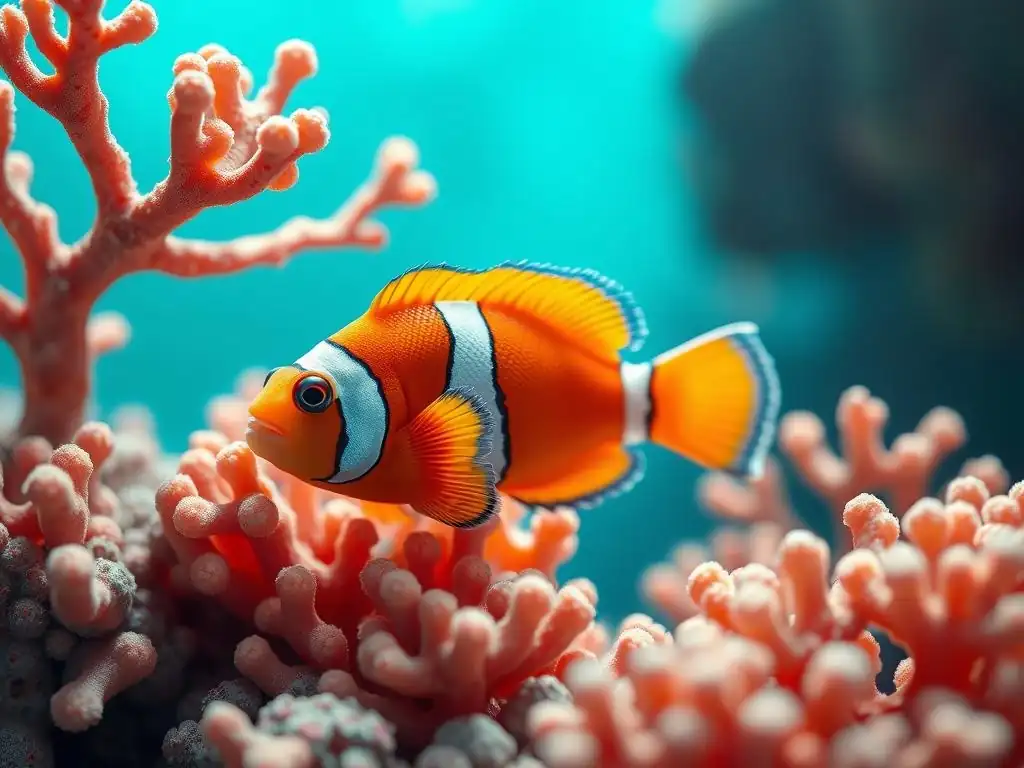
Ocellaris Clownfish (Amphiprion ocellaris) are an enduring favorite for beginner and experienced breeders alike due to their consistent demand and predictable breeding patterns, often selling for $20-$40 each depending on size and specific morph. The market for designer clownfish variants, such as Picasso or Snowflake morphs, is even more lucrative, with individual fish fetching prices from $50 to over $200, making them highly attractive for their potential return on investment.
Beyond clownfish, other species offer smaller but steady markets. The Yellow Watchman Goby (Cryptocentrus cinctus) or various Neon Goby species (Elacatinus spp.) are popular choices, typically selling for $25-$50 per fish.
While their individual price point is lower than designer clownfish, their consistent demand and the potential for multiple, frequent spawns can contribute significantly to overall revenue. Conversely, highly valued but notoriously challenging species such as Mandarinfish (Synchiropus splendidus) or certain angelfish, though potentially selling for $100-$500+, have significantly lower success rates in larval rearing and demand advanced "saltwater breeding business tips" due to their complex and delicate larval stages, making them a higher-risk, higher-reward proposition.
Market Research: Understanding the Saltwater Fish Market and Target Audience
Thorough market research is indispensable for a successful saltwater breeding business. This involves analyzing the inventory and pricing of local fish stores (LFS), monitoring online forums and dedicated social media groups, and directly gauging consumer demand. For instance, a small-scale survey of 50 local fish stores within a 100-mile radius might reveal that 70% consistently stock Ocellaris Clownfish, indicating a broad and reliable market.
However, only 15% might carry captive-bred Mandarinfish, highlighting a significant niche opportunity if the formidable breeding challenges for such species can be overcome. Online communities frequently express a desire for specific, difficult-to-find captive-bred species, like certain wrasses or anthias, signaling unmet demand.
Understanding the target demographics of potential customers is equally crucial. Experienced hobbyists with large, established reef tanks often seek out rare, larger, or more challenging species, willing to pay a premium for unique specimens. In contrast, beginners typically prioritize hardy, readily available, and affordable fish like clownfish for their first saltwater setups. A breeder targeting the beginner market would focus on high-volume production of common, robust species, whereas a niche breeder might concentrate on lower volume, higher-value, and more difficult-to-breed species, each requiring distinct "saltwater breeding business tips" for effective marketing and pricing strategies.
Creating a Business Model: Direct Sales, Wholesale, or a Combination?
Determining the optimal business model—whether direct-to-consumer sales, wholesale to retailers, or a hybrid approach—is a critical strategic decision. Direct sales, facilitated through platforms like local aquarium clubs, online marketplaces, or social media groups, typically yield higher per-fish profit margins, potentially 50-100% greater than wholesale prices. For example, a clownfish sold directly for $30 might only fetch $15-$20 when wholesaled. However, direct sales demand significant time and effort for individual customer communication, careful packaging, and managing numerous small transactions.
Conversely, wholesaling to local fish stores (LFS) offers the advantage of consistent, larger volume orders with significantly less individual customer interaction. An LFS might place orders for 10-20 clownfish at a time, streamlining logistics and reducing administrative overhead. Many successful "saltwater breeding business tips" advocate for a hybrid model: leveraging wholesale channels for common, high-volume species to ensure a steady base income, while reserving rarer, higher-margin fish for direct sales or online auctions to maximize overall profitability and efficiently manage workload. This balanced approach allows breeders to capitalize on different market segments and optimize their revenue streams.
Navigating the legal landscape of a saltwater fish breeding business is an often-overlooked but essential step. Depending on the scale of operation and specific geographic location, various local, state, and potentially federal regulations may apply. For instance, a general business license from the city or county is almost universally required for any commercial enterprise.
More specifically, some states necessitate a commercial aquaculture permit from their respective departments of agriculture or fish and wildlife. In Florida, for example, obtaining an aquaculture certificate of registration is mandatory for commercial aquaculture operations, ensuring compliance with state-specific regulations concerning water usage, waste discharge, and environmental impact.
Furthermore, understanding local zoning laws is critical, especially for home-based operations. Many residential areas have restrictions on commercial activities, which might require a home-based business permit or even a commercial zoning designation if the breeding operation expands significantly beyond a hobby scale. While federal regulations are less common for small-scale ornamental fish breeding compared to food fish aquaculture, adherence to all applicable laws is non-negotiable. Neglecting these legal aspects can result in hefty fines, operational shutdowns, or even legal action, thereby underscoring that regulatory compliance is a vital "saltwater breeding business tip" for long-term sustainability.
Setting Up Your Saltwater Breeding Facility: Creating the Ideal Environment
Tank Selection and Setup for Saltwater Fish Breeding
The selection and setup of tanks are foundational to a successful saltwater breeding business, requiring distinct environments for different life stages. Broodstock tanks, housing the breeding pairs, typically range from 20 to 75 gallons, with size depending on the species; for instance, a pair of Ocellaris Clownfish can consistently breed in a 20-gallon long tank, while larger species like certain angelfish might necessitate 75 gallons or more to thrive and spawn. These tanks require stable filtration, appropriate lighting cycles, and often specific spawning substrates like clay pots or PVC pipes.
Larval rearing tanks, in contrast, are usually smaller, often 5-20 gallons, and are typically bare-bottomed with minimal, gentle filtration (like air stones) to prevent delicate larvae from being drawn into equipment. Grow-out tanks vary widely in size, from initial 20-gallon tanks for newly metamorphosed fry to 50-gallon or larger tanks for older juveniles, accommodating their rapid growth and increasing biomass. Proper setup across all stages includes reliable heating (maintaining 78-80°F for most tropical marine species), adequate oxygenation, and lighting optimized for both broodstock conditioning and larval development, making strategic tank selection a core "saltwater breeding business tip."
Water Quality Management: Maintaining Optimal Conditions for Saltwater Fish Reproduction
Meticulous water quality management is paramount for successful saltwater fish reproduction and larval survival. Consistent salinity, typically maintained at 1.025-1.026 specific gravity for most marine species, is crucial, as even minor fluctuations can stress broodstock and inhibit spawning. Temperature stability is equally vital; variations greater than 2°F (approximately 1°C) within a 24-hour period can severely impact breeding cycles and larval development. Ammonia and nitrite levels must remain undetectable (0 ppm), and nitrates ideally below 10-20 ppm, especially for sensitive species and during the delicate larval rearing phase, where even low concentrations can be fatal.
Regular water changes are the cornerstone of maintaining pristine water quality. For larval tanks, daily 20-50% water changes are common to remove uneaten food, metabolic waste, and maintain oxygen levels. Broodstock tanks might require weekly 10-20% changes, supplemented by robust protein skimming, the inclusion of live rock for biological filtration, and potentially a refugium to maintain nutrient export and stability. Implementing a strict water testing regimen—at least daily for larval tanks and weekly for broodstock—using reliable test kits is a non-negotiable "saltwater breeding business tip" to ensure optimal conditions and prevent catastrophic losses.
Live Food Culturing: Providing Essential Nutrition for Saltwater Fish Larvae
The successful rearing of marine fish larvae is almost entirely dependent on the consistent provision of appropriate live food, as most species will not accept inert foods in their early stages. Rotifers (Brachionus plicatilis) are the primary first food for the majority of marine fish larvae due to their small size (typically 50-200 microns) and their ability to be nutritionally enriched. A commercial breeding operation must maintain multiple, staggered rotifer cultures, capable of producing millions of rotifers daily to sustain hundreds or thousands of newly hatched larvae, a continuous and labor-intensive process.
As larvae grow and develop, their dietary needs evolve, requiring larger food items such as enriched Artemia nauplii (brine shrimp), which are typically 400-500 microns. For some species, copepods (e.g., Tisbe, Tigriopus) are also essential, providing a more diverse nutritional profile and different swimming patterns that can stimulate feeding.
The significant cost and substantial daily labor involved in maintaining these live food cultures can represent a considerable portion of the operating expenses for a saltwater breeding business. Therefore, developing efficient, robust, and continuous live food culturing techniques is one of the most critical "saltwater breeding business tips" for achieving high larval survival rates.
Quarantine Procedures: Protecting Your Breeding Stock from Disease
Strict quarantine procedures are an absolute necessity for protecting the health and viability of your valuable breeding stock and the entire facility. Introducing even a single infected fish without proper quarantine can swiftly decimate an entire breeding population, leading to substantial financial losses and setbacks. A minimum 30-day quarantine period is highly recommended for all new fish entering the breeding facility, with a 60-day period being ideal for maximum safety. During this time, fish are meticulously observed for any signs of disease, treated if necessary, and gradually conditioned to the facility's specific water parameters and diet.
A typical quarantine setup is simple yet effective, consisting of a bare-bottom tank (e.g., 10-20 gallons), a reliable heater, a simple sponge filter for biological filtration, and PVC pipes for hiding spots to reduce stress. Prophylactic treatments with medications like copper-based compounds for external parasites (e.g., Marine Ich, Velvet) or broad-spectrum antibiotics for bacterial infections may be administered. Strict adherence to these protocols, including dedicated equipment for quarantine tanks to prevent cross-contamination, is one of the most crucial "saltwater breeding business tips" for preventing catastrophic disease outbreaks and ensuring the long-term health and productivity of the breeding operation.
Saltwater Fish Breeding Techniques: Mastering the Art of Reproduction
Understanding Saltwater Fish Breeding Cycles and Behaviors
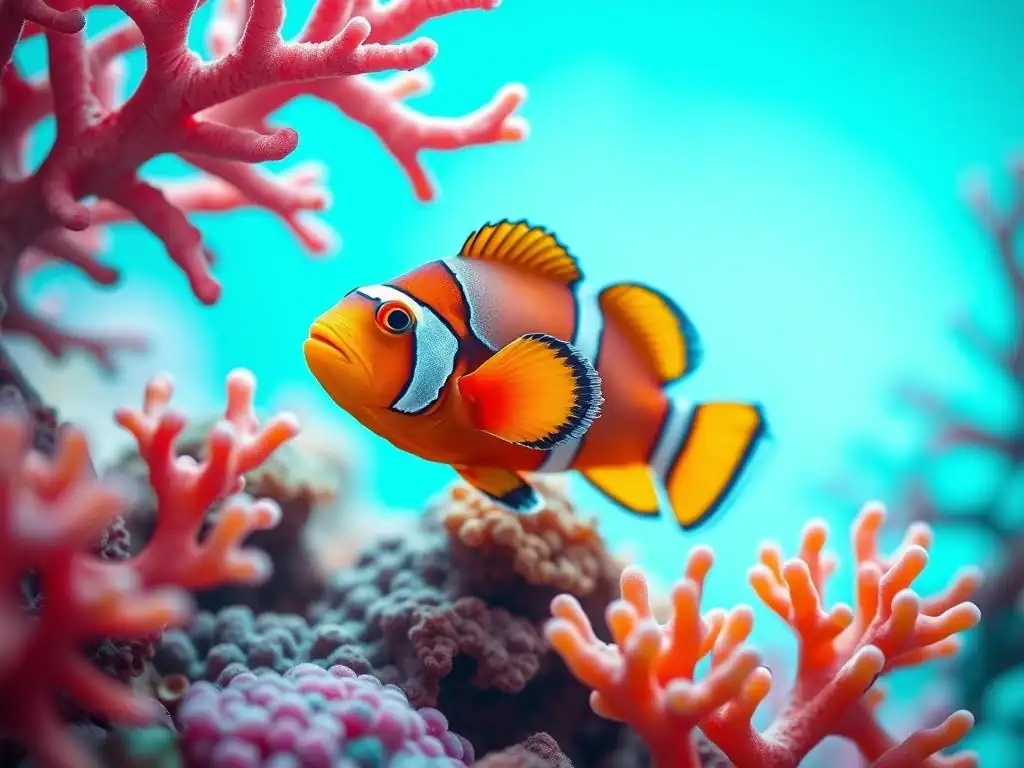
Mastering saltwater fish breeding techniques begins with a deep understanding of species-specific breeding cycles and behaviors. Many marine fish, such as clownfish, exhibit distinct courtship rituals that precede spawning, including fin flicking, chasing, and a characteristic "shivering" motion. Ocellaris Clownfish, for instance, typically lay demersal eggs every 10-14 days on a flat surface—often a clay pot or a rock—near their host anemone or a substitute, with eggs hatching within 7-10 days depending on temperature. Observing these behaviors helps breeders anticipate and prepare for spawns.
Other species display different reproductive strategies. Some gobies are egg-scatterers, releasing eggs freely into the water column, while certain seahorses engage in elaborate, daily courtship dances culminating in the female transferring eggs into the male's brood pouch. Understanding these specific behaviors, along with environmental triggers such as lunar cycles, slight temperature shifts, or increased feeding of high-quality foods, is vital for consistently inducing successful spawns. Detailed observation and meticulous record-keeping of these cycles are invaluable "saltwater breeding business tips" for maximizing reproductive output.
Inducing Spawning in Saltwater Fish
Inducing spawning in saltwater fish often involves a combination of environmental manipulation and optimal nutritional conditioning. A high-quality, varied diet rich in protein and essential fatty acids is paramount for conditioning broodstock, directly correlating with increased spawning frequency and egg viability. For example, clownfish fed a diet consisting of 60-70% protein from sources like spirulina-enriched brine shrimp, mysis shrimp, and high-quality pellets have consistently demonstrated more frequent and larger spawns compared to those on a lower protein diet. Adequate nutrition ensures the fish have the energy reserves for egg and sperm production.
While stable water parameters are generally crucial, sometimes subtle environmental changes can act as spawning triggers. A slight increase in temperature (1-2°F) or a large, fresh water change can occasionally stimulate spawning in certain species. Providing appropriate spawning substrates, such as properly cured clay pots, PVC pipes, or flat pieces of slate, is essential for species that lay demersal eggs, significantly increasing the likelihood of successful egg deposition and fertilization. These precise environmental adjustments and nutritional strategies are key "saltwater breeding business tips" for consistently inducing successful reproduction.
Larval Rearing: The Most Challenging Aspect of Saltwater Fish Breeding
Larval rearing is widely recognized as the most challenging and critical phase of saltwater fish breeding, characterized by extremely high mortality rates. For many marine fish species, mortality can exceed 90% during the first week post-hatch due to factors such as starvation, inadequate water quality, or genetic defects. Even relatively robust species like clownfish larvae require precise feeding schedules—often every 3-4 hours around the clock for the first few weeks—and exceptionally meticulous water changes to survive through metamorphosis. Their delicate digestive systems and rapid growth demand constant, high-quality nutrition.
Specialized larval rearing tanks are typically small (5-20 gallons), often black-walled to reduce stress and help larvae visually locate their microscopic food particles. They employ gentle aeration rather than strong filtration to prevent delicate larvae from being drawn into equipment. The critical "saltwater breeding business tip" for this stage is the precise management of live food density and impeccable water quality. Even slight deviations in parameters or insufficient food availability can lead to mass die-offs within hours, underscoring the intense dedication and precision required during this vulnerable period.
Preventing and Treating Common Saltwater Fish Diseases in Breeding Programs
Preventing and treating common saltwater fish diseases is paramount to the success and sustainability of any breeding program. Prophylactic measures, such as maintaining pristine water quality, providing a nutrient-rich and varied diet, and minimizing stress, significantly reduce the susceptibility of both broodstock and larvae to pathogens. Regular and thorough cleaning of tanks and all equipment with a bleach solution (e.g., 1 part bleach to 9 parts water) followed by exhaustive rinsing helps to eliminate pathogens and parasites before they can establish themselves.
Despite best prevention efforts, diseases can still emerge. Common ailments like Marine Ich (Cryptocaryon irritans) or Marine Velvet (Amyloodinium ocellatum) can rapidly devastate larval batches and adult broodstock. Treatment typically involves transferring affected fish to a separate hospital tank and administering specific medications, such as copper-based treatments or hyposalinity for Ich, or formalin/chelated copper for Velvet. Prompt identification, immediate isolation of sick fish, and strict adherence to established treatment protocols are crucial "saltwater breeding business tips" for maintaining a healthy and productive breeding population and mitigating significant losses.
Marketing Your Saltwater Bred Fish: Reaching Potential Customers
In today's digital age, a robust online presence is essential for any saltwater breeding business. A professional website serves as a central hub to showcase available fish, detail breeding processes, share care guides, and feature customer testimonials. Social media platforms like Instagram, Facebook, and YouTube are particularly effective for reaching potential customers. Instagram, with its visual focus, is highly impactful; many breeders report that 30-50% of their direct sales originate from high-quality Instagram posts featuring their unique fish and breeding setups.
Engaging content is key to building a loyal following and attracting new buyers. This includes weekly updates on larval growth, behind-the-scenes glimpses of the breeding facility, and short educational videos offering "saltwater breeding business tips" or insights into specific species care. Utilizing targeted hashtags (e.g., #clownfishbreeder, #captivebredfish, #marinefish, #aquariumlife) significantly increases visibility and connects breeders with hobbyists actively searching for specific species. A well-maintained online presence not only drives sales but also builds credibility and trust within the aquarium community.
Networking with Local Fish Stores and Aquarium Clubs
Networking with local fish stores (LFS) and aquarium clubs is a highly effective strategy for marketing saltwater bred fish. Visiting LFS in person to introduce your operation and offer wholesale prices can lead to consistent bulk orders. Many LFS preferentially stock captive-bred fish due to their superior hardiness, adaptability to aquarium life, and ethical sourcing, which resonates with environmentally conscious consumers. A successful local breeder might consistently supply 5-10 LFS within a 50-mile radius, providing a steady and reliable income stream that complements direct sales.
Furthermore, actively participating in local aquarium club meetings, swap meets, and online forums allows for direct sales and community building. Members of these clubs are often passionate and knowledgeable hobbyists who are willing to pay a premium for high-quality, locally-bred fish and appreciate the opportunity to support local businesses. A breeder might sell 20-50 fish at a single large club event, generating significant revenue and valuable word-of-mouth referrals. These grassroots connections are vital "saltwater breeding business tips" for establishing a strong local market presence and fostering customer loyalty.
Participating in Aquarium Shows and Events
Participating in regional and national aquarium shows and events offers unparalleled opportunities for marketing and brand building for a saltwater breeding business. Major events, such as Reef-A-Palooza or the Marine Aquarium Conference of North America (MACNA), attract thousands of enthusiastic hobbyists, industry professionals, and retailers from across the country. Exhibiting at such events allows breeders to showcase their fish directly, make significant on-site sales, and establish their reputation on a much larger scale, often leading to valuable wholesale contacts and media exposure.
Even smaller, regional shows or local expos provide valuable platforms for exposure. These events offer a unique opportunity to educate consumers about the numerous benefits of captive-bred fish—such as their reduced environmental impact and increased resilience—and to differentiate your products from wild-caught alternatives. Successfully showcasing unique or difficult-to-breed species can generate considerable buzz and drive demand. Leveraging these events for direct interaction with a passionate audience is a strategic "saltwater breeding business tip" for expanding reach and cultivating a strong brand identity.
Sustainable Saltwater Fish Breeding Practices: Ensuring Long-Term Success
Embracing and promoting sustainable saltwater fish breeding practices is not only ethical but also a powerful marketing tool that ensures long-term success. The ornamental marine aquarium trade has historically relied heavily on wild-caught specimens, leading to concerns about overfishing and habitat degradation. By promoting captive-bred fish, breeders directly reduce pressure on vulnerable wild populations. It's estimated that approximately 90% of marine ornamental fish sold globally are still wild-caught, underscoring the significant positive environmental impact of shifting towards captive-bred alternatives.
Maintaining genetic diversity within broodstock populations is another crucial aspect of sustainability. Inbreeding depression, which can result from breeding closely related individuals, leads to reduced fertility, increased deformities, and decreased survival rates in offspring over successive generations. Therefore, sourcing broodstock from varied lineages and meticulously tracking breeding pairs to prevent inbreeding are vital. Highlighting these sustainable and ethical practices in all marketing materials not only appeals to environmentally conscious consumers but also ensures the long-term viability and genetic health of the breeding operation, making it a critical "saltwater breeding business tip" for enduring profitability.
Managing the Financials of Your Saltwater Breeding Business: Tracking Profits and Expenses
Setting Prices for Your Saltwater Bred Fish
Setting appropriate prices for your saltwater bred fish requires a careful balance of various factors: production costs, species rarity, size, unique morphs, and prevailing market demand. A thorough understanding of your direct production costs—including electricity, salt, food, and labor—is essential. For instance, the actual cost to produce a single Ocellaris Clownfish, factoring in all inputs for a successful batch, might be $5-$10. Captive-bred Ocellaris Clownfish often retail for 10-30% more than their wild-caught counterparts due to their perceived hardiness, adaptability, and ethical sourcing, making them a premium product.
Designer clownfish morphs, such as "Snowflake" or "Picasso" varieties, command significantly higher prices, ranging from $50 to over $200 per fish, in stark contrast to the $20-$40 for standard Ocellaris. Pricing also typically varies by size; a 1-inch juvenile clownfish might be priced at $25, while a 2-inch sub-adult from the same batch could fetch $40, reflecting its growth and reduced vulnerability. Continuously monitoring competitor pricing and being responsive to market fluctuations are key "saltwater breeding business tips" for optimizing revenue and ensuring your prices remain competitive yet profitable.
Managing Inventory and Logistics
Effective inventory management and logistics are crucial for the operational efficiency and profitability of a saltwater breeding business. Implementing a robust inventory system, whether a simple spreadsheet or dedicated aquaculture management software, is essential for tracking fish from the moment they hatch until they are sold. This system should meticulously record hatch dates, feeding schedules, growth rates, individual fish identification (if unique morphs), and mortality rates. Accurate inventory prevents overstocking, which can strain resources, or understocking, which can lead to missed sales opportunities, and it also aids in forecasting future production and sales.
For breeders who engage in national or international sales, understanding the complexities of live animal shipping is vital. This involves specialized insulated shipping boxes, appropriate heat or cold packs to maintain temperature stability, and oxygenated bags to ensure fish survival during transit. Shipping costs can range from $50-$150 per box depending on distance, weight, and required speed, often necessitating expensive overnight delivery services. Efficient inventory management, combined with streamlined packaging and shipping logistics, are paramount "saltwater breeding business tips" for maximizing profitability and ensuring customer satisfaction through safe and timely delivery.
Understanding Tax Implications for Saltwater Fish Breeding Businesses
Understanding and managing the tax implications is a fundamental aspect of running a legitimate saltwater breeding business. All income generated from the sale of fish is considered taxable income and must be reported. Conversely, nearly all expenses directly related to the breeding operation are deductible, significantly reducing taxable income.
These deductible expenses include the cost of tanks and equipment, synthetic sea salt, fish food, live food cultures, electricity, and even a portion of home utilities if the business operates from a residential property. Maintaining meticulous and organized records of all income and expenses is critical for accurate tax reporting and potential audits.
For small, home-based businesses, income and expenses are typically reported on Schedule C (Form 1040) in the United States. Furthermore, understanding deductions for depreciation on capital assets, such as large filtration systems or multiple breeding tanks, can also help reduce the overall tax burden over time. Given the complexities of business taxation, consulting with a qualified accountant who specializes in small businesses or aquaculture is a highly recommended "saltwater breeding business tip." Professional guidance ensures compliance with all tax laws and helps optimize financial efficiency by maximizing legitimate deductions.
Scaling Your Saltwater Breeding Operation: Expanding for Greater Profitability
Investing in Automation and Technology
As a saltwater breeding operation grows, investing in automation and technology becomes crucial for increased efficiency and profitability. Automated top-off systems (ATO) and auto-dosing pumps for trace elements or kalkwasser can save several hours of manual labor per week while maintaining far more stable water parameters than manual methods. This stability directly reduces stress on fish and minimizes the risk of parameter swings that can harm delicate larvae or compromise broodstock health. An initial investment of $200-$500 in such systems can free up significant time for other critical tasks, such as larval care or marketing.
Advanced monitoring systems that wirelessly track vital parameters like temperature, salinity, and pH provide real-time data and can send immediate alerts for critical deviations. While these systems represent an initial investment of $300-$800, they offer invaluable peace of mind and protect against potential disasters that could wipe out valuable breeding stock or entire larval batches. These "saltwater breeding business tips" regarding automation and smart technology directly translate to increased operational efficiency, reduced labor costs per fish, and ultimately, greater profitability by minimizing losses.
Expanding Your Breeding Facility
Scaling a saltwater breeding operation often necessitates expanding the physical facility, moving beyond a few tanks in a spare room or garage. Transitioning to a dedicated fish room or even a small commercial space allows for a significant increase in production capacity. For instance, a dedicated 200 square foot fish room, meticulously designed, could comfortably house 10-15 breeding pairs and multiple grow-out systems, dramatically increasing the potential output of fish. This expansion provides better control over environmental factors like temperature and humidity, which are vital for consistent breeding success.
Such expansion typically requires substantial upgrades to infrastructure. This includes enhancing electrical systems with dedicated circuits to handle the high wattage demands of multiple heaters, pumps, and lighting fixtures, as well as implementing robust plumbing solutions, possibly including central drain systems for efficient water changes. A large, centralized filtration system, perhaps a 500-gallon sump supporting multiple tanks, can be significantly more efficient than individual tank filters, leading to better overall water quality and reduced maintenance per tank. Careful planning for these infrastructure investments is a critical "saltwater breeding business tip" for sustainable and profitable growth.
Diversifying Your Saltwater Fish Species Portfolio
While focusing on a few profitable species like clownfish can provide a stable income, diversifying your saltwater fish species portfolio is a strategic move for greater profitability and risk mitigation. Adding new species, especially those with high demand or niche markets, can open up new revenue streams.
For example, expanding beyond clownfish to include captive-bred gobies (e.g., Neon Gobies, Yellow Watchman Gobies), blennies (e.g., Bicolor Blenny), or even certain invertebrate species like Peppermint Shrimp can tap into different segments of the market. Neon Gobies, for instance, are in consistent demand for nano tanks and are relatively straightforward to breed after clownfish.
Successfully breeding 3-5 different species instead of relying solely on one can significantly mitigate financial risk. If demand for a particular species fluctuates, or if a breeding pair temporarily ceases spawning, income from other species can compensate, ensuring business continuity. While diversification requires additional research into specific breeding requirements and potentially new equipment, it ultimately strengthens the business's resilience and expands its market appeal, making it a smart "saltwater breeding business tip" for long-term financial stability and growth.
Conclusion: The Rewards and Challenges of a Saltwater Breeding Business.
Frequently Asked Questions
How much initial investment is typically required to start a saltwater breeding business?
The initial investment can vary significantly, but generally involves costs for tanks, equipment (lighting, filtration, heating), and broodstock. Expect to spend several thousand dollars, potentially more, depending on the scale.
What are some of the most profitable saltwater species to breed for resale?
Popular and profitable species often include clownfish (Ocellaris and Percula), certain types of gobies, and some invertebrates like cleaner shrimp. Market demand and breeding difficulty influence profitability.
What are the key legal and regulatory considerations for running a saltwater breeding business?
Compliance with local and federal regulations is crucial. This often includes obtaining necessary permits for aquaculture, adhering to animal welfare guidelines, and following rules related to water discharge and waste disposal.
What specific water parameters are critical for successful saltwater breeding?
Maintaining stable and ideal water parameters is essential. Key parameters include salinity, temperature, pH, ammonia, nitrite, and nitrate levels. Regular testing and adjustments are crucial.
How can I effectively market and sell my saltwater-bred fish or invertebrates?
Effective marketing strategies include online platforms, local fish stores, and aquarium clubs. Building a reputation for quality and reliability is vital for long-term success.
Final Reflection: Cultivating Oceans of Opportunity
The journey from a passionate saltwater hobbyist to a successful breeder is paved with dedication, knowledge, and a keen understanding of the market. Transforming a personal passion into a profitable venture requires more than just love for the ocean; it demands strategic planning and a commitment to sustainable practices. The tips and insights shared throughout this article are not just about making money; they're about fostering a thriving ecosystem, both within your tanks and within the broader aquaculturing community.
This endeavor, the business of breeding, has a profound influence on the availability of captive-bred specimens, reducing the reliance on wild-caught fish and corals. It's a responsibility we shoulder as stewards of the marine environment, ensuring future generations can appreciate the beauty of our oceans. In the end, we will conserve only what we love; we will love only what we understand; and we will understand only what we are taught.
- Baba Dioum. This quote underscores the importance of education and sustainable practices in preserving our marine ecosystems, a principle that should guide every saltwater breeding business.
Now, as you consider the potential of your own saltwater breeding venture, I encourage you to reflect on the impact you can have. Don't just chase profits; cultivate a business built on ethical practices, continuous learning, and a genuine love for the ocean. Embrace the challenge, share your knowledge, and contribute to a more sustainable future for the saltwater hobby. The ocean's beauty is a gift; let's work together to ensure it endures.
Dive Deeper: Cultivate Your Saltwater Success!
Thank you for exploring the exciting world of saltwater breeding with us! We hope you've discovered new possibilities for turning your passion into a profitable venture. Now, let's take those insights and make some waves!
Here are a few ways to continue your journey:
- Master the Art of Larval Rearing: Dedicate the next month to perfecting your larval rearing techniques. Experiment with different feeding schedules and water parameters to maximize survival rates.
- Share your breeding breakthroughs! Start a blog or forum thread on Aquarium Mastery detailing your experiences, challenges, and triumphs in the world of saltwater breeding. Your insights could inspire others!
- Think outside the tank! Consider offering a local workshop or online course on saltwater breeding basics. Sharing your expertise is a fantastic way to establish yourself as an authority and generate income.
What's the first small step you'll take this week to bring your saltwater breeding dreams to life?