
Fueling Growth: Understanding the Nutritional Needs of Juvenile Marine Fish

Welcome to Aquarium Mastery, your ultimate guide to thriving aquatic ecosystems!
Ever wondered how to ensure your juvenile marine fish get the perfect start in life? Dive into our latest article, "Fueling Growth: Understanding the Nutritional Needs of Juvenile Marine Fish," where we unlock the secrets to optimal marine fish juvenile nutrition. Discover the crucial elements for healthy growth and vibrant colors, and avoid common pitfalls that can impact their development. Ready to give your young saltwater fish the best possible chance? Let's explore!
- The Critical Role of Marine Fish Juvenile Nutrition in Aquarium Breeding
- Understanding the Dietary Requirements of Young Marine Fish
- Live Food Options for Juvenile Marine Fish: A Detailed Guide
- Transitioning Juvenile Marine Fish to Prepared Diets
- Feeding Strategies for Juvenile Marine Fish: Maximizing Consumption and Minimizing Waste
- Addressing Common Nutritional Challenges in Juvenile Marine Fish Rearing
- Advanced Techniques in Juvenile Marine Fish Nutrition
- Future Trends in Marine Fish Juvenile Nutrition Research
-
Frequently Asked Questions
- What are the most important nutrients for juvenile marine fish?
- How often should I feed juvenile marine fish?
- What type of food is best suited for juvenile marine fish?
- What are the signs of nutritional deficiencies in juvenile marine fish?
- How important is water quality when feeding juvenile marine fish?
- Final Reflection: Nurturing the Future of Our Oceans
- Ignite Growth: Unleash the Potential of Your Juvenile Fish!
The Critical Role of Marine Fish Juvenile Nutrition in Aquarium Breeding
Why Juvenile Fish Nutrition is Paramount for Success in Saltwater Aquariums
The early life stages of marine fish, from larval to juvenile, represent the most vulnerable period in their development, with mortality rates often exceeding 80% in unoptimized captive environments. This high attrition is frequently attributed to inadequate marine fish juvenile nutrition. Providing the precise balance of nutrients during this rapid growth phase is not merely beneficial; it is absolutely paramount for successful captive breeding and rearing, directly influencing survival rates, growth trajectory, and long-term health. Without a meticulously planned nutritional regimen, young fish are susceptible to deformities, weakened immune systems, and ultimately, premature death.
Proper marine fish juvenile nutrition is the bedrock upon which robust, healthy adult fish are built. It dictates everything from the development of vital organs and skeletal structures to the efficiency of metabolic processes. For instance, species like the Banggai Cardinalfish (Pterapogon kauderni) are highly sensitive to dietary deficiencies during their juvenile stage, with poor nutrition leading to stunted growth, reduced coloration, and susceptibility to common ailments within weeks. Investing in optimal marine fish juvenile nutrition protocols significantly increases the yield of viable offspring, transforming a challenging endeavor into a rewarding success for aquarists.
Optimizing Growth and Survival Rates Through Proper Juvenile Feeding Strategies
Strategic feeding, tailored to the specific developmental stage and species, is the cornerstone of optimizing growth and survival rates in juvenile marine fish. This involves not only selecting the right food but also determining appropriate feeding frequencies, portion sizes, and delivery methods.
A well-executed marine fish juvenile nutrition strategy can drastically reduce instances of starvation, competition, and cannibalism, which are common issues in high-density rearing systems. For example, studies on aquaculture-reared clownfish (Amphiprion ocellaris) juveniles have shown that consistent feeding of highly enriched live foods, followed by a smooth transition to high-quality prepared diets, can boost survival rates from a typical 30-40% to over 70% within the first 60 days post-hatch.
Furthermore, proper marine fish juvenile nutrition contributes significantly to building a strong immune system, making young fish more resilient to environmental stressors and pathogens. Juveniles fed a complete and balanced diet exhibit better disease resistance, faster recovery from minor injuries, and reduced stress responses during handling or environmental changes. This proactive approach minimizes the need for chemical treatments and ensures a healthier, more vibrant population. The investment in precise marine fish juvenile nutrition during these formative weeks translates directly into a higher percentage of healthy, market-ready or display-worthy specimens.
Understanding the Dietary Requirements of Young Marine Fish
Essential Nutrients for Healthy Juvenile Marine Fish Development
The dietary needs of juvenile marine fish are complex and vary significantly from those of adult fish, primarily due to their rapid growth, developing organ systems, and higher metabolic rates. A complete marine fish juvenile nutrition plan must provide a balanced array of macronutrients—proteins, lipids, and carbohydrates—alongside essential micronutrients, including vitamins and minerals. These components work synergistically to support cellular growth, energy production, immune function, and skeletal development. Insufficient provision of any single essential nutrient can lead to a cascade of developmental issues, ranging from subtle growth retardation to severe deformities and increased mortality.
Marine fish juvenile nutrition is particularly demanding because young fish have limited energy reserves and require a constant supply of high-quality nutrients to fuel their exponential growth. For instance, the energy expenditure for a 1-gram juvenile marine fish is proportionally much higher than that of a 100-gram adult. Therefore, the food offered must be highly digestible and nutrient-dense, ensuring maximum absorption and minimal waste. A well-formulated diet provides the building blocks necessary for robust muscle tissue, strong bones, and a resilient physiological system, setting the stage for a long and healthy life in the aquarium.
Protein Requirements for Rapid Growth in Juvenile Saltwater Species
Protein is the most critical macronutrient for rapid growth in juvenile marine fish, serving as the primary building block for muscle tissue, enzymes, hormones, and antibodies. Young marine fish require a significantly higher percentage of protein in their diet compared to adults, often ranging from 45% to 60% of their dry feed weight, depending on the species and developmental stage.
This elevated requirement is due to their intense anabolic activity, as they are constantly synthesizing new tissues. The quality of the protein is also paramount, meaning it must contain all essential amino acids in appropriate proportions for the specific species.
For example, studies on juvenile yellowtail snapper (Ocyurus chrysurus) have shown optimal growth rates when their marine fish juvenile nutrition includes protein levels of around 50-55%, derived from highly digestible sources like fish meal or squid meal. Deficiencies in protein or specific essential amino acids can lead to stunted growth, poor feed conversion, and compromised immune function. Therefore, selecting protein sources with high biological value and ensuring adequate intake is fundamental to successful marine fish juvenile nutrition and the production of robust, healthy specimens.
The Importance of Lipids and Fatty Acids in Juvenile Marine Fish Diets
Lipids, particularly highly unsaturated fatty acids (HUFA) such as Docosahexaenoic acid (DHA) and Eicosapentaenoic acid (EPA), are indispensable components of marine fish juvenile nutrition. Unlike many freshwater species, marine fish cannot synthesize these crucial fatty acids de novo and must obtain them directly from their diet. HUFA are vital for the proper development and function of the nervous system, retina, and cell membranes.
They also serve as a concentrated energy source and play a critical role in immune response and hormone production. A deficiency in HUFA can lead to severe developmental abnormalities, including poor vision, neurological disorders, and increased susceptibility to stress and disease.
The exact ratio of DHA to EPA can also be critical for specific species, with optimal ratios often varying. For example, research indicates that a DHA:EPA ratio of approximately 2:1 is ideal for the neurological development and pigmentation of many marine fish larvae and juveniles. This highlights why enrichment of live foods with specific HUFA profiles is a common and highly effective practice in marine fish juvenile nutrition. Without adequate lipid content, particularly these essential fatty acids, juveniles may exhibit reduced growth rates, poor survival, and compromised overall health, underscoring their irreplaceable role in early development.
Vitamins and Minerals: Key Components for Juvenile Marine Fish Health
While required in smaller quantities than macronutrients, vitamins and minerals are absolutely essential micronutrients for comprehensive marine fish juvenile nutrition. They act as cofactors for numerous metabolic reactions, support immune function, aid in skeletal formation, and contribute to overall physiological well-being. For instance, Vitamin C (ascorbic acid) is crucial for collagen synthesis, wound healing, and immune system integrity; a deficiency can lead to skeletal deformities and fin erosion, as seen in some cultured marine fish. Similarly, Vitamin A is vital for vision and epithelial tissue development, while Vitamin E acts as a powerful antioxidant, protecting cells from damage.
Minerals like calcium and phosphorus are fundamental for proper bone and scale development, especially during rapid growth phases. Trace minerals such as selenium, iodine, and zinc are also critical, albeit in minute amounts, for enzymatic activity, thyroid function, and immune response. Ensuring these micronutrients are adequately supplied through enriched live foods or high-quality prepared diets is paramount. Without a complete spectrum of vitamins and minerals, even a protein-rich diet can fail to support optimal development, leading to conditions like "broken back syndrome" or reduced stress tolerance in young marine fish, emphasizing their vital role in marine fish juvenile nutrition.
Live Food Options for Juvenile Marine Fish: A Detailed Guide
Rotifers: The Cornerstone of Marine Fish Larval and Juvenile Nutrition
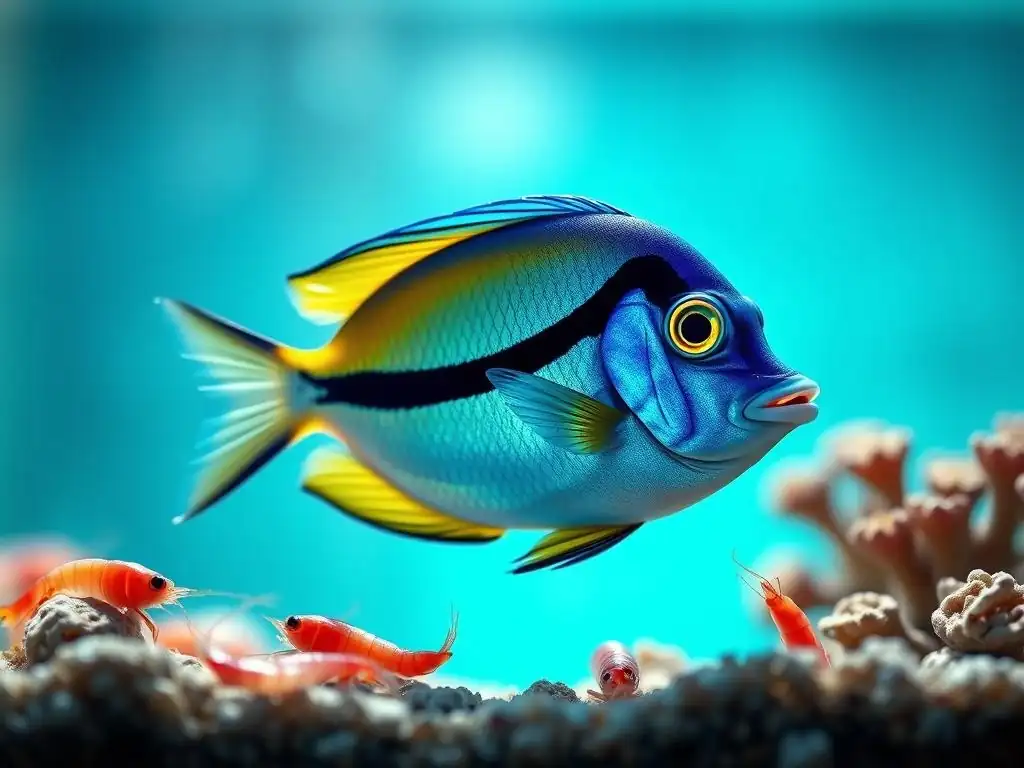
Rotifers, primarily Brachionus plicatilis (L-type) and Brachionus rotundiformis (S-type), are often the first live food offered to newly hatched marine fish larvae due to their small size (typically 50-300 microns) and slow swimming speed, making them easily digestible and catchable for tiny mouths. While rotifers themselves have a relatively poor nutritional profile, particularly in essential fatty acids, their ability to be "gut-loaded" or enriched with specific nutrients makes them an indispensable part of marine fish juvenile nutrition. Enrichment involves feeding rotifers a diet rich in HUFA and vitamins for 6-12 hours before feeding them to fish.
This enrichment process is critical, as it transforms rotifers into miniature, living nutrient capsules, directly transferring essential fatty acids like DHA and EPA to the larval fish. For species like the Yellow Tang (Zebrasoma flavescens) or the Blue Tang (Paracanthurus hepatus), which have exceptionally small mouthparts at hatching, S-type rotifers are often the only suitable initial food source. Their consistent availability and ease of culture make rotifers a foundational component in almost any successful marine fish breeding program, ensuring that the earliest stages of marine fish juvenile nutrition are adequately met.
Copepods: A Nutritious and Natural Food Source for Growing Marine Fish
Copepods, including various species of calanoids, harpacticoids, and cyclopoids, are widely regarded as a superior live food option for marine fish larvae and juveniles due to their naturally high nutritional value, particularly their rich content of essential HUFA and carotenoids. Unlike rotifers, many copepod species inherently possess the optimal fatty acid profiles required for developing marine fish, reducing the need for extensive enrichment. Their jerky, erratic swimming motion also acts as a strong feeding stimulant, often eliciting a stronger feeding response from reluctant or finicky larvae compared to rotifers.
For many difficult-to-rear species, such as Mandarinfish (Synchiropus splendidus) and various angelfish (Pomacanthidae) species, copepods are often indispensable for their marine fish juvenile nutrition. Their natural diet of phytoplankton means they accumulate vital nutrients directly, which are then passed on to the fish. The varied sizes of different copepod life stages (nauplii, copepodites, adults) also allow for a progression of food sizes as the juvenile fish grow, providing a continuous and highly nutritious food source that mimics their natural diet in the wild.
Artemia Nauplii: Enriching Artemia for Enhanced Juvenile Fish Growth
Artemia salina, commonly known as brine shrimp, are one of the most widely used live foods in aquaculture, particularly for larger marine fish larvae and early juveniles, typically after they have outgrown rotifers. Newly hatched Artemia nauplii are relatively small (around 400-500 microns) and are easily cultured from cysts. However, their natural nutritional profile is notoriously poor, especially in essential HUFA and vitamins. Therefore, enrichment, or "gut-loading," is absolutely crucial to transform them into a suitable component of marine fish juvenile nutrition.
Enrichment involves feeding the Artemia nauplii with specialized lipid emulsions, algal concentrates, or commercial enrichment products for a period of 12-24 hours before feeding them to the fish. This process significantly boosts their content of DHA, EPA, and other vital nutrients, making them highly nutritious. For example, enrichment can increase the DHA content of Artemia nauplii by over 500%, drastically improving their value for juvenile fish development. Without proper enrichment, feeding un-enriched Artemia can lead to nutritional deficiencies and poor growth in juvenile marine fish, underscoring the importance of this step in their marine fish juvenile nutrition.
Culturing Live Food for Juvenile Marine Fish: Best Practices and Techniques
Successful marine fish juvenile nutrition hinges on a consistent and high-quality supply of live food. Culturing live foods like rotifers, copepods, and Artemia requires specific best practices to ensure optimal nutritional value and population density. For rotifers, maintaining stable water parameters (salinity 20-25 ppt, temperature 24-28°C) and feeding them with concentrated microalgae (e.g., Nannochloropsis oculata) or commercial algal pastes are key. Daily harvesting and partial water changes help maintain culture health and prevent crashes, ensuring a continuous supply for growing juveniles.
Copepod culture can be more challenging but yields superior nutritional benefits. Establishing a stable phytoplankton culture as a food source for the copepods is paramount, along with careful attention to water quality and avoiding overfeeding. For Artemia, simple hatching setups are common, but proper aeration, salinity (25-30 ppt), and temperature (28-30°C) are essential for high hatch rates.
After hatching, the critical step is the enrichment process, which typically occurs in a separate, aerated container using specialized enrichment diets for 12-24 hours. Adhering to these best practices ensures that the live foods provided are maximally nutritious, directly supporting the robust growth and health of juvenile marine fish.
Transitioning Juvenile Marine Fish to Prepared Diets
Selecting High-Quality Prepared Foods for Juvenile Saltwater Fish
Once juvenile marine fish have grown sufficiently to accept larger food particles, typically around 3-6 weeks post-hatch depending on the species, transitioning them to high-quality prepared diets becomes a practical and cost-effective step in their marine fish juvenile nutrition. The selection of prepared foods is crucial; they must be specifically formulated for marine fish juveniles, characterized by very fine particle sizes (often micronized powders or small crumbles, ranging from 50 to 500 microns) and a nutrient profile that mirrors the high demands of growing fish.
This means high protein content (45-60%), balanced lipids including HUFA, and a full spectrum of vitamins and minerals.
Look for brands that specialize in aquaculture feeds or premium aquarium diets, as these often contain highly digestible ingredients like marine proteins (fish meal, squid meal), algal meals, and essential fatty acids. Avoid generic flake foods designed for adult fish, as they lack the fine particle size and concentrated nutrient density required for optimal marine fish juvenile nutrition. Products with low ash content and high water stability are also preferable, as they minimize water pollution and nutrient leaching, ensuring the food remains palatable and nutritious for longer periods in the water column.
Gradual Introduction of Prepared Diets: Minimizing Stress and Maximizing Acceptance
The transition from live foods to prepared diets must be a gradual process to minimize stress and maximize acceptance by juvenile marine fish. Abrupt changes can lead to feeding refusal, starvation, and increased mortality. A common and effective strategy is "co-feeding," where both live foods and prepared foods are offered concurrently, with the proportion of prepared food slowly increasing over several days to a few weeks. For example, one might start with 90% live food and 10% prepared food, then gradually shift to 75/25, 50/50, and so on, until the fish are primarily consuming the prepared diet.
This gradual approach allows the juvenile fish to acclimate to the taste, texture, and presentation of the new food while still receiving adequate marine fish juvenile nutrition from the familiar live food. It also gives their digestive systems time to adapt to a different composition. Consistent feeding times and methods can further aid in this transition. For species like juvenile clownfish, this transition can often be completed within 2-3 weeks, leading to a more sustainable and manageable long-term marine fish juvenile nutrition plan.
Supplementing Prepared Foods with Live Foods for Optimal Juvenile Development
Even after juvenile marine fish have successfully transitioned to prepared diets, periodically supplementing their marine fish juvenile nutrition with live foods can offer significant benefits. Live foods provide natural enzymes, enhance palatability, and stimulate feeding responses, which can be particularly advantageous for species that are naturally more selective or for encouraging growth spurts. For instance, offering enriched Artemia or small copepods once or twice a week, even after a successful switch to dry foods, can boost growth rates and improve coloration.
This supplementary approach mimics the varied diet that fish would encounter in their natural environment, potentially providing micronutrients or beneficial compounds that might be less stable or available in processed foods. For species that are notoriously difficult to fully convert, such as Mandarinfish or some angelfish, continued supplementation with live copepods might be a long-term necessity to ensure their specific marine fish juvenile nutrition requirements are met. This strategy ensures that the fish receive the best of both worlds: the convenience and consistency of prepared foods combined with the unique nutritional and behavioral benefits of live prey.
Feeding Strategies for Juvenile Marine Fish: Maximizing Consumption and Minimizing Waste
Optimal Feeding Frequency and Portion Sizes for Juvenile Growth
Optimizing feeding frequency and portion sizes is critical for maximizing consumption and promoting rapid, healthy growth in juvenile marine fish while simultaneously minimizing waste and maintaining pristine water quality. Due to their high metabolic rates and developing digestive systems, juvenile fish benefit from frequent, small feedings rather than one or two large meals. For many species, feeding 4 to 6 times per day is ideal, ensuring a continuous supply of nutrients to fuel their rapid growth without overwhelming their digestive capacity or leaving excess food to decompose.
Each feeding should consist of a small portion that can be entirely consumed within 5 to 10 minutes. This method ensures that all food is eaten, preventing uneaten particles from fouling the water column and contributing to ammonia and nitrite spikes. Overfeeding not only pollutes the tank but can also lead to digestive issues in the fish. Regularly observing the fish's feeding behavior and consumption rate allows aquarists to fine-tune portion sizes, ensuring efficient marine fish juvenile nutrition delivery.
Targeting Feeding to Reduce Competition and Ensure Adequate Intake
In rearing tanks containing multiple juvenile marine fish, competition for food can be fierce, leading to some individuals receiving insufficient marine fish juvenile nutrition and becoming stunted. Implementing targeted feeding strategies is essential to mitigate this competition and ensure that all fish receive adequate nourishment. This can involve broadcasting food widely across the tank to disperse it evenly, or for smaller groups, using a pipette or feeding stick to direct food towards less dominant or shyer individuals.
For larger batches of juveniles, using multiple feeding points simultaneously can significantly reduce aggressive competition, ensuring that a higher percentage of the population receives their share. Observing the feeding dynamics is crucial; if certain fish consistently miss out on food, adjustments to the feeding method or even temporary segregation may be necessary. By actively managing feeding opportunities, aquarists can promote more uniform growth rates across the entire cohort, leading to a healthier and more robust population.
Monitoring Juvenile Fish Growth and Adjusting Feeding Strategies Accordingly
Continuous monitoring of juvenile marine fish growth and overall health is a fundamental aspect of effective marine fish juvenile nutrition. Regular observation of their size, coloration, activity levels, and body condition provides invaluable feedback on the efficacy of the current feeding regimen. For instance, if juveniles appear thin, lethargic, or exhibit slow growth despite frequent feedings, it may indicate a need to increase portion sizes, enhance the nutritional quality of the food, or investigate underlying health issues. Conversely, if excess food remains after feeding, or if fish appear bloated, a reduction in portion size or frequency is warranted.
Tracking growth, even through simple visual assessment or occasional measurements (if practical and stress-free), allows for data-driven adjustments to the marine fish juvenile nutrition plan. For example, an increase in average length by 1-2 mm per week for species like juvenile damselfish suggests good progress. As fish grow, their dietary needs and preferred food particle sizes will change, necessitating a gradual transition to larger food items. This adaptive approach ensures that the feeding strategy remains optimized for the fish's evolving requirements throughout their juvenile stage.
Addressing Common Nutritional Challenges in Juvenile Marine Fish Rearing
Preventing and Treating Nutritional Deficiencies in Young Marine Fish
Nutritional deficiencies are a common and serious challenge in juvenile marine fish rearing, often leading to poor growth, deformities, and increased susceptibility to disease. Preventing these deficiencies hinges on providing a consistently balanced and varied diet, rich in all essential macronutrients and micronutrients. For instance, a lack of highly unsaturated fatty acids (HUFA) can manifest as nervous system disorders or poor pigmentation, while Vitamin C deficiency may cause skeletal deformities and impaired immune function. To prevent such issues, always use high-quality, fresh live foods that have been properly enriched, and select premium prepared diets specifically formulated for marine juveniles.
Treating existing deficiencies often involves targeted dietary adjustments. If fish exhibit symptoms of a specific deficiency, such as fin erosion (potentially Vitamin C or E), increasing the intake of foods rich in that particular nutrient, or supplementing with a high-quality marine vitamin complex, can be beneficial. For example, enriching Artemia with a HUFA-rich product for 24 hours can rapidly address fatty acid deficiencies.
It's crucial to also assess water quality and reduce environmental stressors, as these can exacerbate nutritional problems. A holistic approach to marine fish juvenile nutrition, combining a balanced diet with optimal environmental conditions, is key to preventing and resolving these challenges.
Overfeeding is a primary cause of water quality degradation in juvenile marine fish rearing systems, as uneaten food rapidly decomposes, leading to spikes in ammonia, nitrite, and nitrate. These nitrogenous compounds are highly toxic to sensitive juvenile fish, causing stress, gill damage, and increased vulnerability to disease. Effective management of water quality is therefore inextricably linked to successful marine fish juvenile nutrition. The goal is to provide sufficient food for growth without introducing excess organic load.
Strategies to manage water quality include feeding small, frequent portions that are entirely consumed, as discussed previously. Additionally, robust biological filtration (e.g., live rock, bio-media), efficient protein skimming, and regular, often daily, small water changes are essential. For instance, a 10-20% daily water change in a juvenile rearing tank can significantly dilute accumulating toxins and replenish essential trace elements. Monitoring water parameters daily with reliable test kits allows for prompt intervention. By diligently controlling the amount of food introduced and maintaining superior filtration, aquarists can prevent water quality issues from undermining their marine fish juvenile nutrition efforts.
Overcoming Feeding Refusal in Juvenile Marine Fish: Troubleshooting Tips
Feeding refusal in juvenile marine fish can be alarming and, if prolonged, fatal. It often stems from a combination of factors, including stress, poor water quality, incorrect food size or type, or the presence of disease. When juveniles refuse to eat, the first step is to thoroughly check all water parameters (ammonia, nitrite, nitrate, pH, salinity, temperature) to rule out environmental stressors. Even slight deviations can cause fish to become lethargic and lose their appetite.
If water parameters are optimal, consider the food itself. Is the particle size appropriate for their mouthparts? Is it fresh and palatable? Offering a variety of foods, including different live food options (e.g., smaller Artemia nauplii, different copepod species) and finely crushed prepared diets, can often entice reluctant feeders.
Sometimes, simply reducing light intensity or providing more hiding spots can alleviate stress and encourage feeding. If refusal persists, a careful examination for signs of disease (e.g., parasites, bacterial infections) is warranted, as illness often manifests as appetite loss. Addressing the root cause, whether environmental, dietary, or health-related, is key to restoring a healthy marine fish juvenile nutrition regimen.
Advanced Techniques in Juvenile Marine Fish Nutrition
Nutritional Enrichment Strategies for Live Foods
Nutritional enrichment is an advanced and indispensable technique in marine fish juvenile nutrition, particularly for live foods like rotifers and Artemia. While these live feeds are excellent vehicles for delivering nutrients due to their small size and palatability, their inherent nutritional value is often insufficient, especially in critical Highly Unsaturated Fatty Acids (HUFA) like DHA and EPA. Enrichment involves feeding the live prey a highly concentrated, nutrient-dense diet for a specific period before they are offered to the fish.
Common enrichment products are lipid emulsions rich in HUFA, often combined with vitamins and carotenoids. For Artemia nauplii, a 12-24 hour enrichment period with products like DHA Selco or Super Selco is standard, significantly boosting their fatty acid profile. Rotifers are typically enriched for 6-12 hours using similar products or specialized microalgae concentrates.
This process ensures that the juvenile fish receive a complete and balanced diet via their prey, directly impacting their growth, survival, and stress resistance. For instance, enriched Artemia can have their DHA content increased by over 500%, transforming them into highly nutritious parcels for developing marine fish, making this a cornerstone of cutting-edge marine fish juvenile nutrition.
Probiotics and Prebiotics: Enhancing Gut Health in Juvenile Fish
The integration of probiotics and prebiotics represents an advanced frontier in marine fish juvenile nutrition, focusing on enhancing gut health and overall disease resistance. Probiotics are live beneficial microorganisms (e.g., specific strains of Lactobacillus or Bacillus bacteria) that, when administered in adequate amounts, confer a health benefit to the host. They work by colonizing the gut, suppressing pathogenic bacteria, aiding digestion, and modulating the immune system. Prebiotics, on the other hand, are non-digestible food ingredients that selectively stimulate the growth and/or activity of beneficial bacteria already residing in the gut.
These supplements can be incorporated into live food enrichment protocols or directly into prepared diets. Studies on various aquaculture species have shown that probiotic supplementation can improve feed conversion ratios by 10-15%, reduce the incidence of bacterial diseases, and enhance growth rates in juvenile fish.
For example, the addition of specific Bacillus strains to the diet of juvenile groupers has been linked to improved gut morphology and reduced mortality during stressful periods. By fostering a healthy gut microbiome, probiotics and prebiotics contribute significantly to the overall vitality and resilience of young marine fish, a key aspect of advanced marine fish juvenile nutrition.
Specific Nutritional Considerations for Clownfish, Seahorses, and Mandarin Dragonets
While general principles of marine fish juvenile nutrition apply, specific species often have unique dietary requirements or feeding behaviors that necessitate tailored approaches. Clownfish (Amphiprioninae) juveniles, for instance, are relatively robust and adaptable. They typically transition well from enriched rotifers and Artemia to high-quality prepared dry foods within 3-4 weeks post-hatch, provided the particle size is appropriate. Their strong feeding response makes them excellent candidates for early weaning onto prepared diets.
Seahorses ( Hippocampus spp.) present a more significant challenge. Juvenile seahorses are slow, deliberate feeders that often struggle to compete for food and require a constant supply of live prey. Their marine fish juvenile nutrition typically relies on enriched Artemia nauplii for extended periods, sometimes supplemented with small copepods or Mysis shrimp as they grow.
They are particularly prone to starvation if live food is not consistently available. Mandarin Dragonets ( Synchiropus splendidus), notorious for their specialized diet, are perhaps the most challenging. Their juveniles primarily feed on small, benthic copepods and are extremely difficult to transition to prepared foods. Successful rearing almost always requires a continuous supply of live copepods, highlighting the critical role of these specific live foods in their marine fish juvenile nutrition.
Future Trends in Marine Fish Juvenile Nutrition Research
Sustainable Feed Alternatives for Marine Fish Larval Rearing
The aquaculture industry's rapid expansion, coupled with growing environmental concerns, is driving intensive research into sustainable feed alternatives for marine fish larval and juvenile rearing. Traditional feeds often rely heavily on fishmeal and fish oil, derived from wild-caught forage fish, which raises questions about ecological footprint and resource depletion. Future trends in marine fish juvenile nutrition are focused on identifying and developing novel ingredients that can replace these conventional components without compromising nutritional quality or growth performance.
Promising alternatives include insect meals (e.g., black soldier fly larvae meal), which offer a high-protein, sustainable source, and various algal and microbial proteins (e.g., single-cell protein derived from yeast or bacteria). Research is also exploring plant-based proteins, though their digestibility and amino acid profiles often require careful balancing for marine species. The goal is to formulate highly efficient and environmentally responsible feeds that support optimal growth and health in juvenile marine fish while reducing reliance on finite marine resources, ensuring the long-term viability of aquaculture.
Personalized Nutrition Plans Based on Genetic Factors
An exciting and emerging trend in marine fish juvenile nutrition research is the concept of personalized nutrition plans, leveraging advancements in genomics and nutrigenomics. Just as in humans, genetic variations within and between fish populations can influence their specific nutrient requirements, metabolic pathways, and susceptibility to certain deficiencies. While still in its nascent stages for aquaculture, the ability to tailor diets based on a fish's genetic profile holds immense potential for optimizing growth, improving feed conversion efficiency, and enhancing disease resistance.
Researchers are investigating how specific genes influence nutrient utilization, immune response, and growth rates. In the future, this could lead to the development of precision feeds designed for particular strains or even individual fish, maximizing their genetic potential. For example, if a specific genetic marker indicates a higher requirement for a certain vitamin or amino acid, the marine fish juvenile nutrition plan could be adjusted accordingly. This highly targeted approach promises to reduce waste, improve animal welfare, and significantly boost the productivity and sustainability of marine fish breeding operations.
Frequently Asked Questions
What are the most important nutrients for juvenile marine fish?
Juvenile marine fish require a diet rich in essential fatty acids, high-quality protein, and vitamins for optimal growth and development. These nutrients support their rapid growth and immune system development.
How often should I feed juvenile marine fish?
Juvenile marine fish typically need to be fed more frequently than adults, often several times a day. This ensures they receive sufficient nutrition to support their rapid growth rate and energy demands.
What type of food is best suited for juvenile marine fish?
Offer small, easily digestible foods such as live foods like Artemia, high-quality flake food specifically formulated for juveniles, or specially formulated frozen foods. This allows them to efficiently process and absorb the nutrients.
What are the signs of nutritional deficiencies in juvenile marine fish?
Signs can include slow growth, faded coloration, fin erosion, and increased susceptibility to diseases. Addressing these issues promptly with appropriate nutrition is crucial.
How important is water quality when feeding juvenile marine fish?
Maintaining excellent water quality is absolutely critical. Frequent feeding can lead to increased waste production, so regular water changes and efficient filtration are essential for a healthy aquarium environment and the well-being of juvenile fish.
Okay, here's a final reflection designed to close your article "Fueling Growth: Understanding the Nutritional Needs of Juvenile Marine Fish," optimized for the keyword "Marine fish juvenile nutrition" and following the structure you provided:
Final Reflection: Nurturing the Future of Our Oceans
The insights shared throughout this article highlight the critical link between marine fish juvenile nutrition and the overall health of our ocean ecosystems. As we've explored the specific dietary requirements and challenges faced by these vulnerable creatures, it becomes undeniably clear that understanding and addressing their nutritional needs is not merely an academic exercise, but a vital step towards ensuring the sustainability of marine populations in a rapidly changing world.
This exploration of marine fish juvenile nutrition has underscored the profound impact that seemingly small interventions can have on the larger ecological picture. The future of our oceans depends on the health and resilience of these young fish, and our understanding of their dietary needs is paramount to their survival. The sea, once it casts its spell, holds one in its net of wonder forever.
- Jacques Cousteau. This quote reminds us of the enduring allure of the ocean and our responsibility to protect its inhabitants, starting with the most vulnerable.
As you reflect on the information presented, consider the role you can play in supporting research and conservation efforts focused on marine fish juvenile nutrition. Whether it's through supporting sustainable aquaculture practices, advocating for responsible fishing policies, or simply spreading awareness about the importance of this often-overlooked aspect of marine biology, your actions can contribute to a healthier and more vibrant ocean for generations to come. Let us all strive to be stewards of the sea, ensuring that these young fish have the nourishment they need to thrive and contribute to the rich tapestry of marine life.
Ignite Growth: Unleash the Potential of Your Juvenile Fish!
Thanks for diving deep into the nutritional world of juvenile marine fish! You've now got the knowledge to ensure they thrive. Ready to put that knowledge into action and see them flourish?
Here's how:
- Immediately review the food labels of your current fish food to ensure they meet the specific protein and fat requirements outlined in the article.
- Share this article with other aquarium enthusiasts to spread awareness about juvenile marine fish nutrition.
- Experiment with offering a varied diet, including live or frozen foods, and closely observe your fish's growth and coloration.
What exciting new food are you most eager to introduce to your young marine fish to optimize their health and development?