
Maximizing Seriatopora Branch Density: Strategic Pruning and Placement Insights

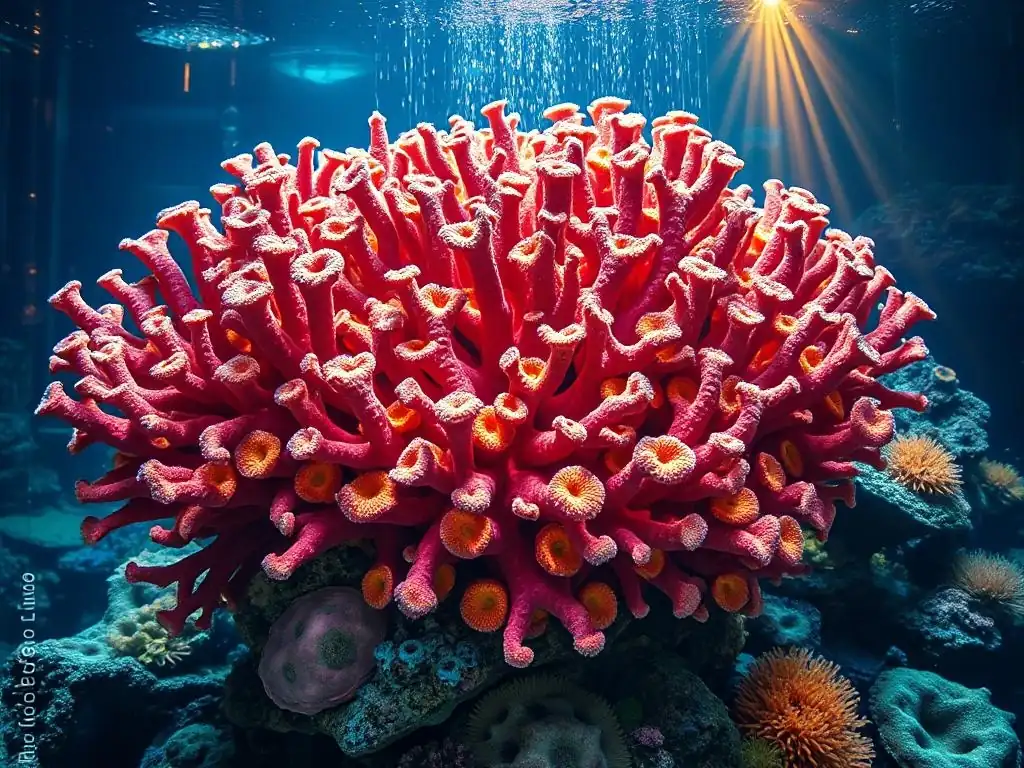
Welcome to Aquarium Mastery!
Ever wondered how to cultivate a truly stunning Seriatopora colony, brimming with vibrant color and unparalleled branch density? Achieving that perfect, bushy coral isn't just about luck. Dive into our latest article, "Maximizing Seriatopora Branch Density: Strategic Pruning and Placement Insights," and unlock the secrets to transforming your reef tank. Discover the precise pruning techniques and optimal placement strategies that will help you achieve breathtaking results. Ready to create a Seriatopora masterpiece? Let's get started!
- Understanding Seriatopora Growth and Branch Density
- Strategic Seriatopora Pruning Techniques for Enhanced Branching
- Optimizing Placement for Maximum Seriatopora Branch Density
- Advanced Techniques for Promoting Seriatopora Branching
- Troubleshooting Common Seriatopora Growth Issues
- Case Studies: Successful Seriatopora Branch Density Enhancement
- Maintaining Long-Term Seriatopora Health and Density
-
Frequently Asked Questions
- How does pruning Seriatopora impact its branch density?
- What is the optimal time to prune Seriatopora for maximum branch density?
- Where should I make cuts when pruning Seriatopora to promote denser branching?
- How does placement within the aquarium affect Seriatopora's branch density and growth?
- What are the signs that my Seriatopora needs pruning to improve its branch density?
- Final Reflection: Cultivating Resilience in Coral and Ourselves
- Cultivate Your Coral's Glory: Dive Deeper!
Understanding Seriatopora Growth and Branch Density
The Natural Growth Habit of Seriatopora Corals
Seriatopora corals, commonly known as Bird's Nest corals, are small polyp stony (SPS) corals renowned for their delicate, intricate branching structures. These corals typically exhibit an arborescent or bushy growth habit, forming dense, interwoven colonies in their natural reef environments. Species like Seriatopora hystrix often develop fine, pointed branches that extend outwards and upwards, creating a captivating display, while Seriatopora caliendrum might present slightly thicker, more textured branches.
In the wild, Seriatopora colonies can grow quite large, sometimes reaching diameters of over 30-40 centimeters, forming extensive thickets that provide habitat for various marine life. Their growth is characterized by the continuous extension of branch tips and the proliferation of new branches from existing ones, contributing to their characteristic Seriatopora branch density. This natural inclination to branch and spread is what aquarists aim to harness and enhance within their reef tanks.
Factors Influencing Seriatopora Branching and Density
The degree of Seriatopora branching and density is heavily influenced by a combination of environmental factors within the aquarium. Primary among these are lighting intensity and spectrum, water flow patterns, and the stability of water chemistry parameters. Optimal levels of Photosynthetically Active Radiation (PAR), for instance, directly fuel the photosynthetic activity of the zooxanthellae residing within the coral tissue, providing the energy needed for robust skeletal growth and increased branching.
Furthermore, consistent and turbulent water flow is crucial for delivering essential nutrients and removing metabolic waste products, which directly impacts calcification rates and the overall health of the coral. Inadequate flow can lead to "dead spots" within the colony, resulting in tissue recession or less dense growth in those areas. Stable levels of alkalinity, calcium, and magnesium are equally vital, as these are the building blocks for the coral's aragonite skeleton, directly dictating the potential for dense, healthy Seriatopora growth.
Genetic Predisposition and Seriatopora Morphology
While environmental conditions are paramount, the genetic makeup of individual Seriatopora colonies also plays a significant role in their ultimate morphology and Seriatopora branch density. Different species or even distinct morphs within the same species can exhibit inherent variations in their growth patterns. For example, some Seriatopora hystrix strains may naturally grow more tightly branched and compact, while others might develop a more open, sprawling structure, even under identical environmental conditions.
This genetic predisposition dictates the potential for a coral to achieve a certain level of density and shape. Although aquarists can optimize conditions and employ Seriatopora pruning techniques to encourage denser growth, understanding the inherent growth habit of a specific Seriatopora frag can help set realistic expectations. For instance, a Seriatopora guttatus might naturally produce thicker, knobbier branches compared to the more delicate, needle-like branches of a S. hystrix, influencing the perceived Seriatopora branch density.
Strategic Seriatopora Pruning Techniques for Enhanced Branching
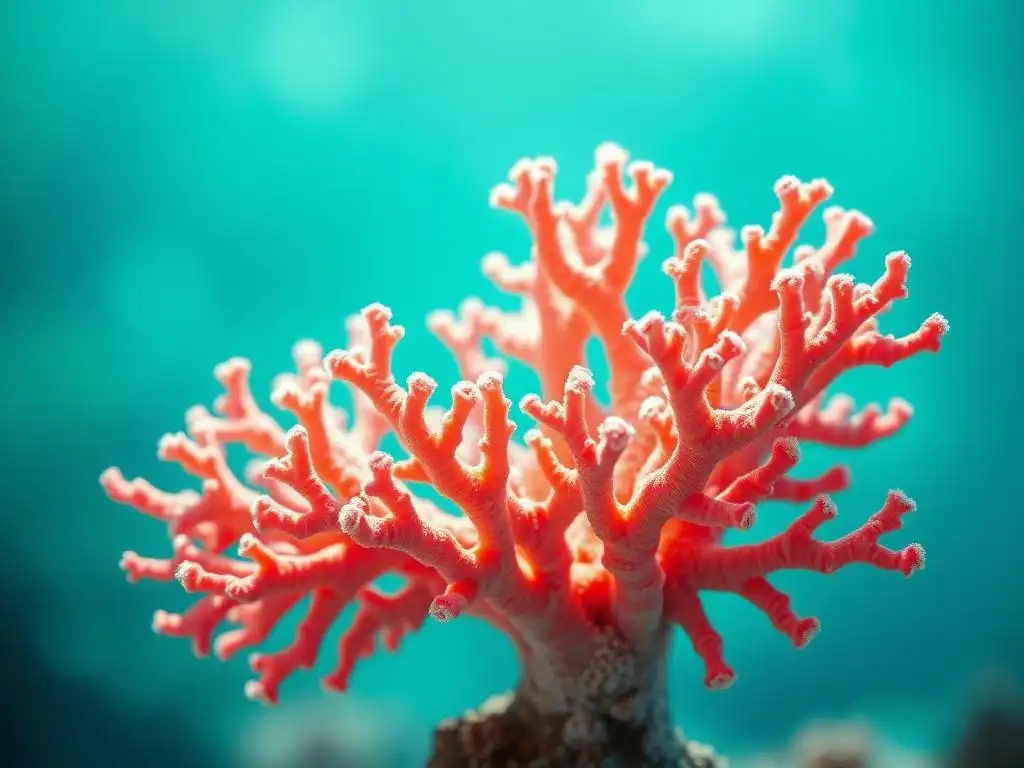
Why Prune Seriatopora? Benefits for Density and Health
Pruning Seriatopora is a strategic intervention that actively encourages increased Seriatopora branch density and overall colony health. By removing specific branches, aquarists stimulate the coral to divert energy into lateral growth, leading to a bushier, more compact form rather than just vertical elongation. This redirection of energy is a key mechanism for maximizing Seriatopora pruning branch density.
Beyond aesthetic benefits, regular pruning offers significant health advantages. It helps prevent overcrowding, which can lead to shading of lower branches and reduced water flow within the colony, potentially causing tissue necrosis. Pruning also allows for the removal of damaged, diseased, or dying sections, isolating potential issues before they spread. Furthermore, the removed frags can be used for propagation, allowing aquarists to share or trade their corals, and effectively managing the size of established colonies.
Best Practices for Seriatopora Coral Pruning
Effective Seriatopora coral pruning hinges on precision and minimizing stress to the colony. It is generally advisable to perform smaller, more frequent pruning sessions rather than drastic, infrequent overhauls. This allows the coral to recover more easily and continuously directs growth towards higher Seriatopora branch density. Plan your cuts carefully, envisioning the desired future shape and density of the colony.
Always ensure the coral is fully extended and healthy before pruning to reduce stress and promote faster healing. Many aquarists find it convenient to prune during routine tank maintenance, such as water changes, when water levels might be slightly lower, providing easier access to the corals. Aim for clean, swift cuts to prevent jagged edges that can be more prone to infection or slower to heal.
Tools and Equipment for Safe and Effective Pruning
Using the correct tools is paramount for safe and effective Seriatopora pruning. Essential equipment includes high-quality, sharp coral bone cutters or specialized coral shears. These tools should be made from surgical-grade stainless steel or ceramic to resist corrosion and maintain a sharp edge, ensuring clean cuts that minimize damage to the coral skeleton. Standard aquarium pliers or dull scissors can crush the coral, causing unnecessary stress and potential tissue damage.
Before and after each pruning session, all tools must be thoroughly sterilized to prevent the transfer of pathogens between corals or tanks. A common sterilization method involves rinsing tools in reverse osmosis (RO) water, then dipping them in a mild bleach solution (e.g., 1 part bleach to 9 parts water) or an iodine-based disinfectant for several minutes, followed by a meticulous rinse in RO water to remove any chemical residue. Wearing protective eyewear and gloves is also recommended to prevent accidental splashes or cuts and to protect your hands from potential irritants.
Step-by-Step Guide to Pruning Seriatopora for Optimal Growth
Identifying Target Branches for Pruning
The first step in effective Seriatopora pruning for optimal Seriatopora branch density is careful observation. Identify branches that are growing too close to other corals, shading lower parts of the same colony, or extending into undesirable areas. Look for sections that appear less vibrant, are collecting detritus, or show signs of stunted growth. Prioritize removing inner branches that are not receiving adequate light or flow, as their removal will open up the colony and promote new growth from the base or surrounding areas.
Consider the overall shape you wish to achieve. If you desire a more spherical or bushy colony, focus on trimming longer, outward-reaching branches to encourage more lateral growth. If a specific area lacks density, pruning adjacent branches can redirect energy towards that spot, fostering new development and increasing Seriatopora pruning branch density in targeted zones.
Making the Cut: Clean and Precise Pruning Methods
Once target branches are identified, execute the cuts with precision. Position your bone cutters or shears firmly at the base of the branch you intend to remove, or just above a node where you wish to encourage new branching. Make a single, swift, and clean cut. Avoid twisting or tearing the coral tissue, as this can cause significant stress and prolong the healing process. For thicker branches, a sharp, strong pair of bone cutters is essential to prevent crushing the skeleton.
If you are aiming to encourage two new branches from a single cut, try to make the cut at a slight angle, just above a point where two polyps or a small growth node is visible. This can sometimes stimulate a bifurcated growth response. After making the cut, gently remove the fragged piece from the aquarium. Ensure minimal disturbance to the remaining colony to allow for quick recovery and continued robust growth, contributing to long-term Seriatopora branch density.
Post-Pruning Care: Ensuring Coral Recovery and Growth
After Seriatopora pruning, immediate post-care is crucial to ensure the coral's rapid recovery and continued healthy growth. The fragged piece, if intended for propagation, should be dipped in a reef-safe coral dip solution (e.g., an iodine-based dip at 5-10 drops per gallon for 10-15 minutes, or a commercial coral dip according to manufacturer instructions) to cleanse it of any potential pests or bacteria before mounting. The mother colony, however, typically does not require dipping unless there are signs of stress or infection.
Maintaining pristine and stable water parameters is paramount during the recovery phase. Ensure alkalinity, calcium, and magnesium levels are within optimal ranges (e.g., 8.0-8.5 dKH, 420-450 ppm Ca, 1300-1350 ppm Mg) and free from sudden fluctuations. Good water flow around the pruned area will aid in healing and prevent detritus accumulation. Observe the pruned area for a few days; a healthy coral will quickly begin to re-encase the exposed skeleton with new tissue, a positive sign that your Seriatopora pruning efforts are leading to enhanced Seriatopora branch density.
Optimizing Placement for Maximum Seriatopora Branch Density
Understanding Lighting Requirements for Seriatopora Growth
Seriatopora corals are light-demanding SPS species, and proper illumination is fundamental to achieving maximum Seriatopora branch density. These corals rely heavily on their symbiotic zooxanthellae for energy, which perform photosynthesis. Insufficient light will lead to pale coloration, slow growth, and sparse branching, as the coral lacks the necessary energy for calcification and tissue development.
Conversely, excessive or rapidly introduced high light can cause bleaching, where the coral expels its zooxanthellae. Therefore, understanding and providing the correct PAR levels and light spectrum is critical for robust and dense Seriatopora growth. The quality and intensity of light directly influence the coral's ability to deposit new skeletal material and branch effectively.
PAR Levels and Their Impact on Branching
For Seriatopora corals, optimal PAR (Photosynthetically Active Radiation) levels typically range from 250 to 450 µmol·m⁻²·s⁻¹. In this range, the zooxanthellae can efficiently photosynthesize, providing ample energy for the coral's metabolic processes and skeletal growth. If PAR levels are consistently below 200 µmol·m⁻²·s⁻², Seriatopora growth will likely be stunted, and branching will be sparse, leading to a less desirable Seriatopora branch density.
High PAR levels, particularly those exceeding 500 µmol·m⁻²·s⁻² for extended periods without proper acclimation, can cause photoinhibition or bleaching. When selecting an ideal location for your Seriatopora, consider using a PAR meter to measure the light intensity at various depths and positions in your tank. This ensures the coral receives adequate, but not excessive, light to fuel its calcification and encourage dense, healthy Seriatopora branching.
Selecting the Ideal Location in Your Aquarium
When placing Seriatopora in your aquarium, consider both the lighting gradient and potential shading from other corals or rockwork. Given their high light requirements, Seriatopora typically thrive in the upper to middle sections of a reef tank. For tanks with intense LED lighting, placement in the middle might be sufficient, whereas with less powerful lighting, closer to the surface would be more appropriate.
Beyond light, ensure the chosen spot allows for ample water flow around the entire colony, preventing detritus accumulation and promoting even growth. Leave sufficient space around the Seriatopora to accommodate its future growth and Seriatopora branch density. This foresight prevents potential stinging or shading conflicts with neighboring corals as the colony expands, allowing it to achieve its full branching potential.
Water Flow and Its Role in Seriatopora Density
Water flow is a critical environmental factor for Seriatopora corals, directly impacting their health, nutrient uptake, and ultimately, their Seriatopora branch density. These corals thrive in strong, turbulent, and ideally, random flow patterns. This type of flow ensures that essential nutrients, such as calcium, alkalinity, and trace elements, are constantly delivered to the coral's polyps, while metabolic waste products are efficiently carried away.
Inadequate water flow can lead to nutrient "dead spots" within the colony, accumulation of detritus, and reduced gas exchange, all of which can hinder growth and prevent the development of a dense, robust structure. Conversely, proper flow encourages the coral to grow outwards and branch symmetrically, contributing significantly to the desired Seriatopora branch density.
Achieving the Right Flow Rate for Optimal Nutrient Delivery
For Seriatopora and other SPS corals, achieving the right flow rate often means turnover rates of 20-40 times the tank volume per hour, distributed throughout the aquarium. This can be accomplished using multiple powerheads or wavemakers strategically positioned to create chaotic, multidirectional flow rather than a single, laminar stream. Random, turbulent flow mimics natural reef conditions, ensuring that all parts of the coral receive consistent water movement.
This constant movement prevents the formation of a boundary layer around the coral tissue, which could otherwise impede nutrient uptake and waste expulsion. Effective flow not only delivers dissolved elements but also helps to keep the coral's surface clean by dislodging detritus and micro-algae, allowing the coral to allocate more energy towards growth and increasing its Seriatopora branch density.
Avoiding Dead Spots and Promoting Healthy Growth
"Dead spots" in an aquarium, areas with little to no water movement, are detrimental to Seriatopora growth and Seriatopora branch density. These areas allow detritus to settle on the coral's tissue, which can lead to tissue necrosis, particularly in the inner, lower branches of a dense colony. To avoid dead spots, position powerheads to create opposing flows or utilize wave-making functions that vary the direction and intensity of water movement throughout the day.
A well-designed flow pattern ensures that all surfaces of the Seriatopora colony are bathed in moving water, promoting healthy polyp extension and even growth. Consistent, turbulent flow also helps the coral develop a stronger, more resilient skeleton as it adapts to the mechanical stress, further contributing to its overall robustness and the desired Seriatopora branch density.
Water Chemistry Parameters for Robust Seriatopora Growth
Maintaining stable and optimal water chemistry parameters is the bedrock of successful Seriatopora care and crucial for achieving robust Seriatopora branch density. SPS corals, being active calcifiers, rapidly deplete essential elements from the water, necessitating consistent monitoring and supplementation. Fluctuations in these parameters are often more detrimental than slightly off but stable levels, as they induce stress and can halt growth or lead to tissue loss.
Regular testing and precise dosing are key to providing the building blocks for the coral's skeleton and ensuring its metabolic processes function efficiently. Neglecting water chemistry will inevitably lead to stunted growth, poor coloration, and a failure to achieve the desired Seriatopora branch density.
Maintaining Stable Alkalinity, Calcium, and Magnesium Levels
For robust Seriatopora growth and maximum Seriatopora branch density, maintaining stable levels of alkalinity, calcium, and magnesium is paramount. Recommended ranges are:
- Alkalinity (dKH): 7.0-9.0, with 8.0-8.5 dKH often cited as ideal for stability and growth. Daily fluctuations should ideally be kept below 0.5 dKH.
- Calcium (Ca): 400-450 ppm. Calcium is the primary component of the coral's aragonite skeleton.
- Magnesium (Mg): 1250-1350 ppm. Magnesium helps maintain calcium and alkalinity solubility, preventing precipitation.
These elements are consumed daily by calcifying corals. Consistent supplementation, via two-part dosing, calcium reactor, or kalkwasser, is necessary to replenish consumed elements and ensure the coral has the resources for continuous skeletal deposition and branching.
Nitrate and Phosphate Management for Coral Health
While often considered pollutants, nitrates (NO3) and phosphates (PO4) are essential nutrients at very low, controlled levels for Seriatopora and other corals. Optimal ranges are typically:
- Nitrates (NO3): 0.2-5 ppm.
- Phosphates (PO4): 0.02-0.08 ppm.
Maintaining levels within this low but detectable range supports the health of zooxanthellae and provides essential nutrients for coral tissue. Ultra-low nutrient systems (ULNS) with undetectable nitrates and phosphates can sometimes lead to pale coloration, slow growth, or even "burnt tips" in some SPS corals, as they lack sufficient nutritional input. Conversely, high nutrient levels can fuel nuisance algae growth, which competes with corals for space and light, hindering Seriatopora branch density. Effective nutrient export methods, such as regular water changes, refugiums, protein skimming, and judicious use of GFO/carbon, are essential for balance.
Advanced Techniques for Promoting Seriatopora Branching
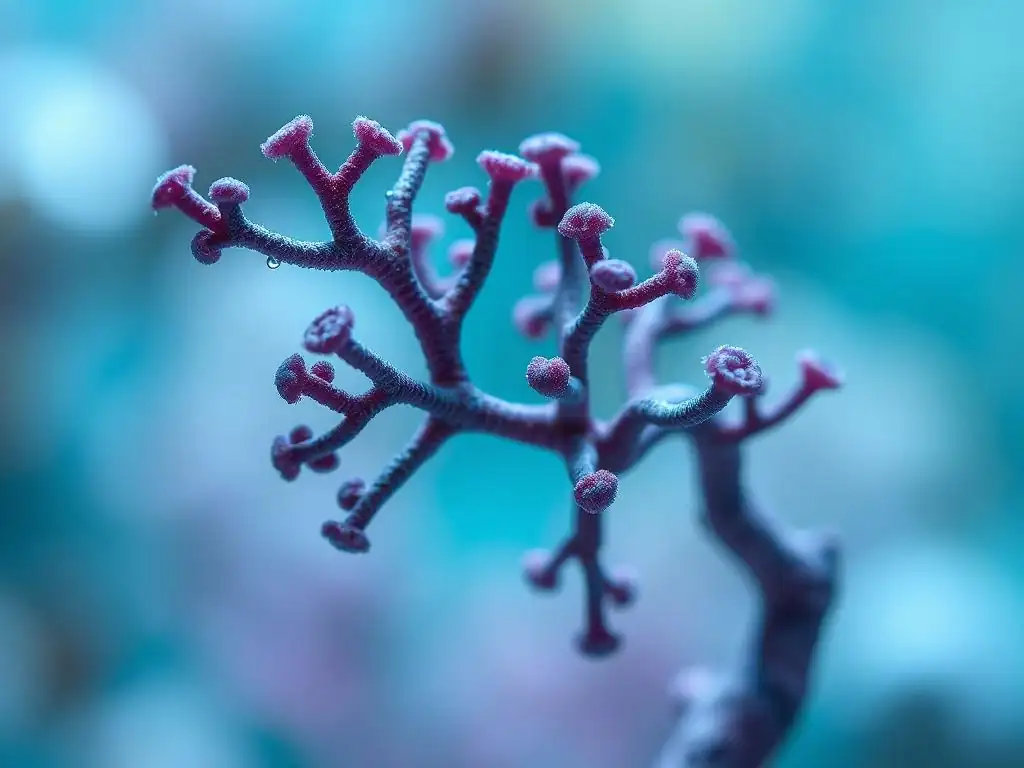
Coral "Gardening": Intentional Placement and Pruning Strategies
Coral "gardening" is an advanced reef-keeping practice that involves actively shaping the aquascape through strategic placement and consistent Seriatopora pruning to achieve a desired aesthetic and promote optimal growth. Instead of letting corals grow haphazardly, aquarists intentionally position Seriatopora frags with their future growth patterns in mind, considering how their branches will fill space and interact with other corals.
This involves foresight in anticipating the expansion of Seriatopora branch density and making deliberate cuts to direct growth. For example, pruning outer branches might encourage more internal branching, creating a denser, more compact colony. This proactive approach ensures adequate spacing, prevents shading, and maximizes light and flow exposure for each colony, ultimately contributing to a more vibrant and thriving reef ecosystem with enhanced Seriatopora branch density.
Using Coral Glue and Plugs for Frag Placement
When propagating Seriatopora through Seriatopora pruning, proper frag placement is crucial for the new frag's survival and subsequent growth. Cyanoacrylate gel glue (super glue, reef-safe varieties) and reef-safe epoxy are the primary adhesives used to secure frags to frag plugs or directly to the rockwork. Frag plugs provide a stable base, making it easy to move and position the coral until it's ready for permanent placement.
For optimal growth and to encourage the frag to encrust rapidly, choose a stable, well-lit, and well-flowed location for the newly mounted frag. A secure attachment minimizes stress, allowing the coral to focus its energy on tissue regeneration and calcification rather than trying to anchor itself. This stability is vital for the young coral to establish itself and begin developing its characteristic Seriatopora branch density.
Amino Acid Supplementation for Enhanced Growth and Coloration
While Seriatopora corals primarily derive energy from their symbiotic zooxanthellae, direct feeding and amino acid supplementation can significantly enhance their growth rate, coloration, and potentially improve Seriatopora branch density. Amino acids are the building blocks of proteins, essential for tissue repair, growth, and the production of vibrant pigments. Many reef aquarists report noticeable improvements when regularly dosing high-quality amino acid solutions.
A typical dosing regimen might involve adding 1-2 ml of a concentrated amino acid supplement per 50 gallons of tank water, 2-3 times per week, during the dark cycle when polyps are often more extended. This provides a direct nutritional boost, supplementing what the corals obtain from photosynthesis and passive absorption of dissolved organic matter. This additional energy can translate into faster calcification and more vigorous branching, contributing to a higher Seriatopora branch density.
Troubleshooting Common Seriatopora Growth Issues
Identifying and Addressing Slow Growth
Slow growth in Seriatopora corals is a common issue that aquarists face, characterized by a lack of visible new branch tips, stagnant colony size over several weeks or months, or pale, washed-out coloration. The primary culprits often include insufficient lighting (PAR levels below 200 µmol·m⁻²·s⁻²), inadequate or inconsistent water flow, and unstable or imbalanced water chemistry parameters, particularly alkalinity, calcium, and magnesium. Nutrient deficiencies (nitrates below 0.2 ppm or phosphates below 0.02 ppm) can also contribute.
To address slow growth, begin by testing all critical water parameters to ensure they are within optimal and stable ranges (e.g., alkalinity 8.0-8.5 dKH, calcium 420-450 ppm, magnesium 1300-1350 ppm). Gradually increase light intensity or adjust the coral's position to a higher PAR zone. Enhance water flow, ensuring turbulent, random movement around the entire colony. Check for common pests like red bugs ( Tegastes copepods) or flatworms ( Amakusaplana sp.) that can irritate and stress the coral, hindering its Seriatopora branch density efforts.
Dealing with Branch Tip Necrosis (STN)
Branch Tip Necrosis (STN) is a worrying condition in Seriatopora where tissue recedes from the tips of the branches, exposing stark white skeleton. This can progress rapidly, sometimes consuming an entire branch or even the colony within days. STN is often triggered by sudden and significant shifts in water parameters, such as a rapid drop in alkalinity (e.g., from 8.5 dKH to 7.0 dKH in less than 24 hours), extreme temperature fluctuations, or sudden changes in light intensity or flow. Bacterial infections or severe nutrient starvation can also be underlying causes.
Immediate action is crucial. First, stabilize all water parameters to their optimal ranges. If the affected branch is isolated, carefully prune the necrotic tip, making the cut into healthy tissue, to prevent further spread. Dip the fragged piece in an antibiotic bath (e.g., Cipro or specific coral dips designed for bacterial infections, following manufacturer's instructions) for 10-15 minutes. Ensure excellent water flow around the remaining colony to aid healing and prevent detritus buildup. Consistent observation and prompt intervention are key to preserving Seriatopora branch density when STN occurs.
Preventing Algae Overgrowth on Seriatopora
Algae overgrowth on Seriatopora corals is a common nuisance that can stifle growth, shade polyps, and lead to tissue recession, directly impacting Seriatopora branch density. It typically manifests as a green, brown, or red fuzzy film covering the coral's skeleton or even its delicate polyps. The primary causes are elevated nutrient levels (nitrates above 10 ppm, phosphates above 0.1 ppm), insufficient water flow allowing detritus to settle, or an imbalance in the light spectrum favoring algae growth.
To prevent and combat algae overgrowth, focus on robust nutrient export: perform regular weekly water changes (10-20% of tank volume), ensure efficient protein skimming, and consider using phosphate-removing media (e.g., GFO) and carbon. Increase water flow around the Seriatopora colony to dislodge detritus and prevent algae from settling. Introduce herbivorous snails (e.g., Trochus, Turbo, or Nassarius snails) or certain fish (e.g., tangs, blennies) that graze on algae. Manual removal of algae from the coral skeleton with a soft brush can also be helpful, followed by a water change to export released nutrients.
Case Studies: Successful Seriatopora Branch Density Enhancement
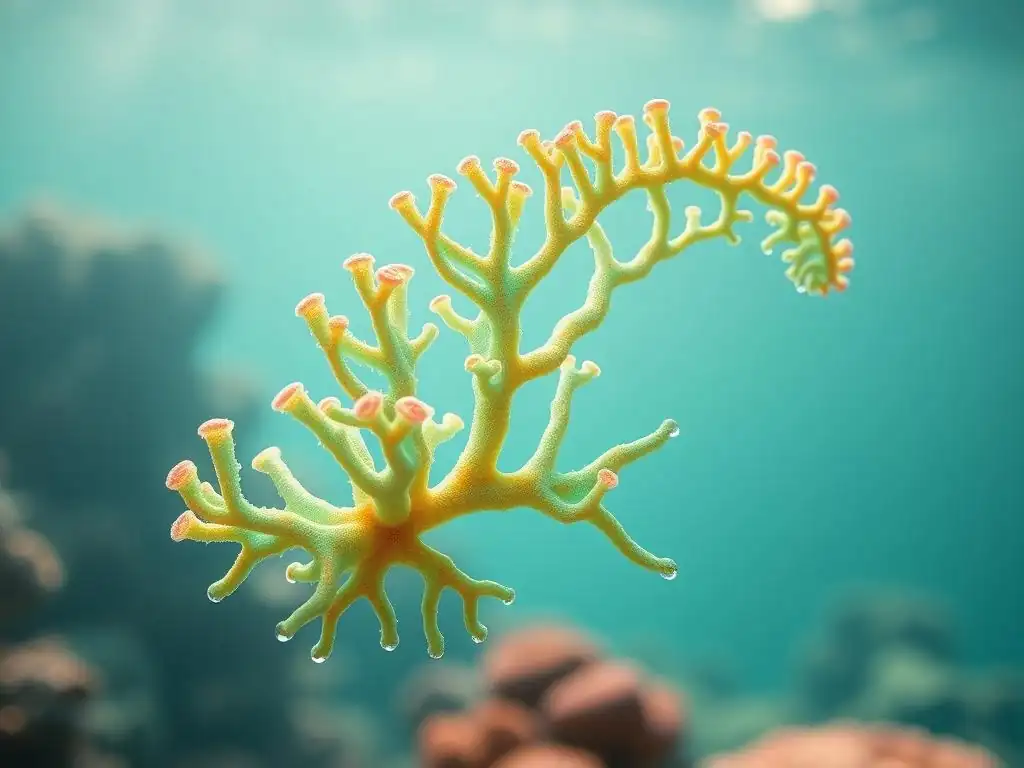
Case Study: Optimizing Flow and Pruning in an SPS Dominant Reef
A hobbyist with a 120-gallon SPS-dominant reef tank observed that their Seriatopora hystrix colony, despite stable water parameters (Alkalinity: 8.2 dKH, Calcium: 430 ppm, Magnesium: 1320 ppm, Nitrates: 2 ppm, Phosphates: 0.04 ppm) and good PAR levels (averaging 350 µmol·m⁻²·s⁻²), was growing primarily vertically with sparse lateral branching, resulting in lower Seriatopora branch density. The tank's flow was provided by a single large powerhead, creating a somewhat laminar flow pattern.
Intervention: The hobbyist added a second wavemaker on the opposite side of the tank, creating a more chaotic, turbulent, and multidirectional flow. The estimated tank turnover rate increased from approximately 15 times to 35 times per hour. Simultaneously, a targeted Seriatopora pruning regimen was initiated. Every month, the hobbyist would carefully prune 2-3 of the longest, most vertical branches, particularly those growing towards the light or shading inner parts of the colony. The cuts were made cleanly at the base of the branches.
Outcome: Within three months, the Seriatopora hystrix colony showed a dramatic improvement. New growth tips appeared more frequently, and crucially, lateral branches began to proliferate from the points where previous cuts were made, as well as from the main body of the colony. The overall Seriatopora branch density significantly increased, transforming the once sparse, columnar coral into a lush, full, and bushy specimen. This case demonstrated that even with seemingly adequate conditions, fine-tuning environmental factors like flow and implementing strategic Seriatopora pruning can unlock significant enhancements in Seriatopora branch density.
Maintaining Long-Term Seriatopora Health and Density
Regular Observation and Maintenance
Maintaining long-term Seriatopora health and achieving sustained Seriatopora branch density hinges on consistent and meticulous observation coupled with routine maintenance. Daily visual checks of your Seriatopora colonies are crucial to catch early signs of stress, disease, or pests (e.g., discolored tissue, retracted polyps, tissue recession, or visible parasites). Weekly water testing for alkalinity, calcium, and magnesium ensures these vital building blocks for skeletal growth remain stable and within optimal ranges.
Beyond daily checks, adhere to a regular maintenance schedule, including weekly or bi-weekly water changes (e.g., 10-20% of tank volume) to replenish trace elements and export accumulated nutrients. Clean protein skimmers regularly, and inspect powerheads and pumps to ensure optimal flow. Proactive rather than reactive maintenance is the cornerstone of a thriving reef and consistently high Seriatopora branch density.
Adjusting Strategies Based on Coral Response
Reef keeping is a dynamic process, and successful long-term Seriatopora care requires continuous adaptation of strategies based on the coral's response. If your Seriatopora branch density isn't improving despite initial efforts, or if the coral shows signs of stress, re-evaluate your approach. This might involve re-measuring PAR levels, fine-tuning powerhead placement for better flow distribution, or adjusting the frequency and intensity of your Seriatopora pruning sessions.
Make changes incrementally and observe the coral's reaction over several days or weeks before making further adjustments. For instance, if growth is slow, try a slight increase in alkalinity or a small boost in light intensity, then monitor. This iterative process of observation, adjustment, and re-evaluation allows you to dial in the perfect conditions for your specific Seriatopora colonies, ensuring their continued health and the desired Seriatopora branch density.
The Importance of a Stable Aquarium Environment
The single most critical factor for the long-term health, growth, and Seriatopora branch density of SPS corals like Seriatopora is a stable aquarium environment. While optimal parameters are important, consistency outweighs slight deviations. Rapid or frequent fluctuations in temperature, salinity, alkalinity, calcium, magnesium, or nutrient levels (nitrates/phosphates) are far more detrimental than parameters that are slightly outside the "ideal" range but remain constant.
Sudden swings can induce severe stress, leading to tissue recession, bleaching, or even complete colony loss. Invest in reliable equipment (heaters, chillers, auto top-off units, dosing pumps) to minimize manual intervention and ensure consistent environmental conditions. A stable foundation allows Seriatopora to allocate its energy towards robust growth and calcification, leading to the maximum possible Seriatopora branch density and a thriving, vibrant reef display for years to come.
Frequently Asked Questions
How does pruning Seriatopora impact its branch density?
Pruning encourages lateral growth, leading to a bushier appearance and increased branch density. Removing tips signals the coral to redirect energy into new growth points along the existing branches.
What is the optimal time to prune Seriatopora for maximum branch density?
The best time is during periods of stable water parameters and active growth, typically when the coral shows good coloration and extension. Avoid pruning during periods of stress or instability.
Where should I make cuts when pruning Seriatopora to promote denser branching?
Cut back to a healthy branch point or node. This encourages the coral to branch out from that point, creating a more compact and dense structure over time.
How does placement within the aquarium affect Seriatopora's branch density and growth?
Placement with adequate light and flow is crucial. Stronger flow encourages nutrient uptake and waste removal, leading to healthier growth and denser branching.
What are the signs that my Seriatopora needs pruning to improve its branch density?
Look for uneven growth, long and spindly branches, or areas with poor coloration. These indicate areas where pruning can stimulate new growth and increase density.
Final Reflection: Cultivating Resilience in Coral and Ourselves
The journey of understanding and maximizing Seriatopora branch density through strategic pruning and placement mirrors a broader lesson in resilience and intentional growth. Just as careful cultivation can transform a fragile coral fragment into a thriving colony, mindful effort can shape our own environments and foster strength within ourselves. This isn't just about coral; it's about understanding the power of proactive intervention and nurturing potential.
This exploration into the intricacies of coral husbandry has profoundly influenced my perspective on the delicate balance between intervention and observation. Witnessing the tangible impact of strategic pruning on coral health underscores the importance of informed action in all aspects of life. The best time to plant a tree was 20 years ago. The second best time is now.
This ancient proverb resonates deeply, reminding us that even small, deliberate actions taken today can yield significant results in the future, whether in a reef tank or in our personal lives.
Now, consider the lessons learned from the vibrant world of Seriatopora. How can you apply the principles of strategic pruning and mindful placement to cultivate growth and resilience in your own life? What areas require careful attention, and what opportunities await your proactive intervention? Embrace the power of intentional action, nurture your potential, and watch as your own "colony" flourishes.
Cultivate Your Coral's Glory: Dive Deeper!
Thank you for exploring the secrets to vibrant Seriatopora growth! Now that you're armed with knowledge, let's put those pruning and placement insights to work. Here’s how you can immediately boost the health and beauty of your coral.
- Implement your newfound knowledge by strategically pruning one Seriatopora branch this week, focusing on areas hindering water flow or light penetration. Observe the growth response closely!
- Share your pruning and placement experiences (and even before-and-after photos!) with fellow reefers in our Aquarium Mastery community forums – let's learn from each other!
- Explore complementary coral care techniques by researching the specific needs of other SPS corals in your aquarium, ensuring a thriving ecosystem.
What specific pruning technique are you most excited to try on your Seriatopora, and what results are you hoping to achieve?