
pH Stability in HighDemand SPS Reefs: Why It Matters and How to Achieve RockSolid Levels

Welcome to Aquarium Mastery!
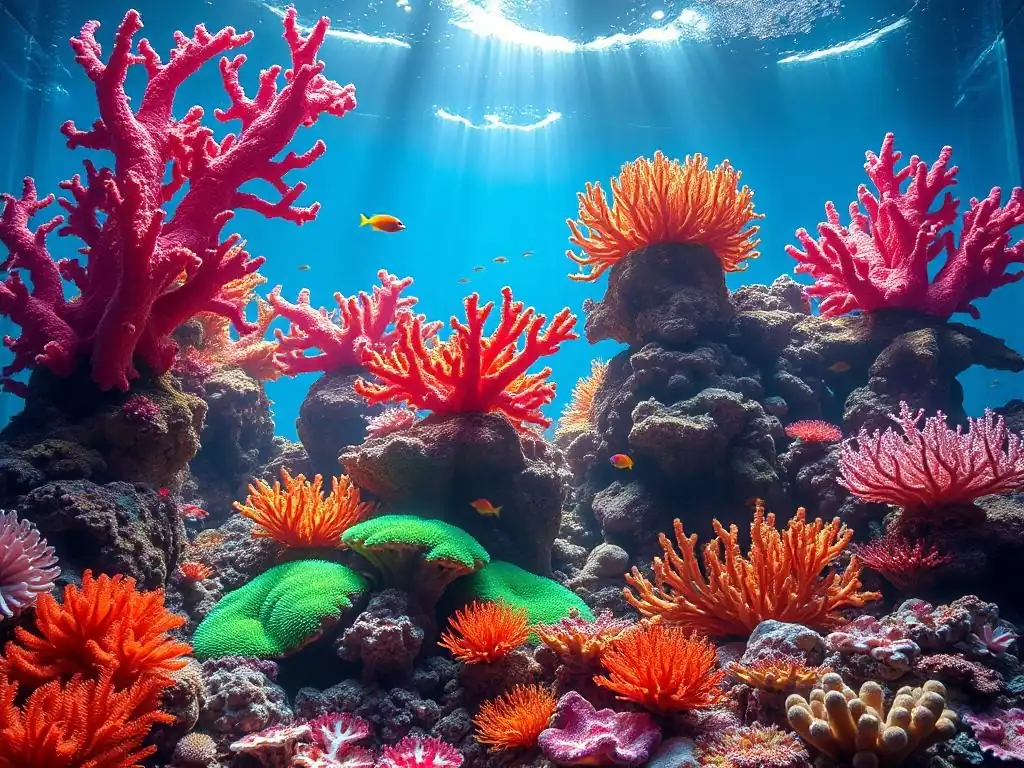
Ever wondered how to achieve that vibrant, thriving SPS reef you've always dreamed of? Maintaining rock-solid pH stability is absolutely crucial, and in this article, we'll dive deep into why it matters for high-demand SPS reefs, and exactly how you can achieve those perfect levels. Curious to learn the secrets? Let's unlock the key to a healthy and colorful reef!
- Understanding pH in SPS Reef Aquariums
- The Dangers of pH Fluctuations in SPS Reef Tanks
- Causes of pH Instability in SPS Reef Aquariums
- Achieving Rock-Solid pH Stability: Strategies and Techniques
- Advanced Techniques for Enhancing pH Stability
- Troubleshooting Common pH Problems in SPS Reefs
- Long-Term Monitoring and Maintenance for SPS Reef pH Stability
- Conclusion: The Key to Thriving SPS Corals Lies in Stable pH
-
Frequently Asked Questions
- How does pH instability specifically affect SPS corals in a reef aquarium?
- What is the ideal pH range for a thriving SPS reef aquarium, and why is it so critical?
- What are the primary factors that can cause pH fluctuations in an SPS reef tank?
- What are some key strategies AquariumMastery.com recommends for maintaining rock-solid pH stability in an SPS reef environment?
- Besides water testing, what are some visual cues that might indicate a pH problem in my SPS reef aquarium?
- Final Reflection: The Enduring Quest for Reef Equilibrium
- Unleash Your SPS Potential: Achieve pH Perfection!
Understanding pH in SPS Reef Aquariums
The Importance of Stable pH for SPS Coral Health
pH, a measure of hydrogen ion concentration, dictates the acidity or alkalinity of the water in a reef aquarium. For Small Polyp Stony (SPS) corals, renowned for their vibrant colors and intricate structures, maintaining a stable pH is not merely beneficial—it is absolutely critical for their survival and long-term prosperity. Fluctuations in pH stress these sensitive organisms, diverting their energy from essential processes like growth and calcification towards adapting to changing water chemistry.
When SPS corals experience erratic pH levels, their biological systems become compromised, leading to reduced vitality and increased susceptibility to environmental stressors. This instability can hinder the very mechanisms that allow them to build their calcium carbonate skeletons, effectively slowing or even stopping their growth. A consistent pH, therefore, forms the bedrock of a healthy and thriving SPS reef, providing the predictable environment these delicate corals require to flourish.
Ideal pH Range for Optimal SPS Coral Growth and Coloration
For the most robust growth and vibrant coloration in SPS corals, the ideal pH range in a reef aquarium typically falls between 8.0 and 8.4. While some aquarists successfully maintain tanks slightly below or above this range, the key is consistency within this narrow window. Operating within this optimal range ensures that the water's aragonite saturation state is conducive to calcification, the process by which corals extract calcium and carbonate ions from the water to build their stony skeletons.
Maintaining pH within this target zone directly contributes to accelerated growth rates, often allowing SPS corals like Acropora to add several millimeters of new tissue per month under ideal conditions. Beyond growth, stable pH also plays a role in the intensity and stability of coral pigmentation. When pH is consistently optimized, the symbiotic zooxanthellae within the coral tissue can photosynthesize more efficiently, leading to richer, more vibrant hues and showcasing the full genetic potential for coloration in your SPS reef.
How pH Affects Key Biological Processes in SPS Corals
The pH of the surrounding water profoundly influences several vital biological processes within SPS corals. Foremost among these is calcification, where corals precipitate calcium carbonate to form their skeletons. A higher, stable pH ensures a greater concentration of carbonate ions, making it easier for corals to build their structures. Conversely, lower pH levels can lead to a condition known as acidosis, where the coral expends significant energy to regulate its internal pH, diverting resources away from growth and repair.
Furthermore, pH levels directly impact the efficiency of enzymatic reactions within the coral's tissues. Enzymes, which facilitate nearly all biological processes from nutrient uptake to waste expulsion, are highly sensitive to pH variations. Significant swings can denature these enzymes, impairing cellular function and leading to metabolic distress. The symbiotic relationship with zooxanthellae, microscopic algae living within the coral, is also affected; stable pH supports optimal photosynthetic rates for these algae, which in turn provide a significant portion of the coral's energy needs.
The Dangers of pH Fluctuations in SPS Reef Tanks
Stunted Growth and Reduced Calcification in SPS Corals due to pH Instability
One of the most immediate and detrimental consequences of pH instability in an SPS reef aquarium is the severe impact on coral growth and calcification. SPS corals, such as Montipora and Seriatopora, are particularly sensitive to fluctuations because their rapid growth relies heavily on a consistent supply of calcium and carbonate ions in a readily available form. When pH drops, even temporarily, the availability of carbonate ions decreases, making it metabolically more challenging for corals to form their aragonite skeletons.
For instance, a daily pH swing of 0.2 to 0.3 units (e.g., from 8.2 to 7.9) can significantly reduce a coral's net calcification rate. Studies have indicated that prolonged exposure to such instability can lead to a 15-25% reduction in growth compared to systems with rock-solid SPS reef pH stability. This manifests as visibly slower growth, thinner skeletal structures, and a general lack of vigor, ultimately preventing your SPS corals from reaching their full potential size and density.
Increased Susceptibility to Disease and Stress in SPS Corals with Unstable pH
Beyond growth inhibition, unstable pH severely compromises the overall health and resilience of SPS corals, making them far more vulnerable to disease and environmental stress. When corals are forced to constantly adjust to fluctuating pH levels, their immune systems are weakened, much like a human enduring chronic stress. This diminished immune response leaves them ill-equipped to fend off common bacterial infections, viral pathogens, and parasitic infestations that might otherwise be harmless in a stable system.
Signs of this increased susceptibility often include tissue recession (e.g., from the base of Acropora colonies), loss of coloration (browning out or bleaching), and susceptibility to conditions like rapid tissue necrosis (RTN) or slow tissue necrosis (STN). For example, an SPS coral that experiences regular pH drops below 7.9 might suddenly become susceptible to bacterial infections like Brown Jelly Disease, even if other parameters seem acceptable. Maintaining consistent SPS reef pH stability is therefore a crucial prophylactic measure against common coral ailments.
Impact of pH Swings on Alkalinity and Calcium Levels
The relationship between pH, alkalinity, and calcium in a reef aquarium is intricately linked, forming a delicate balance essential for SPS coral health. pH swings, particularly drops, directly consume alkalinity, which is the water's buffering capacity. When pH decreases, hydrogen ions increase, reacting with bicarbonate ions (a major component of alkalinity) to form carbonic acid. This consumption diminishes the water's ability to resist further pH changes, creating a vicious cycle of instability.
For instance, a sudden drop in pH from 8.2 to 7.8 can rapidly deplete alkalinity levels from an ideal 8.5 dKH to 7.0 dKH or even lower within hours. This depletion not only exacerbates pH instability but also directly impacts calcium availability. As alkalinity drops, the aragonite saturation state decreases, making it harder for corals to absorb calcium, even if calcium levels themselves appear normal. This triple threat—compromised pH, depleted alkalinity, and reduced calcium availability—is detrimental to the calcification process and the overall health of any high-demand SPS reef.
Causes of pH Instability in SPS Reef Aquariums
CO2 Levels and Their Influence on Reef Tank pH
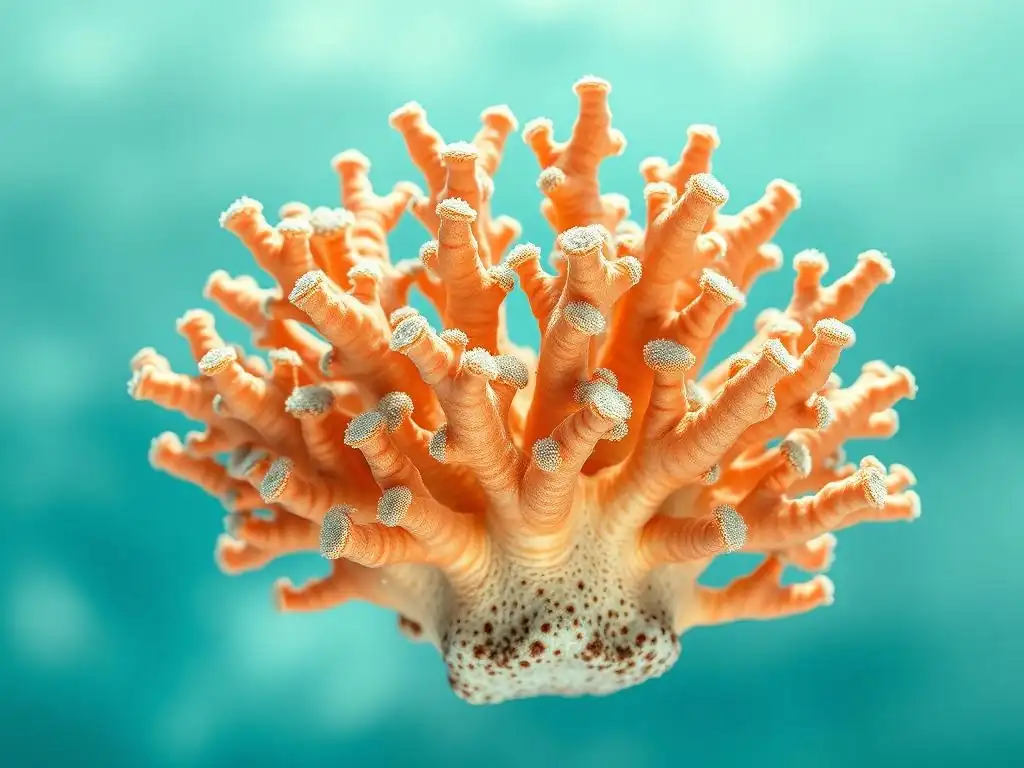
The single most significant factor influencing pH instability and low pH in reef aquariums is the level of carbon dioxide (CO2) in the air surrounding the tank and dissolved in the water. CO2 readily dissolves in water to form carbonic acid, which then dissociates into hydrogen ions, lowering the pH. Common sources of elevated CO2 include human respiration (especially in small, unventilated rooms), gas appliances, and even the air outside if you live in a densely populated or industrial area.
For example, indoor air CO2 levels can easily reach 800-1200 parts per million (ppm) in a typical home, especially at night when windows are closed. In contrast, outdoor atmospheric CO2 is around 420 ppm. A protein skimmer, which pulls in ambient air, will introduce this higher CO2 directly into the tank water, leading to a depressed pH. This effect is particularly noticeable overnight when corals, fish, and bacteria respire, producing additional CO2 within the tank, often causing pH to drop by 0.1 to 0.3 units from its daytime peak.
Inadequate Water Circulation and Gas Exchange
Insufficient water circulation and poor gas exchange at the water's surface are major contributors to pH instability in SPS reef tanks. Within the aquarium, areas with stagnant or low flow can accumulate CO2 produced by local respiration (from corals, rock, and sand bed inhabitants), leading to localized pH drops. Without adequate flow, this CO2 cannot be efficiently transported to the surface for off-gassing.
Furthermore, a lack of robust surface agitation significantly hinders the exchange of gases between the aquarium water and the ambient air. A smooth, undisturbed water surface acts as a barrier, trapping CO2 within the tank and preventing oxygen from entering. This means that even if ambient CO2 levels are low, the tank's internal CO2 cannot escape effectively. For optimal SPS reef pH stability, robust powerheads and an efficient overflow system are crucial for ensuring uniform flow throughout the tank and maximizing surface ripple.
Overstocking and High Biological Load Contributing to pH Drops
An often-overlooked cause of pH instability, particularly overnight drops, is an excessive biological load within the aquarium. A high density of fish, invertebrates, and even corals means increased respiration, all of which produce CO2 as a metabolic byproduct. During the day, photosynthetic organisms like corals and macroalgae consume CO2, helping to buffer pH. However, at night, photosynthesis ceases, while respiration continues, leading to a net increase in CO2 and a corresponding decrease in pH.
For instance, a tank with 15 large fish in 100 gallons will generate significantly more CO2 overnight than a tank with 5 small fish. Similarly, heavy feeding or accumulated detritus can lead to increased bacterial respiration in the sand bed and live rock, further contributing to CO2 production. This cumulative biological CO2, coupled with external atmospheric CO2, can push the pH down, making it challenging to maintain consistent SPS reef pH stability, especially in heavily stocked or mature systems.
Inconsistent Alkalinity and Calcium Dosing
Alkalinity acts as the primary buffer in a reef tank, absorbing hydrogen ions to prevent drastic pH shifts. Calcium is essential for coral calcification. Inconsistent or inaccurate dosing of alkalinity and calcium supplements is a direct pathway to pH instability. If alkalinity levels are allowed to fluctuate, the water's buffering capacity diminishes, leaving the pH vulnerable to swings from other factors like CO2.
For example, if an aquarist manually doses alkalinity once a day, the dKH level might spike immediately after dosing and then slowly decline throughout the next 24 hours, leading to a corresponding pH fluctuation. Similarly, if calcium levels are not maintained within the optimal range (e.g., 400-450 ppm for SPS), the system's ability to maintain a balanced ionic environment is compromised, indirectly affecting pH. Automated dosing systems or a calcium reactor can help mitigate this by providing a continuous, stable supply, crucial for achieving rock-solid SPS reef pH stability.
Achieving Rock-Solid pH Stability: Strategies and Techniques
Implementing a Robust Alkalinity Buffering System
Achieving steadfast SPS reef pH stability hinges on a robust alkalinity buffering system. Alkalinity, measured in dKH (degrees of carbonate hardness), is the water's capacity to neutralize acids and maintain a stable pH. Without adequate and consistent alkalinity, pH will inevitably fluctuate.
Selecting the Right Alkalinity Buffer for Your SPS Reef
Choosing the appropriate alkalinity buffer depends on your tank's size, coral demand, and your personal maintenance style. Two-part solutions, which provide balanced calcium and alkalinity, are popular for their simplicity and effectiveness in many SPS systems. These typically contain a calcium chloride solution and a bicarbonate/carbonate solution.
Kalkwasser (limewater), a saturated calcium hydroxide solution, is another excellent option; it not only supplies calcium and alkalinity but also directly consumes CO2, helping to raise pH. For high-demand tanks, a calcium reactor, which dissolves calcium carbonate media with CO2, offers a highly stable and continuous supply of both alkalinity and calcium. Each method has its nuances, but all aim to maintain alkalinity typically between 7.5 and 9.0 dKH for optimal SPS coral health.
Consistent and Accurate Alkalinity Dosing Methods
Consistency is paramount when dosing alkalinity. Manual dosing, while feasible for smaller tanks with low demand, can lead to daily alkalinity and pH swings. A much better approach for SPS reefs is to use automated dosing pumps, which can deliver precise, small doses multiple times throughout the day.
For instance, splitting a daily alkalinity dose into 24 hourly increments can significantly smooth out fluctuations, helping to maintain SPS reef pH stability within a tighter range. Alternatively, a calcium reactor provides a continuous, albeit slower, release of alkalinity and calcium, which can be highly effective for very stable parameters in large, demanding SPS systems. Regular testing (daily or every other day) is crucial to fine-tune dosing amounts and ensure alkalinity remains within the desired range.
Optimizing Water Circulation and Gas Exchange
Effective water circulation and gas exchange are fundamental to preventing CO2 buildup and maintaining stable pH in an SPS reef aquarium. These elements work in tandem to ensure that the water is properly oxygenated and that metabolic CO2 can efficiently escape.
Utilizing Protein Skimmers for Effective CO2 Removal
A high-performance protein skimmer is indispensable for SPS reef pH stability. Skimmers work by creating a massive amount of air-water interface, allowing dissolved organic compounds to adhere to air bubbles and be removed. Crucially, this process also facilitates tremendous gas exchange.
As water and air mix vigorously within the skimmer body, CO2 dissolved in the water has ample opportunity to off-gas into the air bubbles, which are then expelled. An oversized or highly efficient skimmer can significantly reduce internal CO2 levels, directly leading to a higher and more stable pH. Some aquarists even plumb their skimmer's air intake to an outdoor air source or a CO2 scrubber for enhanced effect.
Implementing a Refugium for Natural pH Regulation
A refugium, particularly one equipped with macroalgae like Chaetomorpha or Caulerpa, can be a powerful tool for natural pH regulation. During their photosynthetic cycle, these macroalgae actively consume CO2 from the water, which helps to raise pH. The most effective strategy for pH stability is to implement a "reverse lighting schedule" for the refugium.
By illuminating the refugium during the main display tank's dark period (e.g., 8-12 hours overnight), the macroalgae continue to photosynthesize and consume CO2 when the main tank's inhabitants (fish, corals, bacteria) are respiring and producing CO2. This counteracts the natural overnight pH drop, often reducing it by 0.1 to 0.2 units, significantly improving overall SPS reef pH stability.
Enhancing Surface Agitation for Improved Oxygenation
The interface between the aquarium water and the air above it is where vital gas exchange occurs. Robust surface agitation is essential to maximize this exchange, allowing excess CO2 to escape and oxygen to enter the water. Powerheads strategically placed to create ripples and turbulences, along with an efficient overflow system that creates a "waterfall" effect, significantly increase the surface area available for gas exchange.
Without adequate surface agitation, CO2 can become trapped in the water, leading to chronically lower pH levels. Aim for a constantly rippling or churning surface to ensure optimal gas exchange, which is a simple yet highly effective method for bolstering SPS reef pH stability.
Controlling CO2 Levels in the Aquarium Environment
Managing the CO2 levels in the ambient air surrounding your aquarium is often the most impactful step you can take to address chronically low or fluctuating pH in an SPS reef.
Proper Ventilation in the Room Housing the Aquarium
The air inside your home can contain significantly higher levels of CO2 than outdoor air, especially in tightly sealed or poorly ventilated rooms where people are present. Human respiration alone can elevate CO2 levels. If your protein skimmer draws air from such an environment, it will continually introduce this high CO2 into your tank, depressing the pH.
A simple solution is to ensure proper ventilation: open windows, use exhaust fans, or even run an air purifier that helps circulate air. For example, if your living room's CO2 levels are consistently above 600 ppm, ventilating it to bring levels closer to the outdoor average of around 420 ppm can raise your tank's pH by 0.1 to 0.2 units. This direct approach tackles the root cause of many low pH issues and contributes greatly to SPS reef pH stability.
Using a CO2 Scrubber to Remove Excess CO2
For tanks where ambient CO2 is a persistent problem, or for those seeking to achieve the highest possible pH, a CO2 scrubber is an excellent solution. A CO2 scrubber consists of a chamber filled with a specialized CO2-absorbing media (typically soda lime or a calcium hydroxide-based compound) through which the skimmer's air intake is routed. As air passes over the media, CO2 is chemically removed before entering the skimmer, thus preventing it from dissolving into the tank water.
This can raise your tank's pH by 0.1 to 0.3 units, often helping to maintain pH consistently above 8.2, even overnight. The media needs to be replaced periodically (indicated by a color change), typically every 2-4 weeks depending on the scrubber size and ambient CO2 levels. This active removal of CO2 is a highly effective way to enhance SPS reef pH stability.
Maintaining Consistent Calcium Levels
While alkalinity is the direct buffer for pH, calcium is inextricably linked to the calcification process and the overall ionic balance of a reef tank. Consistent calcium levels are crucial for SPS reef pH stability and overall coral health.
Balancing Calcium and Alkalinity for Stable pH
Calcium and alkalinity are consumed by corals in a relatively fixed ratio as they grow their skeletons. Therefore, maintaining a proper balance between these two parameters is essential. If calcium levels are too low (e.g., below 380 ppm), corals cannot effectively calcify, even if alkalinity is ideal.
This imbalance can lead to a state where the system struggles to maintain equilibrium, indirectly impacting pH stability over time. The goal is to keep calcium within the optimal range of 400-450 ppm while simultaneously maintaining alkalinity between 7.5-9.0 dKH. Achieving this balance ensures that corals have all the necessary building blocks for growth, which contributes to a more robust and stable overall system chemistry, aiding SPS reef pH stability.
Choosing the Right Calcium Supplementation Method
Just as with alkalinity, the method chosen for calcium supplementation should align with your tank's demands and your maintenance routine. Two-part solutions are a common choice, providing both calcium and alkalinity in balanced proportions. Kalkwasser is also an effective method, as it delivers calcium, alkalinity, and helps to raise pH.
For high-demand SPS systems, a calcium reactor is often considered the gold standard. It provides a continuous, stable supply of calcium and alkalinity by dissolving calcium carbonate media with CO2, mimicking natural reef conditions. Regardless of the method, consistent daily or continuous dosing is far superior to large, infrequent additions, helping to prevent parameter swings and maintain consistent SPS reef pH stability.
Regular Water Testing and Monitoring of pH Levels
Diligent and accurate water testing is the cornerstone of successful reef keeping, particularly when striving for rock-solid SPS reef pH stability. You cannot manage what you do not measure.
Using a Reliable pH Meter or Controller
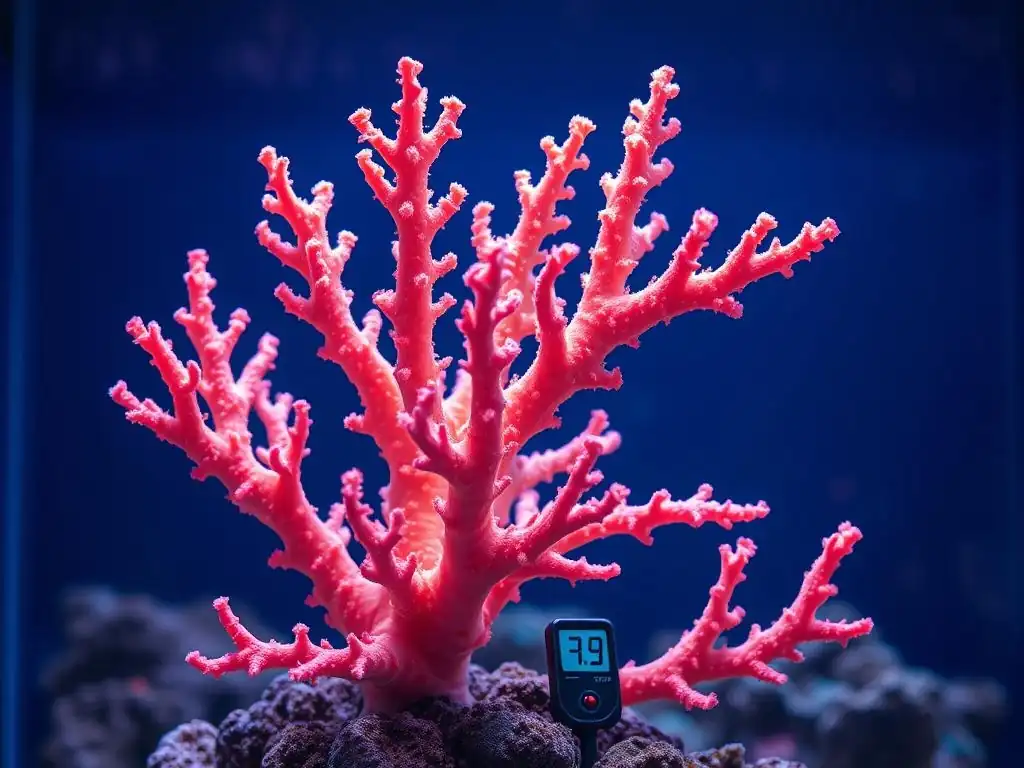
While colorimetric test kits can provide a rough estimate, a high-quality digital pH meter or a dedicated pH controller is indispensable for precise monitoring of SPS reef pH stability. These devices offer real-time readings and greater accuracy, allowing you to detect subtle trends and daily swings. A pH controller can even be integrated with dosing pumps or CO2 scrubbers to automate adjustments based on your target pH range.
It is crucial to calibrate your pH probe regularly—at least once a month, or bi-weekly for critical systems—using fresh, accurate calibration solutions (typically pH 7.0 and pH 10.0). A miscalibrated probe can lead to incorrect parameter assessment and potentially damaging dosing decisions.
Establishing a Baseline and Tracking pH Trends
Beyond simply knowing your current pH, it's vital to establish a baseline and meticulously track pH trends over a 24-hour cycle. pH naturally fluctuates throughout the day, typically peaking during the day when photosynthesis is active and dropping overnight due to respiration. A healthy SPS reef might show a daily swing of no more than 0.1 to 0.2 units.
By taking readings at different times (e.g., just before lights on and just before lights off), you can identify the extent of your daily swing. Keeping a logbook, spreadsheet, or using a reef aquarium app to record these readings will help you spot patterns, identify potential problems early, and assess the effectiveness of your pH stability strategies over time.
Advanced Techniques for Enhancing pH Stability
Using a Kalkwasser Reactor for pH and Calcium Supplementation
A Kalkwasser reactor is an advanced, highly effective method for simultaneously supplementing calcium, alkalinity, and significantly boosting pH in an SPS reef. It works by continuously mixing purified water (RO/DI) with calcium hydroxide powder, creating a saturated limewater solution (Kalkwasser). This solution is then slowly dripped into the sump, typically overnight or in conjunction with ATO (auto top-off) water. As Kalkwasser is highly alkaline (pH ~12.5), its slow addition directly consumes dissolved CO2 in the aquarium water, thereby raising the overall pH of the system.
For example, a 150-gallon SPS tank consuming 0.7 dKH per day might benefit immensely from a Kalkwasser reactor, which can raise the average pH by 0.1 to 0.3 units while providing essential calcification elements. This makes Kalkwasser an excellent choice for combating overnight pH drops and maintaining consistently higher pH levels. However, precise control of the drip rate is crucial to avoid overdosing, which can lead to alkalinity precipitation or dangerously high pH spikes.
Implementing a Calcium Reactor for Controlled Alkalinity and Calcium Release
For high-demand SPS reef aquariums, particularly those over 100 gallons with significant coral biomass, a calcium reactor is often considered the most stable and comprehensive method for maintaining calcium, alkalinity, and indirectly, SPS reef pH stability. A calcium reactor operates by using CO2 gas to lower the pH within a reaction chamber, dissolving calcium carbonate media (e.g., crushed coral or aragonite) into calcium ions, bicarbonate ions (alkalinity), and trace elements. The effluent, rich in these essential elements, is then slowly dripped into the sump.
While calcium reactors introduce CO2 into their reaction chamber, they are designed to off-gas most of it before the effluent enters the tank. When properly tuned, a calcium reactor provides a continuous, balanced supply of calcification components, minimizing daily fluctuations. For instance, a large Acropora-dominated system might consume 1.0-1.5 dKH per day, a demand perfectly met by a well-tuned calcium reactor, which ensures a very tight and stable control over calcium and alkalinity, thereby supporting rock-solid SPS reef pH stability.
Utilizing a Reverse Lighting Schedule in the Refugium
The reverse lighting schedule for a refugium is an advanced yet simple technique to counteract the natural overnight pH drop in an SPS reef. During the day, corals and macroalgae photosynthesize, consuming CO2 and raising pH. At night, photosynthesis ceases, but all tank inhabitants (fish, corals, bacteria) continue to respire, producing CO2 and causing pH to decline. By illuminating your refugium's macroalgae (e.g., Chaetomorpha) during the main display tank's dark cycle (typically 8-12 hours overnight), you introduce a continuous source of CO2 consumption during the period when the main tank's pH is naturally at its lowest.
This strategic timing ensures that CO2 is constantly being removed from the system, even when the display tank is in its respiration phase. For example, a refugium with a healthy ball of Chaetomorpha on a reverse lighting schedule can reduce the overnight pH swing by 50% or more, transforming a potential 0.25 pH drop into a much more manageable 0.10-0.15 drop. This consistent CO2 removal significantly enhances overall SPS reef pH stability, providing a more consistent environment for sensitive SPS corals.
Troubleshooting Common pH Problems in SPS Reefs
Identifying the Root Cause of pH Fluctuations
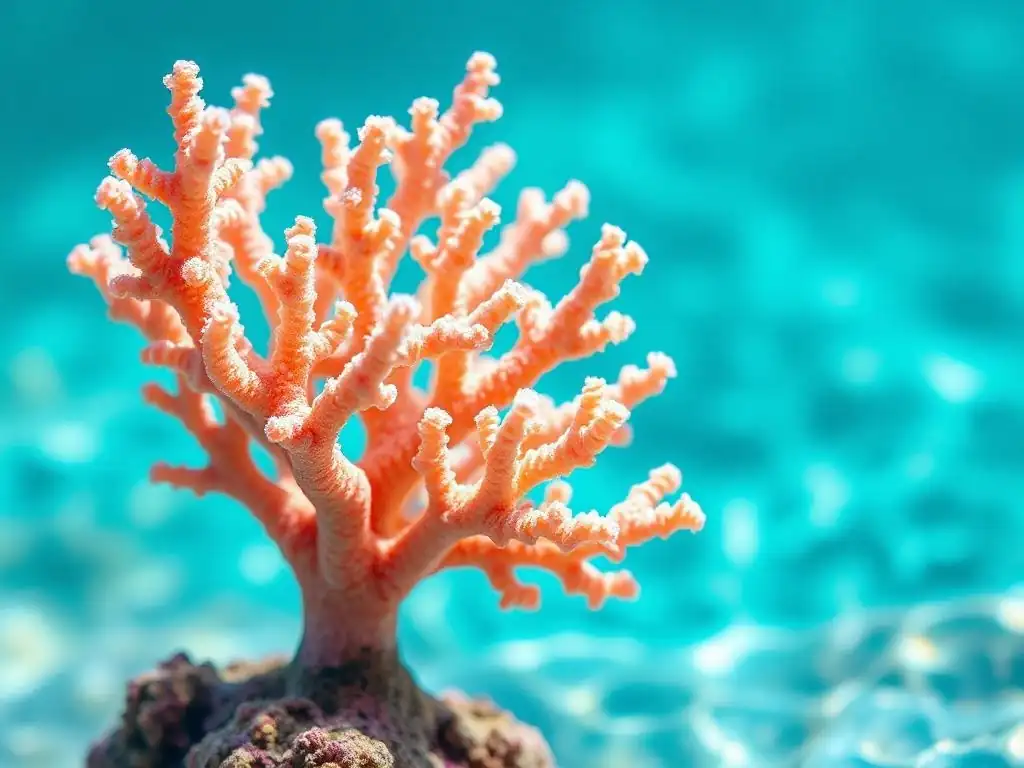
When confronting pH fluctuations in an SPS reef, a systematic approach to identifying the root cause is essential. Do not make drastic changes based on a single low reading. First, verify your pH probe's calibration and accuracy. Then, consider the most common culprits: Is your room's CO2 level high, especially at night? Test the air around your skimmer intake. Are your alkalinity levels consistent and within the target range (7.5-9.0 dKH)? Check your dosing method and frequency. Is your protein skimmer functioning optimally, and is there adequate surface agitation for gas exchange?
Other factors to consider include excessive biological load (overstocking or overfeeding leading to high respiration), or exhausted CO2 scrubber media if you use one. For example, if your pH is consistently low and your alkalinity is stable, the issue is almost certainly related to elevated CO2 in your ambient air or inadequate gas exchange. If alkalinity is low and fluctuating, then your buffering system is the primary concern. Pinpointing the exact cause is crucial for effective resolution and maintaining SPS reef pH stability.
Adjusting Alkalinity and Calcium Dosing Based on Test Results
Once the root cause is identified, adjustments to alkalinity and calcium dosing are often the first line of defense, assuming these parameters are the issue. If your pH is consistently low due to low alkalinity, gradually increase your alkalinity supplement dose. For instance, if your alkalinity is 6.5 dKH and your target is 8.0 dKH, increase your daily dose by 10-15% and retest after 24 hours. Avoid large, sudden increases, as these can cause alkalinity precipitation, cloudy water, or shock corals.
Similarly, ensure your calcium levels are within the optimal range (400-450 ppm). An imbalance between calcium and alkalinity can indirectly affect pH stability. If you're using a calcium reactor, fine-tune the CO2 bubble count and effluent drip rate to achieve the desired alkalinity and calcium consumption. The goal is to maintain consistent levels of both parameters, which directly supports SPS reef pH stability. Always make small, incremental adjustments and observe your corals for signs of stress or improvement.
Addressing High CO2 Levels in the Aquarium
If high CO2 levels, either from ambient air or internal tank respiration, are identified as the primary cause of low or fluctuating pH, several strategies can be employed. The simplest initial step is to improve ventilation in the room housing the aquarium. Open windows for several hours a day, especially at night, or use a small exhaust fan to circulate fresh air. This can often lower ambient CO2 levels from 800-1000 ppm down to 450-550 ppm, translating to a significant pH increase in the tank.
For more persistent high CO2 issues, installing a CO2 scrubber on your protein skimmer's air intake is highly effective. Ensure the media is fresh and replaced regularly as it becomes exhausted (often indicated by a color change). Additionally, verify that your protein skimmer is properly sized and functioning efficiently, as robust skimming enhances gas exchange. Finally, consider adding a refugium with macroalgae on a reverse lighting schedule to actively consume CO2 during the night, further bolstering SPS reef pH stability.
Long-Term Monitoring and Maintenance for SPS Reef pH Stability
Establishing a Consistent Maintenance Schedule
Long-term SPS reef pH stability is not a one-time fix but rather the result of a diligent and consistent maintenance schedule. Establish a routine that includes daily, weekly, and monthly checks. Daily, visually inspect your corals for any signs of stress and take a pH reading, preferably at the same time each day (e.g., just before lights on to catch the lowest point). Weekly, test your alkalinity, calcium, and magnesium levels to ensure they are within optimal ranges and adjust dosing as needed.
Monthly, perform a water change (typically 10-20% of tank volume), clean your protein skimmer, and calibrate your pH probe. This consistent schedule ensures that any minor deviations in pH or related parameters are caught early and addressed before they can negatively impact your sensitive SPS corals. Adherence to this routine is the most reliable path to achieving and maintaining rock-solid SPS reef pH stability.
Regular Calibration of Testing Equipment
The accuracy of your pH readings is entirely dependent on the calibration of your pH meter or controller. Over time, pH probes can drift, leading to inaccurate readings. Relying on a miscalibrated probe can lead to incorrect dosing decisions, potentially exacerbating pH problems rather than solving them. Therefore, regular calibration is non-negotiable for serious SPS aquarists.
Calibrate your pH probe at least once a month, and ideally every two weeks for critical SPS systems, using fresh, high-quality calibration solutions (e.g., pH 7.0 and pH 10.0). Always rinse the probe thoroughly with RO/DI water between calibration solutions. Store the probe in a proper storage solution, not tap water or air, to prolong its lifespan and accuracy. This meticulous attention to your testing equipment is fundamental to maintaining accurate data and thereby ensuring consistent SPS reef pH stability.
Observing Coral Health and Adjusting Parameters as Needed
While numbers are important, the ultimate indicator of your SPS reef's health and pH stability is the corals themselves. Regular observation of your coral colonies for signs of vitality, growth, and coloration is paramount. Look for healthy polyp extension, vibrant colors, and visible growth tips on Acropora and Montipora. Conversely, signs of stress include paling, browning out, tissue recession, or a general lack of polyp extension.
If your test results indicate ideal parameters but your corals show signs of distress, or if they are thriving despite slight deviations from textbook numbers, prioritize the corals' well-being. Sometimes, a slight adjustment to a parameter, even if within the "acceptable" range, can make a difference. For example, if your SPS corals are showing very slow growth, a slight increase in alkalinity from 8.0 to 8.5 dKH (assuming pH remains stable) might be beneficial. Trust your observations and use your test results as a guide, not a rigid rule, to fine-tune your approach to SPS reef pH stability.
Conclusion: The Key to Thriving SPS Corals Lies in Stable pH
Emphasizing the Importance of Proactive pH Management
In the intricate world of high-demand SPS reef aquariums, pH stability is not merely another parameter to monitor; it is the foundational pillar upon which all other aspects of success rest. Fluctuations in pH, even minor ones, can profoundly impact the metabolic processes, calcification rates, and overall resilience of sensitive SPS corals. A proactive approach to pH management, rather than a reactive one, is absolutely essential for cultivating a truly thriving and vibrant SPS reef.
By understanding the causes of pH instability, implementing robust buffering systems, optimizing gas exchange, controlling ambient CO2, and maintaining rigorous testing protocols, aquarists can achieve rock-solid SPS reef pH stability. This unwavering consistency empowers SPS corals to dedicate their energy to growth, vibrant coloration, and robust health, allowing them to display their full potential. Ultimately, a stable pH translates directly into a visually stunning, biologically robust, and long-lived SPS coral ecosystem, a testament to meticulous care and dedicated husbandry.
Frequently Asked Questions
How does pH instability specifically affect SPS corals in a reef aquarium?
pH instability can significantly stress SPS corals, hindering their ability to calcify properly. This leads to slower growth rates and increased susceptibility to diseases, ultimately impacting the overall health and coloration of the corals.
What is the ideal pH range for a thriving SPS reef aquarium, and why is it so critical?
The ideal pH range for SPS reefs is typically between 8.1 and 8.4. Maintaining this range is critical because it directly impacts the availability of essential ions like calcium and alkalinity, which are vital for SPS coral skeletal growth.
What are the primary factors that can cause pH fluctuations in an SPS reef tank?
Several factors can cause pH fluctuations, including CO2 levels in the surrounding air, the aquarium's alkalinity level, and the biological processes occurring within the tank, such as respiration and nitrification.
What are some key strategies AquariumMastery.com recommends for maintaining rock-solid pH stability in an SPS reef environment?
AquariumMastery.com recommends strategies such as using a high-quality protein skimmer, implementing a calcium reactor, and maintaining consistent alkalinity levels through regular testing and dosing.
Besides water testing, what are some visual cues that might indicate a pH problem in my SPS reef aquarium?
Visual cues can include coral tissue recession, changes in coral coloration (bleaching or browning), and a general lack of polyp extension. Monitoring these signs can help aquarists identify pH issues early on.
Final Reflection: The Enduring Quest for Reef Equilibrium
The intricate dance of chemical balance within a reef aquarium, particularly the unwavering pursuit of pH stability, is not merely a scientific endeavor, but a testament to our dedication to preserving these miniature ecosystems. The challenges outlined in this article, from understanding the complex interplay of alkalinity and CO2 to implementing robust monitoring and control systems, underscore the ongoing commitment required to cultivate thriving SPS reefs in a closed environment.
This journey towards pH stability is more than just achieving a number; it's about fostering an environment where delicate corals can flourish, showcasing the vibrant beauty of the ocean within our homes. My own experiences with SPS reefs have taught me that patience and meticulous attention to detail are paramount, echoing the delicate balance found in nature itself. The sea, once it casts its spell, holds one in its net of wonder forever.
- Jacques Cousteau. This quote perfectly encapsulates the profound connection we feel to these underwater worlds and our responsibility to protect them, even in a microcosm.
As you contemplate the insights shared in this article, I encourage you to reflect on your own role in maintaining the delicate balance of your reef aquarium. Consider the long-term impact of your choices and strive to implement the strategies that will ensure the enduring health and vibrancy of your SPS corals. Let the pursuit of rock-solid pH levels be a constant reminder of the beauty and fragility of the natural world, inspiring you to become a true steward of your reef.
Unleash Your SPS Potential: Achieve pH Perfection!
Thanks for diving deep into the world of pH and its impact on your SPS reef. Now that you understand the crucial role pH stability plays in the health and vibrancy of your corals, it's time to take action and build the perfect environment for them to thrive.
Here's what you can do to get started:
- Immediately test your aquarium's pH at different times of the day to understand your current pH fluctuation. Accurate readings are the foundation for any adjustments.
- Research and consider implementing a calcium reactor or kalkwasser reactor to assist in stabilizing pH, alkalinity and calcium levels.
- Share this article with fellow reef keepers to spread awareness about the importance of pH stability in SPS reefs!
What specific challenges are you facing in maintaining stable pH in your SPS reef aquarium? Let's discuss solutions in the comments below!