
Best Tank Mates for Guppies: Peaceful Coexistence in Your Aquarium

Welcome to Aquarium Mastery!
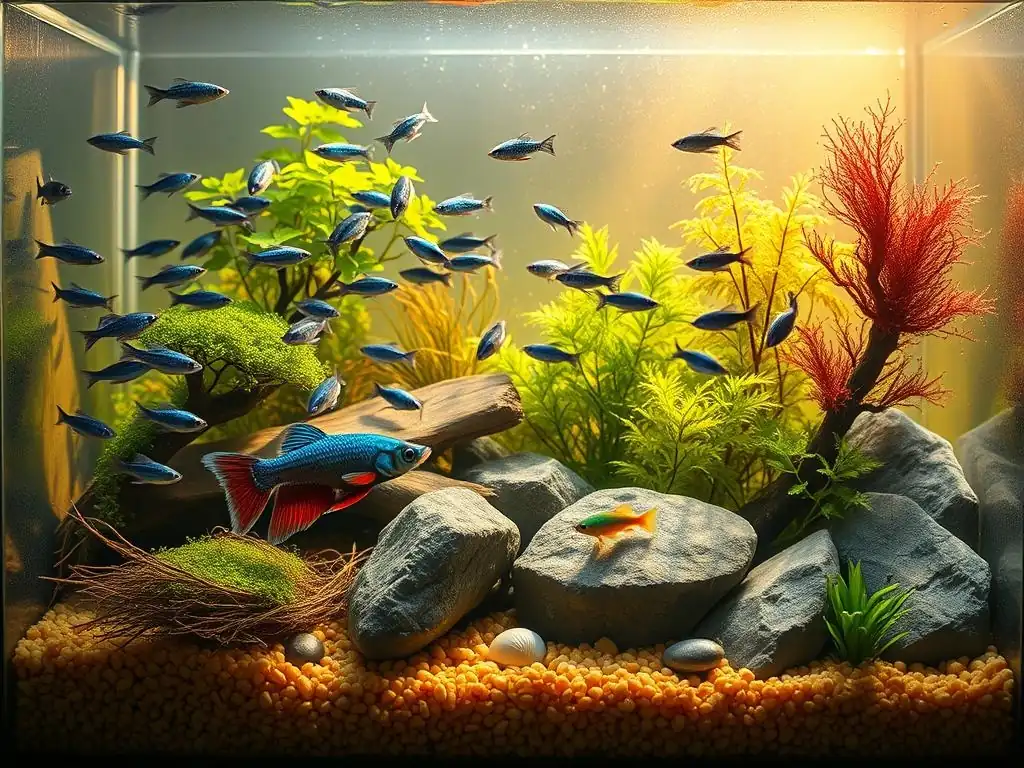
Ever wondered who the perfect companions are for your vibrant guppies? Setting up a harmonious aquarium is easier than you think! Dive into our latest article on Guppy Tank Mate Compatibility and discover how to create a peaceful and thriving underwater community. Ready to unlock the secrets to a balanced ecosystem? Let's explore!
- Introduction: Understanding Guppy Tank Mate Compatibility
- Top Peaceful Tank Mates for Guppies: A Comprehensive Guide
- Fish to Avoid Housing with Guppies: Incompatible Tank Mates
- Creating a Harmonious Aquarium Environment for Guppies and Their Tank Mates
- Maintaining a Peaceful Guppy Community: Tips and Best Practices
- Conclusion: Achieving Successful Guppy Tank Mate Harmony
-
Frequently Asked Questions
- What are some key considerations when choosing guppy tank mates?
- Why is it important to avoid larger, predatory fish when selecting tank mates for guppies?
- What are some examples of ideal peaceful tank mates for guppies?
- How can I ensure my guppies and their tank mates have compatible water parameter needs?
- What steps can I take if I notice aggression between guppies and their tank mates?
- Final Reflection: Cultivating Harmony in the Aquarium
- Dive Deeper: Cultivate Harmony in Your Guppy Tank!
Introduction: Understanding Guppy Tank Mate Compatibility
Why Choosing the Right Guppy Tank Mates Matters
Selecting appropriate guppy tank mates is paramount for the health, longevity, and overall well-being of your guppies and the stability of your aquarium ecosystem. Guppies, known for their vibrant colors and active nature, are generally peaceful fish, but their delicate fins and small size can make them vulnerable to aggression or stress from incompatible species. Poor guppy tank mate compatibility can lead to fin nipping, constant harassment, increased stress levels, and ultimately, a weakened immune system, making your guppies susceptible to diseases like Ich or fin rot.
Conversely, a carefully chosen community of guppy aquarium companions fosters a thriving environment where all inhabitants can flourish. When fish are not stressed, they exhibit their natural behaviors, display brighter colors, and are more likely to breed successfully. A harmonious tank reduces the need for interventions like medication or species separation, ensuring a more enjoyable and less stressful experience for the aquarist and a vibrant, active display of aquatic life.
Factors Influencing Guppy Compatibility in Aquariums
Several critical factors determine successful guppy tank mate compatibility. Firstly, temperament is key; guppies are peaceful, so their companions should share this trait, avoiding aggressive or territorial species. Secondly, size plays a significant role; very large fish might see guppies as prey, while tiny, slow-moving fish could be outcompeted for food. A good rule of thumb is to select species roughly similar in size or smaller, ensuring they are not predatory.
Thirdly, water parameters are crucial. Guppies thrive in tropical freshwater conditions, ideally with temperatures between 72-82°F (22-28°C), a pH of 6.5-8.0, and moderately hard water (10-20 dGH). Any potential guppy tank mate must also be comfortable and healthy within this specific range. Fourthly, dietary needs should be considered to prevent competition for food, ensuring all fish receive adequate nutrition. Lastly, activity levels and preferred swimming zones contribute to harmony; combining fast-moving surface dwellers with slow, bottom-dwelling scavengers can reduce competition for space and resources, enhancing overall guppy compatibility.
Top Peaceful Tank Mates for Guppies: A Comprehensive Guide
Small and Peaceful Fish Species Compatible with Guppies
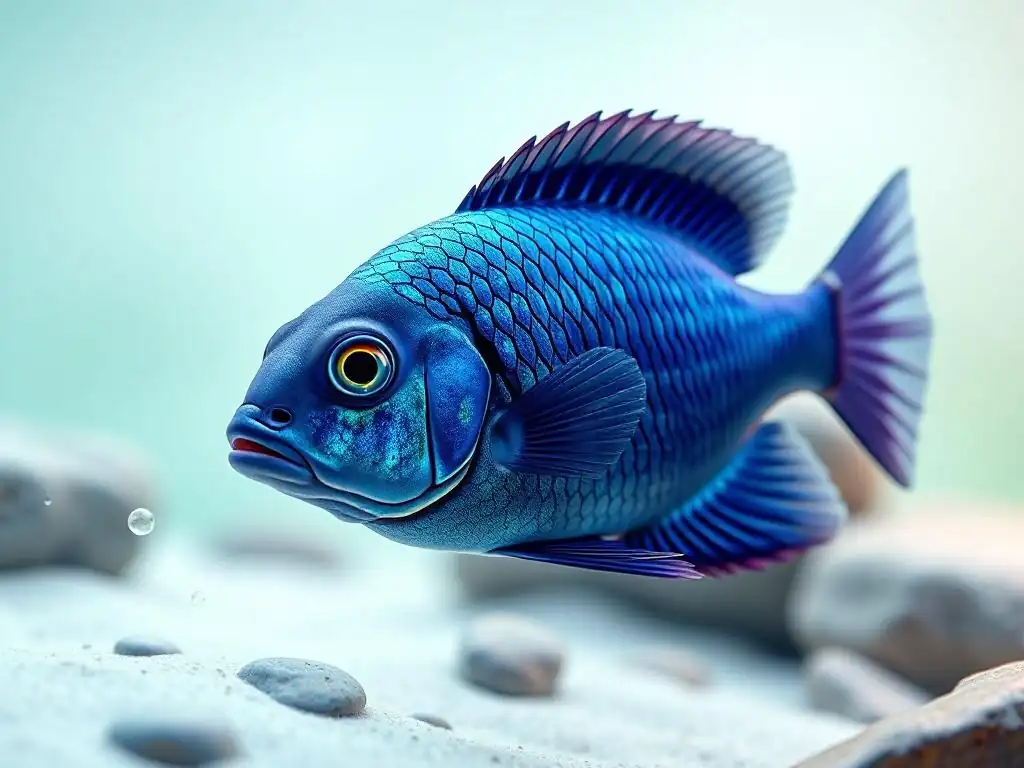
When considering guppy tank mate compatibility, focusing on small, non-aggressive species that share similar water requirements is essential. These fish will not only coexist peacefully but also add diversity and visual appeal to your guppy aquarium.
Neon Tetras: A Classic Guppy Companion
Neon Tetras (Paracheirodon innesi) are one of the most popular and classic choices for guppy tank mates due, in large part, to their peaceful temperament and stunning iridescent blue and red coloration. These small, schooling fish typically grow to about 1.5 inches (3.8 cm) in length, making them an ideal size to avoid any predatory threat to adult guppies, though guppy fry might still be vulnerable. They prefer similar water parameters to guppies, thriving in temperatures between 72-78°F (22-26°C) and a pH range of 6.0-7.5, which aligns perfectly with guppy requirements.
Neon Tetras are mid-level swimmers, occupying a different part of the water column than the more surface-oriented guppies, which reduces competition for space. They are best kept in schools of at least six individuals to feel secure and display their natural schooling behavior, which adds a dynamic visual element to the tank. Their calm demeanor and similar environmental needs make them excellent guppy aquarium companions, contributing to a vibrant and stress-free community.
Ember Tetras: Adding Color and Calm to Your Guppy Tank
Ember Tetras (Hyphessobrycon amandae) are another superb choice for guppy tank mate compatibility, particularly appealing for their diminutive size and brilliant orange-red hue. These tiny tetras typically reach a maximum size of only 0.8 inches (2 cm), making them exceptionally non-threatening to guppies of all ages, though again, very young guppy fry could be at risk. They are known for their incredibly peaceful nature, spending their time schooling gracefully in the mid-to-lower levels of the tank.
Their preferred water parameters are also highly compatible with guppies, thriving in temperatures ranging from 73-80°F (23-27°C) and a slightly acidic to neutral pH of 5.5-7.0. Like Neon Tetras, Ember Tetras are schooling fish and should be kept in groups of at least eight to ten individuals to observe their best behavior and coloration. Their small size and gentle disposition ensure they won't compete aggressively for food or space, making them ideal guppy aquarium companions that add a splash of color without any risk of aggression.
Corydoras Catfish: Bottom-Dwelling Cleaners for Guppy Aquariums
Corydoras Catfish, often simply called "Corys," are exceptional bottom-dwelling guppy tank mates, known for their peaceful nature and diligent scavenging habits. There are many species, but common ones like the Bronze Cory (Corydoras aeneus) or Panda Cory (Corydoras panda) typically grow to 1.5-3 inches (3.8-7.6 cm). They are active scavengers, constantly sifting through the substrate for leftover food, which helps keep the tank clean and prevents water quality issues. Their gentle foraging behavior poses no threat to guppies, and they occupy a completely different niche in the aquarium.
Corydoras prefer similar water conditions to guppies, with temperatures between 72-78°F (22-26°C) and a pH of 6.0-7.5. They are schooling fish and should be kept in groups of at least six to ensure their comfort and natural behavior. Providing a soft substrate like sand is crucial for their delicate barbels, which they use to search for food. Their non-competitive nature for swimming space and their beneficial cleaning services make Corydoras an invaluable addition to any guppy community, enhancing overall guppy tank mate compatibility and tank hygiene.
White Cloud Mountain Minnows: Cold Water Option for Guppy Tanks
White Cloud Mountain Minnows (Tanichthys albonubes) present a unique option for guppy tank mate compatibility, particularly if your aquarium temperatures lean towards the lower end of the guppy's preferred range. These hardy and peaceful fish typically grow to about 1.5 inches (3.8 cm) and are known for their resilience.
While guppies generally prefer warmer water, White Clouds can tolerate temperatures as low as 64°F (18°C) but can adapt to warmer conditions up to about 72°F (22°C), which overlaps with the lower end of the guppy's ideal range. This makes them suitable if you maintain your guppy tank at around 72°F.
White Clouds are active, schooling fish that prefer to be kept in groups of at least six. They are not aggressive and will not bother guppies. Their vibrant colors and active swimming patterns add visual interest to the tank. While their ideal temperature range is slightly different from guppies, their peaceful nature and adaptability make them a viable option for a mixed-temperature guppy community, provided the temperature is managed carefully to suit both species.
Invertebrate Tank Mates for Guppies
Invertebrates can be fantastic guppy aquarium companions, offering unique aesthetics and beneficial cleaning services without posing a threat to your fish.
Cherry Shrimp: Adding Color and Algae Control to Guppy Tanks
Red Cherry Shrimp (Neocaridina davidi) are an excellent invertebrate choice for enhancing guppy tank mate compatibility, bringing vibrant color and effective algae control to your aquarium. These small, peaceful crustaceans typically grow to about 1 inch (2.5 cm) in length. They are primarily scavengers, constantly grazing on algae, biofilm, and uneaten food particles, contributing significantly to tank cleanliness. Their bright red coloration creates a striking contrast against green plants and other fish, adding a dynamic visual element.
Cherry Shrimp thrive in similar water conditions to guppies, with temperatures between 65-80°F (18-27°C) and a pH of 6.5-8.0. While adult guppies generally leave adult shrimp alone, very young guppy fry might occasionally try to nip at tiny shrimplets. However, with plenty of hiding places like Java Moss or other dense plants, shrimp populations can flourish. Their non-aggressive nature and beneficial cleaning habits make them ideal guppy aquarium companions, though it's important to note that guppies may predate on very young shrimp.
Mystery Snails: Peaceful Algae Eaters for Guppy Aquariums
Mystery Snails (Pomacea bridgesii) are another highly compatible invertebrate for guppy tanks, offering effective algae control and a unique aesthetic appeal. These large, peaceful snails can grow to an impressive size of about 2 inches (5 cm) in diameter, yet they pose absolutely no threat to guppies or their fins. They are diligent scavengers, spending their time grazing on algae that grows on tank surfaces, décor, and plants, as well as consuming detritus and leftover fish food. Their slow, deliberate movements and varied shell colors (yellow, blue, black, ivory) add a fascinating element to the aquarium.
Mystery Snails prefer water parameters similar to guppies, with temperatures ranging from 68-82°F (20-28°C) and a pH of 6.5-8.0. They require a good source of calcium in the water for healthy shell growth, which is generally present in the moderately hard water preferred by guppies. They are not known to eat healthy live plants, making them safe for planted guppy aquariums. Their peaceful nature and beneficial cleaning services make Mystery Snails superb guppy aquarium companions, contributing to a balanced and clean environment.
Fish to Avoid Housing with Guppies: Incompatible Tank Mates
Not all fish are suitable for a guppy community tank. Housing guppies with incompatible species can lead to stress, injury, or even death for your peaceful guppies. Understanding which fish to avoid is as crucial as knowing which ones to include for successful guppy tank mate compatibility.
Aggressive Fish Species That Prey on Guppies
Certain fish species are inherently aggressive or possess predatory instincts that make them a significant threat to guppies. Introducing these fish can quickly turn a peaceful guppy aquarium into a dangerous environment.
Betta Fish: Known for Aggression and Fin-Nipping
Betta fish (Betta splendens), particularly male Bettas, are notoriously aggressive and territorial, making them highly unsuitable guppy tank mates. While often marketed as peaceful community fish, this is a common misconception. Male Bettas, especially those with long, flowing fins, can mistake the vibrant colors and elaborate tails of male guppies for rival Bettas, leading to relentless aggression, fin-nipping, and chasing. A Betta can inflict serious damage on a guppy's delicate fins, leading to stress, infection, and even death.
Even female Bettas, while generally less aggressive than males, can still exhibit territorial behavior or fin-nipping tendencies towards guppies, especially if the tank is too small or lacking adequate hiding places. Given their average size of about 2.5 inches (6.5 cm), they are large enough to dominate guppies. The risk of aggression and stress far outweighs any potential aesthetic appeal, making Betta fish a definite "no" for guppy tank mate compatibility.
Cichlids: Often Territorial and Predatory
Most cichlid species are unequivocally poor choices for guppy tank mates due to their inherent territoriality, aggression, and often predatory nature. While there are thousands of cichlid species ranging widely in size and temperament, the majority are known to be aggressive, especially towards smaller, more docile fish like guppies. Even smaller cichlids, such as some dwarf cichlids like the German Blue Ram, can become territorial during breeding, but larger species like African Cichlids (e.g., Mbunas) or South American Cichlids (e.g., Oscar, Convict Cichlid) are outright dangerous.
An Oscar cichlid, for example, can grow to over 10 inches (25 cm) and will readily consume any guppy that fits into its mouth. Even species that might seem "peaceful" in a large, species-only tank can turn aggressive when housed with small, active fish like guppies. Their strong territorial instincts and potential to view guppies as food make cichlids a significant risk, leading to high stress levels and inevitable casualties in a guppy community. Therefore, guppy tank mate compatibility with virtually any cichlid species is extremely low.
Fin-Nipping Fish Species That Stress Guppies
Guppies, especially the males with their long, flowing caudal fins, are particularly vulnerable to fin-nipping. Certain fish species are notorious for this behavior, which can cause severe stress, injury, and lead to secondary infections in guppies.
Serpae Tetras: Can Be Aggressive Fin-Nippers
Serpae Tetras (Hyphessobrycon eques) are attractive, schooling fish known for their vibrant red coloration, but they are also infamous for their fin-nipping tendencies, making them unsuitable guppy tank mates. While they are often sold as community fish, Serpae Tetras can be quite aggressive, especially towards fish with long, flowing fins like male guppies, Bettas, or Angelfish. They typically grow to about 1.5 inches (3.8 cm) but their active and somewhat boisterous nature, coupled with their propensity to nip, can cause significant stress and physical damage to guppies.
This behavior is often exacerbated if they are not kept in sufficiently large schools (e.g., 8-10 individuals), as they tend to nip at each other less when their aggression is distributed amongst their own kind. However, even in large schools, the risk to guppies remains high. Constant fin nipping can lead to torn fins, which are not only unsightly but also highly susceptible to bacterial and fungal infections, severely impacting the guppy's health and lifespan.
Tiger Barbs: Active and Often Nippy
Tiger Barbs (Puntigrus tetrazona) are another popular aquarium fish, recognizable by their distinctive black and orange stripes, but they are notorious fin-nippers and extremely active, making them poor guppy tank mates. Growing to about 3 inches (7.6 cm), Tiger Barbs are highly energetic and boisterous, which can be overwhelming for the more delicate and peaceful guppies. Their primary mode of aggression is fin-nipping, and the long, flowing tails of male guppies are a prime target.
Like Serpae Tetras, Tiger Barbs are schooling fish and should be kept in groups of at least six to eight to help disperse their aggression among themselves. However, even in large schools, their inherent nippy nature often extends to other tank inhabitants, particularly those with long fins or slower movements. The constant harassment and physical damage inflicted by Tiger Barbs can lead to chronic stress, fin rot, and ultimately, a significantly reduced quality of life for your guppies.
Fish That Compete for Resources with Guppies
Some fish species are not necessarily aggressive, but their specific needs or characteristics make them incompatible with guppies due to competition for resources or differing environmental requirements.
Goldfish: High Waste Producers and Require Cooler Temperatures
Goldfish (Carassius auratus) are fundamentally incompatible with guppies, primarily due to their vastly different temperature requirements and their significant bio-load. Guppies are tropical fish that thrive in warmer water, typically 72-82°F (22-28°C), while goldfish are coldwater fish that prefer cooler temperatures, ideally 65-72°F (18-22°C). Attempting to house them together would mean compromising the health of one or both species. If kept in warmer water, goldfish become stressed, leading to a shortened lifespan and increased susceptibility to disease.
Furthermore, goldfish are notorious for being very messy eaters and producing a large amount of waste. A single goldfish can produce as much waste as several tropical fish, quickly fouling the water and leading to high levels of ammonia and nitrates. This high bio-load would severely degrade the water quality for guppies, stressing them and increasing their risk of illness. Their large adult size (often exceeding 10 inches or 25 cm for common varieties) also poses a threat, as they can inadvertently or purposefully consume smaller guppies, making their guppy tank mate compatibility virtually non-existent.
Angelfish: Can Eventually Prey on Guppies
Angelfish (Pterophyllum scalare) are a common and beautiful freshwater fish, but they are generally unsuitable guppy tank mates, especially in the long term. While young Angelfish may appear peaceful and coexist with guppies when small (e.g., 2-3 inches), they are cichlids that can grow quite large, often reaching 6 inches (15 cm) in height and length. As they mature, their predatory instincts develop, and they will readily prey on any fish small enough to fit into their mouths, which unfortunately includes adult guppies and certainly guppy fry.
The risk increases significantly as the Angelfish grow. A full-grown Angelfish will view guppies as a convenient food source, leading to the gradual disappearance of your guppy population. Their long, flowing fins can also be a target for fin-nippers, but more critically, their predatory nature makes them a direct threat. Therefore, despite their initial appearance of compatibility, the long-term guppy tank mate compatibility with Angelfish is poor, making them a risky choice for a shared aquarium.
Creating a Harmonious Aquarium Environment for Guppies and Their Tank Mates
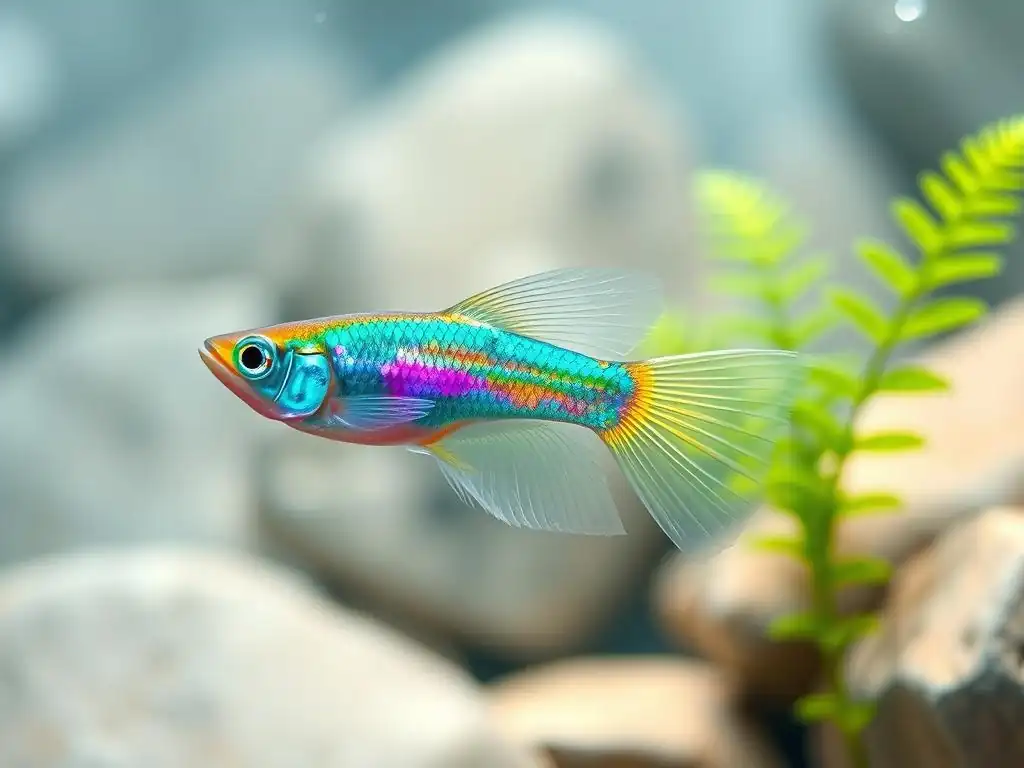
Beyond selecting compatible species, the physical setup and ongoing maintenance of your aquarium play a crucial role in fostering a harmonious environment for guppies and their chosen companions. A well-designed habitat reduces stress, prevents aggression, and promotes overall health.
Tank Size and Stocking Density for Guppy Communities
The size of your aquarium and its stocking density are fundamental to successful guppy tank mate compatibility. For a small group of guppies (e.g., 3-5 females and 1-2 males), a 10-gallon (38-liter) tank can suffice. However, for a community tank with various compatible guppy aquarium companions, a minimum of a 20-gallon (76-liter) long tank is highly recommended. Larger tanks, such as 30-gallon (114-liter) or 40-gallon (151-liter) tanks, provide more stable water parameters, more swimming space, and greater opportunities for creating distinct territories, significantly reducing stress and potential conflicts among inhabitants.
When stocking, avoid the common mistake of overpopulation. A general guideline is "one inch of adult fish per gallon of water," but this is a very rough estimate and often leads to overstocking, especially for active fish like guppies. A better approach is to consider the adult size, activity level, and waste production of each species. For guppies and their tank mates, ensure adequate swimming room and vertical space. Overstocking leads to increased waste, poor water quality, and heightened stress levels, which can manifest as aggression or disease, undermining all efforts towards good guppy compatibility.
Water Parameters and Filtration for a Healthy Guppy Tank
Maintaining stable and appropriate water parameters is paramount for the health of guppies and their tank mates. Guppies thrive in tropical freshwater conditions with a temperature range of 72-82°F (22-28°C), a pH level between 6.5 and 8.0, and moderately hard water with a general hardness (GH) of 10-20 dGH. Consistent parameters reduce physiological stress on fish, making them more resilient to disease and promoting vibrant coloration and active behavior. Fluctuations in temperature or pH can be highly detrimental.
An effective filtration system is critical to process fish waste and maintain water quality. A robust filter, preferably an external canister filter or a hang-on-back (HOB) filter with adequate flow rate for your tank size, should provide mechanical, chemical, and biological filtration. Biological filtration, facilitated by beneficial bacteria colonizing filter media, is especially important for converting toxic ammonia and nitrites into less harmful nitrates. Regular testing of ammonia, nitrite, and nitrate levels using a liquid test kit is essential to monitor water quality and ensure the environment remains safe and healthy for your guppies and their companions.
Providing Hiding Places and Visual Barriers for Guppies and Tank Mates
A well-decorated aquarium with ample hiding places and visual barriers is crucial for promoting peace and reducing stress in a guppy community tank. Guppies, especially females and fry, benefit greatly from areas where they can retreat and feel secure, which is vital for their guppy tank mate compatibility. Live plants are excellent for this purpose; dense plantings of species like Java Moss, Anubias, Amazon Swords, or Hornwort provide natural cover and break up lines of sight, preventing constant chasing or harassment.
Beyond plants, strategically placed driftwood, rocks, and aquarium decorations can create caves, tunnels, and distinct territories. These physical barriers help to diffuse potential aggression from more active species and offer safe havens for smaller or shyer fish. For instance, if you have a slightly more boisterous species, providing plenty of visual breaks means they can't constantly see and chase other fish, reducing stress for both the aggressor and the target. A well-structured aquascape contributes significantly to the overall well-being and harmonious coexistence of your guppies and their diverse tank mates.
Maintaining a Peaceful Guppy Community: Tips and Best Practices
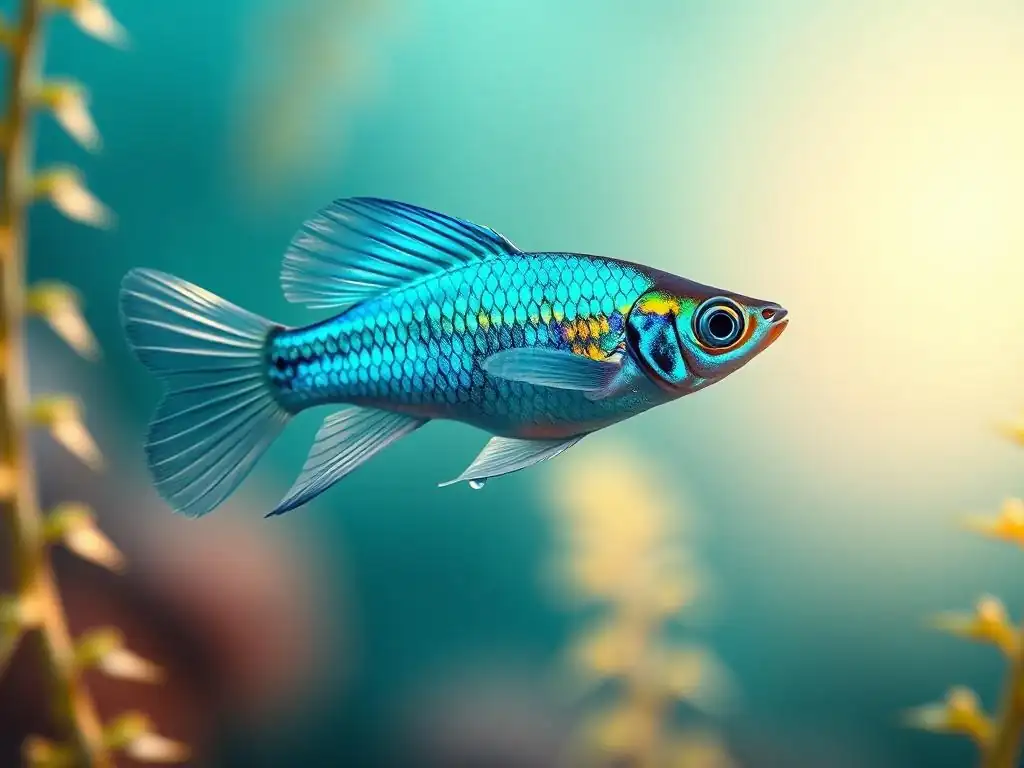
Achieving long-term harmony in a guppy community tank requires ongoing vigilance and consistent care. Regular observation, appropriate feeding, and diligent maintenance are key to preventing issues before they escalate and ensuring a thriving environment for your guppies and their companions.
Observing Your Fish for Signs of Stress or Aggression
Daily observation of your guppies and their tank mates is critical for maintaining a peaceful community and ensuring good guppy tank mate compatibility. Look for early signs of stress or aggression, which can include clamped fins, faded coloration, rapid breathing, hiding excessively, or darting erratically. Aggressive behaviors might manifest as chasing, nipping at fins, or territorial displays. For instance, if you notice a male guppy constantly harassing a female, or a larger tank mate persistently nipping at guppy fins, it's a clear indication of an issue.
It's important to differentiate between playful nipping and harmful aggression. If a fish is consistently stressed or injured, its immune system will weaken, making it highly susceptible to diseases. Keep a close eye on the overall activity levels and interactions within the tank. Prompt identification of problems allows for timely intervention, such as adjusting stocking levels, adding more hiding places, or, in severe cases, rehoming an incompatible fish to restore harmony and ensure the well-being of all inhabitants.
Feeding Strategies for a Balanced Guppy Community
Effective feeding strategies are essential to prevent competition and ensure all guppies and their tank mates receive adequate nutrition. Guppies are omnivores and thrive on a varied diet, including high-quality flake food, micro-pellets, and occasional live or frozen foods like brine shrimp, daphnia, or bloodworms. When feeding a community tank, it's beneficial to offer food in small amounts, two to three times a day, rather than one large meal. This ensures that all fish, including shyer or slower-eating species, have a chance to get enough food.
Consider the feeding habits of your various guppy aquarium companions. For instance, bottom-dwelling Corydoras Catfish will require sinking pellets or wafers to ensure they get food after the guppies have consumed their share from the water column. Overfeeding should be strictly avoided, as it leads to excess waste, poor water quality, and potential health issues like swim bladder problems. A balanced diet not only promotes vibrant colors and healthy growth but also reduces competition, contributing to a more peaceful environment and successful guppy tank mate compatibility.
Regular Water Changes and Aquarium Maintenance for Guppy Health
Consistent water changes and routine aquarium maintenance are fundamental to the health and longevity of your guppies and their tank mates. Guppies, like most fish, are sensitive to the accumulation of nitrates and other pollutants in the water. Performing weekly or bi-weekly water changes of 25-30% of the tank volume is highly recommended. This practice removes harmful nitrates, replenishes essential minerals, and helps maintain stable water parameters, which are crucial for minimizing stress and preventing disease.
Beyond water changes, regular maintenance includes cleaning the substrate to remove uneaten food and detritus, which can break down and produce ammonia. Gentle vacuuming of the gravel or sand helps keep the tank clean. Filter media should be cleaned or replaced periodically as per manufacturer instructions, always using old tank water to rinse biological media to preserve beneficial bacteria. Consistent maintenance routines are the backbone of a healthy aquarium, directly impacting the well-being of your guppies and ensuring optimal conditions for their peaceful coexistence with their chosen tank mates.
Conclusion: Achieving Successful Guppy Tank Mate Harmony
The Importance of Research and Careful Selection
Achieving a vibrant and peaceful guppy aquarium hinges critically on thorough research and careful selection of guppy tank mates. It's not enough to simply choose fish that "look nice" together; true guppy tank mate compatibility demands an understanding of each species' temperament, size, water parameter requirements, and behavioral patterns. As we've explored, even seemingly benign choices can lead to long-term issues if their needs or natural instincts conflict with the guppy's delicate nature.
By investing time in understanding the specific needs of guppies—their preference for warm, moderately hard water, their peaceful disposition, and their vulnerability to nipping—and then cross-referencing these with potential companions, aquarists can build a truly harmonious community. This proactive approach minimizes stress, prevents aggression, and creates an environment where all inhabitants can thrive, showcasing their natural beauty and behaviors without fear of conflict or illness.
Enjoying a Vibrant and Peaceful Guppy Aquarium
When the principles of careful selection, proper tank setup, and consistent maintenance are diligently applied, the reward is a truly vibrant and peaceful guppy aquarium. A well-planned community tank, filled with compatible guppy aquarium companions, becomes a dynamic ecosystem where fish exhibit their best colors, engage in natural behaviors, and interact peacefully. The visual appeal of schooling tetras alongside the graceful movements of guppies, complemented by the diligent work of bottom-dwelling corydoras and scavenging snails, creates a captivating display.
Ultimately, the success of guppy tank mate compatibility translates into less stress for the fish and more enjoyment for the aquarist. Observing a thriving, harmonious aquatic environment is one of the most rewarding aspects of fish keeping. By prioritizing the well-being of your guppies and their companions through informed choices, you can create a beautiful, stable, and long-lasting underwater world that brings joy and tranquility to your home.
Frequently Asked Questions
What are some key considerations when choosing guppy tank mates?
When selecting guppy tank mates, focus on peaceful temperament, similar water parameter requirements (temperature and pH), and avoiding fin-nipping species.
Why is it important to avoid larger, predatory fish when selecting tank mates for guppies?
Larger fish can view guppies as food, leading to stress, injury, or even death. Choosing appropriately sized and non-aggressive species is crucial.
What are some examples of ideal peaceful tank mates for guppies?
Good choices include Neon Tetras, Corydoras Catfish, and Harlequin Rasboras, all of which are known for their peaceful nature and compatibility with guppies.
How can I ensure my guppies and their tank mates have compatible water parameter needs?
Research the ideal temperature and pH ranges for both guppies and potential tank mates. Aim for parameters that fall within the acceptable range for both species.
What steps can I take if I notice aggression between guppies and their tank mates?
Immediately separate the aggressive fish or the harassed guppies. Consider rehoming the incompatible species or providing more hiding places within the aquarium.
Final Reflection: Cultivating Harmony in the Aquarium
The insights shared in this article highlight the importance of thoughtful planning and careful selection when creating a thriving aquarium community. Understanding guppy tank mate compatibility goes beyond simply adding fish; it's about fostering a balanced ecosystem where each species can flourish without undue stress or competition. This mindful approach resonates deeply in a world increasingly aware of the interconnectedness of all living things.
This journey into the world of guppy tank mates has underscored the delicate balance required for successful coexistence. It reminds us that even in a small, controlled environment like an aquarium, empathy and understanding are crucial for creating a harmonious community. The greatness of a nation and its moral progress can be judged by the way its animals are treated.
- Mahatma Gandhi. This quote, though often applied to broader animal welfare, perfectly encapsulates the responsibility we bear when curating an aquatic ecosystem.
As you consider the potential tank mates for your guppies, remember that you are not just assembling a collection of fish; you are crafting a miniature world. Take the time to research, observe, and understand the needs of each species. By embracing a philosophy of mindful stewardship, you can create an aquarium that is not only beautiful but also a testament to the power of peaceful coexistence.
Dive Deeper: Cultivate Harmony in Your Guppy Tank!
Thank you for exploring the secrets to a thriving, peaceful guppy community! We hope this article has empowered you to create an even more vibrant and balanced aquarium. Now, it's time to put that knowledge into action!
Here are some steps you can take to bring your guppy tank to the next level:
- Carefully evaluate your current tank setup. Assess your guppies' needs based on the information provided, paying close attention to the species compatibility and tank size recommendations.
- Share your insights! Pass this article to another hobbyist in your life, or start an engaging discussion in your favorite aquarium forum about your experiences with guppy tank mates.
- Consider introducing a school of peaceful Corydoras catfish as a bottom-dwelling cleanup crew. Their gentle nature makes them an excellent companion for guppies, contributing to a cleaner, healthier environment.
What surprising combination of tank mates have you successfully housed with guppies, and what unique challenges did you face?