
The pH Puzzle: Why Stable Acidity Matters for Rams and Apistos

Welcome to Aquarium Mastery!
Ever wondered why your Rams seem a little…off? Dive deep into the fascinating world of water chemistry with us. In this article, we unravel the pH puzzle and explore why maintaining a stable pH is absolutely crucial for the health and happiness of your beloved Rams and Apistos. Discover the secrets to a thriving aquarium environment, and learn how to avoid common pitfalls. Ready to unlock the key to a vibrant and healthy tank? Let's get started!
- Understanding the Importance of Stable pH for Dwarf Cichlids
- Defining pH: A Quick Chemistry Refresher for Aquarium Keepers
- Ram Cichlid pH Preferences: Achieving Optimal Water Chemistry
- Apistogramma pH Preferences: Tailoring Water Conditions for Success
- The Dangers of pH Fluctuations in Dwarf Cichlid Tanks
- Achieving and Maintaining Stable pH for Rams and Apistos: A Practical Guide
- Buffering Capacity and KH: The Keys to pH Stability
- Troubleshooting pH Problems in Ram and Apisto Aquariums
- Conclusion: Prioritizing Stable pH for Healthy and Vibrant Dwarf Cichlids
-
Frequently Asked Questions
- How critical is a stable pH level for keeping Rams and Apistos successfully?
- What pH range is generally recommended for Rams and Apistos in an aquarium setting?
- What are the potential consequences of pH swings in an aquarium housing Rams and Apistos?
- What are some common causes of pH instability in freshwater aquariums?
- How can I effectively maintain a stable pH for my Rams and Apistos aquarium?
- Final Reflection: The Delicate Dance of Stability
- Unleash Thriving Colors: Take the Next Step!
Understanding the Importance of Stable pH for Dwarf Cichlids
Why pH Stability is Crucial for Ram Cichlids ( Mikrogeophagus ramirezi)
Ram Cichlids, particularly the German Blue Ram ( Mikrogeophagus ramirezi), are renowned for their vibrant colors and engaging personalities, making them a favorite among aquarists. However, their beauty comes with a specific demand: a highly stable aquatic environment, especially concerning pH. Originating from the soft, acidic, and warm blackwater streams of the Orinoco River basin in Venezuela and Colombia, these fish are exquisitely adapted to consistent water chemistry. Any significant fluctuation in pH, even within their preferred range, can induce severe physiological stress.
This stress manifests in several ways, from weakening their immune system to impacting their metabolic processes. While tank-bred Rams may exhibit slightly more tolerance than their wild-caught counterparts, the fundamental need for stability remains. For instance, a pH shift of just 0.5 units within a 24-hour period, such as from 6.0 to 6.5 or 6.0 to 5.5, can be enough to compromise their health, leading to clamped fins, faded coloration, and increased susceptibility to common aquarium diseases. Maintaining a stable pH for Rams is not merely a recommendation; it is a cornerstone of their long-term well-being and vitality.
The Sensitivity of Apistogramma Species to pH Fluctuations
Apistogramma species, a diverse genus of dwarf cichlids, share a similar, if not greater, sensitivity to pH fluctuations as Ram Cichlids. Hailing predominantly from the vast network of blackwater and clearwater tributaries throughout the Amazon basin, these fish are accustomed to remarkably consistent water parameters. While specific pH preferences vary slightly between the hundreds of Apistogramma species – some thriving at pH 4.5, others tolerating up to 7.0 – their common thread is an intolerance for rapid or significant changes.
For many popular Apistogramma species, such as Apistogramma cacatuoides or Apistogramma agassizii, the ideal pH range typically falls between 5.0 and 6.5. However, it's not the absolute number but the consistency that dictates their health. A sudden shift of even 0.3-0.4 pH units can cause osmotic shock, where the fish's internal fluid balance is disrupted, leading to irreparable gill damage or even death. This extreme sensitivity underscores why diligently maintaining a stable pH for Apistos is paramount for their survival and thriving in a captive environment.
Defining pH: A Quick Chemistry Refresher for Aquarium Keepers
What is pH and How is it Measured?
pH, short for "potential of Hydrogen," is a fundamental measurement in water chemistry that quantifies the acidity or alkalinity of a solution. It specifically measures the concentration of hydrogen ions (H+) in water. The pH scale is logarithmic, meaning that each whole number change on the scale represents a tenfold change in the concentration of hydrogen ions. For example, water with a pH of 6.0 is ten times more acidic than water with a pH of 7.0, and water with a pH of 5.0 is a hundred times more acidic than water with a pH of 7.0.
In aquariums, pH is commonly measured using liquid test kits or digital pH meters. Liquid test kits involve adding reagents to a water sample, which then change color according to the pH level, allowing comparison against a color chart. While affordable, their accuracy can sometimes be limited, often providing readings in increments of 0.2 or 0.5 pH units.
Digital pH meters offer greater precision, often reading to two decimal places, but require regular calibration using buffer solutions to maintain accuracy. Regardless of the method, consistent and accurate measurement is crucial for understanding your tank's water chemistry and ensuring a stable pH for Rams and Apistos.
The pH Scale: Understanding Acidic, Neutral, and Alkaline Environments
The pH scale ranges from 0 to 14. A pH of 7.0 is considered neutral, meaning there is an equal balance of hydrogen ions and hydroxide ions (OH-). Pure water at 25°C typically has a pH of 7.0. Solutions with a pH below 7.0 are acidic, indicating a higher concentration of hydrogen ions. Common examples of acidic substances outside the aquarium include lemon juice (pH 2.0-2.5) and vinegar (pH 2.4-3.4).
Conversely, solutions with a pH above 7.0 are alkaline (or basic), indicating a higher concentration of hydroxide ions. Examples of alkaline substances include baking soda solutions (pH 8.3) and bleach (pH 11.0-13.0). For most aquatic life, extreme pH values at either end of the scale are lethal. Understanding where your aquarium water falls on this scale – and more importantly, keeping it consistently within the preferred range for your specific fish – is paramount. For dwarf cichlids like Rams and Apistos, the focus is generally on maintaining stable, slightly to moderately acidic conditions.
Ram Cichlid pH Preferences: Achieving Optimal Water Chemistry
Ideal pH Range for Ram Cichlids: A Detailed Look
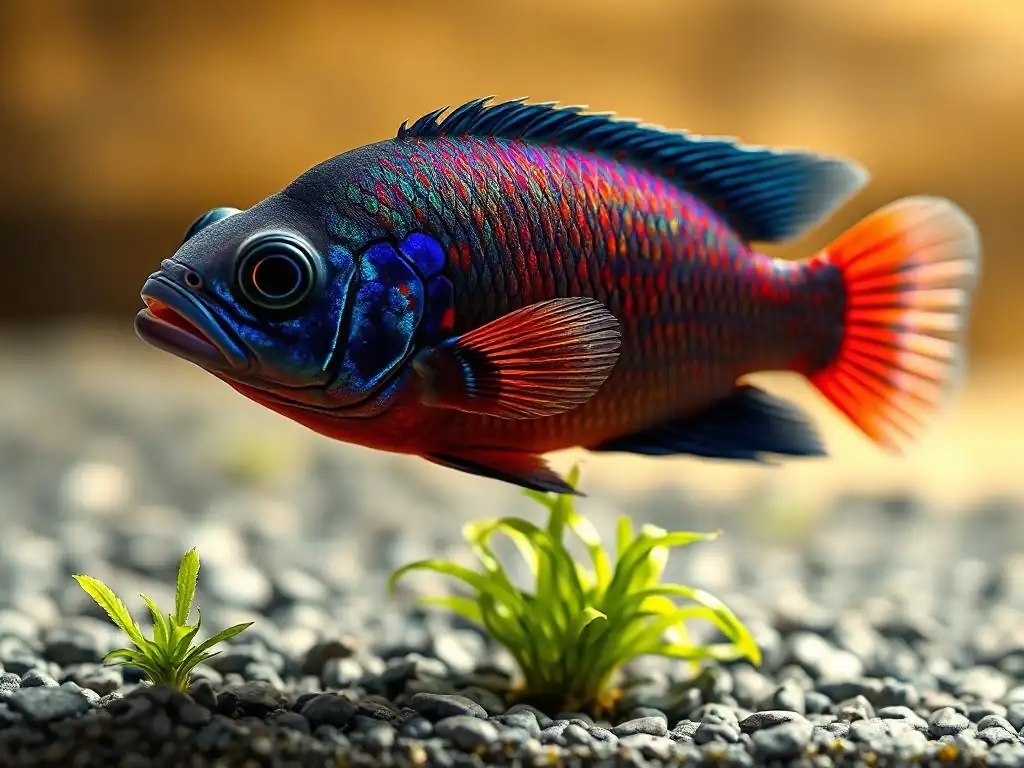
For Ram Cichlids ( Mikrogeophagus ramirezi), the ideal pH range is generally considered to be between 5.0 and 6.5. This slightly acidic to acidic environment closely mimics their natural blackwater habitats in South America, where decaying organic matter like leaves and wood constantly releases humic acids and tannins, naturally lowering the pH. While tank-bred individuals may show some adaptability, maintaining pH within this specific window is crucial for their long-term health, vibrant coloration, and successful breeding.
Beyond pH, the hardness of the water, specifically General Hardness (GH) and Carbonate Hardness (KH), plays a significant role. Rams thrive in very soft water, typically with a GH below 5 dGH (degrees of General Hardness) and a KH below 3 dKH (degrees of Carbonate Hardness). A low KH is particularly important because it allows the pH to naturally remain in the acidic range, though it also means the water has less buffering capacity, making pH stability a more delicate balancing act that requires careful monitoring.
Replicating the Natural Habitat: Water Parameters for Rams
To truly replicate the natural habitat for Ram Cichlids and ensure a stable pH for Rams, aquarists often employ several techniques to achieve soft, acidic water. The blackwater environments they inhabit are characterized by very low mineral content and high levels of dissolved organic compounds. This translates to water temperatures typically ranging from 26°C to 30°C (79°F to 86°F), with the aforementioned pH of 5.0-6.5 and minimal hardness.
Methods to achieve these parameters include using reverse osmosis (RO) or deionized (DI) water, which are virtually free of minerals, and then remineralizing them to the desired GH/KH levels with specific buffering salts. The addition of natural botanicals such as dried Indian Almond leaves (catappa leaves), alder cones, and substantial pieces of driftwood can further aid in lowering pH by releasing tannins and humic acids. For example, a single medium-sized Indian Almond leaf can gradually lower the pH in a 10-gallon tank by 0.1-0.2 units over several days, while also providing beneficial humic substances that mimic their natural environment.
Apistogramma pH Preferences: Tailoring Water Conditions for Success
Optimal pH for Apistogramma Species: Varying Needs
The genus Apistogramma encompasses over 100 described species, each with unique preferences, though most share a general affinity for soft, acidic water. While a broad range of 4.5 to 6.5 pH is often cited for many commonly kept Apistogramma, it’s crucial to research the specific needs of the species you intend to keep. For instance, species like Apistogramma borellii often thrive in a pH of 5.5-6.5, whereas some more delicate species, such as Apistogramma hoignei, prefer conditions closer to pH 4.5-5.5.
Like Rams, Apistogrammas also require very soft water, with GH levels typically below 4 dGH and KH levels often below 2 dKH. This low buffering capacity means that maintaining a stable pH for Apistos demands consistent attention. Wild-caught specimens are particularly sensitive to deviations from these parameters, often showing signs of stress or succumbing to disease if water conditions are not meticulously maintained. Tank-bred Apistogrammas might be slightly more adaptable, but their long-term health and breeding success are still significantly enhanced by stable, species-appropriate water chemistry.
Blackwater Extracts and pH Reduction: Creating a Suitable Environment for Apistos
To effectively tailor water conditions for Apistogramma species, especially those preferring highly acidic environments, aquarists often turn to methods that replicate blackwater conditions. This involves not only lowering the pH but also enriching the water with humic substances and tannins, which are naturally present in their native Amazonian habitats. Blackwater extracts, available commercially, are concentrated solutions of humic and tannic acids derived from peat or other organic materials, designed to safely lower pH and impart the characteristic amber tint of blackwater.
In addition to extracts, natural botanicals are highly effective. Indian Almond leaves (catappa leaves), alder cones, and various types of driftwood (e.g., Mopani, Manzanita) slowly release tannins and humic acids into the water. For example, adding 2-3 dried Indian Almond leaves per 10 gallons can gradually lower pH by 0.1-0.3 units over a week, while also providing anti-fungal and anti-bacterial properties that benefit fish health.
These botanicals also create a more naturalistic environment, offering hiding places and biofilm growth that Apistogrammas utilize. When employing these methods, it's vital to introduce them gradually and monitor pH closely to prevent rapid drops, ensuring the pH for Apistos remains stable.
The Dangers of pH Fluctuations in Dwarf Cichlid Tanks
Stress and Weakened Immune Systems: The Impact of Unstable pH
Unstable pH levels are a significant source of stress for all aquarium fish, but especially for sensitive dwarf cichlids like Rams and Apistos. Fish are poikilothermic, meaning their body temperature and internal chemistry are highly dependent on their external environment. Rapid or drastic shifts in pH, even as small as 0.5 units within a few hours, can cause severe osmotic stress. This occurs because the fish's gills struggle to regulate the balance of salts and water within their bodies when the surrounding water chemistry changes abruptly.
This constant physiological struggle diverts energy away from essential bodily functions, leading to a weakened immune system. A stressed fish is more susceptible to pathogens that are typically present in the aquarium but are kept in check by a healthy immune response. Symptoms of pH stress include clamped fins, lethargy, loss of appetite, dull coloration, and erratic swimming. In extreme cases, prolonged exposure to unstable pH can lead to organ damage and premature death, underscoring why a stable pH for Rams and Apistos is absolutely critical for their survival.
Increased Susceptibility to Diseases: pH and Fish Health
The direct consequence of a weakened immune system due to unstable pH is an increased susceptibility to a wide range of diseases. When a fish is stressed by fluctuating water parameters, its natural defenses are compromised, making it an easy target for opportunistic pathogens. Common diseases such as Ich (white spot disease), fin rot, velvet, and various bacterial infections often manifest in tanks where pH is not consistently maintained.
Furthermore, pH directly influences the toxicity of certain compounds in the aquarium. For instance, ammonia, a toxic waste product, becomes significantly more lethal at higher pH levels. At pH 8.0, a given concentration of ammonia is far more toxic than the same concentration at pH 6.0. This means that even if ammonia levels are seemingly low, an unstable or inappropriately high pH can turn a minor issue into a deadly threat. Maintaining a stable pH for Rams and Apistos not only strengthens their natural immunity but also ensures that other critical water parameters do not become unexpectedly dangerous.
Breeding Challenges: How pH Affects Spawning and Fry Survival
For aquarists hoping to breed Ram Cichlids or Apistogramma species, stable and appropriate pH levels are not just important for adult health, but absolutely crucial for successful spawning and fry survival. Many dwarf cichlids are highly particular about water chemistry for reproduction. For instance, Ram Cichlids often require a pH between 5.5 and 6.0 for optimal breeding success. If the pH is too high (e.g., above 7.0), the eggs may not be properly fertilized, or they may fail to hatch altogether.
Even if eggs are laid and fertilized, unstable pH can drastically reduce the viability of the eggs and the survival rate of the delicate fry. Sudden pH shifts can cause the eggs to "fungus over" or prevent the proper development of the embryos. For Apistogramma species, which are often even more sensitive, specific low pH values are often prerequisites for triggering spawning behavior and ensuring the successful development of fry.
For example, some Apistogramma species will only breed in pH as low as 4.5-5.0. Without a consistent and optimal pH, breeding attempts are often futile, highlighting the profound impact of water stability on the entire life cycle of these dwarf cichlids.
Achieving and Maintaining Stable pH for Rams and Apistos: A Practical Guide
Choosing the Right Substrate: Buffering Capacity and pH Influence
The choice of substrate is a critical factor in achieving and maintaining a stable pH for Rams and Apistos. Many substrates can directly influence water chemistry through their buffering capacity. For dwarf cichlids that prefer acidic, soft water, it is imperative to avoid substrates that contain calcium carbonate, such as crushed coral, aragonite sand, or certain types of decorative gravel. These materials will gradually dissolve over time, releasing calcium and carbonate ions that increase both the water's hardness (GH and KH) and its pH, pushing it into the alkaline range.
Instead, opt for inert substrates like fine silica sand, black blasting sand, or neutral gravel. These materials will not leach minerals into the water, allowing you to control the pH more effectively through other means. Alternatively, specialized "aquasoil" substrates designed for planted tanks can be beneficial as they often have a high cation exchange capacity, allowing them to absorb minerals and buffer the pH downwards, typically to a range of 6.0-6.5. However, these active substrates have a finite lifespan, usually 1-2 years, after which their buffering capacity diminishes.
The Role of Driftwood and Leaf Litter in pH Management
Driftwood and leaf litter are invaluable natural tools for aquarists aiming to create a stable, acidic environment for Rams and Apistos. When submerged, these organic materials slowly release tannins and humic acids into the water. These compounds naturally lower the pH and provide a mild buffering effect in the acidic range. Beyond their chemical influence, they also impart a naturalistic "blackwater" appearance, tinting the water a tea-like color, which mimics the native habitats of many dwarf cichlids. This tint can also help reduce stress by dimming the light.
For example, a medium-sized piece of pre-soaked Malaysian driftwood can gradually lower the pH in a 20-gallon tank by 0.1-0.2 units over several weeks, depending on the wood density and water changes. Indian Almond leaves (catappa leaves) are particularly popular; adding 2-3 leaves per 10 gallons can provide a consistent release of beneficial compounds and mild pH reduction over 2-4 weeks before they need replacing.
Alder cones, oak leaves, and similar botanicals also contribute. It's important to boil or thoroughly rinse new driftwood and leaves to remove excess tannins and potential debris, introducing them gradually to avoid sudden pH drops.
Water Changes: A Double-Edged Sword for pH Stability
Regular water changes are fundamental to aquarium maintenance, removing nitrates and replenishing essential minerals. However, for sensitive species like Rams and Apistos, water changes can be a double-edged sword when it comes to pH stability.
While necessary, large, infrequent water changes with water of a significantly different pH or hardness can cause rapid and dangerous pH swings, leading to severe stress or even death. For instance, replacing 50% of tank water with source water that has a pH 1.0 unit higher can result in a sudden pH jump of 0.5 units in the tank, which is highly detrimental to these fish.
To maintain a stable pH for Rams and Apistos, it is crucial to perform smaller, more frequent water changes (e.g., 10-20% weekly) rather than large, infrequent ones. More importantly, the replacement water should be carefully pre-conditioned to match the tank's pH and hardness as closely as possible. This often involves using reverse osmosis (RO) or deionized (DI) water, which is then remineralized to the desired parameters using specific buffering salts for soft, acidic conditions. Gradually adding the new water also minimizes shock.
Monitoring pH Levels: Essential Testing Methods for Aquarists
Consistent and accurate monitoring of pH levels is absolutely essential for maintaining a stable environment for Rams and Apistogrammas. Without regular testing, you cannot identify trends, address potential problems early, or confirm the effectiveness of your pH management strategies. Aquarists should test their tank's pH at least once a week as part of their routine maintenance. During initial setup, after adding new buffering materials (like driftwood or peat), or when troubleshooting issues, daily testing may be necessary.
Liquid test kits are widely available and provide a reliable, albeit sometimes less precise, reading. They are generally affordable and easy to use. For greater accuracy, especially when targeting specific pH ranges for breeding, a digital pH meter is recommended.
While more expensive, these meters provide precise readings (e.g., pH 5.85) and can detect subtle fluctuations that a liquid kit might miss. However, digital meters require regular calibration with buffer solutions (e.g., pH 4.0 and pH 7.0 calibration fluids) to ensure their accuracy. Always test your source water's pH as well, as its parameters will dictate how you need to treat it before adding it to your aquarium.
Buffering Capacity and KH: The Keys to pH Stability
Understanding Carbonate Hardness (KH) and its Impact on pH
Carbonate Hardness (KH), also known as alkalinity, is arguably the most critical parameter for understanding and controlling pH stability in an aquarium. KH measures the concentration of bicarbonate and carbonate ions in the water, which act as natural buffers. These buffers "lock up" hydrogen ions, preventing rapid changes in pH. When acids are introduced into the water (e.g., from fish waste, decaying organic matter, or CO2 injection), the carbonate buffers neutralize them, preventing the pH from dropping precipitously.
For dwarf cichlids like Rams and Apistos, which prefer acidic water, a low but stable KH is crucial. A KH level of 1-3 dKH (approximately 18-54 ppm) is often ideal for these species. At these low levels, the water still has enough buffering capacity to prevent sudden pH crashes, but it is low enough to allow the pH to remain in the desired acidic range.
Conversely, if KH is too high, it becomes very difficult to lower the pH, as the strong buffering capacity will constantly push it back up. If KH is too low (e.g., below 1 dKH), the water has virtually no buffering capacity, making it highly susceptible to rapid and dangerous pH swings.
Increasing KH: Safe and Effective Methods for Aquarium Use
While the primary goal for Rams and Apistos is typically to maintain a low KH to facilitate an acidic pH, understanding how to increase KH is important for general water chemistry knowledge or if your source water is excessively soft (e.g., pure RO water) and needs a slight boost in buffering capacity. The most common and safe method for increasing KH is the controlled addition of sodium bicarbonate (baking soda).
A general guideline is to add about 1/4 teaspoon of baking soda per 10 gallons of water to raise KH by approximately 1-2 dKH. However, this should always be done gradually and in small increments, dissolved in a cup of tank water first, and then slowly added to a high-flow area of the tank. It's crucial to re-test the KH after each addition and wait several hours before adding more to avoid overshooting your target.
Commercial KH buffers are also available, which often contain a blend of carbonates and bicarbonates designed to provide more balanced buffering. Always follow the product instructions carefully. For species that prefer soft, acidic water, increasing KH should only be done if KH is dangerously low (e.g., 0 dKH) and pH is crashing, or if you are using pure RO water and need to remineralize it to a desired, still low, KH level.
Avoiding pH Crashes: The Importance of a Stable KH
A "pH crash" is a sudden and drastic drop in pH, often occurring in tanks with dangerously low KH. This phenomenon is a serious threat to aquatic life and can be lethal for sensitive fish like Rams and Apistos.
It happens when the water's buffering capacity (KH) is exhausted, and the acids produced by biological processes (like nitrification, which converts ammonia to nitrate) or by decaying organic matter are no longer neutralized. Without buffers, even a small accumulation of acid can cause the pH to plummet rapidly, sometimes from a stable 6.0 to below 4.0 in a matter of hours.
The consequences of a pH crash are severe: fish can suffer from acute acid poisoning, leading to rapid gill damage, organ failure, and death. Beneficial nitrifying bacteria in the filter, which are also pH-sensitive, can die off, leading to dangerous spikes in ammonia and nitrite. To avoid pH crashes, maintaining a consistent, albeit low, KH level (1-3 dKH for Rams/Apistos) is paramount. Regular water changes with pH-matched, buffered water, and avoiding excessive organic buildup are key preventative measures. Never use "pH Down" chemicals without understanding your KH, as they can rapidly deplete buffers and trigger a crash.
Troubleshooting pH Problems in Ram and Apisto Aquariums
Identifying the Causes of pH Instability
Identifying the root causes of pH instability in a Ram and Apisto aquarium is the first step toward effective troubleshooting. One common culprit is an inconsistent pH in the source water. If your tap water pH fluctuates, or if you are using treated RO water that isn't consistently remineralized, this will inevitably lead to instability in the tank. Another frequent cause is the presence of inappropriate substrates or decorations, such as crushed coral, aragonite, or limestone rocks, which slowly dissolve and continuously raise pH and hardness.
Organic buildup from uneaten food, fish waste, and decaying plant matter can also contribute to pH instability. As this organic material decomposes, it produces acids that can gradually lower pH, especially in tanks with low buffering capacity. Over-cleaning or under-cleaning the filter can also disrupt the nitrogen cycle, leading to ammonia spikes that, while not directly altering pH, signify an unstable biological environment. Finally, improper use of pH-altering chemicals, or simply having a dangerously low carbonate hardness (KH) that offers no buffering capacity, leaves the tank vulnerable to rapid pH swings.
Addressing Common pH Issues: Water Changes, Substrate Buffering, and KH Adjustment
Once the cause of pH instability is identified, several strategies can be employed to restore and maintain a stable pH for Rams and Apistos. If your source water is the issue, consider using reverse osmosis (RO) or deionized (DI) water, then remineralizing it with products specifically designed for soft, acidic water fish. This allows for precise control over pH and hardness. If calcareous substrates or decorations are present, remove them immediately and replace them with inert options like fine sand or specific aquasoil designed for acidic conditions.
To actively lower and stabilize pH in the desired range, incorporate natural buffering agents. Ample amounts of appropriately prepared driftwood and Indian Almond leaves (catappa leaves) will slowly release tannins and humic acids, helping to buffer the pH downwards and maintain it. For example, adding 2-3 new Indian Almond leaves per 10 gallons every few weeks can help sustain a pH in the 5.5-6.5 range.
Regular, small (10-20%) water changes with pH-matched water are crucial for preventing the buildup of acidic waste products. If KH is dangerously low (below 1 dKH) and causing pH crashes, carefully and gradually increase it to 1-3 dKH using a small amount of baking soda or a commercial KH buffer to provide minimal buffering against sudden drops.
When to Seek Expert Advice: Recognizing Unmanageable pH Problems
While many pH issues can be resolved with careful monitoring and adjustments, there are instances when it's best to seek expert advice. If you have diligently applied the common troubleshooting methods—such as using RO water, removing buffering substrates, adding botanicals, and performing consistent, pH-matched water changes—but still experience persistent, severe, or unexplained pH fluctuations, it might be time for external help. For example, if your pH consistently swings by more than 0.5 units daily despite your best efforts, or if your fish show severe, ongoing distress that you can't attribute to other factors.
Complex water chemistry interactions, such as those involving high nitrates, phosphates, or even certain trace elements in your tap water, can sometimes interfere with pH stability in unpredictable ways. Your local fish store (LFS) with experienced staff can often provide valuable insights, perform more advanced water tests, or suggest specialized products. Online aquarium forums and communities are also excellent resources, where experienced aquarists can offer tailored advice based on your specific setup and water parameters. Don't hesitate to reach out when faced with truly unmanageable pH problems, as the health of your Rams and Apistos depends on it.
Conclusion: Prioritizing Stable pH for Healthy and Vibrant Dwarf Cichlids
In the intricate world of aquarium keeping, few parameters are as critical and often misunderstood as pH, especially when it comes to delicate species like Ram Cichlids and Apistogramma. This deep dive into the "pH Puzzle" underscores one fundamental truth: for these vibrant dwarf cichlids, stability trumps absolute value. While specific acidic ranges are preferred, it is the consistency of the pH that truly dictates their health, coloration, breeding success, and overall longevity.
Successfully keeping Rams and Apistos thriving means committing to a regimen of careful water management. This involves selecting inert substrates that won't interfere with your desired pH, strategically utilizing natural elements like driftwood and leaf litter to gently lower and buffer acidity, and performing regular, small water changes with meticulously matched parameters.
Understanding Carbonate Hardness (KH) as the key to buffering capacity is equally vital, ensuring that your soft, acidic water has just enough stability to prevent dangerous pH crashes. Prioritizing a stable pH for Rams and Apistos is not just about meeting a number; it's about replicating a consistent, low-stress environment that allows these beautiful fish to flourish and display their full potential in your aquarium.
Frequently Asked Questions
How critical is a stable pH level for keeping Rams and Apistos successfully?
A stable pH level is extremely important. Fluctuations can cause stress and lead to disease in these sensitive fish.
What pH range is generally recommended for Rams and Apistos in an aquarium setting?
Generally, a slightly acidic pH between 6.0 and 7.0 is recommended. However, always research the specific species requirements as preferences can vary.
What are the potential consequences of pH swings in an aquarium housing Rams and Apistos?
pH swings can lead to pH shock, which causes stress, compromised immune systems, and increased susceptibility to diseases like Ich.
What are some common causes of pH instability in freshwater aquariums?
Overcrowding, infrequent water changes, decaying organic matter, and inadequate buffering capacity are common culprits. Using unsuitable substrate can also contribute.
How can I effectively maintain a stable pH for my Rams and Apistos aquarium?
Regular water changes with properly aged water, maintaining a healthy biological filter, and using pH buffering substrates are key strategies. Consistent testing is crucial.
Final Reflection: The Delicate Dance of Stability
The intricate dance of maintaining stable pH for Rams and Apistos extends far beyond the confines of the aquarium. It serves as a potent reminder of the delicate balance inherent in all ecosystems, both natural and artificial. The challenges we face in replicating optimal conditions for these sensitive fish mirror the broader struggles of environmental conservation and the importance of understanding the interconnectedness of life.
This journey into the world of pH and its impact on these captivating fish has underscored the profound influence of seemingly small adjustments. The dedication required to create a thriving environment for Rams and Apistos is a testament to the power of mindful observation and consistent effort. The care of one life is the care of all life.
This quote resonates deeply, reminding us that our actions, however small, ripple outwards, affecting the well-being of the entire system.
As we conclude this exploration of the pH puzzle, I invite you to consider the lessons learned. Just as stable pH is crucial for the health and vibrancy of Rams and Apistos, so too is stability and balance essential in our own lives and in the world around us. Let us strive to cultivate a deeper understanding of the delicate ecosystems we inhabit and commit to actions that promote harmony and resilience, ensuring a thriving future for all.
Unleash Thriving Colors: Take the Next Step!
Thank you for diving into the world of pH and its impact on your Rams and Apistos! We hope you now have a clearer understanding of how to maintain stable acidity for a vibrant and healthy aquarium. Ready to put your knowledge into action?
Here's what you can do next:
- Take the plunge and test your aquarium's pH today! This simple step is the key to unlocking the true potential of your fish.
- Explore natural methods for pH buffering, like using Indian Almond Leaves, and observe how they impact your aquarium environment.
- Share your experiences and challenges with pH management in the Aquarium Mastery community – let's learn together!
What surprising insight about pH did you discover today, and how will you apply it to your aquarium?