
Troubleshooting Common Tetra Fry Diseases: Aquarium Mastery's Advanced Diagnostic Guide

Welcome to Aquarium Mastery!
Ever wondered why your Tetra fry aren't thriving? Unlocking the secrets to successful breeding starts with early disease diagnosis. Dive into our comprehensive guide on Tetra fry disease diagnosis and learn to identify, treat, and prevent common ailments. Let's ensure your tiny treasures flourish! Eager to learn more and protect your precious fry?
- Troubleshooting Common Neon Tetra Fry Diseases: Aquarium Mastery's Advanced Diagnostic Guide
- Introduction to Neon Tetra Fry Health: Identifying Early Signs of Disease
-
Understanding Common Neon Tetra Fry Diseases: A Comprehensive Overview
- Neon Tetra Disease (NTD) in Fry: Symptoms and Identification
- False Neon Disease (Columnaris) in Fry: Recognizing the Differences
- Ichthyophthirius (Ich) in Neon Tetra Fry: Recognizing White Spot Disease Early
- Fungal Infections in Neon Tetra Fry: Identifying and Differentiating
- Bacterial Infections in Neon Tetra Fry: A Guide to Diagnosis
- Swim Bladder Disorder in Neon Tetra Fry: Causes and Symptoms
- Parasitic Infestations in Neon Tetra Fry: Recognizing the Signs
- Advanced Neon Tetra Fry Disease Diagnosis: Visual Inspection Techniques
-
Step-by-Step Guide to Diagnosing Specific Neon Tetra Fry Ailments
- Diagnosing Neon Tetra Disease (NTD) in Fry: A Practical Approach
- Identifying False Neon Disease (Columnaris) in Fry: Visual and Behavioral Clues
- Identifying Ichthyophthirius (Ich) in Neon Tetra Fry: Visual and Behavioral Clues
- Diagnosing Fungal Infections in Neon Tetra Fry: Identifying Fungal Growth
- Diagnosing Bacterial Infections in Neon Tetra Fry: Recognizing Specific Symptoms
- Diagnosing Swim Bladder Disorder in Neon Tetra Fry: Identifying Imbalance
- Identifying Parasitic Infestations in Neon Tetra Fry: Detecting External Parasites
- Differentiating Between Neon Tetra Fry Diseases: A Diagnostic Chart
- Preventing Neon Tetra Fry Diseases: Proactive Measures for a Healthy Brood
-
Treatment Options for Common Neon Tetra Fry Diseases
- Treating False Neon Disease (Columnaris) in Fry: Effective Medications
- Treating Ichthyophthirius (Ich) in Neon Tetra Fry: Medication and Water Changes
- Treating Fungal Infections in Neon Tetra Fry: Antifungal Treatments
- Treating Bacterial Infections in Neon Tetra Fry: Antibiotic Options
- Treating Swim Bladder Disorder in Neon Tetra Fry: Addressing the Root Cause
- Treating Parasitic Infestations in Neon Tetra Fry: Antiparasitic Medications
- Advanced Techniques for Neon Tetra Fry Disease Management
- Conclusion: Ensuring the Health and Survival of Your Neon Tetra Fry
-
Frequently Asked Questions
- What are the most common symptoms of disease in Tetra fry?
- How can I distinguish between different diseases affecting Tetra fry?
- What water parameters are crucial for preventing Tetra fry diseases?
- What is the best way to quarantine sick Tetra fry to prevent the spread of disease?
- What treatment options are available for common Tetra fry diseases?
- Final Reflection: Nurturing the Future of Our Aquariums
- Cultivate Thriving Tetra Fry: Nurture Your Aquarium Dream!
Troubleshooting Common Neon Tetra Fry Diseases: Aquarium Mastery's Advanced Diagnostic Guide
Introduction to Neon Tetra Fry Health: Identifying Early Signs of Disease
Why Neon Tetra Fry Are Vulnerable to Diseases
Neon tetra fry, despite their vibrant potential, are remarkably fragile during their early developmental stages, making them highly susceptible to a range of diseases. Their immune systems are still immature and developing, offering limited defense against pathogens that might be present in the water or introduced through new additions. This physiological vulnerability means that even minor environmental stressors, such as slight fluctuations in water parameters or infrequent feeding, can significantly compromise their health and open the door for opportunistic infections.
Furthermore, the diminutive size of neon tetra fry means they have very little physiological reserve to fight off illness once it takes hold. Their high metabolic rate demands consistently clean water and frequent, nutritious feeding, and any deviation from these ideal conditions can quickly lead to stress, weakening their natural defenses. Diseases that might cause mild discomfort in adult fish can be rapidly fatal for fry, often leading to significant losses within a brood if not addressed promptly.
Importance of Early Neon Tetra Fry Disease Diagnosis
Early and accurate neon tetra fry disease diagnosis is paramount for the survival and successful rearing of these delicate fish. Diseases can spread with alarming speed through a confined fry tank, often overwhelming the entire brood within hours or a few days if left unchecked. Identifying the initial, subtle signs of illness allows aquarists to intervene promptly, potentially saving a significant portion of their fry.
Proactive monitoring and swift action based on early neon tetra fry disease diagnosis can drastically reduce mortality rates. For instance, a bacterial infection that might be treatable with a specific medication in its nascent stages could become untreatable once it causes systemic organ damage. Recognizing the earliest behavioral changes or physical anomalies, such as a slight pallor or a subtle change in swimming pattern, provides the critical window for effective intervention, minimizing the need for more aggressive treatments later on.
Understanding Common Neon Tetra Fry Diseases: A Comprehensive Overview
Neon Tetra Disease (NTD) in Fry: Symptoms and Identification
Neon Tetra Disease (NTD), caused by the spore-forming parasite Pleistophora hyphessobryconis, is notoriously devastating and often fatal, especially in fry. In young neon tetras, early symptoms can be subtle and easily overlooked, but typically include a loss of the vibrant iridescent blue and red coloration, particularly noticeable in their characteristic stripe. Fry may also exhibit a hunched posture or an unusual twitching motion as the parasite begins to affect muscle tissue and internal organs.
As the disease progresses, the fry's bodies may appear emaciated despite regular feeding, and in later stages, cysts can sometimes be observed as small, whitish lumps under the skin, though these are less common and harder to discern in fry due to their size. There is currently no known cure for NTD, making early neon tetra fry disease diagnosis crucial for isolating affected individuals and preventing widespread contamination. The disease is highly contagious through ingestion of infected tissue, making prompt removal of any suspected fry essential.
False Neon Disease (Columnaris) in Fry: Recognizing the Differences
False Neon Disease, commonly known as Columnaris, is a bacterial infection caused by Flavobacterium columnare, often mistaken for NTD due to some overlapping symptoms. However, key differences in neon tetra fry disease diagnosis for Columnaris include the rapid onset of fuzzy, white or grayish lesions, particularly around the mouth (appearing like "cotton mouth"), gills, or fins. These lesions might initially resemble a fungal infection, but they tend to be more structured and adhere firmly to the tissue.
Unlike NTD, which primarily affects internal tissues and color, Columnaris often manifests externally and can progress very quickly, sometimes leading to death within 24-48 hours in fry. Affected fry may show rapid breathing, clamped fins, and lethargy. The white patches can spread quickly, leading to fin rot and gill necrosis. While NTD has no cure, Columnaris can be treated with specific antibiotics if diagnosed early, making accurate neon tetra fry disease diagnosis critical for choosing the correct intervention.
Ichthyophthirius (Ich) in Neon Tetra Fry: Recognizing White Spot Disease Early
Ichthyophthirius multifiliis, commonly known as Ich or White Spot Disease, is a highly prevalent parasitic infection recognizable by the appearance of small, white, salt-grain-like spots on the body and fins of fish. In neon tetra fry, these spots can be particularly difficult to see due to their tiny size, often appearing as a dusting rather than distinct spots initially. Fry infected with Ich may also exhibit behavioral changes such as flashing (rubbing against objects), rapid gill movements, and increased lethargy.
The life cycle of Ich is temperature-dependent, with warmer water accelerating the parasite's development. In a typical fry tank maintained at optimal temperatures around 78-80°F (25.5-26.7°C), the full life cycle can complete in as little as 3-5 days. Early neon tetra fry disease diagnosis of Ich is vital because the parasite is only vulnerable to medication during its free-swimming "tomite" stage. If left untreated, Ich can cause severe gill damage and secondary bacterial infections, leading to high mortality rates in fry.
Fungal Infections in Neon Tetra Fry: Identifying and Differentiating
Fungal infections in neon tetra fry are typically secondary invaders, meaning they usually capitalize on existing wounds, stress, or compromised immune systems. The most common fungal pathogens are from the Saprolegnia and Achlya genera. These infections manifest as white, cotton-like growths that appear fuzzy and often spread outwards from a central point of injury or stress. Unlike bacterial Columnaris, fungal growths tend to be softer, more filamentous, and can detach more easily.
Key indicators for neon tetra fry disease diagnosis of fungal infections include the distinct fuzzy appearance, which can cover fins, body, or even eyes. Affected fry may become sluggish, lose appetite, and exhibit difficulty swimming. While often secondary, these infections can be deadly for fragile fry, leading to organ failure or suffocation if gills are affected. Differentiating fungal infections from bacterial issues like Columnaris is crucial, as treatments (antifungals vs. antibiotics) are vastly different.
Bacterial Infections in Neon Tetra Fry: A Guide to Diagnosis
Bacterial infections in neon tetra fry can manifest in various ways, often resulting from poor water quality, stress, or opportunistic pathogens. Common symptoms include fin rot (frayed or dissolving fins), body sores or ulcers, cloudy eyes, red streaks on the body (septicemia), and general lethargy. Internally, bacterial infections can cause dropsy (swelling of the body due to fluid retention, leading to raised scales) or internal hemorrhaging, though these are harder to observe in tiny fry.
Accurate neon tetra fry disease diagnosis for bacterial infections often relies on observing a combination of symptoms and ruling out other causes. For instance, fin rot can be a symptom of various issues, but if combined with body lesions or extreme lethargy, it points strongly towards bacterial involvement. Many bacterial infections are highly contagious and can rapidly decimate a fry batch. Prompt treatment with broad-spectrum antibiotics, often administered through the water, is critical for survival.
Swim Bladder Disorder in Neon Tetra Fry: Causes and Symptoms
Swim bladder disorder in neon tetra fry is a condition affecting their ability to maintain buoyancy, often leading to severe swimming difficulties. While it can be caused by bacterial infections, it is frequently linked to environmental factors such as rapid temperature fluctuations, poor water quality (especially high nitrates or ammonia), or dietary issues like overfeeding or feeding inappropriate foods that cause digestive blockages. The swim bladder in fry is particularly delicate and susceptible to these stressors.
Symptoms of swim bladder disorder in neon tetra fry include difficulty swimming upright, often floating upside down, sideways, or sinking to the bottom. Affected fry may struggle to move from their position, exhibiting erratic or labored swimming. Their bellies might appear distended or bloated. Early neon tetra fry disease diagnosis is important because addressing the root cause, such as improving water quality or adjusting feeding, can sometimes reverse the condition before permanent damage occurs.
Parasitic Infestations in Neon Tetra Fry: Recognizing the Signs
Beyond Ich, neon tetra fry can be susceptible to other parasitic infestations, though they are generally less common than bacterial or fungal issues if proper quarantine and tank hygiene are maintained. Common external parasites include Chilodonella, Costia (Ichthyobodo), and flukes (Dactylogyrus or Gyrodactylus). These parasites often cause excessive slime coat production, leading to a cloudy or grayish film on the body, rapid gill movements, and flashing behavior as the fry try to dislodge the irritants.
Internal parasites, such as various worms (e.g., Capillaria), are less common in fry unless introduced from infected adult fish or live foods, and their diagnosis is much harder without microscopic examination. However, external parasitic infestations are more readily observable during a neon tetra fry disease diagnosis. Affected fry may become emaciated despite feeding, exhibit lethargy, and show signs of irritation. Early detection through careful observation of behavior and external appearance is key to successful treatment with antiparasitic medications.
Advanced Neon Tetra Fry Disease Diagnosis: Visual Inspection Techniques
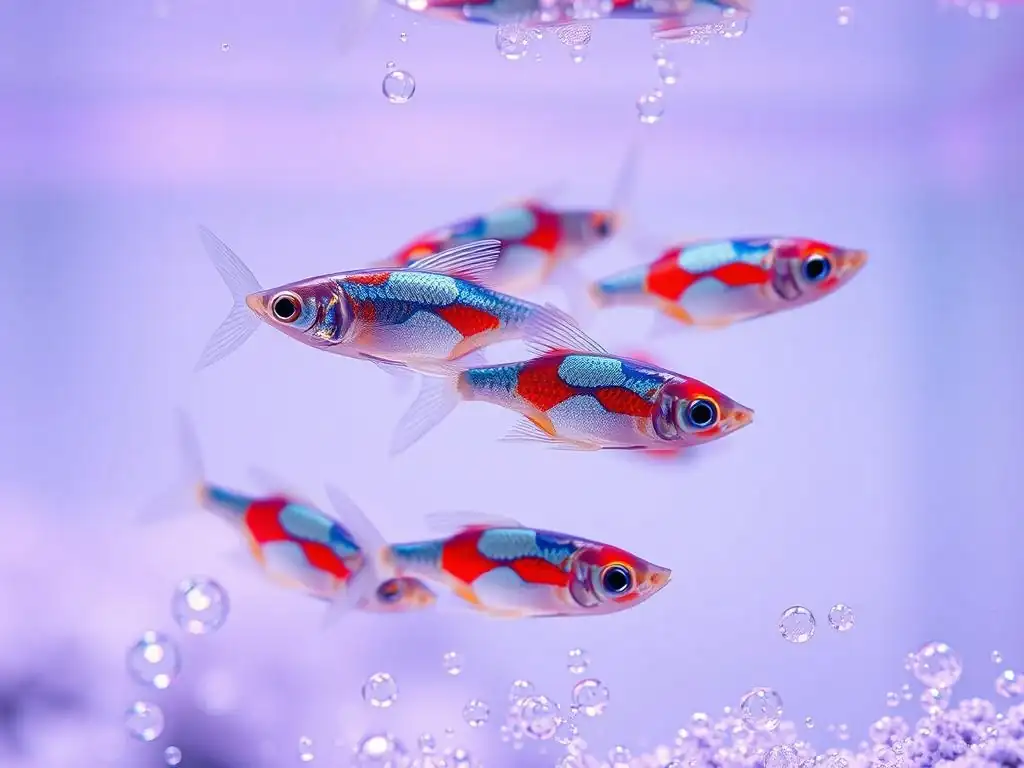
Examining Neon Tetra Fry Behavior for Disease Indicators
Observing the behavior of neon tetra fry is one of the most critical and accessible methods for early neon tetra fry disease diagnosis. Healthy fry typically exhibit active, coordinated swimming, often schooling together or exploring their environment with curiosity. Any deviation from this normal behavior should immediately raise a red flag. For instance, fry that are lethargic, hiding excessively, or hovering listlessly at the surface or bottom may be experiencing illness.
Specific behavioral cues to watch for include:
- Erratic Swimming: Jerky, uncoordinated movements, spiraling, or darting uncontrollably can indicate neurological issues, severe parasitic load, or swim bladder problems.
- Clamped Fins: Fins held tight against the body, rather than fanned out, often suggest stress, discomfort, or the early stages of a systemic infection.
- Rapid Gill Movement: Increased respiration rate, even when resting, can point to gill damage from parasites, bacterial infections, or poor water quality (e.g., high ammonia/nitrite).
- Flashing/Rubbing: Repeatedly scratching or rubbing their bodies against tank decorations or the substrate is a classic sign of external parasites like Ich or Chilodonella.
- Loss of Appetite: Refusal to eat or spitting out food is a strong indicator of internal discomfort or advanced disease. Healthy fry are typically voracious eaters.
Water Quality Testing for Neon Tetra Fry Disease Prevention
Maintaining pristine water quality is paramount for neon tetra fry health and serves as a primary defense against disease. Regular and precise water quality testing is not just a preventive measure but also an essential tool for neon tetra fry disease diagnosis, as poor parameters often directly cause or exacerbate illnesses. Key parameters to monitor include ammonia, nitrite, nitrate, pH, and temperature. For neon tetra fry, ammonia and nitrite should always be at 0 ppm, as even trace amounts are highly toxic and can cause severe gill damage and compromise immunity.
Nitrate levels should be kept as low as possible, ideally below 10 ppm, through frequent small water changes, as high nitrates contribute to chronic stress and weaken the immune system. The pH should be stable, ideally between 6.0 and 7.0, mimicking their natural soft, acidic water habitats, as fluctuations can cause osmotic stress. Temperature should be consistently maintained within their optimal range of 75-80°F (24-26.7°C), as deviations cause stress and can accelerate disease progression. Testing should be done daily or every other day, especially during the first few weeks of life, using reliable liquid test kits for accurate readings.
Step-by-Step Guide to Diagnosing Specific Neon Tetra Fry Ailments
Diagnosing Neon Tetra Disease (NTD) in Fry: A Practical Approach
Diagnosing Neon Tetra Disease (NTD) in fry requires meticulous observation, as early signs are subtle. Begin by observing the fry's schooling behavior; affected individuals may isolate themselves or struggle to keep up. Look for the hallmark symptom: a progressive loss of the iridescent blue and red coloration, particularly in the lateral stripe, which may appear faded or patchy. This fading often starts near the head and moves towards the tail, giving the fry a duller appearance compared to healthy siblings.
Next, examine their posture and swimming. Fry with NTD may develop a hunched back or swim with a jerky, uncoordinated motion due to muscle degeneration. While less common in fry, inspect for any visible cysts or lumps under the skin, though these are typically microscopic. Since NTD is incurable and highly contagious, if these specific symptoms are present in multiple fry and other common diseases have been ruled out, assume NTD. Immediately isolate or humanely euthanize affected individuals to prevent further spread within the brood.
Identifying False Neon Disease (Columnaris) in Fry: Visual and Behavioral Clues
Identifying False Neon Disease (Columnaris) in neon tetra fry requires distinguishing it from fungal infections and NTD. The primary visual clue is the rapid appearance of distinct white or grayish, often somewhat fibrous, patches or lesions. These most commonly appear around the mouth, resembling a "cotton mouth" appearance, or on the gills, fins, and body. Unlike fungal growths, which are typically more diffuse and cottony, Columnaris lesions can have a more defined, often saddle-like shape, or appear as a firm, white film.
Behaviorally, fry with Columnaris will often show rapid, labored breathing due to gill damage, lethargy, and clamped fins. They may also lose their appetite quickly. The progression of Columnaris is extremely fast in fry, often leading to death within 24-72 hours. If you observe rapid onset of white, firm-looking patches, especially around the mouth or gills, coupled with acute respiratory distress, it strongly indicates Columnaris. Immediate treatment with appropriate antibiotics is crucial for any chance of survival.
Identifying Ichthyophthirius (Ich) in Neon Tetra Fry: Visual and Behavioral Clues
Identifying Ichthyophthirius (Ich) in neon tetra fry primarily involves a careful visual inspection for characteristic white spots, though their tiny size makes this challenging. The spots typically appear as small, distinct white dots, resembling grains of salt, scattered across the body, fins, and sometimes gills. In fry, these may initially look like a general dusting rather than prominent individual spots. Use a magnifying glass if necessary for a clearer view.
Behavioral cues are often the first reliable indicators in fry. Observe for consistent "flashing" – where fry rapidly rub or scratch their bodies against the substrate, decorations, or tank walls in an attempt to dislodge the irritating parasites. Increased respiration (rapid gill movements), lethargy, and clamped fins are also common. If these behavioral signs are present and you can visually confirm even a few tiny white spots, it is highly probable that Ich is present. Remember that Ich is only treatable during its free-swimming stage, so prompt neon tetra fry disease diagnosis is essential.
Diagnosing Fungal Infections in Neon Tetra Fry: Identifying Fungal Growth
Diagnosing fungal infections in neon tetra fry relies heavily on the visual identification of their distinctive growth pattern. Fungal infections, primarily Saprolegnia or Achlya, manifest as white, fuzzy, cotton-like growths on the body, fins, or eyes. These growths tend to be soft, filamentous, and spread outwards, often appearing as a patch of mold. Unlike bacterial Columnaris, which can be more structured and adhere firmly, fungal growths often look like actual cotton wool.
Fungal infections usually occur secondary to injury, stress, or poor water quality. Therefore, look for any signs of physical damage or fin nipping that might precede the fungal growth. Affected fry will typically become lethargic, lose their appetite, and may struggle to swim if the growth impedes their fins. If you observe soft, white, fuzzy patches that resemble mold, especially if they are growing on damaged tissue, a fungal infection is the likely diagnosis. Immediate treatment with an antifungal medication is advised.
Diagnosing Bacterial Infections in Neon Tetra Fry: Recognizing Specific Symptoms
Diagnosing bacterial infections in neon tetra fry requires recognizing a range of specific symptoms that can vary depending on the type of bacteria and the affected area. Look for signs such as frayed or dissolving fins (fin rot), which indicates a bacterial attack on fin tissue. Ulcers or open sores on the body, which may appear as red or raw patches, are also strong indicators. Cloudy eyes, often with a milky film, can point to an internal or external bacterial infection.
Other common symptoms include red streaking on the body, which signifies internal hemorrhaging or septicemia (blood poisoning), and general listlessness or loss of appetite. In some cases, though harder to discern in tiny fry, a bloated appearance with scales protruding (dropsy) can indicate an internal bacterial infection causing fluid retention. If multiple fry exhibit a combination of these symptoms, particularly fin rot, body sores, or lethargy without external white spots, a bacterial infection is highly probable, necessitating treatment with appropriate antibiotics.
Diagnosing Swim Bladder Disorder in Neon Tetra Fry: Identifying Imbalance
Diagnosing swim bladder disorder in neon tetra fry is primarily based on observing their inability to maintain proper buoyancy and their unusual swimming patterns. The most obvious symptom is a persistent inability to swim upright; affected fry may consistently float upside down, sideways, or struggle to rise from the bottom of the tank. They might attempt to swim normally but immediately flip back to an abnormal orientation.
Observe their efforts to move. Fry with swim bladder issues often swim with difficulty, appearing to struggle or swim in circles, sometimes with a noticeable wobble. Their belly region might appear slightly distended or bloated, although this can be subtle in very young fry. If you notice fry consistently exhibiting these signs of imbalance, especially in the absence of external parasites or clear signs of bacterial/fungal infections, a swim bladder disorder is the likely cause. Consider environmental factors like water quality and feeding habits as potential culprits.
Identifying Parasitic Infestations in Neon Tetra Fry: Detecting External Parasites
Identifying parasitic infestations in neon tetra fry, beyond Ich, involves looking for specific signs of external irritation and physical changes. Common external parasites like Chilodonella or Costia cause excessive slime coat production, which can make the fry appear cloudy or have a grayish-blue film over their bodies. This film is the fish's natural defense mechanism against the irritants. Observe for persistent flashing or rubbing against surfaces, as the parasites cause intense itching.
Further signs include rapid gill movements, as these parasites can irritate and damage gill tissue, leading to respiratory distress. Affected fry may also become lethargic, isolated, and lose their appetite. While individual parasites are often microscopic and not visible to the naked eye, the collective irritation they cause leads to these observable symptoms. If you see behavioral signs of irritation and a general cloudy appearance without distinct white spots (like Ich) or fuzzy growths (like fungus), suspect a different external parasitic infestation and consider a broad-spectrum antiparasitic treatment.
Differentiating Between Neon Tetra Fry Diseases: A Diagnostic Chart
Comparing Symptoms of Common Neon Tetra Fry Diseases
Accurate neon tetra fry disease diagnosis often hinges on comparing and contrasting subtle symptoms across different ailments. While some signs, like lethargy, are common to many diseases, specific combinations and appearances are unique. For instance, the distinct "salt grain" spots are indicative of Ich, whereas fuzzy, cotton-like growths point to fungal infections. Rapidly progressing white lesions around the mouth strongly suggest Columnaris, while a gradual loss of color with a hunched back is characteristic of NTD.
| Symptom / Disease | Neon Tetra Disease (NTD) | False Neon Disease (Columnaris) | Ichthyophthirius (Ich) | Fungal Infections | Bacterial Infections | Swim Bladder Disorder | Other Parasites (e.g., Chilodonella) |
|---|---|---|---|---|---|---|---|
| Coloration | Fading iridescent blue/red, dullness | Normal or dull overall | Normal or dull overall | Normal or dull overall | Normal or dull overall | Normal or dull overall | Cloudy/grayish film on body |
| External Marks | Possible internal cysts (rarely visible) | White/grayish lesions (mouth, gills, body) | Pinpoint white spots (salt-like) | White, fuzzy, cotton-like growths | Fin rot, sores, red streaks, cloudy eyes | None specific, possibly bloated belly | Cloudy film, excessive slime coat |
| Swimming | Hunched, jerky, uncoordinated | Lethargic, clamped fins | Flashing, lethargic, clamped fins | Lethargic, difficulty swimming | Lethargic, clamped fins, erratic if severe | Upside down, sideways, sinking, struggling | Flashing, lethargic, clamped fins |
| Breathing | Normal or labored | Rapid, labored | Rapid, labored | Normal or slightly labored | Normal or labored | Normal | Rapid, labored |
| Appetite | Reduced/Lost | Reduced/Lost | Reduced/Lost | Reduced/Lost | Reduced/Lost | Reduced/Lost | Reduced/Lost |
| Progression | Slow/Chronic (fatal) | Rapid (fatal in days) | Moderate (fatal if untreated) | Moderate (fatal if untreated) | Variable (can be rapid) | Variable, can be chronic | Moderate (fatal if untreated) |
Using a Diagnostic Key for Accurate Identification
Employing a diagnostic key, even a mental one, significantly streamlines the neon tetra fry disease diagnosis process. Start by identifying the most prominent and unique symptom. For example, if white spots are present, Ich is the primary suspect. If there are fuzzy growths, consider fungus. If there are firm white lesions, especially around the mouth, Columnaris is likely. Then, use secondary symptoms and behavioral cues to confirm or rule out other possibilities.
A useful thought process for neon tetra fry disease diagnosis:
- Is there anything visibly on the fry?
- If tiny white spots (like salt): Think Ich. Confirm with flashing behavior and rapid breathing.
- If fuzzy, cotton-like growths: Think Fungal Infection. Confirm with location (often on wounds) and softness.
- If firm white/gray lesions (especially mouth/gills): Think Columnaris. Confirm with rapid progression and severe lethargy.
- If red streaks, sores, fin rot: Think Bacterial Infection. Confirm with general malaise and poor water quality.
- If cloudy film/excessive slime coat without spots: Think Chilodonella or other external parasites. Confirm with flashing.
- Is the fry having trouble swimming without visible external marks?
- If swimming upside down/sideways, struggling with buoyancy: Think Swim Bladder Disorder. Check for bloated belly.
- If hunched back, fading color, jerky swimming: Think Neon Tetra Disease (NTD). This is highly specific.
- Are symptoms generalized (lethargy, clamped fins) without specific external signs?
- Consider poor water quality as the primary stressor, leading to opportunistic infections. Re-test all parameters.
- If specific behaviors like flashing are present, revisit external parasites.
This systematic approach helps narrow down possibilities and leads to a more accurate neon tetra fry disease diagnosis, enabling targeted and effective treatment.
Preventing Neon Tetra Fry Diseases: Proactive Measures for a Healthy Brood
Maintaining Optimal Water Quality for Neon Tetra Fry
Maintaining optimal water quality is the single most critical factor in preventing neon tetra fry diseases. Fry are incredibly sensitive to even slight fluctuations or accumulations of toxins. Ammonia and nitrite must remain at absolute zero (0 ppm) at all times, as their delicate gills are highly susceptible to damage from these compounds. Nitrate levels should be kept below 10 ppm, ideally even lower, as chronic exposure to nitrates stresses the immune system, making fry more vulnerable to opportunistic pathogens.
To achieve this, implement frequent small water changes, typically 10-20% daily or every other day, using dechlorinated water that matches the tank's temperature and pH. Avoid large, infrequent water changes, which can cause shock. Utilize gentle filtration (e.g., sponge filters) that won't harm fry and provides biological filtration. Regularly test water parameters using reliable liquid test kits. Consistent water quality reduces stress, strengthens the fry's developing immune systems, and minimizes the opportunities for diseases to take hold.
Proper Neon Tetra Fry Nutrition and Feeding Practices
Proper nutrition and feeding practices are fundamental to building strong immune systems in neon tetra fry, thereby preventing diseases. Fry require highly nutritious, easily digestible food several times a day due to their rapid growth and high metabolism. Initially, infusoria or specialized liquid fry food is essential for the first few days. As they grow, transition to newly hatched brine shrimp (Artemia nauplii), microworms, and finely crushed high-quality flake food.
Feeding should occur 3-5 times daily in small amounts that can be consumed within 5-10 minutes. Overfeeding can quickly foul the water, leading to ammonia spikes and bacterial blooms, which are primary triggers for neon tetra fry diseases. Underfeeding, conversely, leads to malnutrition, stunted growth, and weakened immunity. A varied diet ensures they receive all necessary vitamins and minerals, promoting robust health and resilience against common ailments.
Quarantine Protocols for New Neon Tetra Fry
While the article focuses on diseases of fry, preventing introduction to fry is crucial. The concept of quarantine, though typically applied to new adult fish, is equally vital for any new additions to a breeding setup or even for transitioning fry. If you are introducing new breeding stock or any live food cultures, they should undergo a strict quarantine period in a separate tank for at least 2-4 weeks. This allows any latent diseases to manifest without exposing your vulnerable fry.
During quarantine, observe the new additions closely for any signs of illness, such as unusual swimming, spots, lesions, or changes in appetite. Treat any suspected diseases in the quarantine tank before introducing them to the main breeding or grow-out tanks. This proactive measure significantly reduces the risk of introducing pathogens like Ich, Columnaris, or even the devastating NTD, which can decimate an entire brood of neon tetra fry, making proper neon tetra fry disease diagnosis a less frequent necessity.
Treatment Options for Common Neon Tetra Fry Diseases
Treating False Neon Disease (Columnaris) in Fry: Effective Medications
Treating False Neon Disease (Columnaris) in neon tetra fry requires swift action due to its rapid progression. Effective medications typically include antibiotics designed to combat gram-negative bacteria. Common choices include Furan-2 (nitrofurazone) or Kanaplex (kanamycin). A combination of these, often referred to as "Furan-2 + Kanaplex," can be highly effective against resistant strains. Dosage must be carefully adjusted for fry, often at half the recommended adult dose, and administered according to product instructions.
In addition to medication, improving water quality is paramount. Perform a significant water change (50-70%) before treatment to reduce bacterial load and environmental stressors. Increase aeration in the tank, as Columnaris often affects gills, impairing oxygen uptake. Maintaining stable temperatures within the optimal range (around 78-80°F or 25.5-26.7°C) helps support the fry's immune system. Early neon tetra fry disease diagnosis and immediate treatment provide the best chance of survival against this aggressive bacterial infection.
Treating Ichthyophthirius (Ich) in Neon Tetra Fry: Medication and Water Changes
Treating Ichthyophthirius (Ich) in neon tetra fry involves a combination of medication and environmental adjustments. The most common and effective medications for Ich are malachite green-based treatments (e.g., API Super Ick Cure) or formaldehyde-based treatments (e.g., Seachem Paraguard). These medications target the free-swimming stage of the parasite. Dosage for fry should be carefully considered, often starting at a reduced concentration (e.g., half strength) to avoid overwhelming their delicate systems. Always follow product instructions precisely.
Concurrently, gradually raising the water temperature to 82-84°F (28-29°C) can accelerate the Ich life cycle, causing the parasites to drop off the fish and become vulnerable to medication more quickly. However, ensure this temperature increase is gradual and doesn't stress the fry. Daily partial water changes (25-50%) are crucial during treatment to remove free-swswimming parasites and reduce the concentration of medication. Continue treatment for at least 7-10 days, even if symptoms disappear, to ensure all stages of the parasite are eradicated, preventing recurrence.
Treating Fungal Infections in Neon Tetra Fry: Antifungal Treatments
Treating fungal infections in neon tetra fry primarily involves the use of antifungal medications and addressing any underlying causes like poor water quality or injuries. Common antifungal treatments include API Fungus Cure (methylene blue and malachite green) or Seachem Paraguard. Methylene blue is particularly gentle and effective for fry. Dosage should be carefully calculated, often at a reduced strength for young fish, as prescribed by the product.
Before starting treatment, perform a significant water change (50%) to remove any decaying organic matter that might be contributing to the fungal growth. Ensure good aeration in the tank. If possible, identify and rectify any sources of stress or injury, such as aggressive tank mates (if applicable) or sharp decorations. Treatment typically lasts 3-7 days, or until the fungal growth completely disappears. Persistent attention to water quality and nutrition after treatment helps prevent recurrence.
Treating Bacterial Infections in Neon Tetra Fry: Antibiotic Options
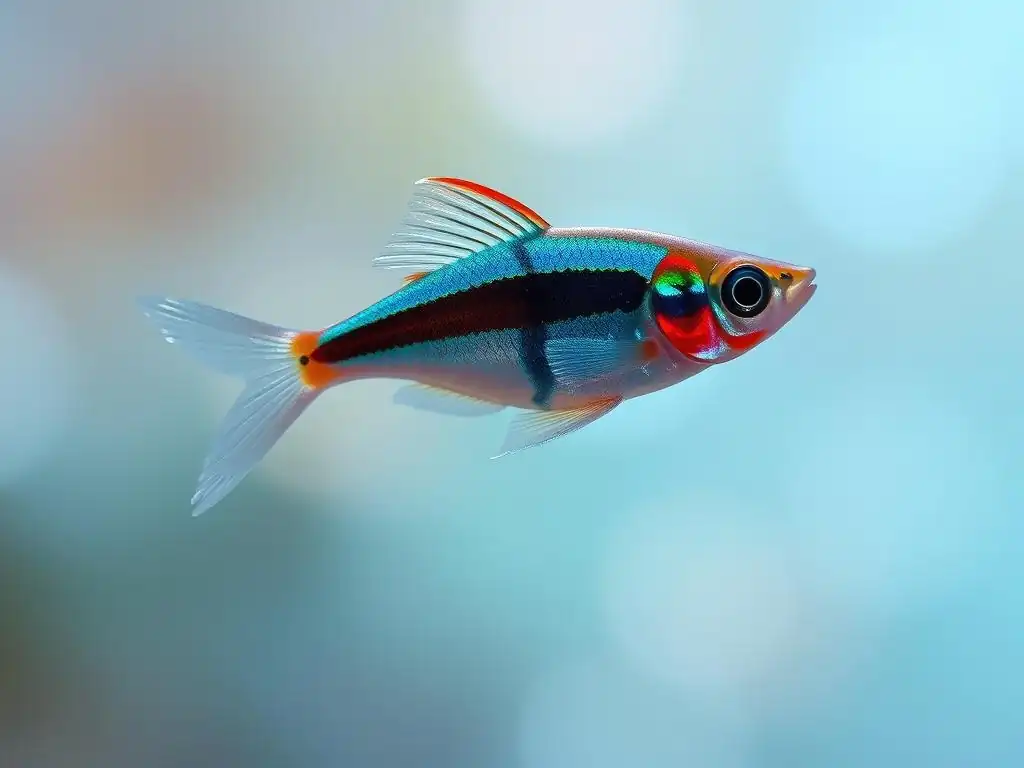
Treating bacterial infections in neon tetra fry requires the use of appropriate antibiotics, often broad-spectrum types, given the difficulty of culturing and identifying specific bacterial strains in a home aquarium. Effective antibiotics include Kanaplex (kanamycin), Furan-2 (nitrofurazone), or Maracyn (erythromycin). For systemic infections like dropsy or red streaks, food-soaked antibiotics are ideal, but for fry, water-soluble options are more practical. Dosage must be precise and often reduced for fry, so strict adherence to product guidelines is essential.
Before administering medication, perform a large water change (50-70%) to reduce the bacterial load and improve environmental conditions. Increase aeration to support compromised fry. If fin rot is present, ensure water flow is gentle to avoid further stress. Treatment courses typically last 5-10 days. It's crucial to complete the full course of antibiotics, even if symptoms improve, to prevent the development of antibiotic-resistant strains. Consistent water quality and observation after treatment are vital for full recovery and preventing relapse.
Treating Swim Bladder Disorder in Neon Tetra Fry: Addressing the Root Cause
Treating swim bladder disorder in neon tetra fry primarily focuses on addressing the underlying cause rather than a direct "cure" for the symptom itself. If the disorder is suspected to be caused by digestive issues (e.g., constipation from overfeeding or inappropriate food), cease feeding for 24 hours, then offer a very small amount of blanched, deshelled pea, which acts as a gentle laxative. This is challenging with fry, so extreme caution is advised.
If water quality is a suspected cause (e.g., high nitrates, ammonia, or pH fluctuations), perform immediate small, frequent water changes to stabilize parameters. Ensure stable temperature. For suspected bacterial causes, a broad-spectrum antibiotic might be considered, but only if other bacterial symptoms are present. In many fry cases, swim bladder disorder can be irreversible if damage is severe. Providing a shallow water level can sometimes help affected fry access food and air more easily while they recover.
Treating Parasitic Infestations in Neon Tetra Fry: Antiparasitic Medications
Treating parasitic infestations in neon tetra fry, beyond Ich, involves specific antiparasitic medications tailored to the suspected parasite. For external parasites like Chilodonella or Costia, medications containing active ingredients such as methylene blue, malachite green, or acriflavine (e.g., Seachem Paraguard, Kordon Rid-Ich Plus) are often effective. These compounds target protozoan parasites. Dosage for fry should always be reduced and carefully monitored.
For suspected internal parasites (though rare and harder to diagnose in fry), medications like fenbendazole or metronidazole might be considered, often in food if possible, but this is very difficult for fry. Always perform a significant water change before starting any antiparasitic treatment to reduce the parasite load and improve water quality. Ensure good aeration. Continue treatment for the recommended duration, often 3-7 days, to ensure all stages of the parasite are eradicated. Consistent vigilance regarding water parameters and avoiding introduction of new pathogens are key to preventing recurrence.
Advanced Techniques for Neon Tetra Fry Disease Management
Understanding the Role of Beneficial Bacteria in Neon Tetra Fry Health
Understanding the role of beneficial bacteria is paramount in advanced neon tetra fry disease management. A healthy biological filter, comprised of nitrifying bacteria ( Nitrosomonas and Nitrobacter), is essential for converting toxic ammonia and nitrite into less harmful nitrate. In a fry tank, where frequent feeding and high bioload are common, a robust biofilter prevents the accumulation of these toxins, which are major stressors and direct causes of disease in delicate fry.
Beyond nitrification, beneficial bacteria can also include probiotic strains that colonize the fry's gut, aiding digestion and potentially inhibiting the growth of pathogenic bacteria. Some aquarists use commercial bacterial supplements to boost the biological filter or introduce beneficial gut flora. Maintaining stable water parameters (pH, temperature) is crucial for the optimal functioning of these bacteria. A well-cycled and mature filter in a fry tank acts as a critical line of defense, significantly reducing the likelihood of bacterial outbreaks and other stress-induced diseases.
Implementing a Neon Tetra Fry Disease Prevention Plan
Implementing a comprehensive neon tetra fry disease prevention plan is the most effective approach to ensuring the health and survival of your brood. This plan should integrate daily proactive measures rather than reactive treatments. It begins with meticulous tank hygiene, including daily siphoning of uneaten food and detritus, and frequent small water changes (e.g., 10-20% daily) to maintain pristine water parameters (0 ppm ammonia/nitrite, <10 ppm nitrate).
The plan also involves feeding high-quality, appropriate foods in small, frequent amounts to prevent overfeeding and ensure optimal nutrition. Strict quarantine protocols for all new additions, including live foods, are non-negotiable to prevent pathogen introduction. Regular visual inspection of fry for the earliest signs of distress or subtle physical changes allows for timely neon tetra fry disease diagnosis and intervention. By minimizing stressors and maximizing environmental quality, you create a robust, disease-resistant environment for your neon tetra fry to thrive.
Conclusion: Ensuring the Health and Survival of Your Neon Tetra Fry
Frequently Asked Questions
What are the most common symptoms of disease in Tetra fry?
Common symptoms include erratic swimming, white or cloudy patches, and loss of appetite. These can quickly lead to mortality in vulnerable fry.
How can I distinguish between different diseases affecting Tetra fry?
Careful observation is crucial. Look for specific symptoms like Ich (white spots), Columnaris (cotton-like growth), or dropsy (bloating), then consult our disease guide.
What water parameters are crucial for preventing Tetra fry diseases?
Maintaining stable water parameters is vital. This includes keeping ammonia and nitrite at zero, and nitrate levels low through regular water changes.
What is the best way to quarantine sick Tetra fry to prevent the spread of disease?
Isolate affected fry in a separate quarantine tank with similar water parameters. This prevents cross-contamination and allows for targeted treatment.
What treatment options are available for common Tetra fry diseases?
Treatment depends on the specific disease. Options include medicated treatments, salt baths, and improving water quality. Always follow dosage instructions carefully.
Final Reflection: Nurturing the Future of Our Aquariums
The intricate world of aquarium keeping, particularly the delicate stage of raising tetra fry, demands constant vigilance and a proactive approach to disease prevention. Understanding the nuances of tetra fry disease diagnosis is not merely a technical skill, but a vital responsibility for ensuring the health and longevity of these vibrant creatures. The knowledge shared within this guide serves as a crucial tool, empowering aquarists to navigate the challenges of early fish development and contribute to a thriving aquatic ecosystem.
This journey into the microscopic realm of tetra fry health has profoundly impacted my perspective on the interconnectedness of life within our aquariums. The fragility of these tiny beings underscores the importance of responsible aquarium management and the ethical considerations that come with caring for living creatures. As we strive to create thriving aquatic environments, we must remember the words of Jacques Cousteau: The sea, once it casts its spell, holds one in its net of wonder forever.
This wonder compels us to protect and nurture the life within our tanks.
Now, equipped with the knowledge to diagnose and address common tetra fry diseases, I urge you to reflect on your own role in the aquarium ecosystem. Consider how you can apply these insights to create a healthier, more sustainable environment for your tetra fry. Let us all commit to continuous learning and responsible practices, ensuring that the future generations of these captivating fish flourish under our care.
Cultivate Thriving Tetra Fry: Nurture Your Aquarium Dream!
Thank you for diving deep into the world of tetra fry health! Now that you're equipped with the knowledge to diagnose and combat common diseases, let's turn that insight into action and create a flourishing aquatic environment. Ready to watch your tiny tetras thrive?
- Implement a disease prevention plan today, based on what you've learned, starting with a thorough water quality check and adjustment in your tetra fry tank.
- Share this guide with fellow aquarium enthusiasts to help build a healthier online community for aquatic life.
- Consider creating a visual log - a photo diary - of your fry's development to help you spot early signs of illness in the future!
What specific water parameter are you prioritizing to ensure your tetra fry flourish this week?