
Why Pearl Gouramis Are a Top Choice for Planted Community Tanks

Welcome to Aquarium Mastery!
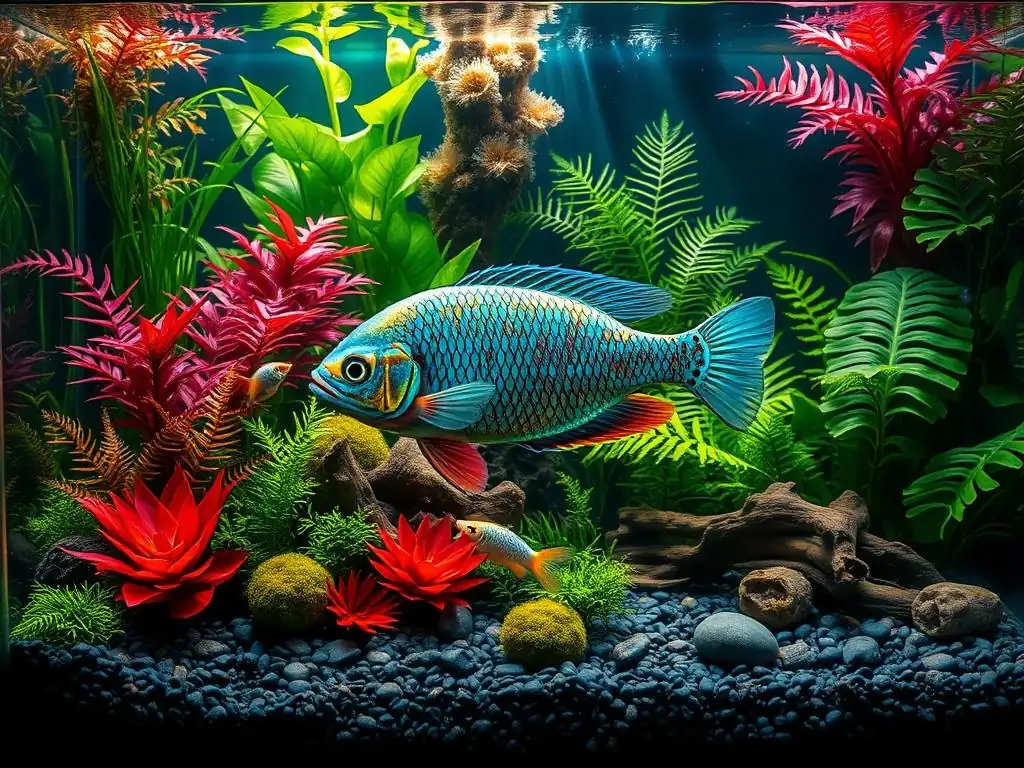
Ever dreamt of a serene, thriving planted aquarium, shimmering with life? Dive in and discover why the Pearl Gourami is often hailed as the jewel of the freshwater world, especially for planted community tanks. Could this graceful fish be the missing piece in your aquatic masterpiece? Explore further to unlock the secrets to a harmonious and beautiful aquarium!
- Pearl Gouramis: An Ideal Choice for Planted Community Aquariums
- Introduction: Selecting the Right Fish for Your Planted Aquarium
- Understanding Pearl Gouramis: A Profile
- The Perfect Match: Pearl Gouramis and Planted Tanks
- Pearl Gourami Tank Mates: Building a Peaceful Community
- Feeding Pearl Gouramis in a Planted Community Tank
- Maintaining a Healthy Planted Tank with Pearl Gouramis
- Troubleshooting Common Issues
- Pearl Gourami Breeding in a Planted Community Aquarium
- Conclusion: Enjoying Pearl Gouramis in Your Planted Tank.
-
Frequently Asked Questions
- Why are Pearl Gouramis considered a good choice for a planted community tank?
- What are the ideal water parameters for keeping Pearl Gouramis in a planted tank?
- What types of plants are best suited for a Pearl Gourami planted community tank?
- What tank size is recommended for a Pearl Gourami planted community tank?
- What are some common tank mates that are compatible with Pearl Gouramis in a planted community tank?
- Final Reflection: The Enduring Harmony of Pearl Gouramis and Planted Aquariums
- Ignite Your Aquarium Journey!
Pearl Gouramis: An Ideal Choice for Planted Community Aquariums
Introduction: Selecting the Right Fish for Your Planted Aquarium
Creating a vibrant and thriving planted aquarium is a rewarding endeavor for any aquarist. The lush greenery not only enhances the aesthetic appeal of the tank but also contributes significantly to the overall health and stability of the aquatic environment. However, the success of a planted tank hinges on selecting fish species that not only complement the botanical landscape but also thrive within its specific parameters.
Choosing the right inhabitants is crucial to prevent damage to delicate plants, maintain water quality, and ensure the well-being of all tank residents. Among the myriad of freshwater fish available, the Pearl Gourami stands out as an exceptionally suitable candidate for a planted community tank, offering both visual elegance and a peaceful disposition that harmonizes beautifully with a living aquascape.
Understanding Pearl Gouramis: A Profile
Appearance and Characteristics
Pearl Gouramis, scientifically known as Trichopodus leerii, are renowned for their exquisite beauty, which makes them a jewel in any Pearl gourami planted community tank. Their bodies are adorned with a captivating pattern of iridescent, pearl-like spots that shimmer under proper lighting, resembling a scattering of precious gems. These spots are particularly prominent on a brownish-silver to reddish-brown background, often with a distinct dark lateral line running from snout to tail.
Adult Pearl Gouramis typically reach a size of 4.5 to 5 inches (approximately 11-13 cm), making them a moderately sized fish suitable for a variety of home aquariums. Males are generally more colorful and develop longer, more pointed dorsal fins and elongated anal fins, often displaying a vibrant orange-red coloration on their throat and belly, especially during breeding. Their long, delicate, thread-like pelvic fins, which are modified sensory organs, are constantly in motion, adding to their graceful allure.
Natural Habitat and Behavior
Originating from the slow-moving, densely vegetated blackwater swamps and peat bogs of Southeast Asia, specifically Thailand, Malaysia, Borneo, and Sumatra, Pearl Gouramis are naturally adapted to environments rich in aquatic plants and submerged roots. These habitats are typically characterized by soft, acidic water, often stained brown by tannins from decaying organic matter. This natural preference for heavily planted areas explains why they thrive so well in a planted community tank.
In their natural environment, Pearl Gouramis are shy and peaceful fish, spending much of their time navigating through dense vegetation, seeking shelter, and foraging for small insects and plant matter. As members of the Anabantidae family, they possess a labyrinth organ, which allows them to breathe atmospheric air directly from the surface, an adaptation crucial for survival in oxygen-poor waters.
This unique ability means they will periodically rise to the surface for a gulp of air, a fascinating behavior to observe in a Pearl gourami planted community tank. Their calm demeanor and preference for cover make them ideal inhabitants for a well-structured aquascape.
The Perfect Match: Pearl Gouramis and Planted Tanks
Creating a Thriving Ecosystem: The Benefits of a Planted Tank
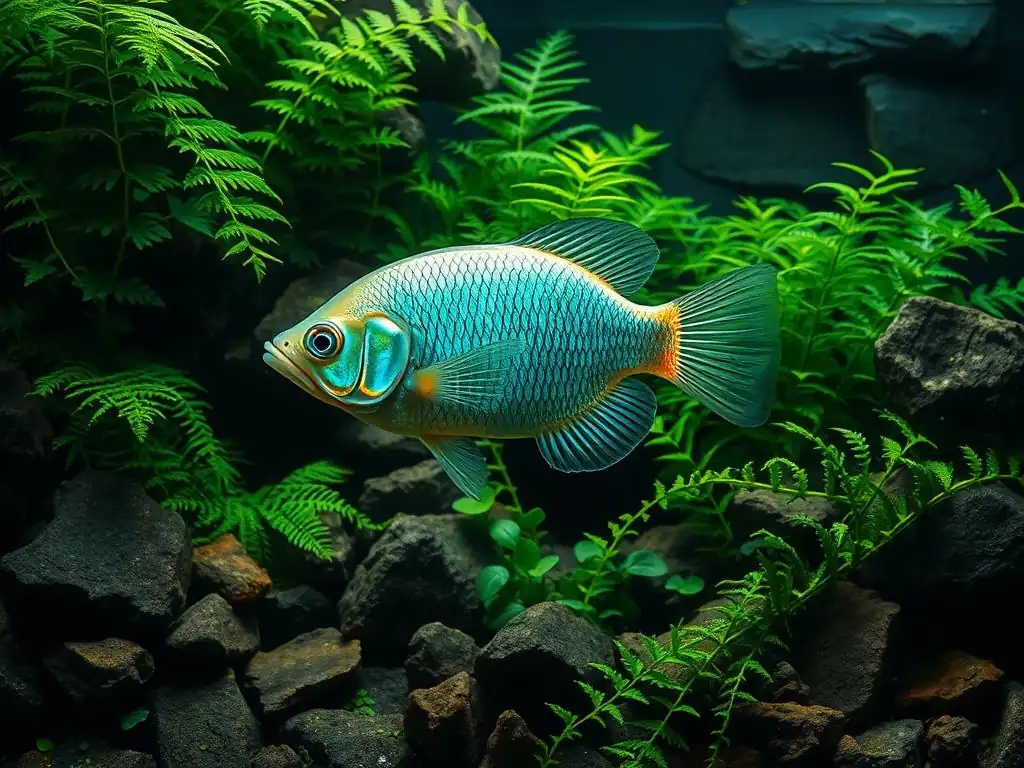
A planted aquarium is far more than just an aesthetic enhancement; it is a dynamic, living ecosystem that offers numerous benefits to its inhabitants, particularly for species like the Pearl Gourami. Live plants actively absorb nitrates and other waste products produced by fish and decaying food, effectively acting as natural biological filters. This process significantly improves water quality by reducing harmful compounds, leading to a healthier and more stable environment for all aquatic life. Furthermore, plants release oxygen through photosynthesis, contributing to better aeration in the tank during daylight hours.
For Pearl Gouramis, a heavily planted tank provides essential shelter and security, mimicking their natural habitat. The dense foliage offers abundant hiding spots, which reduces stress and encourages their natural behaviors, such as exploring and foraging. When fish feel secure, they are more likely to display their full coloration and exhibit their natural social interactions. A lush planted environment also helps to break up lines of sight, minimizing potential aggression among tank mates and ensuring a peaceful Pearl gourami planted community tank.
Water Parameters and Tank Setup
To ensure Pearl Gouramis flourish in a planted community tank, specific water parameters and a thoughtful tank setup are essential. For a pair or small group of Pearl Gouramis, a minimum tank size of 20-30 gallons (approximately 75-115 liters) is recommended, with larger tanks being preferable for a diverse community. The ideal water temperature range is between 75-82°F (24-28°C), and the pH should be maintained in a slightly acidic to neutral range, typically 6.0-7.5.
Water hardness (GH) should be soft to moderately hard, around 5-15 dGH. Stability in these parameters is paramount, as sudden fluctuations can stress these sensitive fish.
Regarding tank setup, a fine gravel or sand substrate is suitable for rooted plants and gentle on the gouramis' delicate barbels. Lighting should be moderate to high, depending on the specific plant species chosen, ensuring sufficient light penetration for plant growth while avoiding excessive algae. Filtration should provide gentle water flow; sponge filters or hang-on-back filters with a baffle are excellent choices to prevent strong currents, which Pearl Gouramis dislike.
Most importantly, the tank should be heavily aquascaped with a variety of live plants, including floating plants (e.g., Dwarf Water Lettuce, Salvinia), stem plants (e.g., Rotala, Ludwigia), and broad-leaf plants (e.g., Anubias, Java Fern). Driftwood and smooth rocks can also be incorporated to provide additional cover and aesthetic appeal, creating an ideal Pearl gourami planted community tank.
Pearl Gourami Tank Mates: Building a Peaceful Community
Compatible Fish Species
Selecting appropriate tank mates is crucial for maintaining a peaceful and thriving Pearl gourami planted community tank. Pearl Gouramis are generally docile and shy, making them excellent companions for other similarly tempered, non-aggressive fish. Ideal tank mates include various species of Tetras, such as Neon Tetras, Cardinal Tetras, and Rummy-nose Tetras, which are schooling fish that occupy the mid-water column and do not bother gouramis. Rasboras, including Harlequin Rasboras and Chili Rasboras, also make excellent choices due to their small size and peaceful nature.
Bottom dwellers like Corydoras catfish (e.g., Bronze Cory, Panda Cory) and Otocinclus catfish are also highly compatible, as they occupy a different part of the tank and are known for their calm demeanor. Peaceful loaches, such as Kuhli Loaches, can also be considered. Even some peaceful dwarf cichlids, like German Blue Rams, can coexist successfully in a sufficiently large and well-planted tank, provided ample hiding spaces are available. The key is to choose species that do not exhibit fin-nipping tendencies and thrive in similar water parameters, ensuring a harmonious Pearl gourami planted community tank.
Incompatible Tank Mates to Avoid
While Pearl Gouramis are generally peaceful, certain fish species should be avoided as tank mates to prevent stress, injury, or even death. Highly aggressive or territorial fish, such as many species of African Cichlids or larger, more boisterous cichlids, are unsuitable as they will bully and intimidate the shy gouramis. Fin-nipping species, like Tiger Barbs or some larger Barbs, are also problematic as they are known to nip at the Pearl Gourami's long, delicate pelvic fins, leading to stress and potential infection.
Large predatory fish, even if initially peaceful, should be avoided as they may view the gouramis as food as they grow. While Pearl Gouramis are generally tolerant, introducing other large gourami species can sometimes lead to territorial disputes, especially if the tank is not adequately sized or lacks sufficient hiding spots.
Very small shrimp, such as young Cherry Shrimp, might also be seen as a food source by larger adult gouramis, so caution is advised if keeping them together. The goal is to create a serene Pearl gourami planted community tank where all inhabitants feel safe and are free from harassment.
Feeding Pearl Gouramis in a Planted Community Tank
Nutritional Needs
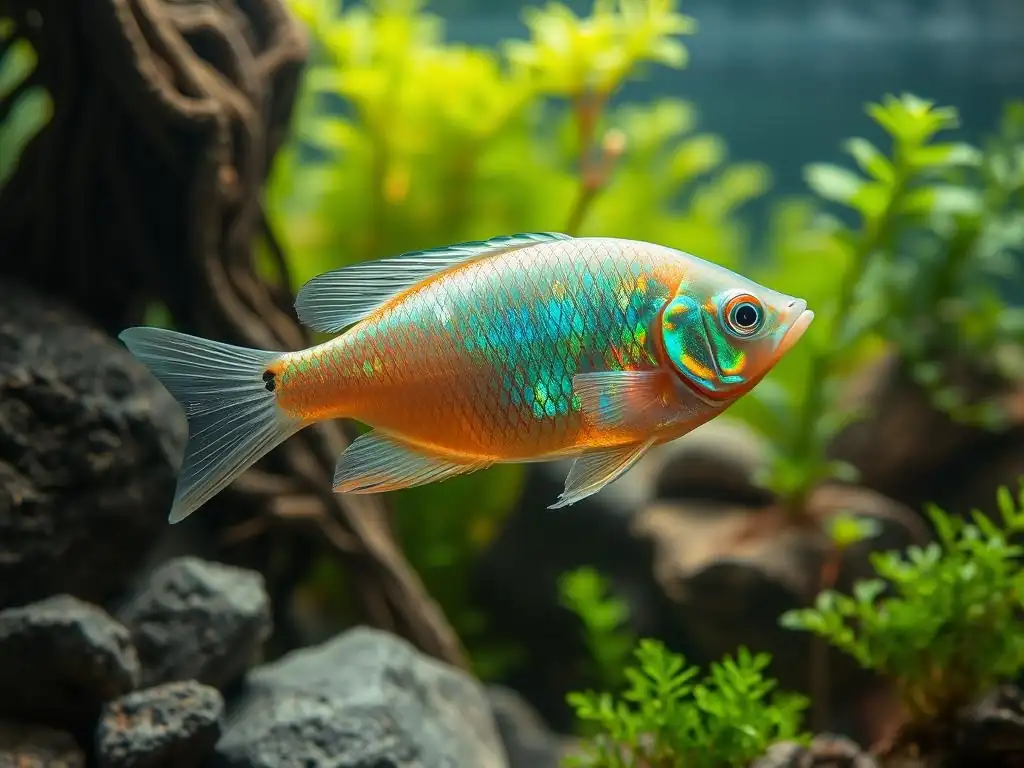
Pearl Gouramis are omnivores with a varied diet in their natural habitat, consisting of small insects, larvae, zooplankton, and some plant matter. To ensure optimal health, vibrant coloration, and longevity in a Pearl gourami planted community tank, their diet should reflect this diversity. High-quality flake foods and small pellets formulated for omnivorous tropical fish should form the staple of their diet. However, these should be supplemented regularly with a variety of protein-rich live or frozen foods.
Excellent protein sources include brine shrimp, daphnia, bloodworms, and mosquito larvae. These not only provide essential nutrients but also stimulate their natural hunting instincts. Vegetable matter is also important; spirulina flakes, blanched spinach, or small pieces of zucchini can be offered occasionally. A well-rounded diet supports their immune system, enhances their iridescent pearl-like spots, and contributes significantly to their overall well-being within the planted environment.
Feeding Strategies
Due to their somewhat shy nature, especially when housed with more assertive tank mates, careful feeding strategies are necessary to ensure Pearl Gouramis receive adequate nutrition in a Pearl gourami planted community tank. It is best to feed small amounts 2-3 times a day rather than one large meal. This approach ensures that food is consumed before it decays and pollutes the water, and it allows the gouramis more opportunities to feed without being outcompeted.
When feeding, observe their behavior to ensure they are getting enough food. If faster-moving or more aggressive fish are present, consider feeding them on one side of the tank and dropping some food on the other side for the gouramis. Because they are surface dwellers that also forage in the mid-water, food that floats for a short period before slowly sinking is ideal.
While they might occasionally graze on soft algae or biofilm in a well-established planted tank, this should not be relied upon as a primary food source. Consistency and variety in their feeding regimen are key to maintaining healthy Pearl Gouramis.
Maintaining a Healthy Planted Tank with Pearl Gouramis
Water Changes and Tank Maintenance
Maintaining excellent water quality is paramount for the health of Pearl Gouramis and the vitality of a Pearl gourami planted community tank. Regular water changes are the cornerstone of this maintenance. A weekly or bi-weekly water change of 20-30% of the tank volume is generally recommended, depending on the bioload and plant density. When performing water changes, use a gravel vacuum to gently siphon detritus from the substrate, being careful not to disturb plant roots excessively.
Filter maintenance is also crucial. Clean filter media regularly, but avoid cleaning all media at once or with tap water, as this can destroy beneficial bacteria colonies. Stagger filter cleaning with water changes to maintain biological filtration. Consistent monitoring of water parameters—including ammonia, nitrite, nitrate, pH, and temperature—using a reliable test kit will provide insights into the tank's health and allow for timely adjustments. A healthy, stable environment significantly reduces stress on Pearl Gouramis, making them less susceptible to disease.
Plant Care and Fertilization
The plants in a Pearl gourami planted community tank require specific care to thrive, which in turn benefits the fish. Regular pruning of stem plants and removal of decaying leaves from all plants are essential to prevent nutrient imbalances and maintain aesthetic appeal. Overgrown plants can block light to others and create dead spots in water flow. For nutrient-hungry plants like Swords, Cryptocorynes, or many stem plants, supplementing with liquid fertilizers or root tabs is often necessary. These provide essential micronutrients (e.g., iron, potassium) that may not be sufficiently available from fish waste alone.
If pursuing a high-tech planted tank with CO2 injection, ensure that CO2 levels are stable and monitored carefully, as fluctuating CO2 can be detrimental to fish health. Proper lighting, tailored to the specific needs of your plant species, is also critical for photosynthesis and robust growth. A balance of light, CO2, and nutrients will foster lush plant growth, which not only looks beautiful but also contributes to the overall stability and well-being of the Pearl gourami planted community tank ecosystem.
Preventing and Treating Common Diseases
Prevention is always better than cure when it comes to fish diseases in a Pearl gourami planted community tank. The most effective preventative measures include quarantining all new fish for 2-4 weeks in a separate tank before introducing them to the main aquarium. This practice helps prevent the introduction of pathogens. Maintaining stable and optimal water parameters, as discussed, is also critical, as poor water quality is a leading cause of stress and disease susceptibility.
Pearl Gouramis are generally hardy but can be susceptible to common freshwater diseases like Ich (white spot disease), Fin Rot, and Dropsy if stressed or kept in poor conditions. Regularly observe your fish for any signs of illness, such as lethargy, clamped fins, unusual spots, frayed fins, or bloating. Early detection allows for more effective treatment.
If a disease is suspected, promptly research the specific treatment for the condition, which may involve medication, increased temperature (for Ich), or improved water quality. Always follow dosage instructions carefully and consider treating in a separate hospital tank to avoid affecting beneficial bacteria or sensitive plants in the main Pearl gourami planted community tank.
Troubleshooting Common Issues
Algae Control
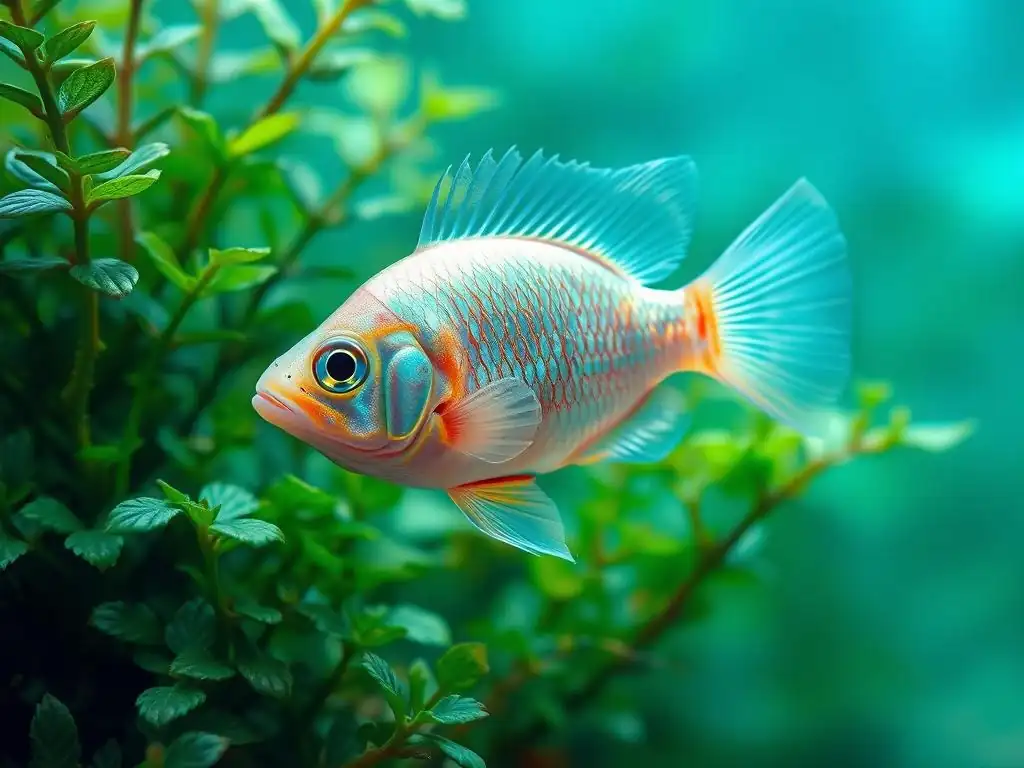
Algae can be a persistent nuisance in a Pearl gourami planted community tank, but it's often an indicator of an imbalance within the ecosystem. Common causes include excessive light duration (more than 8-10 hours daily), nutrient imbalances (too much nitrate or phosphate), or overfeeding. To control algae, first identify the underlying cause. Reducing light intensity or duration can often help. Manually remove visible algae using an algae scraper or by hand.
Introducing algae-eating snails, such as Nerite snails, or specific algae-eating fish like Otocinclus catfish can also be effective biological controls. Ensure that plants are healthy and growing well, as strong plant growth will outcompete algae for available nutrients. Regular water changes and avoiding overfeeding will also significantly reduce the nutrient load that fuels algae growth, helping to maintain a clean and aesthetically pleasing Pearl gourami planted community tank.
Plant Deficiencies and Solutions
Even in a well-maintained Pearl gourami planted community tank, plants can show signs of nutrient deficiencies, which manifest as specific symptoms. For instance, yellowing leaves, especially older ones, often indicate a nitrogen deficiency. Stunted growth or pale new leaves might point to a lack of iron. Holes in leaves or general wilting can suggest a potassium deficiency. Recognizing these signs early is crucial for plant health.
Solutions involve targeted fertilization. Liquid fertilizers are effective for general nutrient supplementation and for plants that absorb nutrients primarily through their leaves. Root tabs, inserted into the substrate near heavy root feeders like swords and crypts, provide localized nutrients. For high-tech setups, ensuring adequate CO2 levels is vital, as carbon is a primary building block for plants. Balancing light, CO2, and macro/micronutrients according to your specific plant needs will resolve most deficiencies and ensure a thriving, lush Pearl gourami planted community tank.
Addressing Aggression or Stress
While Pearl Gouramis are known for their peaceful temperament, instances of aggression or stress can occur in a Pearl gourami planted community tank. Common causes include overcrowding, the presence of incompatible or overly aggressive tank mates, a lack of sufficient hiding spots, or poor water quality. Signs of stress or aggression might include hiding constantly, faded coloration, clamped fins, or nipping at other fish.
To address these issues, first assess the tank's population and compatibility. If tank mates are too aggressive, they may need to be rehomed. Increasing the tank size can alleviate overcrowding and territorial disputes. Adding more dense planting, driftwood, and caves provides additional hiding spots and breaks up lines of sight, which is particularly beneficial for shy fish like Pearl Gouramis. Finally, double-check all water parameters; even slight deviations from optimal conditions can cause significant stress. By creating a spacious, well-planted, and peaceful environment, you can ensure your Pearl Gouramis thrive without undue stress or aggression.
Pearl Gourami Breeding in a Planted Community Aquarium
Creating Breeding Conditions
Breeding Pearl Gouramis in a Pearl gourami planted community tank can be a fascinating and rewarding experience. Sexing them is relatively straightforward: males are typically larger, more colorful, and possess longer, more pointed dorsal and anal fins, often with a vibrant orange-red throat during breeding. To encourage spawning, condition the pair with a high-protein diet, including live or frozen foods like bloodworms and brine shrimp, for several weeks.
Water parameters also play a role; slightly softer, acidic water (pH around 6.5, dGH 5-8) and a slightly elevated temperature of 80-82°F (27-28°C) can stimulate breeding. Crucially, provide ample floating plants, such as Salvinia, Dwarf Water Lettuce, or even broad-leafed plants like Amazon Swords that reach the surface. The male Pearl Gourami will construct an elaborate bubble nest among these plants, meticulously blowing bubbles and incorporating plant debris to stabilize it. Once the nest is ready, he will entice the female to spawn beneath it, with eggs floating up into the nest.
Raising Pearl Gourami Fry
After spawning, the male Pearl Gourami will diligently guard the eggs and newly hatched fry, often becoming quite protective. It is generally recommended to remove the female after spawning, as the male may become aggressive towards her while guarding the nest. The eggs typically hatch within 24-36 hours, and the fry become free-swimming within 3-5 days. At this point, it's advisable to remove the male as well, to prevent him from potentially eating the fry, although some males are excellent parents.
Raising Pearl Gourami fry requires specific attention to their diet and water quality. For the first few days, the fry are incredibly tiny and will require infusoria or specialized liquid fry food. As they grow, typically after about a week, they can be transitioned to newly hatched brine shrimp nauplii, which are an excellent source of protein and essential for rapid growth.
Small, frequent water changes (5-10% daily) are crucial for fry development, as they are highly sensitive to water quality fluctuations. A well-maintained Pearl gourami planted community tank with fine-leafed plants can also provide microfauna for the fry to graze on.
Conclusion: Enjoying Pearl Gouramis in Your Planted Tank.
The Pearl Gourami stands out as an exceptional choice for any planted community tank, offering a unique blend of striking beauty, peaceful temperament, and fascinating natural behaviors. Their adaptability to densely vegetated environments makes them perfectly suited to the intricate ecosystems of planted aquariums, where they thrive amidst the lush foliage, benefiting from the natural filtration and shelter provided by live plants.
By understanding their specific needs regarding water parameters, diet, and compatible tank mates, aquarists can create a harmonious and visually stunning Pearl gourami planted community tank. The tranquil movements of these iridescent fish, combined with the vibrant greens of a thriving aquascape, provide a captivating display that can bring immense joy and a sense of calm to any space. Embracing Pearl Gouramis in your planted tank is not just about keeping fish; it's about cultivating a miniature aquatic paradise that truly reflects the beauty and balance of nature.
Frequently Asked Questions
Why are Pearl Gouramis considered a good choice for a planted community tank?
Pearl Gouramis are known for their peaceful temperament and their ability to coexist with other small, non-aggressive fish. They also appreciate the cover and security that plants provide, making them well-suited for planted aquariums.
What are the ideal water parameters for keeping Pearl Gouramis in a planted tank?
Pearl Gouramis thrive in water with a pH between 6.0 and 7.5, a temperature of 77-82°F (25-28°C), and soft to moderately hard water. Consistent water parameters are crucial for their health and well-being.
What types of plants are best suited for a Pearl Gourami planted community tank?
Pearl Gouramis appreciate dense vegetation such as Java Fern, Anubias, and Amazon Swords. These plants offer hiding places and help to diffuse light, creating a comfortable environment.
What tank size is recommended for a Pearl Gourami planted community tank?
A minimum of a 20-gallon tank is recommended for a single Pearl Gourami, but a 30-gallon or larger tank is preferable, especially for a community tank with other fish. This allows for adequate swimming space and plant growth.
What are some common tank mates that are compatible with Pearl Gouramis in a planted community tank?
Good tank mates include small tetras (like Cardinal Tetras or Ember Tetras), Corydoras catfish, and peaceful rasboras. Avoid keeping them with fin-nipping fish or aggressive species that may stress them.
Okay, here's a final reflection crafted for your article "Why Pearl Gouramis Are a Top Choice for Planted Community Tanks," designed to resonate with readers and reinforce the article's key message, while also optimizing for the keyword "Pearl gourami planted community tank":
Final Reflection: The Enduring Harmony of Pearl Gouramis and Planted Aquariums
The enduring popularity of the Pearl Gourami in planted aquariums underscores a fundamental truth: beauty and balance are essential for a thriving ecosystem, both within our tanks and in our appreciation of nature. The points discussed – their peaceful temperament, stunning appearance, and beneficial algae-eating habits – all contribute to a harmonious environment that benefits both the fish and the plants, creating a captivating underwater world.
This delicate balance has profoundly shaped the aquascaping community, inspiring countless hobbyists to create lush, naturalistic environments. The joy of watching a Pearl Gourami gracefully navigate a meticulously planted tank is a testament to the power of thoughtful design and responsible fishkeeping. As the saying goes: The best aquarium is the one that looks like a natural habitat.
This sentiment perfectly captures the essence of why Pearl Gouramis and planted tanks are such a beloved combination.
Now, consider the lessons learned from this exploration of the Pearl Gourami's role in the planted community tank. How can you apply the principles of balance and harmony to your own aquarium, or even to other aspects of your life? Embrace the beauty of nature, strive for equilibrium, and create an environment where all elements can flourish. Your journey with the Pearl Gourami and the planted tank is just the beginning of a lifelong appreciation for the wonders of the aquatic world.
Ignite Your Aquarium Journey!
Thanks for diving into the world of Pearl Gouramis with us! We hope you found some inspiration to elevate your planted aquarium. Now, let's turn that inspiration into action:
- Begin your journey by selecting a pair of healthy Pearl Gouramis from a reputable breeder or local fish store! Watch their interactions in the tank to ensure a good match.
- Share your experiences and photos of your Pearl Gourami setup on social media using #AquariumMastery – inspire others to embrace the beauty of these fish!
- Explore the fascinating behavior of Pearl Gouramis in different tank setups, experimenting with plants and tankmates to find what brings out their best colors and personalities.
What unique plant combination will you use to create the perfect Pearl Gourami haven?