
Invertebrate & Coral Quarantine: Shielding Your Reef from Hidden Threats

Welcome to Aquarium Mastery, where your underwater dreams become reality!
Ever wondered what lurks unseen within the vibrant beauty of a new coral or invertebrate? Discover how to protect your reef haven with our essential guide: Reef quarantine protocols explained. Dive in and learn the secrets to safeguarding your ecosystem from hidden threats – it’s time to ensure a thriving, healthy reef for years to come.
- Understanding the Importance of Reef Quarantine Protocols
- Setting Up a Dedicated Invertebrate and Coral Quarantine Tank
-
The Quarantine Process: A Step-by-Step Guide
- Acclimation Procedures for New Arrivals: Minimizing Stress and Ensuring Survival
- Observation and Monitoring: Identifying Signs of Disease or Parasites in Corals and Invertebrates
- Treatment Options During Quarantine: Addressing Common Issues
- Quarantine Duration: How Long Should You Quarantine New Arrivals?
-
Common Diseases and Pests Encountered During Reef Quarantine
- Identifying and Treating Coral Diseases: Coral Bleaching, Rapid Tissue Necrosis (RTN), Slow Tissue Necrosis (STN)
- Dealing with Invertebrate Parasites: Marine Ich (Cryptocaryon irritans), Black Spot Disease in Shrimp
- Recognizing and Eliminating Common Reef Pests: Aiptasia Anemones, Flatworms, Red Bugs
- Advanced Reef Quarantine Techniques
- Transitioning Quarantined Invertebrates and Corals to Your Display Tank
- Maintaining a Healthy Reef: Long-Term Prevention Strategies
-
Frequently Asked Questions
- ### Why is quarantine so important for reef aquariums?
- ### How long should I quarantine new corals and invertebrates?
- ### What are some common signs of disease or parasites in quarantined corals?
- ### What type of quarantine tank setup is recommended for corals and invertebrates?
- ### What are some common treatments used during quarantine for reef invertebrates?
- Final Reflection: Safeguarding Our Underwater Kingdoms
- Safeguard Your Reef: Start Quarantining Today!
Understanding the Importance of Reef Quarantine Protocols
Why Quarantine New Invertebrates and Corals? Preventing Reef Tank Contamination
New aquatic inhabitants, even those appearing perfectly healthy, can harbor a multitude of unseen threats such as pathogens, parasites, and pests. These microscopic invaders, like Turbellarian flatworms, resilient Aiptasia anemones, or specialized Montipora-eating nudibranchs, often go unnoticed until they've established themselves and begun to decimate an entire established reef system. The introduction of just one infected coral or invertebrate can lead to widespread disease, significant financial losses from livestock mortality, and considerable emotional distress for the aquarist. Proactive prevention through a dedicated quarantine process is paramount.
Quarantine serves as a vital buffer zone, providing a controlled environment to observe, acclimate, and, if necessary, treat new additions before they enter the complex ecosystem of the main display tank. This methodical approach is far more effective and less stressful than attempting to manage a full-blown outbreak within an established reef, where sensitive corals and invertebrates can be highly vulnerable to chemical treatments. Implementing a robust set of reef quarantine protocols explained in detail saves time, money, and the health of your existing aquatic community by addressing potential issues in isolation.
The Risks of Skipping Quarantine: Introducing Parasites, Diseases, and Pests
Bypassing the quarantine process carries substantial risks, directly exposing your cherished reef tank to a host of debilitating issues. Common reef tank scourges like Marine Ich ( Cryptocaryon irritans), velvet ( Amyloodinium ocellatum), various types of flatworms (such as Montipora-eating nudibranchs or Acropora-eating flatworms), invasive Aiptasia anemones, and microscopic Red Bugs ( Tegastes acroporanus) can rapidly spread. These pests and pathogens cause severe stress to corals, leading to tissue loss, compromised growth, and potentially wiping out entire colonies of sensitive species, transforming a vibrant reef into a struggling ecosystem.
The introduction of a new pathogen or pest triggers a detrimental ripple effect throughout the entire reef. Not only does the new coral or invertebrate suffer, but existing fish, corals, and other invertebrates become stressed, compromising their immune systems and rendering them susceptible to secondary infections. Treating an established reef for parasites or diseases often necessitates drastic measures, including chemical treatments that can harm beneficial bacteria, disrupt the delicate balance of the aquarium's filtration, and negatively impact sensitive corals and invertebrates. Understanding these risks underscores the critical need for well-defined reef quarantine protocols explained in comprehensive guides.
Reef Quarantine Protocols Explained: A Comprehensive Guide
Effective reef quarantine protocols explained involve a structured, systematic process of isolation, rigorous observation, careful acclimation, and targeted treatment. This is far more than simply placing a new animal in a separate container; it's about establishing a controlled environment where potential issues can be identified and addressed without jeopardizing the main display tank's stability. The key phases typically include setting up the quarantine system, meticulous acclimation of new arrivals, a prolonged period of observation, and, if necessary, specific interventions.
A clear and consistently followed set of reef quarantine protocols helps minimize stress on new arrivals, significantly reduces the likelihood of introducing unwanted organisms, and provides a safe, controlled space for any necessary medical or pest-removal interventions. This systematic approach ensures a higher success rate for integrating new additions and acts as a crucial safeguard for the long-term health and stability of the entire reef ecosystem. For instance, adhering to a minimum 4-6 week observation period is a standard practice within comprehensive reef quarantine protocols.
Setting Up a Dedicated Invertebrate and Coral Quarantine Tank
Quarantine Tank Size and Equipment Considerations
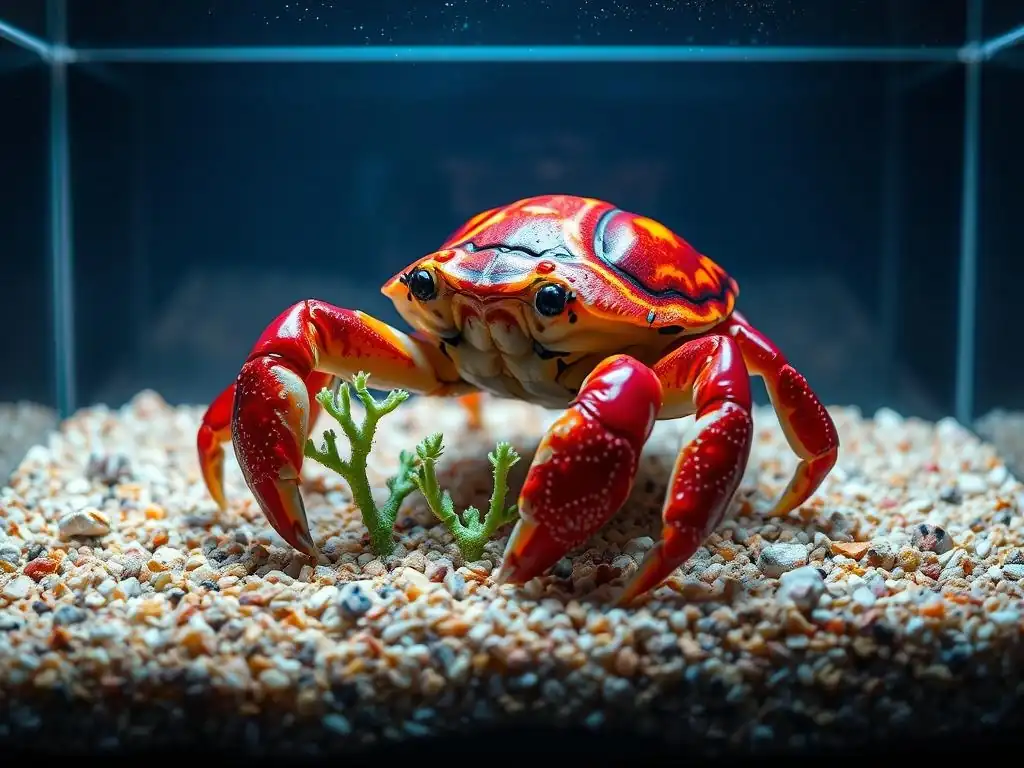
For the majority of corals and invertebrates, a quarantine tank ranging from 10 to 20 gallons (approximately 38 to 76 liters) is often sufficient. The primary consideration for tank size is ensuring a stable water volume that prevents rapid parameter fluctuations and provides adequate space for the inhabitants without overcrowding. While smaller tanks are manageable, larger tanks might be necessary if you plan to quarantine multiple batches of corals or larger invertebrate specimens simultaneously, or if a longer treatment period is anticipated.
The quarantine tank's design prioritizes functionality over aesthetics. A bare-bottom tank is generally preferred as it prevents pests from hiding in substrate and simplifies cleaning and detritus removal. Avoid complex aquascaping elements like live rock or intricate decorations, as these can trap detritus, harbor pests, or make observation difficult. The goal is a sterile, easily maintainable environment that facilitates clear visibility of the quarantined specimens and any emerging issues.
Essential Equipment for a Successful Reef Quarantine Setup: Heater, Filter, Protein Skimmer, Lights, Powerhead
A successful reef quarantine setup relies on a few key pieces of equipment to maintain stable conditions and facilitate observation. A heater with a reliable controller is crucial for maintaining a consistent temperature, typically between 76-78°F (24.4-25.5°C), which significantly reduces stress on new arrivals. For filtration, a Hang-On-Back (HOB) filter or a small canister filter equipped with mechanical media (like filter floss for particulate removal) and biological media (such as bio-balls or ceramic rings for ammonia/nitrite processing) is essential for maintaining water clarity and quality.
A small protein skimmer, appropriately rated for the quarantine tank's volume, is highly recommended, especially for longer quarantine periods or if feeding is involved, as it efficiently removes organic waste. Simple, low-to-moderate intensity LED lighting is generally sufficient for most corals during quarantine; it prevents light shock while allowing for clear observation, and high-end reef lighting is unnecessary. Finally, a small powerhead ensures adequate water circulation, preventing dead spots and ensuring even distribution of temperature and oxygen, which is vital for coral health and gas exchange. These components are fundamental to effective reef quarantine protocols explained for new aquarists.
Water Parameters for Quarantine: Maintaining a Stable and Healthy Environment
The water parameters within the quarantine tank should closely mirror those of your main display tank to minimize shock during the eventual transfer. Key parameters to consistently monitor and maintain include:
- Salinity: A specific gravity of 1.025-1.026 (approximately 35 ppt).
- Temperature: A stable 76-78°F (24.4-25.5°C).
- pH: Within the range of 8.0-8.4.
- Alkalinity: Typically 7-9 dKH.
- Calcium: Maintained between 400-450 ppm.
- Magnesium: Ideally 1250-1350 ppm.
Maintaining stability within these ranges is often more critical than hitting exact numbers, as rapid fluctuations are highly stressful for sensitive marine life.
Crucially, ammonia, nitrite, and nitrate levels in the quarantine tank must remain at undetectable levels. Regular, small water changes, perhaps 10-20% weekly, using high-quality RODI (Reverse Osmosis Deionized) water mixed with a reputable marine salt mix, are essential. This practice helps dilute any potential pathogens, removes accumulating waste products, and replenishes vital trace elements. Consistent, pristine water quality is a foundational element of robust reef quarantine protocols explained in expert guides, significantly contributing to the success of the isolation period.
The Quarantine Process: A Step-by-Step Guide
Acclimation Procedures for New Arrivals: Minimizing Stress and Ensuring Survival
For the majority of new invertebrates and corals, the drip acclimation method is highly recommended as the safest approach. This technique involves slowly introducing water from the quarantine tank into the bag or container holding the new arrival over an extended period, typically 30-60 minutes, though some highly sensitive species like starfish or certain shrimp may benefit from an even longer duration. This gradual mixing allows the organism to slowly adjust to differences in temperature, pH, and salinity, significantly mitigating the risk of osmotic shock and associated stress.
Once the acclimation process is complete, gently transfer the invertebrate or coral into the quarantine tank. It is advisable to use clean, dedicated tools (such as tongs or soft nets) and avoid direct contact with bare hands to prevent transferring oils or contaminants. For corals, initially place them in an area of the quarantine tank with lower light intensity to prevent light shock, gradually moving them to brighter spots over several days as they adapt. This careful and meticulous acclimation procedure is a critical component of successful reef quarantine protocols explained for optimal outcomes.
Observation and Monitoring: Identifying Signs of Disease or Parasites in Corals and Invertebrates
Daily, meticulous observation is paramount throughout the entire quarantine period. Aquarists should dedicate time each day to scrutinize their new arrivals for any subtle changes in appearance, behavior, or tissue integrity. For corals, key indicators of distress include tissue recession, unusual discoloration, the presence of slime, failure of polyps to extend, or the visible presence of pests like flatworms or nudibranchs. For invertebrates, watch for lethargy, unusual spots, difficulty in movement, or changes in their typical feeding patterns.
Maintaining a detailed log of observations can be incredibly beneficial. This log should include the date, time, specific findings (e.g., "small white spots on shrimp," "coral polyps not extended"), and any actions taken. Such documentation allows for effective tracking of progress, identification of trends, and informed decision-making regarding potential treatments. A magnifying glass can be an invaluable tool for spotting minute parasites or pests that might otherwise be invisible to the naked eye. Consistent and thorough monitoring is a core aspect of robust reef quarantine protocols explained for proactive problem-solving.
Treatment Options During Quarantine: Addressing Common Issues
Coral Dips: Selecting and Using Effective Dips for Coral Quarantine
Coral dips are short-term, highly concentrated treatments specifically formulated to dislodge and kill external pests and parasites before corals are introduced into the quarantine tank. A variety of effective options exist, including iodine-based dips (such as Lugol's solution), commercial pest control dips (like Revive or Coral RX), and in some very specific cases, peroxide or freshwater dips (used with extreme caution due to their harshness). Each type of dip targets different issues, ranging from various flatworms and red bugs to potential bacterial infections.
When applying a coral dip, it is crucial to follow the manufacturer's instructions precisely regarding concentration and recommended duration, which typically ranges from 5 to 15 minutes. Use a separate container filled with water from the quarantine tank for the dip, and gently agitate the coral or use a small powerhead to help dislodge pests. After the dipping process, always rinse the coral thoroughly in clean quarantine tank water before placing it into the quarantine tank.
Critically, never allow the used dip water to enter either your main display tank or the quarantine tank. Coral dips represent a proactive and essential step in comprehensive reef quarantine protocols explained for new coral additions.
Invertebrate Medications: Understanding Safe and Effective Treatment Options
Treating invertebrates with medications presents unique challenges, as many common fish medications, particularly those containing copper, are highly toxic to corals, shrimp, crabs, and snails. Therefore, extreme caution and thorough research are absolutely necessary before administering any medication to invertebrates. Specific medications designed solely for invertebrate ailments are limited, and often the most effective "treatment" involves extended quarantine combined with maintaining pristine water quality.
For external parasites like Marine Ich ( Cryptocaryon irritans) on shrimp or crabs, an extended quarantine period of 60-75 days in a fish-free system can often resolve the issue by breaking the parasite's life cycle. While broad-spectrum antibiotics might be considered for bacterial infections, their safety for specific invertebrates must be rigorously verified, sometimes necessitating a separate container for dipping rather than tank-wide treatment. For internal parasites, effective treatment options are even more restricted. Consequently, prevention through strict adherence to reef quarantine protocols explained for invertebrates is always preferred over attempting to treat an established problem.
Quarantine Duration: How Long Should You Quarantine New Arrivals?
A minimum quarantine period of 4-6 weeks (approximately 30-45 days) is widely recommended for both new corals and invertebrates. This timeframe is crucial because it allows sufficient time for various parasite life cycles to complete and for dormant diseases to manifest. For instance, certain flatworms or nudibranchs may lay eggs that hatch after a few weeks, making a prolonged observation period essential to catch and eliminate subsequent generations before they can be introduced to the main display tank.
For invertebrates that could potentially act as carriers for fish parasites, such as crabs, shrimp, or snails, an even longer quarantine period of 60-75 days in a strictly fish-free system is often advisable. This extended duration helps ensure that any Cryptocaryon irritans (Marine Ich) or Amyloodinium ocellatum (Velvet) parasites are eradicated, as their free-swimming stages will die without a fish host.
The precise duration should always be adjusted based on the perceived risk associated with the new arrival and any signs observed during the quarantine process. These specific durations are key elements of thorough reef quarantine protocols explained for aquarists.
Common Diseases and Pests Encountered During Reef Quarantine
Identifying and Treating Coral Diseases: Coral Bleaching, Rapid Tissue Necrosis (RTN), Slow Tissue Necrosis (STN)
Coral diseases, frequently triggered by environmental stressors such as poor water quality, temperature fluctuations, or bacterial/viral infections, can rapidly devastate a reef.
- Coral Bleaching: This occurs when corals expel their symbiotic algae (zooxanthellae) due to stress (e.g., prolonged high temperatures above 82°F / 27.8°C), causing them to turn white. Treatment focuses on stabilizing water parameters and reducing stressors.
- Rapid Tissue Necrosis (RTN): Characterized by extremely rapid tissue loss, often overnight, leaving exposed white skeleton. It is highly aggressive and often bacterial in origin. Immediate fragging of healthy sections might save portions of the colony.
- Slow Tissue Necrosis (STN): Similar to RTN but progresses much more gradually, over days or weeks. It can also be bacterial or stress-induced, slowly consuming the coral tissue.
The quarantine tank offers a controlled environment where these conditions can be more effectively managed. For coral bleaching, ensuring stable parameters, appropriate light intensity, and consistent flow is vital for recovery. For RTN/STN, which are frequently linked to bacterial infections, carefully selected broad-spectrum antibiotics (if proven safe for corals) or targeted coral dips may be attempted. Fragging the affected coral to isolate healthy tissue is often a necessary measure. Maintaining pristine water quality and stability within the quarantine tank is paramount for the coral's recovery. These specific treatments are integral to comprehensive reef quarantine protocols explained for coral health.
Dealing with Invertebrate Parasites: Marine Ich (Cryptocaryon irritans), Black Spot Disease in Shrimp
While Marine Ich ( Cryptocaryon irritans) is primarily a fish parasite, its encysted stage (tomonts) can attach to any surface, including invertebrates and live rock. Invertebrates themselves are not directly infected by the parasite but can inadvertently act as carriers, transporting the parasite to the main display tank. If an invertebrate originates from a system known to have Ich, a 60-75 day quarantine in a strictly fish-free environment is essential. This extended period ensures that any tomonts that hatch will release free-swimming theronts, which will subsequently die without a fish host, effectively breaking the parasite's life cycle.
Black Spot Disease in shrimp, also known as "shell disease," is a bacterial infection that manifests as black lesions or spots on the shrimp's exoskeleton. It is often associated with poor water quality, physical injury, or nutritional deficiencies. In quarantine, treatment primarily involves maintaining immaculate water conditions and ensuring optimal parameters to facilitate healthy molting, which sheds the infected exoskeleton.
In severe cases, some aquarists might consider using broad-spectrum antibiotics in a separate dip or bath, provided the medication is confirmed safe for shrimp. Prevention through proper acclimation and excellent water quality is always the most effective strategy. These specific considerations are vital aspects of thorough reef quarantine protocols explained for invertebrate care.
Recognizing and Eliminating Common Reef Pests: Aiptasia Anemones, Flatworms, Red Bugs
Identifying and eradicating common reef pests during quarantine is crucial to prevent their proliferation in the main display tank.
- Aiptasia Anemones: These are small, translucent brown anemones with stinging tentacles that reproduce rapidly and can sting and damage corals. They are easily recognized by their distinct appearance and ability to retract quickly.
- Flatworms: This category includes various types, such as Red Planaria ( Convolutriloba retrogemma), which can smother corals, and highly specialized coral-eating flatworms (e.g., Montipora-eating nudibranchs, Acropora-eating flatworms) that are often camouflaged and can be devastating to specific coral species.
- Red Bugs (Tegastes acroporanus): These are tiny, reddish-brown copepods that primarily infest Acropora corals, causing significant tissue irritation, reduced polyp extension, and inhibited growth. They are often difficult to spot without magnification.
The quarantine tank provides the ideal isolated environment for targeted pest eradication.
- Aiptasia: Can be effectively eliminated by injecting them with kalkwasser paste, lemon juice, or commercially available Aiptasia removers. Manual removal is also an option for isolated individuals.
- Flatworms: Many types can be dislodged and killed using specific coral dips (e.g., Revive, Coral RX). For severe infestations of certain flatworm species, specialized flatworm exit products (used with extreme caution and proper ventilation) might be considered in the quarantine tank.
- Red Bugs: Best treated with specific medications like Interceptor (milbemycin oxime), which is generally safe for corals but requires precise dosing and often a multi-dose approach within the quarantine tank. These targeted treatments are crucial steps in comprehensive reef quarantine protocols explained for pest management.
Advanced Reef Quarantine Techniques
Using Prophylactic Treatments: Benefits and Risks
Prophylactic treatments involve administering medications or dips to new arrivals even when no visible signs of disease or pests are present. The primary benefit of this approach is proactively eliminating potential hidden threats that might not manifest during a typical observation period. For example, a routine coral dip specifically targeting flatworms or nudibranchs is a common prophylactic measure. This added layer of security is particularly valuable for sensitive or high-value corals, where the risk of introducing a pathogen or pest is unacceptable.
However, prophylactic treatments are not without risks. Many treatments can be stressful to the organism, and improper dosing can lead to adverse effects or even mortality. Over-reliance on chemical interventions can also contribute to the development of resistant strains of pests or negatively impact beneficial microfauna within the quarantine system.
Therefore, it is crucial to select treatments carefully, thoroughly research their effects on the specific species being treated, and use them only when the potential benefits of prevention clearly outweigh the inherent risks. This strategic decision is an important part of defining individual reef quarantine protocols explained for experienced aquarists.
Implementing a Two-Tank Quarantine System: Enhanced Protection for Your Reef
A two-tank quarantine system represents an advanced approach to safeguarding your reef, offering enhanced protection against hidden threats. This method involves moving new arrivals from an initial "dirty" quarantine tank (QT1) to a "clean" second quarantine tank (QT2) after a period of initial observation and treatment. QT1 is where new specimens are first introduced, where any necessary dips or aggressive treatments are administered, and where major issues are addressed.
After a period of 2-4 weeks, once potential external parasites have been addressed, the inhabitant is transferred to QT2. QT2 is a pristine, stable environment dedicated to a longer observation period, often another 2-4 weeks, ensuring no further issues arise.
The primary benefit of this two-tank approach is significantly minimizing the risk of re-infection from the initial, potentially contaminated QT1. It also allows for more aggressive or specialized treatments in QT1 without the concern of residual chemicals affecting the long-term observation and stability in QT2. Furthermore, QT2 can be configured to more closely mimic the lighting and flow conditions of the display tank, further reducing stress during the final transition. This advanced strategy offers superior protection and is a hallmark of sophisticated reef quarantine protocols explained by seasoned aquarists.
The Role of Water Testing in Quarantine: Maintaining Optimal Water Quality
Beyond the basic parameters like salinity, temperature, and pH, advanced reef quarantine protocols explained often incorporate a more comprehensive water testing regimen. Regular testing for alkalinity, calcium, and magnesium is critically important for corals, ensuring they have the necessary building blocks for growth and calcification, especially during prolonged quarantine periods. Monitoring nitrate and phosphate levels is also vital, as elevated nutrients can stress corals and promote the growth of nuisance algae or undesirable bacterial blooms within the isolated environment.
Consistent and thorough water testing allows for proactive adjustments, preventing the parameter swings that can severely stress new arrivals and make them more susceptible to disease or pests. For example, if alkalinity begins to drop below optimal levels, a small, controlled dose of a buffering agent can be added. If nitrates rise, a prompt small water change or the addition of a nitrate-reducing media can be implemented. Maintaining stable, optimal water quality throughout the quarantine period significantly increases the chances of successful integration into the display tank and is a cornerstone of effective reef quarantine protocols.
Transitioning Quarantined Invertebrates and Corals to Your Display Tank
Gradual Acclimation to Display Tank Conditions
Before moving any quarantined invertebrate or coral to the main display tank, it is crucial to ensure that the quarantine tank's water parameters — including temperature, salinity, pH, alkalinity, calcium, and magnesium — closely match those of the display tank. If there are slight discrepancies, perform small, gradual water changes in the quarantine tank, using water directly from the display tank, over a period of a few days. This slow equalization of parameters minimizes osmotic shock and significantly reduces stress on the new addition during the transfer.
For corals, consider the specific lighting and flow conditions of their intended placement within the display tank. If the display tank has significantly stronger lighting than the quarantine setup, acclimate the coral by initially placing it lower in the tank or in a shaded area. Gradually move it to its final desired spot over several days or even weeks. Similarly, introduce corals to stronger water flow gradually if they are coming from a lower-flow quarantine environment. This meticulous and careful transition is a vital final step in robust reef quarantine protocols explained for optimal long-term success.
Avoiding Cross-Contamination: Best Practices for Transferring Inhabitants
To prevent any potential cross-contamination from the quarantine system to your established display tank, strict hygiene and dedicated tools are paramount. Always use separate nets, tongs, frag plugs, and buckets specifically designated for the quarantine tank, and ensure these tools are never used in the display tank.
If tools must be shared, they should be thoroughly cleaned and sterilized (e.g., with a bleach solution, followed by extensive rinsing and complete drying) both before and after use in either tank. Additionally, wash your hands thoroughly with soap and water before handling anything related to the display tank after working with the quarantine system.
When physically transferring the invertebrate or coral, take extreme care to avoid introducing any quarantine tank water into your display tank. Gently lift the specimen out of the quarantine tank and quickly place it into its new home in the display tank. For corals mounted on frag plugs, it is often advisable to carefully remove the coral from its original plug and re-mount it onto a clean, new frag plug before transfer.
This precaution eliminates the possibility of the old plug harboring any residual pests, detritus, or unwanted organisms. This meticulous approach is key to the effectiveness of reef quarantine protocols explained for safeguarding your main system.
Post-Quarantine Observation: Monitoring for Any Delayed Reactions
Even after a seemingly successful quarantine period, continued vigilant observation of the newly introduced invertebrate or coral in the display tank remains important. Some issues, particularly internal parasites or very slow-acting diseases, might not manifest until days or even weeks after introduction into the main system. Remain attentive to any signs of stress, unusual behavior, tissue recession, or the unexpected appearance of new pests on the introduced specimen or surrounding inhabitants. Early detection can make a critical difference.
If any issues are observed during this post-quarantine period, be prepared to act swiftly. If possible, re-quarantine the affected specimen for further observation and potential treatment. If the issue is minor and localized, it might be addressed within the main tank, but always with extreme caution to avoid harming other inhabitants. Early detection and prompt intervention are crucial to prevent widespread problems in your established reef. Maintaining a healthy, stable display tank environment will also significantly help the new addition thrive and resist any latent issues. This ongoing monitoring reinforces the value of well-executed reef quarantine protocols explained.
Maintaining a Healthy Reef: Long-Term Prevention Strategies
Regular Observation of Your Reef Ecosystem
Beyond the initial quarantine period, consistent and daily observation of your entire reef ecosystem serves as the most fundamental line of defense against disease and pest outbreaks. Dedicate time each day to simply watch your corals, fish, and invertebrates. Pay close attention to subtle changes in color, polyp extension, feeding response, or typical behavior. Are any corals showing signs of stress, such as receding tissue or unusual discoloration? Are fish exhibiting signs of irritation or abnormal swimming patterns? Early detection of these indicators allows for timely intervention before a minor issue escalates into a widespread problem.
Maintaining a keen eye also extends to identifying nuisance algae, signs of aggression between tank inhabitants, or any unusual growths on corals or rockwork. A small patch of Aiptasia anemones or a few flatworms caught early are far easier to eliminate than a widespread infestation that has taken hold. Regular, attentive observation complements stringent reef quarantine protocols explained by ensuring ongoing system health and allowing for a rapid and effective response to any emerging issues, safeguarding your investment and the well-being of your aquatic life.
Maintaining Optimal Water Parameters for a Healthy Reef
Consistent maintenance of optimal water parameters is arguably the most critical factor in preventing disease and promoting the long-term health and vibrancy of your reef. Regular testing, ideally weekly or bi-weekly, for key parameters such as salinity, alkalinity, calcium, magnesium, nitrates, and phosphates, allows you to catch and correct any deviations before they stress your inhabitants. Aim for stable parameters within the recommended ranges: for instance, Salinity 1.025-1.026, Alkalinity 8-9 dKH, Calcium 420-450 ppm, and Magnesium 1300-1350 ppm.
Fluctuations in temperature, pH, or nutrient levels can severely stress corals and invertebrates, weakening their immune systems and making them highly susceptible to pathogens and opportunistic infections. Regular water changes, efficient mechanical and biological filtration, and appropriate dosing of supplements (if necessary) are essential practices to maintain this crucial stability. A healthy, unstressed reef ecosystem, supported by pristine water conditions, is inherently more resistant to disease. This ongoing commitment to water quality reinforces the foundational principles of effective reef quarantine protocols explained for a thriving reef.
Importance of a Balanced Reef Ecosystem for Disease Resistance
A diverse and balanced reef ecosystem, populated with a variety of healthy corals, invertebrates, and fish (kept at appropriate stocking levels), is inherently more resilient to disease outbreaks. A thriving population of beneficial microfauna, such as copepods and amphipods, contributes to the natural cleanup crew, reducing detritus and providing a natural food source, which in turn promotes overall system health. Overstocking should be avoided, as it can lead to increased organic waste, heightened aggression among inhabitants, and unnecessary stress, all of which compromise the system's defenses.
Incorporating a well-established refugium, a deep sand bed, and ample live rock with diverse bacterial communities significantly contributes to a robust nitrogen cycle and efficient nutrient export, further enhancing overall water quality. Introducing a variety of clean-up crew members, including various snails, hermit crabs, and certain shrimp species, can effectively help manage nuisance algae and accumulating detritus. A thriving, balanced ecosystem, built upon the foundation of strict reef quarantine protocols explained and consistently applied, creates an environment where inhabitants are less susceptible to disease and possess a greater capacity for recovery if issues do arise.
Frequently Asked Questions
### Why is quarantine so important for reef aquariums?
Quarantine is crucial because it allows you to observe new invertebrates and corals for diseases and parasites before they enter your display tank, preventing potential outbreaks that could decimate your established reef. It acts as a critical buffer.
### How long should I quarantine new corals and invertebrates?
A standard quarantine period for reef inhabitants is typically 4 to 8 weeks. This timeframe allows for the observation of potential issues and the implementation of necessary treatments before introducing them to the main display tank. Patience is key.
### What are some common signs of disease or parasites in quarantined corals?
Common signs include tissue recession, unusual slime production, the presence of visible parasites like nudibranchs or flatworms, and changes in coloration. Early detection is vital.
### What type of quarantine tank setup is recommended for corals and invertebrates?
A basic quarantine tank should include a small, cycled tank with appropriate lighting, flow, and water parameters matching your main display tank. A protein skimmer and regular water changes are also highly recommended.
### What are some common treatments used during quarantine for reef invertebrates?
Common treatments include dips for parasites like flatworms or nudibranchs, and antibiotic treatments for bacterial infections. Always research the appropriate treatment for the specific issue and follow dosage instructions carefully.
Final Reflection: Safeguarding Our Underwater Kingdoms
The journey through understanding and implementing effective reef quarantine protocols underscores a critical truth: the health of our vibrant reef ecosystems, even within the confines of our own aquariums, depends on diligent preventative measures. The potential for devastating outbreaks from seemingly innocuous invertebrates and corals highlights the responsibility we bear as custodians of these delicate environments. This isn't just about protecting our investments; it's about preserving biodiversity and contributing to the overall health of our planet's oceans.
The practice of quarantine, often perceived as a tedious chore, is in reality an act of profound respect for the interconnectedness of life within a reef system. It's a recognition that our actions, however small, have ripple effects that can either nurture or disrupt the delicate balance of these underwater worlds. In the end, we will conserve only what we love; we will love only what we understand; and we will understand only what we are taught.
- Baba Dioum. This quote perfectly encapsulates the importance of education and proactive measures like quarantine in fostering a deeper appreciation and commitment to reef conservation.
As you contemplate the information shared in this article, consider how you can integrate these reef quarantine protocols into your own practices. Let the knowledge gained empower you to become a more responsible and informed reef aquarist. By embracing these preventative measures, you're not just protecting your own slice of the reef; you're contributing to a larger movement of conservation and stewardship, ensuring that these breathtaking ecosystems thrive for generations to come.
Safeguard Your Reef: Start Quarantining Today!
Thanks for diving into the world of invertebrate and coral quarantine! We hope this article equipped you with the knowledge to protect your reef from unseen dangers. Now, let's put that knowledge into action!
Here are some steps you can take to ensure a healthier and thriving reef aquarium:
- Immediately implement a quarantine protocol for all new invertebrates and corals entering your display tank. This single step is the most crucial in preventing disease and pest outbreaks.
- Explore alternative pest control methods, like dips and treatments, and share your findings with fellow reef keepers in our forum.
- Consider building a dedicated quarantine tank system – even a small setup can make a huge difference in the long run!
What innovative quarantine strategies are you using to keep your reef inhabitants safe and thriving? Share your tips in the comments below!