
Saltwater Sanctuary: Your Checklist for Preventing Marine Fish Diseases

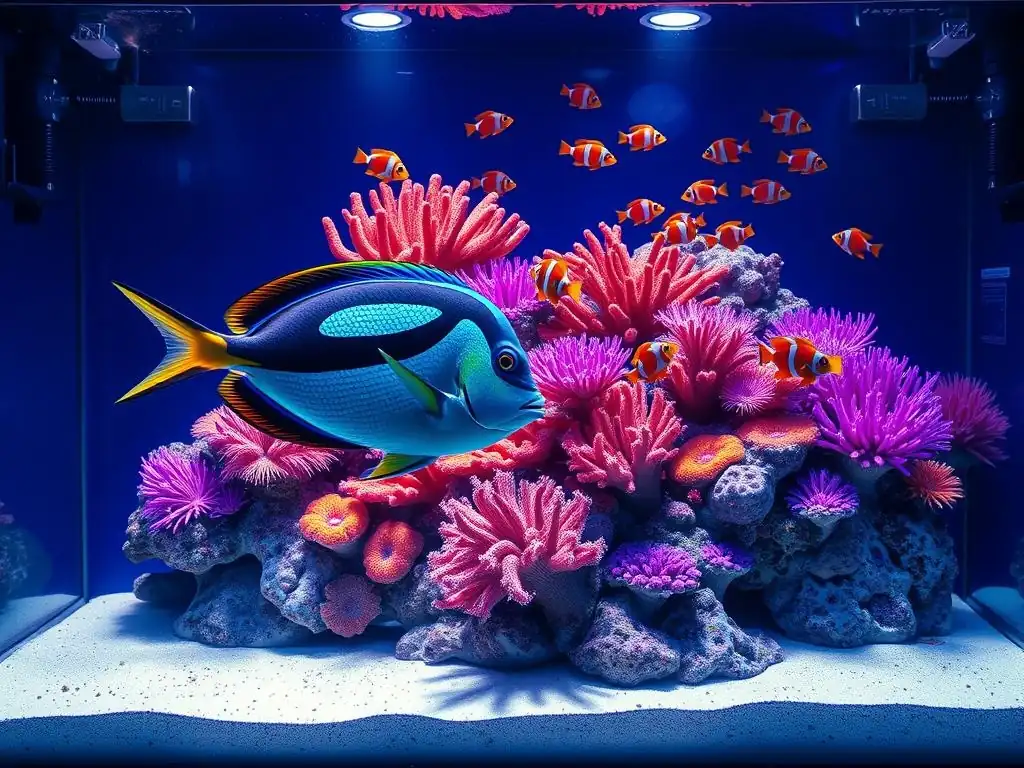
Welcome to Aquarium Mastery, your ultimate guide to thriving aquatic ecosystems!
Ever wondered how to create a truly bulletproof saltwater sanctuary for your finned friends? Dive in! This article, "Saltwater Sanctuary: Your Checklist for Preventing Marine Fish Diseases," unlocks the secrets to proactive care. Discover proven techniques for saltwater fish disease prevention and learn how to keep your marine aquarium flourishing. Intrigued? Let's explore the essential steps to a healthier, happier underwater world...
- Understanding Saltwater Fish Disease Prevention: A Proactive Approach
- Essential Water Quality Parameters for Saltwater Fish Disease Prevention
- Quarantine Protocols for New Saltwater Fish: A Must-Do
- Diet and Nutrition: Fortifying Saltwater Fish Against Disease
- Identifying and Addressing Stressors in Saltwater Aquariums
- Recognizing Early Signs of Saltwater Fish Disease
- Choosing the Right Saltwater Fish for Your Aquarium
- Equipment Maintenance: Ensuring a Healthy Saltwater Environment
- Proactive Measures for Saltwater Fish Health: A Comprehensive Checklist
-
Frequently Asked Questions
- How important is water quality for saltwater fish disease prevention?
- What role does quarantine play in preventing diseases from entering my saltwater aquarium?
- What are some common signs of disease in saltwater fish that I should watch out for?
- How does proper nutrition contribute to saltwater fish disease prevention?
- Can stress contribute to saltwater fish becoming more susceptible to disease?
- Final Reflection: Preserving Our Underwater Worlds
- Dive Deeper: Secure Your Saltwater Sanctuary Today!
Understanding Saltwater Fish Disease Prevention: A Proactive Approach
Why Prevention is Key to a Healthy Saltwater Aquarium
Preventing disease in a saltwater aquarium is not merely a best practice; it is the most effective and humane approach to maintaining a thriving marine environment. Proactive measures significantly reduce the likelihood of common and devastating diseases such as Marine Ich ( Cryptocaryon irritans) or Marine Velvet ( Amyloodinium ocellatum). When an outbreak occurs, it causes immense stress to the fish, weakening their immune systems further, and creates significant challenges for the aquarist, often involving complex and potentially harmful treatments.
Furthermore, marine ecosystems are delicate and interconnected. A single sick fish can rapidly introduce and spread pathogens throughout the entire tank due to the closed nature of an aquarium system. By focusing on saltwater fish disease prevention, aquarists can minimize the need for harsh medications that may harm sensitive corals, invertebrates, and essential beneficial bacteria. This proactive strategy ensures long-term stability, promotes robust health for all inhabitants, and ultimately leads to a more enjoyable and successful reef or fish-only setup.
The Cost of Neglect: Risks of Ignoring Saltwater Fish Health
Ignoring the signs of declining saltwater fish health or neglecting preventive measures carries substantial costs, both financial and emotional. Financially, an outbreak can lead to the loss of expensive fish, require the purchase of costly medications, and potentially necessitate replacing sensitive corals or invertebrates that cannot tolerate certain treatments. For instance, a severe outbreak of Marine Ich in a 100-gallon established reef tank could result in hundreds of dollars in lost livestock and several hundred more in specialized treatment supplies and equipment.
Beyond monetary expenditures, the non-financial costs are significant. Aquarists often face considerable stress, frustration, and a massive time commitment during a disease outbreak. Neglecting saltwater fish disease prevention can lead to chronic fish stress, repeated disease cycles, and in severe cases, the complete collapse of an aquarium ecosystem. This may necessitate a full tank breakdown and restart, a process that can take months of dedicated effort, curing the tank, and re-establishing the biological balance, highlighting the critical importance of a proactive stance.
Essential Water Quality Parameters for Saltwater Fish Disease Prevention
Maintaining Optimal Salinity Levels for Disease Resistance
Salinity, the measure of dissolved salts in water, plays a critical role in the osmotic regulation of marine fish. Fish constantly exchange water and salts with their environment to maintain internal balance. The ideal specific gravity range for most marine fish is between 1.023 and 1.026 (or 33-35 parts per thousand, ppt). Fluctuations outside this narrow range, even by as little as 0.002 specific gravity within 24 hours, can cause significant osmotic stress, severely weakening a fish's immune system and making it highly susceptible to parasitic and bacterial infections.
For example, a sudden drop in salinity below 1.018 can cause marine fish to absorb too much water, leading to osmotic shock and making them extremely vulnerable to common pathogens like Cryptocaryon irritans (Marine Ich). Conversely, excessively high salinity above 1.028 can lead to dehydration and kidney stress. Consistent monitoring with a properly calibrated refractometer and using a high-quality salt mix are crucial for maintaining stable salinity, which is a fundamental aspect of effective saltwater fish disease prevention.
The Importance of Stable pH in Saltwater Aquariums
The pH level in a saltwater aquarium, ideally maintained between 8.0 and 8.4, is vital for the physiological well-being of marine fish. pH influences numerous biological processes, including enzyme activity, gill function, and the toxicity of ammonia. Significant and rapid pH swings, exceeding 0.2 units within a 24-hour period, are highly stressful to fish, potentially leading to conditions like acidosis or alkalosis, which directly impair their immune response and overall health.
Maintaining stable alkalinity (dKH) between 8-12 is crucial for buffering the pH and preventing drastic fluctuations. For instance, a sudden drop in pH from 8.2 to 7.8, often due to inadequate alkalinity or excessive CO2, can severely compromise a fish's ability to extract oxygen from the water and excrete waste, making them vulnerable to secondary bacterial infections. Consistent pH stability, supported by regular testing and proper buffering, is an often-overlooked yet critical component of successful saltwater fish disease prevention.
Controlling Ammonia, Nitrite, and Nitrate: Cornerstones of Saltwater Fish Health
The nitrogen cycle is the backbone of a healthy saltwater aquarium, and controlling its byproducts is paramount for fish health. Ammonia (NH3/NH4+) and Nitrite (NO2-) are highly toxic to marine fish, even at very low concentrations; levels as low as 0.1 ppm of ammonia can cause gill damage and be lethal. Nitrate (NO3-), while less acutely toxic, can cause chronic stress and suppress the immune system at elevated levels, typically above 20-40 ppm for fish-only tanks and much lower for reef systems.
For effective saltwater fish disease prevention, ammonia and nitrite levels must always be undetectable (0 ppm). Nitrate levels should be kept as low as possible through robust biological filtration (e.g., live rock, deep sand beds), efficient protein skimming, refugiums, and regular water changes. For example, a persistent nitrate level of 50 ppm in a fish-only system, even with zero ammonia and nitrite, can lead to chronic fin erosion, bacterial infections, and overall lethargy, demonstrating that all stages of the nitrogen cycle require vigilant management.
Regular Water Changes: A Vital Step in Saltwater Disease Prevention
Regular water changes are one of the most effective and fundamental practices for saltwater fish disease prevention. This routine maintenance task serves multiple critical functions: it removes accumulated nitrates, phosphates, and dissolved organic compounds (DOCs) that can degrade water quality and stress fish. Simultaneously, water changes replenish essential trace elements that are consumed by corals, invertebrates, and fish, ensuring a balanced aquatic environment.
The frequency and volume of water changes depend on tank stocking and nutrient export methods, but for most established reef tanks, a 10-20% water change every 1-2 weeks is common. Heavily stocked fish-only tanks might benefit from a 25% weekly change. Using properly mixed, dechlorinated saltwater (prepared with RO/DI water and a high-quality marine salt mix) is essential. Anecdotal evidence among hobbyists suggests that tanks with consistent 15% weekly water changes report significantly fewer disease outbreaks compared to those with infrequent changes, underscoring this practice's preventative power.
Quarantine Protocols for New Saltwater Fish: A Must-Do
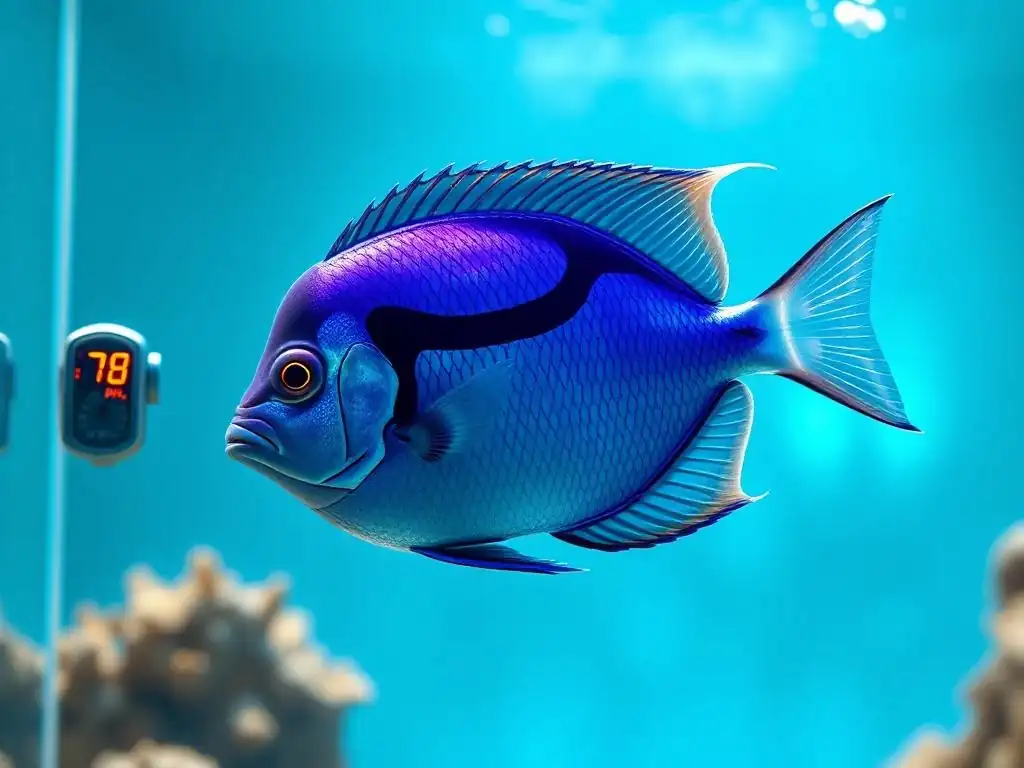
Setting Up a Quarantine Tank for Saltwater Fish
A dedicated quarantine tank (QT) is an indispensable tool for saltwater fish disease prevention. The setup should be simple and easy to clean, typically a bare-bottom tank ranging from 10-20 gallons for most average-sized fish. Essential equipment includes a heater to maintain stable temperature, a small power filter or sponge filter for mechanical and biological filtration, and PVC pipes or inert plastic decorations for hiding places. Sand or complex rockwork should be avoided to facilitate observation and treatment.
The primary purpose of a QT is to prevent the introduction of pathogens like Marine Ich ( Cryptocaryon irritans), Marine Velvet ( Amyloodinium ocellatum), or bacterial infections into the established main display tank. It allows new fish to acclimate to captivity in a stress-reduced environment and provides a controlled space for observation and, if necessary, targeted treatment without harming sensitive corals or invertebrates in the display system. This isolation period is arguably the most critical step in safeguarding the health of an entire aquarium.
The Quarantine Period: Observing New Fish for Signs of Disease
The duration of the quarantine period is crucial for effective saltwater fish disease prevention. A minimum of 4-6 weeks is generally recommended, particularly for diseases like Cryptocaryon irritans, whose life cycle can extend over several weeks. This extended observation period allows sufficient time for various pathogens to manifest visible symptoms, even if the fish appears healthy upon arrival. Many diseases have dormant or asymptomatic phases that only become apparent under stress or after a period of acclimation.
During this time, daily observation of the new fish is paramount. Aquarists should meticulously look for changes in breathing patterns (rapid gilling), swimming behavior (lethargy, flashing against tank decor), feeding habits (loss of appetite), and any physical abnormalities such as white spots, velvet-like dust, cloudy eyes, lesions, or frayed fins. For example, a fish that develops small white spots resembling salt grains within 3-5 days of being placed in QT almost certainly has Marine Ich, allowing for immediate and targeted treatment before it can spread.
Treatment Options During Quarantine: Addressing Early Symptoms
One of the significant advantages of a quarantine tank is the ability to administer specific and often potent treatments that would be detrimental to a main display tank containing corals or invertebrates. Common medications used in QT include copper-based treatments for external parasites like Ich and Marine Velvet, praziquantel for internal and external flukes, and various antibiotics for bacterial infections. It is crucial to use medications precisely according to manufacturer instructions and appropriate dosages.
Treating fish in a bare-bottom QT allows for precise medication levels, easy removal of uneaten food, and prevents medication absorption by substrate or live rock. For instance, a 14-day therapeutic copper treatment maintained at 0.5 ppm is highly effective against Marine Ich in a QT, a concentration that would be lethal to most invertebrates and corals in a reef tank. This isolated treatment capability is a cornerstone of effective saltwater fish disease prevention, ensuring that new additions are healthy before joining the main ecosystem.
Diet and Nutrition: Fortifying Saltwater Fish Against Disease
Selecting High-Quality Saltwater Fish Food
A varied and high-quality diet is fundamental to building strong immunity and resilience in saltwater fish, serving as a proactive measure in saltwater fish disease prevention. Poor nutrition can lead to vitamin deficiencies, organ damage, and a weakened immune system, making fish highly susceptible to common pathogens. Aquarists should prioritize foods rich in essential proteins, lipids, and carbohydrates, avoiding cheap brands filled with excessive binders or fillers. Look for ingredients lists that feature whole marine proteins like fish meal, krill, spirulina, and various algae.
Offering a diverse range of food types is equally important. This includes high-quality frozen foods (e.g., mysis shrimp, spirulina-enriched brine shrimp, finely chopped seafood), nutrient-dense flakes, and slow-sinking pellets. For example, a diet consistently supplemented with spirulina has been scientifically observed to significantly boost the immune response of herbivorous tangs and angelfish, making them more resilient to common infections and improving their overall vitality.
Supplementing Diet with Vitamins and Minerals for Enhanced Immunity
While high-quality foods provide a good baseline, supplementing the diet with additional vitamins and minerals can further fortify a saltwater fish's immune system. Vitamins, particularly Vitamin C (ascorbic acid), Vitamin A, and Vitamin E, act as powerful antioxidants and are crucial for various metabolic functions, including collagen synthesis for healthy skin and fins, and overall immune cell function. Minerals like selenium and zinc also play vital roles in enzyme activity and immune response.
A common practice is to soak frozen or dry foods in liquid vitamin supplements (e.g., Selcon, Vita-Chem, Garlic Guard) just before feeding. For instance, studies on marine fish have indicated that dietary supplementation with Vitamin C at concentrations around 200 mg per kilogram of food can significantly reduce stress susceptibility and improve recovery rates from minor infections. This targeted nutritional enhancement is a simple yet highly effective strategy in saltwater fish disease prevention.
Avoiding Overfeeding: Preventing Water Quality Issues and Stress
While proper nutrition is vital, overfeeding can paradoxically undermine saltwater fish disease prevention by degrading water quality. Uneaten food quickly decomposes, releasing ammonia and phosphates into the water, which in turn leads to elevated nitrate levels and fuels nuisance algae blooms. This decline in water quality creates a chronically stressful environment for fish, directly suppressing their immune systems and making them highly vulnerable to opportunistic infections.
To avoid overfeeding, offer small amounts of food multiple times a day, only what the fish can consume within 1-2 minutes. Any uneaten food should be promptly removed. For example, a 50-gallon marine tank housing 4-5 average-sized fish typically requires only 1-2 small pinches of flake food or a quarter cube of frozen food per feeding. Overfeeding by just 25% can double the rate of nitrate accumulation over a week in a moderately stocked tank, directly leading to compromised water quality and increased disease risk.
Identifying and Addressing Stressors in Saltwater Aquariums
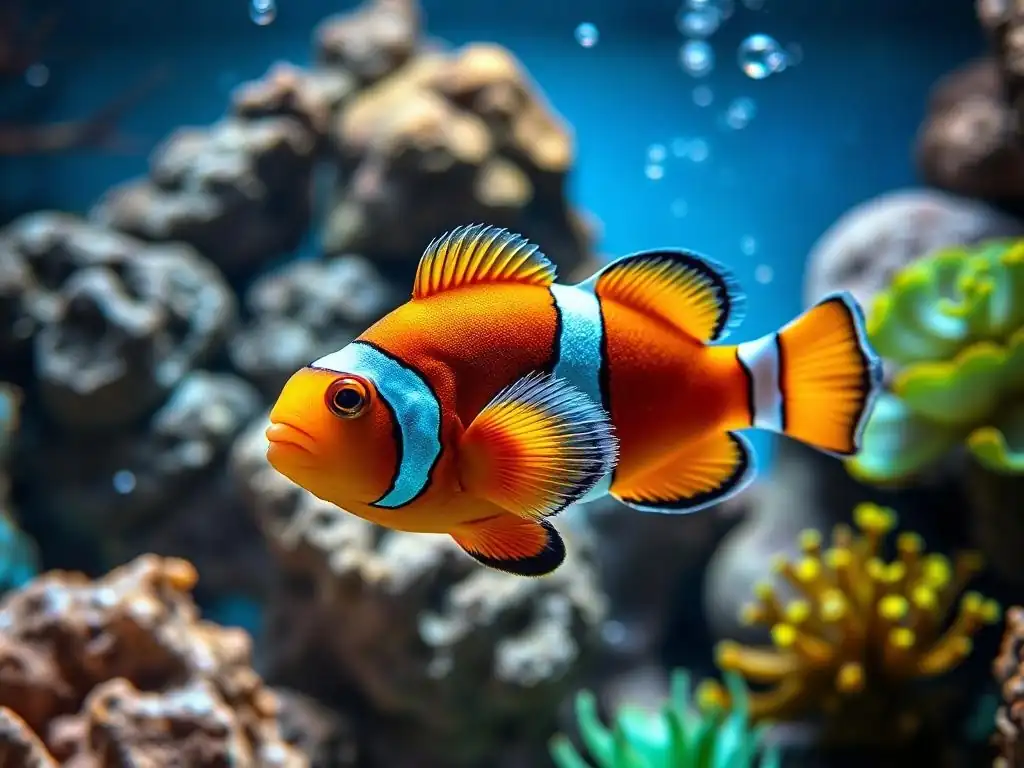
Minimizing Aggression and Bullying Among Saltwater Fish
Constant aggression and bullying among tank inhabitants are significant stressors that can severely compromise the immune systems of saltwater fish, making them highly susceptible to disease. Fish subjected to relentless harassment experience chronic stress, leading to a suppressed immune response, fin nipping, and physical injuries that can become entry points for bacterial infections. Thorough research into the compatibility and temperament of fish species before purchase is paramount.
Strategies to minimize aggression include introducing fish simultaneously or from least to most aggressive, providing ample space, and creating complex rockwork with numerous hiding spots and visual breaks. For instance, introducing a small, peaceful cardinalfish into a tank already dominated by a territorial damselfish can result in constant chasing and stress, leading to the cardinalfish developing stress-induced Ich or bacterial infections. Thoughtful stocking and layout are crucial for effective saltwater fish disease prevention.
Providing Adequate Hiding Places and Territory
Adequate hiding places and defined territories are essential for reducing stress in saltwater fish. These physical structures allow fish to retreat from perceived threats, escape aggressive tank mates, or simply rest in a secure environment. Live rock structures with numerous caves, crevices, and overhangs are ideal, providing both physical refuge and visual barriers. The availability of such refuges helps fish establish their own space, reducing territorial disputes and overall anxiety.
A good guideline for reef tanks is to aim for at least 1 pound of live rock per gallon, ensuring a complex and varied landscape. Even in fish-only tanks, strategic placement of rockwork and decorations ensures that every fish has a safe zone to retreat to. Tanks with insufficient hiding spots often exhibit higher instances of stress-related diseases like Marine Ich, as fish are constantly on edge and their immune systems are perpetually suppressed. This simple provision is a vital aspect of saltwater fish disease prevention.
Maintaining Proper Lighting Conditions for Saltwater Fish Health
Maintaining appropriate lighting conditions is another subtle yet important factor in saltwater fish disease prevention. Marine fish, like most animals, have natural circadian rhythms that are influenced by light cycles. Providing a consistent photoperiod, typically 8-12 hours per day, mimics their natural environment and supports their biological clock. Erratic or excessively long periods of lighting can disrupt these rhythms, leading to chronic stress and a compromised immune system.
For instance, leaving aquarium lights on for 16 or more hours daily can cause chronic stress, disrupt sleep patterns, and contribute to nuisance algae blooms, all of which negatively impact fish health and increase susceptibility to diseases like Marine Velvet. Conversely, a consistent dawn-to-dusk cycle, perhaps with a brief midday siesta for certain species, promotes natural behavior and reduces stress. Adhering to a stable and appropriate lighting schedule is a simple yet effective measure for promoting long-term saltwater fish disease prevention.
Recognizing Early Signs of Saltwater Fish Disease
Observing Behavioral Changes: Clues to Underlying Health Issues
Early detection is paramount for successful saltwater fish disease prevention and treatment. Observing subtle behavioral changes is often the first indication that a fish is experiencing health issues. Key signs to look for include:
- Lethargy or unusual hiding: A normally active fish becoming withdrawn or spending excessive time hiding.
- Loss of appetite: Refusing food that it normally eagerly consumes.
- Rapid or labored breathing (gilling): Gills moving excessively fast, or fish gasping at the surface.
- Flashing: Rubbing or scratching against rocks, substrate, or tank decor to relieve irritation.
- Erratic swimming: Jerky movements, spiraling, or loss of balance.
- Clamped fins: Fins held tightly against the body, indicating discomfort or stress.
Emphasizing daily observation is crucial. For example, noticing a normally boisterous clownfish suddenly clamping its fins and breathing heavily could be an early sign of Marine Ich, prompting immediate investigation and greatly improving the chances of successful intervention before the disease spreads throughout the tank.
Inspecting Physical Appearance: Identifying Spots, Lesions, and Fin Damage
In addition to behavioral changes, a thorough inspection of a fish's physical appearance can reveal early signs of disease. These physical manifestations often provide direct clues to the type of ailment present. Look for:
- White spots: Small, salt-grain-like spots on the body and fins (classic for Ich).
- Velvet-like dust: A fine, yellowish-brown, powdery coating, especially visible under direct light (Marine Velvet).
- Cloudy eyes: One or both eyes appearing opaque or hazy.
- Lesions or ulcers: Open sores, red patches, or inflamed areas on the skin.
- Frayed or torn fins: Fins appearing ragged or with missing sections.
- Discolored patches or excessive mucus: Abnormal patches of color or a thick, slimy coating on the skin.
Close inspection, sometimes aided by a flashlight, is advised. For instance, tiny, distinct white spots on the fins and body, resembling sprinkled salt, are the hallmark of Cryptocaryon irritans. Early detection through such visual cues is critical for initiating timely treatment and ensuring effective saltwater fish disease prevention efforts.
Common Saltwater Fish Diseases and Their Early Symptoms: Ich (White Spot Disease), Marine Velvet (Amyloodinium), Brooklynellosis
Understanding the early symptoms of common saltwater fish diseases is vital for rapid diagnosis and intervention.
- Ich (White Spot Disease - Cryptocaryon irritans): This is perhaps the most common and feared marine parasite. Early symptoms include small, distinct white spots resembling grains of salt, primarily on the fins and body. Fish often exhibit rapid breathing (gilling), flashing against tank decor, and clamped fins. As the infection progresses, spots multiply, and fish become lethargic and lose appetite.
- Marine Velvet (Amyloodinium ocellatum): Often mistaken for Ich, Marine Velvet is caused by a dinoflagellate and is far more aggressive and rapidly fatal. Early signs include a fine, dusty, yellowish-brown coating on the skin, which may be difficult to see without a flashlight. Fish will typically show very rapid gilling, lethargy, loss of color, and often appear to "shimmer" under light. It can spread quickly and wipe out a tank in days.
- Brooklynellosis (Brooklynella hostilis): Commonly known as "Clownfish Disease," this ciliate parasite primarily affects clownfish but can impact others. Early symptoms manifest as white, slimy patches or streaks, especially around the head and gills, often accompanied by excessive mucus production. Fish may show labored breathing, lethargy, and in advanced stages, skin sloughing. Recognizing these distinct early symptoms allows for targeted and timely saltwater fish disease prevention strategies and treatment.
Choosing the Right Saltwater Fish for Your Aquarium
Researching Compatibility and Temperament Before Purchase
Choosing the right fish is a foundational aspect of saltwater fish disease prevention. Incompatible tank mates are a primary source of chronic stress, aggression, and injuries, all of which compromise a fish's immune system and make it highly susceptible to disease. Before introducing any new fish, thorough research into its adult size, typical aggression levels, specific care requirements, and compatibility with existing inhabitants is absolutely essential.
Avoid impulse purchases. For example, pairing a highly aggressive species like a large triggerfish with docile cardinalfish will inevitably lead to constant harassment, stress, and potentially fatal injuries for the less dominant fish. Even seemingly minor skirmishes can cause enough stress to trigger an outbreak of Ich or a bacterial infection in the stressed individual. Proper research and thoughtful stocking are fundamental steps in creating a harmonious and healthy marine environment.
Selecting Disease-Resistant Saltwater Fish Species: Clownfish, Damselfish, Tangs (with proper acclimation)
While no marine fish species is truly "disease-proof," some are generally considered hardier and more resilient to common ailments, making them excellent choices for beginners or those prioritizing saltwater fish disease prevention. Ocellaris Clownfish ( Amphiprion ocellaris) and various Damselfish species (e.g., Blue Devil Damselfish, Yellowtail Damselfish) are often robust, tolerating a wider range of water parameters and handling stress better than more delicate species.
Tangs (e.g., Yellow Tang, Kole Tang, Sailfin Tang) are also popular and can be quite hardy. However, they are notably susceptible to Ich ( Cryptocaryon irritans) if stressed by poor water quality, aggression, or inadequate nutrition. Their inherent resilience, when coupled with rigorous saltwater fish disease prevention protocols such as proper quarantine, stable water parameters, and a nutrient-rich diet, allows them to thrive and resist infections more effectively than many other marine species.
Avoiding Overstocking: Reducing Stress and Disease Risk
Overstocking an aquarium is a common mistake that directly contributes to compromised fish health and increased disease risk. An overcrowded tank leads to several detrimental conditions:
- Increased waste production: More fish generate more ammonia, nitrite, and nitrate, rapidly degrading water quality.
- Reduced oxygen levels: A higher biomass consumes more dissolved oxygen, especially at night.
- Heightened aggression: Limited space intensifies territorial disputes and bullying, causing chronic stress.
All these factors directly suppress fish immune systems. For marine fish-only tanks, a general guideline is approximately 1 inch of adult fish per 5 gallons of water, though this varies significantly by species and filtration. For reef tanks, stocking is even more conservative to minimize nutrient load. Exceeding recommended stocking levels by even 25% can significantly increase stress and the likelihood of diseases spreading rapidly, directly undermining effective saltwater fish disease prevention.
Equipment Maintenance: Ensuring a Healthy Saltwater Environment
Regularly Cleaning Filters and Protein Skimmers
Proper maintenance of filtration equipment is critical for saltwater fish disease prevention. Clogged mechanical filters (like filter socks or sponges) reduce water flow and can quickly become "nitrate factories" as trapped detritus decomposes, degrading water quality. Protein skimmers, on the other hand, are vital for removing dissolved organic compounds (DOCs) from the water column before they break down into nitrates and phosphates.
To ensure optimal performance, filter socks should be rinsed daily or every other day. Mechanical filter media should be cleaned weekly during water changes. Protein skimmer collection cups need to be emptied and cleaned every 1-3 days, and the skimmer neck and body should be thoroughly cleaned every 1-2 weeks to prevent organic buildup that reduces efficiency. A skimmer operating at only 70% efficiency due to neglect will leave significantly more dissolved organics in the water, directly contributing to poor water quality and chronic stress for fish.
Calibrating and Maintaining Testing Equipment
Accurate water parameter readings are the cornerstone of effective saltwater fish disease prevention. Without reliable data, aquarists cannot properly assess their tank's health or make informed decisions regarding maintenance and dosing. Refractometers, used for measuring salinity, require regular calibration with a known 35 ppt (parts per thousand) reference solution to ensure accuracy. Liquid test kits have expiration dates, and their reagents can degrade over time, leading to false readings.
It is advisable to replace liquid reagents every 6-12 months, even if not fully used, and to calibrate digital pH and salinity meters monthly. Inaccurate readings can lead to incorrect dosing of supplements, failure to detect deteriorating water quality, or misdiagnosis of problems, making effective saltwater fish disease prevention impossible. Investing in quality testing equipment and maintaining it diligently is as important as maintaining the tank itself.
Replacing UV Sterilizer Bulbs for Effective Disease Control
Ultraviolet (UV) sterilizers are valuable tools in saltwater fish disease prevention by effectively killing free-floating bacteria, algae, and certain waterborne parasites (like Ich tomonts and Marine Velvet dinospores) as water passes through them. However, their effectiveness is entirely dependent on the intensity of the UV-C light emitted. UV bulbs degrade over time, losing their germicidal potency even if they still appear to be lit.
Most manufacturers recommend replacing UV bulbs every 6-12 months of continuous operation. Failing to replace the bulb means the UV sterilizer is operating at a reduced capacity, providing minimal protection against waterborne pathogens. For example, a UV sterilizer with an old bulb operating at 50% efficiency will be significantly less effective at preventing the spread of a Cryptocaryon irritans outbreak. Regular bulb replacement is a simple, cost-effective measure to ensure this piece of equipment contributes meaningfully to overall fish health and disease control.
Proactive Measures for Saltwater Fish Health: A Comprehensive Checklist
Daily Observation: Monitoring Fish Behavior and Appearance
Implementing a daily observation routine is the most immediate and impactful proactive measure for saltwater fish disease prevention. Spending just a few minutes each day, ideally during feeding times, to carefully watch each fish allows aquarists to quickly identify any subtle changes in behavior, swimming patterns, breathing, appetite, or physical appearance. This consistent vigilance is often the first line of defense against potential health issues.
For example, noticing a single clamped fin on a normally active tang during its morning feeding can prompt immediate investigation, potentially preventing a full-blown Ich outbreak in a 150-gallon tank. Early detection allows for timely intervention, whether it's isolating a fish, adjusting water parameters, or preparing a quarantine tank for treatment, significantly increasing the chances of successful resolution and minimizing stress on the entire ecosystem.
Weekly Water Testing: Maintaining Optimal Water Quality
Weekly water testing is a non-negotiable component of saltwater fish disease prevention. Consistent monitoring of key parameters provides crucial insights into the stability and health of the aquarium environment. The most critical tests to perform weekly include:
- Salinity: To ensure osmotic stability.
- pH: To monitor alkalinity and acidity.
- Ammonia: Must always be zero.
- Nitrite: Must always be zero.
- Nitrate: To track the efficiency of nutrient export and biological filtration.
Regular testing helps identify trends and allows for corrective action before parameters deviate dangerously out of range. For instance, a gradual increase in nitrates from 10 ppm to 30 ppm over two weeks indicates a need for increased water changes or better nutrient export methods, proactively supporting fish health before stress or disease manifests.
Monthly Filter Maintenance: Ensuring Efficient Filtration
Monthly filter maintenance is essential to ensure that mechanical and biological filtration systems are operating at peak efficiency, directly contributing to saltwater fish disease prevention. This routine involves a more thorough cleaning than weekly tasks. Specific monthly tasks include:
- Deep cleaning mechanical filter media: Rinsing sponges, pads, or filter socks thoroughly to remove trapped detritus.
- Inspecting biological media: Checking for detritus buildup within biological media (e.g., bio-balls, ceramic rings) and gently rinsing in old tank water if necessary, avoiding tap water that kills beneficial bacteria.
- Cleaning powerheads and return pumps: Dismantling and cleaning impellers and housings to maintain optimal water flow and circulation.
This proactive approach prevents the buildup of organic waste that can degrade water quality and become a source of nitrates and undesirable bacteria, thus counteracting efforts to maintain a disease-free environment.
Quarterly Equipment Inspection: Preventing Malfunctions
A quarterly inspection of all aquarium equipment is a crucial proactive measure for saltwater fish disease prevention. Equipment malfunctions can lead to rapid and catastrophic changes in tank conditions, severely stressing fish and making them highly vulnerable to disease. This comprehensive check-up should include:
- Heaters: Inspect for cracks, proper function, and secure placement.
- Pumps (return, powerheads, skimmer pumps): Check for unusual noises, reduced flow, or blockages.
- Tubing and connections: Inspect all plumbing for leaks, kinks, or signs of wear.
- Dosing pump lines: Clean if applicable to prevent clogs and ensure accurate dosing.
Regular inspection prevents critical failures. For instance, a heater malfunction can cause rapid temperature swings, severely stressing fish and leading to Ich outbreaks. A pump failure can result in oxygen deprivation. Proactive equipment maintenance is vital for maintaining the stable and healthy environment necessary for robust saltwater fish disease prevention.
Frequently Asked Questions
How important is water quality for saltwater fish disease prevention?
Maintaining pristine water quality is absolutely critical. Poor water quality stresses fish, making them susceptible to disease. Regular testing and water changes are essential for a healthy saltwater aquarium.
What role does quarantine play in preventing diseases from entering my saltwater aquarium?
Quarantining new fish in a separate tank for several weeks allows you to observe them for any signs of disease before introducing them to your main display tank. This prevents the spread of potential pathogens to your existing fish.
What are some common signs of disease in saltwater fish that I should watch out for?
Keep an eye out for changes in behavior, such as lethargy, loss of appetite, or erratic swimming. Physical symptoms like white spots, fin rot, or cloudy eyes can also indicate disease.
How does proper nutrition contribute to saltwater fish disease prevention?
A balanced and varied diet strengthens the immune system of your fish, making them more resistant to disease. Provide high-quality food appropriate for your specific species to ensure optimal health.
Can stress contribute to saltwater fish becoming more susceptible to disease?
Yes, stress is a major factor. Overcrowding, aggressive tank mates, and fluctuating water parameters can all weaken a fish's immune system, making them more vulnerable to disease outbreaks. Minimizing stress is key to preventative care.
Final Reflection: Preserving Our Underwater Worlds
The meticulous steps outlined in this article, focused on saltwater fish disease prevention, are not merely a checklist for aquarium enthusiasts; they are a vital contribution to the health of our planet's delicate marine ecosystems. The well-being of our captive fish directly mirrors our responsibility towards the wild populations facing similar, and often exacerbated, challenges. Ignoring these preventative measures is not just a disservice to the creatures in our care, but a reflection of a broader disregard for the interconnectedness of life within our oceans.
This topic has profoundly shaped my understanding of the intricate balance within marine environments. The realization that even a small home aquarium can serve as a microcosm of larger oceanic issues underscores the importance of responsible stewardship. The health of our saltwater fish is a direct reflection of the health of our oceans, and our actions, however small, have ripple effects. We are tied to the ocean. And when we go back to the sea, whether it is to sail or to watch – we are going back from whence we came.
- John F. Kennedy. This quote perfectly encapsulates our inherent connection to the marine world and the responsibility that comes with it.
Now, I invite you to reflect on your own role in preserving these underwater sanctuaries. Consider how you can apply the principles of saltwater fish disease prevention, not just in your aquarium, but in your daily life. Are you making conscious choices to reduce pollution, support sustainable fishing practices, and advocate for ocean conservation? The health of our oceans, and the vibrant life they hold, depends on the collective actions of individuals like you. Let us all strive to be better stewards of our planet, ensuring a healthy and thriving future for all marine life.
Dive Deeper: Secure Your Saltwater Sanctuary Today!
Thank you for exploring the secrets to a thriving marine aquarium! Now that you're equipped with the knowledge to prevent fish diseases, it's time to put that expertise into action and ensure a healthy and vibrant underwater world.
Here's how to take the next step:
- Implement a Quarantine Protocol: Dedicate a separate quarantine tank and commit to isolating all new arrivals for at least 4 weeks before introducing them to your main display tank. This is your strongest defense against disease outbreaks.
- Explore Advanced Filtration Techniques: Research and consider upgrading your filtration system with elements like UV sterilizers or protein skimmers to further enhance water quality and reduce pathogen levels.
- Share Your Success! Post photos and videos of your thriving aquarium on social media using #AquariumMastery to inspire other aquarists.
What's the first step you'll take this week to safeguard your saltwater sanctuary from disease?