
The Zen Aquarium: Creating a StressFree Butterflyfish Environment

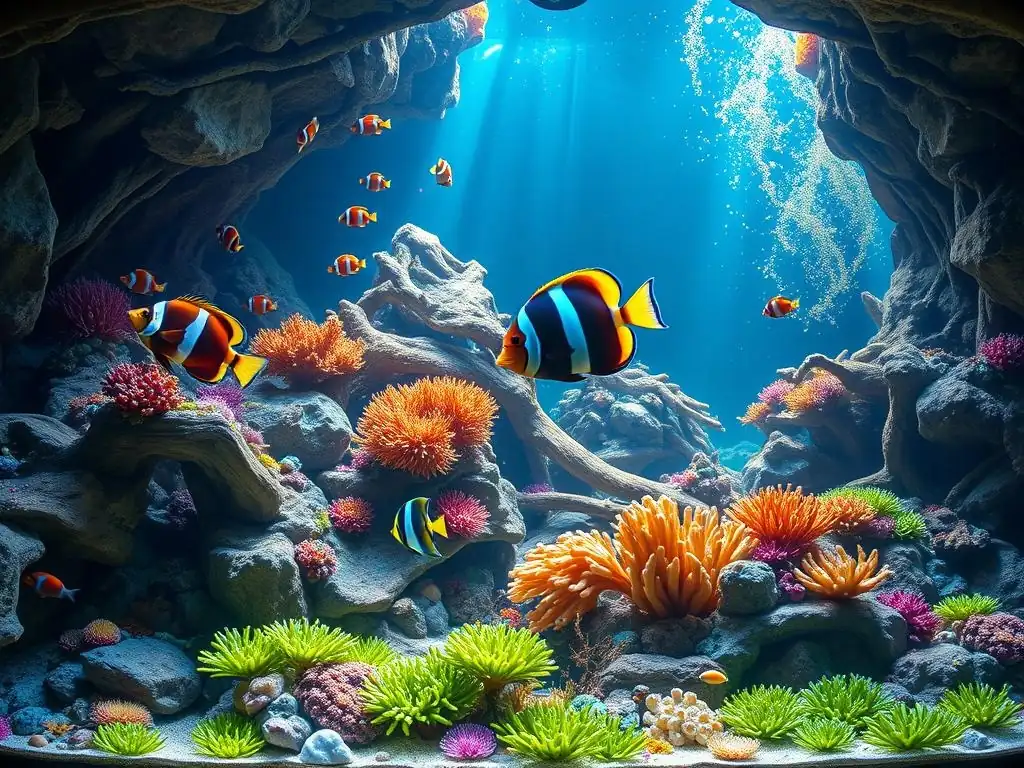
Welcome to Aquarium Mastery!
Ever wondered how to unlock the secret to a thriving butterflyfish aquarium? Creating the perfect water chemistry setup is paramount, and we're here to guide you through every step. Dive in to discover how to achieve a stress-free environment for your delicate butterflyfish and learn the essential elements for a truly zen aquarium. Ready to begin?
- Introduction to Butterflyfish in Aquariums: Achieving Tranquility
- Butterflyfish Aquarium Water Chemistry Setup: The Foundation of Health
- Essential Equipment for a Butterflyfish-Friendly Aquarium
- Creating a Stress-Reducing Aquascape for Butterflyfish
- Butterflyfish Feeding and Nutrition: Meeting Their Dietary Needs
- Monitoring and Maintaining Your Butterflyfish Aquarium
- Common Butterflyfish Health Issues and Prevention
- Advanced Techniques for Butterflyfish Aquarium Success
- Conclusion: Mastering the Art of Butterflyfish Aquarium Keeping
-
Frequently Asked Questions
- What specific water parameters are crucial for a healthy Butterflyfish aquarium?
- How does the "Zen" approach translate into practical steps for Butterflyfish aquarium setup?
- What common aquarium water chemistry imbalances can negatively impact Butterflyfish health?
- What filtration methods are most effective for maintaining optimal water quality in a Butterflyfish aquarium?
- What are the key considerations when choosing tank mates for Butterflyfish to avoid stress and maintain a peaceful environment?
- Final Reflection: Harmony in the Reef
- Cultivate Your Butterflyfish Sanctuary
Introduction to Butterflyfish in Aquariums: Achieving Tranquility
Understanding the Delicate Nature of Butterflyfish
Butterflyfish are renowned for their vibrant colors and graceful movements, making them highly sought-after inhabitants for saltwater aquariums. However, their beauty belies a delicate nature, requiring meticulous care and a stable environment to thrive. Many species, such as the Copperband Butterflyfish ( Chelmon rostratus) or the Raccoon Butterflyfish ( Chaetodon lunula), are wild-caught, enduring significant stress during capture, transport, and acclimatization, which can weaken their immune systems and make them susceptible to disease. Their specialized diets and sensitivity to fluctuating water parameters further underscore their fragility in a captive setting.
This inherent delicacy means that butterflyfish are often among the more challenging marine fish to keep successfully. Unlike hardier species, they do not tolerate marginal conditions well. For instance, a slight increase in ammonia or a sudden drop in pH can quickly lead to stress-related ailments, impacting their ability to feed and assimilate nutrients. Their natural coral reef habitats provide incredibly stable conditions, a stark contrast to the enclosed environment of an aquarium, making precise control over the Butterflyfish aquarium water chemistry setup paramount.
The Importance of a Stress-Free Environment for Butterflyfish
Creating a stress-free environment is not merely a luxury but a fundamental necessity for the long-term health and survival of butterflyfish. Chronic stress, whether from poor water quality, aggressive tank mates, or inadequate nutrition, directly compromises their immune system, leaving them vulnerable to common marine diseases like marine Ich ( Cryptocaryon irritans) or Marine Velvet ( Amyloodinium ocellatum). A stressed butterflyfish may exhibit clamped fins, rapid breathing (operculum movement exceeding 60-80 breaths per minute), faded coloration, or a complete refusal to eat, which can lead to rapid decline and often death within days or weeks.
Conversely, a meticulously maintained, low-stress environment allows butterflyfish to display their natural behaviors, vibrant colors, and full potential. In an optimal setting, a well-cared-for Copperband Butterflyfish, for example, can live for 3 to 5 years or even longer, actively foraging and interacting peacefully with appropriate tank mates. This Zen-like approach to their habitat minimizes external pressures, promoting robust health, strong immune responses, and a higher quality of life, which is directly tied to a stable and pristine Butterflyfish aquarium water chemistry setup.
Butterflyfish Aquarium Water Chemistry Setup: The Foundation of Health
Replicating Natural Reef Conditions for Butterflyfish
The cornerstone of a successful butterflyfish aquarium is the precise replication and consistent maintenance of natural reef water conditions. In the wild, coral reefs are characterized by incredible stability in their chemical parameters, with minimal daily or seasonal fluctuations. This consistency is what marine life, including delicate butterflyfish, has evolved to depend upon. In a closed aquarium system, the challenge is to mimic this stability, preventing the rapid swings in water chemistry that can cause immense stress to sensitive species.
Achieving this replication involves more than just hitting target numbers; it demands a deep understanding of the interdependencies between various parameters. For instance, stable salinity, a consistent pH of 8.1-8.4, and an alkalinity of 8-12 dKH (degrees of carbonate hardness) are not isolated values but work in concert. Furthermore, maintaining ultra-low levels of nitrates (ideally below 10 ppm, and certainly less than 20 ppm) and undetectable levels of ammonia and nitrite are critical for a healthy Butterflyfish aquarium water chemistry setup, as these fish are highly intolerant of common aquarium pollutants.
Key Water Parameters for a Thriving Butterflyfish Tank
The health and longevity of your butterflyfish are intrinsically linked to the stability and quality of your aquarium's water parameters. These chemical metrics form the invisible yet vital foundation of their environment, directly influencing their physiological functions, immune response, and overall well-being. Diligent monitoring and proactive adjustments are essential to ensure these parameters remain within optimal ranges, preventing stress and disease.
Every aspect of the Butterflyfish aquarium water chemistry setup must be considered, from the basic elements like salinity and pH to the critical nitrogenous waste products. Deviations from ideal conditions, even slight ones, can accumulate over time, leading to chronic stress that manifests as susceptibility to illness or a general decline in vitality. Therefore, understanding and controlling these key parameters is the most impactful action an aquarist can take for their butterflyfish.
Maintaining Optimal Salinity Levels for Butterflyfish
Salinity, or the concentration of dissolved salts in the water, is one of the most critical parameters for marine fish. For butterflyfish, an optimal specific gravity (SG) range of 1.023 to 1.026, or a salinity of 33 to 35 parts per thousand (ppt), is crucial. This range closely mirrors that of natural coral reef environments. Fluctuations outside this narrow window, even by as little as 0.002 SG daily, can induce osmotic stress, forcing the fish to expend excessive energy regulating their internal fluid balance, which weakens their immune system.
To maintain stable salinity, regular top-offs with purified RO/DI (Reverse Osmosis/Deionized) water are essential to compensate for evaporation, which leaves salts behind, increasing salinity. When performing water changes, ensure the new saltwater is mixed to the exact same salinity and temperature as the display tank water, using a high-quality refractometer for accurate measurement (calibrated with a 35 ppt reference solution). Rapid changes in salinity, such as a sudden drop from 1.025 to 1.020 SG, can be acutely detrimental, potentially leading to shock or even death in delicate butterflyfish.
The Role of pH in Butterflyfish Health
The pH level, a measure of water's acidity or alkalinity, plays a vital role in the physiological processes of marine fish, including butterflyfish. An ideal pH range for a Butterflyfish aquarium water chemistry setup is typically 8.1 to 8.4. Maintaining stability within this range is more important than hitting a precise number, as rapid pH swings (e.g., more than 0.2 units within 24 hours) can be highly stressful and contribute to conditions like "pH shock" or "acidosis."
Factors influencing pH include alkalinity (carbonate hardness, measured in dKH), carbon dioxide levels, and biological activity within the tank. Adequate alkalinity (8-12 dKH) acts as a buffer, preventing drastic pH swings. Regular water changes with properly mixed saltwater help replenish buffers and remove organic acids that can depress pH. Ensuring good surface agitation and aeration can also help off-gas excess CO2, which can lower pH. Monitoring pH with a reliable test kit or probe is essential to catch and correct any downward trends before they impact your butterflyfish.
Ammonia, Nitrite, and Nitrate Control: A Butterflyfish Aquarium's Lifeline
The nitrogen cycle is the fundamental biological process that detoxifies fish waste in an aquarium, and its efficient operation is the lifeline for any Butterflyfish aquarium water chemistry setup. Ammonia (NH3/NH4+), produced from fish waste and decaying organic matter, is extremely toxic to fish. Even concentrations as low as 0.05 ppm can cause gill damage and stress. Nitrite (NO2-), the next step in the cycle, is also highly toxic, interfering with oxygen transport in the blood. For butterflyfish, both ammonia and nitrite must be undetectable (0 ppm) at all times.
Nitrate (NO3-), the final product of the nitrogen cycle, is significantly less toxic but still detrimental at high concentrations. For sensitive butterflyfish, nitrate levels should ideally be kept below 10 ppm, and certainly no higher than 20 ppm. Control methods include robust biological filtration (e.g., ample live rock, at least 1-1.5 pounds per gallon), regular partial water changes (e.g., 10-20% weekly), careful feeding to avoid excess decaying food, and avoiding overstocking. A well-established biological filter is absolutely non-negotiable for the survival and well-being of butterflyfish.
Establishing a Stable Butterflyfish Aquarium Water Chemistry
Establishing a stable Butterflyfish aquarium water chemistry setup begins long before the fish are introduced. The crucial first step is to thoroughly cycle the aquarium, a process that establishes the beneficial bacteria colonies necessary to convert toxic ammonia and nitrite into less harmful nitrate. This cycling process typically takes 4 to 6 weeks, often longer, and involves introducing a small ammonia source (like a piece of shrimp or a commercial ammonia solution) until ammonia and nitrite consistently read 0 ppm. Rushing this process is a common mistake that leads to fish loss.
Once the tank is cycled, maintaining stability becomes a continuous effort requiring consistency and patience. This involves adhering to a strict maintenance schedule: regular water testing (daily during cycling, 2-3 times weekly for established tanks), consistent water changes with perfectly matched parameters, and careful feeding. Using a high-quality synthetic sea salt mix is also vital, as it provides all the necessary trace elements in appropriate concentrations. Any significant changes to equipment, stocking, or feeding routines should be introduced gradually to avoid shocking the delicate balance of the Butterflyfish aquarium water chemistry setup.
Essential Equipment for a Butterflyfish-Friendly Aquarium
Choosing the Right Aquarium Size for Butterflyfish
The size of the aquarium is a critical factor in providing a low-stress environment for butterflyfish. These fish are active swimmers and require ample space to thrive. While specific requirements vary by species, a general guideline is a minimum of 75 gallons for a single, smaller butterflyfish like a Copperband, and 125 gallons or more for larger species or if planning to keep multiple individuals. For example, a majestic Teardrop Butterflyfish ( Chaetodon unimaculatus) can reach 7 inches in length and needs substantial room to swim and establish territory without feeling confined.
Larger tanks offer several advantages that directly contribute to a more stable Butterflyfish aquarium water chemistry setup. They provide a greater volume of water, which acts as a buffer against rapid fluctuations in temperature, pH, and waste product accumulation. This increased dilution capacity makes it easier to maintain pristine water quality and reduces the frequency of extreme parameter swings. Furthermore, ample space reduces aggression among tank mates and provides sufficient swimming room, which is crucial for reducing stress and promoting natural behaviors in these active fish.
Filtration Systems: Keeping Butterflyfish Aquarium Water Pristine
A robust and multi-faceted filtration system is paramount for maintaining the pristine water quality essential for a healthy Butterflyfish aquarium water chemistry setup. Given their sensitivity to pollutants and the bioload they produce, relying on a single type of filtration is often insufficient. A comprehensive approach that combines mechanical, chemical, and biological filtration works synergistically to remove particulate matter, dissolved organic compounds, and toxic nitrogenous wastes, creating a stable and clean environment.
Each component of the filtration system plays a distinct yet interconnected role. Mechanical filtration physically removes debris, preventing its breakdown. Chemical filtration targets dissolved pollutants, odors, and discoloration. Biological filtration, the most critical, processes the toxic byproducts of the nitrogen cycle. Together, these elements ensure that the water remains clear, free of harmful substances, and conducive to the long-term health of your delicate butterflyfish, directly influencing the stability of the Butterflyfish aquarium water chemistry setup.
Mechanical Filtration for Removing Debris
Mechanical filtration is the first line of defense in maintaining water clarity and preventing the accumulation of decaying organic matter. Its primary function is the physical removal of particulate matter, such as uneaten food, fish waste, and detritus, from the water column. Common mechanical filter media include filter socks, filter floss, sponges, and foam pads. These materials trap larger particles as water flows through them, preventing them from breaking down and contributing to the bioload.
For optimal effectiveness and to prevent the trapped debris from becoming a source of pollution, mechanical filter media must be cleaned or replaced regularly. Filter socks, for instance, should be rinsed or changed every 2-3 days, while filter floss may need replacement weekly. Neglecting this maintenance can lead to nitrates and phosphates leaching back into the water, negatively impacting the Butterflyfish aquarium water chemistry setup and potentially fostering nuisance algae growth.
Chemical Filtration for Maintaining Water Quality
Chemical filtration utilizes specialized media to remove dissolved organic compounds (DOCs), heavy metals, odors, and discoloration from the aquarium water. These substances, while not immediately toxic like ammonia, can accumulate over time, leading to degraded water quality, reduced oxygen levels, and chronic stress for sensitive fish like butterflyfish. Activated carbon is the most common chemical filter media, effectively adsorbing a wide range of pollutants and keeping the water crystal clear.
Other chemical media include granular ferric oxide (GFO) for phosphate removal, and various specialized resins designed to target nitrates or silicates. Activated carbon typically needs to be replaced every 2-4 weeks, as its adsorptive capacity becomes exhausted. GFO is replaced when phosphate levels begin to rise again. The strategic use of chemical filtration is an important component of a comprehensive Butterflyfish aquarium water chemistry setup, helping to maintain pristine conditions beyond what mechanical and biological filtration alone can achieve.
Biological Filtration: The Nitrogen Cycle in Action
Biological filtration is arguably the most critical component of any marine aquarium filtration system, serving as the backbone of the nitrogen cycle. It relies on beneficial aerobic bacteria, primarily Nitrosomonas and Nitrobacter species, which colonize porous surfaces within the aquarium (such as live rock, ceramic rings, bio-balls, or filter sponges). These bacteria convert toxic ammonia, produced by fish waste and decaying organic matter, into less toxic nitrite, and then convert nitrite into relatively harmless nitrate.
A robust and mature biological filter is absolutely essential for a stable and healthy Butterflyfish aquarium water chemistry setup. Without it, ammonia and nitrite would quickly accumulate to lethal levels, especially for sensitive species like butterflyfish that have extremely low tolerance for these compounds. Adequate live rock (at least 1-1.5 pounds per gallon for reef tanks, slightly less for fish-only setups with other bio-media) provides ample surface area for these bacteria to thrive, ensuring efficient detoxification of the water column.
Lighting Considerations for a Butterflyfish Habitat
While butterflyfish do not have specific, demanding lighting requirements like some photosynthetic corals, appropriate lighting is still important for their overall well-being and for the health of the entire aquarium ecosystem. Moderate intensity lighting that mimics the natural daylight cycle is generally sufficient. If the aquarium also houses corals, the lighting should be chosen to meet the corals' photosynthetic needs, which will usually be more than adequate for the fish.
More importantly, the lighting schedule should be consistent, typically 10-12 hours per day. Avoid sudden, drastic changes in light intensity, which can startle and stress fish. Many modern LED lighting systems offer programmable features to simulate a gradual sunrise and sunset, providing a more natural and less stressful transition for the fish. This gentle shift helps establish a stable day-night rhythm, contributing to a calm and predictable Butterflyfish aquarium water chemistry setup.
Heaters and Temperature Control for Butterflyfish
Temperature is a fundamental parameter that directly impacts the metabolic rate and immune function of marine fish. For butterflyfish, a stable temperature range of 75-80°F (24-27°C) is ideal. Fluctuations outside this range, or rapid temperature swings (e.g., more than 2°F in a few hours), can cause significant stress, weaken the immune system, and make them susceptible to diseases like Ich. Consistency is key; maintaining a steady temperature is more important than hitting a precise number within the optimal range.
To ensure stability, it is highly recommended to use at least two smaller, appropriately sized heaters rather than one large one. This redundancy provides a safety net: if one heater fails, the other can help maintain temperature, preventing a catastrophic drop. Heaters should be connected to a reliable temperature controller, which offers precise regulation and can shut off heaters if they malfunction and overheat the tank. A high-quality thermometer should also be used to regularly verify the temperature, ensuring the stability critical to the Butterflyfish aquarium water chemistry setup.
Creating a Stress-Reducing Aquascape for Butterflyfish
Rockwork and Coral Placement: Mimicking a Natural Reef
The aquascape, or the arrangement of live rock and corals, plays a crucial role in creating a stress-reducing environment for butterflyfish by mimicking their natural coral reef habitats. Butterflyfish, even peaceful species, benefit greatly from having ample hiding spots, caves, and overhangs where they can retreat when feeling threatened or for rest. Aim to create a stable, multi-layered rock structure with plenty of swim-throughs and visual barriers. For instance, a 75-gallon tank might benefit from 75-100 pounds of live rock strategically placed to form distinct territories and sheltered areas.
Proper placement of rockwork and corals also helps to diffuse potential aggression among tank inhabitants. By breaking up long lines of sight, fish are less likely to constantly see and confront each other, reducing territorial disputes. Ensure all rockwork is securely stacked and stable to prevent collapses, which can cause significant stress, damage, or even fatality to your fish. A well-designed aquascape enhances not only the aesthetic appeal but also the functional well-being of the inhabitants within your Butterflyfish aquarium water chemistry setup.
Providing Ample Swimming Space for Butterflyfish
While butterflyfish appreciate hiding spots and intricate rockwork, they are also active swimmers that require generous open swimming areas. A common mistake is to over-fill the tank with rock, leaving insufficient space for fish to move freely. This can lead to chronic stress, reduced activity, and even physical injury as they navigate a cramped environment. For example, a 125-gallon tank housing a pair of Longnose Butterflyfish ( Forcipiger flavissimus) should have large open zones in the mid-to-upper water column, allowing them to cruise and forage naturally.
The key is to strike a balance between providing adequate hiding places and ensuring plenty of unobstructed swimming room. Design your aquascape with your butterflyfish's natural behavior in mind: they often forage by picking at rockwork and coral, but also enjoy gliding through open water. An unhindered swimming path contributes significantly to their overall well-being, reducing stress and allowing them to display their full range of natural behaviors, which is a hallmark of a thriving Butterflyfish aquarium water chemistry setup.
Avoiding Aggressive Tank Mates: Choosing Compatible Species
The selection of tank mates is paramount for creating a stress-free environment for butterflyfish. Many butterflyfish species are inherently timid and can be easily intimidated or outcompeted for food by aggressive or boisterous tank mates. Introducing an incompatible species can lead to chronic stress, fin nipping, refusal to eat, and eventually, a weakened immune system and disease. For instance, large angelfish, triggerfish, or aggressive damselfish are generally poor choices for a butterflyfish aquarium.
Instead, opt for peaceful, community-oriented fish that won't harass or bully your butterflyfish. Good choices might include certain gobies, blennies, cardinalfish, or smaller, more docile tangs (if tank size permits). Always research the specific temperament and adult size of any potential tank mate before introduction. A calm and harmonious community significantly reduces the stress levels of your butterflyfish, allowing them to thrive and better tolerate any minor fluctuations in the Butterflyfish aquarium water chemistry setup.
Selecting Substrate for Optimal Butterflyfish Health
The choice of substrate, while seemingly minor, can contribute to the overall health and stability of a butterflyfish aquarium. A sand bed, particularly live sand (which comes pre-seeded with beneficial bacteria and micro-fauna), is generally recommended for marine tanks. A shallow sand bed (1-2 inches deep) provides a natural aesthetic, offers a home for beneficial detritivores, and can contribute to biological filtration. It also allows certain fish, like gobies, to engage in natural sifting behaviors.
For advanced setups, a deep sand bed (DSB), typically 4 inches or more, can be implemented to facilitate anaerobic denitrification, converting nitrates into harmless nitrogen gas. However, DSBs require careful management and are not recommended for novice aquarists due to the potential for hydrogen sulfide buildup if disturbed. Regardless of depth, ensure the substrate is clean and does not leach undesirable elements into the water, which could negatively impact the delicate Butterflyfish aquarium water chemistry setup.
Butterflyfish Feeding and Nutrition: Meeting Their Dietary Needs
Understanding Butterflyfish Dietary Preferences
Understanding the specific dietary preferences of your chosen butterflyfish species is crucial for their long-term health and survival. Many butterflyfish are specialized feeders in the wild, often obligate corallivores (like the Ornate Butterflyfish, Chaetodon ornatissimus) that primarily feed on live coral polyps, or those that pick at various small invertebrates and algae found on the reef. This specialized diet can make them notoriously difficult to acclimate to captive foods, leading to starvation if not addressed.
Some species, such as the Copperband Butterflyfish, are known for consuming Aiptasia anemones and various small invertebrates, making them valuable in pest control but also challenging to sustain on prepared foods. Others, like the Pyramid Butterflyfish ( Hemitaurichthys polylepis), are planktivores and generally easier to convert to frozen and flake foods. Thorough research into your specific species' natural diet and captive feeding habits is the first step toward successful nutrition, impacting their overall vitality and their ability to thrive within the Butterflyfish aquarium water chemistry setup.
Offering a Varied and Nutritious Diet
To ensure optimal health and longevity, butterflyfish require a varied and highly nutritious diet in captivity. Relying on a single type of food is insufficient. A diverse feeding regimen should include high-quality frozen foods such as mysis shrimp, brine shrimp (enriched with spirulina or vitamins), finely chopped seafood (e.g., mussels, clams, squid), and possibly specialized frozen preparations for marine omnivores. Some species may also accept high-quality marine flakes or pellets, though these should not be the sole food source.
Frequent, small feedings are generally more beneficial than large, infrequent ones. Butterflyfish are often constant grazers in the wild, and offering food 2-3 times a day in small portions mimics their natural foraging behavior and ensures they receive consistent nutrition. This approach also helps prevent large amounts of uneaten food from decaying and negatively impacting the Butterflyfish aquarium water chemistry setup.
Avoiding Overfeeding: Maintaining Water Quality
While providing adequate nutrition is vital, overfeeding is a common pitfall that can rapidly degrade water quality and harm your butterflyfish. Uneaten food quickly breaks down, releasing ammonia, nitrite, and ultimately, high levels of nitrates and phosphates into the water column. These elevated nutrient levels directly stress sensitive butterflyfish, making them more susceptible to disease, and can also lead to unsightly nuisance algae blooms.
To prevent overfeeding, offer only what your butterflyfish can consume within 2-3 minutes. If food remains after this time, you are likely feeding too much. Remove any uneaten food promptly to minimize its impact on the Butterflyfish aquarium water chemistry setup. Consistent portion control, combined with a varied diet, not only supports the health of your fish but also significantly contributes to maintaining pristine and stable water parameters.
Monitoring and Maintaining Your Butterflyfish Aquarium
Regular Water Testing: Identifying and Addressing Imbalances
Regular and accurate water testing is the single most important ongoing task for maintaining a stable Butterflyfish aquarium water chemistry setup. Without consistent monitoring, imbalances can develop unnoticed, leading to stress and disease before visible symptoms appear in your fish. Key parameters to test include:
- Salinity: 2-3 times per week, aiming for 1.023-1.026 SG.
- pH: 2-3 times per week, aiming for 8.1-8.4.
- Ammonia & Nitrite: Daily during cycling, then weekly, aiming for 0 ppm.
- Nitrate: Weekly, aiming for below 10-20 ppm.
- Alkalinity (dKH): Weekly, aiming for 8-12 dKH.
- Calcium & Magnesium: Bi-weekly to monthly, especially if corals are present.
Invest in high-quality test kits from reputable brands, as accuracy is paramount. Documenting your results allows you to track trends and identify potential problems before they become critical. Proactive testing enables you to address minor deviations promptly, preventing significant stress to your delicate butterflyfish.
Performing Water Changes: Refreshing the Butterflyfish Environment
Regular partial water changes are indispensable for maintaining a healthy and stable Butterflyfish aquarium water chemistry setup. Water changes serve multiple crucial functions: they replenish essential trace elements that are consumed by inhabitants, dilute and remove accumulated nitrates and other dissolved organic pollutants that are not removed by filtration, and help to stabilize pH and alkalinity.
For a typical butterflyfish aquarium, a weekly or bi-weekly water change of 10-20% of the tank volume is generally recommended, depending on the bioload and nitrate levels. When preparing new saltwater, it is vital to use high-quality RO/DI water, a reputable marine salt mix, and ensure the new water is mixed thoroughly, aerated, and perfectly matched in temperature and salinity to the display tank water. Introducing water with significant differences in parameters can cause osmotic shock and severe stress to sensitive butterflyfish.
Quarantine Procedures for New Butterflyfish
Implementing a strict quarantine (QT) procedure for all new butterflyfish (and indeed, all new marine fish) is perhaps the most critical preventative measure against introducing diseases into your established display tank. Butterflyfish are particularly susceptible to common marine parasites like Ich ( Cryptocaryon irritans) and Marine Velvet ( Amyloodinium ocellatum), which can decimate an entire tank population if introduced.
A separate quarantine tank, typically 10-20 gallons for a single butterflyfish, should be set up with basic filtration, a heater, and plenty of PVC pipes or other inert hiding spots. New fish should be observed in this tank for a minimum of 4 to 6 weeks. During this period, they can be treated for common parasites or bacterial infections if necessary, without exposing the main display tank. This proactive approach significantly reduces the risk of disease outbreaks, protecting your existing fish and maintaining the pristine Butterflyfish aquarium water chemistry setup.
Common Butterflyfish Health Issues and Prevention
Identifying Signs of Stress in Butterflyfish
Early identification of stress is crucial for intervening before health issues become severe in butterflyfish. These delicate fish often show subtle signs before overt disease manifests. Behavioral indicators include clamped fins (held tightly against the body), rapid or labored breathing (gills moving excessively fast, over 80 breaths per minute), constant hiding or lethargy, erratic swimming, and a complete or partial refusal to eat. A healthy butterflyfish should be active, alert, and eager to feed.
Physical signs of stress or illness can include faded or dull coloration, white spots (indicative of Ich), a velvety or dusty appearance (Marine Velvet), cloudy eyes, torn or frayed fins (fin rot), or visible lesions. Any deviation from normal behavior or appearance warrants immediate investigation into the Butterflyfish aquarium water chemistry setup and overall tank conditions, as addressing the root cause of stress is the first step toward recovery.
Treating Common Butterflyfish Diseases
Despite best efforts, butterflyfish can occasionally contract diseases, with Ich ( Cryptocaryon irritans) and Marine Velvet ( Amyloodinium ocellatum) being among the most common. Both are highly contagious and often fatal if left untreated. Treatment options vary but typically involve transferring the infected fish to a separate hospital tank. Copper-based medications are effective against many external parasites, but butterflyfish can be sensitive to copper and dosage must be precise (e.g., maintaining 0.25-0.35 ppm total copper for 14-21 days).
Another common treatment for Ich is hyposalinity, which involves gradually lowering the specific gravity to 1.009-1.010 for 2-4 weeks. This method is less stressful on fish but requires careful monitoring and cannot be performed in a tank with corals or invertebrates. Regardless of the chosen treatment, the most effective long-term solution is to prevent disease by maintaining an optimal, stable Butterflyfish aquarium water chemistry setup and implementing strict quarantine procedures for all new arrivals.
Preventing Parasitic Infections in Butterflyfish Aquariums
Prevention is by far the most effective strategy against parasitic infections in butterflyfish aquariums, as treating these delicate fish can be challenging and stressful. The cornerstone of prevention is strict quarantine for all new fish, as outlined previously. Observing new fish in a separate tank for 4-6 weeks allows any latent parasites to manifest and be treated before they can infect your main display tank.
Beyond quarantine, maintaining pristine water quality and a consistently low-stress environment are the best defenses. Healthy fish with robust immune systems are far more resilient to parasites. This means diligently adhering to your maintenance schedule, including regular water changes, precise control over the Butterflyfish aquarium water chemistry setup, appropriate feeding, and avoiding overstocking or aggressive tank mates. A well-cared-for butterflyfish in a stable system is significantly less likely to succumb to parasitic infections.
Advanced Techniques for Butterflyfish Aquarium Success
Implementing a Refugium for Nutrient Control
For aquarists seeking to provide the absolute best for their butterflyfish, implementing a refugium is an advanced technique that significantly enhances water quality and stability. A refugium is a separate compartment, typically in the sump, designed to cultivate beneficial macroalgae (e.g., Chaetomorpha or Ulva) and micro-fauna (e.g., copepods, amphipods). The macroalgae absorb nitrates and phosphates, effectively acting as a natural filter and keeping nutrient levels exceptionally low, which is ideal for a pristine Butterflyfish aquarium water chemistry setup.
Furthermore, a refugium provides a safe haven for copepods and amphipods to reproduce without predation from fish. These tiny crustaceans can then periodically be flushed into the main display tank, providing a continuous, natural food source for your butterflyfish, mimicking their wild foraging behaviors and supplementing their diet. This natural nutrient export and food source contribute significantly to the overall health and vitality of your butterflyfish.
Utilizing a Protein Skimmer for Enhanced Water Quality
A high-quality protein skimmer is an indispensable piece of equipment for any serious saltwater aquarium, particularly one housing sensitive fish like butterflyfish. Protein skimmers work by creating a column of fine air bubbles that attract and remove dissolved organic compounds (DOCs) and other proteinaceous waste products from the water before they can break down into nitrates and phosphates. This process significantly reduces the organic load on the biological filter and helps maintain consistently low nutrient levels.
By actively pulling out these pollutants, a protein skimmer contributes immensely to maintaining a stable and pristine Butterflyfish aquarium water chemistry setup. It also helps to increase oxygen levels in the water, which is beneficial for all marine life. For optimal performance, ensure your protein skimmer is appropriately sized for your tank volume and bioload, and clean its collection cup regularly (daily to weekly) to ensure efficient waste removal.
Considering a Deep Sand Bed for Biological Filtration
While a shallow sand bed (1-2 inches) is common, a deep sand bed (DSB) of 4 inches or more can be an advanced method for enhanced biological filtration, specifically targeting nitrate reduction. Within a DSB, anaerobic zones develop where specialized bacteria can perform denitrification, converting nitrates (NO3-) into harmless nitrogen gas (N2), which then off-gasses from the water. This process can significantly contribute to maintaining ultra-low nitrate levels in a Butterflyfish aquarium water chemistry setup.
However, DSBs require careful setup and management. They must be established correctly and should not be disturbed once mature, as disturbing the anaerobic layers can release toxic hydrogen sulfide. While effective for nitrate removal, they are generally considered an advanced technique and may not be suitable for all aquarists. For those willing to learn and maintain them, DSBs offer a powerful natural method for maintaining exceptional water quality.
Conclusion: Mastering the Art of Butterflyfish Aquarium Keeping
Ensuring a Long and Healthy Life for Your Butterflyfish
Mastering the art of butterflyfish aquarium keeping is a rewarding endeavor that culminates in vibrant, active, and long-lived fish. It requires a commitment to meticulous care, starting with the foundational Butterflyfish aquarium water chemistry setup. This involves consistently maintaining optimal salinity, pH, alkalinity, and undetectable levels of ammonia and nitrite, while keeping nitrates at minimal concentrations. Beyond water parameters, providing a spacious tank, a stress-reducing aquascape with ample hiding spots, and a diet tailored to their specific needs are equally critical.
The journey to ensuring a long and healthy life for your butterflyfish is characterized by diligence, patience, and a proactive approach to maintenance. Regular water testing, consistent water changes, careful feeding, and strict quarantine protocols are not just recommendations but essential practices. By creating an environment that closely mimics their natural reef habitat and minimizes stressors, you empower these delicate beauties to thrive, showcasing their full splendor and natural behaviors for years to come.
Continuing Education: Expanding Your Butterflyfish Aquarium Knowledge
The marine aquarium hobby is dynamic and ever-evolving, and continuing education is key to long-term success, especially with sensitive species like butterflyfish. As you gain experience, you'll encounter new challenges and opportunities to refine your approach to the Butterflyfish aquarium water chemistry setup and general husbandry. Engaging with reputable online forums, reading advanced articles on websites like AquariumMastery.com, and consulting with experienced aquarists can provide invaluable insights and new techniques.
Embracing a mindset of continuous learning will enable you to adapt to new information, troubleshoot effectively, and continually improve the environment for your butterflyfish. Whether it's learning about advanced filtration methods, understanding specific species' nuances, or refining your feeding strategies, expanding your knowledge base ensures that you remain equipped to provide the best possible care, fostering a truly Zen aquarium where your butterflyfish can flourish.
Frequently Asked Questions
What specific water parameters are crucial for a healthy Butterflyfish aquarium?
Maintaining pristine water quality is paramount. Butterflyfish are sensitive to fluctuations, so stable parameters are key. Specifically, aim for a pH of 8.1-8.4, a salinity of 1.024-1.026, and near-zero levels of ammonia and nitrite.
How does the "Zen" approach translate into practical steps for Butterflyfish aquarium setup?
A "Zen" approach emphasizes minimizing stress. This means providing ample swimming space, carefully selecting peaceful tank mates, and creating a stable and predictable environment. Proper aquarium water chemistry is also crucial for reducing stress.
What common aquarium water chemistry imbalances can negatively impact Butterflyfish health?
Elevated levels of nitrates, ammonia, or nitrites are highly toxic. Drastic fluctuations in pH or salinity can also be detrimental. Regular testing and water changes are essential for maintaining stable aquarium water chemistry.
What filtration methods are most effective for maintaining optimal water quality in a Butterflyfish aquarium?
A combination of mechanical, biological, and chemical filtration is ideal. A protein skimmer is highly recommended for removing organic waste, while a robust biological filter ensures the breakdown of harmful substances. Regular water changes are still necessary.
What are the key considerations when choosing tank mates for Butterflyfish to avoid stress and maintain a peaceful environment?
Avoid aggressive or territorial fish species. Choose peaceful, reef-safe invertebrates and fish that won't compete for food or harass the Butterflyfish. Careful observation and understanding of each species' temperament are essential for a harmonious aquarium.
Final Reflection: Harmony in the Reef
The principles outlined in this article, focusing on meticulously crafting the ideal Butterflyfish aquarium water chemistry setup, extend far beyond the glass walls of a tank. They represent a broader philosophy of understanding and respecting the delicate balance of any ecosystem, whether natural or artificial. The pursuit of a stress-free environment for these vibrant creatures mirrors our own yearning for tranquility and well-being in a world often characterized by chaos.
The impact of responsible aquarium keeping, particularly concerning sensitive species like Butterflyfish, resonates deeply within the larger conservation narrative. It reminds us that even seemingly small actions, like maintaining pristine water parameters, contribute to a greater understanding and appreciation of marine life. In the end, we will conserve only what we love; we will love only what we understand; and we will understand only what we are taught.
- Baba Dioum. This quote underscores the vital role education and responsible practices play in safeguarding the future of our oceans and the beautiful creatures that inhabit them.
As you consider the intricate details involved in creating a thriving Butterflyfish aquarium, I invite you to reflect on the broader implications of your actions. How can you apply the principles of balance, patience, and meticulous care learned from this endeavor to other aspects of your life? Strive to create environments, both internal and external, that foster harmony and well-being, not just for yourself, but for all living things. Let the Zen Aquarium be a constant reminder of the power of mindful stewardship.
Cultivate Your Butterflyfish Sanctuary
Thank you for diving into the art of Butterflyfish care! We hope this article has provided you with the insights to create a truly harmonious aquarium environment. Now, let's bring that zen to life!
Here are a few actions you can take right now:
- Start planning your Butterflyfish aquascape: Research and select tank decorations that mimic their natural coral reef habitat to reduce stress and encourage natural behaviors.
- Join our Aquarium Mastery community forum to share your aquascaping ideas and get feedback from experienced Butterflyfish keepers.
- Surprise your Butterflyfish: Introduce a new, safe coral frag or rock structure to their environment to stimulate curiosity and reduce boredom (observe them carefully after introduction).
What specific coral type are you most excited to introduce to your Butterflyfish aquarium, and why?