
The "Retirement Home" for PostProductive Tetra Breeders: An Aquarium Mastery Concept

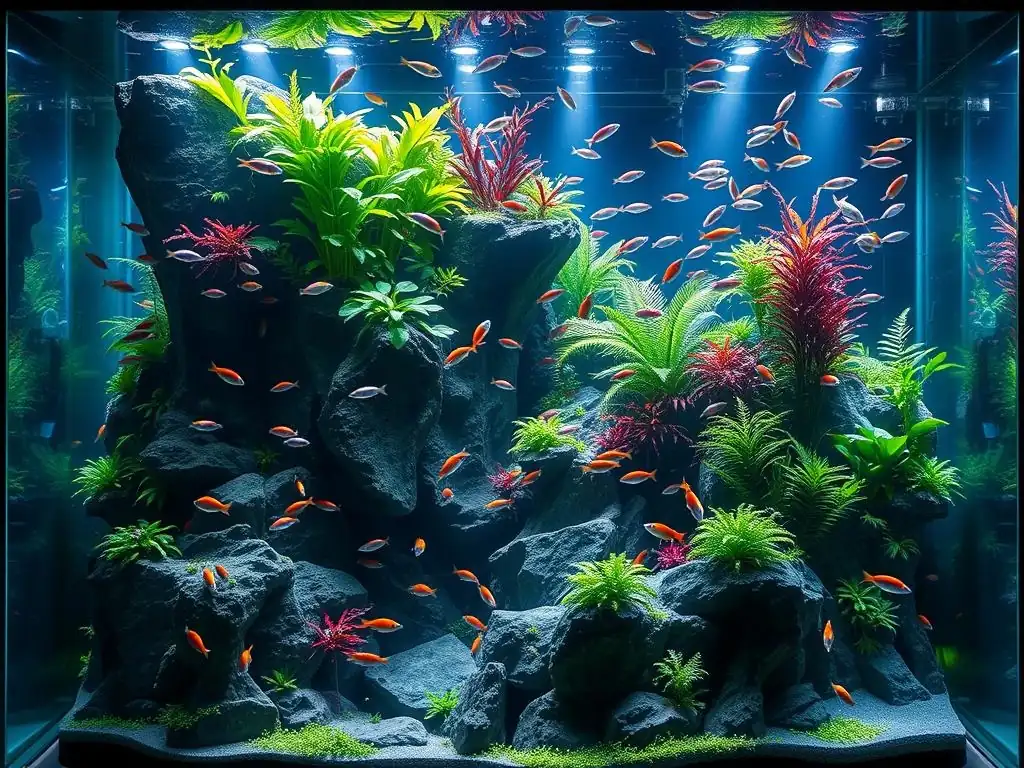
Welcome to Aquarium Mastery! Ever wondered what happens to your tetra breeders after their most productive years? The answer might surprise you. Dive into "The 'Retirement Home' for PostProductive Tetra Breeders: An Aquarium Mastery Concept," and discover a compassionate and innovative approach to caring for your aging fish, ensuring they enjoy a peaceful and well-deserved retirement. Learn how a dedicated postproductive tetra breeding tank can revolutionize your approach to fishkeeping. Let's explore!
- The "Senior Sanctuary": Caring for Aging Neon Tetras
- Understanding the Needs of Aging Neon Tetras
- Creating the Ideal Senior Neon Tetra Environment
- Tank Mates and Social Dynamics in the Senior Tank
- Feeding and Nutrition for Aging Neon Tetras
- Maintaining the Senior Neon Tetra Tank
- Common Health Issues in Senior Neon Tetras and Their Prevention
- Benefits of a Dedicated Senior Neon Tetra Tank
- Advanced Considerations for the Senior Neon Tetra Tank
-
Frequently Asked Questions
- What is a "PostProductive Tetra Breeding Tank" and why is it needed?
- How does the setup of a PostProductive Tetra Breeding Tank differ from a regular tetra tank?
- What are the specific water chemistry considerations for a PostProductive Tetra Breeding Tank?
- What type of food and feeding schedule is recommended for retired tetra breeders?
- How do I identify when a tetra breeder is "postproductive" and ready for retirement?
- Final Reflection: Nurturing Legacy in the Aquarium
- Unveil a Haven for Your Tetra Elders
The "Senior Sanctuary": Caring for Aging Neon Tetras
Understanding the Needs of Aging Neon Tetras
Neon tetras (Paracheirodon innesi) typically have a lifespan ranging from two to five years in a well-maintained aquarium, though exceptional cases of individuals living up to ten years have been reported under pristine conditions. As these vibrant fish mature, especially after their peak reproductive years, they undergo significant physiological changes.
For instance, a neon tetra that has been part of an active breeding program, often housed in a dedicated "postproductive tetra breeding tank," will show signs of age sooner due to the energy demands of reproduction. Their internal organs, much like those in humans, begin to function less efficiently, impacting their overall vitality.
These age-related changes manifest in various ways, affecting their physical appearance and behavior. A once brightly colored neon tetra may begin to show faded hues, particularly in the characteristic iridescent blue and red stripes. Their fins might appear slightly frayed or less vibrant, and their eyes could develop a subtle cloudiness, though this is less common. Internally, their immune systems weaken, making them more susceptible to common diseases that younger, more robust fish might easily fend off.
Recognizing Signs of Aging in Neon Tetras
Observing your neon tetras closely can help you identify the subtle yet distinct signs of aging. One of the most common indicators is a noticeable decrease in activity levels; older tetras will often spend more time resting near the bottom or in sheltered areas of the tank, rather than actively schooling or exploring. Their once energetic swimming may become slower and more deliberate, or they might exhibit a slightly hunched posture, a general sign of declining muscle tone and vitality.
Beyond physical posture and movement, their interaction with food can also change. While younger tetras typically dart to the surface or mid-water to snatch food, senior neon tetras may be slower to react to feeding times, sometimes missing food altogether or requiring more time to consume it. Their social dynamics might also shift; they may show less interest in schooling with younger, faster tank mates, preferring solitude or the company of other similarly aged individuals. Recognizing these signs is crucial for considering a dedicated "postproductive tetra breeding tank" or a senior sanctuary for their comfort.
Why a Dedicated "Senior Sanctuary" Benefits Neon Tetra Health and Well-being
Establishing a dedicated "senior sanctuary" or a "postproductive tetra breeding tank" is a proactive approach to ensuring the continued health and well-being of your aging neon tetras. This specialized environment is designed to mitigate the stressors that a typical community tank or a breeding setup might impose on an elderly fish. In a bustling community tank, older, slower tetras can face competition for food, be out-competed for hiding spots, or even become targets for more energetic, fin-nipping species, leading to chronic stress and a weakened immune system.
A senior sanctuary allows for precise control over environmental factors that are critical for aging fish. For example, water flow can be reduced to prevent exhaustion, lighting can be dimmed to mimic a more natural, less stimulating environment, and the feeding regimen can be tailored to their slower metabolism and reduced activity.
This dedicated space provides a peaceful retreat, free from the rigors of breeding or the constant activity of a general display tank, thereby significantly improving their quality of life and potentially extending their twilight years in comfort. It transforms a "postproductive tetra breeding tank" into a true retirement home.
Creating the Ideal Senior Neon Tetra Environment
Tank Size and Dimensions for Senior Neon Tetras
While neon tetras are small fish, a dedicated "postproductive tetra breeding tank" for seniors should still offer adequate space for stability and comfort. A minimum of a 10-gallon (approximately 38 liters) tank can house a small group of 5-6 senior neon tetras. However, a 20-gallon long tank (approximately 76 liters) is often considered ideal. The increased water volume in a larger tank provides greater stability for water parameters, which is paramount for aging fish that are more sensitive to fluctuations.
The dimensions of the tank are arguably more important than just the volume for less active, aging tetras. A "long" tank offers more horizontal swimming space, which is beneficial for fish that may not be as agile or as strong as their younger counterparts. This design allows them to swim comfortably without encountering strong currents or needing to navigate complex vertical layouts, reducing energy expenditure and overall stress.
Water Parameters for Optimal Health in Senior Neon Tetras
Maintaining Stable Water Chemistry: pH, GH, KH
Maintaining exceptionally stable water chemistry is paramount for the health of aging neon tetras in a "postproductive tetra breeding tank." While neon tetras generally thrive in soft, slightly acidic water, the emphasis for seniors shifts from hitting precise numbers to maintaining consistent parameters without fluctuations. An ideal pH range of 6.0 to 7.0 is suitable, with general hardness (GH) around 1-2 dGH (17.9-35.8 ppm) and carbonate hardness (KH) also around 1-2 dKH (17.9-35.8 ppm). Sudden shifts, even within acceptable ranges, can cause significant stress to their less resilient systems, potentially leading to osmotic shock or compromised immune function.
Regular weekly testing of these parameters is crucial. If adjustments are needed, they should be made very gradually, perhaps over several days or weeks, using methods like adding small amounts of distilled water or RO water to lower hardness, or using pH-buffering substrates like peat or specialized liquid buffers. The goal is to create a consistent, unchanging environment that minimizes any physiological challenge for the elderly residents of the "postproductive tetra breeding tank."
Temperature Considerations for Aging Neon Tetras
The optimal temperature range for senior neon tetras is slightly lower and more stable than for their younger, more active counterparts. A consistent temperature between 72-76°F (22-24°C) is ideal. Maintaining this range helps regulate their metabolism, which naturally slows with age, and supports their immune system function without placing undue stress on their bodies. Higher temperatures can increase their metabolic rate unnecessarily, leading to faster aging and increased susceptibility to disease.
It is imperative to avoid any rapid temperature fluctuations, which can be highly detrimental to aging fish. Utilizing a reliable, appropriately sized aquarium heater with a thermostat is essential. Placing the tank away from direct sunlight, air conditioning vents, or external heat sources will also help maintain temperature consistency, ensuring a stable and comfortable environment for a "postproductive tetra breeding tank."
Substrate and Decor: Providing Comfort and Security
Choosing Suitable Substrate for Elderly Neon Tetras
The choice of substrate in a "postproductive tetra breeding tank" for senior neon tetras should prioritize their comfort and safety. Fine, soft substrates like sand or very fine, smooth gravel are highly recommended. Unlike coarser gravel, these materials are gentle on their delicate fins and barbels, preventing scrapes or injuries that could lead to secondary infections, which older fish are less equipped to fight off. Aim for a substrate depth of about 1-2 inches (2.5-5 cm).
This depth is sufficient for beneficial bacteria to colonize, contributing to biological filtration, while also being shallow enough to prevent the accumulation of anaerobic pockets that can produce harmful gases. Avoid any substrate with sharp edges or rough textures. The uniform, soft nature of sand also makes it easier for less agile fish to rest on without discomfort, contributing to their overall well-being in their "retirement home."
Decorating for Reduced Stress and Increased Wellbeing
Decorating a "postproductive tetra breeding tank" for senior neon tetras should focus on creating a serene, low-stress environment with ample hiding spots. Abundant live or soft silk plants, such as Java Fern, Anubias, or Hornwort, are excellent choices. They not only provide visual barriers and cover but also help absorb nitrates and oxygenate the water. Incorporate small caves, hollow logs, or smooth driftwood pieces that offer secure retreats where the tetras can rest undisturbed.
It's beneficial to design the aquascape with reduced open swimming space, encouraging a sense of security and minimizing the need for rapid movements. Dim lighting, perhaps achieved through floating plants like Amazon Frogbit or Dwarf Water Lettuce, further contributes to a calm atmosphere, mimicking their shaded natural habitats and reducing eye strain for aging fish. This thoughtful arrangement helps reduce stress and promotes a sense of peace for the tank's elderly residents.
Selecting Compatible Tank Mates for Senior Neon Tetras
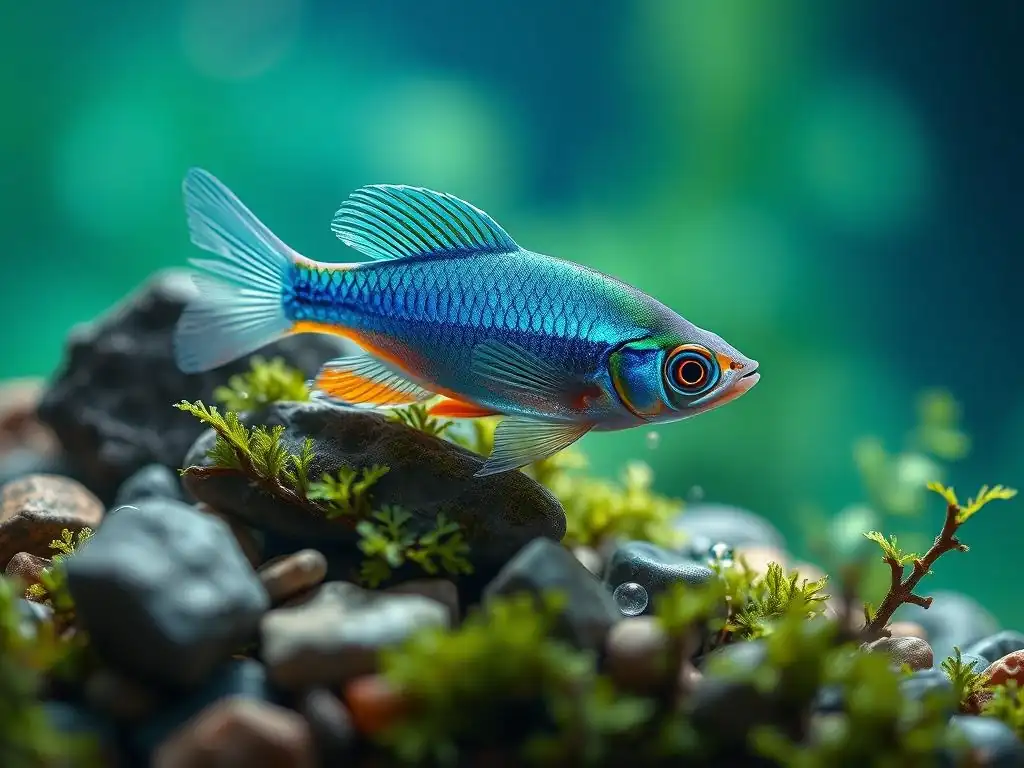
When considering tank mates for a "postproductive tetra breeding tank" housing senior neon tetras, the primary criterion is compatibility in terms of temperament and activity level. Opt for peaceful, slow-moving, and non-competitive species that will not stress or outcompete the aging tetras. Excellent choices include small, docile bottom-dwellers like Pygmy Corydoras (Corydoras pygmaeus) or Otocinclus catfish, which are peaceful and help with algae control without disturbing the tetras.
Another option is to house only other similarly aged neon tetras or other very small, calm, and slow-moving schooling fish that have also reached their senior years. The goal is to create a tranquil environment where all inhabitants can coexist without aggression or undue competition for resources. Avoid any species known for fin-nipping, boisterous swimming, or territorial behavior, as these can quickly compromise the well-being of the elderly neon tetras.
Avoiding Aggression and Competition for Resources
Aggression and competition are significant stressors for aging neon tetras, whose immune systems may already be compromised. Housing them with faster, more aggressive feeders can lead to undernourishment, as the senior tetras may be too slow or timid to compete for food. This constant struggle for resources can also lead to chronic stress, manifesting as clamped fins, faded colors, and increased susceptibility to diseases like Ich or fin rot.
To prevent such issues in a "postproductive tetra breeding tank," ensure that any chosen tank mates are genuinely docile and have similar dietary needs that can be met without competition. Provide ample feeding spots and disperse food widely to ensure all fish, especially the slower ones, have access. Similarly, ensure there are more hiding places than fish, so every individual has a secure retreat, reducing the likelihood of territorial disputes or stress from constant exposure.
Promoting a Peaceful and Stress-Free Community
Promoting a peaceful and stress-free community is fundamental to the success of a "postproductive tetra breeding tank." For schooling fish like neon tetras, maintaining an appropriate group size (typically at least 6-8 individuals, even in their senior years) is crucial. Being part of a school provides a sense of security and reduces individual stress, as they feel safer in numbers. However, avoid overcrowding, as this can lead to increased waste, poorer water quality, and heightened stress.
Beyond compatible tank mates and appropriate stocking levels, environmental factors also play a significant role. Gentle water flow, minimal sudden movements outside the tank, and a consistent light cycle contribute to a calm atmosphere. Routinely observing the tank for any signs of bullying or discomfort among the fish allows for early intervention, ensuring that the senior sanctuary remains a true haven for its delicate inhabitants.
Feeding and Nutrition for Aging Neon Tetras
Adjusting Diet to Meet the Needs of Less Active Neon Tetras
As neon tetras age and become less active, their metabolic rate naturally slows down, meaning they require less food than younger, more energetic individuals. Overfeeding is a common mistake that can lead to obesity in senior fish and, more critically, to rapid deterioration of water quality. The diet for a "postproductive tetra breeding tank" should consist of high-quality flakes, micro-pellets, or small granules specifically formulated for small community fish.
Offer smaller, more frequent meals, perhaps two or three times a day, but only feed what they can consume within 2-3 minutes. This ensures that all food is eaten and doesn't decay in the tank, preventing ammonia and nitrite spikes. Observing their feeding habits closely will help you fine-tune the portion sizes. Some aging tetras may prefer food that floats longer, while others might be more comfortable with slowly sinking pellets, so adjust accordingly.
Supplementing with Vitamins and Minerals for Enhanced Health
To bolster the health and immune system of aging neon tetras, supplementing their diet with essential vitamins and minerals is highly beneficial. Vitamin C (ascorbic acid) is particularly crucial for immune function and stress reduction, while B vitamins support metabolic processes. These can be provided through vitamin-enriched fish foods or by adding liquid vitamin supplements directly to their food before feeding.
Additionally, trace elements and minerals are vital for bone health, neurological function, and overall vitality. While a balanced diet provides many of these, a quality supplement designed for aquarium fish can ensure they receive adequate levels, especially if their appetite is diminished. This comprehensive nutritional approach helps support the longevity and quality of life for residents of a "postproductive tetra breeding tank."
Preventing Overfeeding and Maintaining Water Quality
Preventing overfeeding is perhaps the single most critical aspect of maintaining pristine water quality in a "postproductive tetra breeding tank." Uneaten food quickly decomposes, releasing ammonia and nitrites, which are highly toxic to fish, particularly to sensitive aging individuals. Overfeeding also contributes to excessive nitrate buildup, requiring more frequent or larger water changes, which can themselves be stressful.
To avoid these issues, always feed small portions. If any food remains after a few minutes, gently remove it with a fine net or siphon. Regularly vacuuming the substrate during water changes will also help remove any accumulated organic debris. By strictly managing feeding quantities and promptly removing uneaten food, you significantly reduce the biological load on the filtration system and ensure a healthier, more stable environment for your senior neon tetras.
Maintaining the Senior Neon Tetra Tank
Regular Water Changes and Filtration for a Healthy Ecosystem
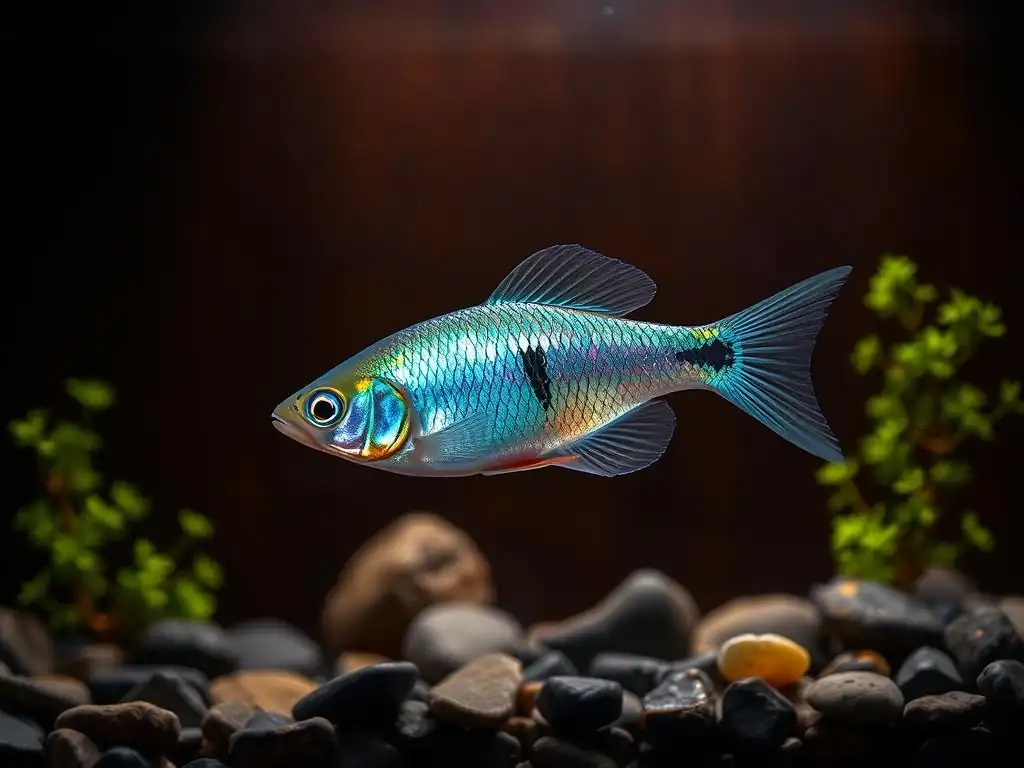
Consistent and regular water changes are the cornerstone of maintaining a healthy ecosystem in a "postproductive tetra breeding tank." For senior neon tetras, weekly water changes of 10-20% are generally recommended. This routine helps dilute accumulated nitrates, replenish essential minerals, and remove other dissolved organic compounds that can build up over time. Always use dechlorinated water that is temperature-matched to the tank water to prevent thermal shock and stress.
For filtration, a gentle system is preferred. Sponge filters are excellent choices as they provide biological filtration without generating strong currents that could exhaust aging fish. A low-flow hang-on-back (HOB) filter with adequate biological media can also work, provided its output is baffled or directed to minimize water turbulence. The goal is effective filtration that maintains water clarity and chemistry without causing physical stress.
Monitoring Water Parameters and Addressing Imbalances
Diligent monitoring of water parameters is crucial for the well-being of senior neon tetras. Beyond daily visual checks for fish behavior and water clarity, weekly testing for ammonia, nitrite, nitrate, pH, GH, and KH is essential. Ammonia and nitrite should always be at zero, as even small amounts are highly toxic. Nitrates should be kept below 20 ppm, ideally closer to 5-10 ppm for sensitive older fish.
If any imbalances are detected, immediate, but gentle, action is required. For instance, if nitrates are climbing, a slightly larger water change might be necessary. If ammonia or nitrite appear (indicating a cycle crash or overfeeding), stop feeding temporarily, perform a larger water change (e.g., 50%), and investigate the cause. Consistent monitoring allows for proactive adjustments, ensuring the "postproductive tetra breeding tank" remains a safe and stable home.
Plant Selection for Water Quality and Neon Tetra Comfort
Choosing Low-Maintenance Plants for the Senior Tank
Live plants are invaluable additions to a "postproductive tetra breeding tank" for senior neon tetras. They contribute significantly to water quality by absorbing nitrates and other waste products, and they release oxygen during photosynthesis. Furthermore, plants provide natural hiding spots and a sense of security, which is particularly beneficial for less active or more timid aging fish.
When selecting plants, opt for low-maintenance species that do not require intense lighting, CO2 injection, or complex fertilization, as these can add unnecessary complexity to the tank's upkeep and potentially stress the fish. Excellent choices include Anubias species (e.g., Anubias barteri, Anubias nana), Java Fern (Microsorum pteropus), Hornwort (Ceratophyllum demersum), and various floating plants like Amazon Frogbit (Limnobium laevigatum) or Dwarf Water Lettuce (Pistia stratiotes). These plants thrive in moderate light and provide both environmental benefits and comfort for the aging residents.
Common Health Issues in Senior Neon Tetras and Their Prevention
Recognizing Symptoms of Illness in Aging Neon Tetras
Aging neon tetras, with their naturally weaker immune systems, are more susceptible to common aquarium diseases. Recognizing the symptoms of illness promptly is crucial for effective treatment and preventing spread. Symptoms can be subtle and may include lethargy, clamped fins, loss of appetite, or spending excessive time hiding. More obvious signs might involve changes in coloration (e.g., dulling or patchy discoloration), labored breathing (rapid gill movements), or the appearance of visible parasites like white spots (Ich), cottony growths (fungus), or red streaks (septicemia).
It's important to distinguish between normal signs of aging (like slower movement) and symptoms of disease. Any deviation from their established normal behavior, especially if accompanied by physical changes, warrants immediate investigation. Early detection significantly improves the chances of successful treatment and minimizes stress on the fish in a "postproductive tetra breeding tank."
Preventing Common Diseases through Proper Care
The most effective strategy for preventing common diseases in senior neon tetras is through meticulous and consistent proper care within their "postproductive tetra breeding tank." Maintaining stable, pristine water parameters (zero ammonia/nitrite, low nitrates, consistent pH/temperature) is paramount, as poor water quality is a leading cause of fish stress and disease. A nutritious and varied diet boosts their immune system, making them more resilient.
Beyond water quality and diet, stress reduction plays a critical role. Avoiding overcrowding, providing ample hiding spots, using gentle filtration, and ensuring compatible tank mates all contribute to a low-stress environment. Quarantining new fish before introducing them to the main tank also prevents the introduction of pathogens. A well-managed senior sanctuary minimizes the factors that predispose fish to illness.
Quarantine Procedures for New or Sick Fish
Implementing strict quarantine procedures is a non-negotiable step for safeguarding the health of your senior neon tetras. Any new fish, whether intended as tank mates or replacements, should be quarantined in a separate, fully cycled tank for a minimum of 2-4 weeks. During this period, observe them closely for any signs of illness, such as lethargy, clamped fins, lesions, or unusual growths. This prevents the introduction of diseases that could devastate the more vulnerable residents of your "postproductive tetra breeding tank."
If a senior neon tetra in the main tank shows symptoms of illness, it is often best to move the affected fish to a dedicated hospital tank for treatment. This isolates the potentially contagious fish, prevents the main tank's beneficial bacteria from being harmed by medications, and allows for targeted treatment without stressing the other healthy, aging fish. The hospital tank should be simple, with a sponge filter and a heater, making it easy to monitor and medicate.
Benefits of a Dedicated Senior Neon Tetra Tank
Extending Neon Tetra Lifespan and Improving Quality of Life
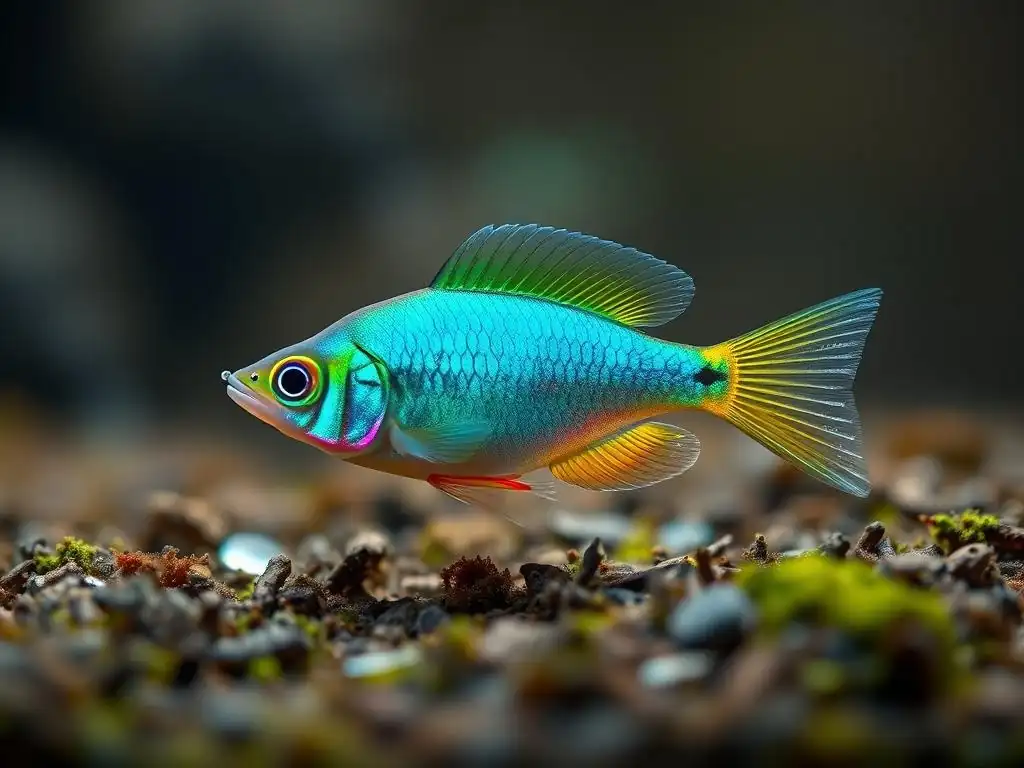
A dedicated "postproductive tetra breeding tank" can significantly extend the healthy lifespan of neon tetras and dramatically improve their quality of life in their twilight years. By providing an environment specifically tailored to their reduced activity levels and increased sensitivities, stressors are minimized. This includes gentle water flow, dim lighting, ample hiding spots, and the absence of aggressive tank mates or the demanding conditions of a breeding setup.
In such a sanctuary, aging tetras are not forced to compete for food or territory, nor are they constantly exposed to the hustle and bustle of a fast-paced community tank. This reduction in stress conserves their energy, allows their immune systems to function more effectively, and enables them to live out their remaining years in comfort and peace, often exceeding the typical lifespan observed in less specialized environments.
Providing a Stress-Free Environment for Senior Neon Tetras
The core benefit of a "postproductive tetra breeding tank" for senior neon tetras is its ability to provide a genuinely stress-free environment. For aging fish, chronic stress is a major contributor to declining health and premature demise. A senior sanctuary mitigates this by controlling key environmental factors: gentle water currents prevent exhaustion, low ambient lighting reduces visual stress, and abundant natural decor offers secure hiding places.
Furthermore, compatible, peaceful tank mates (or the absence of any tank mates) ensure that the senior tetras are not bullied, outcompeted, or constantly on edge. This calm, consistent environment allows their bodies to focus on maintaining health rather than constantly reacting to external threats, fostering a sense of security and well-being that is crucial for their delicate systems.
Contributing to Responsible Fish Keeping Practices
Establishing a dedicated "postproductive tetra breeding tank" for aging neon tetras exemplifies responsible and ethical fish keeping practices. It demonstrates a commitment to the welfare of your aquatic companions throughout their entire life cycle, acknowledging that their needs change as they age. Rather than simply replacing fish when they become less active or aesthetically pleasing, this approach prioritizes their comfort and dignity.
This concept encourages aquarists to view their fish as sentient beings deserving of care beyond their peak productive or display phases. By providing a specialized environment for their golden years, you contribute to a culture of compassionate aquarism, setting a positive example for others and promoting the idea that every fish deserves a comfortable and fulfilling life, even after their breeding days are over.
Advanced Considerations for the Senior Neon Tetra Tank
Tank Aquascaping for Senior Neon Tetras
Advanced aquascaping for a "postproductive tetra breeding tank" focuses on functionality and ease of movement for aging neon tetras, rather than purely aesthetic appeal. The layout should incorporate gentle slopes using the substrate, avoiding steep inclines or complex rock formations that could be difficult for less agile fish to navigate. Clear, unobstructed pathways should be established, allowing them to swim leisurely without encountering obstacles.
Crucially, design the aquascape to include numerous accessible resting spots at various levels, such as broad plant leaves (e.g., Anubias), smooth, flat stones, or small, open caves. Avoid dense thickets of plants that might disorient or trap weaker fish. Using smooth, rounded decor elements is vital to prevent any accidental injuries. Incorporating a "forest floor" aesthetic with Indian almond leaves not only adds natural tannins beneficial for soft-water fish but also provides additional soft resting places and foraging opportunities.
Implementing a Gradual Transition Plan for Neon Tetras Moving to the Senior Tank
Implementing a gradual transition plan is paramount when moving neon tetras into a "postproductive tetra breeding tank" to minimize stress, which can be particularly detrimental to aging fish. Abrupt changes in water parameters or environment can lead to severe shock or even death. Start by acclimating the fish to the new tank's water parameters slowly, ideally using a drip acclimation method over several hours. This allows their delicate systems to adjust to differences in pH, temperature, GH, and KH.
Before introduction, ensure the senior tank is fully cycled and stable, with all parameters within the optimal range. Once acclimated, gently release the fish into their new home. For the first few days, observe them closely for any signs of stress, such as clamped fins, hiding excessively, or refusing to eat. Provide extra hiding spots initially and dim the lighting to help them adjust more easily. A slow, thoughtful transition greatly increases their chances of thriving in their new sanctuary.
Frequently Asked Questions
What is a "PostProductive Tetra Breeding Tank" and why is it needed?
A "PostProductive Tetra Breeding Tank," often called a retirement home, is a specialized aquarium for aging or exhausted tetra breeders. This allows them to live out their lives in a safe, stress-free environment after their breeding days are over.
How does the setup of a PostProductive Tetra Breeding Tank differ from a regular tetra tank?
It differs by prioritizing comfort and low stress. This includes softer substrate, calmer water flow, and potentially more hiding places. The focus shifts from breeding conditions to gentle care.
What are the specific water chemistry considerations for a PostProductive Tetra Breeding Tank?
Maintaining stable and pristine water quality is crucial. Aim for parameters within the species' ideal range but prioritize consistency. Avoid drastic changes that can stress aging fish.
What type of food and feeding schedule is recommended for retired tetra breeders?
A varied and easily digestible diet is best. Feed smaller portions more frequently to aid digestion. Supplement with vitamins if needed to support their aging immune systems.
How do I identify when a tetra breeder is "postproductive" and ready for retirement?
Signs include decreased breeding activity, lower egg production, and overall lethargy. Also, look for physical signs of aging, such as faded colors or weakened fins, despite good water quality.
Final Reflection: Nurturing Legacy in the Aquarium
The journey of a tetra breeder doesn't end with peak productivity; it evolves. The concept of a "retirement home" for postproductive tetras isn't merely about extending their lifespan, but about recognizing and honoring the legacy of these creatures that have contributed to the vibrant tapestry of the aquarium hobby. It's a shift in perspective, from viewing them solely as breeding machines to appreciating them as individuals deserving of a peaceful and enriching environment.
This approach profoundly impacts the ethical considerations within the aquarium community. It challenges the disposable mindset that can sometimes pervade the hobby and encourages a more compassionate and sustainable practice. The greatness of a nation and its moral progress can be judged by the way its animals are treated.
- Mahatma Gandhi. This quote, while broad, resonates deeply with the spirit of providing a dignified and comfortable life for our aquatic companions, even after their reproductive prime.
Now, consider the ripple effect of this philosophy. How can you, as an aquarist, extend this principle of care and respect beyond the breeding tank? How can you apply this mindful approach to every aspect of your aquarium keeping, ensuring that every creature under your care thrives, not just survives? Let us all strive to cultivate a hobby rooted in compassion, sustainability, and a deep appreciation for the life we nurture within our glass worlds.
Unveil a Haven for Your Tetra Elders
Thank you for exploring the nuances of tetra care with Aquarium Mastery! We hope this guide has illuminated the path to responsible breeding and compassionate end-of-life care for your finned companions. Now, let's put this knowledge into action.
Here are a few ways you can celebrate your aging tetras and ensure their golden years are truly golden:
- Prioritize creating a dedicated "retirement tank" specifically designed for the unique needs of older tetras. This means a gently filtered, densely planted aquarium with softened lighting and a temperature tailored to their comfort.
- Share your experiences! Document your tetra retirement home setup and share photos and tips on social media using #TetraRetirement. Help inspire other breeders to embrace ethical end-of-life care.
- Brainstorm creative enrichment activities for senior tetras. Could floating plants offer shade? Are there specific foods they prefer? What else could make them happy?
What unexpected challenges have you encountered while caring for aging fish, and what innovative solutions did you discover?