
Mastering CO2 Levels: Using Drop Checkers and Bubble Counters Like a Pro

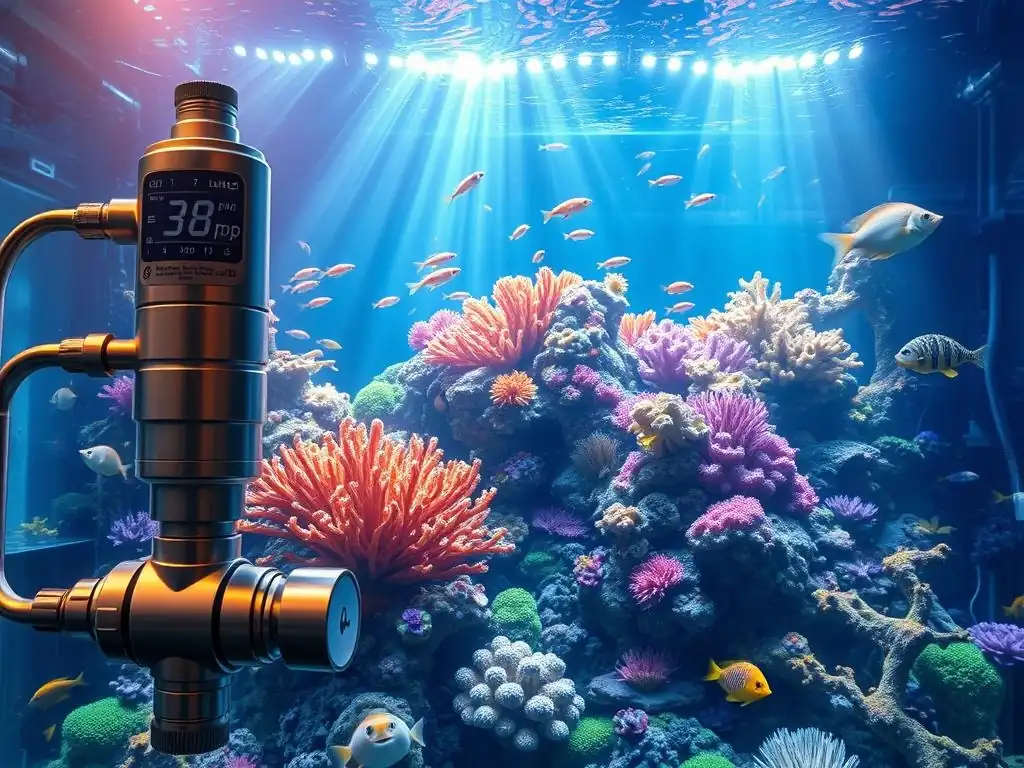
Welcome to Aquarium Mastery, your ultimate guide to unlocking the secrets of a thriving aquatic ecosystem! Ever wondered if your plants are getting the perfect amount of CO2? Our latest deep dive, "Mastering CO2 Levels: Using Drop Checkers and Bubble Counters Like a Pro," unravels the mysteries of CO2 levels aquarium control. Discover how to achieve that elusive balance and watch your aquatic plants flourish. Ready to take your planted tank to the next level? Let's dive in!
- Mastering CO2 Levels: Drop Checkers and Bubble Counters for Planted Aquariums
- Understanding CO2's Role in Planted Aquariums
- CO2 Control: Essential Tools and Techniques
-
CO2 Drop Checkers: Visual Guide to CO2 Levels
- What is a CO2 Drop Checker and How Does It Work?
- Components of a Drop Checker: Glassware and Indicator Solution
- Choosing the Right Drop Checker for Your Aquarium Size
- Drop Checker Placement: Optimizing for Accurate Readings
- Interpreting Drop Checker Colors: Green, Blue, and Yellow
- Troubleshooting Drop Checker Readings: Common Issues and Solutions
- Drop Checker Maintenance: Cleaning and Refilling
-
Bubble Counters: Measuring CO2 Injection Rate
- What is a Bubble Counter and How Does It Work?
- Understanding Bubbles Per Second (BPS)
- Calibrating Your Bubble Counter for Optimal CO2 Injection
- Types of Bubble Counters: Standalone vs. Integrated
- Factors Affecting Bubble Count Accuracy
- Adjusting CO2 Injection Based on Bubble Counter Readings and Plant Response
- Integrating Drop Checkers and Bubble Counters
- Advanced CO2 Control Techniques
- Common Mistakes to Avoid
- Maintaining Healthy CO2 Levels
-
Frequently Asked Questions
- How do I measure CO2 levels in my aquarium?
- What is a bubble counter, and how does it help with CO2 control?
- Why is maintaining proper CO2 levels important for a planted aquarium?
- What are the risks of having too much CO2 in my aquarium?
- How often should I check my CO2 levels and adjust my CO2 system?
- Final Reflection: Breathing Life into Aquatic Ecosystems
- Unlock Crystal-Clear Waters: Dive Deeper Now!
Mastering CO2 Levels: Drop Checkers and Bubble Counters for Planted Aquariums
Understanding CO2's Role in Planted Aquariums
The Importance of CO2 for Aquatic Plant Growth
Carbon dioxide (CO2) is an absolutely vital nutrient for the lush growth of aquatic plants, serving as the primary carbon source for photosynthesis. Just as terrestrial plants require CO2 from the air, submerged aquatic plants depend on dissolved CO2 in the water column to convert light energy into chemical energy, enabling them to build their tissues and thrive. In many densely planted aquariums, the atmospheric CO2 that naturally diffuses into the water is simply insufficient to meet the demands of a vibrant plant biomass, often leading to stunted growth or even plant melt.
Without adequate CO2, even with optimal lighting and nutrient levels, aquatic plants cannot reach their full potential. Supplementing CO2 levels in an aquarium can dramatically accelerate plant growth rates, enhance coloration, and encourage the development of strong, healthy root systems. For instance, plants like Rotala rotundifolia or Hemianthus callitrichoides 'Cuba' (HC Cuba) will exhibit significantly faster and denser growth, often showing the coveted "pearling" effect – tiny oxygen bubbles visible on leaves – which is a clear indicator of vigorous photosynthesis.
CO2 Deficiency: Signs in Plants and Impact on Aquarium Ecosystem
Identifying CO2 deficiency in a planted aquarium is crucial for maintaining a healthy ecosystem. Common signs in plants include stunted growth, yellowing or pale leaves, general lack of vigor, and the development of brittle or transparent foliage. For example, foreground plants that typically carpet the substrate might struggle to spread, appearing sparse and unhealthy, while stem plants may exhibit elongated internodes and smaller leaves due as they stretch for limited CO2.
Beyond the plants themselves, inadequate CO2 levels can lead to a proliferation of unwanted algae, particularly Black Brush Algae (BBA) or Staghorn Algae. These opportunistic algae thrive in nutrient imbalances, and a lack of CO2 can create an environment where they outcompete the slower-growing aquatic plants for available nutrients. This imbalance not only detracts from the aesthetic appeal of the aquarium but also indicates a stressed ecosystem, making effective CO2 levels aquarium control a priority for aquarists aiming for a balanced and thriving planted tank.
The Relationship Between CO2, pH, and KH in Aquarium Water
The interaction between CO2, pH, and KH (carbonate hardness) is a fundamental aspect of water chemistry in a planted aquarium. When CO2 gas dissolves in water, it forms carbonic acid (H2CO3), which then lowers the water's pH. The degree to which CO2 affects pH is directly influenced by the water's buffering capacity, which is primarily provided by carbonate hardness (KH). Water with a higher KH has a greater ability to resist changes in pH, meaning that more CO2 will be required to achieve a significant pH drop compared to water with a lower KH.
Aquarists often use a CO2/pH/KH chart as a general guide to estimate CO2 levels. For instance, if your aquarium water has a KH of 4 dKH, and you aim for an optimal CO2 concentration of 30 ppm, your pH would typically fall in the range of 6.8 to 7.0.
However, it's critical to note that this relationship is simplified and assumes no other acids or bases are significantly influencing the pH. While the chart provides a useful starting point for CO2 levels aquarium control, it should always be used in conjunction with direct CO2 monitoring tools like drop checkers to ensure the safety of your fish and invertebrates.
CO2 Control: Essential Tools and Techniques
Achieving Optimal CO2 Levels for Planted Tanks
Achieving optimal CO2 levels is the cornerstone of successful planted aquariums, typically targeting a concentration between 20 to 30 parts per million (ppm) for most plant species. This range provides ample carbon for vigorous photosynthesis without posing a significant risk to the fish and invertebrates inhabiting the tank. Precise CO2 levels aquarium control ensures that plants can effectively utilize available light and nutrients, leading to robust growth and minimizing the likelihood of stubborn algae outbreaks.
The process of finding this optimal balance often involves a delicate interplay of monitoring, adjustment, and observation. Too little CO2 will result in lackluster plant growth and potential algae issues, while too much can rapidly deplete oxygen in the water, leading to stress or even fatalities for aquatic livestock. Therefore, consistent and accurate measurement tools are indispensable for any serious planted tank enthusiast to maintain healthy CO2 levels.
Introduction to CO2 Drop Checkers and Bubble Counters
Two primary tools are indispensable for effective CO2 levels aquarium control: the CO2 drop checker and the bubble counter. A CO2 drop checker is a visual indicator that measures the dissolved CO2 concentration in your aquarium water, changing color based on the CO2 level. It provides a real-time, albeit delayed, reading of the CO2 saturation, allowing aquarists to gauge if their CO2 injection is within the optimal range.
Conversely, a bubble counter is a device that allows you to visually count the rate at which CO2 gas is being injected into the aquarium, typically measured in "bubbles per second" (BPS). While it does not directly measure dissolved CO2, it provides a crucial quantitative measure of the CO2 flow rate from your regulator, enabling precise adjustments to the injection amount. Together, these tools offer both a qualitative assessment of dissolved CO2 and a quantitative measure of injection, forming the backbone of effective CO2 management.
Why Accurate CO2 Monitoring is Crucial
Accurate CO2 monitoring is paramount for several critical reasons, primarily safeguarding the well-being of aquarium inhabitants and maximizing plant health. Inadequate CO2 levels will inevitably lead to poor plant growth, characterized by stunted development, pale coloration, and a general failure to thrive, often accompanied by the proliferation of nuisance algae like Black Brush Algae. This imbalance indicates a significant deficiency in the carbon source essential for photosynthesis.
On the other hand, excessive CO2 levels can be lethal to fish and invertebrates. As CO2 dissolves and lowers pH, it can cause pH shock, and at very high concentrations (e.g., above 40 ppm), it can displace oxygen in the water, leading to hypoxia and suffocation.
For instance, sensitive species like Neocaridina shrimp or some delicate schooling fish can show signs of distress—such as rapid gill movement or gasping at the surface—at levels that might still appear "green" on a drop checker if not carefully managed. Therefore, continuous and precise CO2 levels aquarium control is not merely about plant aesthetics but fundamentally about maintaining a safe and balanced aquatic environment.
CO2 Drop Checkers: Visual Guide to CO2 Levels
What is a CO2 Drop Checker and How Does It Work?
A CO2 drop checker is a small glass device used to visually monitor the approximate dissolved CO2 concentration in a planted aquarium. It functions on the principle of gas exchange: a small volume of a specialized indicator solution, typically a 4 dKH (degrees of carbonate hardness) solution with bromothymol blue, is sealed inside the drop checker's chamber. This chamber is exposed to the aquarium water's air interface but not directly to the water itself.
Over time, CO2 gas diffuses from the aquarium water, across the air pocket, and into the drop checker's solution until equilibrium is reached. As CO2 dissolves in the indicator solution, it forms carbonic acid, which in turn lowers the pH of the solution. The bromothymol blue indicator then changes color in response to these pH shifts, providing a visual representation of the CO2 levels in the main aquarium water. This indirect but effective method offers a continuous, non-invasive way to assess CO2 saturation for effective CO2 levels aquarium control.
Components of a Drop Checker: Glassware and Indicator Solution
A standard CO2 drop checker consists of two main components: the glassware and the indicator solution. The glassware is typically a small, clear glass bulb or sphere with an open neck that allows the indicator solution to be introduced, and a larger, lower chamber that traps an air pocket and holds the solution, separating it from the aquarium water while allowing gas exchange. Designs vary, from simple suction-cup mounted bulbs to more elaborate in-tank or even external models.
The indicator solution is crucial for the drop checker's function. It is a pre-mixed liquid, typically containing bromothymol blue and a precise 4 dKH carbonate solution. The 4 dKH solution is specifically formulated to mimic the buffering capacity of water with optimal CO2 levels (around 30 ppm), ensuring that the bromothymol blue changes color accurately within the desired pH range (around 6.6 to 6.8). Using tap water or a solution with an incorrect KH will lead to inaccurate readings, undermining your efforts for precise CO2 levels aquarium control.
Choosing the Right Drop Checker for Your Aquarium Size
Choosing the right CO2 drop checker primarily involves considering its size and visibility relative to your aquarium. For smaller tanks, generally under 20 gallons (approx. 75 liters), a "mini" drop checker might be more aesthetically pleasing and less obtrusive. These compact models are designed to be discreet while still providing accurate readings.
For larger aquariums, ranging from 20 to over 100 gallons (75 to 380+ liters), a standard-sized drop checker is usually preferred. Its larger indicator chamber makes the color change more easily visible from a distance, which is particularly useful in bigger setups where you might not be up close to the glass constantly. Some aquarists also opt for drop checkers with integrated suction cups for secure placement, or even those designed to hang over the rim of rimless tanks for a cleaner look, all contributing to effective CO2 levels aquarium control.
Drop Checker Placement: Optimizing for Accurate Readings
The placement of your CO2 drop checker is critical for obtaining accurate and representative readings of your aquarium's dissolved CO2 levels. The ideal location is typically on the opposite side of the tank from where your CO2 diffuser is located, and at a mid-water depth. This allows the CO2 to fully circulate and dissolve throughout the tank before reaching the drop checker, providing a reading of the average CO2 concentration rather than a localized "hot spot" near the diffuser.
Avoid placing the drop checker directly in an area of high surface agitation, such as near filter outlets or powerheads that break the water surface. Excessive surface movement can cause rapid CO2 off-gassing, leading to a falsely low reading on your drop checker. Similarly, do not place it directly in the path of the diffuser's bubbles, as this can also lead to inaccurate, typically elevated, readings. Proper placement ensures the drop checker truly reflects the overall CO2 levels aquarium control efforts.
Interpreting Drop Checker Colors: Green, Blue, and Yellow
Interpreting the color of your CO2 drop checker is straightforward and provides immediate visual feedback on your CO2 levels. The ideal color for a planted aquarium is green, which indicates that the dissolved CO2 concentration is within the optimal range of approximately 20-30 ppm. A vibrant green signifies healthy CO2 levels that support vigorous plant growth without endangering livestock.
If the drop checker solution turns blue, it signifies that the CO2 levels are too low, typically below 20 ppm. This indicates that your plants are not receiving enough carbon, which can lead to stunted growth and potentially encourage algae. Conversely, if the solution turns yellow, it means the CO2 concentration is excessively high, generally above 35 ppm.
While plants might thrive at these levels, it poses a significant risk to fish and invertebrates, as high CO2 can lead to suffocation. Careful adjustments are needed to bring the color back to a safe green for effective CO2 levels aquarium control.
Troubleshooting Drop Checker Readings: Common Issues and Solutions
Troubleshooting inaccurate CO2 drop checker readings often involves addressing a few common issues. One frequent problem is the presence of air bubbles trapped inside the drop checker's indicator chamber, which can interfere with proper gas exchange. Solution: Gently tap the drop checker to dislodge any bubbles, ensuring the solution fills the lower part of the chamber completely.
Another common issue is an expired or incorrect indicator solution. The 4 dKH bromothymol blue solution has a shelf life, typically six months to a year, and its accuracy degrades over time. Using tap water or a homemade solution with an unknown KH will also yield unreliable results. Solution: Always use a fresh, pre-mixed 4 dKH indicator solution specifically designed for drop checkers. Furthermore, improper placement (as discussed earlier) can lead to misleading readings; ensure it's positioned away from direct flow and surface agitation for accurate CO2 levels aquarium control.
Drop Checker Maintenance: Cleaning and Refilling
Proper maintenance of your CO2 drop checker ensures its continued accuracy and longevity. The indicator solution inside the drop checker should be replaced regularly, typically every 2 to 4 weeks. Over time, the solution can degrade, or external factors like light exposure can affect the bromothymol blue's sensitivity, leading to less accurate color interpretations. Mark your calendar or set a reminder to ensure timely replacement.
Beyond refilling, the drop checker glassware itself should be cleaned periodically, ideally during each solution change or as needed if algae or mineral deposits become visible. A soft brush or a cotton swab can be used to gently clean the inside of the glass chamber, followed by a thorough rinse with dechlorinated water. This prevents any buildup that might impede gas exchange or obscure the color reading, contributing to consistent CO2 levels aquarium control.
Bubble Counters: Measuring CO2 Injection Rate
What is a Bubble Counter and How Does It Work?
A bubble counter is a simple yet essential device in a CO2 injection system, designed to visually measure the rate at which CO2 gas is being supplied to the aquarium. It typically consists of a small transparent chamber, often made of glass or acrylic, partially filled with water or a specific fluid like glycerin. As CO2 gas flows from the regulator towards the diffuser, it passes through an inlet tube and bubbles up through the fluid in the chamber before exiting through an outlet tube.
The primary function of the bubble counter is to allow the aquarist to count the individual bubbles passing through the fluid in a given time frame, usually measured in "bubbles per second" (BPS). This provides a quantifiable, real-time indication of the CO2 flow rate. While it doesn't directly tell you the dissolved CO2 levels, it acts as a critical reference point for adjusting and maintaining a consistent CO2 injection rate, which is fundamental for effective CO2 levels aquarium control.
Understanding Bubbles Per Second (BPS)
Bubbles Per Second (BPS) is the common unit of measurement used with a bubble counter to quantify the CO2 injection rate into an aquarium. For instance, if you observe two bubbles passing through the counter every second, your injection rate is 2 BPS. It's crucial to understand that BPS is a measure of gas flow rate and not a direct measure of the dissolved CO2 concentration (ppm) in the water. The actual ppm achieved will depend on numerous factors, including tank volume, surface agitation, diffuser efficiency, and plant biomass.
For a small 10-gallon (approx. 38-liter) planted tank, an initial starting point might be around 1 to 2 BPS. For a larger 50-gallon (approx. 190-liter) tank, you might need 3 to 5 BPS or more. These are just starting guidelines; the exact BPS needed for optimal CO2 levels aquarium control must be fine-tuned by observing your drop checker and the health of your plants and fish. The goal is to find the BPS setting that consistently keeps your drop checker green and your plants pearling without stressing livestock.
Calibrating Your Bubble Counter for Optimal CO2 Injection
Calibrating your bubble counter involves an iterative process of setting an initial BPS rate and then observing its effect on the dissolved CO2 levels, as indicated by your drop checker. There's no universal "correct" BPS number for a given tank size because factors like diffuser efficiency, water circulation, and even the type of CO2 tubing can affect how much CO2 actually dissolves.
Start with a conservative BPS rate, perhaps 1 bubble per second for every 10-15 gallons of water volume. Allow at least 2-3 hours for the CO2 to fully dissolve and the drop checker to react. If the drop checker remains blue, increase the BPS by a small increment (e.g., 0.5 BPS) and wait again. Continue this process until your drop checker consistently shows a stable green color. This careful, gradual adjustment is key to safely achieving optimal CO2 levels aquarium control, ensuring your fish are not stressed by sudden, high concentrations of CO2.
Types of Bubble Counters: Standalone vs. Integrated
Bubble counters come in various designs, primarily categorized as standalone or integrated units. Standalone bubble counters are separate components that connect in-line with your CO2 tubing between the regulator and the diffuser. These often feature a larger chamber for easier bubble counting and can be mounted directly to the aquarium glass with suction cups or placed discreetly behind the tank. Their independent design offers flexibility in placement and often allows for easier refilling of the counting fluid.
Integrated bubble counters, on the other hand, are built directly into other CO2 system components, most commonly CO2 regulators or diffusers. Many high-quality CO2 regulators feature a small bubble counter chamber directly attached to the needle valve, streamlining the setup and reducing the number of connections. While convenient, the smaller size of integrated units can sometimes make bubble counting slightly more challenging. Both types serve the same fundamental purpose of aiding CO2 levels aquarium control by providing a visual flow rate.
Factors Affecting Bubble Count Accuracy
Several factors can influence the accuracy of bubble counter readings, making it important to understand their potential impact. Firstly, the type of fluid used in the bubble counter can affect bubble size and rise time; while water is common, some aquarists prefer glycerin or mineral oil for more distinct, slower-moving bubbles. Secondly, temperature and pressure changes within the CO2 system can subtly alter gas volume, thus affecting the perceived bubble size and rate, though this is usually minor for typical aquarium setups.
More significantly, the back pressure from the diffuser can impact the bubble counter. A clogged or inefficient diffuser requires more pressure from the regulator to push CO2 through, which might subtly alter the bubble rate. Lastly, the design of the bubble counter itself, including the diameter of the inlet tube and the overall chamber size, can affect how consistently bubbles form and are counted. While a bubble counter provides a relative measure, understanding these factors helps in more consistent CO2 levels aquarium control.
Adjusting CO2 Injection Based on Bubble Counter Readings and Plant Response
Adjusting CO2 injection is an ongoing process that relies heavily on your bubble counter readings in conjunction with observing plant and fish responses. Once you've established an initial BPS rate that yields a green drop checker reading, continue to monitor your aquarium daily. If plants show signs of thriving, such as vigorous pearling (tiny oxygen bubbles on leaves) during the photoperiod, and fish exhibit no signs of stress (e.g., gasping at the surface), your BPS setting is likely appropriate.
However, if plants appear sluggish, new growth is pale, or algae begins to flourish (especially BBA), you might need to gradually increase your BPS by 0.5 to 1 bubble per second, re-evaluating the drop checker after a few hours. Conversely, if fish are lethargic or gasp for air, immediately reduce the BPS or turn off CO2 entirely and increase surface agitation to oxygenate the water. This iterative adjustment, using the bubble counter for precise flow control and plant/fish health as ultimate indicators, is central to mastering CO2 levels aquarium control.
Integrating Drop Checkers and Bubble Counters
The Synergistic Approach: Combining Visual and Quantitative Data
The true power of CO2 management lies in the synergistic use of both CO2 drop checkers and bubble counters. The drop checker provides a qualitative, visual representation of the actual dissolved CO2 concentration in the water, indicating whether levels are optimal, too low, or too high. It's the "report card" for your CO2 levels aquarium control. However, its readings have a significant delay, often taking 2-3 hours to fully reflect changes in CO2 injection.
The bubble counter, conversely, provides immediate, quantitative feedback on the rate of CO2 injection into the tank. While it doesn't tell you the final dissolved ppm, it allows for precise, repeatable adjustments to your CO2 flow. By combining these tools, you can make an adjustment to your BPS (quantitative data) and then wait for the drop checker to confirm if that adjustment has achieved the desired CO2 concentration (visual data). This dual approach ensures both precision in adjustment and accuracy in monitoring.
Fine-Tuning CO2 Injection Using Both Methods
Fine-tuning CO2 injection is an iterative process that leverages the strengths of both the bubble counter and the drop checker. Begin by setting a conservative bubble counter rate based on your tank size (e.g., 1 bubble per second per 10-15 gallons). Allow several hours for the CO2 to fully diffuse and for the drop checker solution to stabilize and show its color.
If the drop checker is blue, indicating low CO2, incrementally increase your BPS by 0.5 or 1 bubble and wait another few hours for the drop checker to update. If it turns yellow, indicating dangerously high CO2, immediately decrease your BPS significantly and perform a water change if fish are distressed. Your goal is to find the specific BPS setting that consistently keeps your drop checker a vibrant green. This precise adjustment, guided by the drop checker's feedback and enabled by the bubble counter's control, is how you achieve optimal CO2 levels aquarium control for a thriving planted tank.
Monitoring CO2 Stability Throughout the Day
Monitoring CO2 stability throughout the day is crucial for the health of both plants and fish. CO2 injection is typically synchronized with the aquarium's lighting period, as plants only utilize CO2 during photosynthesis. However, factors like water changes, evaporation, or even varying room temperatures can subtly affect CO2 levels. A drop checker provides a continuous visual check, allowing you to quickly identify if your CO2 levels are fluctuating significantly from the optimal green.
While the drop checker gives a delayed reading, observing its color consistently over several hours after the CO2 system has been active, and again towards the end of the photoperiod, helps confirm stability. A stable green reading throughout the day indicates consistent CO2 levels aquarium control, preventing pH swings that can stress fish and ensuring plants have a steady supply of carbon. If you notice the color shifting towards blue or yellow during the day, it signals a need to re-evaluate your bubble counter setting or check for system leaks.
Adjusting CO2 Based on Plant Health and Algae Growth
While drop checkers and bubble counters provide excellent quantitative and visual data, the ultimate indicators of correct CO2 levels are the health of your plants and the absence of nuisance algae. If your plants are exhibiting robust growth, strong coloration, and consistent pearling during the light cycle, it's a strong sign that your CO2 levels are adequate. Healthy, fast-growing plants actively outcompete algae for nutrients.
Conversely, if plants show stunted growth, pale new leaves, or if you notice an increase in stubborn algae like Black Brush Algae (BBA) or Staghorn algae, it's often an indication of insufficient CO2, even if your drop checker is faintly green. In such cases, a slight increase in your bubble counter rate (e.g., 0.5 BPS) might be necessary, followed by careful observation of both the drop checker and plant response over several days. This holistic approach, combining tool readings with biological indicators, is key to truly mastering CO2 levels aquarium control.
Setting Up a CO2 System with Drop Checker and Bubble Counter
Setting up a CO2 system for effective CO2 levels aquarium control involves several key steps, integrating both the bubble counter and drop checker.
- Secure the CO2 Cylinder and Regulator: Place your CO2 cylinder in a safe, upright position. Attach the regulator firmly to the cylinder valve, ensuring a tight seal.
- Connect Tubing: Attach the CO2-rated tubing from the regulator's output (which often includes an integrated bubble counter) to your CO2 diffuser. If using a standalone bubble counter, connect it in-line between the regulator and diffuser.
- Fill Bubble Counter: Fill the bubble counter chamber with water or glycerin to the recommended level.
- Install Diffuser: Place the CO2 diffuser securely in your aquarium, ideally in an area of good water flow to aid dissolution, away from the drop checker.
- Prepare and Install Drop Checker: Fill your CO2 drop checker with the 4 dKH indicator solution. Secure it to the aquarium glass using its suction cup, placing it opposite the diffuser and at a mid-water depth, away from direct surface agitation.
- Initiate CO2 Flow: Slowly open the main valve on the CO2 cylinder, then gradually open the needle valve on your regulator to start a very low bubble rate (e.g., 1 BPS).
- Adjust and Monitor: Over the next few hours, incrementally increase the bubble rate, observing your drop checker's color. Aim for a stable green color, ensuring fish are not stressed. This careful, gradual adjustment is paramount for safe and effective CO2 levels aquarium control.
Advanced CO2 Control Techniques
CO2 Regulators: Maintaining Consistent CO2 Flow
CO2 regulators are the heart of any pressurized CO2 injection system, crucial for maintaining consistent CO2 flow for optimal CO2 levels aquarium control. A high-quality regulator reduces the high pressure from the CO2 cylinder (which can be over 800-1000 PSI) to a safe, controllable working pressure (typically 20-40 PSI) for the aquarium. More importantly, it features a sensitive needle valve that allows for precise, micro-adjustments to the CO2 bubble rate, often down to a single bubble per second.
Single-stage regulators are common and effective, but their output pressure might fluctuate slightly as the cylinder pressure drops. Dual-stage regulators, while more expensive, provide superior stability by regulating pressure in two steps, ensuring a more consistent flow rate until the cylinder is almost empty. This consistency is vital for preventing pH swings and maintaining stable CO2 levels, which directly impacts plant health and fish safety in a planted aquarium.
Solenoid Valves: Automating CO2 Injection with Lighting Schedules
Solenoid valves are electromechanical devices that, when integrated into a CO2 system, allow for automated control of CO2 injection, typically synchronized with the aquarium's lighting schedule. By wiring the solenoid valve to a simple timer or a smart power strip, aquarists can program the CO2 to turn on shortly before the lights come on and turn off shortly before the lights go out. This automation mimics the natural cycle of photosynthesis, where plants primarily utilize CO2 during the day.
Automating CO2 injection with a solenoid valve offers several significant benefits for CO2 levels aquarium control. It conserves CO2 gas by preventing injection during the dark hours when plants do not photosynthesize, thereby saving money on refills. More importantly, it prevents dangerous overnight CO2 buildup, which can drastically lower pH and deplete oxygen, posing a severe threat to fish and invertebrates. This precise timing ensures CO2 is available when plants need it most and safely curtailed when it's not.
pH Controllers: Automated CO2 Regulation Based on pH
For the most advanced and precise CO2 levels aquarium control, pH controllers offer an automated solution that directly responds to the water's pH. A pH controller consists of a pH probe submerged in the aquarium water, a controller unit, and an integrated solenoid valve. The aquarist sets a target pH value (e.g., 6.8 for optimal CO2 levels with a specific KH).
The pH controller continuously monitors the aquarium's pH. When the pH rises above the set point (indicating low CO2), the controller activates the solenoid valve, allowing CO2 to flow. When the pH drops to or slightly below the set point (indicating sufficient CO2), the controller deactivates the solenoid valve, shutting off the CO2. This system ensures that CO2 is only injected as needed, preventing both CO2 deficiency and dangerous excess, providing unparalleled stability and safety for sensitive livestock.
CO2 Diffusers and Reactors: Maximizing CO2 Dissolution
The efficiency of CO2 dissolution into the aquarium water is paramount for effective CO2 levels aquarium control, and this is where CO2 diffusers and reactors play a critical role. CO2 diffusers, typically made of ceramic or glass, produce a fine mist of CO2 bubbles that maximize the surface area for gas exchange. The smaller the bubbles, the more efficiently CO2 dissolves before reaching the water surface and off-gassing. Ceramic diffusers are popular for their affordability and effectiveness in tanks up to 50-75 gallons.
For larger tanks or those requiring extremely high dissolution efficiency, CO2 reactors are often preferred. Reactors are sealed chambers where CO2 bubbles are actively mixed with water, ensuring nearly 100% dissolution before the CO2-enriched water returns to the tank. They can be internal (in-tank) or external (in-line with filter tubing). Types include basic ladder diffusers, atomizers, and advanced inline reactors that use bio-balls or specialized media to increase contact time, ensuring maximum CO2 uptake by plants.
Common Mistakes to Avoid
Over-Pressurizing CO2 Systems
One of the most dangerous mistakes in CO2 levels aquarium control is over-pressurizing the CO2 system. This typically occurs when the regulator's output pressure is set too high or when there's a sudden surge from the CO2 cylinder. Excessive pressure can lead to catastrophic failures, such as burst tubing, blown O-rings in the regulator, or even a detached diffuser shooting across the tank. This not only wastes CO2 but can also cause water damage or injure inhabitants.
To avoid this, always open the main cylinder valve slowly and then gradually adjust the working pressure on your regulator. Never attempt to force connections or use non-CO2 rated tubing, which can't withstand the internal pressure. Regularly inspect all connections for leaks and ensure all components are securely fastened. A pressure gauge on your regulator can help monitor the working pressure, ensuring it stays within the safe operating range specified by your equipment manufacturer.
Rapid CO2 Fluctuations: Dangers to Fish and Invertebrates
Rapid fluctuations in CO2 levels are highly detrimental to fish and invertebrates, potentially causing severe stress or even death. This is often seen when CO2 injection is inconsistent, perhaps due to a faulty regulator, insufficient bubble counter monitoring, or sudden, large adjustments by the aquarist. Fish are very sensitive to rapid pH changes, a phenomenon known as "pH shock." A sudden drop in pH due to a CO2 overdose can severely stress their osmoregulation and respiratory systems.
Furthermore, high CO2 levels reduce the water's oxygen-carrying capacity. If CO2 spikes rapidly, fish may gasp at the surface, exhibit lethargy, or show signs of suffocation. Invertebrates like shrimp are particularly vulnerable to these swings. Maintaining stable CO2 levels, as indicated by a consistently green drop checker, is paramount. Avoid making large, abrupt changes to your bubble counter settings; instead, make small adjustments and wait several hours for the system to stabilize before evaluating the effects on CO2 levels aquarium control.
Incorrect Drop Checker Solution: Using the Wrong KH Level
A critical, yet often overlooked, mistake in CO2 levels aquarium control is using an incorrect or homemade solution in your CO2 drop checker. The reliability of a drop checker hinges entirely on the indicator solution having a precise carbonate hardness (KH) of 4 dKH, combined with bromothymol blue. This specific KH level ensures that the bromothymol blue accurately changes color at the desired CO2 concentration range of 20-30 ppm.
Using plain tap water, distilled water, or a homemade solution with an unknown or incorrect KH will lead to highly inaccurate readings. For example, if your solution has a much lower KH, it will turn yellow at very low CO2 levels, falsely indicating an overdose. Conversely, a higher KH solution might remain blue even when CO2 levels are dangerously high. Always purchase pre-mixed, purpose-specific 4 dKH drop checker solution to ensure reliable and safe CO2 monitoring.
Ignoring Plant Health and Algae Growth
While technical tools like drop checkers and bubble counters are essential, a significant mistake is to rely solely on them while ignoring the biological indicators: your plants and algae. Plants are the ultimate recipients of CO2, and their health directly reflects whether CO2 levels are truly optimal. If plants are stunted, pale, or show poor growth despite a "green" drop checker, it could indicate insufficient CO2 due to poor diffusion, inadequate circulation, or even expired solution.
Conversely, a sudden boom in nuisance algae, particularly Black Brush Algae (BBA) or Staghorn algae, often points to an imbalance in nutrients, with insufficient CO2 being a common culprit. These algae thrive when plants are struggling. Therefore, consistently observing plant growth (e.g., pearling, vibrant new leaves) and the presence or absence of algae provides invaluable real-world feedback that complements your tool readings, guiding you towards more effective CO2 levels aquarium control.
Inadequate Water Circulation for CO2 Distribution
Inadequate water circulation is a common mistake that severely compromises the effectiveness of CO2 injection, even if your bubble counter and drop checker indicate optimal CO2 levels at their respective locations. Without sufficient water movement, CO2 injected by the diffuser will not be evenly distributed throughout the entire aquarium. This leads to "dead spots" where CO2 levels are too low to support plant growth, and conversely, areas near the diffuser where CO2 concentrations might be excessively high.
Poor circulation can result in localized CO2 deficiency, causing plants in certain areas to struggle while others thrive. It also contributes to CO2 off-gassing at the surface and stratification within the water column. To remedy this, ensure you have adequate powerheads or filter outputs strategically placed to create gentle, widespread flow throughout the tank, ensuring that the dissolved CO2 reaches all plants. Proper water movement is as crucial as the CO2 injection itself for successful CO2 levels aquarium control.
Maintaining Healthy CO2 Levels
Regular Monitoring and Adjustment
Maintaining healthy CO2 levels in a planted aquarium is not a set-it-and-forget-it process; it requires regular and diligent monitoring and adjustment. The CO2 drop checker should be checked daily, ideally a few hours after the CO2 system has been active, to ensure it remains a consistent green. Any deviation towards blue or yellow signals a need for immediate attention and adjustment.
Simultaneously, the bubble counter rate should be visually confirmed daily to ensure it matches your established optimal BPS. Small fluctuations in cylinder pressure or needle valve settings can alter the flow. Additionally, observe your plants for signs of health (pearling, vibrant growth) and your fish for any signs of stress. This continuous vigilance and willingness to make small, iterative adjustments based on both tool readings and biological indicators are fundamental to effective CO2 levels aquarium control.
Water Changes and Their Impact on CO2
Water changes, while essential for overall aquarium health, can temporarily impact CO2 levels and require consideration in your CO2 levels aquarium control strategy. When you perform a significant water change (e.g., 20-50%), you are removing a portion of the CO2-saturated water and replacing it with fresh, de-gassed water. This will naturally cause a temporary drop in the overall dissolved CO2 concentration in the tank.
After a large water change, you might notice your drop checker turning slightly bluer for a few hours as the system works to re-saturate the new water with CO2. While typically not a major concern if your CO2 system is robust, it highlights the dynamic nature of CO2 levels. Some aquarists choose to slightly increase their CO2 injection rate for a few hours post-water change to compensate, or simply allow the system to naturally re-equilibrate, ensuring the drop checker returns to green within a reasonable timeframe.
Optimizing Lighting and Nutrient Levels
While CO2 is a critical component, its effectiveness for robust plant growth is inextricably linked to optimal lighting and nutrient levels. CO2, light, and nutrients form the "holy trinity" of planted tank success. If lighting is insufficient, plants won't photosynthesize vigorously enough to utilize even abundant CO2, leading to stunted growth and potential algae issues. Conversely, too much light without adequate CO2 can also lead to algae blooms as plants struggle to keep up.
Similarly, a balanced supply of macro (Nitrogen, Phosphorus, Potassium) and micro (Iron, Manganese, Boron, etc.) nutrients is essential. Even with perfect CO2 levels aquarium control, if a specific nutrient is deficient, plant growth will be limited by that missing element. Therefore, for truly lush plant growth, ensure your lighting is appropriate for your plant species and intensity, and that you are providing a comprehensive fertilization regimen alongside your optimized CO2 injection.
Long-Term CO2 System Maintenance
Long-term maintenance of your CO2 system is crucial for its reliable and safe operation, ensuring consistent CO2 levels aquarium control. Regularly inspect all tubing and connections for signs of wear, cracks, or leaks. CO2-rated tubing can degrade over time, becoming brittle, which increases the risk of bursts or leaks. Replace tubing annually or whenever signs of degradation are apparent.
Check O-rings on your regulator and cylinder valve for wear, replacing them if they appear flattened or cracked to prevent leaks. The CO2 diffuser itself requires periodic cleaning; ceramic diffusers can become clogged with algae or mineral deposits, reducing their efficiency and requiring higher pressure. Soaking diffusers in a diluted bleach solution (followed by thorough rinsing and dechlorination) or a citric acid solution can restore their performance. Finally, always monitor your CO2 cylinder pressure gauge to anticipate when a refill is needed, avoiding unexpected CO2 depletion.
Frequently Asked Questions
How do I measure CO2 levels in my aquarium?
You can use a drop checker, a small glass vessel filled with a CO2 indicator solution, to visually assess the CO2 concentration based on color change. This color change reflects the CO2 levels in your aquarium water.
What is a bubble counter, and how does it help with CO2 control?
A bubble counter is a device that allows you to visually monitor the rate of CO2 injection into your aquarium. By counting the bubbles per second, you can fine-tune the CO2 flow rate to achieve the desired levels.
Why is maintaining proper CO2 levels important for a planted aquarium?
CO2 is essential for plant photosynthesis, allowing them to grow and thrive. Insufficient CO2 leads to stunted growth, while excessive CO2 can be harmful to fish.
What are the risks of having too much CO2 in my aquarium?
Excessive CO2 can lower the pH of the water, leading to stress and suffocation for fish and other aquatic life. It can also create an imbalance in the aquarium ecosystem.
How often should I check my CO2 levels and adjust my CO2 system?
Regular monitoring is crucial. Check your drop checker daily and adjust your CO2 system as needed based on the color indication and the well-being of your fish and plants.
Final Reflection: Breathing Life into Aquatic Ecosystems
The insights shared in this article regarding CO2 levels aquarium control are more crucial than ever in a world increasingly aware of the delicate balance within our ecosystems, even those contained within glass walls. Understanding and mastering these techniques isn't just about achieving lush plant growth; it's about fostering a thriving, balanced environment where aquatic life can flourish, mirroring the broader responsibility we have to protect our planet's biodiversity.
The journey to mastering CO2 injection and monitoring, as detailed in this article, is a testament to the power of observation, patience, and a deep respect for the natural world. This pursuit has personally reinforced the understanding that even seemingly small adjustments can have profound effects on a complex system. The best time to plant a tree was 20 years ago. The second best time is now.
This ancient proverb resonates deeply, reminding us that proactive engagement, even in our own aquariums, contributes to a healthier future.
Now, armed with this knowledge, I encourage you to reflect on your own role in creating and maintaining balanced ecosystems, both large and small. Consider how the principles of observation, adjustment, and dedication outlined in this article can be applied to other areas of your life. Strive to be a conscious steward, not just of your aquarium, but of the planet, ensuring that future generations can also marvel at the beauty and complexity of life, both above and below the water's surface.
Unlock Crystal-Clear Waters: Dive Deeper Now!
Thanks for exploring the secrets to mastering CO2 levels in your aquarium! You've now got the knowledge to create a thriving aquatic environment. Ready to put that knowledge into action and see the results firsthand?
Here are a few ways to level up your CO2 control:
- Immediately adjust your CO2 injection rate based on what your drop checker is currently showing. Observing the color shift and dialing in the optimal level is the most crucial step to vibrant plant growth.
- Share your CO2 setup and success stories with fellow aquarists in our Aquarium Mastery community forum. Learning from others is a valuable shortcut.
- Experiment with different drop checker solutions and bubble counter placements to find what works best for your specific aquarium setup and lighting conditions.
What's the first small adjustment you plan to make to your CO2 system today to get closer to that perfect balance?