
Temperature and Its Impact on Sex Ratios in Swordtail Line Breeding

Welcome to Aquarium Mastery!
Ever wondered how much control you really have over your aquarium's inhabitants? Dive into the fascinating world of Swordtails and uncover a surprising secret: Did you know that temperature plays a crucial role in determining their sex ratio? Explore our in-depth article on Swordtail sex ratio temperature to learn how you can influence the balance in your line breeding program and discover the science behind this incredible phenomenon. Ready to unlock the mysteries of your freshwater aquarium?
- Introduction to Swordtail Sex Ratios and Environmental Factors
- The Science Behind Temperature-Dependent Sex Determination (TSD) in Swordtails
- Experimental Studies: Temperature's Effect on Swordtail Sex Ratios
- Practical Applications: Controlling Swordtail Sex Ratios Through Temperature Manipulation
- Optimizing Swordtail Line Breeding with Temperature Control
- Troubleshooting: Addressing Common Issues in Temperature-Controlled Swordtail Breeding
- Case Studies: Successful Swordtail Sex Ratio Manipulation
- Beyond Sex Ratio: Temperature's Broader Impact on Swordtail Health and Development
- Best Practices for Maintaining Healthy Swordtail Populations Through Temperature Management
- Conclusion: Harnessing Temperature for Responsible Swordtail Line Breeding
-
Frequently Asked Questions
- How does temperature affect the sex ratio of Swordtail fry?
- What is the "critical period" for sex determination in Swordtails, and why is it important?
- Can I manipulate the temperature to specifically breed for more male or female Swordtails?
- What are the ideal temperature ranges for breeding primarily male versus primarily female Swordtails?
- Are there any risks associated with intentionally manipulating temperature to influence Swordtail sex ratios?
- Final Reflection: The Delicate Dance of Temperature and Life
- Unleash Your Swordtail's Potential: Take Control of the Gene Pool!
Introduction to Swordtail Sex Ratios and Environmental Factors
Understanding Swordtail Genetics and Sex Determination
Swordtails (Xiphophorus hellerii) are popular livebearing fish known for their vibrant colors and distinctive caudal fin extension in males. While sex determination in swordtails, like many livebearers, is primarily influenced by a genetic system (often XX/XY or XY/YY systems have been proposed), it is not solely determined by inherited genes. Instead, it involves a complex interplay where environmental factors, particularly temperature, can significantly modulate the expression of these genetic predispositions during critical developmental stages. This plasticity means that even with a specific genetic makeup, the ultimate phenotypic sex of a swordtail can be influenced by external conditions.
This environmental influence on sex determination is a fascinating aspect of swordtail biology that breeders can leverage. Unlike species with strict genetic sex determination, swordtails exhibit a degree of flexibility, allowing for a strategic approach to breeding. Understanding this genetic foundation, coupled with its environmental susceptibility, is the first step toward effectively managing swordtail populations and achieving specific breeding goals, such as increasing the prevalence of males for show lines or females for broodstock expansion.
The Role of Temperature in Swordtail Development
Temperature is one of the most pervasive and influential environmental factors in aquatic ecosystems, playing a critical role in the metabolic rates, growth, and overall development of fish. For swordtails, temperature isn't just about comfort or survival; it's a key determinant during their embryonic and early larval stages that can steer their sexual development. During specific windows of development, the ambient temperature can influence biochemical pathways that ultimately dictate whether a genetically predisposed individual develops as male or female.
This profound influence means that maintaining a consistent and appropriate swordtail sex ratio temperature is vital for successful breeding. Deviations from optimal ranges can lead to stunted growth, increased stress, and susceptibility to disease, but more importantly, they can significantly skew the male-to-female ratio of a spawn. Breeders who understand and control this environmental variable gain a powerful tool for shaping the demographic structure of their swordtail lines.
Why Temperature Matters in Swordtail Line Breeding Programs
For dedicated swordtail line breeders, controlling the swordtail sex ratio temperature is not merely an academic exercise; it is a practical necessity for optimizing breeding outcomes. Whether the goal is to produce a higher percentage of males to intensify specific male-only traits (like sword length or unique coloration patterns) or to generate more females for rapid expansion of a new genetic line, temperature manipulation offers a precise method to achieve these aims. Without this control, breeders are often at the mercy of random sex ratios, which can slow down progress and make selective breeding less efficient.
Furthermore, managing the swordtail sex ratio temperature allows breeders to maintain genetic diversity within their lines more effectively. By being able to influence the proportion of males and females, breeders can ensure a balanced representation of the gene pool, preventing inbreeding depression that can arise from having too few breeding individuals of one sex. This strategic control contributes to healthier, more robust swordtail populations in the long term, making temperature management an indispensable aspect of advanced swordtail breeding.
The Science Behind Temperature-Dependent Sex Determination (TSD) in Swordtails
Exploring the Mechanisms of TSD
While swordtails do not exhibit classical Temperature-Dependent Sex Determination (TSD) in the same way as some reptiles or certain fish species where temperature is the sole determinant, they display a significant temperature-influenced sex differentiation. In swordtails, genetic factors lay the groundwork, but environmental cues, primarily temperature, can modulate the expression of these genes, leading to a shift in the sex ratio.
This phenomenon is often referred to as Genotype-Dependent Temperature-Dependent Sex Determination (GSD-TSD interaction) or simply temperature-mediated sex determination. It suggests that while there are inherent genetic predispositions, temperature acts as a powerful epigenetic factor, influencing the developmental pathways that lead to either ovarian or testicular development.
The precise mechanisms are complex but are believed to involve the activity of key enzymes and the sensitivity of hormone receptors during early development. For instance, the enzyme aromatase, which converts androgens (male hormones) into estrogens (female hormones), is known to be highly sensitive to temperature in many fish species. Variations in swordtail sex ratio temperature during critical periods can alter aromatase activity, thereby tipping the hormonal balance towards male or female development, even in individuals with a specific genetic sex.
How Temperature Influences Hormone Production in Swordtail Embryos
The influence of swordtail sex ratio temperature on sex differentiation is largely mediated through its effect on the endocrine system, particularly the production and balance of sex hormones in developing embryos. Steroid hormones, such as estrogens and androgens, are pivotal in gonadal development. In many fish, higher levels of estrogens promote female development, while higher levels of androgens promote male development. Temperature can directly impact the activity of enzymes responsible for synthesizing or converting these hormones.
For example, studies in various fish species have shown that elevated temperatures can suppress the activity of aromatase, an enzyme crucial for converting androgens into estrogens. A reduction in aromatase activity leads to lower estrogen levels and consequently, a higher proportion of males. Conversely, lower temperatures might enhance aromatase activity, leading to increased estrogen production and a skew towards females. This delicate balance, influenced by the ambient swordtail sex ratio temperature during the critical window, is how breeders can subtly yet effectively guide the sex ratio of their swordtail fry.
Critical Temperature Windows for Sex Differentiation in Swordtails
The impact of swordtail sex ratio temperature on sex determination is not constant throughout a swordtail's life cycle; it is most pronounced during specific, sensitive developmental windows. For livebearers like swordtails, this critical period typically occurs during the early stages of fry development, often within the first few weeks post-birth. During this time, the undifferentiated gonads are highly susceptible to environmental cues, and the hormonal pathways that will ultimately determine sex are being established.
While precise durations can vary slightly between different swordtail strains, breeders generally focus on maintaining the target swordtail sex ratio temperature consistently for the first 4 to 6 weeks of a fry's life. Exposing fry to specific temperatures within this window can significantly influence their final sex. After this critical period, the sex of the individual is largely fixed, and subsequent temperature changes will have minimal to no effect on sex determination, though they can still impact growth and overall health.
Experimental Studies: Temperature's Effect on Swordtail Sex Ratios
Reviewing Research on Swordtail Sex Ratio Temperature Sensitivity
Research into the swordtail sex ratio temperature relationship has been ongoing for decades, often stemming from observations by aquarists and professional breeders noticing unusual sex distributions in their spawns. While Xiphophorus hellerii is not a classic model for TSD research compared to, say, tilapia, anecdotal evidence and some scientific studies consistently point to temperature as a significant modulator. Early observations suggested that warmer temperatures often yielded a higher proportion of males, while cooler temperatures seemed to favor female development. This sensitivity varies somewhat between different genetic lines or wild populations, highlighting the complex interplay between genetics and environment.
These observations underscore that swordtails, despite their genetic predisposition, possess a degree of phenotypic plasticity in sex determination. The general consensus among experienced breeders is that temperature is a reliable tool for influencing these ratios, even if the precise biochemical pathways are still being fully elucidated. This collective knowledge forms the basis for practical temperature management strategies in swordtail breeding programs.
Documented Temperature Ranges and Resulting Sex Skews
Based on observed breeding patterns and some experimental data, specific swordtail sex ratio temperature ranges have been associated with predictable sex skews. For instance, maintaining swordtail fry at temperatures consistently above 27°C (approximately 80.6°F) during their critical developmental window has been widely reported to produce a significantly higher percentage of males, often yielding ratios as high as 70-80% males to 20-30% females. This warmer environment appears to favor the male pathway, potentially by influencing hormone conversion rates.
Conversely, keeping fry at cooler temperatures, typically below 24°C (approximately 75.2°F), tends to result in a higher proportion of females. While extreme cold can be detrimental to overall health, a consistent swordtail sex ratio temperature around 22-23°C (71.6-73.4°F) might yield female-skewed ratios, sometimes reaching 60-70% females. For a balanced 1:1 male-to-female ratio, most breeders aim for a moderate temperature around 25-26°C (77-78.8°F), though this "neutral" temperature can vary slightly by strain.
Analyzing Data: Optimal Temperatures for Desired Sex Ratios
Analyzing breeding log data is crucial for determining the optimal swordtail sex ratio temperature for specific breeding goals. Breeders meticulously record the temperature maintained during the fry's critical developmental period, along with the eventual sex ratio of the resulting juveniles. Over multiple spawns, patterns emerge, allowing breeders to refine their temperature settings. For example, if a breeder consistently aims for a higher male count for a particular show line, and their logs show that 28°C (82.4°F) yields 75% males, they can confidently apply this temperature for future male-biased spawns.
Conversely, if a breeder needs to expand their broodstock quickly and requires more females, analyzing past data might reveal that 23°C (73.4°F) consistently produces 60% females. This empirical approach, combining scientific understanding with practical observation, allows breeders to precisely target their desired swordtail sex ratio temperature and achieve predictable outcomes, significantly enhancing the efficiency and success of their line breeding programs.
Practical Applications: Controlling Swordtail Sex Ratios Through Temperature Manipulation
Setting Up a Temperature-Controlled Breeding Environment for Swordtails
To effectively control the swordtail sex ratio temperature for breeding, setting up a dedicated, temperature-controlled environment is paramount. This typically involves a separate breeding tank, ideally 10-20 gallons for a single breeding pair or a trio, equipped with a reliable submersible heater. Modern heaters often have built-in thermostats, but for precise control, an external temperature controller (e.g., an Inkbird or Finnex controller) is highly recommended. These devices allow for setting exact temperature points and often have alarm functions for deviations.
Additionally, a high-quality digital thermometer, preferably two placed at opposite ends of the tank, should be used to monitor the swordtail sex ratio temperature continuously and verify the heater's accuracy. Proper tank insulation, such as placing the tank on a foam pad or away from drafts, can help maintain stability. The goal is to minimize temperature fluctuations, as even minor swings can stress the fish and unpredictably alter the sex ratio outcomes.
Precise Temperature Management Techniques for Swordtail Fry
Once swordtail fry are born, precise swordtail sex ratio temperature management becomes critical for the first 4 to 6 weeks of their development. It's often beneficial to transfer the fry to a separate rearing tank immediately after birth, especially if the breeding tank's temperature differs from the target sex-skewing temperature. This separate tank, usually smaller (e.g., 5-10 gallons), allows for more precise and stable temperature control, as smaller water volumes are easier to heat and maintain.
Using a dedicated, appropriately sized heater for the fry tank, along with a reliable external controller, is essential. Avoid sudden or drastic temperature changes, as these can be highly detrimental to delicate fry, leading to stress, disease, or even mortality. Implement gradual adjustments if needed, changing the temperature by no more than 0.5-1°C (1-2°F) per day. Consistent monitoring of the swordtail sex ratio temperature with a high-accuracy thermometer is non-negotiable to ensure the desired conditions are maintained throughout the critical window.
Monitoring and Adjusting Temperature for Targeted Swordtail Sex Ratios
Effective temperature manipulation for swordtail sex ratio temperature control requires diligent monitoring and proactive adjustment. Daily temperature checks using a calibrated thermometer are essential to ensure the breeding or fry tank remains within the desired range. Breeders should keep detailed logs, recording the daily temperature, any adjustments made, and the eventual sex ratio of the resulting spawn. This data is invaluable for fine-tuning the approach over time.
If initial results deviate from the target sex ratio, subtle adjustments to the swordtail sex ratio temperature for subsequent spawns may be necessary. For instance, if aiming for more males but consistently getting a balanced ratio at 27°C, increasing the temperature to 27.5°C or 28°C might be the next step. Conversely, if too many males are produced, a slight reduction might be in order. This iterative process of monitoring, recording, and adjusting based on observed outcomes is key to mastering the influence of swordtail sex ratio temperature on your breeding program.
Optimizing Swordtail Line Breeding with Temperature Control
Using Temperature to Select for Specific Traits in Swordtail Lines
Temperature control offers a powerful advantage in swordtail line breeding by allowing breeders to increase the availability of the desired sex for specific trait selection. For instance, if a breeder is working on a new male-specific coloration pattern or an unusual finnage trait that only manifests clearly in males, being able to consistently produce a higher percentage of males (e.g., 70-80%) through precise swordtail sex ratio temperature management significantly accelerates the selection process. More males mean a larger pool from which to select individuals exhibiting the most desirable expression of the trait for the next generation.
This targeted sex production allows breeders to intensify the selection pressure on desired characteristics. Instead of waiting for chance to provide enough individuals of the correct sex, temperature manipulation creates a predictable supply. This strategic application of swordtail sex ratio temperature control is crucial for rapidly fixing and enhancing specific traits within a swordtail line, making the breeding program far more efficient and goal-oriented.
Avoiding Inbreeding Depression Through Sex Ratio Management
While skewing sex ratios can be beneficial for trait selection, careful management of swordtail sex ratio temperature is also vital for avoiding inbreeding depression. If a breeding program consistently produces an extreme skew towards one sex, it can inadvertently limit the effective breeding population, reducing genetic diversity in subsequent generations. For example, if a line consistently yields 90% males, the number of available unrelated females for outcrossing or maintaining genetic breadth becomes very limited, increasing the risk of inbreeding.
By understanding how to achieve a balanced swordtail sex ratio temperature (typically around 25-26°C or 77-78.8°F), breeders can ensure that they have a sufficient number of both sexes available for future breeding. This allows for planned outcrosses and the introduction of new genetic material when necessary, mitigating the risks of inbreeding depression, which can manifest as reduced fertility, stunted growth, increased susceptibility to disease, and overall weakened lines.
Maximizing Genetic Diversity in Swordtail Breeding Programs
Maximizing genetic diversity is a cornerstone of responsible and sustainable line breeding, and temperature control plays an indirect but significant role. By allowing breeders to influence the swordtail sex ratio temperature, it enables them to strategically manage their breeding stock. For instance, if a breeder acquires a new, valuable genetic trait in a male, they can use temperature to produce more female offspring from that male, which can then be bred back to other lines to spread the desirable trait without over-relying on a single male's direct offspring.
Conversely, if a new female carries a vital genetic marker, the breeder can adjust the swordtail sex ratio temperature to produce more males from her spawn, ensuring that her unique genetics are passed on to a broader range of potential breeding males. This flexibility in sex output allows for more nuanced and effective pairing strategies, ensuring that a wider array of genetic combinations can be explored and maintained within the breeding program, contributing to the long-term health and vigor of the swordtail line.
Troubleshooting: Addressing Common Issues in Temperature-Controlled Swordtail Breeding
Dealing with Temperature Fluctuations and Their Impact
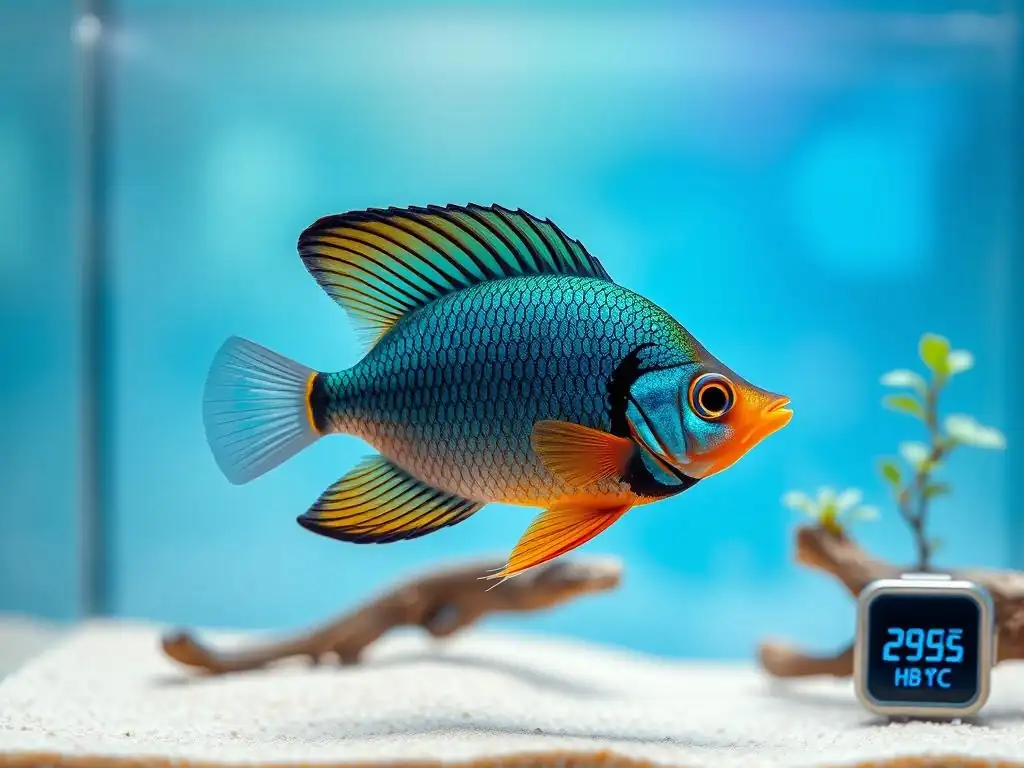
Temperature fluctuations are one of the most common and detrimental issues in temperature-controlled swordtail breeding. Causes can range from faulty heaters or thermostats to unstable room temperatures, power outages, or even large, cold water changes. The impact on swordtail fry can be severe: stress, suppressed immune systems leading to disease outbreaks (like Ich or velvet), stunted growth, and crucially, unpredictable and often undesirable swordtail sex ratio temperature outcomes. A sudden drop of just a few degrees can trigger stress responses that override sex-determining pathways.
To mitigate this, invest in high-quality, appropriately sized heaters with good thermal stability. Using an external temperature controller with an alarm function can provide an early warning for significant deviations. Consider adding a second, smaller heater as a backup in critical fry tanks. Ensuring the room temperature is relatively stable and performing gradual, temperature-matched water changes (e.g., within 1°C of tank water) will also minimize fluctuations and maintain the intended swordtail sex ratio temperature.
Recognizing Signs of Temperature Stress in Swordtail Fry
Early recognition of temperature stress in swordtail fry is crucial for intervention and preventing long-term issues, including compromised swordtail sex ratio temperature outcomes. Fry experiencing cold stress (temperatures consistently below their optimal range, e.g., below 22°C or 71.6°F) may exhibit lethargy, clamped fins, reduced appetite, and a general lack of activity. They might also show slowed growth and increased susceptibility to common cold-water diseases like white spot (Ich).
Conversely, fry under heat stress (temperatures consistently above their optimal range, e.g., above 29°C or 84.2°F) may display rapid gill movement, gasping at the surface, faded coloration, and increased excitability or erratic swimming. Prolonged heat can also lead to increased metabolic rates, potentially shortening lifespan, and making them more vulnerable to bacterial infections. Any of these signs should prompt an immediate check of the swordtail sex ratio temperature and appropriate, gradual adjustments.
Preventing Diseases Associated with Temperature Imbalances
Temperature imbalances are a significant stressor for swordtails, particularly fry, and directly correlate with a weakened immune system, making them highly susceptible to a range of diseases. Fluctuating or consistently sub-optimal swordtail sex ratio temperature levels can suppress the fish's natural defenses, turning otherwise minor environmental pathogens into full-blown outbreaks. Common diseases linked to temperature stress include Ichthyophthirius multifiliis (Ich or white spot disease), various fungal infections, and bacterial fin or body rot.
The primary preventative measure is maintaining a stable and appropriate swordtail sex ratio temperature within the swordtail's preferred range (generally 24-28°C or 75-82°F) throughout their development. Beyond temperature, ensuring pristine water quality through regular water changes, providing a nutritious diet, and avoiding overcrowding all contribute to a robust immune system. A healthy, unstressed swordtail population, maintained at its optimal swordtail sex ratio temperature, is inherently more resistant to disease.
Case Studies: Successful Swordtail Sex Ratio Manipulation
Examining Real-World Examples of Temperature-Influenced Breeding
Many dedicated swordtail breeders have successfully leveraged swordtail sex ratio temperature to achieve specific breeding goals. For instance, consider the "Neon Red Swordtail" line, prized for its exceptionally vibrant red coloration and impressive male sword length. A breeder aiming to accelerate the development of this line consistently maintained their fry tanks at 28.5°C (83.3°F) for the first five weeks post-birth.
Over several spawns, this precise temperature yielded a remarkable male-to-female ratio of approximately 75:25. This high proportion of males allowed for a faster selection of individuals exhibiting the most intense red and longest swords, significantly speeding up the line's refinement compared to natural, balanced ratios.
Another example involves a breeder working with a rare "Pineapple Swordtail" variant, where females were critically needed to expand the broodstock. By maintaining the fry at a cooler, yet stable, swordtail sex ratio temperature of 23°C (73.4°F) for the initial six weeks, they consistently achieved female-biased spawns, often around 65% females to 35% males. This strategic manipulation allowed them to rapidly increase their breeding female population, ensuring the long-term viability and growth of the "Pineapple" line.
Analyzing Breeding Log Data and Sex Ratio Outcomes
The cornerstone of successful swordtail sex ratio temperature manipulation lies in meticulous record-keeping and data analysis. Breeders who achieve consistent results typically maintain detailed breeding logs for each spawn. These logs include: spawning date, parental lineage, initial fry count, daily temperature readings during the critical developmental window, and the final male-to-female ratio observed once the fish mature enough for sexing.
By compiling and analyzing this data across multiple generations and varying temperature trials, breeders can identify precise correlations between the maintained swordtail sex ratio temperature and the resulting sex distribution. For example, a log might show that 27.8°C consistently produced 70% males, while 25.0°C yielded a 50:50 ratio. This empirical evidence allows breeders to fine-tune their temperature strategies, moving beyond guesswork to a data-driven approach for predictable sex ratio outcomes in their swordtail breeding programs.
Lessons Learned from Successful and Unsuccessful Attempts
Successful swordtail sex ratio temperature manipulation consistently highlights the paramount importance of stability and precision. Breeders who achieve desired sex ratios often emphasize the use of reliable heating equipment, external temperature controllers, and daily monitoring to prevent fluctuations. They also understand the critical developmental window and ensure the target temperature is maintained throughout this period without interruption. Success stories often involve a clear breeding goal, a systematic approach to temperature control, and diligent record-keeping to inform future decisions.
Conversely, unsuccessful attempts often stem from inconsistent swordtail sex ratio temperature maintenance, using inaccurate thermometers, or failing to maintain the temperature throughout the entire critical period. Temperature swings, even minor ones, can negate the intended effects, leading to unpredictable sex ratios or, worse, stressed and unhealthy fry. These failures underscore that while temperature manipulation is a powerful tool, it demands rigorous attention to detail and a commitment to providing a stable, optimal environment for swordtail development.
Beyond Sex Ratio: Temperature's Broader Impact on Swordtail Health and Development
Influence on Growth Rates and Overall Vigor
Beyond its direct impact on swordtail sex ratio temperature, ambient water temperature profoundly influences the growth rates and overall vigor of swordtails. Within their optimal range (typically 24-28°C or 75-82°F), swordtails exhibit peak metabolic activity, leading to faster and more efficient food conversion, and consequently, accelerated growth. For example, swordtail fry kept consistently at 26°C (79°F) may reach sexual maturity and full size weeks earlier than those maintained at 22°C (71.6°F), assuming all other parameters are optimal.
Conversely, temperatures outside this ideal range can lead to stunted growth and reduced vigor. Consistently low temperatures slow down metabolism, leading to slower development and smaller adult size. High temperatures, while initially accelerating growth, can also increase stress, deplete energy reserves, and ultimately shorten lifespan if maintained for prolonged periods. Therefore, maintaining the appropriate swordtail sex ratio temperature concurrently supports robust growth and overall vitality.
Correlation with Immune System Function and Disease Resistance
The swordtail sex ratio temperature maintained in the aquarium has a direct correlation with the fish's immune system function and their overall resistance to disease. Swordtails kept within their preferred temperature range experience less physiological stress, allowing their immune systems to function optimally. This means they are better equipped to fight off common pathogens like Ich, bacterial infections, and fungal diseases that might otherwise overwhelm a stressed fish.
Sudden temperature fluctuations, or prolonged exposure to temperatures outside the ideal range, are significant stressors that can severely compromise a swordtail's immune response. A fish under temperature stress allocates more energy to coping with the environmental challenge and less to its immune defenses, making it highly vulnerable to opportunistic diseases. Thus, maintaining a stable and appropriate swordtail sex ratio temperature is not just about influencing sex; it's a fundamental aspect of preventative health care for swordtails.
Affecting Coloration and Other Desirable Traits
The consistent maintenance of optimal swordtail sex ratio temperature can also subtly influence the expression of other desirable traits in swordtails, particularly coloration. While genetics primarily dictate color patterns, consistent and healthy conditions, including stable temperature, allow for the full and vibrant expression of these pigments. For instance, some red or orange swordtail varieties may exhibit richer, more intense hues when consistently kept at the warmer end of their optimal temperature range (e.g., 27-28°C or 80.6-82.4°F), compared to those kept in cooler conditions.
Beyond coloration, the overall vigor and health promoted by ideal temperatures can also impact the development of other aesthetic features, such as finnage and the iconic sword extension in males. Robust growth and strong immune systems, both supported by consistent swordtail sex ratio temperature, contribute to larger, more symmetrical fins and longer, more prominent swords, enhancing the overall show quality and desirability of the fish.
Best Practices for Maintaining Healthy Swordtail Populations Through Temperature Management
Ensuring Optimal Water Quality and Stability
While manipulating swordtail sex ratio temperature is a powerful tool, it must be integrated into a comprehensive approach to swordtail care, with optimal water quality and stability as its foundation. Even the most precisely controlled temperature will fail to yield healthy fish if water parameters are poor. Regular water changes (e.g., 25-30% weekly for established tanks), effective mechanical and biological filtration, and consistent monitoring of ammonia, nitrite, and nitrate levels are non-negotiable. Ammonia and nitrite should always be undetectable, and nitrates kept below 20 ppm.
Maintaining stable pH (typically 7.0-8.0 for swordtails) and appropriate general hardness (GH 10-20 dGH) alongside the target swordtail sex ratio temperature is crucial. Sudden shifts in any water parameter can induce stress, overriding the benefits of temperature control and potentially leading to disease or poor development. A holistic approach ensures that the environment supports not only sex determination but also the overall well-being and vitality of the swordtail population.
Combining Temperature Control with Proper Nutrition
The effectiveness of swordtail sex ratio temperature manipulation and the overall health of swordtails are significantly enhanced when combined with proper nutrition. A high-quality, varied diet is essential for supporting the rapid growth and metabolic demands of developing fry, especially during the critical sex-determining window. Feeding a mix of high-protein flakes, pellets, and live or frozen foods (e.g., brine shrimp, daphnia, bloodworms) ensures that swordtails receive all necessary vitamins, minerals, and amino acids.
Proper nutrition provides the energy and building blocks required for healthy development, including the hormonal processes influenced by temperature. Without adequate nutrition, even perfectly maintained swordtail sex ratio temperature conditions may not yield robust, healthy fish or the desired sex ratios, as the fry lack the resources to fully express their genetic potential. A well-fed swordtail is a healthier swordtail, more resilient to stress and more likely to thrive in a controlled breeding environment.
Implementing Regular Health Checks and Preventative Measures
Proactive health management is a critical best practice when breeding swordtails, particularly when attempting to influence swordtail sex ratio temperature. Daily observation of all fish, from fry to adults, is essential to catch any early signs of stress, disease, or unusual behavior (e.g., clamped fins, lethargy, loss of appetite, abnormal swimming). Early detection allows for prompt intervention, which can prevent minor issues from escalating into widespread problems in the breeding tank.
Implementing a strict quarantine protocol for all new swordtails (typically 2-4 weeks in a separate, observation tank) before introducing them to the main breeding system is paramount to prevent the introduction of pathogens. Additionally, maintaining optimal swordtail sex ratio temperature and pristine water parameters acts as a primary preventative measure against most common fish ailments. By combining environmental control with vigilant observation and responsible animal husbandry, breeders can ensure the long-term health and success of their swordtail populations.
Conclusion: Harnessing Temperature for Responsible Swordtail Line Breeding
Summarizing the Key Findings on Swordtail Sex Ratio Temperature Dependence
The journey through swordtail sex determination reveals a fascinating interplay between genetics and environment, with temperature emerging as a pivotal factor. While swordtails possess a genetic predisposition for sex, precise swordtail sex ratio temperature control during the critical early weeks of fry development can significantly influence the male-to-female ratio. Warmer temperatures (e.g., above 27°C or 80.6°F) tend to yield more males, while cooler temperatures (e.g., below 24°C or 75.2°F) can favor female development. This knowledge empowers breeders to strategically manage their lines for specific breeding goals, whether it's accelerating the selection of male-specific traits or expanding female broodstock.
Beyond sex ratios, maintaining stable and appropriate temperatures is fundamental for overall swordtail health, influencing growth rates, immune system function, and even the vibrancy of coloration. The ability to manipulate the swordtail sex ratio temperature offers a powerful, yet nuanced, tool for advanced aquarists aiming for predictable and successful breeding outcomes, contributing to healthier and more robust swordtail lines.
Future Research Directions in Swordtail Sex Determination
Despite the practical successes in manipulating swordtail sex ratio temperature, there remain exciting avenues for future research. A deeper understanding of the specific genes and molecular pathways involved in temperature-mediated sex determination in Xiphophorus hellerii could lead to even more precise and less environmentally intensive methods of control. Investigating how different swordtail strains or wild populations vary in their temperature sensitivity would also provide valuable insights for breeders.
Furthermore, exploring the long-term epigenetic effects of sustained temperature manipulation on subsequent generations is crucial. Understanding if these environmentally induced sex changes have any subtle impacts on fertility, longevity, or genetic stability over multiple generations would contribute significantly to responsible and sustainable breeding practices, ensuring the continued health and genetic diversity of swordtail lines.
The Ethical Considerations of Manipulating Sex Ratios in Fish
While the ability to manipulate swordtail sex ratio temperature presents clear advantages for line breeding, it is imperative to address the ethical considerations involved. The primary guiding principle for any aquarist or breeder must always be the welfare and health of the fish. Manipulating temperature to achieve desired sex ratios should never come at the expense of the fish's vitality, comfort, or long-term well-being. Extreme temperatures, or rapid, stressful fluctuations, are detrimental regardless of the sex ratio outcome.
Responsible breeders utilize this knowledge as a tool to enhance their lines sustainably, focusing on producing robust, healthy, and genetically diverse populations rather than solely pursuing superficial traits or maximizing numbers. The ethical application of swordtail sex ratio temperature control ensures that these beautiful fish continue to thrive under human care, reflecting a commitment to both scientific advancement and compassionate animal husbandry.
Frequently Asked Questions
How does temperature affect the sex ratio of Swordtail fry?
Higher temperatures during the critical period of sexual differentiation often lead to a higher proportion of male Swordtails. Conversely, lower temperatures can favor female development.
What is the "critical period" for sex determination in Swordtails, and why is it important?
The "critical period" refers to the timeframe where environmental factors, like temperature, can influence the sexual development of the Swordtail fry. Maintaining stable temperatures during this period is crucial for predictable sex ratios.
Can I manipulate the temperature to specifically breed for more male or female Swordtails?
Yes, by carefully controlling the aquarium temperature during the fry's development, you can skew the sex ratio towards males with higher temperatures or females with lower temperatures. However, precise control and monitoring are absolutely essential.
What are the ideal temperature ranges for breeding primarily male versus primarily female Swordtails?
While specific ranges can vary, generally, temperatures above 82°F (28°C) tend to produce more males, and temperatures below 75°F (24°C) may yield more females. These are general guidelines and require careful observation.
Are there any risks associated with intentionally manipulating temperature to influence Swordtail sex ratios?
Yes, extreme temperature fluctuations can stress or harm the fry, leading to developmental issues or even death. Always make gradual temperature changes and monitor water parameters closely.
Final Reflection: The Delicate Dance of Temperature and Life
The intricate relationship between temperature and sex determination, as explored in the context of swordtail breeding, highlights the profound influence of environmental factors on the very fabric of life. Understanding this delicate balance is not merely an academic exercise; it's a crucial step towards responsible breeding practices and a deeper appreciation for the interconnectedness of ecosystems. The subtle shifts in temperature, as we've seen, can dramatically alter the sex ratios of offspring, underscoring the vulnerability of these populations to environmental changes.
This exploration into swordtail sex ratios has illuminated a principle that extends far beyond the confines of a fish tank. It reminds us that nature is a complex tapestry woven with threads of sensitivity and resilience, where even seemingly minor fluctuations can have significant consequences. The implications for conservation efforts and our understanding of climate change are undeniable. As the renowned naturalist John Muir wisely stated: When we try to pick out anything by itself, we find it hitched to everything else in the Universe.
So, as you consider the findings presented here, I invite you to reflect on your own role in this intricate web. How can we, as individuals and as a society, become more mindful of the environmental factors that shape the lives around us? Let the story of the swordtail serve as a reminder that even the smallest actions can ripple outwards, influencing the delicate balance of nature. Embrace this knowledge, and strive to be a force for positive change, ensuring a future where life, in all its diversity, can thrive.
Unleash Your Swordtail's Potential: Take Control of the Gene Pool!
Thank you for diving deep into the fascinating world of swordtail breeding and its connection to temperature. We hope you've gained valuable insights into manipulating environmental factors to influence sex ratios. Now, let's put that knowledge into action!
Here's how you can further explore this intriguing area:
- Start your experiment today! Adjust the temperature of your swordtail fry tank by a few degrees within the safe range and meticulously track the resulting sex ratio. This hands-on experience is the best way to truly understand the impact.
- Delve deeper into related research. Explore scientific papers on temperature-dependent sex determination in other fish species. Compare and contrast their findings with what you've learned about swordtails.
- Share your own breeding experiences! Head over to our Aquarium Mastery forum and discuss your successes (and failures!) with other passionate breeders.
What surprising results have you observed in your own swordtail breeding endeavors, and how might temperature have played a role?