
Building Your Dream Reef: Essential Filtration, Heating & Cooling Gear (Setup & Reviews)

Welcome to Aquarium Mastery!
Ready to dive into the vibrant world of reef tanks? Unlocking the secrets to a thriving reef aquarium starts with the right equipment. Curious about the filtration, heating, and cooling gear that will make or break your coral paradise? Our guide, "Building Your Dream Reef: Essential Filtration, Heating & Cooling Gear (Setup & Reviews)," will equip you with the knowledge you need. Discover expert advice and in-depth reviews to choose the perfect setup and watch your reef flourish! Let's get started!
- Building a Thriving Reef: Essential Filtration, Heating & Cooling
- Introduction: Creating a Stable Reef Aquarium
- Understanding Reef Tank Filtration: Maintaining Water Quality
- Mechanical Filtration: Removing Particulate Waste
- Chemical Filtration: Controlling Water Parameters
- Biological Filtration: Establishing a Nitrogen Cycle
- Reef Tank Heating: Maintaining Stable Temperature
- Reef Tank Cooling: Preventing Overheating
- Integrating Filtration, Heating, and Cooling Systems
- Troubleshooting Common Water Quality Issues
- Reef Tank Maintenance Schedule: Promoting Long-Term Health
- Conclusion: Achieving a Thriving Reef Environment.
-
Frequently Asked Questions
- What are the key pieces of filtration equipment needed for a successful reef tank?
- How important is water chemistry in a reef tank, and what equipment helps maintain it?
- Besides filtration, what heating and cooling equipment is necessary for a healthy reef environment?
- What are some common mistakes aquarists make when setting up their reef tank filtration?
- How can a sump improve the overall health and stability of a reef tank?
- Final Reflection: The Living Symphony of Reef Keeping
- Dive Deeper: Transform Your Aquarium Today!
Building a Thriving Reef: Essential Filtration, Heating & Cooling
Introduction: Creating a Stable Reef Aquarium
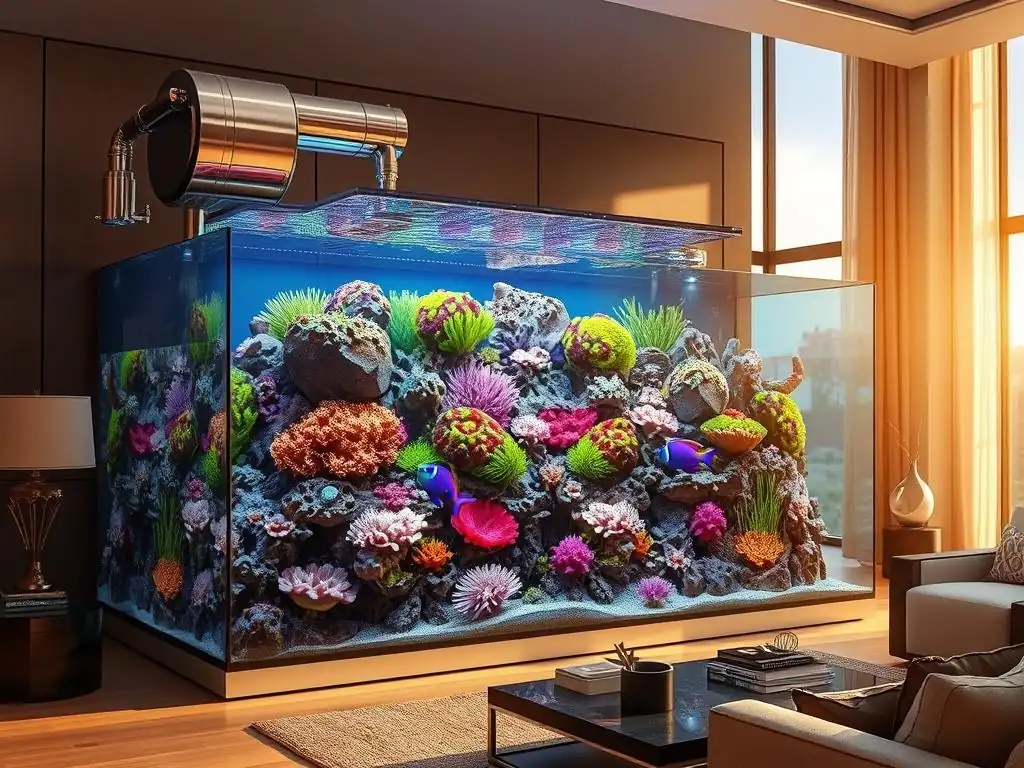
Establishing a thriving reef aquarium is a deeply rewarding endeavor, transforming a simple tank into a vibrant, miniature ocean ecosystem. Unlike freshwater setups, reef tanks demand exacting precision in water parameters and environmental stability. Corals, invertebrates, and fish in a reef environment are highly sensitive to fluctuations in temperature, water chemistry, and the presence of pollutants. Achieving this delicate balance hinges on three critical pillars: robust filtration, precise heating, and effective cooling.
This comprehensive guide will delve into the essential equipment and strategies required to build and maintain an optimal reef environment. We will explore the intricacies of mechanical, chemical, and biological filtration, examine the critical role of temperature control, and provide insights into integrating these systems seamlessly. By understanding and implementing these foundational principles, aquarists can cultivate a stable, healthy, and visually stunning reef display that flourishes for years.
Understanding Reef Tank Filtration: Maintaining Water Quality
Maintaining pristine water quality is the cornerstone of a successful reef aquarium. The enclosed nature of a tank means that waste products from inhabitants, uneaten food, and decaying organic matter can rapidly accumulate, leading to toxic conditions if not properly managed. Effective filtration is the primary defense against these pollutants, ensuring a stable and healthy environment for sensitive corals and fish.
The goal of reef tank filtration is not just to remove visible particles but, more importantly, to manage dissolved organic compounds and control essential water parameters. A multi-faceted approach, combining mechanical, chemical, and biological filtration methods, is crucial for replicating the natural purity of a marine ecosystem. Neglecting any aspect can lead to cascading issues, from nuisance algae outbreaks to severe stress on delicate coral species.
Why Proper Filtration is Crucial
Proper filtration is paramount for the health and longevity of a reef aquarium due to the delicate nature of its inhabitants and the closed system environment. Accumulation of waste products, such as ammonia from fish excretions and uneaten food, quickly converts to nitrite and then nitrate, which can inhibit coral growth and lead to pervasive nuisance algae blooms like Bryopsis or hair algae.
For sensitive stony corals (SPS), nitrate levels above 10 parts per million (ppm) can significantly stress them, while ideally, levels should be kept below 5 ppm, and often much lower, even approaching zero, for optimal health and coloration.
Furthermore, dissolved organic compounds (DOCs) and phosphates, if not efficiently removed, fuel the growth of undesirable organisms and can directly impede coral calcification. High phosphate levels, even as low as 0.05 ppm, can reduce calcification rates in corals by up to 30%, making it difficult for them to build their skeletons. Effective reef tank filtration equipment actively removes these pollutants, preventing their buildup and maintaining the stable parameters necessary for corals to thrive, exhibit vibrant colors, and for fish to remain disease-free.
Key Components of a Reef Tank Filtration System
A comprehensive reef tank filtration system typically integrates three primary components: mechanical, chemical, and biological filtration. Mechanical filtration focuses on physically removing particulate matter, such as uneaten food and detritus, before it can break down and pollute the water. This is crucial for maintaining water clarity and reducing the overall organic load on the system.
Chemical filtration targets dissolved impurities that mechanical and biological methods might miss. This includes removing dissolved organic compounds, phosphates, silicates, and other undesirable substances that can lead to water discoloration, nuisance algae, or inhibit coral health. Finally, biological filtration is the backbone of the nitrogen cycle, converting toxic ammonia and nitrite into less harmful nitrate through the action of beneficial bacteria residing on various surfaces within the aquarium. Each component plays a vital, complementary role in maintaining the pristine water quality essential for a thriving reef.
Mechanical Filtration: Removing Particulate Waste
Mechanical filtration is the first line of defense in a reef aquarium, designed to physically remove suspended particles from the water column. These particles include uneaten food, fish waste, and detritus, which, if left to decompose, would contribute significantly to the organic load and lead to elevated nitrate and phosphate levels. By capturing these solids before they break down, mechanical filtration helps to maintain water clarity and reduce the burden on subsequent chemical and biological filtration stages.
While seemingly simple, the efficiency of mechanical filtration directly impacts the overall health of the reef system. Regular maintenance of mechanical filtration components is crucial; neglected filter media can quickly become a source of pollution itself, releasing trapped nutrients back into the water. Therefore, understanding the function and proper upkeep of key mechanical filtration elements is vital for any reef aquarist.
Protein Skimmers: Removing Organic Compounds
Protein skimmers are arguably the most vital piece of reef tank filtration equipment, specifically designed to remove dissolved organic compounds (DOCs) from the water before they break down into nitrates and phosphates. This process, known as foam fractionation, effectively extracts organic waste, proteins, and other pollutants that contribute to yellowing water and nutrient buildup. By removing these compounds directly, skimmers significantly reduce the overall bio-load on the system and enhance water clarity.
Beyond waste removal, protein skimmers also play a crucial role in gas exchange, increasing the oxygen saturation in the water. High oxygen levels are beneficial for both fish and corals, supporting their metabolic processes and overall health. A well-tuned skimmer can remove a substantial amount of organic material daily, often producing a dark, foul-smelling skimmate that visibly demonstrates its efficiency in maintaining a cleaner, healthier reef environment.
Protein Skimmer Operation: Air-Water Interface
Protein skimmers operate on the principle of foam fractionation, leveraging the natural attraction of organic molecules to the surface of air bubbles. Within the skimmer body, a large volume of air is injected into the aquarium water, creating millions of tiny micro-bubbles. As these bubbles rise through the water column, dissolved organic compounds, along with other pollutants like bacteria and detritus, adhere to their surfaces. This process is particularly effective because organic molecules often have both hydrophobic (water-fearing) and hydrophilic (water-loving) ends, allowing them to bind to the air-water interface.
As the bubble-laden foam rises, it becomes concentrated with these attached organic materials. This thick, dirty foam then overflows into a collection cup at the top of the skimmer. The continuous removal of this "skimmate" prevents the organic waste from breaking down into harmful nitrates and phosphates within the reef tank, making the protein skimmer an indispensable component of effective reef tank filtration equipment.
Choosing a Protein Skimmer: Tank Size and Bio-load
Selecting the right protein skimmer involves carefully considering your tank's volume, its anticipated bio-load, and your budget. Skimmer manufacturers typically provide a gallon rating, but it's often wise to choose a model rated for a tank size 25-50% larger than your actual aquarium, especially if you plan for a heavily stocked fish-only-with-live-rock (FOWLR) or mixed-reef tank. For example, a 90-gallon mixed-reef tank might benefit from a skimmer rated for 120-150 gallons to ensure optimal performance.
Beyond tank size, consider the skimmer's footprint to ensure it fits in your sump, its pump type (AC vs. DC for adjustability and quietness), and the ease of maintenance. High-quality skimmers, like those with DC pumps, offer greater control over foam production and often run quieter, which can be a significant benefit in a home environment. Prioritizing efficiency and reliability in this piece of reef tank filtration equipment will pay dividends in long-term water quality.
Protein Skimmer Reviews: Reef Octopus Regal 150-INT vs. Bubble Magus Curve 5
The Reef Octopus Regal 150-INT is a premium in-sump protein skimmer highly regarded for its robust build quality, quiet operation, and exceptional performance. It features a controllable DC VarioS pump, allowing aquarists to fine-tune the air-to-water ratio for optimal skimmate production, often achieving a dark, consistent skimmate. Rated for aquariums up to 150 gallons, it excels in heavily stocked systems around 90-120 gallons, efficiently removing dissolved organic compounds and contributing significantly to stable water parameters. Users consistently praise its reliability and the minimal maintenance required for consistent operation.
In contrast, the Bubble Magus Curve 5 offers an excellent balance of performance and affordability, making it a popular choice for budget-conscious aquarists. Designed for tanks up to 130 gallons, it performs very well on 60-80 gallon setups, providing effective organic removal for mixed reefs.
This skimmer utilizes an internal Rock SP1000 pump and a cone-shaped body, which aids in foam production and collection. While it might not offer the same level of quietness or extreme adjustability as the Regal 150-INT, its compact footprint and reliable skimmate production make it a strong contender for those seeking efficient reef tank filtration equipment without a high-end price tag.
Filter Socks and Sponges: Polishing the Water
Filter socks and sponges serve as crucial mechanical filtration components, effectively "polishing" the water by physically trapping suspended particulate matter. These elements are typically placed at the very beginning of the sump's filtration chain, directly receiving the overflow from the main display tank. By capturing detritus, uneaten food, and other debris, they prevent these organics from breaking down further in the system, significantly contributing to water clarity and reducing the overall nutrient load.
The effectiveness of filter socks, often available in various micron ratings (e.g., 100 micron or 200 micron), lies in their ability to remove even very fine particles that could otherwise cloud the water or settle as detritus. While highly efficient, their function necessitates frequent cleaning or replacement. Neglecting this maintenance can turn them into nitrate factories, as the trapped organic matter begins to decompose, releasing pollutants back into the water column.
Maintaining Filter Socks and Sponges: Cleaning and Replacement
Regular maintenance of filter socks and sponges is absolutely critical to prevent them from becoming sources of nutrient pollution rather than removers. For heavily stocked reef tanks or those with a high bio-load, filter socks should be cleaned or replaced every 2-3 days. In less demanding systems, weekly cleaning might suffice. The process typically involves removing the dirty sock, rinsing it thoroughly under a strong stream of tap water until clean, and then allowing it to air dry completely before reuse. Many aquarists keep several socks in rotation to facilitate this process.
For a deeper clean, filter socks can be machine-washed using a small amount of bleach (followed by a thorough rinse cycle and a soak in dechlorinator) or simply hot water, ensuring no detergents or fabric softeners are used, as these can be toxic to aquarium inhabitants. Sponges should be rinsed weekly in old tank water removed during a water change, or thoroughly in tap water, again ensuring no detergents are used. This diligent maintenance ensures these pieces of reef tank filtration equipment continuously perform their role in removing particulate waste and maintaining water quality.
Chemical Filtration: Controlling Water Parameters
Chemical filtration plays a vital role in refining water quality in reef aquariums by specifically targeting dissolved impurities that mechanical and biological filtration might not address. This method uses various media to adsorb or react with undesirable substances, such as dissolved organic compounds, phosphates, silicates, and heavy metals. By removing these pollutants, chemical filtration helps to maintain crystal-clear water, prevent nuisance algae blooms, and ensure stable water parameters essential for sensitive corals and fish.
Unlike mechanical filtration which physically removes particles, or biological filtration which processes nitrogenous waste, chemical filtration directly tackles specific chemical imbalances or contaminants. The selection and proper use of chemical media are crucial, as different media target different pollutants. Regular replacement of these media is also necessary, as their adsorptive capacity is finite, and exhausted media can sometimes leach pollutants back into the water.
Activated Carbon: Removing Toxins and Improving Clarity
Activated carbon is a highly effective chemical filtration medium widely used in reef aquariums for its ability to adsorb a broad spectrum of dissolved organic pollutants, phenols, and yellowing agents. These substances, often released by corals, fish, or decaying organic matter, can tint the water, reducing light penetration and giving the tank a dull appearance. By removing them, activated carbon drastically improves water clarity, allowing for better light penetration crucial for photosynthetic corals and enhancing the overall aesthetic of the display.
Beyond aesthetic improvements, activated carbon also adsorbs harmful toxins, medications, and residual heavy metals, contributing to a healthier environment for all inhabitants. However, its adsorptive capacity is finite, typically becoming saturated within 2-4 weeks. For example, a 100-gallon reef tank might use approximately 1-2 cups (about 100-200 grams) of high-quality granular activated carbon, replaced every three weeks, to maintain optimal water clarity and purity. Neglecting to replace it can lead to the carbon leaching adsorbed pollutants back into the water, counteracting its beneficial effects.
Selecting Activated Carbon: Quality and Size
When selecting activated carbon for a reef aquarium, quality and form are paramount. High-quality activated carbon, often derived from bituminous coal or coconut shells, exhibits a vast porous surface area (e.g., ROX 0.8 carbon boasts over 1000 m²/g) which directly correlates to its adsorptive capacity. It's crucial to choose a product specifically designed for aquarium use, as industrial carbons may contain impurities. Look for low-ash content to prevent phosphate leaching into the tank, which can fuel nuisance algae.
The physical form of the carbon also matters; granular or pelletized forms are generally preferred as they allow for better water flow through the media, maximizing contact time without excessive channeling. Before use, it is essential to thoroughly rinse activated carbon under running RODI (Reverse Osmosis Deionized) water to remove fine dust particles. These fines can cause cloudy water or irritate sensitive corals if introduced directly into the tank, making proper preparation a key step in utilizing this reef tank filtration equipment effectively.
Granular Ferric Oxide (GFO): Reducing Phosphate Levels
Granular Ferric Oxide (GFO) is an indispensable chemical filtration medium specifically engineered to effectively remove phosphates and silicates from reef aquarium water. Phosphates are a primary nutrient source for nuisance algae, such as hair algae and dinoflagellates, and can also inhibit calcification in stony corals, leading to slower growth and reduced coloration. By binding with these compounds, GFO helps to maintain ultra-low phosphate levels, typically below 0.03 parts per million (ppm), which is crucial for a thriving, algae-free reef.
The efficacy of GFO is directly related to its surface area and contact time with the water. For optimal performance, GFO is almost always used in a fluidized media reactor, which ensures that the media is gently tumbled by water flow, preventing channeling and maximizing the surface area exposed to the water. A typical 100-gallon reef tank might utilize 200-300 milliliters of GFO, replaced every 2-4 weeks or as phosphate levels begin to creep up, providing a highly effective method for controlling one of the most persistent reef tank pollutants.
GFO Reactors: Optimizing GFO Use
GFO reactors are highly recommended for maximizing the efficiency and effectiveness of Granular Ferric Oxide as a chemical filtration medium. While GFO can be used in a media bag, a reactor ensures that water flows evenly through the media, preventing channeling and maximizing contact time between the water and the GFO granules. This even flow allows the GFO to bind with phosphates and silicates more effectively, leading to lower and more stable phosphate levels in the aquarium.
Reactors typically consist of a chamber where the GFO is placed, and a small pump pushes water up through the media, causing it to gently "tumble" or "fluidize" without compacting. This fluidization exposes the maximum possible surface area of the GFO, enhancing its adsorptive capacity. For example, a properly set up GFO reactor can help maintain phosphate levels consistently below 0.03 ppm in a 150-gallon tank, a level critical for the health and vibrant coloration of sensitive SPS corals. Without a reactor, GFO in a bag can quickly become compacted, significantly reducing its effectiveness and requiring more frequent replacement.
Other Chemical Filtration: Resins for Specific Issues
Beyond activated carbon and GFO, a variety of specialized chemical filtration resins are available to address specific water quality challenges in reef aquariums. These resins are formulated to selectively remove particular pollutants or ions that might not be effectively targeted by other filtration methods. For instance, some resins are designed to remove nitrates directly, offering an additional layer of control for tanks struggling with persistently high nitrate levels, even after optimizing biological filtration and water changes.
Other specialized resins can target silicates, which contribute to diatom algae outbreaks, or heavy metals that might inadvertently be introduced into the system. Products like Seachem Purigen, for example, are highly effective at removing dissolved organic waste and polishing water clarity, often lasting longer than activated carbon due to their regenerative properties. The strategic use of these targeted resins allows aquarists to fine-tune their water chemistry, addressing unique issues and maintaining optimal conditions for their specific reef inhabitants.
Biological Filtration: Establishing a Nitrogen Cycle
Biological filtration is the cornerstone of any healthy aquarium, and in a reef tank, it is absolutely indispensable for processing the toxic waste products generated by marine life. This critical process, known as the nitrogen cycle, relies on beneficial bacteria to convert highly toxic ammonia (NH3/NH4+) into less toxic nitrite (NO2-), and then nitrite into relatively harmless nitrate (NO3-). Without robust biological filtration, ammonia and nitrite would quickly accumulate to lethal levels, leading to fish death and coral recession.
In a reef environment, biological filtration is primarily facilitated by vast populations of nitrifying bacteria that colonize porous surfaces throughout the aquarium. These bacteria require oxygen to perform their conversions, highlighting the importance of good water flow and oxygenation. While nitrate is less toxic, its accumulation can still lead to nuisance algae and impact coral health, necessitating further measures like water changes or specific nitrate-reducing methods to keep levels in check.
Live Rock: Natural Biological Filtration
Live rock is universally considered the primary and most effective form of biological filtration in a reef aquarium. It is porous, calcified rock teeming with a diverse array of beneficial bacteria, microfauna, and macrofauna. The intricate network of pores within live rock provides an immense surface area for both aerobic (oxygen-rich) nitrifying bacteria, which convert ammonia to nitrite and then nitrate, and anaerobic (oxygen-depleted) denitrifying bacteria, which can convert nitrate gas into inert nitrogen gas, completing the nitrogen cycle.
Beyond its role in the nitrogen cycle, live rock contributes significantly to the overall stability and biodiversity of the reef ecosystem. It serves as a natural buffer, helps maintain pH, and provides essential habitat, hiding places, and grazing surfaces for fish and invertebrates. A general guideline is to use 1 to 1.5 pounds of live rock per gallon of tank volume, meaning a 90-gallon reef tank would typically incorporate 90 to 135 pounds of cured live rock to establish a robust biological filter and a natural-looking aquascape.
Curing Live Rock: Establishing Beneficial Bacteria
Curing live rock is a critical initial step before introducing it to a display reef tank, ensuring that any dying or decaying organisms on the rock are fully processed and removed. When live rock is collected and shipped, many of the sponges, algae, and other organisms on its surface die due to lack of light, water, and stable conditions.
This "die-off" releases significant amounts of ammonia and nitrite into the water, which are highly toxic to fish and corals. Curing involves placing the rock in a separate container with circulating saltwater, performing regular water changes, and monitoring ammonia and nitrite levels daily.
The curing process typically takes anywhere from 2 to 6 weeks, depending on the initial state of the rock. During this period, the beneficial nitrifying bacteria colonize the rock's porous surfaces, establishing a robust biological filter capable of converting the ammonia and nitrite produced by the decaying matter. The rock is considered fully cured when both ammonia and nitrite levels consistently read zero for several consecutive days, indicating that the bacterial colonies are fully established and capable of processing nitrogenous waste efficiently.
Maintaining Live Rock: Promoting a Healthy Ecosystem
Maintaining live rock involves ensuring its continued efficacy as a biological filter and a healthy ecosystem component. Good water flow around and through the rock structure is crucial to prevent detritus from settling and accumulating in crevices, which can lead to localized anaerobic zones that produce hydrogen sulfide. Adequate flow also ensures that oxygenated water reaches the aerobic nitrifying bacteria on the rock's surface, supporting their vital role in the nitrogen cycle.
Regular siphoning of detritus from the sand bed and around the base of the rockwork during water changes helps keep the system clean. While live rock is generally self-sustaining, ensuring proper lighting for any symbiotic algae on the rock, and avoiding the use of harsh chemicals or medications that could harm the beneficial bacterial colonies, are also important. Promoting a healthy microfauna population within the rock, such as copepods and amphipods, further contributes to nutrient cycling and provides a natural food source for many reef inhabitants.
Bio Media: Increasing Surface Area for Bacteria
While live rock serves as the primary biological filter in most reef tanks, supplemental bio media can be used to further increase the surface area available for beneficial bacteria, especially in systems with less live rock or higher bio-loads. These engineered media, such as ceramic rings, bio-balls (though less common in modern reef sumps due to potential nitrate issues), or highly porous synthetic materials like MarinePure, offer vast internal and external surface areas for bacterial colonization. They are typically placed in a dedicated chamber within the sump, ensuring consistent water flow through them.
The benefit of advanced bio media lies in their ability to provide both aerobic and anaerobic zones within their structure, supporting both nitrifying and denitrifying bacteria. For example, a single 1.5-inch MarinePure sphere boasts an astonishing 1,200 square feet of surface area, significantly contributing to the biological filtration capacity of a system. When properly chosen and maintained, these media enhance the nitrogen cycle, helping to maintain stable water parameters and reduce nitrate accumulation in the reef tank.
Selecting Bio Media: Porosity and Volume
When selecting bio media for a reef aquarium, the primary considerations are porosity and the total surface area provided. High-quality bio media are designed with an intricate network of microscopic pores, which significantly increases the habitable space for beneficial bacteria. Materials like sintered glass or ceramic rings, and especially advanced synthetic media such as MarinePure or Brightwell Aquatics XPort Bio, offer superior porosity compared to older designs like bio-balls. For instance, a cubic foot of MarinePure block can provide the equivalent biological filtration capacity of 100 pounds of live rock.
The volume of bio media required depends on the tank's size and bio-load, as well as the amount of live rock already present. While bio-balls were once popular, their largely aerobic design can lead to nitrate accumulation in reef sumps; modern reef keeping often favors media that can foster both aerobic and anaerobic bacteria to aid in nitrate reduction. Ensure the chosen media can be easily housed in a media reactor or a dedicated sump chamber with adequate flow to prevent detritus buildup and maximize bacterial colonization.
Deep Sand Beds (DSB): Denitrification and Nutrient Reduction
Deep Sand Beds (DSB) are a specific type of substrate management in reef tanks, typically consisting of a sand layer 4 inches or deeper. The principle behind a DSB is to create an anoxic (extremely low oxygen) zone within the deeper layers of the sand. In this anoxic environment, a specialized group of anaerobic bacteria can thrive, performing denitrification – a process where nitrate (NO3-) is converted into nitrogen gas (N2), which then harmlessly off-gasses from the aquarium. This makes DSBs a unique form of biological filtration that directly reduces nitrate levels, rather than just producing them.
Beyond nitrate reduction, DSBs also provide a vast habitat for a diverse community of beneficial microfauna, including copepods, amphipods, and various worms. These organisms constantly burrow through the sand, preventing compaction and consuming detritus, thereby contributing to nutrient cycling and helping to keep the sand bed clean. While DSBs can be highly effective at nutrient reduction, they require careful setup and maintenance to prevent the buildup of hydrogen sulfide and are often debated among aquarists due to their potential for long-term nutrient export challenges if not properly managed.
Reef Tank Heating: Maintaining Stable Temperature
Maintaining a stable and consistent temperature is absolutely critical for the health and well-being of all inhabitants in a reef aquarium. Most marine fish, corals, and invertebrates thrive within a narrow temperature range, typically between 76°F and 82°F (24.4°C to 27.8°C), with 78°F being a common target. Fluctuations outside this range, even by a few degrees, can cause significant stress, weaken immune systems, and make organisms more susceptible to disease. For corals, extreme temperature shifts can lead to bleaching, where they expel their symbiotic algae, ultimately leading to death if conditions are not rectified.
Therefore, reliable reef tank heating equipment is indispensable. Heaters work in conjunction with temperature controllers to ensure that the water temperature remains within the desired parameters, compensating for ambient room temperature changes or heat loss from evaporation. Without precise temperature control, the entire reef ecosystem is at risk, making the selection and proper setup of heating components a foundational element of successful reef keeping.
Choosing an Aquarium Heater: Wattage and Reliability
Choosing an appropriate aquarium heater involves balancing sufficient wattage with proven reliability and safety features. Heaters are typically rated in watts, and the general rule of thumb for reef tanks is to provide 3 to 5 watts per gallon of water. For instance, a 75-gallon reef tank might require a 225-375 watt heater. It's often recommended to use two smaller heaters rather than one large one (e.g., two 150-watt heaters for a 100-gallon tank) to provide redundancy; if one fails, the other can still maintain temperature, preventing a catastrophic drop.
Reliability is paramount, as heater malfunctions can lead to dangerous temperature swings. Look for heaters with shatter-resistant glass or titanium elements, and those with integrated thermostats that offer precise temperature control. While many heaters come with built-in thermostats, pairing them with an external temperature controller provides an additional layer of safety and accuracy. Always ensure the heater is fully submersible and rated for continuous use in saltwater environments to prevent corrosion and electrical hazards.
Heater Wattage Calculation: Considering Tank Size and Ambient Temperature
Calculating the appropriate heater wattage for your reef tank is crucial for maintaining stable temperatures efficiently. A common guideline is to provide 3 to 5 watts per gallon of aquarium water. So, for a 100-gallon reef tank, you would typically need a total heating capacity of 300 to 500 watts. This wattage range accounts for average room temperatures and typical heat loss.
However, factors like ambient room temperature significantly influence the required wattage. If your tank is in a colder room (e.g., below 68°F / 20°C) or if you have an open-top tank with significant evaporative cooling, you might need to lean towards the higher end of the wattage range, or even slightly exceed it. Conversely, in warmer climates or rooms, less wattage might suffice. It's often advisable to use multiple smaller heaters to achieve the total wattage, offering redundancy in case one unit fails, and distributing heat more evenly throughout the system.
Heater Reviews: Aqueon Pro Adjustable Heater vs. Finnex Titanium Heater
The Aqueon Pro Adjustable Heater is a popular choice among aquarists for its durability, safety features, and reliability. Encased in a thermal plastic housing, it is shatter-resistant and boasts an automatic shut-off feature if removed from water, preventing overheating and potential damage. Available in wattages ranging from 50W to 300W, it can effectively heat tanks from 10 to 100 gallons, maintaining temperatures within +/- 1°F of the set point. Many users report consistent performance and a relatively long lifespan, making it a dependable piece of reef tank heating equipment for a wide range of setups.
Conversely, the Finnex Titanium Heater is highly regarded for its superior corrosion resistance and robustness, making it ideal for continuous immersion in saltwater, especially within sumps. Unlike glass heaters, titanium elements are virtually unbreakable. It requires an external temperature controller, which allows for extremely precise temperature management, often within +/- 0.5°F. A 300W Finnex titanium element, for example, can efficiently heat a 100-gallon tank. While the initial cost might be slightly higher due to the need for a separate controller, its longevity and precision make it a preferred choice for serious reef keepers seeking ultimate reliability and temperature stability.
Temperature Controllers: Precision and Safety
Temperature controllers are indispensable pieces of reef tank equipment that elevate temperature management beyond the capabilities of standard submersible heaters. While many heaters have built-in thermostats, these can sometimes fail or drift, leading to dangerous temperature swings. A standalone temperature controller, such as the Inkbird ITC-308, acts as an independent safety net by precisely monitoring the water temperature with a dedicated probe and then switching heaters (and often chillers) on or off as needed.
This provides two critical benefits: enhanced precision and vital safety. Controllers can typically maintain temperatures within a very narrow range, often +/- 0.5°F or even +/- 0.1°F, which is crucial for sensitive corals that react poorly to even slight fluctuations. More importantly, if a heater malfunctions and gets stuck "on," the controller will cut power once the upper temperature limit is reached, preventing a catastrophic overheating event that could wipe out an entire reef tank. This dual-purpose functionality makes a temperature controller a non-negotiable component for any serious reef aquarist.
Reef Tank Cooling: Preventing Overheating
While heating is crucial for maintaining stable temperatures, preventing overheating is equally important in a reef aquarium. Several factors can contribute to rising water temperatures, including high ambient room temperatures, powerful lighting systems (especially metal halides), and heat generated by pumps and other equipment. Temperatures exceeding 82°F (27.8°C) can rapidly stress corals, leading to bleaching, where they expel their symbiotic algae, and significantly weaken the immune systems of fish, making them susceptible to disease. Prolonged exposure to high temperatures can be fatal to an entire reef system.
Therefore, effective reef tank cooling equipment is a vital investment, particularly for larger tanks, those with high-intensity lighting, or aquariums located in warmer climates. Options range from simple cooling fans to sophisticated chillers, each offering different levels of temperature reduction and efficiency. Understanding the mechanisms and limitations of each cooling method is key to maintaining a safe and stable environment for your sensitive reef inhabitants.
Aquarium Chillers: Effective Temperature Reduction
Aquarium chillers are the most effective and reliable solution for actively reducing and maintaining cool temperatures in a reef tank, especially in situations where ambient room temperatures are high or powerful heat-generating equipment (like metal halide lights or large pumps) is in use. Unlike cooling fans which rely on evaporative cooling, chillers use a refrigeration cycle to directly remove heat from the aquarium water. Water is typically pumped through a titanium heat exchanger within the chiller, where it is cooled before being returned to the tank.
Chillers offer precise temperature control, often integrating with a temperature controller to maintain a set point within a fraction of a degree. While they represent a significant investment and consume more electricity than fans, their ability to consistently lower temperatures by 5-10°F or more below ambient makes them indispensable for preventing coral bleaching and fish stress during heatwaves. For example, a 1/4 HP chiller can effectively cool a 75-125 gallon tank by 5°F below ambient, consuming around 200-300 watts when actively cooling.
Chiller Sizing: Matching Chiller to Tank Volume
Properly sizing an aquarium chiller is critical to ensure it can effectively cool your reef tank without running constantly, which wastes energy and shortens the chiller's lifespan. Chiller capacity is typically rated in horsepower (HP) and matched to a recommended tank volume. A general guideline is:
- 1/10 HP: Suitable for tanks up to 30-40 gallons.
- 1/4 HP: Effective for tanks between 75-125 gallons.
- 1/2 HP: Recommended for tanks ranging from 150-250 gallons.
However, these are approximations. Factors such as ambient room temperature (a tank in a 90°F room needs more cooling than one in a 70°F room), the type of lighting (metal halides generate significant heat), and the total heat output from pumps and other reef tank filtration equipment should also be considered. It's often better to slightly oversize a chiller to ensure it can handle peak heat loads and run more efficiently, cycling on and off less frequently.
Chiller Reviews: Aqua Logic Delta Star Mini Chiller vs. JBJ Arctica Titanium Chiller
The Aqua Logic Delta Star Mini Chiller represents the pinnacle of commercial-grade aquarium chillers, renowned for its exceptional build quality, robust performance, and quiet operation. These chillers often utilize a high-efficiency titanium heat exchanger, which is impervious to saltwater corrosion and ensures rapid, effective cooling. A 1/4 HP Delta Star model, for instance, is typically rated for tanks up to 150 gallons and can reliably maintain precise temperatures even in demanding environments, with a typical operating noise level below 50 dB. Their durable construction and long lifespan make them a significant, yet worthwhile, investment for serious reef keepers.
In contrast, the JBJ Arctica Titanium Chiller is a widely popular choice among home aquarists due to its compact design, relatively quiet operation, and reliable performance at a more accessible price point. Featuring a durable titanium heat exchanger, the Arctica series is known for its quick cool-down times and efficient temperature maintenance.
A 1/4 HP JBJ Arctica unit is often recommended for tanks up to 80-100 gallons and can effectively reduce temperatures by 4-6°F in a typical 75-gallon tank within a few hours. Its sleek aesthetic and proven track record make it a strong contender for those seeking effective reef tank cooling equipment without venturing into commercial-grade costs.
Cooling Fans: Evaporative Cooling
Cooling fans offer a simple and cost-effective method for reducing water temperature in a reef aquarium, primarily through evaporative cooling. When air is blown across the water's surface, it increases the rate of evaporation. As water molecules transition from liquid to gas, they absorb heat from the remaining water, leading to a cooling effect. This process is similar to how human perspiration cools the body.
While effective for modest temperature drops (typically 2-4°F), cooling fans have limitations. Their efficiency is highly dependent on ambient humidity; in high-humidity environments, evaporation is reduced, and so is the cooling effect. Furthermore, the increased evaporation rate means a higher demand on your auto top-off system, as more freshwater will be needed daily to compensate for the lost water and maintain stable salinity. For example, a single fan on a 50-gallon tank can increase daily evaporation by 0.5 to 1 gallon, requiring diligent monitoring of salinity.
Evaporation: Natural Cooling and Salinity Impact
Evaporation is a natural process in any open-top aquarium, and it inherently provides a degree of natural cooling. As water molecules at the surface gain enough energy to transform into water vapor and escape into the air, they draw heat from the remaining liquid water, thereby lowering the overall temperature of the tank. This effect can be significant, especially in dry environments or with strong air movement across the water surface, potentially reducing tank temperature by a few degrees Fahrenheit.
However, a critical consequence of evaporation in a saltwater reef tank is its impact on salinity. When freshwater evaporates, the salt and other dissolved minerals are left behind, causing the salinity of the remaining water to gradually increase. Uncontrolled salinity fluctuations are highly detrimental to corals and marine fish, leading to osmotic stress and potentially death. Therefore, while evaporation provides a natural cooling benefit, it necessitates the use of an auto top-off (ATO) system to consistently replenish evaporated freshwater, maintaining stable salinity levels and protecting the delicate reef ecosystem.
Integrating Filtration, Heating, and Cooling Systems
Successfully building a thriving reef aquarium goes beyond simply acquiring individual pieces of reef tank filtration equipment, heaters, and chillers. The true art lies in seamlessly integrating these components into a cohesive, efficient, and safe system. Proper integration ensures that water flows optimally through all filtration stages, temperature is consistently maintained, and all electrical components operate without risk. This holistic approach maximizes the performance of each device while minimizing potential points of failure.
Careful planning of plumbing, consideration of flow rates, and meticulous attention to electrical safety are paramount. An integrated system is more than the sum of its parts; it creates a stable, self-regulating environment that mimics the natural ocean, allowing your corals and fish to thrive with minimal intervention. Neglecting these integration steps can lead to inefficiencies, maintenance headaches, or, worst-case, catastrophic equipment failures.
Plumbing Considerations: Flow Rates and Connections
Careful plumbing is essential for effective integration of reef tank filtration equipment, heaters, and chillers, ensuring optimal flow rates and reliable connections. The return pump from the sump must be appropriately sized to deliver sufficient flow through any in-line reactors (like GFO reactors), UV sterilizers, or chillers, while still providing adequate circulation back to the display tank. For instance, a 100-gallon reef tank often benefits from a return pump capable of 800-1000 gallons per hour (GPH) after accounting for head loss (the reduction in flow due to vertical lift and pipe friction).
All connections should be secure, using PVC unions where possible for easy disassembly during maintenance. Ball valves are indispensable for controlling flow to specific equipment, allowing for isolation during cleaning or replacement without shutting down the entire system. Proper pipe sizing prevents unnecessary restriction and ensures the efficient operation of components like chillers, which require specific flow rates for optimal heat exchange. Overlooking these plumbing details can lead to inefficient filtration, poor temperature control, and potential leaks.
Electrical Safety: Grounding and Surge Protection
Electrical safety is paramount in any aquarium setup, especially with the numerous high-voltage components used in reef tank filtration equipment, heaters, and chillers operating in close proximity to saltwater. The first and most crucial step is to ensure all outlets used are Ground Fault Circuit Interrupter (GFCI) protected. GFCI outlets detect even minor current leaks and immediately trip, cutting power to prevent electrical shock. This is a non-negotiable safety feature for any device plugged into a reef tank system.
Furthermore, all power cords should have a "drip loop" – a downward curve in the cord that allows any water dripping along the cord to fall off before reaching the outlet. Using high-quality surge protectors is also vital to protect sensitive electronic equipment from power fluctuations or lightning strikes. Some aquarists also install a grounding probe in their sumps, which helps to neutralize stray electrical voltage in the water, further reducing the risk of shock and preventing "stray voltage syndrome" in fish, which can cause stress and disease.
Troubleshooting Common Water Quality Issues
Even with the best reef tank filtration equipment and diligent maintenance, water quality issues can occasionally arise in a reef aquarium. Understanding how to identify and effectively troubleshoot common problems like high nitrates, high phosphates, or unstable pH is crucial for the long-term health of your reef. These issues are often symptoms of underlying imbalances in nutrient export, feeding practices, or system design, and prompt action can prevent them from escalating into serious threats to your inhabitants.
Effective troubleshooting involves methodical testing, observation, and a systematic approach to identifying the root cause. Rather than simply treating the symptom, the goal is to correct the fundamental problem to ensure stable and healthy water parameters. This section will outline the common causes and effective solutions for these prevalent water quality challenges, empowering aquarists to maintain a resilient reef environment.
High Nitrate Levels: Identifying and Addressing Causes
High nitrate levels in a reef tank, typically above 20 parts per million (ppm) for mixed reefs and ideally below 5 ppm for SPS-dominated tanks, are a common issue indicating insufficient nutrient export. Primary causes include overfeeding, which introduces excess organic waste; overstocking, leading to a high bio-load; insufficient water changes; accumulation of detritus in the sand bed or rockwork; and inadequate biological filtration capacity. High nitrates fuel nuisance algae growth, dull coral coloration, and can stress sensitive fish and invertebrates.
To address high nitrates, start by reducing feeding amounts and ensuring all food is consumed. Increase the frequency and volume of water changes (e.g., 20-30% weekly for severe cases) to dilute pollutants. Enhance mechanical filtration by cleaning filter socks or sponges more often. Consider adding or increasing the use of nitrate-reducing chemical media, such as specific resins or biopellets, or establishing a macroalgae refugium with species like Chaetomorpha to absorb nitrates. Manual removal of detritus during water changes is also crucial to eliminate trapped organic matter before it breaks down.
High phosphate levels, even at concentrations as low as 0.05 parts per million (ppm), are a significant problem in reef tanks, primarily fueling aggressive nuisance algae growth like hair algae, Bryopsis, and dinoflagellates. They can also directly inhibit calcification in stony corals, leading to slower growth and reduced overall health. Common causes include overfeeding, using tap water without proper RODI filtration, decaying organic matter (dead spots, uneaten food), phosphate-leaching rock or sand, and insufficient phosphate removal through chemical filtration.
To combat high phosphates, the most effective solution is the consistent use of Granular Ferric Oxide (GFO) in a media reactor, aiming to maintain levels below 0.03 ppm. Reduce feeding amounts, and consider using low-phosphate foods. Ensure your source water is pure by using a high-quality RODI unit with a TDS (Total Dissolved Solids) meter to confirm 0 TDS. Increase water flow to eliminate dead spots where detritus accumulates, and regularly siphon detritus during water changes. Growing macroalgae in a refugium can also help export phosphates as the algae grows and is periodically harvested.
Unstable pH: Identifying and Addressing Causes
Unstable pH in a reef tank, characterized by significant daily swings (e.g., more than 0.2 units) or consistently low readings (below 7.8), can be highly detrimental to corals and invertebrates. The primary cause of low or unstable pH is often insufficient alkalinity (carbonate hardness), which acts as the main buffer in saltwater. Other significant factors include high carbon dioxide (CO2) levels in the ambient air (often due to poor ventilation in the room), inadequate gas exchange at the water's surface, or large, infrequent water changes with water of a different pH.
To stabilize pH, first ensure your alkalinity is consistently within the optimal range of 8-11 dKH. Increase surface agitation in the display tank and sump to promote better gas exchange. Ensure your protein skimmer is running efficiently, as it aids in CO2 removal. If indoor CO2 levels are high (e.g., due to closed windows, many people in a room), consider improving ventilation or drawing fresh air into the skimmer's air intake from outside. Dosing kalkwasser (calcium hydroxide) nightly or utilizing a calcium reactor can also help raise and stabilize pH by increasing alkalinity and calcium.
Reef Tank Maintenance Schedule: Promoting Long-Term Health
A consistent and systematic maintenance schedule is the backbone of a successful and thriving reef aquarium. While robust reef tank filtration equipment, heating, and cooling systems do much of the heavy lifting, regular human intervention is crucial for long-term stability and health. Skipping or delaying maintenance tasks can lead to a gradual decline in water quality, nutrient imbalances, and increased stress on inhabitants, ultimately leading to problems that are far more difficult to rectify.
A well-structured maintenance routine ensures that all systems are functioning optimally, potential issues are caught early, and the environment remains pristine for your sensitive corals and fish. This section outlines a comprehensive schedule, broken down into weekly, monthly, and quarterly tasks, designed to promote the long-term health and vibrancy of your reef. Adhering to this routine will not only prevent common pitfalls but also allow you to enjoy the beauty of your reef with greater peace of mind.
Weekly Maintenance: Water Changes and Testing
Weekly maintenance is the most frequent and critical component of a reef tank care schedule, directly addressing nutrient export and parameter stability. The cornerstone of weekly tasks is performing a 10-20% water change. This dilutes accumulated nitrates and phosphates, replenishes essential trace elements, and removes dissolved organic compounds that other filtration methods might miss. For example, a 10% weekly water change on a 100-gallon tank removes 10 gallons of old water and replaces it with fresh, perfectly mixed saltwater, helping to keep nitrates below 5 ppm.
Concurrently, testing key water parameters is vital. This includes salinity (using a refractometer or hydrometer), alkalinity (dKH), calcium (ppm), magnesium (ppm), nitrate (ppm), and phosphate (ppm). This allows you to track trends, identify potential issues early, and adjust dosing regimens if necessary. Additionally, cleaning the protein skimmer neck and collection cup is essential, as a clean neck allows for optimal foam production and efficient organic waste removal. Finally, checking the auto top-off (ATO) reservoir and refilling it with RODI water ensures stable salinity by compensating for evaporation.
Monthly Maintenance: Equipment Cleaning and Calibration
Monthly maintenance tasks delve deeper into the cleaning and calibration of reef tank equipment, ensuring their continued optimal performance and preventing long-term issues. A crucial monthly task is the thorough cleaning of powerheads and return pumps. These devices can accumulate coralline algae and detritus, which reduces their flow efficiency and can lead to overheating. Disassembling and soaking them in a vinegar/water solution helps remove stubborn buildup, restoring their original flow rates, which is vital for proper water circulation and reef tank filtration equipment functionality.
Furthermore, it's essential to calibrate your refractometer or pH probes. Refractometers can drift over time, leading to inaccurate salinity readings, while pH probes require regular calibration with buffer solutions to ensure precise pH measurements. Replacing chemical media, such as activated carbon and GFO, is also a monthly or bi-monthly task, depending on the tank's bio-load and specific product recommendations. Carbon typically lasts 2-4 weeks, and GFO 2-4 weeks, before their adsorptive capacities are exhausted, making their timely replacement critical for preventing nutrient buildup.
Quarterly Maintenance: Deep Cleaning and System Inspection
Quarterly maintenance involves a more comprehensive deep cleaning and inspection of the entire reef tank system, addressing areas that are not typically touched during weekly or monthly routines. One key task is a thorough cleaning of the sump. Over time, detritus, algae, and salt creep can accumulate in the sump chambers, potentially hindering the efficiency of reef tank filtration equipment and contributing to nutrient buildup. This involves siphoning out settled detritus and wiping down the sump walls.
Another important step is to inspect all plumbing connections for leaks or signs of wear. Hoses can stiffen or crack, and PVC joints can loosen over time, leading to potential water damage. Checking the performance of heaters and chillers, ensuring they are free of mineral buildup and functioning correctly, is also crucial. For example, a chiller's condenser coils can accumulate dust, reducing its efficiency; a quick vacuum can restore performance. This deep dive into the system ensures all components are in good working order, preventing minor issues from escalating into major problems.
Conclusion: Achieving a Thriving Reef Environment.
Building and maintaining a thriving reef aquarium is a journey that demands dedication, knowledge, and the right reef tank filtration equipment, heating, and cooling systems. As we've explored, each component plays a critical role in creating the stable, pristine environment that corals, fish, and invertebrates require to flourish. From the meticulous removal of organic waste by protein skimmers to the precise temperature regulation provided by heaters and chillers, every piece of gear contributes to the delicate ecological balance within your glass box.
Ultimately, a truly thriving reef is the result of integrating these advanced systems with a consistent, proactive maintenance schedule. By understanding the science behind water quality, investing in reliable equipment, and diligently adhering to your maintenance routine, you are not just keeping marine life alive—you are cultivating a vibrant, dynamic ecosystem that offers endless fascination and beauty. Embrace the process, learn from your experiences, and enjoy the unparalleled reward of a flourishing reef environment.
Frequently Asked Questions
What are the key pieces of filtration equipment needed for a successful reef tank?
The essential equipment includes a protein skimmer to remove organic waste, a sump for housing equipment and increasing water volume, and mechanical filtration like filter socks to remove particulate matter.
How important is water chemistry in a reef tank, and what equipment helps maintain it?
Maintaining proper water chemistry is crucial. Equipment like RO/DI filters purify the water, and calcium reactors or dosing pumps help maintain alkalinity, calcium, and magnesium levels.
Besides filtration, what heating and cooling equipment is necessary for a healthy reef environment?
Reef tanks need stable temperatures. A heater with a thermostat maintains warmth, while a chiller prevents overheating, especially during warmer months.
What are some common mistakes aquarists make when setting up their reef tank filtration?
Overlooking the importance of a properly sized protein skimmer is a common mistake. Also, neglecting regular maintenance of filtration equipment can lead to issues.
How can a sump improve the overall health and stability of a reef tank?
A sump increases water volume, provides space for equipment like protein skimmers and reactors, and allows for easier water changes and maintenance, contributing to a stable and healthy environment.
Final Reflection: The Living Symphony of Reef Keeping
The journey of crafting a thriving reef aquarium, as we've explored, hinges on a delicate balance – a symphony of filtration, heating, and cooling. Understanding and implementing the right equipment is not merely about maintaining a tank; it's about fostering a miniature ecosystem, a vibrant underwater world teeming with life. The choices we make in selecting our reef tank filtration equipment directly impact the health, color, and longevity of our corals and fish, making informed decisions crucial in this captivating hobby.
This intricate dance between technology and nature has profoundly shaped the reef keeping community. The dedication and passion of aquarists, constantly striving to improve their systems and share their knowledge, is truly inspiring. It underscores the deep connection we feel to these fragile ecosystems and our responsibility to protect them, even within the confines of our homes. In the end, we will conserve only what we love; we will love only what we understand; and we will understand only what we are taught.
- Baba Dioum. This quote perfectly encapsulates the spirit of reef keeping; the more we learn and understand, the more we appreciate and protect these incredible environments.
As you embark on, or continue, your reef keeping adventure, remember that the information presented here is a starting point. The best filtration, heating, and cooling setup is the one that best suits your specific needs and the unique demands of your reef. Let the knowledge gained here empower you to experiment, learn, and refine your approach.
Embrace the challenges, celebrate the successes, and contribute to the collective wisdom of the reef keeping community. Your dedication will not only create a stunning display but also contribute to a greater understanding and appreciation for the beauty and fragility of our oceans.
Dive Deeper: Transform Your Aquarium Today!
Thanks for exploring the essential gear for creating a thriving reef aquarium! Now that you're equipped with the knowledge, it's time to take action and elevate your reef-keeping journey.
Here are some steps you can take right now:
- Start planning your equipment layout! Map out the placement of your filtration, heating, and cooling systems for optimal performance and accessibility.
- Share this article with a fellow reef enthusiast. Let's build a strong community of knowledge and shared passion.
- Consider researching specific product models or brands mentioned in the article in your area or trusted retailer, compare prices and begin a wishlist.
What unique setup ideas are you most excited to implement in your reef tank?