
Best Tank Mates for Angelfish: Peaceful Companions for Your Angels

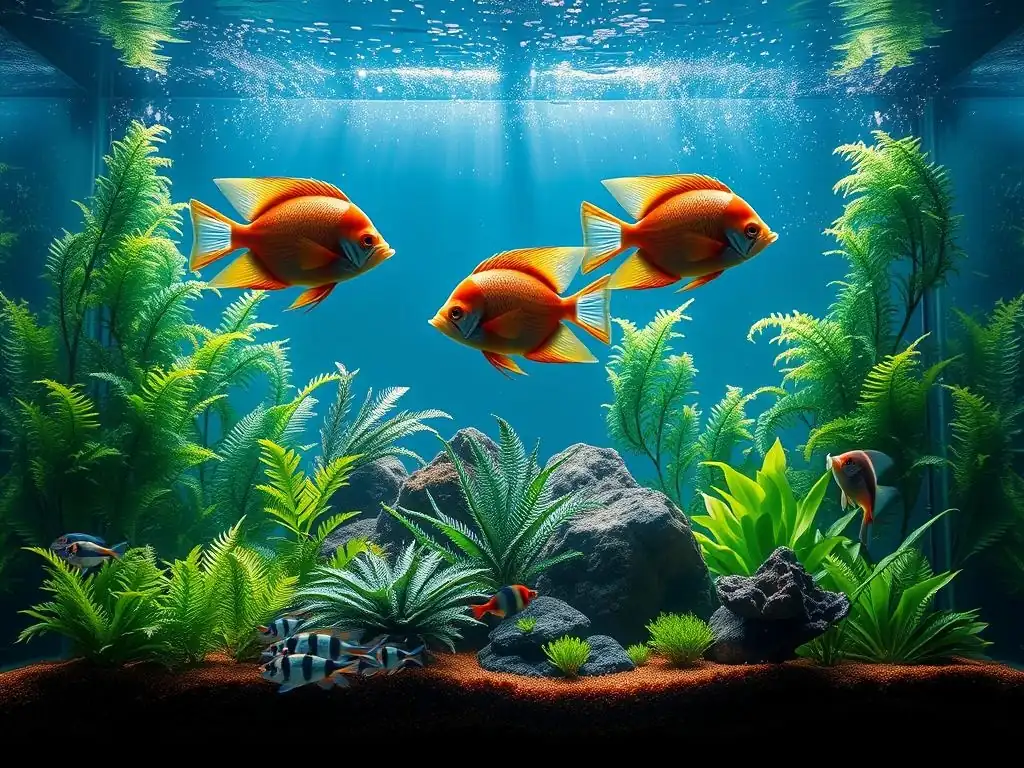
Welcome to Aquarium Mastery! Ever dreamt of a vibrant, thriving aquarium where your majestic Angelfish reign supreme, surrounded by equally captivating and, crucially, peaceful companions? Discover the secrets to selecting the best tank mates for Angelfish in this article, and unlock the harmony your freshwater aquarium deserves. Curious to know which fish won't nip those elegant fins? Keep reading!
- Introduction: Choosing the Right Angelfish Tank Mates
- Top Peaceful Tank Mates for Angelfish
- Fish to Avoid: Unsuitable Angelfish Tank Mates
- Setting Up Your Angelfish Community Tank
- Introducing New Fish to Your Angelfish Tank
- Feeding Your Angelfish and Their Tank Mates
- Maintaining a Healthy Angelfish Community Tank
- Troubleshooting Common Angelfish Tank Mate Issues
- Conclusion: Creating a Harmonious Angelfish Aquarium with Peaceful Tank Mates
-
Frequently Asked Questions
- How important is it to choose peaceful tank mates for Angelfish?
- What are some examples of suitable peaceful tank mates for Angelfish in a freshwater aquarium?
- Are there any types of fish that should absolutely be avoided when selecting tank mates for Angelfish?
- Does tank size influence the compatibility of Angelfish with other fish?
- How do I introduce new tank mates to an aquarium already housing Angelfish?
- Final Reflection: Cultivating Harmony in the Aquarium
- Cultivate Harmony: Create the Perfect Angelfish Community!
Introduction: Choosing the Right Angelfish Tank Mates
Understanding Angelfish Temperament and Compatibility
Angelfish ( Pterophyllum scalare) are captivating freshwater cichlids known for their elegant appearance and graceful swimming. While often perceived as peaceful, their cichlid lineage means they can exhibit semi-aggressive or territorial behaviors, especially as they mature or during breeding. Their temperament is a crucial factor in selecting appropriate Angelfish peaceful tank mates, as an incompatible pairing can lead to stress, injury, or even death for the inhabitants of your aquarium. Ensuring a harmonious environment requires understanding their specific needs and social dynamics.
Compatibility extends beyond just aggression; it also involves matching preferred water parameters, diet, and even swimming levels within the tank. Juvenile angelfish are typically more tolerant of a wider range of tank mates, but as they grow, their predatory instincts might emerge towards very small fish. A well-researched selection of peaceful Angelfish companions is paramount to fostering a thriving and visually appealing aquatic community.
Why Selecting Peaceful Angelfish Companions is Crucial
The consequences of choosing unsuitable tank mates for Angelfish can be severe, ranging from chronic stress and fin nipping to outright aggression and disease outbreaks. When Angelfish are constantly harassed or bullied, their immune systems weaken, making them highly susceptible to common ailments like Ich ( Ichthyophthirius multifiliis) and bacterial fin rot. Stress also inhibits their natural behaviors, such as schooling or breeding, diminishing the overall enjoyment and health of your aquarium.
Conversely, housing Angelfish with Angelfish peaceful tank mates creates a stable and enriching environment for all species. A harmonious community reduces stress levels, allowing Angelfish to display their full beauty and natural behaviors, including their elegant swimming and intricate social interactions. This thoughtful selection not only ensures the well-being of your fish but also contributes to a cleaner, more balanced ecosystem within the aquarium, making maintenance more manageable and rewarding.
Top Peaceful Tank Mates for Angelfish
Community Fish That Thrive with Angelfish
Selecting community fish that thrive alongside Angelfish involves looking for species that share similar water parameter preferences—typically a temperature range of 75-82°F (24-28°C), a pH of 6.0-7.5, and soft to moderately hard water (3-8 dGH). Crucially, these companions must not be aggressive, overly boisterous, or prone to fin nipping. Their calm demeanor ensures they won't intimidate or stress the slower-moving Angelfish.
Ideal Angelfish peaceful tank mates often occupy different levels of the water column or have distinct feeding habits, minimizing direct competition for space and food. For instance, bottom dwellers like Corydoras catfish won't interfere with Angelfish in the mid-to-upper water column, while small, fast-moving schooling fish can coexist without posing a threat, provided they are kept in sufficient numbers to diffuse any potential nipping tendencies among themselves.
Corydoras Catfish: Peaceful Bottom Dwellers for Angelfish Tanks
Corydoras catfish, such as the Bronze Cory ( Corydoras aeneus) or Peppered Cory ( Corydoras paleatus), are exemplary Angelfish peaceful tank mates due to their entirely peaceful nature and their preference for the bottom of the aquarium. These small, armored catfish typically grow to 1-3 inches (2.5-7.5 cm) and are excellent scavengers, diligently sifting through the substrate for leftover food, which helps maintain tank cleanliness. They are schooling fish and should always be kept in groups of at least six individuals to ensure their comfort and natural behavior.
Their specific niche at the bottom of the tank means they rarely interact directly with the mid-water dwelling Angelfish, eliminating territorial disputes. Corydoras thrive in similar water conditions to Angelfish, making them a seamless addition to a community setup. Their constant activity on the substrate adds a dynamic element to the tank without any risk of aggression or stress to your elegant angels.
Schooling Tetras: Adding Color and Activity to Your Angelfish Aquarium
Schooling tetras can be vibrant and active additions to an Angelfish tank, occupying the mid-to-upper water column and adding bursts of color. When considering tetras as Angelfish peaceful tank mates, it is critical to select species that are not known for fin nipping and to house them in large schools of 10 or more individuals. This large group size helps to distribute any natural nipping tendencies among themselves, rather than directing them towards the Angelfish's long, flowing fins.
Smaller, faster-moving tetra species are generally preferred, as larger or slower tetras might become targets for Angelfish, especially if the Angelfish are mature or particularly territorial. By providing a sufficiently large school, you encourage their natural shoaling behavior, which is not only mesmerizing to watch but also contributes to a more secure and harmonious environment for all inhabitants.
Cardinal Tetras: A Vibrant Choice for Angelfish Companions
Cardinal Tetras ( Paracheirodon axelrodi) are arguably one of the most stunning and compatible Angelfish peaceful tank mates. Known for their brilliant iridescent blue and red stripe that runs the length of their body, these fish grow to about 2 inches (5 cm). Their consistent schooling behavior, especially when kept in groups of 10 or more, makes them less likely to nip at other fish. They are active swimmers, adding a dynamic layer of movement to the aquarium without being overly boisterous or aggressive.
Cardinals thrive in the soft, acidic water conditions that Angelfish prefer, making them an ideal match in terms of water chemistry. Their relatively small size and peaceful disposition ensure they do not pose a threat to Angelfish, and their vibrant coloration provides a beautiful contrast to the Angelfish's more subdued elegance, enhancing the aesthetic appeal of the entire community tank.
Ember Tetras: A Smaller, Peaceful Tetra Option
Ember Tetras ( Hyphessobrycon amandae) are an excellent choice for those seeking truly tiny and peaceful Angelfish peaceful tank mates. Reaching a maximum size of just under 1 inch (2.5 cm), these vivid orange-red fish are too small to be perceived as a threat by Angelfish and are not known for fin nipping. Their minute size means they are unlikely to provoke any predatory instincts in Angelfish, especially if the angels are well-fed and introduced to the tank with the Embers already present.
Like other schooling tetras, Ember Tetras are best kept in large groups, ideally 15-20 individuals, to showcase their natural shoaling behavior and boost their confidence. They add a delicate splash of color and constant, gentle activity to the mid-water column, making them a safe and aesthetically pleasing companion in a well-planted Angelfish aquarium.
Peaceful Rasboras: Another Great Angelfish Tank Mate Option
Peaceful Rasboras are another group of schooling fish that can serve as excellent Angelfish peaceful tank mates. Similar to tetras, they are generally calm, occupy the mid-water column, and thrive in groups. Most suitable Rasbora species grow to a size of 1.5-2.5 inches (3.8-6.3 cm), which is large enough not to be seen as immediate prey by mature Angelfish, yet small enough not to pose a threat.
Their non-aggressive nature and preference for similar water parameters make them highly compatible. Keeping them in schools of at least six, but preferably 10 or more, encourages their natural behaviors and reduces any potential stress, ensuring they contribute positively to the overall harmony of the Angelfish community tank.
Harlequin Rasboras: A Popular and Compatible Choice
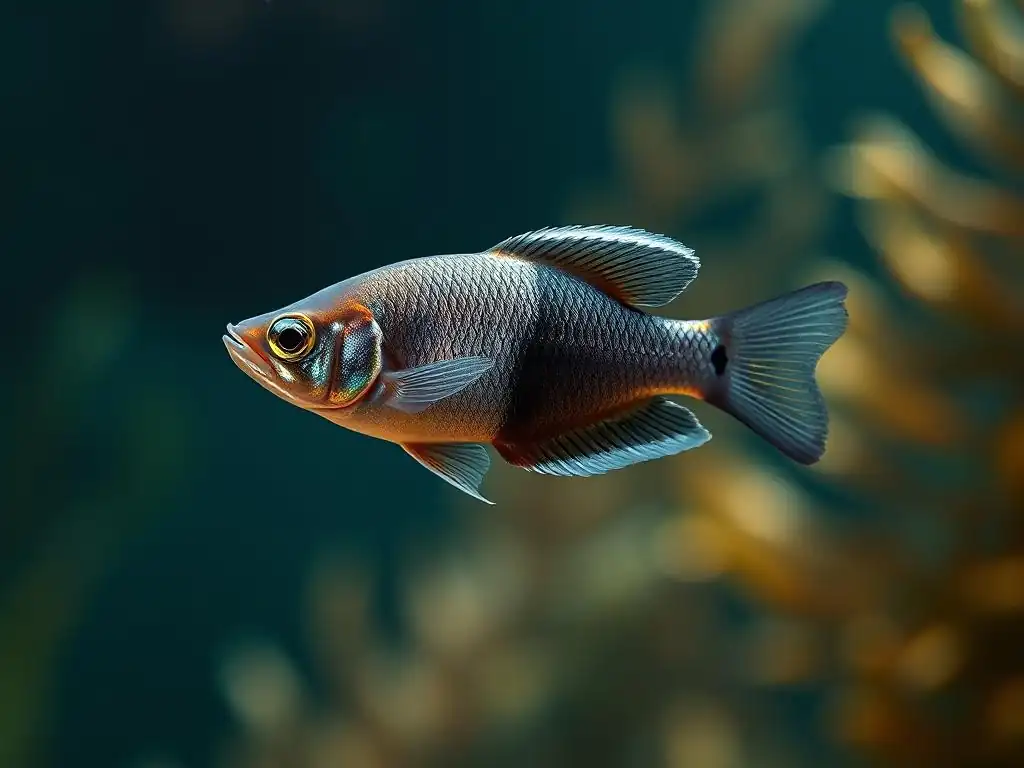
Harlequin Rasboras ( Trigonostigma heteromorpha) are widely recognized as one of the most popular and compatible Angelfish peaceful tank mates. Distinguished by their striking black triangular patch on a copper-orange body, they are robust, peaceful fish that typically grow to about 1.75 inches (4.5 cm). They are active mid-level swimmers and show strong schooling behavior, which makes them less likely to bother other fish in the tank.
Their calm temperament and appropriate size ensure they do not pose any threat to the Angelfish's long fins or overall well-being. Harlequin Rasboras thrive in planted aquariums where their schooling behavior is particularly pronounced, adding both visual appeal and a sense of natural movement to the Angelfish habitat.
Lambchop Rasboras: A Smaller, Active Rasbora
Lambchop Rasboras ( Trigonostigma espei), also known as Espei Rasboras, are very similar to Harlequins but are slightly smaller, usually reaching about 1 inch (2.5 cm) in length. They feature a similar black triangular mark, though often with a more distinct "lambchop" shape and a vibrant copper-orange body. Their smaller stature makes them an even safer choice for Angelfish peaceful tank mates, as they are less likely to be perceived as a threat or competition.
These active, schooling fish are a delight to observe as they dart through the mid-water column in tight formations. Their peaceful nature and preference for similar water conditions make them an ideal companion for Angelfish, adding a lively yet non-intrusive element to the community aquarium.
Invertebrates That Can Coexist with Angelfish
Adding invertebrates to an Angelfish tank can be beneficial for algae control and to introduce additional interest, provided the species are chosen carefully. Angelfish are opportunistic feeders and might prey on very small or newly hatched invertebrates. However, larger, well-established snails and shrimp can often coexist peacefully with Angelfish, especially if the Angelfish are introduced as juveniles or if the tank provides ample hiding spots.
The key to successful coexistence is selecting invertebrates that are too large for an adult Angelfish to comfortably consume and those that do not pose a threat to the fish themselves. These invertebrates can contribute significantly to the aquarium's ecosystem by consuming algae and detritus, acting as a natural clean-up crew without competing directly with the fish for primary food sources.
Mystery Snails: Algae Eaters for a Clean Angelfish Tank
Mystery Snails ( Pomacea bridgesii) are a popular choice for Angelfish peaceful tank mates among invertebrates. These beautiful snails come in a variety of shell colors, including gold, blue, and ivory, and can grow quite large, often reaching 2 inches (5 cm) or more in shell diameter. Their substantial size makes them too big for Angelfish to consume, ensuring their safety within the community tank.
Mystery Snails are excellent algae eaters, constantly grazing on tank glass, decor, and plant leaves, contributing to a cleaner aquarium environment. They are slow-moving and completely peaceful, posing no threat to fish. Their presence also adds a different dimension of life to the tank, offering a unique viewing experience as they glide along surfaces.
Amano Shrimp: Effective Algae Control in Angelfish Aquariums
Amano Shrimp ( Caridina multidentata) are highly valued for their remarkable algae-eating capabilities, even tackling some stubborn types like hair algae. These industrious shrimp can grow up to 2 inches (5 cm) in length, making them generally too large for adult Angelfish to view as easy prey. While Angelfish might occasionally show interest, established Amano Shrimp, especially in a heavily planted tank with plenty of hiding spots, usually coexist successfully.
They are active foragers, constantly picking at surfaces and detritus, making them an invaluable part of the clean-up crew. Amano Shrimp are peaceful and do not bother fish, making them effective Angelfish peaceful tank mates that contribute significantly to maintaining water quality and preventing excessive algae growth in your aquarium.
Fish to Avoid: Unsuitable Angelfish Tank Mates
Aggressive Fish That May Bully Angelfish
Housing Angelfish with aggressive fish is a recipe for disaster. Species like many African Cichlids (e.g., Mbuna, often from Lake Malawi), larger South American cichlids such as Oscars ( Astronotus ocellatus) or Jack Dempseys ( Rocio octofasciata), are highly territorial and possess a significantly more aggressive temperament than Angelfish. Even some larger Gouramis, like the Three Spot Gourami ( Trichopodus trichopterus), can become unexpectedly aggressive and territorial as they mature, particularly in smaller tanks.
These aggressive species will not only constantly harass and bully Angelfish, leading to extreme stress and fin damage, but they can also inflict severe physical injuries or even kill them. The constant state of fear and intimidation will suppress the Angelfish's immune system, making them highly susceptible to diseases. It is crucial to avoid these types of fish to ensure the well-being and longevity of your Angelfish peaceful tank mates.
Fin-Nipping Fish That Can Stress Angelfish
Angelfish are renowned for their long, flowing fins, which unfortunately make them prime targets for fin-nipping fish. Species such as Tiger Barbs ( Puntigrus tetrazona), Serpae Tetras ( Hyphessobrycon eques), and certain larger, more boisterous Danios ( Danio rerio), are notorious for their tendency to nip at the fins of slower-moving, long-finned tank mates. While some of these fish might be less problematic in extremely large schools (10+ individuals), the risk to Angelfish fins often outweighs any perceived benefit.
Constant fin nipping causes significant stress to Angelfish, leading to frayed fins, open wounds, and a high risk of bacterial infections like fin rot. This not only compromises their health but also ruins their iconic appearance. To maintain the health and beauty of your Angelfish, it is strongly advised to avoid any fish known for fin-nipping behavior, ensuring a truly peaceful Angelfish companions environment.
Fish That Compete for Resources with Angelfish
While not directly aggressive, certain fish can create an unsuitable environment for Angelfish by outcompeting them for essential resources, primarily food. Fast-moving, voracious eaters like some livebearers (e.g., Mollies or Swords if kept in very large, active groups) can quickly consume all available food before the slower-feeding Angelfish have a chance to eat, leading to malnutrition. Similarly, very large bottom feeders, such as some species of Plecos that can grow to over a foot in length, might disrupt the substrate and intimidate other fish during feeding times.
This competition, even without direct aggression, can lead to Angelfish being underfed and stressed, potentially affecting their growth and overall health. Furthermore, if an aquarist attempts to compensate by overfeeding, it can rapidly degrade water quality, leading to ammonia spikes and other issues detrimental to all inhabitants. Therefore, selecting Angelfish peaceful tank mates also means choosing companions with complementary feeding habits and growth rates.
Setting Up Your Angelfish Community Tank
Tank Size Considerations for Angelfish and Their Tank Mates
The size of your aquarium is a critical factor for the health and well-being of Angelfish and their peaceful tank mates. For a single adult Angelfish or a breeding pair, a minimum tank size of 29 gallons (approximately 110 liters) is generally recommended, primarily due to their tall body shape. However, for a thriving community tank with multiple Angelfish and their chosen companions, a 55-gallon (approximately 208 liters) tank or larger is ideal.
Larger tanks provide ample swimming space, which is crucial for reducing territorial aggression among Angelfish and allows all Angelfish peaceful tank mates to establish their own territories without constant conflict. Furthermore, a larger water volume is more stable in terms of temperature and water chemistry fluctuations, and it dilutes waste products more effectively, contributing to a healthier and more forgiving environment for your aquatic community.
Water Parameters: Maintaining Optimal Conditions for Angelfish and Companions
Maintaining stable and optimal water parameters is fundamental for the health of Angelfish and their peaceful tank mates. Angelfish thrive in warm, slightly acidic to neutral water, with a temperature range of 75-82°F (24-28°C), a pH between 6.0 and 7.5, and soft to moderately hard water (General Hardness, GH, of 3-8 dGH). Consistency in these parameters is far more important than hitting exact numbers, as sudden fluctuations can cause significant stress to fish.
Most of the recommended Angelfish peaceful tank mates share similar water parameter requirements, simplifying the maintenance routine. Regular testing of ammonia, nitrite, and nitrate levels using a reliable liquid test kit is essential to ensure pristine water quality. Ammonia and nitrite should always be undetectable (0 ppm), while nitrates should be kept below 20 ppm through regular water changes.
Decor and Hiding Places: Creating a Safe and Comfortable Environment
A well-decorated aquarium with ample hiding places is vital for the comfort and security of Angelfish and their peaceful tank mates. Tall live plants, such as Amazon Swords ( Echinodorus amazonicus) or Vallisneria ( Vallisneria spiralis), driftwood branches, and smooth rocks provide vertical elements and break up lines of sight, mimicking their natural Amazonian habitat. These elements allow fish to establish territories, retreat from perceived threats, and reduce overall stress.
Hiding spots are particularly important for Angelfish peaceful tank mates that might feel intimidated by the larger Angelfish, or for Angelfish themselves if they become stressed or during breeding periods. A thoughtfully aquascaped tank not only enhances the aesthetic appeal but also encourages natural behaviors and minimizes aggression, contributing to a harmonious and thriving aquatic community.
Introducing New Fish to Your Angelfish Tank
Quarantine Procedures: Preventing Disease Outbreaks
Implementing a strict quarantine procedure for all new fish is an indispensable step for responsible fishkeeping and crucial for protecting your established Angelfish community. Before introducing any new Angelfish peaceful tank mates to your main display tank, they should be housed in a separate quarantine tank for at least 2-4 weeks. This dedicated tank should be fully cycled and equipped with a heater and filter.
During the quarantine period, new fish can be closely observed for any signs of disease, such as Ich, fin rot, velvet, or parasitic infections. If any symptoms appear, the fish can be treated in isolation without risking the health of your existing Angelfish and their companions. This preventative measure significantly reduces the likelihood of introducing pathogens into your main aquarium, saving you from potential widespread disease outbreaks and the associated stress and cost.
Gradual Acclimation: Minimizing Stress for New Arrivals
Once the quarantine period is successfully completed, new fish must be gradually acclimated to the main tank's water parameters to minimize stress. The drip acclimation method is highly recommended over simply floating the bag. This involves slowly adding water from the main tank into the bag containing the new fish, typically over a period of 60 to 90 minutes, using an airline tubing and a control valve to create a slow drip.
This gradual adjustment to the new temperature, pH, and hardness levels prevents osmotic shock, which can be fatal or severely weaken a fish's immune system. By carefully acclimating your Angelfish peaceful tank mates, you ensure a smoother transition, reducing the likelihood of stress-induced illnesses and promoting their long-term health and integration into the community.
Monitoring Angelfish Behavior After Introduction
After introducing new Angelfish peaceful tank mates to your main aquarium, continuous and close observation is paramount for the first few days and weeks. Carefully watch all fish for any signs of aggression, such as chasing, fin nipping, or excessive hiding. Pay attention to changes in swimming patterns, appetite, or any physical signs of stress or illness like clamped fins, rapid breathing, or unusual spots.
Be prepared to take action if conflicts arise. Sometimes, simply rearranging the tank decor can help break up established territories and reduce aggression. If a particular fish consistently bullies others, especially your Angelfish, or if an Angelfish becomes overly aggressive, rehoming the problematic fish might be necessary to maintain a harmonious environment. Early detection of issues allows for prompt intervention, ensuring the well-being of your entire Angelfish community.
Feeding Your Angelfish and Their Tank Mates
Providing a Balanced Diet for All Species
Providing a balanced and varied diet is crucial for the health and vibrancy of Angelfish and their peaceful tank mates. Angelfish are omnivores and thrive on a high-quality staple diet of flakes or pellets specifically formulated for cichlids, supplemented with a variety of frozen or live foods. These supplements should include bloodworms, brine shrimp, daphnia, and Mysis shrimp, offering essential proteins, vitamins, and minerals. Most Angelfish peaceful tank mates will also benefit from or require similar dietary components.
It is important to ensure that all species in the community tank receive adequate nutrition. For bottom dwellers like Corydoras, sinking pellets or wafers should be provided to ensure they get enough food without competing with the mid-water feeders. Feeding small amounts 2-3 times a day, only what the fish can consume within 2-3 minutes, is ideal to prevent overfeeding and maintain water quality.
Avoiding Overfeeding to Maintain Water Quality
Overfeeding is one of the most common mistakes in aquarium keeping and a primary cause of poor water quality, which directly impacts the health of Angelfish and their peaceful tank mates. Excess food that goes uneaten quickly decomposes, releasing ammonia and nitrites, which are highly toxic to fish. Even if these are processed by the beneficial bacteria in your filter, they contribute to a rapid buildup of nitrates, necessitating more frequent water changes.
Beyond chemical imbalances, overfeeding can lead to unsightly algae blooms and cloudy water, making the tank less appealing and harder to maintain. By feeding only what your fish can consume quickly, you ensure that all food is eaten, minimizing waste and helping to maintain stable, healthy water parameters, which is essential for a thriving and harmonious Angelfish community.
Maintaining a Healthy Angelfish Community Tank
Regular Water Changes: Keeping the Aquarium Clean
Regular water changes are the cornerstone of maintaining a healthy and stable environment for Angelfish and their peaceful tank mates. A weekly or bi-weekly water change of 25-30% of the tank volume is generally recommended. This routine practice removes accumulated nitrates, phosphates, and other dissolved organic compounds that filtration alone cannot eliminate. It also replenishes essential trace minerals that are depleted over time.
Always use a high-quality dechlorinator or water conditioner to neutralize chlorine and chloramines present in tap water, which are harmful to fish and beneficial bacteria. Ensure the temperature of the new water closely matches that of the tank to prevent temperature shock to your fish. Consistent water changes are the most effective way to prevent water quality issues and ensure the long-term well-being of your Angelfish community.
Monitoring Water Chemistry: Ensuring Optimal Parameters
Consistent monitoring of water chemistry is crucial for the well-being of Angelfish and their peaceful tank mates. Regular testing, ideally weekly, should include ammonia, nitrite, nitrate, and pH. Ammonia and nitrite levels should always be undetectable (0 ppm), indicating a healthy nitrogen cycle. Nitrate levels should be kept below 20 ppm, as higher concentrations can cause chronic stress and health issues over time. The pH should remain stable within the ideal range of 6.0-7.5.
Early detection of any shifts in these parameters allows for prompt corrective action, such as increased water changes, adjustments to feeding, or filter maintenance, before problems escalate. Proactive monitoring helps prevent stress-related diseases and ensures that the aquatic environment remains consistently optimal for your Angelfish and their companions.
Observing Fish for Signs of Stress or Illness
Daily observation of your Angelfish and their peaceful tank mates is a vital practice for early detection of stress or illness. Look for any changes in behavior, such as lethargy, hiding more than usual, erratic swimming, or rubbing against decor. Also, pay attention to their physical appearance: clamped fins, frayed fins, white spots (Ich), fuzzy growths (fungus), or discolored patches are all indicators of potential health issues.
Changes in appetite, such as refusing food or spitting it out, can also signal problems. Promptly addressing any observed symptoms, whether by adjusting water parameters, conducting a partial water change, or initiating appropriate treatment, can prevent minor issues from becoming widespread outbreaks. A vigilant approach ensures the long-term health and vitality of your entire Angelfish community.
Troubleshooting Common Angelfish Tank Mate Issues
Addressing Aggression: Identifying and Resolving Conflicts
If aggression arises within your Angelfish community, the first step is to accurately identify the aggressor and the victim. Sometimes, rearranging the tank decor can help by breaking up established territories and creating new lines of sight, effectively "resetting" the pecking order. Overcrowding is a common cause of aggression, so ensure your tank size is adequate for all inhabitants, especially your Angelfish peaceful tank mates.
If a particular fish consistently bullies others, especially your Angelfish, and no amount of re-scaping or additional hiding places resolves the issue, consider rehoming the problematic fish. In some cases, adding more individuals of a schooling species (e.g., more tetras) can dilute aggression by providing more targets, reducing focused harassment on a single fish.
Managing Fin-Nipping: Protecting Angelfish Fins
Fin-nipping is a common issue for Angelfish due to their long, flowing fins. If you observe fin nipping, first identify the culprit. If the nipper is a known fin-nipping species like a Tiger Barb or Serpae Tetra, the most effective solution is often to remove and rehome that fish, as they are generally unsuitable Angelfish peaceful tank mates.
For schooling fish that might occasionally nip, ensure their school size is sufficiently large (at least 6-10 individuals, preferably more). When kept in proper numbers, these fish tend to nip at each other within their school rather than targeting other species. Providing plenty of hiding spots and visual barriers in a well-planted tank can also help reduce opportunities for nipping by allowing Angelfish to retreat and feel secure.
Dealing with Disease: Treating Common Aquarium Ailments
Despite best efforts, diseases can sometimes appear in an Angelfish community tank. Common ailments include Ich (white spots resembling salt grains), fin rot (frayed or decaying fins), and velvet (a dusty, gold or brown coating). Early detection is crucial for successful treatment. Isolate affected fish in a hospital tank if possible to prevent spread and allow for targeted treatment without medicating the entire display tank.
Always accurately diagnose the ailment using reliable resources and follow the instructions on any medication precisely. Maintaining excellent water quality through regular water changes and consistent monitoring of parameters is the best preventative measure against most diseases. A healthy environment strengthens the immune systems of Angelfish and their peaceful tank mates, making them more resistant to pathogens.
Conclusion: Creating a Harmonious Angelfish Aquarium with Peaceful Tank Mates
Frequently Asked Questions
How important is it to choose peaceful tank mates for Angelfish?
Choosing peaceful tank mates is crucial because Angelfish, while generally peaceful themselves, can be stressed by aggressive or fin-nipping fish. Stress can lead to disease and a shorter lifespan.
What are some examples of suitable peaceful tank mates for Angelfish in a freshwater aquarium?
Good choices include Corydoras catfish, peaceful tetras like Ember Tetras or Cardinal Tetras (in larger tanks), and some types of Rasboras. Always research specific species compatibility.
Are there any types of fish that should absolutely be avoided when selecting tank mates for Angelfish?
Yes, avoid fin-nipping species like Tiger Barbs or Serpae Tetras, as well as highly aggressive fish such as Cichlids that are not known for their gentle demeanor.
Does tank size influence the compatibility of Angelfish with other fish?
Absolutely! A larger tank provides more space, reducing territorial aggression and allowing fish to establish their own zones. This is especially important when keeping Angelfish with other potentially territorial fish.
How do I introduce new tank mates to an aquarium already housing Angelfish?
It's best to quarantine new fish first to prevent disease. Then, slowly introduce them to the main tank while closely monitoring the Angelfish's behavior to ensure they are not being overly stressed or aggressive.
Final Reflection: Cultivating Harmony in the Aquarium
The delicate balance of a thriving aquarium ecosystem hinges on informed choices, and understanding the compatibility of angelfish with their tank mates is more crucial than ever for responsible aquarists. In a world increasingly focused on ethical pet ownership and sustainable practices, ensuring the well-being of our aquatic companions demands careful consideration and a commitment to creating harmonious environments.
This exploration into peaceful tank mates for angelfish has underscored the profound impact our choices have on the lives of these magnificent creatures. The ability to create a peaceful and thriving community tank is not just about aesthetics; it's about providing a fulfilling and stress-free life for our angelfish. The greatness of a nation and its moral progress can be judged by the way its animals are treated.
- Mahatma Gandhi. This quote, though often applied to larger animals, resonates deeply within the microcosm of our aquariums, reminding us of our responsibility to foster kindness and respect within our aquatic communities.
Now, as you consider the potential additions to your angelfish tank, I encourage you to reflect on the principles of compatibility, temperament, and environmental needs. Let this knowledge empower you to create not just a visually stunning aquarium, but a haven of peace and well-being for your angelfish and their companions. Embrace the opportunity to cultivate harmony, and watch as your aquarium flourishes into a vibrant testament to your dedication and care.
Cultivate Harmony: Create the Perfect Angelfish Community!
Thank you for diving into the fascinating world of angelfish companionship! We hope you've gained valuable insights into selecting the ideal tank mates for your graceful angels. Now, it's time to put that knowledge into action and craft a thriving aquarium ecosystem.
Here are some practical steps you can take right now:
- Plan your aquarium makeover! Deliberately assess your current tank setup and make changes to accommodate new tank mates that will live harmoniously with your angelfish. This might involve changing plants, adding decorations, or adjusting water parameters.
- Share your newfound knowledge! Discuss the best tank mate options with fellow aquarium enthusiasts in forums or local fishkeeping groups. Exchange ideas and learn from their experiences.
- Why not document your journey? Start an aquarium journal where you track your angelfish community's progress, including the interactions between your angelfish and its tank mates, as well as any adjustments you've made to your aquarium's setup.
What surprising tank mate combination are you most eager to try in your aquarium, and what steps are you taking to ensure its success?