
Are Shell Dwellers Right for Your Community Tank? A Reality Check

Welcome to Aquarium Mastery!
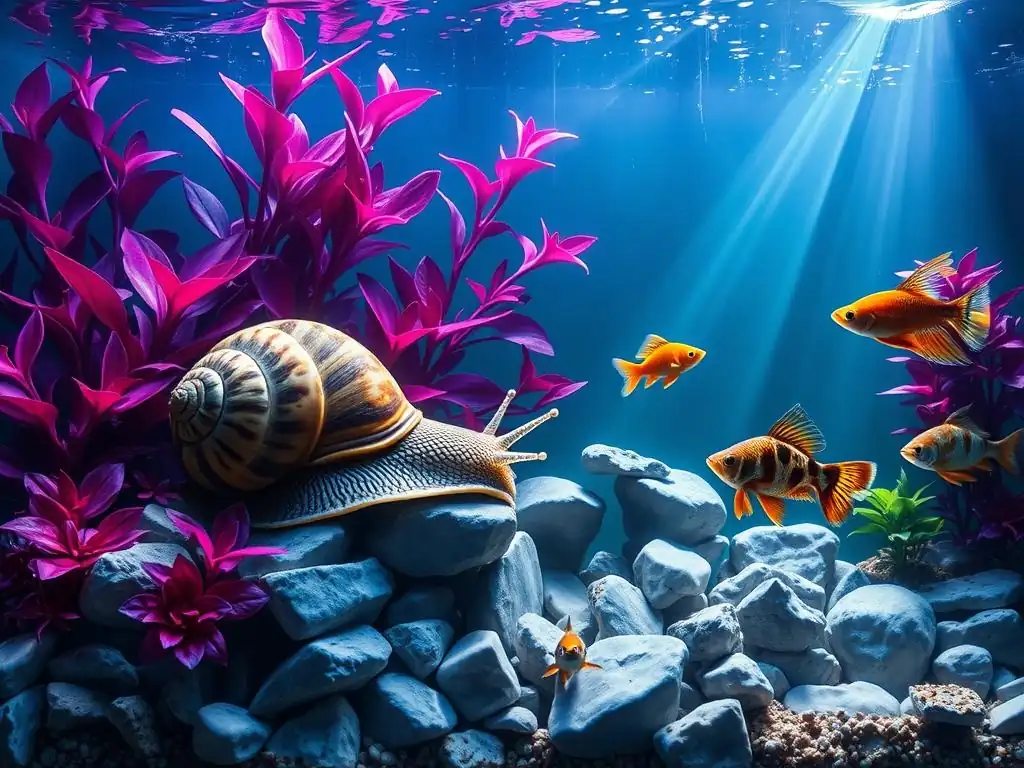
Ever wondered if those tiny, fascinating shell dwellers could really thrive in a community aquarium? Dive in! This article, " Are Shell Dwellers Right for Your Community Tank? A Reality Check," unpacks the truth about integrating these unique cichlids into a bustling freshwater setup. Prepare to discover if a harmonious Shell Dwellers aquarium community tank is truly achievable, or if you're setting yourself up for a watery war zone. Intrigued? Keep reading to uncover the secrets to a balanced and thriving underwater ecosystem!
- Understanding Shell Dwellers: A Unique Addition to Your Aquarium
- Shell Dwellers in a Community Tank: Potential Challenges
- Evaluating Your Aquarium for Shell Dweller Compatibility
- Choosing Compatible Tank Mates for Shell Dwellers
- Setting Up Your Shell Dweller Community Tank: A Step-by-Step Guide
- Feeding Shell Dwellers and Their Tank Mates
- Maintaining a Healthy Shell Dweller Community Tank
- Alternatives to a Shell Dweller Community Tank
- Pros and Cons of Keeping Shell Dwellers in a Community Tank
- Conclusion: Making an Informed Decision About Shell Dwellers and Community Tanks
-
Frequently Asked Questions
- ### Can Shell Dwellers be kept in a community tank?
- ### What are the best tank mates for Shell Dwellers in a community setting?
- ### What size tank is needed for a Shell Dweller community tank?
- ### How do I create the right environment for Shell Dwellers in a community tank?
- ### What are the biggest challenges of keeping Shell Dwellers in a community tank?
- Final Reflection: The Tiny Architects and Our Shared Spaces
- Dive Deeper: Create Your Dream Shell Dweller Habitat!
Understanding Shell Dwellers: A Unique Addition to Your Aquarium
What are Shell Dwellers and Why are They Popular?
Shell dwellers are a fascinating group of small cichlids native to Lake Tanganyika in East Africa, renowned for their unique habit of living in and around empty snail shells. These shells serve as their primary shelter, breeding sites, and territorial markers. Their diminutive size, with many species rarely exceeding 3 inches, combined with their captivating social behaviors, makes them a popular choice for aquarists seeking something beyond typical community fish.
Their popularity stems from the opportunity to observe complex natural behaviors within a relatively small aquarium footprint. Watching a male Neolamprologus multifasciatus meticulously arrange shells to create his territory, or witnessing a female lay eggs deep within a chosen shell, offers a glimpse into a miniature ecosystem. This distinctive lifestyle sets them apart from most other aquarium inhabitants, providing a unique focal point for any shell dwellers aquarium community tank.
Key Characteristics of Shell Dwellers from Lake Tanganyika
These cichlids hail from the vast, ancient Lake Tanganyika, which is characterized by its highly stable, hard, and alkaline water conditions. Consequently, shell dwellers thrive in aquariums that replicate these parameters: typically a pH range of 7.8 to 9.0, a general hardness (GH) between 10-20 dGH, and a carbonate hardness (KH) of 10-15 dKH. The water temperature should ideally be maintained between 75-80°F (24-27°C) to ensure their metabolic well-being.
Behaviorally, shell dwellers are highly territorial, especially around their chosen shells, which they will fiercely defend from perceived intruders. Despite their small stature, they exhibit complex social structures, with some species forming large colonies ( Neolamprologus multifasciatus), while others prefer monogamous pairs ( Lamprologus brevis). This blend of territoriality and social interaction is a hallmark of their appeal in a shell dwellers aquarium community tank.
Different Types of Shell Dwellers Suitable for Aquariums
Several species of shell dwellers are commonly available in the aquarium hobby, each with slightly different characteristics that influence their suitability for a community tank. Perhaps the most popular are Neolamprologus multifasciatus, often called "Multies," which are among the smallest (males up to 2 inches) and form large, bustling colonies. They are relatively peaceful for cichlids but can be prolific breeders.
Another frequently kept species is Neolamprologus similis, similar to Multies but often displaying a darker coloration and slightly more solitary tendencies, though they can still form smaller colonies. Lamprologus ocellatus (Ocellatus) are known for their striking eyespot and more assertive, often paired, behavior, while Lamprologus brevis (Brevis) are typically pair-bonding and less colony-oriented, making them a good choice for smaller setups where aggression needs to be managed. Understanding these species-specific traits is crucial for a successful shell dwellers aquarium community tank.
Shell Dwellers in a Community Tank: Potential Challenges
Aggression and Territoriality in Shell Dweller Tanks
Despite their small size, shell dwellers are true cichlids and possess an inherent territorial nature, particularly when establishing breeding sites or protecting their offspring. Males will vigorously defend their chosen shells and the surrounding sandy area, which can extend up to 10-12 inches in diameter for a dominant male N. multifasciatus. This defense often involves chasing, fin-nipping, and displaying to ward off perceived threats, which can include tank mates.
This territorial aggression, while fascinating to observe in a species-specific setup, can become a significant challenge in a shell dwellers aquarium community tank. Other fish, especially those that are naturally inquisitive or bottom-dwelling, may inadvertently stray into a shell dweller's territory, leading to constant harassment and stress. This stress can weaken their immune systems, making them susceptible to disease, or in severe cases, cause physical injury.
Compatibility Issues: Choosing the Right Tank Mates
The primary compatibility challenge revolves around finding tank mates that can coexist peacefully with the territorial shell dwellers without being overly stressed or becoming stressors themselves. Large, boisterous, or overtly aggressive fish are generally unsuitable, as they will intimidate the shell dwellers, causing them to hide excessively or become lethargic. Conversely, very small or delicate species might be viewed as prey or simply unable to compete for resources.
Furthermore, the strict water parameter requirements of shell dwellers significantly narrow the pool of compatible tank mates. Many common community fish, such as most Tetras or even some popular livebearers, prefer softer, more neutral to acidic water (e.g., pH 6.0-7.5). Attempting to house these species with shell dwellers that demand a pH of 8.0 or higher will lead to chronic stress, compromised health, and a significantly reduced lifespan for one or both groups.
Water Parameter Considerations for Shell Dwellers and Tank Mates
Maintaining the specific water chemistry of Lake Tanganyika – high pH (7.8-9.0), high general hardness (GH >10 dGH), and high carbonate hardness (KH >10 dKH) – is non-negotiable for the long-term health of shell dwellers. These conditions are crucial for their osmoregulation and overall well-being. Any significant deviation can lead to osmotic shock, organ failure, and susceptibility to common fish diseases.
The difficulty in a shell dwellers aquarium community tank arises when attempting to find other species that not only tolerate but thrive in these exact conditions. While some species might "survive" in less-than-ideal water, their vibrancy, natural behavior, and longevity will be compromised. For example, a common Guppy might tolerate a pH of 8.0, but its optimal range is typically closer to 7.0-7.5, and prolonged exposure to higher pH can lead to issues like kidney problems. This necessitates careful research into the specific needs of every potential tank mate.
Evaluating Your Aquarium for Shell Dweller Compatibility
Tank Size and Aquascaping for a Shell Dweller Community
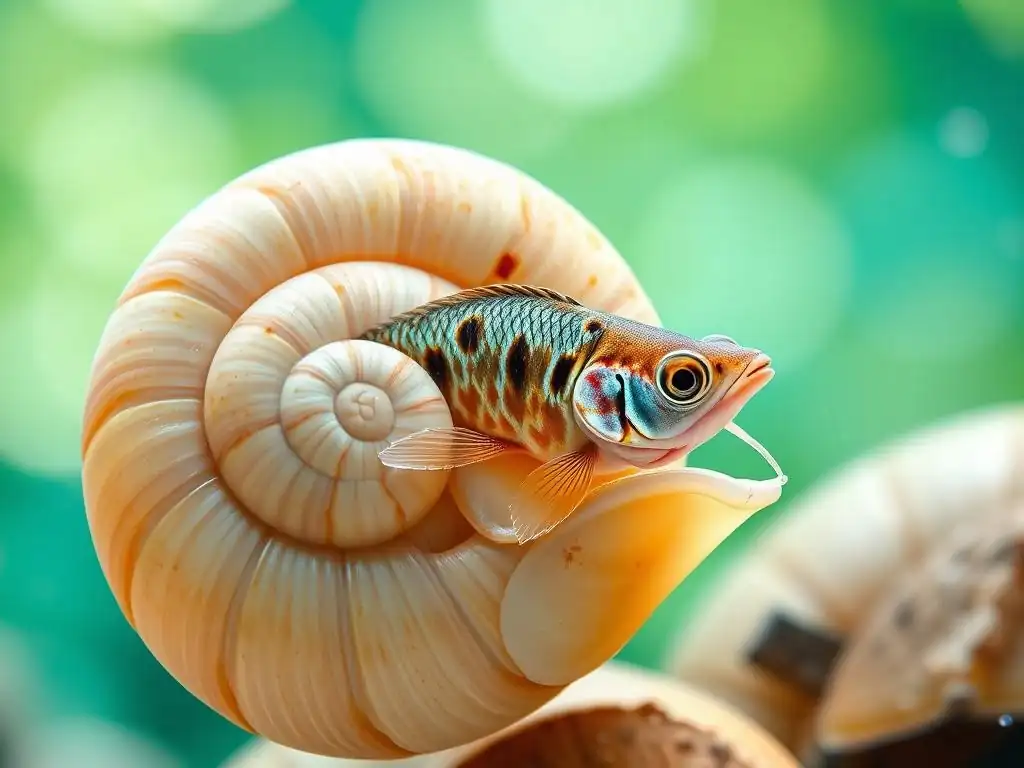
For a shell dwellers aquarium community tank, tank size is paramount, even for these small fish. While a small colony of Neolamprologus multifasciatus might exist in a 10-gallon tank on their own, a community setup demands significantly more space. A 20-gallon long (30x12x12 inches) is an absolute minimum for a very small group with limited tank mates, but a 30-40 gallon breeder (36x18x12 or 36x18x16 inches) offers far superior space for establishing territories and reducing potential conflicts among inhabitants.
Aquascaping is equally critical. The substrate should consist of fine, soft sand (e.g., play sand or aragonite sand) to a depth of at least 1-2 inches, allowing the shell dwellers to dig and arrange their shells naturally. Crucially, provide a generous number of empty snail shells (e.g., escargot shells, turbo snail shells, apple snail shells) – ideally 2-3 times the number of shell dwellers.
Scatter these shells across the tank bottom, with some clustered for colony species and others isolated to provide individual territories. Rocks and small caves can also offer visual breaks and additional hiding spots, breaking up lines of sight and minimizing aggression.
Water Chemistry: Maintaining Optimal Conditions for All Species
Maintaining the precise and stable water chemistry required for a successful shell dwellers aquarium community tank is a continuous commitment. Regular weekly testing of pH, general hardness (GH), carbonate hardness (KH), ammonia, nitrite, and nitrate levels is essential. Fluctuations in pH or hardness can be highly stressful for Lake Tanganyikan cichlids, leading to compromised health and increased susceptibility to disease.
To achieve and maintain the desired high pH and hardness (e.g., pH 8.2, GH 15 dGH), aquarists often incorporate crushed coral, aragonite sand, or Tanganyika buffer salts into their setup. These materials act as buffers, helping to stabilize the water parameters. When considering tank mates, it is crucial that all chosen species can thrive in these specific conditions, not just tolerate them, to ensure their long-term well-being.
Filtration and Water Changes in a Mixed Tank Environment
Robust filtration is a cornerstone of any healthy aquarium, and a shell dwellers aquarium community tank is no exception. A high-quality hang-on-back (HOB) filter or a canister filter capable of turning over the tank's volume 5-10 times per hour is recommended. Shell dwellers, like most cichlids, produce a fair amount of waste and thrive in clean, well-oxygenated water with minimal dissolved organic compounds.
Regular partial water changes are equally vital. A weekly water change of 25-30% is generally recommended, depending on the bioload of the tank. This practice dilutes accumulated nitrates, replenishes essential minerals, and maintains water clarity. When performing water changes, always ensure the new water is dechlorinated and matches the temperature and chemical parameters (pH, GH, KH) of the tank water as closely as possible to prevent shocking the fish.
Choosing Compatible Tank Mates for Shell Dwellers
Ideal Tank Mates for Shell Dwellers: Peaceful and Similar in Size
When selecting tank mates for a shell dwellers aquarium community tank, the key is to choose species that occupy different levels of the water column, are peaceful, and can thrive in the same hard, alkaline water conditions. Good candidates include some peaceful, open-water Tanganyikan cichlids like certain Cyprichromis species (e.g., Cyprichromis leptosoma), which inhabit the upper water column and are generally ignored by bottom-dwelling shell dwellers.
Other suitable options might include some Julidochromis species (e.g., Julidochromis transcriptus or Julidochromis dickfeldi) if the tank is large enough to provide ample territory for both groups, or certain species of Rainbowfish (e.g., Melanotaenia praecox or M. boesemani) that appreciate harder water and are active swimmers in the mid to upper levels. Small, peaceful Synodontis catfish, such as Synodontis petricola, can also be considered as they are generally hardy and occupy rocky areas, away from the sand-dwelling shell dwellers.
Fish to Avoid: Aggressive Species and Fin-Nippers
To maintain harmony in a shell dwellers aquarium community tank, several types of fish should be strictly avoided. Any large, overtly aggressive cichlids, such as most Mbuna from Lake Malawi or larger Central/South American cichlids, will quickly dominate and stress the smaller shell dwellers, leading to injury or even death. Their territorial demands are simply too great to coexist peacefully.
Similarly, fin-nipping species like Tiger Barbs or certain types of Gouramis can cause significant stress and physical harm to shell dwellers, leading to disease. Very small, delicate schooling fish, such as Neon Tetras or Ember Tetras, are also unsuitable. They are often too fragile for the water parameters, can be viewed as prey, or will be constantly harassed by the territorial nature of the shell dwellers, leading to their demise.
Invertebrate Companions: Snails and Shrimp Considerations
When it comes to invertebrate companions in a shell dwellers aquarium community tank, caution is advised. Larger, hard-shelled snails like Nerite snails are generally safe bets. Shell dwellers typically do not bother them, and they can help with algae control. However, smaller snails, especially those that reproduce rapidly, might be viewed as a food source by some of the larger shell dweller species.
Shrimp, such as Cherry Shrimp or Amano Shrimp, are generally not recommended. While some aquarists might report limited success in heavily planted tanks with abundant hiding spots, shell dwellers are predatory by nature and will likely view most shrimp as a readily available meal. The risk of the shrimp being eaten far outweighs the benefits they might offer in a mixed cichlid environment.
Setting Up Your Shell Dweller Community Tank: A Step-by-Step Guide
Preparing the Tank: Substrate, Décor, and Shell Placement
Begin by thoroughly cleaning your aquarium and ensuring it is leak-proof. Lay down a 1-2 inch layer of fine, soft sand (e.g., silica play sand or aragonite sand) as the substrate. This is crucial for shell dwellers, as they love to dig and rearrange their environment. Next, arrange your shells: provide at least 2-3 empty snail shells per shell dweller, scattering them across the tank bottom. For colony-forming species like N. multifasciatus, cluster some shells together to encourage natural colony formation, while also providing some isolated shells for individual territories.
Incorporate other décor such as flat rocks, small caves, or even pieces of driftwood (if they don't significantly lower pH) to create visual barriers and additional hiding spots. Ensure all décor is stable and won't collapse, especially if fish start digging around it. Once the hardscape is complete, slowly fill the tank with conditioned water, ensuring it matches the desired hard, alkaline parameters for your shell dwellers aquarium community tank.
Introducing Shell Dwellers and Their Tank Mates Gradually
After the tank has fully cycled and water parameters are stable, it's time to introduce your fish. It is generally advisable to introduce the shell dwellers first. This allows them to explore and establish their territories and claim shells without the added stress of existing tank mates. Acclimate them slowly using a drip acclimation method for at least 30-60 minutes to minimize shock from water parameter changes. Allow them to settle in for a week or two before adding any other species.
When introducing tank mates, do so gradually and in small groups if possible. This helps to spread out any initial aggression and allows the existing fish to adjust to new presences. Always acclimate new fish with the same careful drip method. Monitor the tank closely for the first few hours and days after introducing new inhabitants, looking for any signs of excessive aggression, stress, or hiding.
Monitoring Behavior and Adjusting the Tank Environment
Continuous observation is key to the success of a shell dwellers aquarium community tank. Spend time daily observing the behavior of all your fish. Look for signs of stress such as clamped fins, rapid breathing, fading colors, or unusual hiding. Pay close attention to interactions between shell dwellers and their tank mates. Are there constant chases? Is any fish being persistently bullied or unable to access food?
Be prepared to make adjustments. If aggression is too high, consider adding more shells or rearranging existing décor to create more visual breaks and hiding spots. Sometimes, simply adding more shells can diffuse territorial disputes. If a specific tank mate is consistently harassed and showing signs of severe stress, it is often best for the well-being of all inhabitants to remove that fish and rehome it, rather than allowing it to suffer.
Feeding Shell Dwellers and Their Tank Mates
Nutritional Needs of Shell Dwellers: A Varied Diet
Shell dwellers are primarily carnivorous or insectivorous in their natural habitat, foraging for small invertebrates and crustaceans in the sandy substrate of Lake Tanganyika. In the aquarium, their diet should reflect these needs. A high-quality cichlid pellet or flake food, specifically formulated for carnivorous fish, should form the staple of their diet. Ensure the food is small enough for their mouths.
To provide a varied and enriching diet, supplement their staple food with frozen options 2-3 times a week. Excellent choices include frozen brine shrimp, Mysis shrimp, daphnia, and bloodworms. These provide essential proteins and fats. Occasionally offering live foods, such as newly hatched brine shrimp or small insect larvae, can also stimulate their natural hunting instincts and provide valuable enrichment. Feeding small amounts 2-3 times a day is generally better than one large feeding, as it mimics their natural foraging behavior.
Ensuring All Fish Get Enough Food in a Community Setting
In a shell dwellers aquarium community tank, ensuring all fish receive adequate nutrition can be a challenge. Shell dwellers, especially the more assertive species, are often quick to grab food and can sometimes prevent shyer or slower tank mates from getting their share. Their territorial nature around their shells might also make some fish hesitant to approach feeding areas.
To mitigate this, distribute food widely across the tank surface to allow multiple fish to feed simultaneously. Consider offering different types of food at the same time: for example, flakes or floating pellets for mid-to-upper water column dwellers, and sinking pellets or frozen foods for shell dwellers and other bottom feeders. This strategy helps ensure that each species' dietary needs are met and reduces competition, fostering a healthier environment for your shell dwellers aquarium community tank.
Preventing Overfeeding and Maintaining Water Quality
Overfeeding is a common pitfall in any aquarium, and it's particularly important to avoid in a shell dwellers aquarium community tank where water quality is paramount. Excess food quickly breaks down, leading to spikes in ammonia and nitrite, and a gradual accumulation of nitrates, all of which are detrimental to fish health. Feed only what your fish can consume within 2-3 minutes.
Regularly remove any uneaten food using a siphon or net to prevent it from decaying. Consistent feeding schedules and appropriate portion sizes are key to maintaining pristine water quality, which in turn reduces stress on the fish and minimizes the risk of disease outbreaks. This diligent approach to feeding is crucial for the long-term success of your shell dwellers aquarium community tank.
Maintaining a Healthy Shell Dweller Community Tank
Regular Water Testing and Adjustments
Consistent and accurate water parameter monitoring is the backbone of a healthy shell dwellers aquarium community tank. Weekly testing for pH, ammonia, nitrite, nitrate, general hardness (GH), and carbonate hardness (KH) is non-negotiable. Ammonia and nitrite should always be at 0 ppm, while nitrates should ideally be kept below 20 ppm. High nitrate levels indicate a need for larger or more frequent water changes.
If parameters begin to drift from the ideal ranges (e.g., pH dipping below 7.8 or hardness decreasing), make small, gradual adjustments. For instance, if hardness is too low, you might add a small amount of crushed coral to your filter or substrate. Avoid drastic changes, as sudden shifts in water chemistry are extremely stressful and potentially fatal to fish. Stability is far more important than hitting exact numbers if it means constant fluctuations.
Observing Fish for Signs of Stress or Disease
Daily observation of your fish is perhaps the most powerful tool for maintaining their health. Spend a few minutes each day watching their swimming patterns, appetite, coloration, and overall demeanor. Look for any changes from their normal behavior, such as clamped fins, rapid or labored breathing, unusual spots (e.g., white spots indicating Ich), frayed fins, or a loss of appetite.
Early detection of stress or disease allows for prompt intervention, significantly increasing the chances of successful treatment. For example, if you notice a fish scratching against décor, it could be an early sign of parasites, prompting you to check water parameters and consider treatment. Isolating affected fish in a separate quarantine tank, if possible, can prevent the spread of illness to the rest of your shell dwellers aquarium community tank.
Quarantine Procedures for New Additions
One of the most critical, yet often overlooked, steps in maintaining a healthy community tank is implementing a strict quarantine procedure for all new fish. Any new fish, regardless of its source, should be placed in a separate quarantine tank for a minimum of 2-4 weeks before being introduced to your main shell dwellers aquarium community tank.
During this quarantine period, observe the new fish closely for any signs of disease, parasites, or unusual behavior. This isolation period allows you to treat any potential illnesses without exposing your established fish to pathogens. It also gives the new fish time to de-stress from transport and acclimate to your water parameters, ensuring they are healthy and eating well before joining the main display tank. This simple preventative measure can save your entire tank from devastating outbreaks.
Alternatives to a Shell Dweller Community Tank
Species-Specific Shell Dweller Tank: A Focused Approach
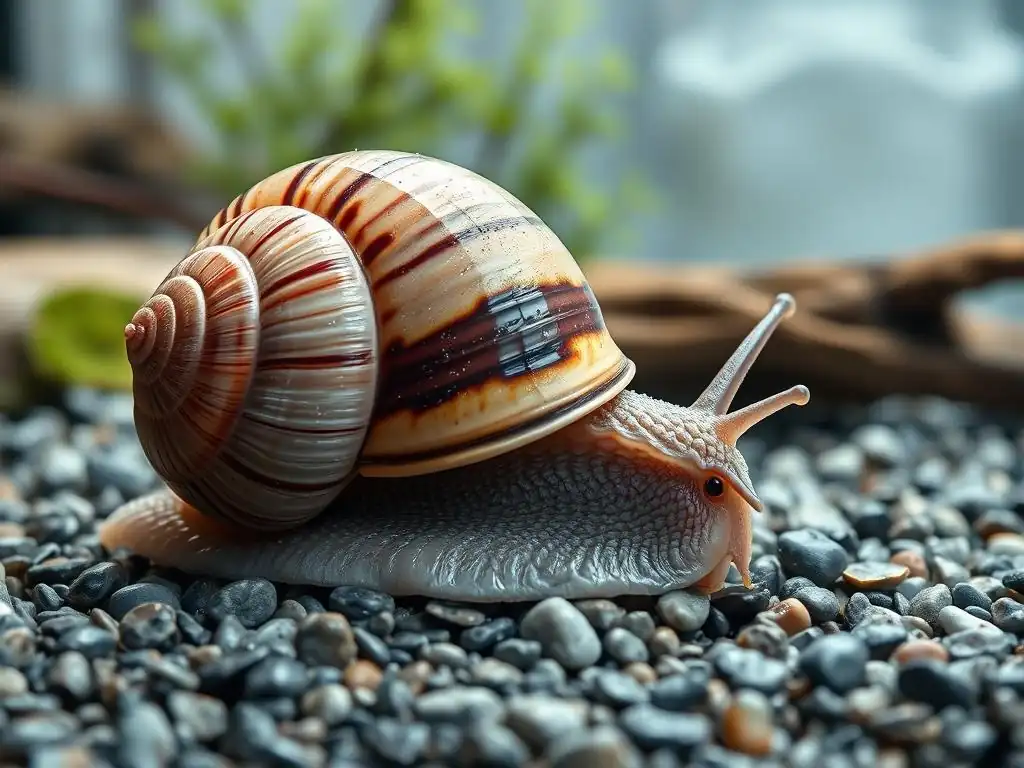
For many aquarists, especially those new to shell dwellers or Tanganyikan cichlids, a species-specific tank offers the most rewarding and least stressful experience. A 10-20 gallon tank is often sufficient for a thriving colony of Neolamprologus multifasciatus or a pair of Lamprologus brevis. In such a setup, all tank inhabitants share the exact same water parameter requirements, simplifying maintenance.
A dedicated shell dweller tank allows for the full expression of their natural behaviors, including intricate social hierarchies, extensive digging, and prolific breeding, without the interference or stress from incompatible tank mates. The focus shifts entirely to the fascinating world within the shells, making it an ideal choice for observing these unique fish in their most natural state.
Other Tanganyikan Cichlid Community Options
If the desire is specifically for a Tanganyikan cichlid community but a shell dwellers aquarium community tank proves too challenging, there are other compatible options within the lake's diverse fish population. Smaller, more peaceful Tanganyikan cichlids like certain Julidochromis species (e.g., Julidochromis ornatus or transcriptus) can form interesting communities, often inhabiting rocky areas rather than shells.
Another popular choice is the open-water dwelling Cyprichromis species (e.g., Cyprichromis leptosoma), often called "Sardine Cichlids." These fish typically swim in schools in the upper water column and generally do not interact aggressively with bottom-dwelling cichlids, making them excellent tank mates if tank size permits (often 55 gallons or more due to their schooling nature). These alternatives still require the characteristic hard, alkaline Tanganyikan water but offer different social dynamics.
Considering the Needs of All Fish: Responsible Aquascaping
Regardless of whether you choose a shell dwellers aquarium community tank, a species-specific setup, or another type of community, the fundamental principle of responsible aquarism remains: prioritize the well-being of all fish. This means designing an aquarium that truly caters to the biological and behavioral needs of every inhabitant.
Responsible aquascaping goes beyond aesthetics; it involves creating a functional habitat that provides adequate space, appropriate hiding spots, and territorial boundaries to minimize stress and aggression. It means thoroughly researching each species' requirements for water parameters, diet, and social structure, and ensuring that all chosen inhabitants can truly thrive together, rather than merely coexisting. This thoughtful approach leads to a healthier, more stable, and ultimately more enjoyable aquarium.
Pros and Cons of Keeping Shell Dwellers in a Community Tank
Advantages: Unique Behavior and Visual Appeal
One of the primary advantages of incorporating shell dwellers into a shell dwellers aquarium community tank is the opportunity to observe their truly unique and captivating behaviors alongside other compatible species. Their intricate social structures, diligent shell-claiming, and fascinating breeding rituals provide a constant source of entertainment and education. Watching them meticulously dig and rearrange sand, or seeing a female guard her clutch within a snail shell, is a rare treat in the aquarium hobby.
Visually, a well-planned shell dwellers aquarium community tank can be stunning. The contrast between the active, bottom-dwelling shell dwellers and peaceful, mid-to-upper water column fish creates a dynamic and diverse display. It offers a broader spectrum of aquatic life and behaviors compared to a single-species tank, appealing to aquarists who enjoy a varied and bustling underwater landscape.
Disadvantages: Potential for Aggression and Compatibility Issues
Despite their small size, the inherent territorial aggression of shell dwellers is a significant disadvantage in a community setting. While generally not overtly destructive, their constant chasing and nipping of perceived intruders can lead to chronic stress and fin damage for incompatible tank mates. This territoriality is amplified during breeding, making peace difficult to maintain.
Furthermore, the strict and specific water parameter requirements (high pH and hardness) of shell dwellers severely limit the selection of suitable tank mates. Many popular community fish cannot thrive in these conditions, leading to compromised health or a significantly reduced lifespan for one or more species. Achieving a truly harmonious shell dwellers aquarium community tank demands extensive research, careful planning, and continuous monitoring, making it a challenging endeavor for even experienced aquarists.
Conclusion: Making an Informed Decision About Shell Dwellers and Community Tanks
Assessing Your Experience Level and Commitment
Deciding to create a shell dwellers aquarium community tank is not a choice to be made lightly. It requires a significant level of experience and commitment from the aquarist. A solid understanding of fish behavior, water chemistry, and the nuances of cichlid aggression is paramount. It demands meticulous attention to detail in terms of tank setup, water parameter maintenance, and ongoing observation of fish interactions.
If you are a beginner aquarist, or new to the complexities of cichlid keeping, starting with a species-specific shell dweller tank might be a more rewarding and less stressful introduction to these fascinating fish. This allows you to master their specific needs without the added challenge of managing diverse species with potentially conflicting requirements.
Prioritizing the Well-being of All Fish
Ultimately, the decision to house shell dwellers in a community tank must be driven by a genuine commitment to the welfare of all fish involved. Their health, happiness, and ability to express natural behaviors should always take precedence over aesthetic desires or the urge to combine disparate species. A successful shell dwellers aquarium community tank is not just about keeping fish alive; it's about enabling them to thrive.
Thorough research into each species' needs, careful planning of tank size and aquascaping, and a willingness to adapt and intervene when necessary are crucial. By understanding their unique requirements and potential challenges, dedicated aquarists can create a well-balanced and stimulating environment where these remarkable Lake Tanganyikan cichlids and their chosen companions can truly flourish, offering a captivating glimpse into their underwater world.
Frequently Asked Questions
### Can Shell Dwellers be kept in a community tank?
Shell dwellers can be kept in community tanks, but it requires careful planning and consideration of their specific needs and temperament. Success depends on selecting compatible tank mates and providing a suitable environment.
### What are the best tank mates for Shell Dwellers in a community setting?
Ideal tank mates are peaceful, non-aggressive fish that occupy the upper water column and won't disturb the shell dwellers' territory. Avoid bottom-dwelling fish that compete for space or food, as this can cause stress and aggression.
### What size tank is needed for a Shell Dweller community tank?
A minimum of 20 gallons is generally recommended for a small Shell Dweller community. Larger tanks are always better as they provide more space and reduce aggression between fish.
### How do I create the right environment for Shell Dwellers in a community tank?
Provide plenty of empty snail shells for the shell dwellers to inhabit. Create a sandy substrate and include rocks or other decorations to provide visual barriers for other fish and establish territories.
### What are the biggest challenges of keeping Shell Dwellers in a community tank?
The primary challenge is managing aggression and territoriality. Shell dwellers can be quite defensive of their shells. Carefully monitoring behavior and making adjustments to the tank setup is crucial for a peaceful community.
The exploration of shell dwellers and their compatibility within a community aquarium, as we've discussed, isn't just about fishkeeping; it's about understanding the delicate balance of ecosystems, even miniature ones we create in our homes. The success of a shell dweller aquarium community tank hinges on respecting the inherent needs and behaviors of each species, a principle that extends far beyond the glass walls of our aquariums.
This journey into the world of Lamprologus ocellatus and their potential tankmates has profoundly highlighted the importance of responsible pet ownership and the ethical considerations involved in creating thriving aquatic environments. The greatness of a nation and its moral progress can be judged by the way its animals are treated.
- Mahatma Gandhi. This quote, though often applied to larger animals, resonates deeply here. Our choices, even in selecting and caring for tiny fish, reflect our values and our commitment to creating harmonious environments.
So, as you consider the possibility of introducing these fascinating shell dwellers into your own aquarium, remember the lessons we've explored. Reflect on the space you can provide, the needs of each species, and the potential impact of your choices. Let this be more than just a decision about fish; let it be an opportunity to cultivate a deeper understanding of the interconnectedness of life and the responsibility we bear in shaping the world around us, one shell, one fish, one tank at a time.
Dive Deeper: Create Your Dream Shell Dweller Habitat!
Thank you for exploring the fascinating world of shell dwellers! Now that you're equipped with the knowledge to assess if these unique fish are right for your community tank, it's time to consider the next steps.
Here are a few things you can do to further your journey:
- Research your tank size: Is it adequate for these territorial fish? If not, consider an upgrade.
- Share your newfound knowledge! Did you learn something surprising? Spread the word to other aquarium enthusiasts and ignite their curiosity about shell dwellers.
- Think outside the box: Could you create a separate, dedicated shell dweller habitat?
Ready to start planning your shell dweller paradise? What unique shell designs or tank setups are you envisioning to create the ultimate habitat for these tiny terrors?