
Aquarium Mastery: Minimizing Environmental Stressors in the Larval Rearing Tank

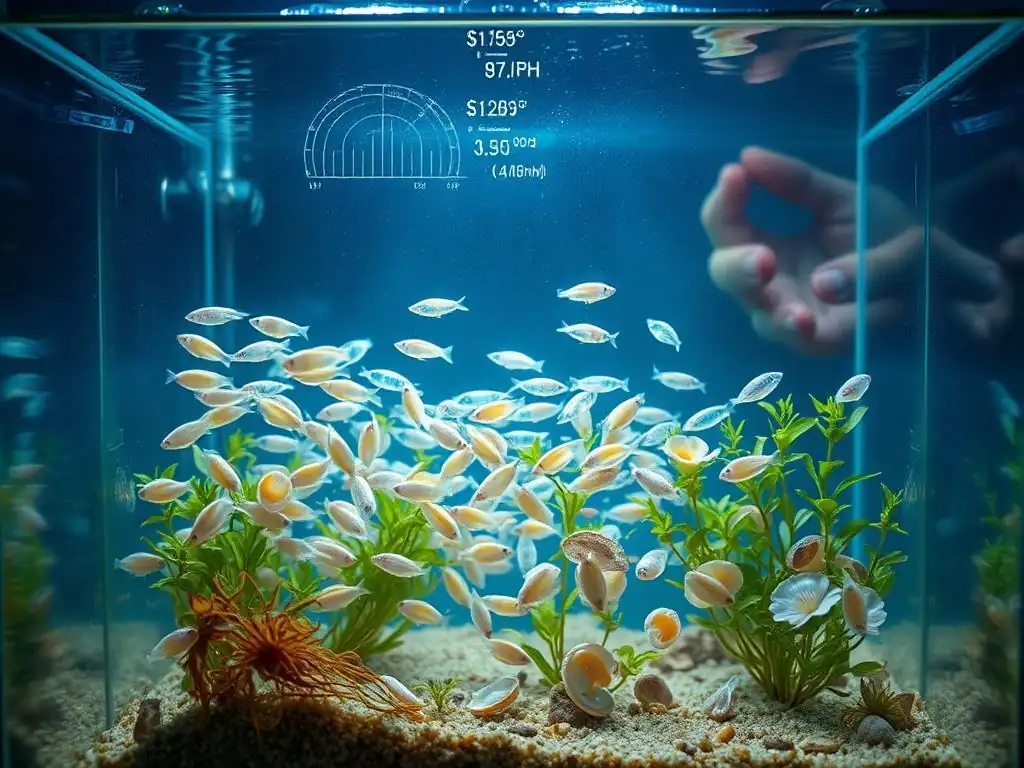
Welcome to Aquarium Mastery!
Ever wondered how to give your delicate saltwater fish larvae the best possible start? Dive into our in-depth exploration of larval rearing tank stressors and discover how to create the perfect environment for healthy growth. Learn the secrets to minimizing environmental challenges and unlocking the potential for successful breeding. Ready to nurture the next generation of aquatic wonders? Let's get started!
- Marine Fish Larviculture: Minimizing Environmental Stressors in the Rearing Tank
- Understanding Larval Rearing Tank Stressors: An Overview
- Water Quality: The Foundation of Successful Larval Rearing
- Lighting: Balancing Growth and Stress
- Nutrition: Providing Optimal Food While Minimizing Pollution
- Physical Disturbances: Reducing Stress from Tank Environment
- Disease Prevention: Protecting Larvae from Pathogens
- Minimizing Human Interaction: Reducing Unnecessary Stress
- Troubleshooting: Addressing Common Larval Rearing Issues
- Advanced Techniques for Stress Reduction in Larval Rearing
-
Frequently Asked Questions
- How does poor water quality affect larval fish in a rearing tank?
- What are the most common physical stressors in a larval rearing tank?
- Why is proper feeding so important in minimizing stress for larval fish?
- How does tank hygiene impact larval health and stress levels?
- What role does social interaction play in larval rearing tank stressors?
- Final Reflection: Nurturing Life's Delicate Beginnings
- Ignite Your Larval Rearing: Take Control & Maximize Success!
Marine Fish Larviculture: Minimizing Environmental Stressors in the Rearing Tank
Understanding Larval Rearing Tank Stressors: An Overview
The Critical Importance of a Stress-Free Larval Environment
Marine fish larvae are incredibly delicate organisms, possessing undeveloped immune systems and limited physiological reserves. Their survival hinges on an environment that is as stable and conducive as possible, free from any significant larval rearing tank stressors. Even minor deviations from optimal conditions can trigger a cascade of negative effects, leading to compromised growth, increased susceptibility to disease, and ultimately, high mortality rates. This sensitivity is particularly pronounced during critical developmental windows, such as the first feeding stage, where successful nutrient uptake is paramount, and during metamorphosis, a period of profound physiological change.
For many marine species, survival rates in aquaculture settings can be notoriously low, often falling below 10% from hatching to juvenile stage, with some species experiencing mortality rates exceeding 80% during the first few weeks due to environmental factors. Mitigating these stressors is not merely about improving survival; it’s about promoting robust development, strong immune responses, and the successful transition to the juvenile phase. Achieving a stress-free environment directly impacts the economic viability of commercial aquaculture operations and plays a crucial role in conservation efforts for threatened species.
Identifying Key Environmental Stressors in Marine Fish Larviculture
Environmental stressors in marine fish larviculture can be broadly categorized into several key areas, each capable of independently or synergistically impacting larval health and survival. Water quality parameters, including temperature, salinity, pH, and nitrogenous compounds (ammonia, nitrite, nitrate), are arguably the most critical and frequently overlooked sources of stress. For instance, an ammonia spike as low as 0.05 mg/L can significantly impair the development of delicate species like clownfish larvae.
Beyond water chemistry, physical disturbances such as excessive flow rates, inadequate tank design, and even human interaction can act as profound larval rearing tank stressors, causing physical damage, exhaustion, or behavioral anomalies. Lighting, both intensity and photoperiod, plays a vital role in larval development and feeding cues; improper light can disorient larvae and reduce feeding efficiency. Furthermore, nutritional deficiencies or contaminated live food, and the presence of pathogens, represent significant biological stressors that demand rigorous management to ensure the successful rearing of marine fish larvae.
Water Quality: The Foundation of Successful Larval Rearing
Maintaining Optimal Water Parameters for Larval Development
The success of marine fish larviculture is fundamentally tied to the meticulous maintenance of water quality. Unlike adult fish, larvae have limited osmoregulatory capabilities, permeable skin, and underdeveloped detoxification systems, making them exceptionally vulnerable to even slight fluctuations or the presence of common waterborne compounds. Consistent monitoring and precise control of parameters are non-negotiable to prevent these conditions from becoming significant larval rearing tank stressors. Any deviation from species-specific optimal ranges can lead to metabolic distress, reduced growth rates, and increased susceptibility to disease, often with irreversible consequences.
Temperature Control in the Larval Rearing Tank
Temperature is a pivotal environmental factor directly influencing larval metabolism, growth rate, and immune function. Each marine fish species has a specific optimal temperature range for larval development, typically between 25°C and 29°C for many tropical species like clownfish or dottybacks. Deviations outside this narrow range, even by as little as 1-2°C, can induce thermal stress.
For instance, studies on Yellowtail Kingfish ( Seriola lalandi) larvae show optimal growth at 23-25°C, with significantly reduced survival at 20°C or 28°C. Fluctuations can lead to increased metabolic rates, consuming vital energy reserves, or conversely, slowing down development and increasing the duration of vulnerable stages. Precision heaters with reliable thermostats, often coupled with backup systems or ambient room temperature control, are essential to maintain the desired thermal stability and prevent this common larval rearing tank stressor.
Salinity Management for Sensitive Larvae
Salinity, the concentration of dissolved salts in water, is another critical parameter that must be precisely controlled. Marine fish larvae expend considerable energy on osmoregulation, the process of maintaining internal salt and water balance. Optimal salinity levels typically mirror the natural habitat of the broodstock, commonly ranging from 30 to 35 parts per thousand (ppt) for many reef fish species. Sudden or significant shifts in salinity can overwhelm the larvae's osmoregulatory systems, leading to severe physiological stress and mortality.
For example, a rapid drop from 34 ppt to 28 ppt can cause massive cell lysis in some species. Regular monitoring using a calibrated refractometer or conductivity meter, ideally multiple times daily, is crucial. Any adjustments should be made gradually, over several hours, to allow larvae to acclimate, thereby preventing osmotic shock, a potent larval rearing tank stressor.
pH Stability: Preventing Drastic Fluctuations
The pH of the larval rearing water, a measure of its acidity or alkalinity, profoundly impacts enzyme activity, metabolic processes, and the toxicity of nitrogenous compounds. Marine larvae generally thrive in a narrow pH range of 8.0 to 8.3. Fluctuations outside this range can inhibit enzyme function, disrupt ion exchange across gill membranes, and increase the proportion of highly toxic un-ionized ammonia (NH3) relative to less toxic ammonium (NH4+).
Sources of pH instability include the accumulation of metabolic wastes, carbon dioxide buildup from respiration, and inadequate buffering capacity. Maintaining strong aeration to off-gas CO2, performing regular small water changes, and ensuring sufficient alkalinity (carbonate hardness) through appropriate salt mixes or buffering agents are key strategies. For instance, maintaining alkalinity above 7 dKH (degrees of carbonate hardness) helps buffer against pH swings, reducing this significant larval rearing tank stressor.
Ammonia, Nitrite, and Nitrate Control: The Nitrogen Cycle's Impact on Larvae
The byproducts of the nitrogen cycle – ammonia (NH3/NH4+), nitrite (NO2-), and nitrate (NO3-) – are among the most dangerous larval rearing tank stressors. Ammonia, excreted by larvae and produced from the decomposition of uneaten food and waste, is extremely toxic, even at very low concentrations. Levels as low as 0.01 mg/L of un-ionized ammonia can cause gill damage, reduce oxygen uptake, and suppress immune function in marine fish larvae. Nitrite, the intermediate product, is also highly toxic, interfering with oxygen transport in the blood.
While nitrate is less toxic, high concentrations (above 20-50 mg/L) still indicate poor water quality and chronic stress. Effective biological filtration, achieved through mature bio-media or frequent water changes, is paramount. Strict feeding protocols to prevent overfeeding, coupled with diligent siphoning of uneaten food and detritus, are essential daily practices to keep these compounds at undetectable or minimal levels.
Water Changes: Minimizing Stress During Routine Maintenance
Water changes are an indispensable part of larval rearing tank maintenance, crucial for diluting accumulated waste products, replenishing essential trace elements, and maintaining overall water quality. However, if not executed properly, the very act of changing water can introduce significant larval rearing tank stressors, leading to immediate shock or delayed mortality. The delicate physiology of marine larvae makes them highly susceptible to sudden shifts in their environment, necessitating careful and gradual approaches.
Gradual Water Changes for Larval Sensitivity
Sudden changes in water parameters, even if the new water is "perfect," can cause osmotic shock, temperature shock, or pH shock for larvae. This is why large, infrequent water changes are generally detrimental. Instead, a strategy of small, frequent, and gradual water changes is highly recommended. For instance, a continuous drip system that replaces 5-10% of the tank volume daily, or even several times throughout the day, is far less stressful than a single 25% change.
This slow infusion of new water allows the larvae's delicate systems to gradually acclimate to the fresh parameters, minimizing the physiological burden. For example, a 100-liter tank might receive 5-10 liters of new water over a 24-hour period via a slow drip. This approach significantly reduces the likelihood of inducing stress-related mortality.
Matching Water Parameters During Water Changes
The replacement water used for water changes must meticulously match the existing tank water in terms of temperature, salinity, and pH. Even a 1°C temperature differential or a 1 ppt salinity difference can induce stress. To achieve this, it is best practice to prepare new saltwater at least 24 hours in advance, allowing it to aerate thoroughly and stabilize its pH.
Using water from a dedicated, pre-mixed and aerated reservoir ensures consistency. Before introducing the new water, a final check with calibrated instruments (thermometer, refractometer, pH meter) is essential to confirm that all parameters are within 0.5 units of the larval tank water. This meticulous matching is a critical step in preventing water changes from becoming a major larval rearing tank stressor, ensuring the larvae experience a seamless transition.
Lighting: Balancing Growth and Stress
The Impact of Light Intensity on Larval Behavior and Development
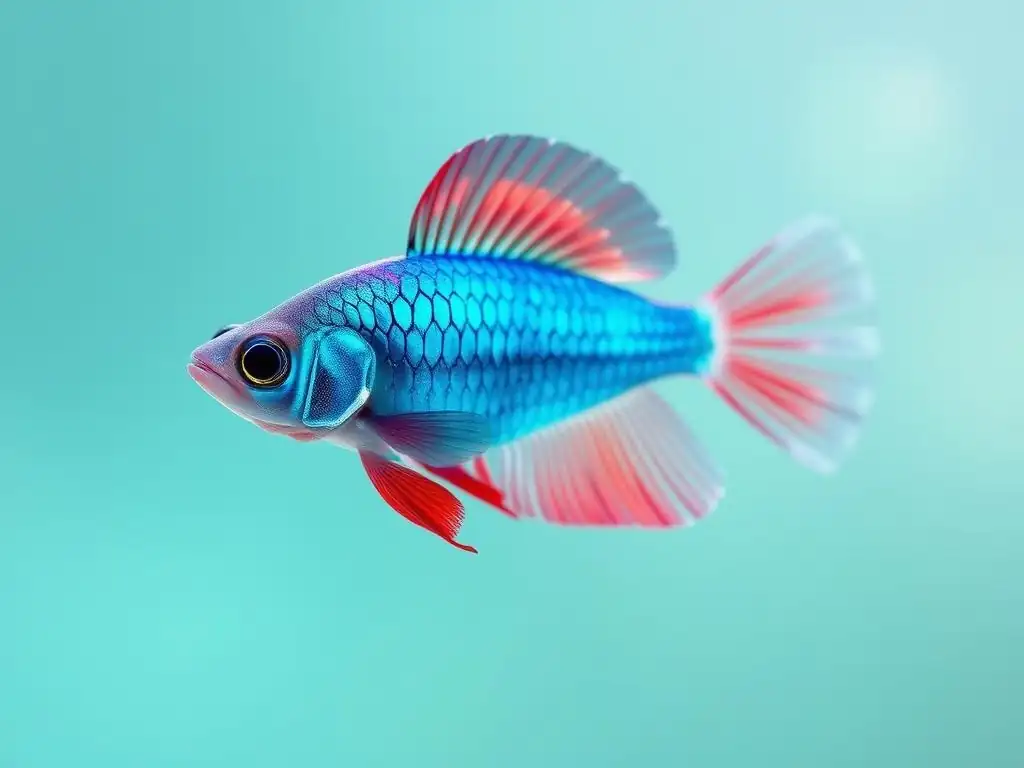
Light is a critical environmental cue that profoundly influences the behavior, feeding success, and physiological development of marine fish larvae. The intensity of light can act as a significant larval rearing tank stressor if not properly managed. Too little light can hinder the larvae's ability to locate and capture live food, leading to starvation, especially for species that are visual predators.
Conversely, excessive light intensity can be disorienting, cause phototaxis (attraction to light) that leads to larvae clumping at the surface, or even induce phototoxicity and retinal damage, particularly in early developmental stages when eyes are still forming. Optimal light levels vary greatly by species and developmental stage, but generally range from 500 to 2,000 lux for many marine larvae during their feeding periods.
Choosing the Right Light Spectrum for Larval Growth
Beyond intensity, the spectral quality of light is crucial for proper larval development. Different wavelengths of light penetrate water at varying depths and affect biological processes. For marine fish larvae, a full-spectrum light that mimics natural sunlight is often beneficial, providing the necessary wavelengths for visual development, pigmentation, and overall physiological function.
Specifically, blue-green wavelengths (around 450-550 nm) are particularly important as they penetrate water most effectively and are critical for the visual acuity of many marine species. Incorrect or narrow spectrums can lead to poor vision, reduced feeding efficiency, and even abnormal development of organs. Modern LED lighting systems, with their adjustable spectrum capabilities, allow aquarists to fine-tune the light output to best suit the specific needs of the larval species being reared, thereby minimizing this subtle yet potent larval rearing tank stressor.
Light Cycle Management: Simulating Natural Day/Night Patterns
A consistent and appropriate light cycle (photoperiod) is fundamental for regulating the circadian rhythms of marine fish larvae, influencing their feeding, resting, and developmental patterns. Disruptions to this natural rhythm can be a significant larval rearing tank stressor, leading to chronic stress, reduced growth, and poor survival. Most marine larvae benefit from a photoperiod that mimics natural day and night cycles, typically ranging from 12 to 16 hours of light followed by 8 to 12 hours of darkness. For instance, many studies recommend a 14-hour light to 10-hour dark cycle for species like clownfish.
Maintaining a precise photoperiod is crucial. Irregular light exposure, such as unexpected lights turning on or off, can disorient larvae, interrupt their feeding, and interfere with essential biological processes like hormone regulation. The use of automated timers is highly recommended to ensure consistent light cycles, preventing human error and providing a predictable environment. Some advanced setups even incorporate gradual dimming and brightening features (sunrise/sunset simulations) to further reduce the shock of abrupt light changes, creating a more natural and less stressful transition for the delicate larvae.
Nutrition: Providing Optimal Food While Minimizing Pollution
Live Food Selection: Considerations for Larval Stage Nutrition
Optimal nutrition is paramount for the healthy development and survival of marine fish larvae. Unlike adult fish, most marine larvae require live food during their initial feeding stages due to their undeveloped digestive systems, specific nutrient requirements, and the need for a moving stimulus to trigger feeding.
Common live foods include rotifers (e.g., Brachionus plicatilis) for first feeding, followed by Artemia nauplii (brine shrimp) for later stages, and sometimes copepods for their superior nutritional profile. The quality and nutritional enrichment of these live foods are critical; for example, rotifers and Artemia must be enriched with Highly Unsaturated Fatty Acids (HUFAs) like DHA and EPA to meet the larvae's metabolic demands, as a lack of these can cause deformities or "washout" syndrome.
Choosing Appropriate Live Food Sizes for Different Larval Stages
One of the most critical aspects of larval nutrition is matching the size of the live food to the larval mouth gape. Marine fish larvae typically hatch with very small mouths, often only 50-100 microns wide, making them incapable of consuming anything larger than the smallest rotifers. For instance, S-type rotifers are typically 50-200 microns, making them ideal for the first feeding of many species, whereas Artemia nauplii are much larger, around 400-500 microns.
Feeding larvae food that is too large leads to starvation, as they cannot ingest it, while food that is too small requires excessive energy expenditure for insufficient caloric intake. Regular monitoring of larval mouth gape development and adjusting food sizes accordingly is essential to ensure efficient feeding and prevent nutritional stress, a significant larval rearing tank stressor.
Maintaining Live Food Cultures: Preventing Contamination
The health and cleanliness of live food cultures directly impact larval well-being. Contaminated live food cultures can introduce pathogens (bacteria, fungi, parasites) or harmful metabolites directly into the larval rearing tank, acting as severe larval rearing tank stressors. For instance, bacterial contamination in rotifer cultures can lead to Vibrio outbreaks in the larval tank.
Therefore, rigorous hygiene protocols for live food production are non-negotiable. This includes sterilizing culture vessels, using clean microalgae for feeding, regularly cleaning and harvesting cultures to prevent overpopulation and waste buildup, and enriching the live foods with sterile enrichment products. Quarantining new live food cultures or implementing basic disinfection steps before feeding them to larvae can significantly reduce the risk of pathogen transmission and safeguard the delicate larval environment.
Minimizing Food Waste and Its Impact on Water Quality
Overfeeding is a pervasive and detrimental practice in larval rearing, leading to rapid water quality degradation and acting as a major larval rearing tank stressor. Uneaten live food, combined with larval waste, quickly decomposes, leading to dangerous spikes in ammonia and nitrite, as well as fostering bacterial blooms that can consume dissolved oxygen and introduce pathogens. For example, a single day of overfeeding can cause ammonia levels to rise from undetectable to 0.5 mg/L, which is lethal for many larval species.
To mitigate this, feeding strategies must be precise and responsive. Frequent, small feedings (e.g., every 2-4 hours) are preferable to large, infrequent ones, as this ensures a constant supply of food without excessive accumulation. Careful observation of larval feeding behavior is key to determining the appropriate feeding rate; if live food remains abundant after 30-60 minutes, the feeding rate should be reduced.
Additionally, regular, gentle siphoning of uneaten food and detritus from the tank bottom, often several times a day, is crucial. This proactive removal of organic waste prevents its decomposition, maintaining pristine water quality and significantly reducing the potential for water quality-related larval rearing tank stressors.
Physical Disturbances: Reducing Stress from Tank Environment
Flow Rate and Turbulence: Creating a Calm Environment
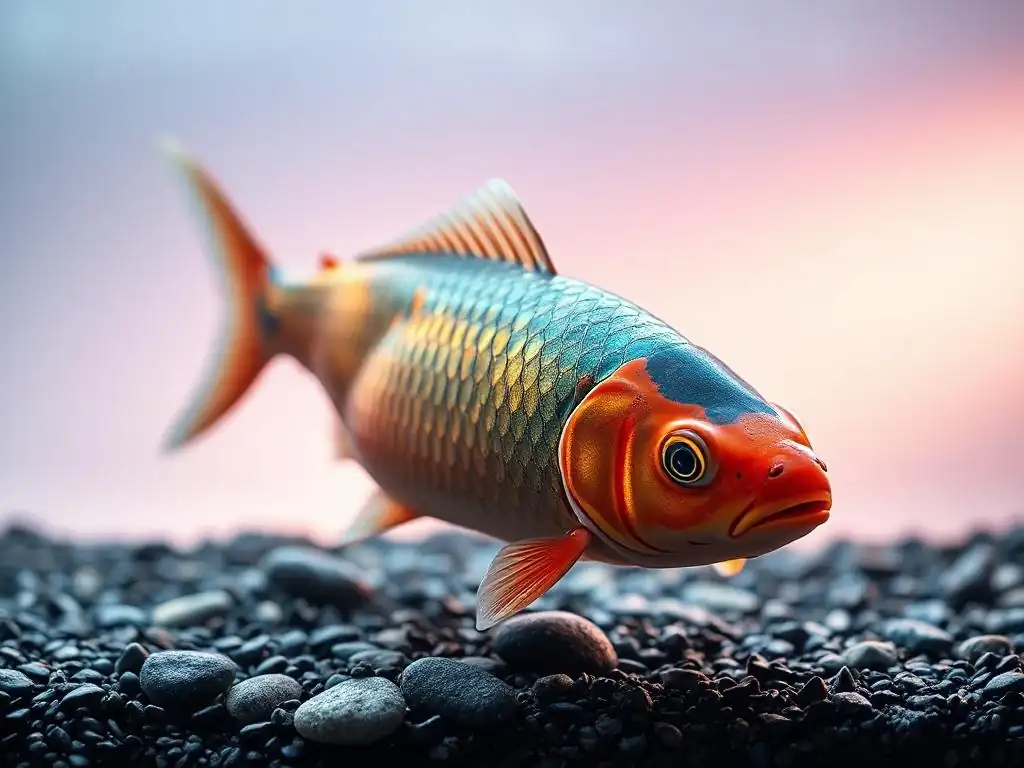
The delicate nature of marine fish larvae, particularly in their early stages, makes them highly susceptible to physical disturbances from water flow and turbulence. Excessive flow rates can act as a significant larval rearing tank stressor, causing larvae to expend excessive energy fighting currents, leading to exhaustion, reduced feeding, and even physical damage to their fragile bodies.
Conversely, insufficient flow can result in stagnant areas where uneaten food and waste accumulate, leading to localized oxygen depletion and the proliferation of harmful bacteria. The goal is to achieve a gentle, uniform flow that keeps live food suspended without physically stressing the larvae.
Optimizing Flow for Larval Swimming Ability
Optimizing water flow involves creating a laminar, gentle current that is just strong enough to keep live food particles suspended throughout the water column without overwhelming the larvae's swimming capabilities. For many species, this might involve air stones with very fine bubbles placed strategically to create a gentle upwelling, or the use of extremely low-flow powerheads fitted with diffusers to disperse the current. Observing the larvae's behavior is the best indicator: if they appear to be struggling against the current, being pushed against tank walls, or exhibiting erratic swimming, the flow is too strong.
Conversely, if live food is settling rapidly to the bottom, the flow is insufficient. For instance, a very gentle flow rate, often less than 1-2 tank volumes per hour, is typically recommended for early larval stages, gradually increasing as larvae develop stronger swimming abilities.
Avoiding Dead Spots in the Larval Tank
Dead spots, or areas of stagnant water within the larval rearing tank, pose a significant risk to larval health. In these zones, uneaten food, fecal matter, and other organic detritus can accumulate, rapidly decomposing and leading to localized drops in dissolved oxygen and spikes in toxic ammonia and nitrite. This creates a highly localized but potent larval rearing tank stressor.
To prevent dead spots, tank design plays a crucial role; conical or round-bottomed tanks are often preferred over square tanks as they facilitate more uniform circulation. Strategic placement of aeration devices or gentle water inlets can help ensure that water is constantly moving throughout the entire tank volume. Regular, gentle siphoning of the tank bottom is also essential to remove any settled debris that might escape the flow, ensuring a consistently clean and well-oxygenated environment for the larvae.
Tank Design and Decor: Minimizing Visual Stressors
The physical design and internal environment of the larval rearing tank can profoundly impact larval well-being, particularly by minimizing visual stressors. Marine fish larvae are highly sensitive to their surroundings, and features that might seem innocuous to an adult fish can become significant larval rearing tank stressors for developing larvae. Reflections, bright surfaces, or confusing visual cues can disorient larvae, disrupt their feeding, and induce chronic stress. Therefore, simplicity and thoughtful material selection are paramount in larval tank design.
Using Dark Substrates to Reduce Reflection
Reflections from tank walls or bright substrates can disorient larvae, causing them to swim erratically, waste energy, and have difficulty locating food. Many aquaculturists find that using dark-colored substrates or painting the outside of the tank's bottom and sides with a dark, non-toxic paint (e.g., black or dark blue) significantly reduces glare and reflections. This creates a uniform, low-reflection background that helps larvae feel more secure and makes it easier for them to perceive live food organisms.
For example, a black vinyl background applied to the outside of the tank can absorb ambient light, preventing internal reflections and creating a calmer environment. This simple measure effectively reduces a common visual larval rearing tank stressor, promoting more natural behavior and better feeding success.
Avoiding Sharp Edges and Abrasive Surfaces
The delicate bodies of marine fish larvae, especially their fins and skin, are highly susceptible to physical damage. Any sharp edges, rough surfaces, or abrasive materials within the larval rearing tank can cause abrasions, cuts, or tears, making the larvae vulnerable to secondary bacterial infections and acting as direct larval rearing tank stressors. All internal equipment, such as heaters, air stones, or plumbing, must be smooth and free of any protruding or rough areas.
Tank walls themselves should be smooth and made of non-toxic, inert materials like glass or acrylic. When cleaning, soft sponges or siphons should be used to avoid scratching surfaces or inadvertently harming larvae. Ensuring a physically safe and smooth environment is a fundamental aspect of preventing mechanical injury and promoting the healthy development of marine fish larvae.
Disease Prevention: Protecting Larvae from Pathogens
Quarantine Procedures for New Introductions
Disease outbreaks can be catastrophic in larval rearing, often leading to 100% mortality within days. The most effective defense against pathogens, which are severe larval rearing tank stressors, is stringent prevention through meticulous quarantine procedures for all new introductions. This applies not only to broodstock but also, critically, to live food cultures and any equipment being moved between tanks or facilities.
For example, new live food cultures (rotifers, Artemia, copepods) should be maintained in a separate system for at least 7-14 days and ideally disinfected (e.g., with a mild bleach solution followed by thorough rinsing) before being introduced to the larval rearing area. Similarly, new broodstock should undergo a minimum 30-day quarantine period in a separate system, with observation for signs of disease and potential prophylactic treatments, to ensure they do not introduce pathogens like Cryptocaryon irritans or Vibrio species into the sensitive larval environment.
Proactive Disease Management Strategies
Beyond quarantine, a multi-faceted approach to proactive disease management is essential to minimize the risk of pathogen-induced larval rearing tank stressors. The cornerstone of this strategy is maintaining pristine water quality and minimizing all other environmental stressors. Healthy, unstressed larvae have a stronger innate immune response and are more resilient to opportunistic pathogens.
Strict biosecurity protocols are also vital, including dedicated equipment for each tank or system, sterilization of all tools (e.g., with bleach solution or heat) between uses, and hand washing between handling different batches. Regular microscopic examination of larvae and live food cultures can help detect early signs of parasitic or bacterial issues before they escalate. Implementing a consistent cleaning schedule for tanks and equipment, along with the immediate removal of any deceased larvae, further reduces the organic load and potential for pathogen proliferation.
The Role of Probiotics in Larval Health
The use of probiotics, beneficial microorganisms, has emerged as a promising strategy in larval rearing to enhance disease resistance and improve overall health. Probiotics work by colonizing the larval gut and the rearing water, competitively excluding harmful pathogens, improving digestion and nutrient absorption, and potentially modulating the larval immune system. For instance, specific strains of Bacillus species, when added to rotifer cultures or directly to the rearing water at concentrations of 10^5 to 10^7 CFU/mL, have been shown to significantly reduce the incidence of Vibrio infections in species like European seabass ( Dicentrarchus labrax) and turbot ( Scophthalmus maximus) larvae.
This creates a healthier microbial environment, reducing the impact of potential bacterial larval rearing tank stressors. Probiotics can be administered by enriching live foods or by direct addition to the larval water, contributing to a more robust and resilient larval population less susceptible to common diseases.
Minimizing Human Interaction: Reducing Unnecessary Stress
Observation Techniques: Monitoring Larvae Without Disturbing Them
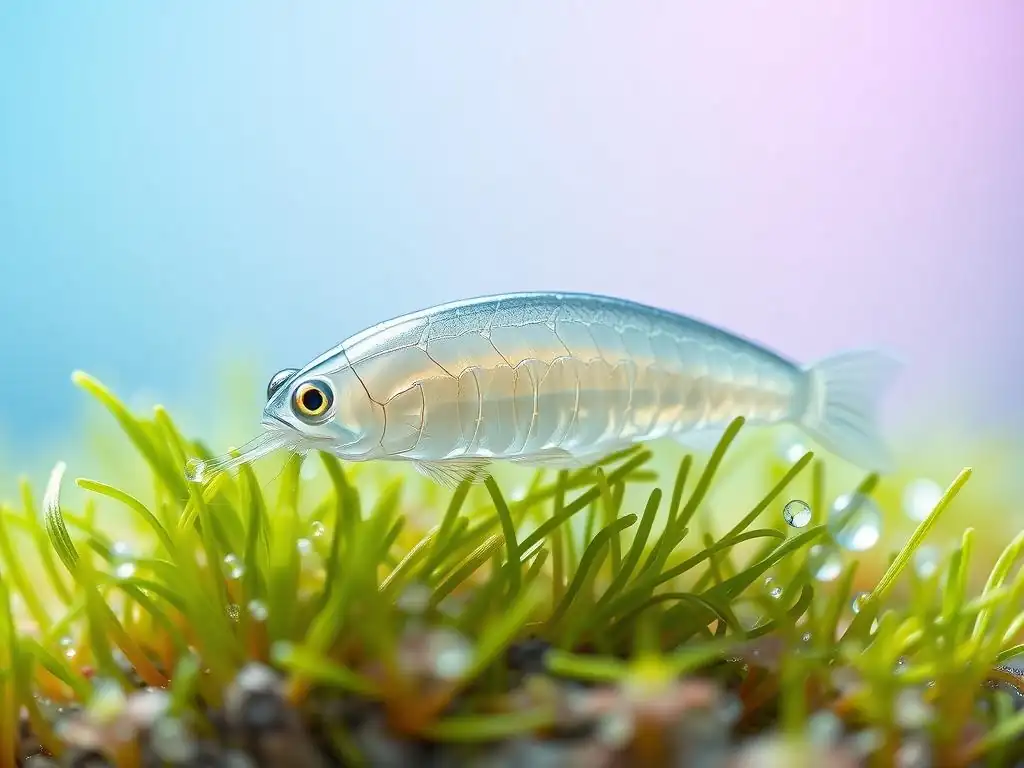
While constant vigilance is crucial for successful larval rearing, excessive or clumsy human interaction can paradoxically become a significant larval rearing tank stressor. Marine fish larvae are highly sensitive to sudden movements, shadows, vibrations, and even changes in light. Abrupt disturbances can cause them to panic, dart erratically, clump together, or cease feeding, leading to exhaustion and potentially physical injury. Therefore, observation techniques must be refined to minimize disruption.
Approach the tank slowly and deliberately, avoiding sudden movements or loud noises. When observing at night or in low light, consider using a red light, as many marine species have limited sensitivity to red wavelengths, making it less disruptive than white light. This allows for unobtrusive checks on larval distribution, feeding activity, and any signs of distress without inducing panic.
Cleaning Procedures: Gentle Approaches to Tank Maintenance
Routine tank maintenance, particularly cleaning procedures, must be executed with extreme gentleness to avoid becoming a larval rearing tank stressor. Aggressive scrubbing or vigorous siphoning can physically harm delicate larvae, dislodge them from their preferred water column, or create turbulence that causes undue stress.
When removing uneaten food and detritus, employ a fine-tipped siphon hose (e.g., airline tubing) and use a slow, controlled suction to gently vacuum the tank bottom without disturbing the larvae swimming above. For algae removal, use a soft, non-abrasive sponge or scraper very carefully, avoiding direct contact with the larvae.
If larger maintenance tasks are necessary, consider temporarily reducing the water level very slowly to concentrate larvae in a smaller, safe volume, or even transferring them to a temporary holding container, though this should be a last resort due to the inherent stress of handling. The principle is to perform all tasks with the utmost care, prioritizing the larvae's well-being over expediency.
Troubleshooting: Addressing Common Larval Rearing Issues
Identifying Stress Signals in Larval Behavior
Early detection of stress is crucial for intervention and preventing mass mortality in larval rearing. Marine fish larvae exhibit specific behavioral cues when under duress, which can serve as vital indicators of underlying larval rearing tank stressors. Healthy larvae typically swim actively, distribute evenly throughout the water column, and actively pursue live food. In contrast, stressed larvae may display erratic swimming patterns, such as spiraling or rapid darting, or become lethargic, sinking to the bottom or floating listlessly at the surface.
They might also clump together abnormally, gasp for air at the surface, or exhibit rapid gill movements. Observing a sudden decrease in feeding activity or a change in body coloration (e.g., becoming paler or darker) are also strong indicators of distress. Promptly recognizing these subtle behavioral shifts allows aquarists to immediately investigate water parameters, food quality, or environmental conditions before the situation escalates.
Diagnosing and Treating Common Larval Diseases
Despite best efforts, diseases can emerge, becoming significant larval rearing tank stressors. Common larval diseases include bacterial infections (e.g., Vibrio species causing "washout" or fin rot), parasitic infestations (e.g., Amyloodinium or Cryptocaryon dinoflagellates), and fungal infections. Accurate diagnosis is paramount, often requiring microscopic examination of affected larvae to identify the causative agent. For instance, cloudy eyes, fin erosion, or red lesions often point to bacterial issues, while white spots or rapid breathing might indicate parasites.
Treatment options for larvae are limited due to their sensitivity to many medications. Antibiotics (e.g., oxytetracycline, erythromycin) may be used for bacterial infections, often as short-term baths or via live food enrichment, but dosage must be precise and carefully monitored to avoid further stress. Antiparasitics (e.g., copper sulfate, formalin) are highly toxic to larvae and generally avoided; instead, environmental manipulation (e.g., temperature or salinity adjustments) or complete system sterilization and restart are often preferred.
Case Study: Addressing a Vibrio Outbreak in Clownfish Larvae
A common challenge in marine larviculture is bacterial outbreaks, particularly Vibrio species, which can cause rapid and devastating mortality. Consider a batch of Ocellaris clownfish ( Amphiprion ocellaris) larvae, 5 days post-hatch, that suddenly experiences a sharp increase in mortality, from a typical 5% daily to over 40% overnight. Affected larvae exhibit lethargy, reduced feeding, cloudy eyes, and visible fin erosion. Microscopic examination of moribund larvae reveals high concentrations of rod-shaped bacteria, indicative of a Vibrio infection.
To address this severe larval rearing tank stressor, immediate actions are taken:
- Water Change: A rapid 50% water change is performed using pre-mixed, perfectly matched new saltwater to reduce bacterial load and dilute any accumulated toxins.
- Salinity Adjustment: The salinity, previously at 34 ppt, is gradually lowered to 30 ppt over 2 hours. This slight hyposalinity can reduce osmotic stress on the compromised larvae and inhibit the growth of some marine Vibrio strains.
- Antibiotic Bath: A short-term bath treatment with oxytetracycline at a concentration of 10 mg/L is administered for 4 hours, targeting the bacterial infection. After 4 hours, a 75% water change is performed to remove the medication.
- Probiotic Addition: Following the antibiotic treatment, a probiotic blend containing Bacillus species is introduced to the water (at 10^6 CFU/mL) and used to enrich the rotifer feed, aiming to re-establish beneficial bacteria and outcompete residual pathogens.
Within 24 hours, the daily mortality rate drops to 15%, and within 3 days, it stabilizes back to 5%, with the surviving larvae showing improved activity and feeding. This case exemplifies how a multi-pronged approach, addressing both the pathogen and the environmental stressors, is crucial for mitigating larval rearing tank stressors and saving a larval batch.
Advanced Techniques for Stress Reduction in Larval Rearing
The Use of Prophylactic Treatments: Boosting Immunity with Beta-Glucan
Beyond direct disease treatment, advanced larviculture often employs prophylactic treatments to bolster the larvae's natural defenses and reduce their susceptibility to larval rearing tank stressors. One such effective agent is beta-glucan, a polysaccharide derived from yeast or fungi. Beta-glucans act as powerful immunomodulators, enhancing the non-specific immune system of larvae by activating macrophages and other immune cells. This makes the larvae more resilient to a wide range of pathogens and environmental challenges, even before an actual disease outbreak occurs.
Beta-glucans can be incorporated into larval diets by enriching live foods like rotifers or Artemia, or by direct addition to the rearing water. For instance, studies have shown that supplementing the diet of European seabass larvae with beta-glucan at concentrations of 50-100 mg/kg of feed can significantly improve survival rates and growth performance when larvae are exposed to bacterial challenges.
In some cases, direct water dosing at very low levels (e.g., 0.1 mg/L) can also be effective. This proactive approach helps to "prime" the larval immune system, allowing them to better cope with the myriad of potential larval rearing tank stressors they encounter.
Implementing Biological Filtration Systems
While traditional larval rearing often relies on daily large water changes in batch culture systems, advanced marine larviculture is increasingly moving towards the implementation of sophisticated biological filtration systems. These systems, akin to miniature recirculating aquaculture systems (RAS), utilize beneficial bacteria to convert toxic ammonia and nitrite into less harmful nitrate, thereby maintaining stable water quality. This significantly reduces the reliance on frequent, large water changes, which themselves can be a larval rearing tank stressor.
Biological filtration systems for larvae typically involve a dedicated bio-filter (e.g., a moving bed bio-reactor or a fluidized bed filter) that processes a continuous flow of water from the larval tank. The challenge lies in establishing a mature bio-filter that can handle the high organic load from larvae and their feed without removing essential nutrients or beneficial bacteria.
However, once established, these systems provide unparalleled water quality stability, reduce the risk of nitrogenous compound toxicity, and can lead to higher survival rates and more consistent growth. For example, some advanced facilities use small, dedicated trickle filters or submerged bio-filters with specialized media to process a continuous flow of water from their larval tanks, allowing for extremely stable water parameters.
Future Research: The Potential of Ozone Treatment in Marine Larviculture
Looking to the future, ozone (O3) treatment holds significant potential as an advanced technique for mitigating larval rearing tank stressors, particularly those related to water quality and pathogen control. Ozone is a powerful oxidizing agent and disinfectant capable of breaking down complex organic molecules, reducing dissolved organic carbon (DOC), and effectively sterilizing water by destroying bacteria, viruses, and parasites. This can dramatically improve water clarity and reduce the overall pathogen load in the larval rearing environment.
The benefits of ozone in larviculture include improved water quality, reduced incidence of bacterial diseases, and potentially higher growth rates due to a cleaner environment. However, ozone is also highly reactive and toxic to marine organisms if not managed precisely. Future research is focused on determining optimal ozone dosing levels and contact times for various larval stages and species, ensuring maximum disinfection efficiency without causing harm.
Techniques involving ozone generators coupled with ORP (Oxidation-Reduction Potential) controllers and activated carbon post-treatment for ozone residual removal are being refined. The careful and controlled application of ozone could represent a significant leap forward in creating an even more pristine and stress-free environment for the delicate early life stages of marine fish.
Frequently Asked Questions
How does poor water quality affect larval fish in a rearing tank?
Poor water quality, such as high ammonia or nitrite levels, can cause significant physiological stress in larvae, hindering their growth and development and increasing mortality rates. Regular water testing and changes are essential.
What are the most common physical stressors in a larval rearing tank?
Common physical stressors include inadequate lighting, temperature fluctuations, and excessive water flow. Maintaining stable and optimal conditions is crucial for larval survival.
Why is proper feeding so important in minimizing stress for larval fish?
Larval fish are extremely sensitive to nutritional deficiencies. Providing the correct size and type of food at the appropriate frequency ensures adequate nutrition and reduces competition and stress.
How does tank hygiene impact larval health and stress levels?
Poor tank hygiene leads to the buildup of harmful bacteria and parasites, causing disease outbreaks and increasing stress on larvae. Regular cleaning and disinfection protocols are vital.
Overcrowding can lead to increased competition for resources and aggression, causing stress and injury. Maintaining an appropriate stocking density is critical for larval welfare.
Final Reflection: Nurturing Life's Delicate Beginnings
The intricate dance between environment and development, meticulously explored throughout this article, underscores the profound impact of seemingly minor stressors on the fragile lives within a larval rearing tank. Understanding and mitigating these stressors is not merely a matter of scientific precision; it's a commitment to fostering life's potential from its earliest stages, a principle that resonates far beyond the confines of aquaculture.
This journey into the world of larval rearing has illuminated the delicate balance required for success, a balance that mirrors the challenges faced in broader ecological contexts. The lessons learned about water quality, light intensity, and feeding regimes are not just applicable to fish larvae; they offer valuable insights into how we can better protect and nurture all life forms, especially those most vulnerable to environmental change. The care of one life is the care of all life.
This sentiment, though simple, encapsulates the interconnectedness that drives our responsibility to minimize harm and maximize opportunity for growth, whether in a tank or in the wider world.
As you consider the complexities of larval rearing tank stressors, I invite you to reflect on the broader implications of environmental stewardship. How can we apply the principles of careful observation, proactive mitigation, and unwavering commitment to well-being, not just in aquaculture, but in all aspects of our lives? Let us strive to create environments, both literal and figurative, where life can flourish, where potential can be realized, and where the delicate beginnings of tomorrow are nurtured with the utmost care.
Ignite Your Larval Rearing: Take Control & Maximize Success!
Thanks for diving deep into minimizing environmental stressors in your larval rearing tank! We hope you found valuable insights to improve your success rates. Now, let's turn that knowledge into action.
Here are a few steps you can take right now:
- Immediately reassess your lighting schedule based on the specific needs of your larvae, adjusting duration and intensity to mimic their natural habitat as closely as possible.
- Share this article with fellow aquarists in online forums or local aquarium clubs to foster collaborative learning and problem-solving.
- Document your rearing environment modifications and their impact on larval survival in a dedicated logbook to track your progress and identify areas for further refinement.
What's the single, most impactful change you'll implement in your larval rearing setup this week, and how do you plan to measure its effectiveness?