
Aquarium Mastery: Breeding "Impossible" Saltwater Species – Overcoming Challenges

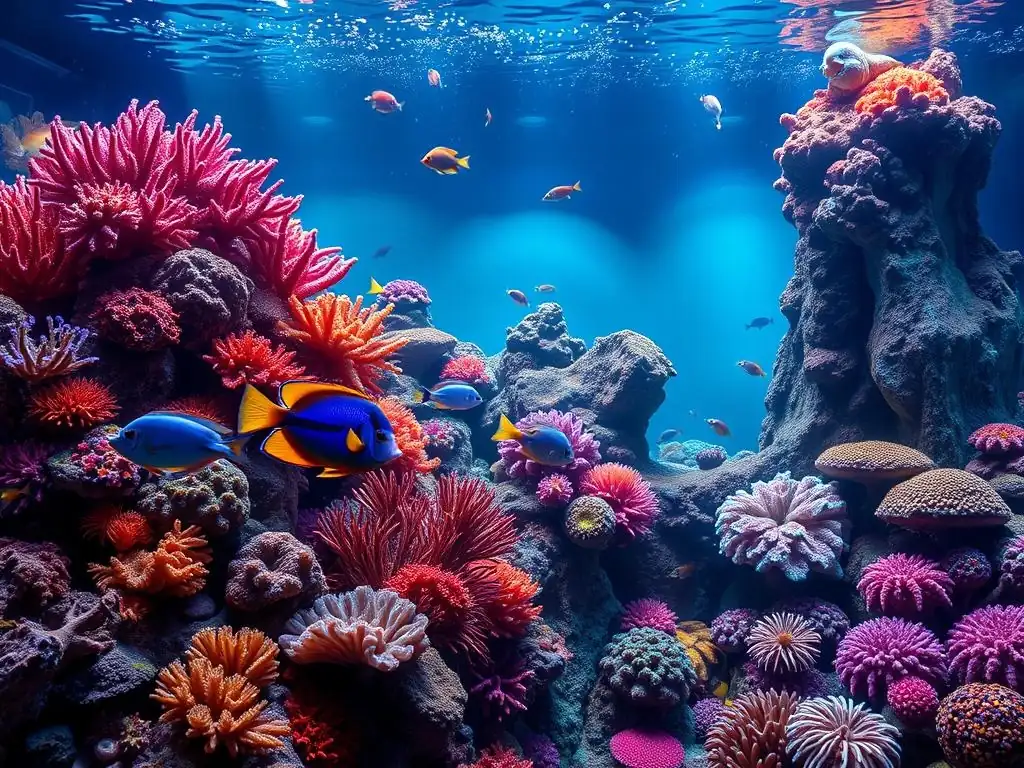
Welcome to Aquarium Mastery!
Ever dreamed of witnessing the miracle of life in your own saltwater tank, but heard whispers of “impossible” breeding challenges? You're in the right place! Dive in as we tackle the seemingly insurmountable hurdles of saltwater fish breeding challenges, and discover how you can potentially bring the next generation of captivating marine life into your aquarium. Ready to unlock the secrets? Let's explore!
- Aquarium Mastery: Breeding Challenging Saltwater Species – Overcoming Challenges
- Understanding the Unique Saltwater Fish Breeding Challenges
- Creating the Ideal Environment for Saltwater Fish Spawning
- Nutrition and Diet: Fueling Successful Saltwater Fish Breeding
- Overcoming Specific Saltwater Fish Breeding Challenges: Species-Specific Strategies
- Larval Rearing Techniques for Challenging Saltwater Species
- Advanced Techniques in Saltwater Fish Breeding
- Troubleshooting Common Saltwater Fish Breeding Problems
- The Future of Saltwater Fish Breeding: Sustainability and Conservation
-
Frequently Asked Questions
- What are some of the most significant saltwater fish breeding challenges that aquarists face?
- Why is breeding saltwater fish considered more difficult than breeding freshwater fish?
- What role does water chemistry play in the successful breeding of saltwater fish?
- What types of specialized food are often needed to successfully raise saltwater fish larvae?
- What are some common troubleshooting steps for aquarists struggling with saltwater fish breeding?
- Final Reflection: The Enduring Allure of the Uncharted Reef
- Ignite Your Breeding Breakthrough!
Aquarium Mastery: Breeding Challenging Saltwater Species – Overcoming Challenges
Understanding the Unique Saltwater Fish Breeding Challenges
Why Some Saltwater Fish Breeding is Difficult
Breeding many saltwater fish presents unique saltwater fish breeding challenges that far exceed those encountered with freshwater species. A primary difficulty lies in their complex life cycles, which often involve pelagic (free-floating) eggs and larvae that drift in open water for extended periods before settling.
Unlike many freshwater fish that lay demersal (bottom-dwelling) eggs with significant parental care, marine larvae are typically microscopic at hatching, necessitating highly specialized and often live food sources. This miniature size, coupled with their vulnerability to water quality fluctuations and the vast scale of natural environments versus confined aquarium systems, makes successful rearing a monumental task.
Furthermore, the energetic cost of reproduction for many marine species is immense. In the wild, pelagic spawners can release hundreds of thousands to millions of eggs, with only a tiny fraction surviving to adulthood. Replicating the environmental cues that trigger spawning, providing appropriate initial food sources in sufficient quantities, and managing the high mortality rates associated with these delicate larval stages are significant hurdles. The transition through metamorphosis, where larvae transform into juvenile fish, is another critical bottleneck, often requiring precise environmental conditions and dietary shifts that are difficult to replicate in captivity.
Key Differences Between Freshwater and Saltwater Fish Reproduction
The fundamental physiological differences between freshwater and saltwater environments profoundly impact fish reproduction. Freshwater fish eggs and larvae are adapted to low salinity, often benefiting from parental guarding or being laid in protected areas. Their larvae are typically larger at hatching (e.g., many cichlid fry are over 1 cm), allowing them to consume larger initial food items like infusoria or finely crushed dry foods. This simplifies the initial rearing phase considerably for many freshwater species.
In contrast, most marine fish eggs are pelagic and require specific salinity levels for proper development. Upon hatching, saltwater larvae are often minuscule, with gape sizes (mouth openings) as small as 50-100 microns. For instance, clownfish larvae are typically 3-4mm long at hatching, while some tang larvae are even smaller.
This demands microscopic live food organisms like rotifers ( Brachionus plicatilis) and various copepod nauplii, which must be cultured by the aquarist in vast quantities and enriched to provide adequate nutrition. The delicate balance of water chemistry, temperature, and feeding protocols for these minute organisms represents a substantial saltwater fish breeding challenge.
Identifying Saltwater Species with Complex Breeding Requirements
Identifying species with complex breeding requirements is crucial for aquarists aiming to overcome saltwater fish breeding challenges. These often include fish with pelagic eggs, extended larval stages, highly specialized dietary needs, or those requiring specific social structures and large tanks for successful spawning. Examples include many species of tangs, angelfish (Pomacanthidae), butterflyfish (Chaetodontidae), and various wrasses.
Specific examples highlight these difficulties: Tangs and Surgeonfish, such as the popular Yellow Tang ( Zebrasoma flavescens), are pelagic spawners whose larvae are exceptionally small and have a protracted larval duration, sometimes exceeding 60-90 days. Their high mortality rates are primarily due to starvation and sensitivity to water quality.
Angelfish also produce minute, pelagic larvae and often require very large tanks (e.g., 180 gallons or more) to establish stable breeding pairs. Mandarin Dragonets ( Synchiropus splendidus), while spawning relatively easily, present a major saltwater fish breeding challenge due to their larvae's absolute reliance on a continuous supply of specific live copepods throughout their entire larval and juvenile stages.
Creating the Ideal Environment for Saltwater Fish Spawning
Replicating Natural Habitat Conditions for Successful Breeding
Replicating natural habitat conditions is paramount for overcoming saltwater fish breeding challenges and encouraging spawning. This involves meticulous attention to tank size, substrate, rockwork, and water flow, which serve as critical environmental cues. Many species require specific hiding spots, territories, or open water areas for courtship and egg deposition. For instance, species like the Ocellaris Clownfish ( Amphiprion ocellaris) typically lay eggs on a flat surface protected by an anemone or a surrogate structure such as an overturned ceramic tile. Providing appropriate live rock structures can offer security and suitable spawning sites, reducing stress and promoting natural behaviors.
Large tank volumes are often necessary to allow breeding pairs to establish territories and reduce aggression, which is vital for successful reproduction. For larger species like some angelfish or tangs, tanks exceeding 200 gallons might be required to provide sufficient space and stability. The presence of specific substrates, like fine sand for burrowing gobies or open water for pelagic spawners, further enhances the likelihood of spawning. Mimicking natural currents can also be a trigger for certain species that engage in "spawning rushes" into the water column, releasing gametes into the flow.
The Importance of Water Chemistry in Saltwater Fish Reproduction
Maintaining pristine and stable water chemistry is a non-negotiable aspect of overcoming saltwater fish breeding challenges. Parameters such as salinity, pH, alkalinity, calcium, and magnesium must be rigorously monitored and kept within optimal ranges. Fluctuations in these parameters can severely stress breeding fish, inhibit gonad maturation, or lead to poor egg and larval development. For most tropical marine species, a specific gravity of 1.025-1.026 is ideal, with pH maintained between 8.1 and 8.4.
Beyond the basic parameters, the absence of pollutants is critical. High levels of nitrates (>10-20 ppm) and phosphates (>0.03 ppm) can significantly inhibit spawning and reduce egg viability. Calcium (400-450 ppm) and alkalinity (7-12 dKH) are crucial not only for coral growth but also for the proper development of eggs and larval skeletal structures. Regular, consistent water changes, typically 10-20% weekly, are essential in breeding setups to remove accumulated metabolic waste and replenish trace elements, ensuring a stable and healthy environment conducive to reproduction.
Specialized Lighting and Temperature Requirements for Spawning
Specialized lighting and temperature play a significant role in overcoming saltwater fish breeding challenges by providing essential environmental cues. Photoperiod, the duration of light exposure, acts as a primary trigger for many fish to enter reproductive cycles. A consistent 12-14 hour light cycle, often with a gradual ramp-up and ramp-down mimicking dawn and dusk, can encourage natural spawning behaviors. While intense lighting is necessary for corals, breeding tanks for some species might benefit from moderate intensity to reduce stress, particularly for nocturnal spawners or those that prefer dimmer conditions.
Temperature is another critical factor influencing metabolic rate, gonad development, egg incubation time, and larval growth. For most tropical marine species, an optimal temperature range for spawning is between 78-82°F (25.5-27.8°C). A slight, gradual increase in temperature (e.g., by 1-2°F) within the safe range can sometimes serve as a spawning trigger, mimicking seasonal changes in natural habitats. Maintaining a stable temperature without drastic swings is more important than achieving a specific high point, as fluctuations can induce stress and halt reproductive efforts. Consistent temperature control, often via reliable heaters and chillers, is vital for successful breeding outcomes.
Nutrition and Diet: Fueling Successful Saltwater Fish Breeding
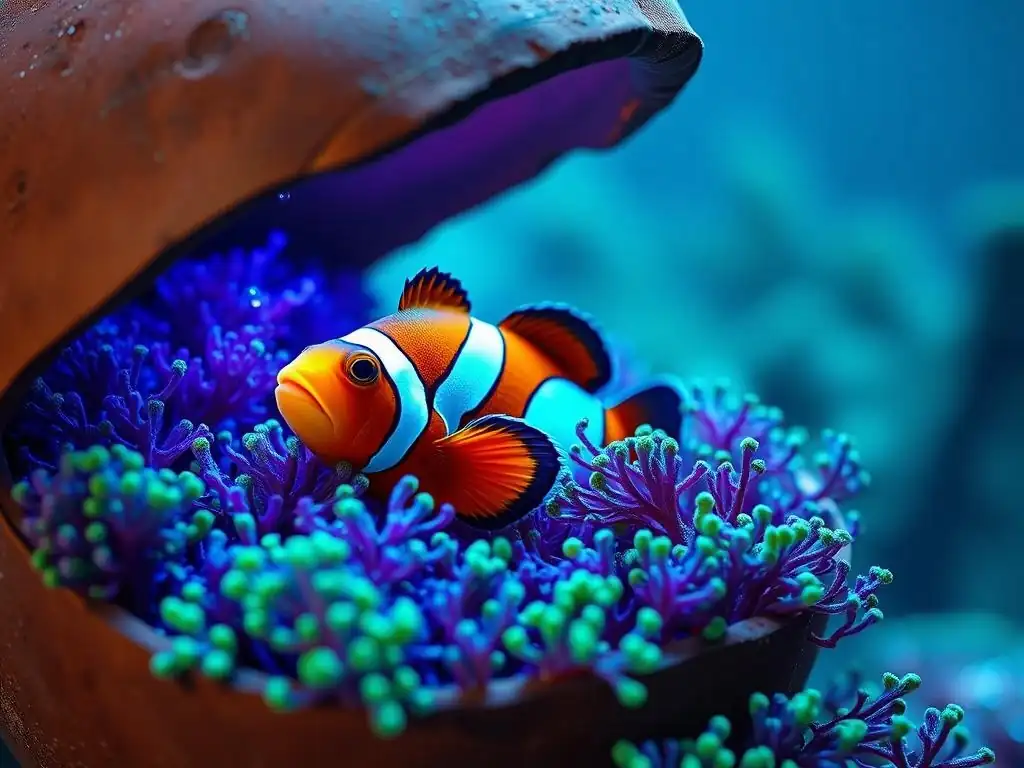
The Role of Live Food in Saltwater Fish Larval Rearing
The role of live food is absolutely indispensable in overcoming saltwater fish breeding challenges, particularly during the delicate larval rearing phase. Newly hatched marine fish larvae are often gape-limited, meaning their mouths are extremely small, and they require highly nutritious, appropriately sized, and motile prey that they can actively hunt. Rotifers ( Brachionus plicatilis), typically measuring 100-250 microns, are almost universally the first food offered due to their small size and slow swimming speed, making them ideal for initial larval feeding.
A significant saltwater fish breeding challenge is culturing live food in sufficient quantities and maintaining its nutritional value. Rotifers, for example, have a low nutritional profile on their own and must be "enriched" for 12-24 hours prior to feeding. This enrichment involves feeding them special diets rich in highly unsaturated fatty acids (HUFAs) like DHA and EPA.
These fatty acids are critical for the development of the larvae's nervous system, eyes, and overall organ function. Without proper enrichment, larvae often suffer from "wash-out" or "starvation syndrome," where they appear to be feeding but lack essential nutrients, leading to high mortality rates.
Formulated Diets for Breeding Saltwater Fish: Pros and Cons
While live foods are paramount for larval rearing, formulated diets play an important role in conditioning adult breeding saltwater fish. High-quality dry foods, such as pellets and flakes, offer convenience and a consistent nutrient profile. They are typically rich in protein (often 40-50%) and fats (10-15%), providing a solid nutritional foundation for adult fish. The "pros" include ease of storage, long shelf life, and the ability to deliver specific vitamin and mineral supplements consistently.
However, relying solely on formulated diets for breeding pairs has its "cons." They may lack certain micronutrients or the specific fatty acid profiles found in natural prey, and some finicky breeders may refuse them. For larvae, formulated diets are still largely experimental or limited to later larval stages; the vast majority of marine fish larvae cannot thrive on dry foods from hatching. While research continues to improve these diets, the complexity of larval digestive systems and their need for living, swimming prey remains a significant saltwater fish breeding challenge for commercial dry food manufacturers.
Supplementing Diets to Enhance Fertility and Egg Quality
Supplementing the diets of adult breeding pairs is crucial for overcoming saltwater fish breeding challenges related to fertility and egg quality. A varied diet that includes fresh or frozen live foods such as mysis shrimp, krill, enriched adult brine shrimp, and finely chopped seafood (e.g., squid, clam, scallops) provides essential proteins, lipids, and vitamins that may be deficient in dry foods. These natural food sources often contain vital carotenoids and fatty acids.
Specific nutrient supplementation can further enhance reproductive success. Vitamin C (ascorbic acid) and Vitamin E are powerful antioxidants known to improve egg quality, reduce oxidative stress, and boost fertility in many fish species. Astaxanthin, a carotenoid found in krill and some prepared foods, not only enhances the vibrant coloration of the fish but can also contribute to healthier eggs and potentially higher larval survival.
Feeding small portions multiple times a day (3-4 times) can significantly improve nutrient absorption and overall conditioning, leading to more frequent spawns and higher quality eggs. For example, studies on clownfish have consistently shown that diets rich in HUFAs and varied live foods lead to increased spawning frequency and significantly improved egg viability.
Overcoming Specific Saltwater Fish Breeding Challenges: Species-Specific Strategies
Breeding Clownfish: A Step-by-Step Guide to Success
Breeding clownfish, particularly the Ocellaris Clownfish ( Amphiprion ocellaris), is often considered the entry point for aquarists into marine fish breeding, though it still presents specific saltwater fish breeding challenges. The first step is establishing a bonded pair, which typically involves introducing two juveniles, one of which will become the larger, dominant female, and the other the smaller, male.
They prefer to lay eggs on a flat surface, often under an anemone or a ceramic spawning tile provided by the aquarist. The incubation period is usually 7-10 days at a temperature of 78-80°F (25.5-26.7°C), with the male diligently fanning and guarding the eggs.
Upon hatching, which typically occurs shortly after lights out, clownfish larvae are pelagic and require a "green water" environment (microalgae added to the tank) to help them locate their food. Their first food must be enriched rotifers ( Brachionus plicatilis), provided continuously for the first 7-10 days. As they grow, they can be transitioned to enriched Artemia nauplii. Metamorphosis, where they develop their characteristic clownfish appearance and settle, occurs around 10-14 days post-hatch. With proper setup and consistent care, experienced breeders can achieve high survival rates, often ranging from 50-70% for a successful batch of clownfish larvae.
Breeding Seahorses: Addressing Unique Nutritional and Environmental Needs
Breeding seahorses, such as the Pot-bellied Seahorse ( Hippocampus abdominalis), presents a distinct set of saltwater fish breeding challenges primarily due to their unique biology. Unlike most fish, the male seahorse broods the eggs in a specialized pouch. After hatching, seahorse fry are miniature versions of the adults and require very gentle water flow to prevent them from being swept around. Their feeding behavior is also unique: they are ambush predators that rely on live, moving prey.
The most significant saltwater fish breeding challenge for seahorse fry is providing a continuous and abundant supply of appropriately sized live food. While some larger species' fry can consume enriched Artemia nauplii immediately, smaller species or smaller fry may require copepod nauplii as a first food. A "brine shrimp pole" or similar setup is often used to ensure that live food is constantly available within their striking range.
Maintaining pristine water quality in a low-flow system is also critical, as uneaten food can quickly foul the water. Survival rates for seahorse fry can be highly variable, ranging from 10% to 40% depending on the species and the meticulousness of the care provided.
Breeding Mandarin Dragonets: Mastering Copepod Cultivation
Breeding Mandarin Dragonets ( Synchiropus splendidus), while aesthetically rewarding, is a prime example of overcoming a highly specialized saltwater fish breeding challenge: mastering copepod cultivation. Adult mandarin dragonets are relatively easy to spawn in a mature, copepod-rich reef tank, often engaging in nightly spawning rushes. Their eggs are pelagic and hatch into extremely small larvae.
The critical hurdle lies in the larval stage. Mandarin dragonet larvae are exceptionally tiny and possess a highly specialized diet, requiring a continuous supply of specific, small copepods (e.g., Tisbe biminiensis, Tigriopus californicus) from the moment they hatch through their entire larval and early juvenile stages. They cannot consume rotifers or Artemia nauplii as a first food.
This necessitates a dedicated and robust copepod culture system, often involving multiple large containers to ensure a consistent and sufficient supply. Without this constant source of appropriate live food, larval mortality is nearly 100%. Success rates for breeding mandarins remain low for beginners, typically below 5-10%, but dedicated aquarists with extensive copepod culturing experience can achieve greater success.
Breeding Copperband Butterflyfish: Overcoming Feeding Challenges and Mimicking Reef Conditions
Breeding the Copperband Butterflyfish ( Chelmon rostratus) represents one of the most formidable saltwater fish breeding challenges in the hobby. These beautiful fish are notoriously difficult to breed due to their highly specialized feeding habits and the delicate nature of their pelagic eggs and larvae. In the wild, they primarily feed on small invertebrates, including nuisance Aiptasia anemones, which can make conditioning them for spawning in captivity difficult. They also require a very large, mature, and stable reef-like system to feel secure enough to spawn.
Once conditioned, spawning involves pelagic eggs that drift in the water column. The larvae are incredibly small and delicate, demanding precise environmental conditions and a progression of live foods. Initially, they require tiny microalgae and rotifers for the first few days, followed by progressively larger live prey.
The main saltwater fish breeding challenge for Copperbands lies in both getting the adults to consistently spawn and, more significantly, successfully rearing the minute larvae through their prolonged and sensitive pelagic stage. Documented captive breeding successes are exceedingly rare globally, often involving highly specialized facilities and extensive research into their specific dietary and environmental needs throughout their life cycle.
Larval Rearing Techniques for Challenging Saltwater Species
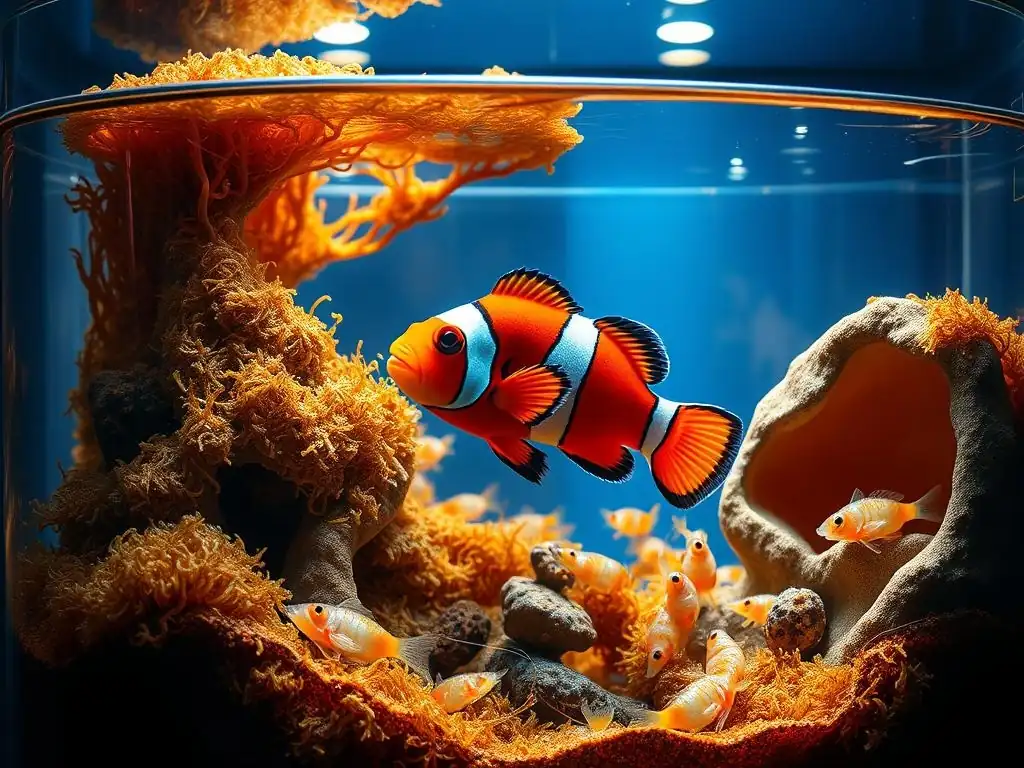
Setting Up a Dedicated Larval Rearing System
Setting up a dedicated larval rearing system is a critical step in overcoming saltwater fish breeding challenges, as it provides the controlled environment necessary for delicate fry. Larval rearing tanks are typically small, bare-bottomed, and often cylindrical or "kreisel" designs. These shapes minimize corners where larvae can become trapped and facilitate gentle, even water circulation. Tank sizes commonly range from 5 to 20 gallons for initial rearing, depending on the species and anticipated brood size. A dark background and bottom can enhance visibility of the larvae and their food, promoting feeding.
Equipment for these systems is minimal but precise. Gentle aeration is crucial, often achieved with a very fine air stone or simply an airline tube without a stone to produce larger, less disruptive bubbles. Filtration is usually limited to a simple sponge filter or relies entirely on frequent daily water changes to maintain pristine conditions. A reliable heater is necessary to maintain stable, optimal temperatures. The simplicity of the setup allows for easy cleaning and observation, which is vital given the fragility of marine larvae.
Maintaining Water Quality in Larval Rearing Tanks
Maintaining impeccable water quality in larval rearing tanks is arguably the most significant aspect of overcoming saltwater fish breeding challenges during the larval phase. Marine larvae are incredibly sensitive to even minute concentrations of ammonia, nitrite, and nitrate. Accumulation of metabolic waste and uneaten food can rapidly lead to toxic conditions and high mortality. Therefore, daily, small water changes (typically 10-25% of the tank volume) are absolutely critical.
Beyond water changes, meticulous daily siphoning of detritus, including uneaten food and any dead larvae, from the tank bottom is essential. Using aged, pre-mixed saltwater with stable and appropriate parameters (salinity, pH, temperature) for water changes prevents sudden shocks to the delicate larvae. Some breeders also employ a "green water" technique, adding live microalgae (e.g., Nannochloropsis, Isochrysis) to the rearing tank. This microalgae helps to stabilize water quality by consuming excess nutrients, acts as a direct food source for some larvae, and can enhance the visibility of rotifers or other live foods for the fry.
Identifying and Addressing Common Larval Diseases
Identifying and addressing common larval diseases is a persistent saltwater fish breeding challenge, as marine larvae are highly susceptible to pathogens due to their underdeveloped immune systems and the high-density environment of rearing tanks. Bacterial infections, often exacerbated by poor water quality or overfeeding, are a primary cause of mortality. Ciliate infestations, such as Brooklynella hostilis or Uronema marinum, can also rapidly decimate a batch of fry. Starvation, though not a disease, is a leading cause of larval death, often mistaken for illness.
Prevention is the most effective strategy. This involves maintaining extremely high water quality through frequent water changes and siphoning, providing optimal nutrition with enriched live foods, and ensuring proper stocking densities. Prophylactic treatments are generally avoided due to the extreme sensitivity of larvae to most medications.
If disease is suspected, microscopic examination of affected larvae is crucial for accurate identification. Treatment options are very limited; sometimes, a short-term formalin dip or specific antibiotics at highly diluted concentrations might be considered as a last resort, but success rates are often low, and the focus remains on preventing the conditions that lead to outbreaks.
Feeding Strategies for Saltwater Fish Larvae: From Rotifers to Artemia
Effective feeding strategies are central to overcoming saltwater fish breeding challenges during larval rearing, as starvation is the leading cause of mortality. For most marine fish species, the feeding progression begins with rotifers ( Brachionus plicatilis). These small (100-250 microns), slow-moving organisms are the ideal first food due to their size and digestibility, typically offered from the moment of hatching. It is crucial that these rotifers are enriched with highly unsaturated fatty acids (HUFAs) for at least 12-24 hours prior to feeding to ensure the larvae receive essential nutrients for proper development.
As larvae grow, typically after 5-10 days, they transition to larger prey. Enriched Artemia nauplii (brine shrimp), specifically Stage I nauplii (around 400-500 microns), are the next staple. For very small or particularly finicky larvae, or those with very specific dietary needs (e.g., tangs, mandarins), various copepod nauplii may be required before or in conjunction with Artemia. The feeding regimen must be continuous, often 24 hours a day, to ensure larvae, which have high metabolic rates and underdeveloped digestive systems, always have access to food. This constant feeding requires a robust and consistent live food culture system.
Advanced Techniques in Saltwater Fish Breeding
Hormone Induction for Spawning
Hormone induction is an advanced technique employed to overcome saltwater fish breeding challenges in species that are difficult or impossible to spawn naturally in captivity. This method involves administering exogenous hormones to stimulate gonad maturation and trigger spawning. Commonly used hormones include GnRH (Gonadotropin-releasing hormone) or its synthetic analogs, and sometimes hCG (human chorionic gonadotropin). These hormones mimic the natural signals that initiate the reproductive cascade in fish.
The application of hormone induction requires precise knowledge of the fish's reproductive physiology and cycle. Hormones are typically injected intramuscularly or into the peritoneal cavity at specific dosages, often determined through prior research or empirical trials. This technique is primarily used in research settings or for highly valuable species where natural spawning is inconsistent or absent.
For instance, universities and public aquariums have successfully used GnRH implants to induce spawning in species like Yellow Tangs ( Zebrasoma flavescens), which rarely spawn in home aquariums. While effective, it requires expertise and can be stressful for the fish, necessitating careful post-treatment monitoring.
Genetic Considerations in Saltwater Fish Breeding
Genetic considerations are increasingly important in overcoming saltwater fish breeding challenges, particularly as captive populations become more established. Maintaining genetic diversity within a breeding program is crucial to prevent inbreeding depression, which can manifest as reduced fertility, increased deformities, smaller size, and decreased disease resistance in subsequent generations. A limited gene pool can severely impact the long-term viability of a captive breeding program.
Strategies to address these genetic concerns include acquiring broodstock from multiple, unrelated genetic lines whenever possible. Outcrossing, the breeding of unrelated individuals, helps to introduce new genetic material and maintain heterozygosity. For species where large numbers are bred, careful record-keeping of parentage and selective breeding programs can be implemented to enhance desirable traits (e.g., coloration, growth rate, disease resistance) while ensuring a broad genetic base. Genetic sequencing can also be used to assess diversity and guide breeding decisions, ensuring the health and vigor of future generations and contributing to the sustainability of the hobby.
Cryopreservation of Saltwater Fish Gametes
Cryopreservation of saltwater fish gametes, primarily sperm and sometimes eggs, is an advanced technique offering significant potential for overcoming saltwater fish breeding challenges related to genetic conservation and breeding logistics. This process involves freezing gametes, typically in liquid nitrogen at -196°C, for long-term storage. The ability to store viable sperm and eggs indefinitely provides a "genetic bank" for rare or endangered species, safeguarding their genetic material for future use.
Cryopreservation also facilitates the exchange of genetic material between distant breeding facilities without the logistical complexities and stress of transporting live fish. While cryopreservation of sperm has seen considerable success in various marine species, the cryopreservation of marine fish eggs remains a significant saltwater fish breeding challenge due to their larger size, complex cellular structure, and high water content, which makes them highly susceptible to damage during freezing and thawing. Despite these hurdles, ongoing research is steadily improving protocols, promising to make this a more widely applicable tool for marine aquaculture and conservation efforts in the future.
Troubleshooting Common Saltwater Fish Breeding Problems
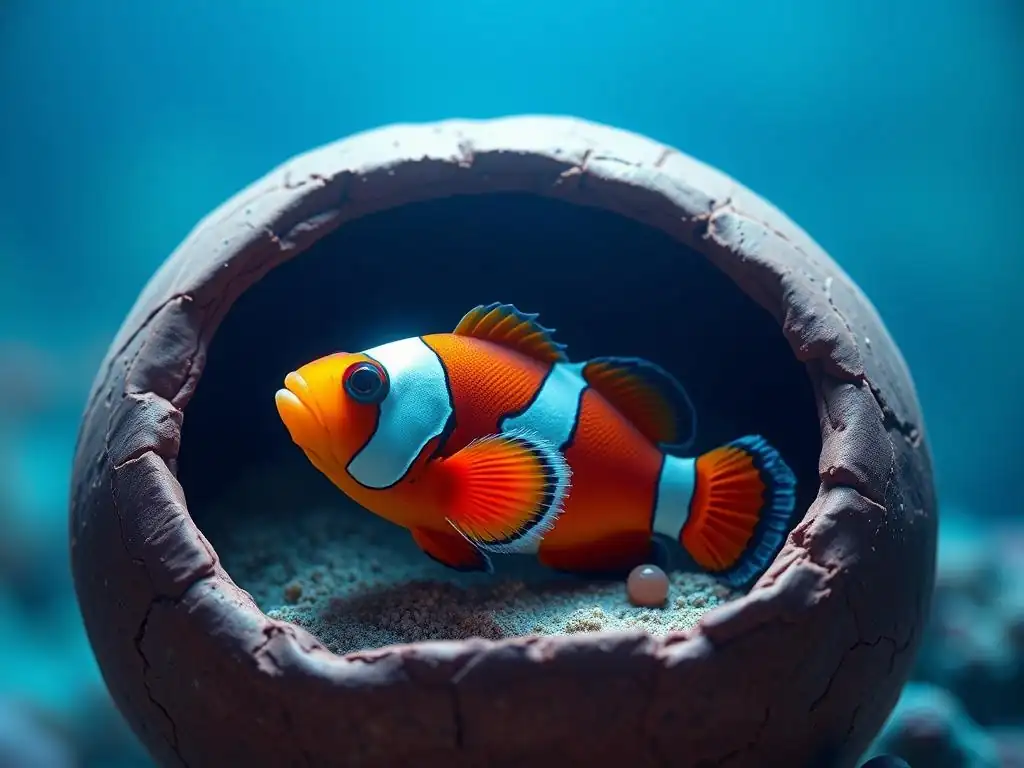
Identifying the Cause of Egg Infertility
Identifying the cause of egg infertility is a common saltwater fish breeding challenge that can frustrate even experienced aquarists. Infertility can stem from a variety of factors. Poor broodstock conditioning due to an inadequate or unbalanced diet is a frequent culprit, as nutrient deficiencies can impair gonad development and gamete quality. Incorrect or unstable water parameters, particularly fluctuations in salinity, pH, or temperature, can stress breeding fish and inhibit successful fertilization. Lack of suitable spawning sites or an inappropriate social structure within the breeding group can also prevent successful egg deposition and fertilization.
To troubleshoot infertility, a multi-faceted approach is necessary. First, meticulously examine the eggs under a microscope; cloudy or opaque eggs often indicate infertility, while clear eggs with visible cell division suggest successful fertilization. Second, rigorously test all water parameters and ensure they are stable and within optimal ranges for the species.
Third, review the broodstock diet to ensure it is varied, nutrient-rich, and includes live or highly fortified frozen foods. Sometimes, simply adjusting the photoperiod to mimic seasonal changes or providing a new type of spawning substrate can trigger successful spawning and fertilization. Stress, from aggression to environmental instability, must also be minimized.
Addressing Larval Mortality Issues
Addressing high larval mortality issues is perhaps the most pervasive saltwater fish breeding challenge in marine aquaculture. The causes are often multifactorial, with starvation being the most common culprit due to insufficient quantity, incorrect size, or inadequate nutritional enrichment of live foods. Other significant factors include poor water quality (high ammonia, nitrite, or nitrate), bacterial infections, ciliate infestations (e.g., Brooklynella), and an unsuitable rearing tank setup (e.g., excessive water flow, larvae trapped in corners).
To mitigate larval mortality, a systematic approach is essential. First, re-evaluate the feeding protocol: ensure that live food (rotifers, Artemia, copepods) is available continuously in sufficient density, is correctly sized for the larvae's gape, and is properly enriched with HUFAs. Second, maintain pristine water quality through frequent, small water changes (e.g., 10-25% daily) and diligent siphoning of detritus.
Third, use a microscope to periodically examine larvae and water samples for signs of bacterial overgrowth or parasitic infestations, addressing them cautiously if identified. Finally, optimize the rearing tank setup, ensuring gentle aeration and flow that prevents larvae from being swept around or trapped, which can cause exhaustion and death. For instance, if larvae exhibit shrunken bellies, it is a clear indication of starvation, even if food is present.
Preventing and Treating Diseases in Breeding Saltwater Fish
Preventing and treating diseases in breeding saltwater fish is a critical aspect of overcoming saltwater fish breeding challenges, as disease outbreaks can decimate entire breeding colonies and batches of larvae. The cornerstone of disease prevention is maintaining optimal conditions: excellent water quality, a highly nutritious and varied diet for broodstock, and minimizing stress factors such as aggression or unstable environments. Implementing a strict quarantine protocol for all new fish before introduction to the breeding system is also paramount to prevent pathogen introduction.
If disease does occur, treatment requires extreme caution, especially for adult breeding fish, as many medications can negatively impact reproductive health or egg/sperm viability. For larvae, treatment options are even more limited due to their extreme sensitivity to chemicals. The focus should be on accurate diagnosis; using a microscope to examine skin scrapes, gill biopsies, or even dead larvae can help identify the pathogen (e.g., bacteria, parasites).
Targeted treatments, if absolutely necessary, should be used at the lowest effective concentrations and with careful monitoring. For example, a common bacterial issue like fin rot in adults can be managed with pristine water and, if severe, a carefully administered broad-spectrum antibiotic, but this might temporarily affect spawning frequency.
The Future of Saltwater Fish Breeding: Sustainability and Conservation
Reducing Reliance on Wild-Caught Saltwater Fish
Reducing reliance on wild-caught saltwater fish is a driving force behind overcoming saltwater fish breeding challenges and a key objective for the future of the aquarium hobby. The marine ornamental trade has historically depended heavily on wild collection, which, if unregulated or employing destructive methods, can lead to unsustainable harvesting practices and significant damage to natural coral reef ecosystems. Over-collection of popular species, such as certain tangs, angelfish, and some wrasses, raises significant conservation concerns.
Increased captive breeding efforts directly alleviate pressure on wild populations. Every successfully bred and reared marine fish means one less animal taken from the ocean. This shift towards aquaculture provides a more sustainable and ethical source for the hobby.
Organizations and initiatives, such as the Marine Ornamentals Trade (MOT) project and various public aquariums, actively promote and research captive breeding to expand the range of commercially available aquacultured species. A notable success story is the Ocellaris Clownfish, where it's estimated that over 90% of clownfish sold in the aquarium trade are now captive-bred, demonstrating the significant positive impact of dedicated breeding efforts.
Contributing to Coral Reef Conservation Through Captive Breeding
Captive breeding directly contributes to coral reef conservation, serving as a powerful tool in overcoming saltwater fish breeding challenges with a broader ecological impact. By providing a sustainable source of fish, captive breeding reduces the demand for wild collection, particularly eliminating the need for destructive fishing practices like cyanide fishing, which severely damages coral reefs and indiscriminately kills non-target organisms. This helps to preserve the structural integrity and biodiversity of these vital marine ecosystems.
Beyond reducing collection pressure, research into breeding difficult species often yields invaluable insights into their natural biology, reproductive cues, and early life stages. This knowledge can then be applied to broader conservation efforts, informing strategies for protecting wild populations and their habitats.
For instance, understanding the specific environmental triggers for spawning in a challenging species like the Blue Tang ( Paracanthurus hepatus) in captivity could provide crucial information for protecting its spawning aggregations and critical nursery habitats in the wild. Captive breeding programs also serve as a genetic safeguard, preserving genetic diversity for species that might face habitat loss or population decline due to climate change or pollution.
Advancements in Saltwater Fish Breeding Technology
Advancements in saltwater fish breeding technology are continuously pushing the boundaries of what's possible, promising to overcome even the most formidable saltwater fish breeding challenges. Innovations in automation are revolutionizing live food culture, with automated rotifer and copepod feeders, and continuous culture systems reducing the labor intensity and increasing the consistency of these vital food sources. Genetic sequencing is increasingly used for broodstock selection, allowing breeders to identify genetically diverse individuals and select for desirable traits like disease resistance or faster growth rates, enhancing the overall health and productivity of breeding lines.
Looking ahead, the future holds even greater promise. Research into gene editing technologies aims to develop fish with enhanced disease resistance or optimized growth, further improving aquaculture efficiency. Advanced recirculating aquaculture systems (RAS) are making large-scale marine fish breeding more energy-efficient and environmentally friendly by minimizing water usage and waste discharge.
Refined hormone induction protocols are also under development, which could make spawning a wider range of currently "impossible" species viable. These technological leaps are not only making the hobby more sustainable but are also contributing to a deeper scientific understanding of marine life, benefiting both aquarists and global conservation efforts.
Frequently Asked Questions
What are some of the most significant saltwater fish breeding challenges that aquarists face?
One of the biggest hurdles is replicating the complex natural environment required for spawning. This includes specific water parameters, lighting, and diet. Another challenge is raising the delicate larvae, which often require specialized food and conditions.
Why is breeding saltwater fish considered more difficult than breeding freshwater fish?
Saltwater fish often have more complex life cycles and require very specific conditions to trigger spawning. Additionally, saltwater larvae are generally much smaller and more sensitive than freshwater larvae, making them harder to feed and maintain. Water chemistry is also more critical and less forgiving.
What role does water chemistry play in the successful breeding of saltwater fish?
Maintaining the correct water parameters, such as salinity, pH, and temperature, is crucial for spawning and larval survival. Even slight deviations can prevent breeding or lead to high mortality rates among the fry. Achieving and maintaining stability is key.
What types of specialized food are often needed to successfully raise saltwater fish larvae?
Saltwater fish larvae often require live foods like rotifers, copepods, and newly hatched brine shrimp. These microscopic organisms provide the necessary nutrients and are small enough for the tiny larvae to consume. Enrichment of the live food is also important.
What are some common troubleshooting steps for aquarists struggling with saltwater fish breeding?
First, double-check and stabilize your water parameters to ensure they are within the ideal range for the species. Second, research the specific dietary needs of the larvae and ensure you are providing appropriate live food. Finally, consider the environmental factors such as lighting and flow.
Final Reflection: The Enduring Allure of the Uncharted Reef
The journey into saltwater fish breeding challenges is far more than a technical pursuit; it's a testament to human ingenuity and our unwavering desire to understand and preserve the delicate ecosystems of our planet. As we've explored the complexities of replicating the ocean's magic within the confines of an aquarium, the relevance of this endeavor to conservation efforts and sustainable practices becomes undeniably clear. The knowledge gained from overcoming these "impossible" breeding challenges directly contributes to reducing the pressure on wild populations and fostering a deeper appreciation for marine biodiversity.
This pursuit of aquarium mastery has profoundly shaped, and continues to shape, our understanding of marine life. The dedication and perseverance required to unlock the secrets of these species resonate deeply with the human spirit, reminding us that even the most daunting obstacles can be overcome with passion and meticulous effort. In the end, we will conserve only what we love; we will love only what we understand; and we will understand only what we are taught.
- Baba Dioum. This quote perfectly encapsulates the driving force behind our efforts: to understand, to love, and ultimately, to conserve the wonders of the saltwater world.
Now, as you reflect on the challenges and triumphs discussed, consider how you can contribute to this ongoing story. Whether you're a seasoned aquarist, a budding marine biologist, or simply a curious observer, the lessons learned from overcoming saltwater fish breeding challenges extend far beyond the aquarium walls. Embrace the spirit of innovation, nurture your curiosity, and strive to be a steward of our oceans. The future of our reefs depends on our collective commitment to understanding and protecting these fragile ecosystems, one carefully bred fish at a time.
Ignite Your Breeding Breakthrough!
Thank you for diving deep into the challenges of breeding "impossible" saltwater species. We hope this article has given you valuable insights and practical knowledge to elevate your aquarium skills. Now, let's put that knowledge into action!
Here are a few ways to take your aquarium journey further:
- Start small: Begin by focusing on breeding one "challenging" species that particularly resonates with you, using the techniques discussed.
- Share your experiences! Connect with fellow aquarists on forums or social media, detailing your successes and setbacks. Your insights could inspire others.
- Dive deeper by experimenting with less conventional breeding methods, like manipulating water parameters in innovative ways.
What's one unconventional breeding technique you're now inspired to try in your own aquarium?