
Butterflyfish & Angelfish: A Risky Romance or Perfect Pairing?

Welcome to Aquarium Mastery!
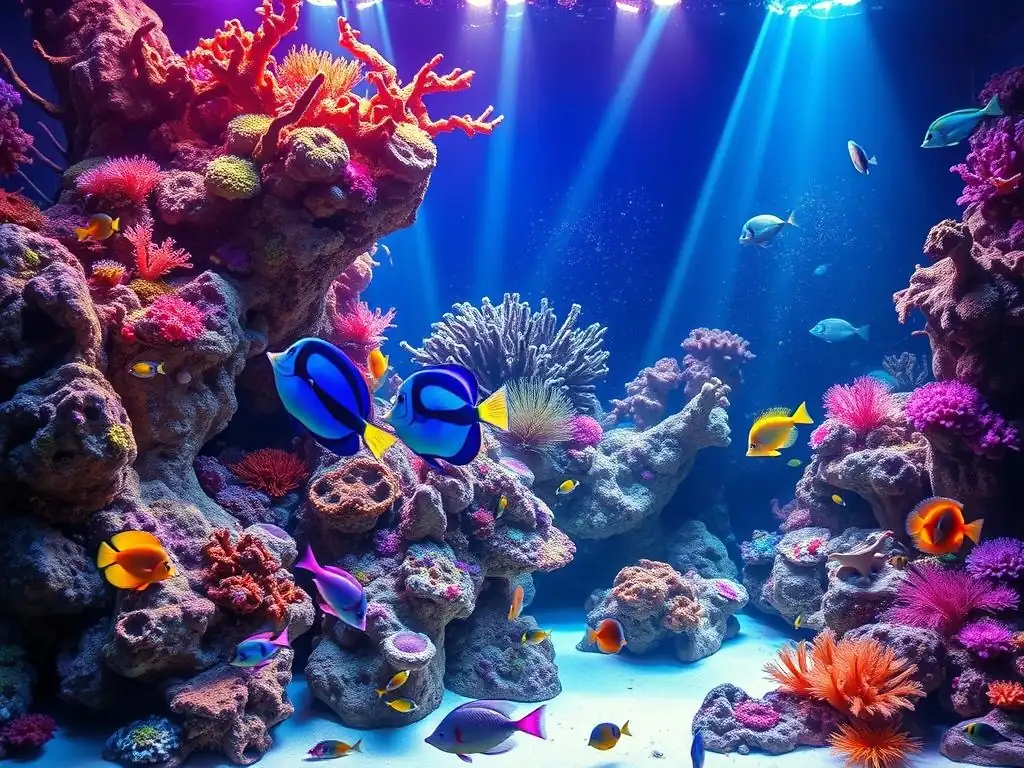
Ever wondered if the vibrant beauty of a butterflyfish could peacefully coexist with the majestic grace of an angelfish in your saltwater aquarium? It's a question many aquarists ponder. Dive into our latest article, "Butterflyfish & Angelfish: A Risky Romance or Perfect Pairing? ", where we explore the nuances of their compatibility. Discover the secrets to creating a harmonious underwater world, or learn why these captivating species might be better off in separate tanks. Let's unlock the mysteries together!
- Understanding Butterflyfish and Angelfish for Saltwater Aquariums
- Assessing Butterflyfish and Angelfish Compatibility in a Reef Environment
- Potential Challenges of Keeping Butterflyfish and Angelfish Together
- Choosing Compatible Butterflyfish and Angelfish Species
- Setting Up a Tank for Butterflyfish and Angelfish
- Feeding Strategies for Butterflyfish and Angelfish in a Shared Aquarium
- Monitoring Butterflyfish and Angelfish Health and Behavior
- Success Stories and Real-World Examples of Butterflyfish and Angelfish Communities
- Alternative Tank Mates for Butterflyfish and Angelfish
- Conclusion: Is Butterflyfish and Angelfish Compatibility Achievable?
-
Frequently Asked Questions
- How compatible are butterflyfish and angelfish in a saltwater aquarium?
- What are the main factors to consider when housing butterflyfish and angelfish together?
- Which butterflyfish and angelfish species are generally considered more compatible?
- What are the potential risks of keeping butterflyfish and angelfish together?
- How can I increase the chances of successful coexistence between butterflyfish and angelfish?
- Final Reflection: The Delicate Dance of Compatibility
- Unveil the Secrets of a Thriving Reef!
Understanding Butterflyfish and Angelfish for Saltwater Aquariums
Exploring the Popularity of Butterflyfish and Angelfish in Reef Tanks
Butterflyfish and angelfish stand out as two of the most sought-after and visually stunning inhabitants for saltwater aquariums, captivating aquarists with their vibrant colors, intricate patterns, and graceful swimming motions. Their immense popularity stems from their diverse species, ranging from the delicate Copperband Butterflyfish ( Chelmon rostratus) with its distinctive long snout to the majestic Emperor Angelfish ( Pomacanthus imperator) adorned with striking blue and yellow markings.
Many hobbyists aspire to create a mixed reef environment where these beauties can coexist, often leading to inquiries about butterflyfish and angelfish compatibility. The allure of a tank teeming with these active and charismatic fish drives significant interest in understanding their specific care needs and social dynamics.
The appeal of these fish extends beyond their aesthetics; many species exhibit fascinating behaviors, adding dynamic engagement to a home aquarium. For instance, some butterflyfish are known for their diligent pest control, such as the Aiptasia-eating abilities of the Copperband, though the butterflyfish itself might nip at corals if underfed. Angelfish, on the other hand, can become quite personable, recognizing their owners and displaying unique personalities.
The challenge and reward of successfully maintaining these species together, navigating the nuances of butterflyfish and angelfish compatibility, contribute significantly to their continued demand in the marine aquarium trade. Aquarists often invest considerable time and resources to provide an optimal environment for these iconic reef dwellers.
Butterflyfish and Angelfish: Key Differences in Care Requirements
While both butterflyfish and angelfish are captivating saltwater species, their care requirements present distinct challenges that significantly impact butterflyfish and angelfish compatibility. Butterflyfish, particularly those from the genus Chaetodon, are often specialized feeders, with many species being obligate corallivores or microfauna grazers. For example, the Ornate Butterflyfish ( Chaetodon ornatissimus) primarily feeds on stony corals in the wild, making its dietary needs difficult to replicate in a home aquarium.
Conversely, angelfish, while diverse, are generally more omnivorous, consuming a mix of algae, sponges, and various meaty foods. Species like the Flame Angelfish ( Centropyge loriculus) thrive on a varied diet of spirulina, mysis shrimp, and high-quality pellets, making them more adaptable to captive feeding regimens. This fundamental difference in feeding habits is a primary consideration when assessing their cohabitation.
Beyond diet, subtle differences in environmental preferences and temperament also play a role. Many butterflyfish species can be quite sensitive to water quality fluctuations and require pristine conditions, often needing stable temperatures around 76-82°F (24-28°C) and specific gravity of 1.023-1.026. Angelfish, while also demanding excellent water quality, some larger species can be more robust once established, though smaller dwarf angelfish share similar sensitivities.
Furthermore, their typical swimming patterns and need for space differ; some butterflyfish are constant grazers, needing ample open swimming areas, while many angelfish appreciate more rockwork for hiding and patrolling territories. Understanding these nuances is crucial for ensuring successful butterflyfish and angelfish compatibility and preventing stress-related health issues in a shared environment.
Assessing Butterflyfish and Angelfish Compatibility in a Reef Environment
Factors Influencing Butterflyfish and Angelfish Interactions
Several critical factors dictate the likelihood of successful butterflyfish and angelfish compatibility within a shared reef environment, extending beyond just species selection. Tank size is paramount; an undersized aquarium inevitably leads to heightened aggression and stress due to limited territory. For instance, while a 75-gallon tank might house a single dwarf angelfish, introducing a butterflyfish would ideally require a tank of 125 gallons or more to provide adequate space for both species to establish territories and avoid constant confrontation.
The amount and arrangement of live rock also play a significant role, offering crucial hiding spots and visual breaks that help mitigate aggressive encounters. A well-scaped tank with multiple caves and crevices can allow subordinate fish to escape dominant ones, reducing overall stress levels.
Furthermore, the order of introduction of new fish can greatly influence their interactions. Introducing less aggressive or smaller species first, allowing them to establish themselves before adding more dominant or larger specimens, often leads to a smoother integration process. For example, if adding a Regal Angelfish ( Pygoplites diacanthus) and a Copperband Butterflyfish ( Chelmon rostratus), it might be beneficial to introduce the butterflyfish first, as it is generally more peaceful.
Water parameters and feeding schedules also subtly influence behavior; consistent, high-quality water and regular, adequate feeding reduce competition and stress, which can otherwise trigger aggression. Successfully managing these environmental and procedural factors is just as vital as selecting appropriate species when aiming for lasting butterflyfish and angelfish compatibility.
Butterflyfish Temperament: Understanding Aggression Levels
The temperament of butterflyfish varies considerably across species, impacting their potential for butterflyfish and angelfish compatibility. Many butterflyfish are generally peaceful and shy, especially when first introduced to a new environment. Species like the Copperband Butterflyfish ( Chelmon rostratus) are often considered reef-safe with caution, primarily focusing on small invertebrates and parasites, and rarely displaying aggression towards other fish.
However, some butterflyfish, particularly those that are obligate corallivores in the wild, can become territorial, especially if their specific dietary needs are not met or if they perceive competition for food resources. For example, certain Chaetodon species, while beautiful, can become problematic in a mixed reef if they start nipping at corals due to hunger or natural instinct.
Aggression in butterflyfish is typically expressed through fin-nipping, chasing, or displaying, rather than direct physical harm. This behavior is often a response to perceived threats to their territory or food supply. For instance, in a tank smaller than 100 gallons, a Longnose Butterflyfish ( Forcipiger flavissimus) might become territorial towards similar-sized, peaceful tank mates, even if food is abundant.
When assessing butterflyfish and angelfish compatibility, it's crucial to research the specific butterflyfish species' adult size, natural diet, and known temperament traits. While some species are excellent community fish, others are best kept in species-specific tanks or very large aquariums where their territorial instincts can be managed without causing undue stress to tank mates.
Angelfish exhibit a wide spectrum of temperaments, ranging from relatively peaceful dwarf angels to highly aggressive large angels, a factor that profoundly influences butterflyfish and angelfish compatibility. Dwarf angelfish from the genus Centropyge, such as the Flame Angelfish ( Centropyge loriculus) or Coral Beauty Angelfish ( Centropyge bispinosa), are generally less aggressive and can be good candidates for community tanks, though they may display territoriality towards conspecifics or fish of similar body shape.
These smaller angels typically grow to 3-4 inches and primarily show aggression through chasing or posturing rather than direct physical harm, especially in tanks 70 gallons or larger with ample hiding spots.
Conversely, larger angelfish species from genera like Pomacanthus or Holacanthus are often significantly more territorial and can be highly aggressive, particularly as they mature. An Emperor Angelfish ( Pomacanthus imperator), which can reach up to 15 inches, or a Queen Angelfish ( Holacanthus ciliaris), known for its assertive nature, will often dominate a tank and may harass or even injure other fish, including butterflyfish, if space is limited or if they perceive competition.
These larger angels require vast aquariums, often 180 gallons or more, to mitigate their territorial instincts. Understanding the specific angelfish species' adult size and their known propensity for aggression is paramount when considering butterflyfish and angelfish compatibility, as a mismatch in temperament can lead to chronic stress and even fatalities in the aquarium.
Potential Challenges of Keeping Butterflyfish and Angelfish Together
Territory Disputes: Minimizing Aggression in a Confined Space
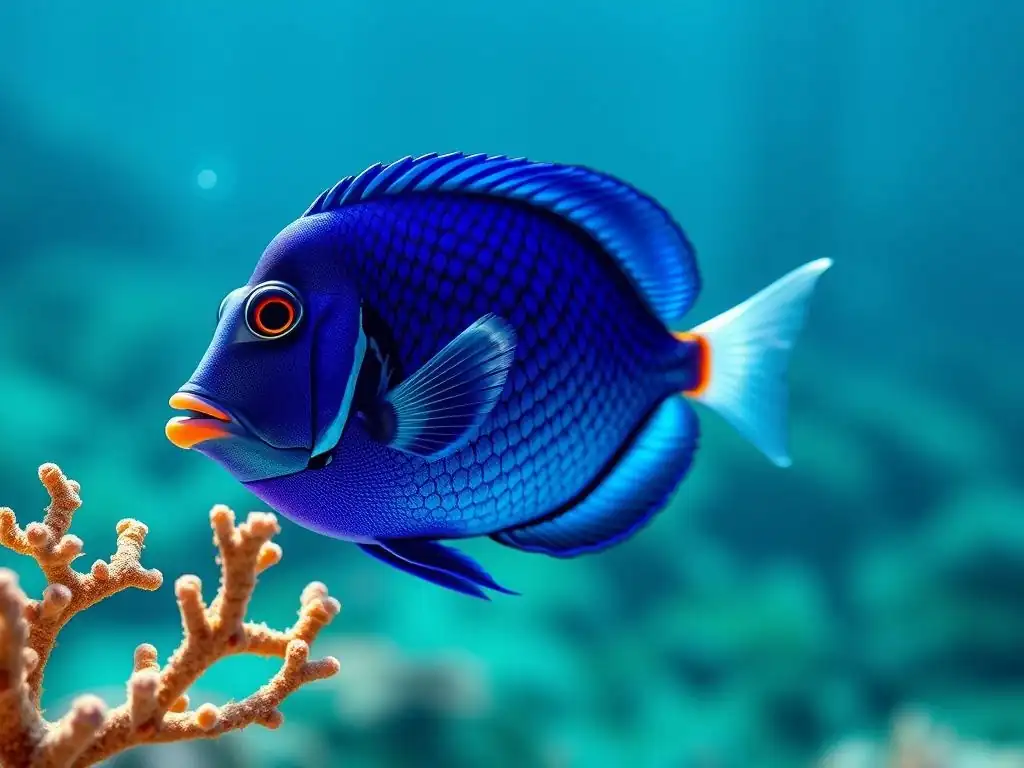
Territory disputes represent one of the most significant hurdles to achieving successful butterflyfish and angelfish compatibility, especially in the confines of a home aquarium. Both butterflyfish and angelfish, to varying degrees, establish and defend territories, particularly around favored hiding spots or feeding areas.
When multiple territorial species are housed in a tank that is too small, or lacks sufficient visual barriers, constant skirmishes can erupt. For example, a majestic French Angelfish ( Pomacanthus paru) in a 100-gallon tank might relentlessly harass a smaller, more placid Copperband Butterflyfish ( Chelmon rostratus), preventing it from feeding or resting, leading to chronic stress and susceptibility to disease.
To mitigate these disputes, careful tank design and ample space are crucial. A minimum tank size of 125-180 gallons is often recommended for a mixed community of moderately sized butterflyfish and angelfish, allowing each fish to establish its own zone without constant overlap. Incorporating a substantial amount of live rock, arranged to create multiple caves, overhangs, and swim-throughs, effectively breaks up sightlines and provides numerous hiding places.
This architectural complexity helps diffuse aggression by giving less dominant fish opportunities to retreat and feel secure. Furthermore, introducing all fish simultaneously or introducing the most peaceful fish first, allowing them to acclimate before adding potentially more aggressive species, can help establish a more balanced social hierarchy, thereby improving butterflyfish and angelfish compatibility.
Dietary Needs: Ensuring Both Species Receive Adequate Nutrition
Ensuring both butterflyfish and angelfish receive adequate and appropriate nutrition simultaneously poses another substantial challenge to their compatibility. As previously noted, many butterflyfish are specialized feeders, with some species, like the Pyramid Butterflyfish ( Hemitaurichthys polylepis), primarily consuming zooplankton, while others, such as the Ornate Butterflyfish ( Chaetodon ornatissimus), may primarily graze on stony corals. Replicating these specific diets in captivity is demanding.
Angelfish, while generally more omnivorous, also have diverse dietary requirements, often needing a diet rich in spirulina, marine algae, and various meaty foods like mysis shrimp or brine shrimp. The Emperor Angelfish, for instance, thrives on a varied diet that includes sponges and tunicates in the wild.
The core issue arises when these differing dietary needs lead to competition, especially if one species is a faster or more aggressive feeder. A robust angelfish might outcompete a more delicate butterflyfish for food, leading to malnutrition for the latter. To overcome this, a varied feeding strategy is essential.
This could involve offering different types of food (e.g., small, sinking pellets for bottom grazers, and flake food for mid-water feeders) at different locations in the tank or even at different times if necessary. Targeted feeding with a pipette for shyer butterflyfish ensures they receive enough sustenance. Providing multiple feeding stations or broadcasting food widely can help ensure that both species get their share, thereby supporting their health and improving overall butterflyfish and angelfish compatibility.
Water Parameters: Maintaining Optimal Conditions for Both Fish
Maintaining optimal and stable water parameters is fundamental for the health of any saltwater aquarium, and becomes particularly critical when striving for butterflyfish and angelfish compatibility. While both species generally thrive in typical reef tank conditions, their individual sensitivities can vary. Both require stable salinity (1.023-1.026 specific gravity), temperatures between 76-82°F (24-28°C), and low levels of nitrates, nitrites, and ammonia. However, some delicate butterflyfish species, such as the Raccoon Butterflyfish ( Chaetodon lunula), can be more susceptible to fluctuations in water quality or elevated nutrient levels, showing signs of stress or disease more readily than some hardier angelfish.
The challenge lies in ensuring that the chosen water parameters are not just within acceptable ranges, but are consistently optimal for both species, minimizing any potential stressors that could lead to weakened immune systems or increased aggression. Regular water changes (e.g., 10-20% weekly or bi-weekly depending on bioload), robust filtration systems (sumps, protein skimmers, refugiums), and careful monitoring of parameters with reliable test kits are indispensable.
For instance, maintaining alkalinity at 8-12 dKH and calcium levels at 400-450 ppm, while crucial for coral health, also contributes to a stable environment that reduces stress for fish. Ensuring pristine and stable water conditions is a non-negotiable aspect of successful butterflyfish and angelfish compatibility, as poor water quality can quickly lead to health deterioration and behavioral problems in either or both species.
Choosing Compatible Butterflyfish and Angelfish Species
Recommended Butterflyfish Species for Community Reef Tanks
When aiming for successful butterflyfish and angelfish compatibility, selecting the right butterflyfish species is paramount, as their temperament and dietary habits vary widely. Several butterflyfish are generally considered more suitable for community reef tanks due to their relatively peaceful nature and adaptable diets.
The Copperband Butterflyfish ( Chelmon rostratus) is a popular choice, known for its distinctive long snout and its potential to consume nuisance Aiptasia anemones, making it a functional as well as beautiful addition. This species typically grows to about 8 inches and is largely peaceful towards other fish, though it can be shy and requires a consistent diet of varied meaty foods.
Another good candidate is the Pyramid Butterflyfish ( Hemitaurichthys polylepis), which is generally considered reef-safe and thrives on a zooplankton-rich diet, making it less likely to nip at corals. It reaches about 7 inches and is known for its schooling behavior in the wild, suggesting a more peaceful disposition in a sufficiently large tank (100+ gallons).
Similarly, the Raccoon Butterflyfish ( Chaetodon lunula) can be a good choice, growing to about 8 inches, but requires a very varied diet and careful monitoring as it might occasionally nip at corals if underfed. Focusing on these more docile and adaptable butterflyfish species significantly increases the chances of achieving harmonious butterflyfish and angelfish compatibility within a community setting.
For those seeking to achieve butterflyfish and angelfish compatibility, certain angelfish species are far better suited for a community reef environment than others. Dwarf angelfish from the Centropyge genus are often the top recommendation due to their smaller size (typically 3-5 inches) and generally less aggressive nature. The Flame Angelfish ( Centropyge loriculus) is a perennial favorite, known for its stunning red and orange coloration and relatively peaceful disposition, though it can be territorial towards similar-looking fish or conspecifics. It thrives in tanks 70 gallons or larger with plenty of rockwork.
The Coral Beauty Angelfish ( Centropyge bispinosa) is another excellent choice, reaching about 4 inches, and is known for its hardiness and vibrant purple and orange hues. Both the Flame and Coral Beauty are omnivores, readily accepting a variety of prepared foods, which simplifies feeding in a mixed tank.
Additionally, the Lemonpeel Angelfish ( Centropyge flavissima), while sometimes more prone to nipping corals, can be a good fit in larger, well-fed tanks. By opting for these smaller, more manageable angelfish species, aquarists can significantly enhance the likelihood of successful butterflyfish and angelfish compatibility without introducing an overly dominant or destructive presence.
Butterflyfish and Angelfish to Avoid Keeping Together
While the pursuit of butterflyfish and angelfish compatibility is noble, certain species combinations are almost guaranteed to lead to conflict and should be avoided. Among butterflyfish, those known to be obligate corallivores or highly territorial should generally be excluded from mixed reef tanks, especially with angelfish.
For instance, the Ornate Butterflyfish ( Chaetodon ornatissimus) or the Teardrop Butterflyfish ( Chaetodon unimaculatus) are primarily coral eaters in the wild and will relentlessly nip at and destroy corals, making them unsuitable for most reef setups, let alone cohabitation with other large fish. Similarly, highly aggressive species like the Bannerfish ( Heniochus acuminatus), while beautiful, can sometimes become too boisterous for a peaceful community.
Regarding angelfish, most large angelfish from the Pomacanthus and Holacanthus genera pose significant risks to butterflyfish and angelfish compatibility. Species such as the Emperor Angelfish ( Pomacanthus imperator), Queen Angelfish ( Holacanthus ciliaris), or French Angelfish ( Pomacanthus paru) are known for their territoriality, large adult sizes (up to 18 inches), and potential for extreme aggression towards other fish, especially those of similar shape or size. These large angelfish can easily dominate a tank, outcompete, harass, or even injure smaller or more peaceful butterflyfish.
Their dietary habits also often include coral polyps or sponges, making them a threat to reef invertebrates. Therefore, for the sake of tank harmony and the well-being of all inhabitants, it is strongly advised to avoid combining these larger, more assertive angelfish with most butterflyfish species.
Setting Up a Tank for Butterflyfish and Angelfish
Tank Size Considerations for Multiple Fish
The initial and most critical decision when setting up an aquarium for butterflyfish and angelfish compatibility is tank size. An adequately sized tank is not merely a recommendation; it is a fundamental requirement to mitigate aggression and provide sufficient space for both species to thrive. For a successful mixed community of moderately sized butterflyfish (e.g., Copperband) and dwarf angelfish (e.g., Flame Angelfish), a minimum tank volume of 125 gallons is generally considered a starting point.
This allows for sufficient swimming room and the establishment of distinct territories. Introducing larger or multiple specimens of either species would necessitate an even larger tank, potentially 180 gallons or more, to accommodate their adult sizes and reduce territorial disputes.
An undersized tank, such as a 75-gallon system, might temporarily house juvenile specimens, but it will inevitably lead to chronic stress, stunted growth, and heightened aggression as the fish mature. For instance, a 10-inch Emperor Angelfish and an 8-inch Raccoon Butterflyfish cannot coexist peacefully in anything less than a 200-gallon aquarium, if at all.
The additional volume dilutes waste products, provides more stable water parameters, and, most importantly, offers ample personal space, which is critical for maintaining peaceful butterflyfish and angelfish compatibility. Planning for the adult size of all intended inhabitants, rather than their juvenile size, is crucial for long-term success.
Creating a Balanced Ecosystem: Live Rock and Hiding Places
Beyond tank size, the strategic arrangement of live rock is paramount in creating a balanced ecosystem conducive to butterflyfish and angelfish compatibility. Live rock serves multiple purposes: it provides essential biological filtration, offers grazing surfaces, and, most importantly, creates the intricate network of caves, crevices, and overhangs that fish rely on for shelter and security. For a mixed tank, aim for a live rock density of approximately 1 to 1.5 pounds per gallon, ensuring ample structure without completely obstructing swimming lanes. This amount, for a 125-gallon tank, would be 125 to 187.5 pounds of live rock.
The arrangement should prioritize breaking up sightlines to prevent dominant fish from constantly seeing and harassing subordinate ones. Creating multiple distinct territories with clear visual barriers can significantly reduce stress and aggression. For example, building two or three large rock structures with various openings and tunnels, separated by open sand areas, allows each fish to claim its own "home base." This strategic aquascaping is vital for butterflyfish and angelfish compatibility, as it mimics the complex reef environments where these fish naturally find refuge and establish their individual spaces, allowing them to coexist with minimal conflict.
Filtration and Water Quality Management for a Mixed Reef
Robust filtration and diligent water quality management are non-negotiable pillars for successful butterflyfish and angelfish compatibility in a mixed reef aquarium. Both species are sensitive to fluctuating or poor water conditions, which can lead to stress, disease, and behavioral issues. A comprehensive filtration system should include mechanical filtration (filter socks/sponges for particulate removal), biological filtration (live rock, bio-media for ammonia/nitrite conversion), and chemical filtration (activated carbon, GFO for organics/phosphates).
A high-quality protein skimmer is particularly vital for saltwater tanks, effectively removing dissolved organic compounds before they break down into harmful nitrates. For a 125-gallon tank, a protein skimmer rated for 150-200 gallons is a good starting point.
Maintaining stable parameters is equally important. Regular water testing for ammonia (0 ppm), nitrite (0 ppm), nitrate (<10-20 ppm), salinity (1.023-1.026), temperature (76-82°F / 24-28°C), pH (8.1-8.4), alkalinity (8-12 dKH), and calcium (400-450 ppm) is essential. Consistent weekly or bi-weekly water changes, typically 10-20% of the tank volume, replenish trace elements and remove accumulated nitrates. For instance, a 15% weekly water change on a 125-gallon tank means replacing 18.75 gallons of saltwater. Proactive water quality management minimizes environmental stress, promoting robust health and reducing the likelihood of aggression, thus directly supporting long-term butterflyfish and angelfish compatibility.
Varied Diet: Meeting the Nutritional Needs of Both Species
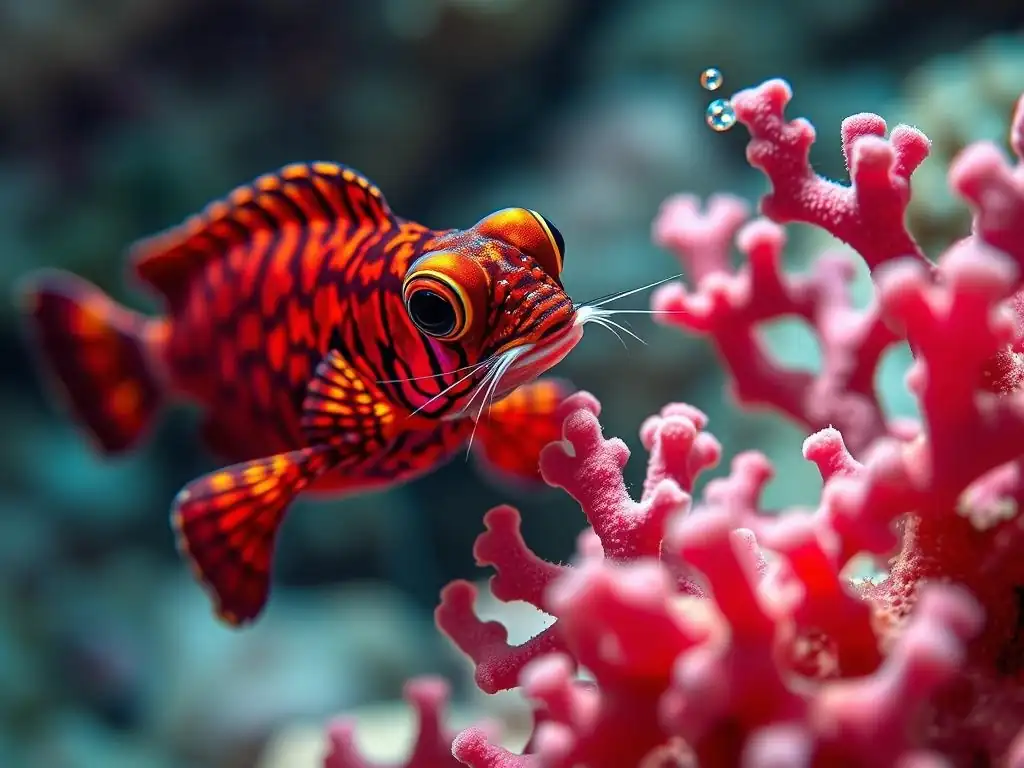
A comprehensive and varied diet is absolutely crucial for maintaining the health and vibrancy of both butterflyfish and angelfish, directly impacting their compatibility in a shared aquarium. As highlighted earlier, their natural diets can differ significantly. For instance, a Copperband Butterflyfish ( Chelmon rostratus) primarily feeds on small invertebrates and worms, while a Flame Angelfish ( Centropyge loriculus) consumes a mix of algae, sponges, and meaty foods. Therefore, relying on a single type of food will inevitably lead to nutritional deficiencies in one or both species.
To address this, aquarists should offer a diverse array of high-quality foods throughout the day. This includes nutrient-rich flake foods and pellets designed for marine omnivores, supplemented with various frozen foods such as mysis shrimp, brine shrimp, finely chopped krill, and spirulina-enriched preparations. For butterflyfish, specific attention should be paid to providing small, meaty foods, perhaps enriched with vitamins.
Some aquarists even culture live blackworms or copepods to tempt finicky butterflyfish. For angelfish, especially species known to graze on algae, offering marine algae sheets (nori) clipped to the tank glass provides essential roughage. A feeding schedule of 2-3 small meals per day, rather than one large one, can also help ensure all fish receive adequate nutrition, fostering better butterflyfish and angelfish compatibility by reducing hunger-driven stress.
Targeted Feeding: Ensuring Each Fish Gets Enough Food
Even with a varied diet, ensuring that more timid or slower-feeding butterflyfish receive sufficient nutrition alongside more boisterous angelfish can be a significant challenge to butterflyfish and angelfish compatibility. Aggressive feeders, often the angelfish, can quickly consume the majority of the food before shyer butterflyfish have a chance to eat. This can lead to malnutrition and weakening of the less assertive fish, making them more susceptible to disease.
To counteract this, targeted feeding techniques can be highly effective. One method involves using a long pipette or turkey baster to deliver food directly to the vicinity of the shyer butterflyfish. For example, small portions of frozen mysis shrimp can be squirted near a Copperband Butterflyfish hiding in the rockwork, allowing it to feed without immediate competition.
Another strategy is to feed the more aggressive fish first with a preferred food, then immediately offer a different type of food, or feed at a different location in the tank, for the more delicate species. For instance, feeding flake food at one end of the tank for the angelfish, then dropping sinking pellets near the butterflyfish's preferred spot. This dual-approach feeding strategy is vital for ensuring all inhabitants thrive and for maintaining harmonious butterflyfish and angelfish compatibility.
Preventing Food Competition Between Butterflyfish and Angelfish
Preventing direct food competition is a key component of successful butterflyfish and angelfish compatibility, as constant rivalry over food can quickly escalate into aggression and stress. Beyond targeted feeding, strategic distribution and timing of meals can make a significant difference. Instead of dumping all food in one spot, dispersing it widely across the water surface or throughout the tank encourages all fish to forage, reducing direct confrontations. For example, broadcasting flake food across the entire tank encourages the angelfish to spread out, allowing the butterflyfish to feed in less crowded areas.
Furthermore, offering multiple feeding opportunities throughout the day, perhaps 3-4 small meals instead of just one or two, ensures that even the slower eaters have a chance to consume enough food. This approach also keeps hunger levels down, reducing the intensity of competition. For instance, a morning feeding of pellets, a midday offering of frozen foods, and an evening sprinkle of nori can cater to different dietary needs and feeding styles.
Consistent feeding routines also help establish predictable behavior patterns. By proactively managing feeding dynamics, aquarists can significantly reduce stress, minimize aggressive interactions over food, and foster a more peaceful environment for butterflyfish and angelfish compatibility.
Monitoring Butterflyfish and Angelfish Health and Behavior
Identifying Signs of Stress or Aggression
Vigilant observation of both butterflyfish and angelfish behavior is crucial for early detection of stress or aggression, which can quickly undermine butterflyfish and angelfish compatibility. Signs of stress often include clamped fins, rapid breathing (gilling), loss of appetite, fading colors, and hiding excessively or constantly darting. A butterflyfish that normally grazes actively but suddenly remains hidden or refuses food is a clear indicator of distress. Similarly, an angelfish losing its vibrant coloration or developing faded patches could be experiencing undue stress from its environment or tank mates.
Aggression, on the other hand, manifests through specific behaviors such as constant chasing, fin-nipping, body slamming, or displaying (flaring gills and fins to appear larger). If a dominant angelfish consistently corners a butterflyfish, preventing it from accessing food or hiding spots, this indicates a severe compatibility issue.
Observing any physical injuries, like torn fins or body scrapes, is a direct sign of unresolved aggression. Daily, even multiple times a day, observation of their interactions, swimming patterns, and feeding habits allows aquarists to intervene promptly, adjusting tank conditions or considering rehoming, before chronic stress or injury compromises butterflyfish and angelfish compatibility.
Quarantine Procedures for New Additions
Implementing a strict quarantine procedure for all new fish, including butterflyfish and angelfish, is a non-negotiable practice that significantly impacts long-term butterflyfish and angelfish compatibility and overall tank health. Introducing a new fish directly into the main display tank without quarantine risks introducing various pathogens, such as Ich ( Cryptocaryon irritans), Marine Velvet ( Amyloodinium ocellatum), or bacterial infections, which can rapidly decimate an established, healthy population. Even seemingly healthy fish can be carriers of parasites or diseases.
A dedicated quarantine tank, typically 10-40 gallons depending on the size of the new fish, should be set up with basic filtration, a heater, and PVC pipes for hiding. New fish should be kept in this tank for a minimum of 4-6 weeks, during which they can be observed for signs of disease, treated if necessary, and conditioned to accept prepared foods. For instance, a new Copperband Butterflyfish might require several weeks to acclimate to frozen foods in quarantine before being introduced to the main tank.
This period also allows the fish to de-stress from transport. By preventing the introduction of diseases, quarantine protects the existing inhabitants, ensuring that any potential issues with butterflyfish and angelfish compatibility are behavioral rather than health-related.
Addressing Common Health Issues in Butterflyfish and Angelfish
Even in well-maintained aquariums, butterflyfish and angelfish can encounter common health issues, and prompt, accurate treatment is vital for their survival and the stability of butterflyfish and angelfish compatibility. White spot disease, commonly known as Ich, is one of the most prevalent parasitic infections, appearing as tiny white spots resembling salt grains on the fish's body and fins. Marine Velvet is another highly contagious and often fatal parasite, characterized by a dusty, yellowish-brown coating. Both require immediate and specific treatment, often involving copper-based medications in a separate hospital tank or hyposalinity.
Bacterial infections can manifest as fin rot, cloudy eyes, or ulcers, often stemming from poor water quality or stress. These typically require broad-spectrum antibiotics. Nutritional deficiencies, particularly common in specialized feeders like some butterflyfish, can lead to faded colors, emaciation, and weakened immune systems; this is addressed by ensuring a varied and appropriate diet.
For example, a Butterflyfish refusing to eat might benefit from live blackworms or enriched brine shrimp. Regular monitoring, quick diagnosis, and appropriate treatment, often in a dedicated hospital tank to avoid harming corals or invertebrates in the main display, are essential for restoring fish health and maintaining the delicate balance required for successful butterflyfish and angelfish compatibility.
Success Stories and Real-World Examples of Butterflyfish and Angelfish Communities
Examples of Thriving Butterflyfish and Angelfish Tank Setups
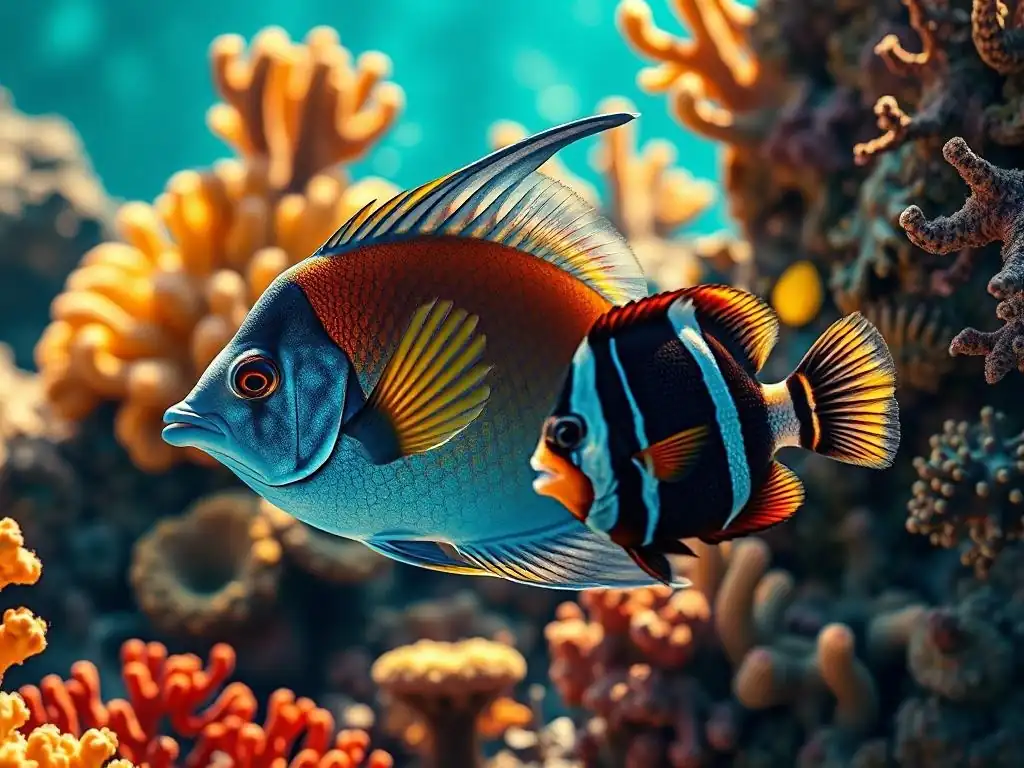
Despite the challenges, numerous aquarists have achieved remarkable success in creating harmonious butterflyfish and angelfish communities, demonstrating that butterflyfish and angelfish compatibility is indeed achievable with careful planning. One notable example often cited in the hobby involves a 250-gallon reef tank housing a pair of Pyramid Butterflyfish ( Hemitaurichthys polylepis) alongside a Majestic Angelfish ( Pomacanthus navarchus) and a Lemonpeel Angelfish ( Centropyge flavissima).
The tank was meticulously aquascaped with over 300 pounds of live rock, creating numerous caves and distinct territories, allowing all species ample space and hiding spots. Regular, small feedings multiple times a day ensured that the more delicate butterflyfish received sufficient nutrition without being outcompeted.
Another success story features a 180-gallon mixed reef with a healthy Copperband Butterflyfish ( Chelmon rostratus) coexisting peacefully with a Coral Beauty Angelfish ( Centropyge bispinosa) and a Flame Angelfish ( Centropyge loriculus). In this setup, the aquarist diligently targeted fed the Copperband with live blackworms and frozen mysis shrimp using a pipette, ensuring its dietary needs were met.
The angelfish were kept well-fed with a mix of spirulina flakes and various meaty foods, which minimized their interest in nipping at the butterflyfish or corals. These real-world examples underscore that careful species selection, generous tank size, strategic aquascaping, and dedicated feeding regimens are the cornerstones of successful butterflyfish and angelfish compatibility.
Expert Tips for Maintaining Harmony in a Mixed Reef Aquarium
Maintaining long-term harmony in a mixed reef aquarium featuring butterflyfish and angelfish compatibility requires ongoing vigilance and adherence to expert recommendations. Firstly, over-filtering the tank is almost always beneficial. This means utilizing a robust protein skimmer rated for a tank significantly larger than your actual volume (e.g., a 250-gallon rated skimmer for a 150-gallon tank), along with ample live rock and a refugium, to ensure pristine water quality. Stable parameters (e.g., specific gravity of 1.025, temperature 78°F) reduce stress, which is a primary driver of aggression and disease.
Secondly, consistent and varied feeding, as discussed, is paramount. Never allow fish to become overly hungry, as this exacerbates competition. Offering a mix of high-quality pellets, flakes, and diverse frozen foods (e.g., mysis, brine, spirulina, enriched preparations) ensures nutritional completeness and satiety. Thirdly, observe fish behavior daily for subtle signs of stress or aggression, such as clamped fins, rapid breathing, or constant chasing.
Early intervention, whether it's rearranging rockwork, adjusting feeding, or even temporary separation, can prevent minor issues from escalating. Lastly, avoid overcrowding; while tempting to add "just one more fish," exceeding the tank's capacity for space and bioload will inevitably lead to conflict and breakdown of butterflyfish and angelfish compatibility. These proactive measures are key to a thriving, peaceful mixed reef.
Alternative Tank Mates for Butterflyfish and Angelfish
Suitable Tank Mates to Create a Community Reef Tank
For aquarists striving for butterflyfish and angelfish compatibility, selecting additional tank mates that complement their specific needs and temperaments is crucial for a harmonious community reef tank. Peaceful, non-aggressive species that occupy different ecological niches are ideal. For instance, various species of Clownfish ( Amphiprion spp.), such as the Ocellaris Clownfish ( Amphiprion ocellaris), are excellent choices. They are generally hardy, stay relatively small (3-4 inches), and are largely indifferent to angelfish and butterflyfish, often hosting in anemones or specific corals.
Similarly, Gobies and Blennies are often highly compatible. A Diamond Watchman Goby ( Valenciennea puellaris) can help sift the sand bed, while a Lawnmower Blenny ( Salarias fasciatus) is a fantastic algae grazer, both occupying different areas of the tank and posing no threat.
Peaceful Dottybacks like the Orchid Dottyback ( Pseudochromis fridmani) also make good additions, as do many Damselfish species, provided they are not overly aggressive (e.g., Yellowtail Damselfish, Chrysiptera parasema). These species typically range from 2-5 inches and thrive on similar diets, making them excellent choices to enhance the diversity and stability of a mixed reef while supporting butterflyfish and angelfish compatibility.
Fish to Avoid When Keeping Butterflyfish and Angelfish
While building a vibrant community, it is equally important to know which fish to avoid when aiming for optimal butterflyfish and angelfish compatibility, as certain species can pose significant threats. Highly aggressive or predatory fish are unsuitable. This includes large Groupers or Lionfish ( Pterois spp.), which will view smaller butterflyfish and angelfish as potential prey. Even seemingly innocuous species like some Triggers ( Balistidae family), such as the Clown Triggerfish ( Balistoides conspicillum), are notorious for their aggression, fin-nipping, and ability to rearrange rockwork, making them a menace to almost any tank mate.
Furthermore, avoid adding multiple species of large angelfish or butterflyfish in tanks under 200-300 gallons, as this significantly increases territorial aggression. For example, trying to keep an Emperor Angelfish with a Queen Angelfish in a 180-gallon tank is highly likely to result in fatal aggression, let alone adding butterflyfish to the mix. Very fast or hyperactive fish like some Surgeonfish or Tangs can also outcompete shyer butterflyfish for food, leading to malnutrition. By steering clear of these problematic species, aquarists can prevent unnecessary stress, injury, and loss of fish, thereby maximizing the chances of successful butterflyfish and angelfish compatibility.
Conclusion: Is Butterflyfish and Angelfish Compatibility Achievable?
Weighing the Risks and Rewards of a Mixed Reef Aquarium
The journey to achieving successful butterflyfish and angelfish compatibility in a mixed reef aquarium is undeniably challenging, presenting a unique set of risks and rewards for the dedicated aquarist. The primary risks involve potential aggression, particularly from larger angelfish species towards more delicate butterflyfish, leading to stress, injury, or even death. Dietary incompatibilities and the specialized feeding needs of certain butterflyfish also pose a significant hurdle, potentially resulting in malnutrition if not meticulously managed.
Furthermore, the substantial financial investment required for a large enough tank and robust filtration, coupled with the ongoing commitment to pristine water quality, can be considerable. For instance, a 180-gallon setup with all necessary equipment can easily cost upwards of $3,000-$5,000 initially.
However, the rewards of a thriving butterflyfish and angelfish community are immense and deeply satisfying. Witnessing the vibrant colors, graceful movements, and fascinating interactions of these iconic marine fish in a harmonious ecosystem is a truly captivating experience. A well-executed mixed reef tank showcases the pinnacle of marine aquarium husbandry, offering an ever-changing, living display that can be a source of immense pride and enjoyment. The successful integration of these species demonstrates a high level of aquarist skill and dedication, making the effort worthwhile for those prepared to meet the demands of butterflyfish and angelfish compatibility.
Key Takeaways for Successfully Keeping Butterflyfish and Angelfish Together
Achieving long-term butterflyfish and angelfish compatibility hinges on a few critical takeaways that every aspiring aquarist should internalize. Firstly, tank size is non-negotiable; a minimum of 125-180 gallons is recommended for even a moderate community, providing ample space to dilute aggression and establish territories. Secondly, meticulous species selection is paramount. Opt for generally peaceful dwarf angelfish (e.g., Flame, Coral Beauty) and more adaptable butterflyfish (e.g., Copperband, Pyramid), while strictly avoiding notoriously aggressive or obligate corallivore species. This reduces inherent behavioral conflicts.
Thirdly, strategic aquascaping with abundant live rock, creating numerous hiding spots and breaking up sightlines, is essential for mitigating territorial disputes. Fourthly, diverse and targeted feeding strategies are vital to ensure all fish receive adequate nutrition, especially for specialized feeders, preventing competition and stress.
Finally, unwavering commitment to pristine water quality through robust filtration and regular maintenance is the bedrock of health and reduced aggression. By adhering to these principles, aquarists can significantly increase their chances of fostering a peaceful and thriving community where butterflyfish and angelfish can indeed share a harmonious existence, transforming a potentially risky romance into a perfect pairing.
Frequently Asked Questions
How compatible are butterflyfish and angelfish in a saltwater aquarium?
Compatibility is highly variable and depends on the specific species. Some can coexist peacefully, while others may exhibit aggressive behavior towards each other, particularly if space is limited. Careful research is essential.
What are the main factors to consider when housing butterflyfish and angelfish together?
Tank size is crucial; a larger tank with ample hiding places reduces aggression. Consider the temperament of each species. Provide a varied diet to minimize competition for food.
Which butterflyfish and angelfish species are generally considered more compatible?
Certain species, like some Pygoplites diacanthus (Regal Angelfish) and Chaetodon lunulatus (Raccoon Butterflyfish), may coexist, but it's not guaranteed. Research specific species pairs to assess their potential for aggression. Remember, compatibility is not a certainty.
What are the potential risks of keeping butterflyfish and angelfish together?
Aggression can lead to stress, injury, or even death. Competition for food can deprive less assertive fish. Introducing them at the same time or adding the angelfish last can help, but is still not a guarantee of success.
How can I increase the chances of successful coexistence between butterflyfish and angelfish?
Provide a large, well-established tank with plenty of rockwork and hiding places. Introduce the fish simultaneously or the angelfish last. Closely monitor their behavior and be prepared to separate them if necessary.
Final Reflection: The Delicate Dance of Compatibility
The exploration of Butterflyfish and Angelfish compatibility extends beyond the confines of aquarium keeping, reflecting a broader understanding of ecosystem dynamics and the delicate balance required for harmonious coexistence. The considerations we've discussed – temperament, tank size, and dietary needs – are not merely technicalities, but rather crucial elements that determine the success or failure of any shared environment, whether in a reef tank or in life itself.
This topic has profoundly influenced how we perceive the responsibility of stewardship, reminding us that every decision, from choosing tank mates to managing resources, carries significant consequences. The ultimate test of a moral society is the kind of world that it leaves to its children.
- Dietrich Bonhoeffer. This quote resonates deeply, urging us to consider the long-term impact of our actions on the delicate ecosystems we interact with, both natural and artificial.
As you consider the potential for pairing Butterflyfish and Angelfish, remember that success lies not just in knowledge, but in empathy and foresight. Reflect on the principles of compatibility we've explored, and apply them to your own life. Are you creating environments where others can thrive? Are you fostering harmony and balance in your relationships? Let the lessons learned from the reef inspire you to cultivate a world where all creatures, great and small, can flourish together.
Unveil the Secrets of a Thriving Reef!
Thank you for diving into the world of Butterflyfish and Angelfish! We hope you've gained valuable insights to create a stunning and peaceful reef environment. Now, let's put that knowledge into action!
Here are a few things you can do to continue your reef-keeping journey:
- Carefully observe your existing reef inhabitants for any signs of aggression before introducing new Butterflyfish or Angelfish. This proactive approach is essential.
- Share your newfound wisdom! Discuss your pairing ideas with fellow reef enthusiasts on forums or social media to gather diverse perspectives.
- Dive deeper! Research compatible tank mates beyond Butterflyfish and Angelfish to create a truly harmonious and vibrant ecosystem.
What's one unexpected step you'll take this week to ensure the harmony of your reef tank?