
Pearlscale Butterflyfish (Chaetodon xanthurus): Rare Radiance for the Expert Aquarist's Touch

Welcome to Aquarium Mastery!
Are you ready to bring the rare radiance of a Pearlscale Butterflyfish into your saltwater aquarium? This magnificent creature demands dedication and expertise, but the reward is truly breathtaking. Dive into our comprehensive Pearlscale Butterflyfish Care Guide to discover everything you need to know about their unique needs, ensuring a thriving and vibrant addition to your aquatic world. Curious to learn more? Let's begin!
- Introduction to the Pearlscale Butterflyfish: A Demanding Beauty
- Pearlscale Butterflyfish Care Guide: Essential Requirements
- Pearlscale Butterflyfish Tank Mates: Compatibility Considerations
- Pearlscale Butterflyfish Health and Disease Prevention
- Acquiring Pearlscale Butterflyfish: Considerations and Sourcing
- Pearlscale Butterflyfish: Advanced Care for Experienced Aquarists
- Conclusion: Mastering Pearlscale Butterflyfish Care
- Frequently Asked Questions
- Final Reflection: Embracing the Pearlscale's Delicate Dance
- Unleash the Radiance: Your Next Aquatic Adventure Awaits!
Introduction to the Pearlscale Butterflyfish: A Demanding Beauty
Understanding the Allure of Chaetodon xanthurus
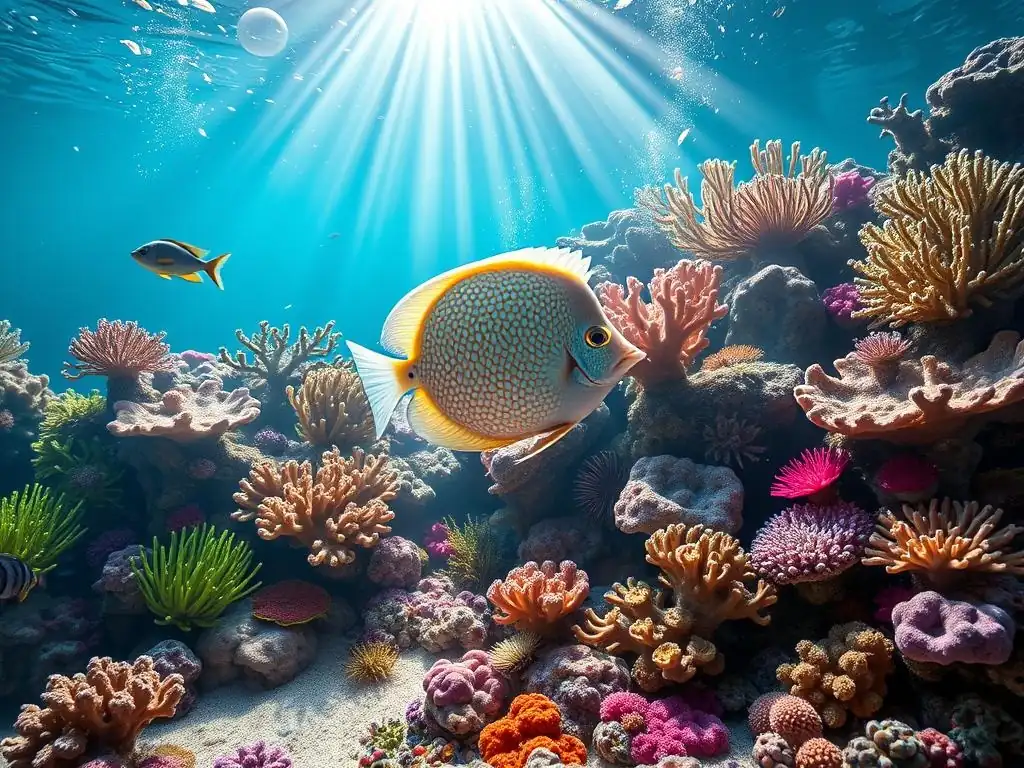
The Pearlscale Butterflyfish, scientifically known as Chaetodon xanthurus, is a captivating marine species renowned for its exquisite beauty and challenging husbandry. Hailing from the coral-rich waters of the Indo-Pacific, typically found at depths ranging from 15 to 100 feet (approximately 5 to 30 meters), this fish showcases a striking appearance. Its body is adorned with iridescent, pearlescent scales that shimmer under light, complemented by a vibrant yellow caudal fin and a distinct black bar running vertically through its eye. This unique combination of colors and patterns makes it a highly sought-after, albeit demanding, addition for the advanced aquarist.
In its natural habitat, the Pearlscale Butterflyfish often forages solitarily or in pairs among the intricate coral formations, primarily feeding on coral polyps and small benthic invertebrates. This specialized diet and its inherent sensitivity to environmental changes are key factors contributing to its reputation as a difficult species to maintain in captivity. Successfully providing a comprehensive Pearlscale butterflyfish care guide requires a deep understanding of its natural behaviors and physiological needs, making it a true test of an aquarist's expertise.
Is the Pearlscale Butterflyfish Right for Your Aquarium?
Considering the Pearlscale Butterflyfish for your home aquarium requires a realistic assessment of your experience level and tank capabilities. This species is unequivocally not for beginners. It thrives only in mature, highly stable reef systems, preferably those that have been established for a year or more. The commitment involves meticulous attention to water quality, a specialized feeding regimen, and a proactive approach to potential health issues, far beyond what is required for more common marine fish.
The challenges associated with the Pearlscale Butterflyfish include its propensity to be a finicky eater, often refusing prepared foods initially, and its susceptibility to stress-induced diseases. Its delicate nature means that even minor fluctuations in water parameters or an unsuitable tank environment can lead to rapid decline. Therefore, an aquarist must be prepared to invest significant time, effort, and resources to meet the exacting standards of a proper Pearlscale butterflyfish care guide, ensuring the long-term well-being of this radiant species.
Pearlscale Butterflyfish Care Guide: Essential Requirements
Optimal Tank Parameters for Pearlscale Butterflyfish
Water Chemistry: Maintaining Stability
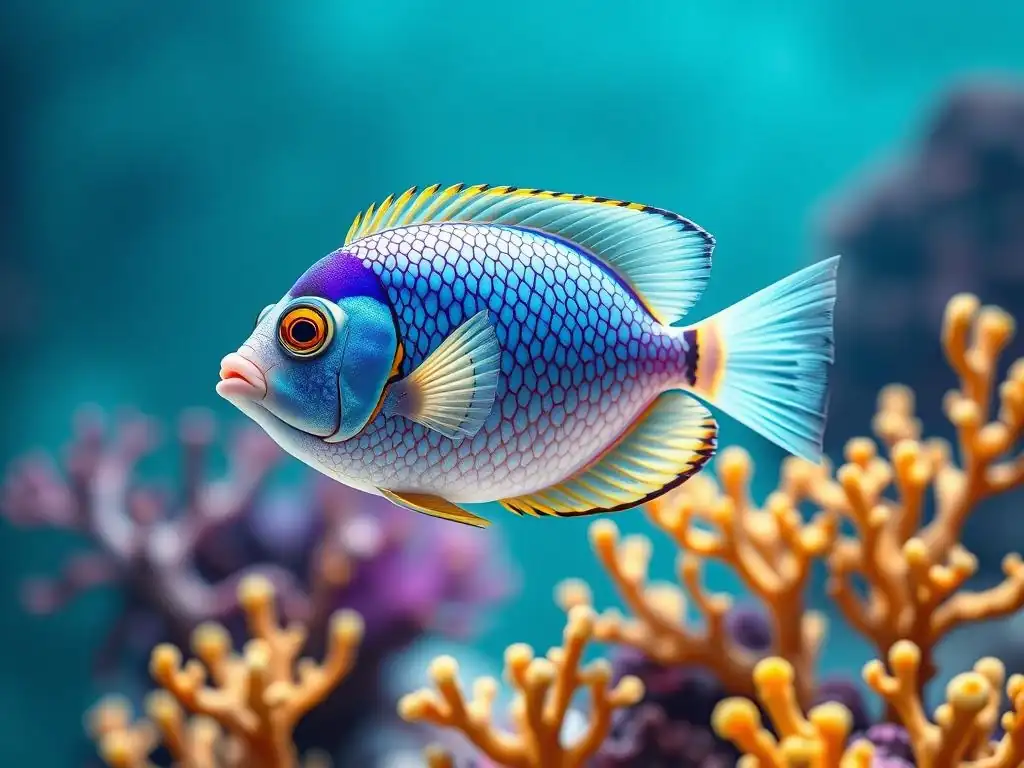
Maintaining pristine and stable water chemistry is paramount for the health and longevity of the Pearlscale Butterflyfish. They are highly sensitive to fluctuations, making consistent parameters crucial. The ideal pH range should be maintained between 8.1 and 8.4, with alkalinity (dKH) between 8 and 12, and calcium levels around 400-450 ppm. Any sudden shifts outside these narrow windows can induce severe stress, compromising their immune system and making them vulnerable to disease.
To ensure stability, regular water changes are indispensable. A common recommendation is a 10% weekly water change or a 20% bi-weekly change, utilizing a high-quality synthetic sea salt mix. Robust filtration, including a high-efficiency protein skimmer and potentially a refugium, is essential for nutrient export and maintaining water purity. Consistent monitoring with reliable test kits, perhaps two to three times per week, allows for early detection and correction of any deviations, forming a cornerstone of effective Pearlscale butterflyfish care guide practices.
Temperature and Salinity Considerations
For the Pearlscale Butterflyfish, a stable temperature range of 74-80°F (approximately 23-27°C) is ideal, mirroring the conditions of their tropical reef habitats. Salinity should be maintained within a specific gravity of 1.023 to 1.025. These precise parameters are critical for the fish's metabolic functions, immune response, and overall comfort. Deviations can lead to significant physiological stress; for instance, temperatures outside this range can suppress their appetite or increase their susceptibility to parasitic infections.
Consistent monitoring of both temperature and salinity with calibrated equipment, such as a high-quality thermometer and a refractometer, is vital. Sudden drops or spikes in temperature can lead to thermal shock, while fluctuating salinity can cause osmotic stress, both of which are highly detrimental. Ensuring a stable environment is a key component of a successful Pearlscale butterflyfish care guide, preventing many common health issues before they arise.
Pearlscale Butterflyfish Diet and Feeding: A Critical Aspect
Natural Diet and Captive Feeding Challenges
In their natural environment, Pearlscale Butterflyfish are primarily corallivores, meaning their diet largely consists of coral polyps, particularly from species like Acropora and Montipora. They also consume small benthic invertebrates and algae found on the reef. This highly specialized natural diet poses one of the most significant challenges in their captive care, as many wild-caught specimens initially refuse prepared foods, leading to emaciation and a weakened state.
Weaning a Pearlscale Butterflyfish onto a captive diet requires immense patience and persistence. Many individuals arrive stressed from collection and transport, making them even more reluctant to eat. Aquarists often find themselves offering a wide variety of foods over several days or weeks, attempting to entice the fish. Success in this area is perhaps the most critical factor in a comprehensive Pearlscale butterflyfish care guide, directly impacting the fish's long-term survival and vitality.
Recommended Food Items for Pearlscale Butterflyfish
To successfully transition a Pearlscale Butterflyfish to a captive diet, a diverse offering of high-quality, nutritious foods is essential. Live foods such as blackworms, enriched brine shrimp, and small mysis shrimp are often the first to be accepted, helping to stimulate a feeding response. Once they begin eating, a varied diet of finely chopped, vitamin-enriched seafood (e.g., shrimp, clam, scallop), high-quality frozen preparations designed for marine omnivores/carnivores, and even some spirulina-based flakes or pellets should be introduced.
Feeding should occur multiple times a day, ideally three to five small feedings, to ensure they receive adequate nutrition. Target feeding using a pipet can be effective to ensure the food reaches the fish directly, minimizing competition from tank mates. Soaking foods in appetite stimulants like garlic extract or vitamin supplements can also encourage finicky eaters. A well-fed Pearlscale Butterflyfish is more resilient to stress and disease, underscoring the importance of this aspect in any Pearlscale butterflyfish care guide.
Tank Size and Setup: Replicating a Natural Habitat
Minimum Tank Size Requirements
Given their active swimming habits and sensitivity to water quality, Pearlscale Butterflyfish require a substantial amount of space. For a single specimen, a minimum tank size of 100-120 gallons (approximately 380-450 liters) is strongly recommended. This generous volume provides ample swimming room, helps to dilute waste products effectively, and contributes significantly to the overall stability of water parameters, which is paramount for this delicate species.
Attempting to house a Pearlscale Butterflyfish in a smaller tank will invariably lead to increased stress, aggressive behaviors towards tank mates, and rapid deterioration of water quality. The larger volume also allows for a more complex aquascape, providing essential hiding spots and territories. For those considering keeping a pair, a tank of 180 gallons (approximately 680 liters) or more would be necessary to accommodate their needs and reduce potential territorial disputes, a key consideration in this Pearlscale butterflyfish care guide.
Aquascaping for Pearlscale Butterflyfish: Creating a Suitable Environment
The aquascape for a Pearlscale Butterflyfish should mimic its natural reef habitat, offering a balance of open swimming areas and intricate rockwork. Plenty of live rock should be incorporated to create numerous caves, overhangs, and crevices, providing essential hiding spots and a sense of security. While these fish are known to nip at corals, a mature, stable reef system with fast-growing, less expensive coral species (such as certain soft corals or LPS corals) can sometimes coexist, though success is not guaranteed and requires careful observation.
Strong, but not turbulent, water flow is also beneficial, simulating natural currents found on the reef. This can be achieved with strategically placed powerheads. A well-designed aquascape not only reduces stress for the Pearlscale Butterflyfish but also encourages natural behaviors, contributing to its overall well-being. Providing a rich and varied environment is a critical component of a comprehensive Pearlscale butterflyfish care guide, ensuring the fish feels secure and can thrive.
Pearlscale Butterflyfish Tank Mates: Compatibility Considerations
Choosing Compatible Fish Species
Selecting appropriate tank mates for the Pearlscale Butterflyfish is crucial for its long-term survival and well-being. Given their shy and delicate nature, compatible fish species must be peaceful, non-aggressive, and not overly competitive for food. Good choices include smaller, docile fish such as peaceful gobies (e.g., Diamond Watchman Goby), blennies (e.g., Lawnmower Blenny), certain wrasses (e.g., Flasher Wrasses, Fairy Wrasses), and smaller, non-aggressive damselfish (e.g., Talbot's Damselfish).
It is often beneficial to introduce these peaceful tank mates and allow them to establish themselves before adding the Pearlscale Butterflyfish. This helps to create a stable social dynamic. Furthermore, tank mates should have similar water parameter requirements and not pose a threat of outcompeting the Pearlscale for its often finicky diet. Ensuring a low-stress environment is fundamental to any effective Pearlscale butterflyfish care guide.
Avoiding Incompatible Tank Mates
To prevent stress, injury, or even starvation, certain types of fish should be strictly avoided as tank mates for the Pearlscale Butterflyfish. This includes aggressive species such as large triggers, puffers, some larger angelfish, and boisterous predatory fish that might intimidate or harass the delicate butterflyfish. Even species that are generally considered semi-aggressive can be problematic if they are too dominant or territorial.
Additionally, avoid fast-eating, highly competitive fish that will quickly consume all available food before the slower, more deliberate Pearlscale has a chance to feed. Other butterflyfish species are generally not recommended unless the tank is exceptionally large (over 200 gallons) and even then, caution is advised due to potential inter-species aggression. Understanding these incompatibilities is a vital part of providing a successful Pearlscale butterflyfish care guide.
Pearlscale Butterflyfish Health and Disease Prevention
Common Diseases Affecting Pearlscale Butterflyfish
Pearlscale Butterflyfish are particularly susceptible to common marine diseases, often due to stress incurred during collection, shipping, or acclimation to a new environment. Marine ich ( Cryptocaryon irritans) and velvet ( Amyloodinium ocellatum) are prevalent parasitic infections that can rapidly decimate a stressed fish. Bacterial infections, fin rot, and lateral line erosion (HLLE) are also common, frequently linked to poor water quality, nutritional deficiencies, or prolonged stress.
Their delicate skin and often finicky feeding habits make them vulnerable. Once a Pearlscale Butterflyfish shows signs of illness, rapid intervention is crucial. However, the best approach within a comprehensive Pearlscale butterflyfish care guide is always prevention, focusing on maintaining pristine water conditions, a stable environment, and a nutritious diet to bolster their immune system and resistance to pathogens.
Quarantine Procedures for New Arrivals
Implementing a strict quarantine procedure for all new Pearlscale Butterflyfish arrivals is arguably the single most critical step in disease prevention and ensuring their long-term health. A dedicated quarantine tank (QT) of at least 20-30 gallons, fully cycled and equipped with a heater, filter, and plenty of hiding spots, should be prepared. New fish should remain in this QT for a minimum of 4-6 weeks, allowing for observation and pre-emptive treatment if necessary.
During the quarantine period, the fish can be slowly acclimated to captive foods, reducing stress before introduction to the main display tank. This isolation allows any latent diseases to manifest and be treated without exposing the entire established community. This diligent approach is an indispensable part of any responsible Pearlscale butterflyfish care guide, protecting both the new arrival and the existing aquarium inhabitants.
Recognizing Signs of Illness and Treatment Options
Early recognition of illness is paramount for effective treatment of Pearlscale Butterflyfish. Watch for subtle changes in behavior, such as clamped fins, rapid breathing, rubbing against rocks, or hiding excessively. Physical signs include white spots (ich), cloudy eyes, ragged fins, abnormal growths, or a sunken belly indicative of malnourishment. Any deviation from their normal vibrant coloration or active swimming pattern warrants immediate attention.
If illness is detected, the affected fish should be moved to a hospital tank for treatment. Common treatments for parasitic infections like ich often involve copper-based medications or hyposalinity, while bacterial infections may require broad-spectrum antibiotics. Always research appropriate dosages and methods carefully, and consider consulting with an experienced aquatic veterinarian or expert aquarist. Addressing the underlying cause, such as improving water quality or diet, is also essential for a holistic Pearlscale butterflyfish care guide.
Acquiring Pearlscale Butterflyfish: Considerations and Sourcing
Ethical Sourcing and Sustainability
When considering the acquisition of a Pearlscale Butterflyfish, ethical sourcing and sustainability should be a primary concern. Most Chaetodon xanthurus available in the hobby are wild-caught, and irresponsible collection practices can have detrimental impacts on natural coral reef ecosystems. While aquaculture-bred specimens of this species are extremely rare, it is important to inquire about the supplier's sourcing methods.
Support reputable dealers who prioritize sustainable collection practices and provide transparency about their supply chain. Asking about the fish's origin, the methods used for collection, and the dealer's commitment to environmental stewardship contributes to the conservation of these delicate marine creatures. Choosing a well-sourced specimen is a responsible step in any Pearlscale butterflyfish care guide.
Selecting Healthy Specimens
Selecting a healthy Pearlscale Butterflyfish specimen is crucial for increasing its chances of survival in your aquarium. When purchasing, observe the fish carefully for at least 30 minutes. Look for clear, bright eyes and intact, non-frayed fins. The body should appear full and well-fed, without any signs of a sunken belly, which indicates malnourishment. The fish should be actively swimming, alert, and responsive to its surroundings, not listless or hiding excessively.
Inquire about how long the fish has been at the facility and, most importantly, what it has been eating. A Pearlscale Butterflyfish that has been successfully eating prepared foods for several weeks at the dealer's facility is a much better candidate than one recently arrived or refusing food. Avoiding specimens with visible white spots, cloudy patches, or labored breathing will save you considerable heartache and is a fundamental tip in this Pearlscale butterflyfish care guide.
Pearlscale Butterflyfish: Advanced Care for Experienced Aquarists
Long-Term Care and Maintenance
Successful long-term care of the Pearlscale Butterflyfish demands meticulous, ongoing maintenance and a proactive approach. Beyond the initial setup and acclimation, consistent water parameter monitoring is essential, ideally with daily visual checks and weekly comprehensive water tests. Regular small water changes, perhaps 10% every week, are often more beneficial than larger, less frequent ones, as they help maintain stability and remove accumulated nitrates.
Proactive nutrient export strategies, such as the use of an algae scrubber, a well-maintained refugium, or biopellets, can significantly contribute to a stable, low-nutrient environment. Regularly cleaning filtration components and observing the fish's behavior, appetite, and coloration for any subtle changes are also critical. This continuous vigilance and attention to detail are hallmarks of an advanced Pearlscale butterflyfish care guide.
The Rewards of Successfully Keeping Chaetodon xanthurus
Successfully keeping a Pearlscale Butterflyfish is a profound accomplishment for any dedicated aquarist. Witnessing this rare and radiant species thrive, exhibiting its natural behaviors, and displaying its full vibrant coloration is an unparalleled reward. Its delicate beauty and unique challenges make it a true centerpiece that commands attention and admiration, serving as a testament to the aquarist's skill, patience, and commitment to advanced marine husbandry.
Beyond the aesthetic appeal, the successful maintenance of Chaetodon xanthurus provides a deep sense of personal satisfaction. It signifies a mastery of complex water chemistry, specialized feeding techniques, and disease prevention, pushing the boundaries of one's aquarium keeping abilities. It's an opportunity to contribute to the understanding and appreciation of these extraordinary creatures, making the effort involved in this comprehensive Pearlscale butterflyfish care guide truly worthwhile.
Conclusion: Mastering Pearlscale Butterflyfish Care
The Pearlscale Butterflyfish ( Chaetodon xanthurus) stands as a pinnacle species for the expert aquarist, offering both immense beauty and formidable challenges. Its delicate nature, specific dietary needs, and stringent water quality requirements mean it is not a fish for the faint of heart or the inexperienced. Mastering its care demands a deep commitment to stable tank parameters, consistent and varied feeding, and a proactive approach to health and disease prevention, all meticulously detailed in this Pearlscale butterflyfish care guide.
While the journey of keeping Chaetodon xanthurus can be demanding, the rewards are equally significant. Successfully maintaining this rare and radiant butterflyfish is a testament to an aquarist's dedication and expertise, culminating in the privilege of observing one of the ocean's most exquisite inhabitants thrive in a carefully curated home environment. It represents the ultimate achievement in advanced marine aquarium husbandry, solidifying one's mastery of complex Pearlscale butterflyfish care guide principles.
Frequently Asked Questions
What are the key challenges in caring for a Pearlscale Butterflyfish?
The main challenges involve providing a highly stable reef environment and a varied diet to ensure their health and longevity. They can also be sensitive to water quality fluctuations.
What type of aquarium setup is best for a Pearlscale Butterflyfish?
A mature reef aquarium with plenty of live rock is ideal. The tank should be at least 75 gallons to provide ample swimming space and hiding spots.
What should I feed my Pearlscale Butterflyfish?
A varied diet consisting of frozen mysis shrimp, brine shrimp, and high-quality flake food is essential. Live rock grazing also contributes to their nutritional needs.
Are Pearlscale Butterflyfish reef safe?
Pearlscale Butterflyfish are not considered reef safe. They may nip at corals and invertebrates, making them better suited for fish-only or FOWLR (fish-only-with-live-rock) tanks.
What are some common health issues that affect Pearlscale Butterflyfish?
They can be susceptible to marine ich (white spot disease) and other parasitic infections. Maintaining excellent water quality and providing a stress-free environment is crucial for preventing illness.
Okay, here's a final reflection designed to fit your article about Pearlscale Butterflyfish, optimized for emotional connection and a call to action, while also incorporating your specified structure and keyword focus:
Final Reflection: Embracing the Pearlscale's Delicate Dance
The journey into the world of the Pearlscale Butterflyfish, as we've explored, is not merely about aquarium keeping; it's about cultivating a profound understanding of a delicate ecosystem and accepting the responsibility that comes with nurturing such rare beauty. The challenges inherent in their care, from demanding water parameters to specialized diets, underscore the commitment required to truly appreciate and preserve these radiant creatures.
The Pearlscale Butterflyfish, with its ethereal beauty and demanding needs, serves as a microcosm of the broader challenges facing our oceans. The dedication required to successfully keep one of these fish thriving in captivity mirrors the dedication needed to protect their natural habitat and ensure their survival in the wild. In the end, we will conserve only what we love; we will love only what we understand; and we will understand only what we are taught.
- Baba Dioum. This quote resonates deeply when considering the Pearlscale, urging us to move beyond mere admiration and embrace a deeper understanding of their needs and the fragile ecosystems they inhabit.
So, as you contemplate the possibility of welcoming a Pearlscale Butterflyfish into your aquarium, I invite you to reflect on the profound responsibility you are undertaking. Consider not only the technical aspects of their care, but also the ethical implications of keeping such a specialized creature. Let your aquarium become a testament to your dedication, a vibrant reflection of your commitment to conservation, and a beacon of hope for the future of these rare and radiant fish.
Unleash the Radiance: Your Next Aquatic Adventure Awaits!
Thank you for diving into the captivating world of the Pearlscale Butterflyfish! We hope this glimpse into its unique needs and stunning beauty has inspired you. Ready to take the plunge and elevate your aquarium experience?
Here’s how you can continue your journey:
- Embrace the Challenge: Assess your aquarium's suitability and prepare to provide the specialized environment this magnificent fish requires. This is your opportunity to push your aquascaping skills to the next level!
- Delve deeper: Research reputable breeders or suppliers committed to ethical and sustainable practices. Knowledge is key!
- Share the Spark: Discuss your plans and insights with fellow aquarists to gather valuable feedback and learn from their experiences.
What specific preparation are you most excited to undertake to welcome a Pearlscale Butterflyfish into your carefully curated aquarium?