
Filter Flow Frustration: Diagnosing and Fixing Low Output in Aquarium Filters (Quick Fixes)

Welcome to Aquarium Mastery!
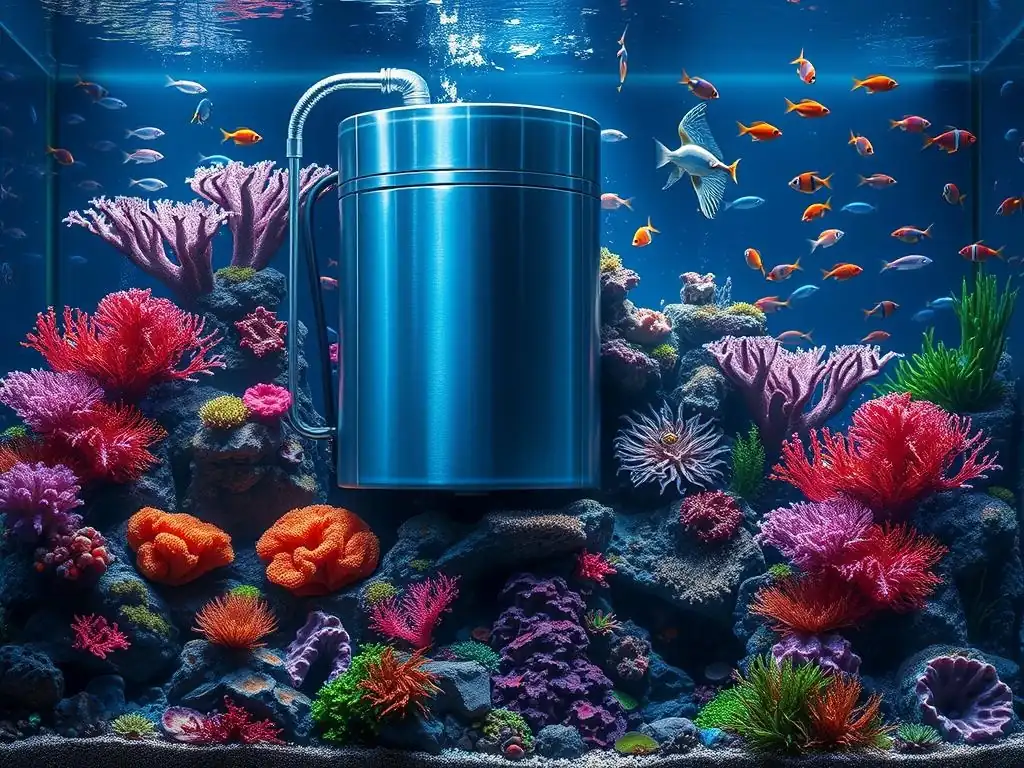
Is your aquarium filter flow feeling a little… feeble? Don't let a sluggish filter ruin your aquatic paradise! This guide dives deep into the common causes of low aquarium filter output and provides quick, actionable fixes to restore optimal flow. Get ready to troubleshoot and revitalize your filtration system – your finned friends will thank you! Let's get started!
- Diagnosing and Fixing Low Output in Aquarium Filters
- Understanding Low Aquarium Filter Output
- Diagnosing the Root Cause of Low Filter Flow
- Quick Fixes for Restoring Aquarium Filter Flow
- Preventing Future Low Filter Flow Problems
- Advanced Troubleshooting for Persistent Low Filter Output
-
Frequently Asked Questions
- What are the most common causes of low aquarium filter output?
- How often should I clean my aquarium filter to prevent low aquarium filter output?
- Can the type of filter media contribute to low aquarium filter output?
- What role does the aquarium's bio-load play in low aquarium filter output issues?
- What are some quick fixes I can try to restore low aquarium filter output?
- Final Reflection: The Unseen Current of Care
- Rediscover Crystal-Clear Water: Take Control of Your Aquarium's Health!
Diagnosing and Fixing Low Output in Aquarium Filters
Understanding Low Aquarium Filter Output
Common Causes of Weak Aquarium Filter Flow
The primary culprits behind a weak aquarium filter flow often stem from mechanical blockages. Over time, fish waste, uneaten food, decaying plant matter, and even algae can accumulate within the filter's intake tube, media, and impeller chamber. In a heavily stocked 50-gallon freshwater tank, for instance, significant debris accumulation leading to a noticeable drop in flow can occur within just 2-4 weeks without proper maintenance.
Beyond physical obstructions, the saturation and clogging of filter media, both biological and chemical, play a significant role. Biofilm, while essential for biological filtration, can become excessively thick on sponges and ceramic rings, narrowing water pathways. Similarly, chemical media like activated carbon, once saturated, not only lose their effectiveness but can also become dense and restrictive. A large canister filter on a 100-gallon aquarium might experience a 20-30% reduction in its rated flow due to media saturation and biofilm buildup after 3 months of continuous operation without cleaning.
The Impact of Reduced Filter Flow on Your Aquarium Ecosystem
A reduction in filter flow directly compromises water quality, leading to a cascade of negative effects on the aquarium ecosystem. Less efficient water movement means reduced oxygenation and impaired removal of harmful nitrogenous compounds like ammonia and nitrite. This can result in elevated ammonia levels, potentially exceeding 0.25 ppm, and nitrite levels above 0.5 ppm, both highly toxic to fish and invertebrates. Such conditions induce severe stress on aquatic inhabitants, making them highly susceptible to diseases and significantly shortening their lifespan.
Furthermore, poor circulation creates "dead spots" within the aquarium where detritus accumulates, fostering the growth of undesirable anaerobic bacteria that can produce toxic hydrogen sulfide. Fish may exhibit signs of stress such as gasping at the surface, clamped fins, or lethargy. Aquatic plants, reliant on consistent water movement to deliver nutrients, can also suffer from stunted growth or nutrient deficiencies. Even a modest 25% drop in low aquarium filter output can translate into a comparable reduction in the effective filtration volume, directly impacting the clarity and overall health of the aquatic environment.
Diagnosing the Root Cause of Low Filter Flow
Visual Inspection: Checking for Obstructions
When faced with low aquarium filter output, the most effective first step is a thorough visual inspection of all accessible filter components. Before beginning any inspection or cleaning, always ensure the filter is unplugged from its power source to prevent accidental injury and damage to the unit. This simple safety precaution is paramount.
Carefully examine the entire water pathway, starting from the intake to the output. Look for any visible signs of blockages, such as large pieces of plant matter, fish waste, or foreign objects. Pay close attention to narrow sections, joints, and any areas where debris might easily accumulate. This initial visual assessment can often quickly identify the most common causes of flow reduction.
Inspecting the Filter Intake Tube for Blockages
The filter intake tube is the first point of entry for water into your filtration system and is highly susceptible to blockages. Common culprits include detached plant leaves, uneaten food particles, strands of algae, curious snails, or even small fish that might get drawn towards the intake. For instance, a heavily planted 20-gallon aquarium is particularly prone to getting plant debris lodged in its intake strainer.
To inspect, gently remove the intake tube from the tank and visually check its entire length. Use a small, flexible brush, like a bottle brush or a pipe cleaner, to dislodge any internal obstructions. A visibly obstructed intake can drastically reduce water flow, sometimes by as much as 50% or more, making this a critical area to check first when experiencing low aquarium filter output.
Examining the Impeller for Debris and Damage
The impeller is the rotating component within the filter motor that actively pushes water through the system, essentially acting as the filter's "heart." Debris such as fish hair, plant fibers, fine sand, or even tiny snail shells can become wrapped around or lodged within the impeller, preventing it from spinning freely. Even a small piece of gravel, say 2-3mm in size, can jam or chip the impeller blades.
To access the impeller, you typically need to remove the filter's motor head (for hang-on-back and canister filters) and carefully pull out the impeller assembly. Inspect the impeller blades for any signs of damage, such as cracks or chips, and meticulously clean any accumulated debris from both the impeller and its housing. A damaged impeller or one impeded by debris can cause a significant reduction in filter flow, often reducing output by 70-80% even if the motor sounds like it's running.
Checking the Filter Output Nozzle
The filter output nozzle, or spray bar, is where the filtered water re-enters the aquarium. Over time, this component can also become obstructed by algae growth, mineral deposits, or accumulated detritus. Even a thin layer of biofilm can subtly reduce the efficiency of water expulsion, leading to a 10-15% reduction in flow over several weeks.
Visually inspect the openings of the output nozzle or spray bar for any visible blockages. Use a small brush or pipe cleaner to clear out any material restricting the flow. For spray bars, ensure all holes are clear and unobstructed to ensure even distribution of filtered water. Addressing these minor blockages can often provide an immediate and noticeable improvement in low aquarium filter output.
Assessing Filter Media Clogging and Buildup
Filter media clogging is perhaps the most common reason for a gradual decline in low aquarium filter output. Mechanical filter media, such as sponges, filter floss, and pads, are designed to trap particulate matter from the water column. As they become saturated with debris, their porosity decreases, making it harder for water to pass through. For example, a filter floss pad in a 75-gallon tank with a moderate bioload can become significantly saturated and restrict flow by 40% in just 1-2 weeks if not regularly cleaned or replaced.
Beyond mechanical media, chemical media (like activated carbon or specialized resins) and biological media (such as ceramic rings or bio-balls) can also contribute to reduced flow. While biological media are less prone to immediate clogging, they can accumulate a dense layer of biofilm and detritus over several months, especially in high-nutrient environments. Similarly, chemical media, once exhausted, can become compacted, adding to the resistance water faces as it moves through the filter.
Identifying Types of Filter Media Contributing to Flow Reduction
Mechanical filter media are the primary culprits when it comes to low aquarium filter output due to clogging. Fine filter floss and very dense sponges are highly effective at trapping small particles but also clog the fastest. In a typical aquarium filter designed for a 50-gallon tank, if the mechanical media are not cleaned or replaced every 1-2 weeks, a significant drop in flow rate is almost inevitable.
Biological and chemical media, while less frequently cleaned, can still contribute to flow reduction over longer periods. Biological media like ceramic rings or bio-balls, though porous, can accumulate a thick layer of beneficial bacteria and detritus. For instance, in a canister filter, ceramic rings might develop enough organic accumulation over 6-9 months to cause a noticeable 15-20% drop in flow. Chemical media, especially when saturated, can also become a physical barrier, adding to the overall resistance within the filter.
The Role of Biofilm in Reducing Filter Flow
Biofilm is a complex, sticky matrix of bacteria, algae, and other microorganisms that naturally forms on all submerged surfaces in an aquarium, including within the filter. While a healthy biofilm is crucial for biological filtration, an excessive buildup can significantly reduce water flow. This is particularly true in areas with high nutrient levels or insufficient cleaning.
The thick, gelatinous nature of excessive biofilm can narrow the pathways within filter sponges, coat the surfaces of biological media, and even accumulate on the impeller shaft and housing. This physical restriction of water movement can lead to a 20-30% reduction in low aquarium filter output in areas where it builds up excessively. Regular, gentle rinsing of mechanical and some biological media in old tank water helps manage biofilm without destroying beneficial bacterial colonies.
Evaluating Water Hardness and Its Effect on Filter Performance
Water hardness, specifically high levels of General Hardness (GH) and Carbonate Hardness (KH), can significantly impact filter performance over time. Hard water contains elevated concentrations of dissolved minerals, primarily calcium and magnesium. While these minerals are generally harmless to fish (depending on species requirements), they can precipitate out of the water and form stubborn limescale deposits on various aquarium components, including the filter.
These mineral deposits commonly adhere to the impeller, its housing, and the internal surfaces of filter tubing. As limescale accumulates, it increases friction on moving parts and narrows the diameter of water pathways, directly impeding the filter's ability to move water efficiently. This mineral buildup is a less obvious but persistent cause of low aquarium filter output.
High GH/KH and Its Influence on Filter Flow
When water with high GH/KH levels passes through the filter, the dissolved minerals can gradually crystalize and form a hard, abrasive layer of limescale. This layer can coat the impeller blades, making them less efficient and increasing the resistance they encounter as they spin. For example, in regions with very hard water (e.g., GH consistently above 150 ppm), filters can begin to show noticeable signs of mineral buildup within 3-6 months of continuous operation.
Furthermore, limescale can accumulate on the inner walls of filter tubing and connections, effectively reducing the internal diameter of these pipes. This narrowing creates increased resistance to water flow, similar to a partially clogged artery. An impeller coated in limescale might experience a 10-25% reduction in its ability to generate flow, while mineral deposits within the tubing can further compound the low aquarium filter output problem.
Quick Fixes for Restoring Aquarium Filter Flow
Cleaning the Filter Intake and Impeller
Addressing blockages in the filter intake and impeller is often the quickest and most effective way to restore low aquarium filter output. These components are the first line of defense against large debris and the primary mechanism for water movement, respectively. A thorough cleaning of these elements can yield immediate and significant improvements in flow.
Always ensure the filter is unplugged before attempting any cleaning or disassembly. Use clean hands or gloves and, whenever possible, rinse filter components in a bucket of old tank water removed during a water change. This helps preserve beneficial bacterial colonies, especially on sponges that might be near the intake.
Step-by-Step Guide to Safely Cleaning Your Filter Impeller
To safely clean your filter impeller, first, unplug the filter from its power source. For hang-on-back filters, gently lift the motor unit out; for canister filters, disconnect the hoses and remove the motor head. Locate the impeller cover, which usually twists or unclips, and carefully remove it. Then, gently pull the impeller assembly out of its housing.
Use a small, soft brush, such as an old toothbrush or a specialized pipe cleaner, to meticulously clean the impeller blades, shaft, and the inside of the impeller housing. Pay close attention to any hair, stringy algae, or other small debris wrapped around the shaft. Rinse thoroughly with old tank water. Reassemble carefully, ensuring the impeller spins freely when reinserted. This process can often restore 80-90% of the filter's original flow if the impeller was the primary cause of the low aquarium filter output.
Removing Stubborn Debris from the Intake Tube
Stubborn debris within the intake tube, such as matted algae or compacted plant matter, requires a more direct approach. After unplugging the filter and removing the intake tube, use a long-handled, flexible brush specifically designed for aquarium tubing. These brushes come in various lengths and diameters, allowing them to reach and scrub the entire inner surface of the tube.
Insert the brush from both ends of the tube and scrub thoroughly to dislodge all accumulated gunk. For very persistent algae or biofilm, a more vigorous scrub might be necessary. Once the debris is loosened, rinse the tube under a strong stream of old tank water. Clearing the intake tube can immediately improve water intake efficiency by 30-50%, directly combating low aquarium filter output.
Optimizing Filter Media for Improved Flow
Proper management and optimization of filter media are crucial for maintaining consistent water flow and preventing low aquarium filter output. The type, arrangement, and cleanliness of your filter media directly influence how easily water can pass through the system.
A balanced approach involves regular cleaning or replacement of mechanical media while being mindful of the biological filtration. Ensuring that media are not overly compacted and are arranged in an optimal order can significantly improve the longevity of good flow.
Cleaning or Replacing Clogged Filter Media
For mechanical filter media like sponges and filter floss, regular cleaning or replacement is paramount. Sponges should be gently rinsed in a bucket of old tank water (removed during a water change) every 1-4 weeks, depending on the tank's bioload, until the water runs clearer. Avoid using tap water, as chlorine can kill beneficial nitrifying bacteria. Filter floss, which traps very fine particles, typically needs replacement every 1-2 weeks or when visibly matted and discolored, as it quickly becomes saturated and a major source of low aquarium filter output.
Biological media, such as ceramic rings or bio-balls, should generally be left undisturbed to preserve their bacterial colonies. Only if they are heavily caked with detritus should they be gently swished in old tank water. Chemical media, like activated carbon, have a limited lifespan and become exhausted, typically needing replacement every 2-4 weeks. An old, saturated carbon bag not only stops adsorbing impurities but can also significantly impede water flow, contributing to reduced filter output by 10-20%.
Rearranging Filter Media for Better Water Flow
The order in which filter media are arranged within a multi-stage filter is critical for optimizing water flow and preventing premature clogging. The general principle is to progress from coarser mechanical filtration to finer mechanical, then biological, and finally chemical media. For instance, a typical setup involves coarse sponges first to capture large debris, followed by finer filter pads, then porous biological media (like ceramic rings), and finally any chemical media (e.g., activated carbon). This layering ensures that larger particles are removed early, preventing finer media from becoming clogged too quickly.
Additionally, avoid overpacking your filter media baskets. While it might seem beneficial to maximize media volume, too much media, even if clean, can create excessive resistance and restrict water flow. Ensure there is adequate space for water to pass through efficiently without forcing its way through tightly compressed materials. A properly layered canister filter can maintain over 90% of its rated flow for extended periods with this careful arrangement.
Addressing Water Hardness Issues Affecting Filter Performance
If you suspect mineral buildup from hard water is contributing to your low aquarium filter output, direct action is needed to dissolve these deposits. While prevention is key, existing limescale can be removed from filter components to restore their functionality.
It's important to address the mineral accumulation on the filter's internal parts, especially the impeller and its housing, as these are most prone to efficiency loss due to scale.
Performing Partial Water Changes to Lower GH/KH
Regular partial water changes are a foundational practice in aquarium maintenance and can play a preventative role in managing water hardness, thereby reducing the likelihood of severe mineral buildup in your filter. By consistently replacing a portion of your tank's water with water that has a lower GH and KH (if your tap water is softer or if you use RO/DI water), you can gradually lower the overall mineral content in your aquarium. For example, replacing 25% of the tank water weekly with softer water can significantly slow down the formation of limescale deposits on filter components.
For filter components already affected by limescale, a more direct approach is required. After unplugging and disassembling the filter, soak the affected parts—such as the impeller, impeller housing, and any mineral-encrusted tubing—in a diluted acid solution. A common and safe solution is white vinegar (acetic acid) diluted with an equal part of water (1:1 ratio), or a citric acid solution.
Allow the components to soak for 30 minutes to an hour, then gently scrub away the loosened deposits. Rinse all parts thoroughly with clean water before reassembling and restarting the filter. This method can remove over 90% of limescale, significantly improving low aquarium filter output.
Powering Up: Checking the Filter's Motor and Power Supply
Sometimes, low aquarium filter output isn't due to a physical blockage but rather an issue with the filter's electrical supply or motor. It's crucial to rule out these possibilities before assuming a mechanical fault.
A filter motor that isn't receiving adequate power or is internally faulty cannot generate the necessary force to move water efficiently, regardless of how clean the filter components are.
Ensuring Proper Voltage and Power Connection
The first step in troubleshooting a power-related issue is to verify that the filter is receiving a consistent and adequate power supply. Check that the filter's power plug is securely inserted into a functional electrical outlet. Test the outlet with another appliance to confirm it's working. If using a power strip or surge protector, ensure it is turned on and rated for the filter's wattage, and check that it isn't overloaded by other high-wattage appliances. A loose connection or a faulty power strip can lead to intermittent power, resulting in a weak or low aquarium filter output.
Inspect the filter's power cord for any visible signs of damage, such as fraying, cuts, or kinks. A damaged cord can disrupt the electrical flow to the motor. If the filter has a detachable power head, ensure it is securely seated onto the filter body. Even a slight misalignment can prevent proper electrical contact or create air leaks that reduce flow.
Troubleshooting a Weak or Faulty Filter Motor
If the filter's components are clean and the power supply seems stable, but you still experience low aquarium filter output, the motor itself might be the problem. Listen carefully to the filter's operation. A healthy filter motor typically produces a consistent hum. Unusual noises such as grinding, rattling, or a very faint buzz without strong water movement can indicate a struggling or failing motor. A motor that hums but fails to spin the impeller, or spins it very weakly, points directly to an internal motor issue.
Unfortunately, troubleshooting a faulty motor often requires specialized knowledge and tools. If cleaning the impeller and verifying the power connection doesn't resolve the issue, and the motor is producing unusual sounds or significantly reduced flow, it may be nearing the end of its lifespan. Many filter motors, especially after 3-5 years of continuous operation, may only produce 50% of their original flow. In such cases, replacing the filter or, if available, the motor assembly, is usually the most practical solution.
Preventing Future Low Filter Flow Problems
Establishing a Regular Filter Maintenance Schedule
Proactive maintenance is the most effective strategy for preventing low aquarium filter output and ensuring your filtration system operates at peak efficiency. Waiting until flow noticeably decreases means your aquarium has already been subjected to suboptimal filtration for some time.
By establishing and adhering to a regular filter maintenance schedule, you can address potential issues before they escalate, preserving water quality and the health of your aquatic inhabitants. Consistency is key to long-term filter performance.
Creating a Filter Cleaning Log
To ensure consistent and timely maintenance, creating a filter cleaning log is highly recommended. This can be a simple notebook, a spreadsheet, or a dedicated app where you record the dates of filter cleanings, what components were cleaned (e.g., impeller, mechanical media, tubing), and any observations about flow. For instance, you might note: "Canister filter cleaned: 10/15/2023, all media rinsed, impeller cleaned. Flow restored to full." and "Impeller cleaned: 11/1/2023, minor debris."
This log helps you track patterns and predict when maintenance is due, preventing low aquarium filter output before it becomes a problem. Most external filters, depending on tank bioload and fish species, benefit from a comprehensive clean every 4-8 weeks. Mechanical media, such as filter floss, may require attention weekly or bi-weekly.
Choosing the Right Filter Media for Your Aquarium Needs
The selection of filter media plays a significant role in both the effectiveness of your filtration and the longevity of your filter's flow rate. Opting for media that balances filtration efficiency with ease of maintenance can significantly reduce instances of low aquarium filter output.
Consider the specific needs of your aquarium, including its bioload and the types of fish and plants you keep, when choosing your filter media. This thoughtful selection can contribute to more stable water parameters and consistent filter performance.
Selecting Media That Balances Filtration and Flow
When selecting filter media, aim for a balance between fine filtration and maintaining good water flow. For mechanical filtration, it's often beneficial to use a progression of media: start with a coarser sponge (e.g., 20-30 ppi) to trap large debris, followed by a finer sponge (e.g., 40-50 ppi) or filter floss for smaller particles. This layering prevents the finer media from clogging too rapidly and causing low aquarium filter output. If you're using very fine filter floss, be prepared for frequent replacement (weekly or bi-weekly).
For biological and chemical media, consider types that offer high surface area for bacterial colonization without being overly dense or prone to compaction. Using media bags for biological rings or activated carbon can also make maintenance easier, allowing for quick removal and rinsing without dislodging small pieces that could potentially block the impeller. Ensure that the total volume of media does not overpack the filter, as this inherently restricts flow even with clean media.
Maintaining Optimal Water Hardness for Filter Performance
Regular monitoring and management of water hardness are crucial, particularly if you live in an area with hard tap water. Consistent high levels of GH and KH contribute to mineral buildup within your filter, which can gradually lead to low aquarium filter output.
Proactive measures to control water hardness will not only benefit your fish and plants but also extend the efficiency and lifespan of your filtration equipment.
Regular Water Testing and Adjustments
To prevent the gradual buildup of limescale that contributes to low aquarium filter output, regularly test your aquarium's General Hardness (GH) and Carbonate Hardness (KH) levels. Weekly or bi-weekly testing is advisable, especially if you have hard tap water. If your GH levels are consistently high (e.g., above 180 ppm for a tank intended for soft water species), consider strategies to reduce it.
One effective strategy is to use a blend of tap water and reverse osmosis (RO) or deionized (DI) water for top-offs and partial water changes. RO/DI water is virtually free of minerals, allowing you to dilute your hard tap water to achieve desired lower hardness levels. For instance, mixing 50% tap water with 50% RO/DI water can significantly reduce the mineral content entering your tank, thereby slowing down the formation of limescale on filter components. Maintaining stable and appropriate water parameters is far easier than trying to remove stubborn mineral deposits once they've accumulated.
Advanced Troubleshooting for Persistent Low Filter Output
When to Consider a Filter Upgrade
If you've consistently performed all recommended maintenance, cleaned every component, and addressed potential power or water hardness issues, yet still experience persistent low aquarium filter output, it might be time to consider a filter upgrade. One common scenario is an undersized filter for the tank's bioload. For instance, a filter rated for a 50-gallon tank might struggle to maintain optimal flow and water clarity in a heavily stocked 50-gallon tank with messy eaters like goldfish or cichlids, requiring a filter rated for 75-100 gallons to handle the waste load effectively.
Signs that indicate a filter upgrade might be necessary include chronic cloudy water despite regular water changes, consistently elevated ammonia or nitrite levels, or fish exhibiting signs of stress even after thorough filter maintenance. Look for filters with higher GPH (gallons per hour) ratings than your current setup, ideally turning over the tank's volume 4-6 times per hour. Additionally, filters with larger media capacities can hold more beneficial bacteria and mechanical filtration, reducing the frequency of low aquarium filter output issues.
Seeking Professional Help for Complex Filter Issues
If you've exhausted all standard troubleshooting steps—from cleaning media and impellers to checking power supplies and water parameters—and the low aquarium filter output persists, or if you suspect a complex electrical fault or a manufacturing defect, it may be time to seek professional assistance. Local aquarium service companies often have specialized tools and diagnostic equipment that can identify problems not apparent to the average hobbyist, such as subtle motor winding issues or hairline cracks in filter housings.
Alternatively, contacting the filter manufacturer's technical support can provide valuable insight. They might offer specific troubleshooting steps for their models, or in cases of confirmed defects, provide replacement parts or a full unit replacement under warranty. Some manufacturers also offer repair services for more complex internal motor problems, which are beyond the scope of typical DIY maintenance.
Troubleshooting Canister Filter Leaks and Air Locks
Canister filters, while highly efficient and powerful, can sometimes develop unique issues like air locks or subtle leaks that severely impact low aquarium filter output. An air lock occurs when a significant pocket of air becomes trapped inside the filter body, preventing the impeller from effectively moving water. This often manifests as a noisy, gurgling filter and a drastically reduced flow at the output.
To resolve an air lock, gently tilt the canister filter back and forth, or rock it side to side, to dislodge the trapped air bubbles. These bubbles should then be expelled through the output nozzle into the tank. For leaks, meticulously check all O-rings and seals on the motor head, valves, and hose connections.
Ensure they are clean, free of debris, and properly seated. Lubricating O-rings with silicone grease every few months can help maintain a tight seal and prevent both leaks and air ingress, which can otherwise reduce filter efficiency by 10-20% and contribute to low aquarium filter output.
Frequently Asked Questions
What are the most common causes of low aquarium filter output?
The most common causes include a clogged filter, a dirty impeller, or a kinked or blocked intake/output tube. Regularly cleaning your filter is crucial for maintaining optimal flow.
How often should I clean my aquarium filter to prevent low aquarium filter output?
Cleaning frequency depends on tank size and bioload, but a general guideline is every 2-4 weeks. More frequent cleaning may be needed in heavily stocked aquariums. Monitor water parameters to determine the best cleaning schedule.
Can the type of filter media contribute to low aquarium filter output?
Yes, certain filter media, like fine filter floss or tightly packed sponges, can clog easily. Ensure you are using appropriate media and replace or clean it regularly.
What role does the aquarium's bio-load play in low aquarium filter output issues?
A high bio-load means more waste, leading to faster filter clogging. Reducing the bio-load through fewer fish or more frequent water changes can help maintain better filter flow.
What are some quick fixes I can try to restore low aquarium filter output?
First, unplug the filter and rinse the filter media. Then, inspect and clean the impeller and its housing. Finally, check all tubing for kinks or obstructions.
Final Reflection: The Unseen Current of Care
The journey through diagnosing and resolving low aquarium filter output is more than just a technical exercise; it's a testament to our commitment to the delicate ecosystems we create within our homes. The health and vitality of our aquatic companions depend on the unseen currents we meticulously maintain, and addressing these challenges head-on reflects a deeper understanding of responsible aquarium keeping.
This exploration has underscored the profound impact of seemingly minor issues on the overall well-being of our underwater worlds. It's a reminder that even the smallest adjustments can yield significant improvements, fostering a thriving environment for our fish and plants. The best way to observe a fish is to become a fish.
- Jacques Cousteau. This quote reminds us that understanding the needs of our aquatic life requires empathy and a willingness to see the world from their perspective, ensuring we provide the optimal conditions for their survival.
Now, as you return to your own aquariums, take a moment to reflect on the lessons learned. Consider the flow, the clarity, and the overall health of your aquatic ecosystem. Are there subtle signs you might have missed? Are there small adjustments you can make to further optimize the environment for your finned friends? Embrace the ongoing journey of learning and refinement, and continue to cultivate a vibrant and flourishing underwater world.
Rediscover Crystal-Clear Water: Take Control of Your Aquarium's Health!
Thank you for diving into the world of aquarium filtration! We hope this article has given you the knowledge to tackle low filter output and keep your aquatic friends happy. Now it's time to put that knowledge into action.
Here are a few things you can do right now:
- Immediately inspect your filter for any of the blockage points discussed and clear them. This is the most crucial step!
- Explore different filter media options to optimize flow and filtration efficiency for your specific aquarium needs. Experiment and see what works best!
- Share your own filter troubleshooting tips and experiences in the comments below. Help others learn from your successes (and mistakes! ).
What surprising blockage did you find causing your filter's low flow, and how did you fix it?