
Stealthy & Efficient: Top Internal Filters for Nano Tanks & Discreet Setups (Review & Guide)

Welcome to Aquarium Mastery!
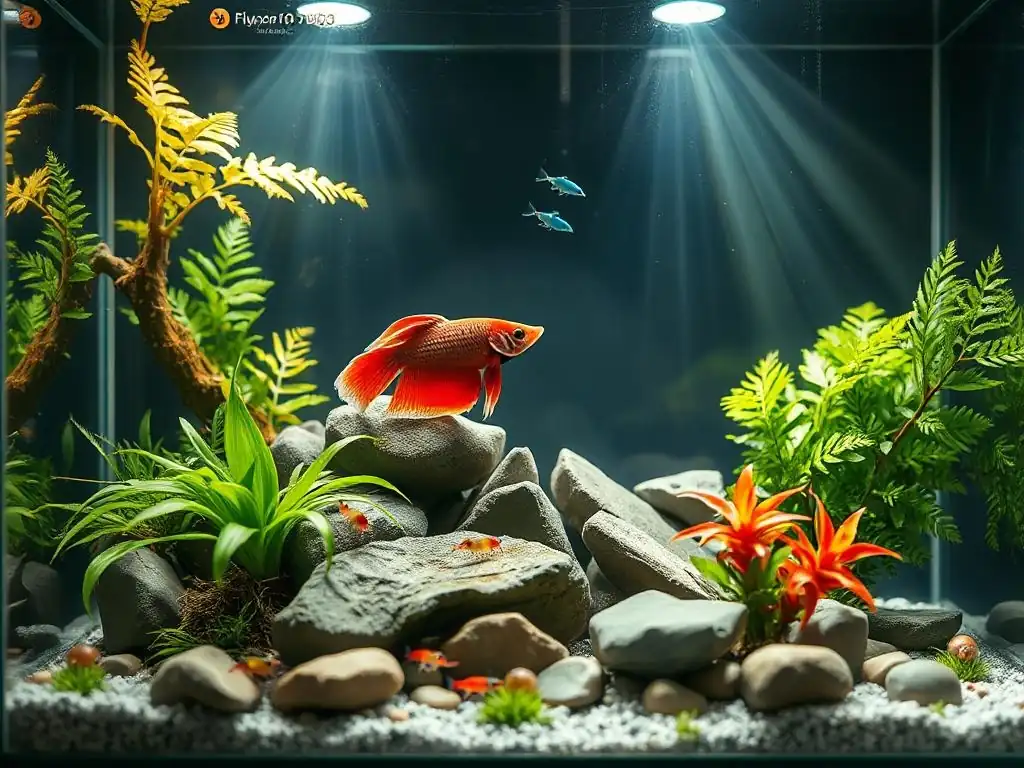
Ever wondered how to maintain crystal-clear water in a nano tank without unsightly equipment cluttering the view? You're in the right place. Dive in to discover our top picks and expert guide on nano tank internal filters, and unlock the secrets to a thriving, visually stunning miniature ecosystem. Curious about which filter is perfect for your setup? Let's get started!
- Introduction: The Importance of Filtration in Nano Aquariums
- Understanding Internal Filters for Nano Tanks
- Key Features to Consider When Choosing a Nano Tank Internal Filter
- Top Internal Filter Recommendations for Nano Aquariums (Product Reviews)
- Setting Up Your Nano Tank Internal Filter: A Step-by-Step Guide
- Maintaining Your Nano Tank Internal Filter for Optimal Performance
- Optimizing Water Quality in Your Nano Tank with Internal Filtration
- Conclusion: Choosing the Best Internal Filter for Your Nano Aquarium
-
Frequently Asked Questions
- What is a nano tank and why is an internal filter often preferred?
- What are the key features to look for in an internal filter for a nano tank?
- How often should I clean the internal filter in my nano tank?
- Can an internal filter provide sufficient filtration for a nano tank with live plants?
- What are some common problems associated with internal filters in nano tanks, and how can I address them?
- Final Reflection: The Quiet Power of Small Spaces
- Unleash Your Nano Tank's Potential!
Introduction: The Importance of Filtration in Nano Aquariums
Why Nano Tank Filtration Differs from Larger Aquariums
Nano aquariums, typically defined as tanks under 20 gallons, present unique challenges compared to their larger counterparts. The most significant difference lies in the highly constrained water volume. In a 5-gallon tank, a small amount of uneaten food or fish waste can rapidly lead to a dangerous spike in ammonia and nitrite, whereas in a 50-gallon tank, the same amount of waste would be significantly diluted, allowing for more time to react. This magnified impact means that stability is much harder to achieve and maintain in a nano environment, demanding highly efficient and consistent filtration.
Furthermore, the limited space in nano tanks often dictates specific equipment choices. Bulky external filters or sumps are typically impractical, leading aquarists to seek compact, discreet, and yet powerful filtration solutions. Aesthetic considerations also play a crucial role, as nano tanks are frequently placed on desks or in living areas where visible equipment can detract from the tank's beauty. Therefore, filtration for nano tanks must not only be effective but also blend seamlessly into the aquatic landscape.
The Role of Internal Filters in Maintaining Water Quality
Filtration is the cornerstone of a healthy aquarium, responsible for removing physical debris, harmful chemical compounds, and providing a habitat for beneficial bacteria. It typically encompasses three stages: mechanical, chemical, and biological. Mechanical filtration physically removes particles like uneaten food and detritus, while chemical filtration utilizes media like activated carbon to absorb dissolved impurities, odors, and discoloration. Biological filtration, arguably the most critical, provides surface area for nitrifying bacteria that convert toxic ammonia and nitrite into less harmful nitrate.
Internal filters are particularly well-suited for maintaining water quality in nano tanks due to their compact, self-contained design. They reside entirely within the aquarium, eliminating the need for external plumbing or hoses, thus saving valuable space. Despite their small footprint, many modern internal filters are engineered to provide comprehensive multi-stage filtration, ensuring that the critical biological processes are sustained to keep the aquatic environment stable and safe for delicate inhabitants. Their discreet operation and ease of integration make them a preferred choice for achieving optimal water parameters in confined spaces.
Understanding Internal Filters for Nano Tanks
What is an Internal Filter?
An internal filter is a submersible aquarium filtration device designed to operate entirely within the tank's water column. Typically attached to the aquarium glass with suction cups, these units consist of a pump that draws water in, passes it through various filter media chambers, and then expels the filtered water back into the tank. They are distinct from hang-on-back (HOB) filters, which hang on the rim of the tank, and canister filters, which sit outside the aquarium.
The fundamental components of an internal filter generally include an intake strainer to prevent debris or fish from being sucked in, an impeller-driven pump, and one or more compartments for different types of filter media. Their design prioritizes compactness and quiet operation, as the pump motor is fully submerged, dampening noise. This makes them an ideal choice for smaller aquariums, especially those placed in bedrooms or offices where minimal noise is desired.
Benefits of Using Internal Filters in Small Aquariums
The primary benefit of using a nano tank internal filter is its remarkable space efficiency. Unlike external filters that require room behind or below the tank, internal filters occupy minimal footprint within the aquarium itself, leaving the surrounding area clutter-free. This makes them perfect for desktop setups, small apartments, or any situation where space is at a premium. Installation is also incredibly straightforward; typically, it involves simply attaching the filter to the glass with suction cups, plugging it in, and ensuring it's fully submerged before operation.
Beyond space-saving, internal filters are often more budget-friendly than equivalent external systems, making them an accessible option for beginners. Their submerged design naturally muffles pump noise, contributing to a quieter environment compared to some external pumps or HOB filters. Furthermore, in the event of a power outage, internal filters do not pose a flooding risk, as all components are contained within the tank. They offer effective mechanical, chemical, and biological filtration in a compact package, making them highly suitable for maintaining the delicate balance of a small aquatic ecosystem.
Limitations of Internal Filters: Are They Right for You?
While internal filters offer numerous advantages for nano tanks, they do come with certain limitations that aquarists should consider. One common drawback is that they occupy valuable swimming space within the aquarium. In very small tanks, such as those under 3 gallons, even a compact internal filter can feel intrusive and reduce the available area for fish and plants. This visual presence can also be a minor aesthetic concern for some aquarists aiming for an ultra-clean, minimalist look.
Another limitation is their typically smaller media volume compared to external filters. This means that internal filters may require more frequent cleaning and media replacement to maintain optimal performance, especially in moderately stocked nano tanks. While effective for most nano setups, they might struggle to handle exceptionally high bioloads or heavily stocked aquariums, potentially leading to faster accumulation of nitrates. For larger nano tanks (e.g., 15-20 gallons) with demanding inhabitants, some aquarists might consider them as supplementary filtration rather than the sole solution.
Key Features to Consider When Choosing a Nano Tank Internal Filter
Flow Rate and Tank Size Compatibility
The flow rate, measured in Gallons Per Hour (GPH), is a critical factor when selecting a nano tank internal filter. It dictates how many times the entire volume of water in your aquarium is passed through the filter per hour. For nano tanks, a general guideline suggests a turnover rate of 5 to 10 times the tank volume per hour.
For example, for a 5-gallon tank, you would ideally look for a filter with a flow rate between 25 GPH and 50 GPH. However, this range can vary based on the specific inhabitants; a tank with delicate shrimp or Betta fish might require a lower, gentler flow, while a more active community tank might benefit from a higher rate.
It's equally important to consider the rated tank size compatibility provided by the manufacturer. While a filter might technically be capable of a certain GPH, its physical size and media volume are also designed for a specific tank range. Choosing a filter that is too powerful for your nano tank can create excessive current, stressing fish and uprooting plants. Conversely, an underpowered filter will not provide adequate filtration, leading to poor water quality. Always cross-reference the filter's GPH with its recommended tank size to ensure an appropriate match for your specific nano aquarium.
Filtration Stages: Mechanical, Chemical, and Biological
A high-quality nano tank internal filter should ideally incorporate all three essential stages of filtration to ensure comprehensive water purification. Mechanical filtration is the first line of defense, typically provided by sponges or filter floss, which physically trap particulate matter like uneaten food, plant debris, and fish waste. This step is crucial for maintaining clear water and preventing the breakdown of large organic materials into harmful compounds. Regular rinsing of mechanical media is necessary to prevent clogs and maintain efficiency.
Chemical filtration utilizes specialized media, most commonly activated carbon, to remove dissolved impurities, odors, discoloration, and certain medications from the water. While not always strictly necessary for a healthy tank, it significantly improves water clarity and aesthetic appeal. However, it's important to remember that activated carbon becomes exhausted over time, typically within 2-4 weeks, and needs to be replaced to remain effective.
Biological filtration, facilitated by porous media like ceramic rings or bio-balls, is arguably the most vital stage. It provides vast surface area for beneficial nitrifying bacteria to colonize, which convert highly toxic ammonia and nitrite—byproducts of fish waste and decaying matter—into less harmful nitrates, completing the nitrogen cycle. Ensuring your chosen nano tank internal filter has adequate space for biological media is paramount for long-term tank stability.
Filter Media Options: Sponges, Activated Carbon, and Bio-Rings
The effectiveness of a nano tank internal filter heavily relies on the quality and variety of its filter media. Sponges, often made of foam, serve as the primary mechanical filtration component. They come in various pore sizes, with coarser sponges trapping larger debris and finer sponges capturing smaller particles. These are typically reusable and should be rinsed regularly in old tank water during maintenance to preserve beneficial bacteria. Some internal filters feature multiple sponge layers for progressive mechanical filtration.
For chemical filtration, activated carbon is the most common media. It effectively adsorbs a wide range of organic and inorganic impurities, removing odors and water discoloration. However, its adsorptive capacity is finite, and it must be replaced every few weeks to prevent it from leaching absorbed pollutants back into the water.
Finally, biological filtration is achieved through porous media such as ceramic rings, bio-rings, or sintered glass. These materials are designed with microscopic pores that create an enormous surface area, ideal for the colonization of nitrifying bacteria. Unlike mechanical and chemical media, biological media should rarely be replaced and only cleaned gently in old tank water to avoid disrupting the bacterial colonies vital for the nitrogen cycle.
Adjustable Flow and Spray Bar Options for Delicate Fish
For nano aquariums, particularly those housing delicate species like Betta fish, shrimp, or slow-moving bottom dwellers, the ability to control water flow is paramount. A strong current can be highly stressful, exhausting these inhabitants, making it difficult for them to swim, eat, or even rest comfortably. Many premium nano tank internal filters come equipped with an adjustable flow rate feature, allowing aquarists to fine-tune the output to create a gentle, comfortable environment. This adjustability ensures that while filtration remains effective, the water movement is appropriate for the tank's inhabitants.
In addition to adjustable flow, some internal filters offer a spray bar attachment. A spray bar is a perforated tube that attaches to the filter's output, diffusing the water flow over a wider area. Instead of a single, concentrated stream, the water exits through multiple small holes, significantly reducing the intensity of the current.
This not only creates a much gentler flow, ideal for species sensitive to strong currents, but also helps to increase surface agitation for better oxygen exchange without creating disruptive turbulence throughout the tank. The combination of adjustable flow and a spray bar makes a nano tank internal filter exceptionally versatile for a wide range of delicate aquatic setups.
Noise Level and Energy Efficiency
For nano aquariums often placed in quiet environments like bedrooms, offices, or living rooms, the noise level of the filter is a significant consideration. Internal filters, by virtue of being fully submerged, are generally quieter than most hang-on-back filters because the water acts as a sound dampener for the pump. However, variations exist between models. When choosing a nano tank internal filter, look for models specifically advertised as "ultra-quiet" or featuring advanced impeller designs that minimize vibration and hum. A slightly noisy filter can quickly become an irritating distraction, detracting from the peaceful enjoyment of your aquarium.
Energy efficiency is another practical feature, especially for equipment that runs 24/7. While the power consumption of nano tank internal filters is inherently low—typically ranging from 2 to 5 watts—an energy-efficient model can still contribute to long-term savings on electricity bills and reduce your environmental footprint. Check the wattage rating of the filter; lower wattage indicates higher efficiency for a given flow rate. Although the individual savings might seem small, the cumulative effect over months and years can be noticeable, making it a wise consideration for any aquarist.
Ease of Maintenance and Cleaning
Given the smaller media volume typical of a nano tank internal filter, frequent maintenance is often required to ensure optimal performance. Therefore, the ease of cleaning and media replacement is a crucial feature to consider. Look for filters with a modular design or easily accessible media chambers that can be removed without disassembling the entire unit or removing it completely from the tank. Features like "flip-top" access or simple clip-on mechanisms can significantly simplify the routine cleaning process, encouraging consistent upkeep.
A filter that is difficult to clean will likely be neglected, leading to reduced efficiency and potentially compromised water quality. Consider how easy it is to access and rinse the mechanical sponges, replace chemical media cartridges, and clean the impeller. Some designs allow for cleaning the impeller without removing the main filter body, which is a convenient feature. A user-friendly design minimizes the chore of maintenance, ensuring that your nano tank internal filter continues to operate effectively and contribute to a healthy aquatic environment.
Top Internal Filter Recommendations for Nano Aquariums (Product Reviews)
Review: Fluval U2 Underwater Filter - A Versatile Option
The Fluval U2 Underwater Filter stands out as a highly versatile and robust internal filtration solution, particularly well-suited for nano tanks ranging from 10 to 30 gallons. Its distinctive feature is the three-stage filtration system, comprising two foam pads for extensive mechanical filtration, a poly/carbon cartridge for chemical purification, and BioMax ceramic rings for superior biological filtration. This comprehensive approach ensures clear water and effective removal of harmful nitrogenous compounds, making it a reliable choice for maintaining pristine water quality.
One of the most praised aspects of the Fluval U2 is its adjustable flow output system, offering three distinct options: top output for maximum surface agitation and oxygenation, integrated spray bar for a gentle, even flow ideal for delicate fish or planted tanks, and bottom output for deeper water circulation. This versatility allows aquarists to precisely tailor the water movement to suit their specific tank inhabitants and setup. Additionally, its "Flip-Top" design provides convenient and quick access to the filter media for maintenance without needing to remove the entire unit from the aquarium, simplifying routine cleaning.
Key Features and Specifications
- Three-Stage Filtration: Foam pads (mechanical), poly/carbon cartridge (chemical), BioMax ceramic rings (biological).
- Adjustable Flow Output: Top, spray bar, and bottom output options for varied water movement.
- Max Tank Size: Recommended for aquariums up to 30 US gallons (approx. 110 liters).
- Max Flow Rate: Approximately 105 GPH (400 L/H).
- Easy Maintenance: "Flip-Top" access for quick media changes and cleaning.
- Quiet Operation: Fully submersible design ensures low noise levels.
Pros and Cons
- Pros:
- Excellent multi-stage filtration for comprehensive water purification.
- Highly versatile adjustable flow options cater to diverse tank needs and inhabitants.
- Easy access for media maintenance due to "Flip-Top" design.
- Reliable and durable build quality.
- Provides strong biological filtration capacity for its size.
- Cons:
- Can be somewhat bulky for very small nano tanks (e.g., under 5 gallons).
- Initial cost might be higher compared to entry-level internal filters.
- Media replacement can involve proprietary cartridges, though generic options exist.
Ideal Tank Size and Setup
The Fluval U2 is ideally suited for nano tanks in the 10 to 20-gallon range, but can effectively serve up to 30 gallons, particularly those with a moderate to high bioload or heavily planted setups. It's an excellent choice for community nano tanks housing species like small tetras, rasboras, and even dwarf cichlids, where robust filtration and adjustable flow are beneficial. Its gentle spray bar option makes it suitable for Betta tanks or shrimp setups, provided the flow is set to the lowest, most diffused setting.
Review: Aqueon QuietFlow E Internal Power Filter (10 Gallon) - Quiet and Compact
The Aqueon QuietFlow E Internal Power Filter (10 Gallon model) is a highly regarded nano tank internal filter known for its exceptionally quiet operation and compact design, making it an excellent choice for smaller aquariums where discretion and minimal noise are paramount. This filter is specifically designed for tanks up to 10 gallons, providing a steady and gentle flow rate that is suitable for a variety of nano inhabitants, including delicate species like Betta fish and dwarf shrimp. Its fully submersible nature ensures that the pump noise is effectively dampened by the water.
The QuietFlow E utilizes a single, easily replaceable filter cartridge that combines mechanical, chemical, and biological filtration. The dense floss provides mechanical filtration, trapping particulate matter, while the activated carbon removes odors and discoloration. The patented Bio-Holster grid within the cartridge provides surface area for beneficial bacteria, though its biological capacity is more limited than multi-media systems. Installation is straightforward, using suction cups to secure it to the tank wall, and it features an adjustable flow knob to fine-tune the water output.
Key Features and Specifications
- Filtration Type: Integrated cartridge for mechanical (floss), chemical (activated carbon), and biological (Bio-Holster grid).
- Max Tank Size: Recommended for aquariums up to 10 US gallons.
- Max Flow Rate: Approximately 50-60 GPH (approx. 190-227 L/H).
- Adjustable Flow: Features a flow control knob to regulate water output.
- Quiet Operation: Fully submersible pump design ensures minimal noise.
- Easy Installation: Secures to tank wall with strong suction cups.
Pros and Cons
- Pros:
- Extremely quiet operation, ideal for bedrooms or offices.
- Very compact design, takes up minimal space in nano tanks.
- Simple and quick installation process.
- Adjustable flow rate is beneficial for delicate fish.
- Affordable and readily available filter cartridges.
- Cons:
- Limited media customization due to the single cartridge system.
- Biological filtration capacity is less extensive compared to filters with dedicated bio-media chambers.
- Cartridges need relatively frequent replacement (every 2-4 weeks) for optimal chemical filtration.
Ideal Tank Size and Setup
The Aqueon QuietFlow E Internal Power Filter (10 Gallon) is perfectly suited for small nano tanks ranging from 2.5 to 10 gallons. It is an excellent choice for Betta fish tanks, providing the gentle flow and quiet operation that these fish prefer. It's also suitable for shrimp-only tanks or very lightly stocked community nano setups. Its ease of use and quiet nature make it a top recommendation for beginners or anyone seeking an unobtrusive and reliable nano tank internal filter solution.
Review: Penn-Plax Cascade 300 Internal Filter - Reliable and Affordable
The Penn-Plax Cascade 300 Internal Filter offers a reliable and budget-friendly internal filtration solution for smaller aquariums, typically recommended for tanks up to 10 gallons. Despite its compact size and affordable price point, this nano tank internal filter provides effective multi-stage filtration designed to keep water clean and clear. Its submersible design means it operates quietly, making it a good choice for desktop or bedroom setups where noise is a concern.
The Cascade 300 includes a replaceable filter cartridge that combines both mechanical and chemical filtration, featuring a poly-fiber floss to trap debris and activated carbon to remove odors and discoloration. Crucially, it also provides a dedicated space within the filter body for additional biological media, such as bio-sponges or ceramic rings, which significantly boosts its capacity for beneficial bacteria. The filter's output nozzle is directional, allowing aquarists to aim the water flow to create optimal circulation or reduce direct current on delicate inhabitants.
Key Features and Specifications
- Filtration Type: Cartridge for mechanical (poly-fiber floss) and chemical (activated carbon); space for additional biological media.
- Max Tank Size: Recommended for aquariums up to 10 US gallons.
- Max Flow Rate: Approximately 70 GPH (265 L/H).
- Directional Output: Adjustable nozzle for customized water flow.
- Quiet Operation: Fully submersible pump.
- Easy Access: Simple design allows for straightforward media changes and cleaning.
Pros and Cons
- Pros:
- Very affordable, offering great value for its performance.
- Compact and unobtrusive design for nano tanks.
- Includes space for supplementary biological media, enhancing filtration.
- Directional output provides flexibility in water circulation.
- Easy to disassemble and clean for routine maintenance.
- Cons:
- Can be slightly less powerful than premium models for its rated tank size.
- Some users report a slight hum, though generally quiet.
- Relies on proprietary filter cartridges, which may need regular replacement.
Ideal Tank Size and Setup
The Penn-Plax Cascade 300 Internal Filter is an excellent choice for 5 to 10-gallon nano tanks, especially for beginners or those seeking an economical yet effective filtration solution. It is well-suited for lightly stocked community nano tanks, Betta fish setups (with the output directed for gentle flow), or shrimp tanks. Its ability to incorporate extra biological media makes it a step up from single-cartridge filters for aquarists looking for enhanced biological stability without a significant investment. It also serves well as a reliable filter for quarantine or hospital tanks due to its affordability and ease of setup.
Comparison Table: Side-by-Side Feature Comparison of Recommended Filters
| Feature / Model | Fluval U2 Underwater Filter | Aqueon QuietFlow E Internal (10 Gal) | Penn-Plax Cascade 300 Internal |
|---|---|---|---|
| Max Tank Size (Gallons) | Up to 30 | Up to 10 | Up to 10 |
| Max Flow Rate (GPH) | Approx. 105 | Approx. 50-60 | Approx. 70 |
| Filtration Stages | Mechanical, Chemical, Biological (3-stage) | Mechanical, Chemical, Biological (integrated cartridge) | Mechanical, Chemical, Biological (cartridge + bio media space) |
| Adjustable Flow | Yes (3 output options) | Yes (knob control) | Yes (directional output) |
| Key Feature | Versatile flow, comprehensive 3-stage filtration, "Flip-Top" access | Ultra-quiet operation, very compact, ideal for Betta tanks | Affordable, includes space for extra bio media, good value |
Setting Up Your Nano Tank Internal Filter: A Step-by-Step Guide
Unboxing and Initial Inspection
Upon receiving your new nano tank internal filter, carefully unbox all components. Take a moment to identify each part: the main filter unit, any included filter media (sponges, carbon, bio-rings), suction cups, and possibly a spray bar or other output attachments. It's crucial to thoroughly inspect all parts for any signs of damage that might have occurred during shipping, such as cracks in the plastic housing or kinks in the power cord. Ensuring all components are intact before proceeding will prevent potential issues during setup and operation.
Once inspected, it's recommended to gently rinse all non-electrical components under clean, cool tap water. This step helps to remove any manufacturing residues, dust, or loose particles that could otherwise enter your aquarium. Do not use soap, detergents, or any chemical cleaners, as these can be highly toxic to fish and beneficial bacteria. A simple rinse is sufficient to prepare the filter for its important role in your nano tank.
Preparing the Filter Media
The effectiveness of your nano tank internal filter hinges on properly prepared media. If your filter comes with sponges, rinse them thoroughly under running tap water until the water runs clear and no debris or manufacturing dust is visible. For activated carbon, it's particularly important to rinse it extensively to remove any fine carbon dust, which can cloud your aquarium water.
Place the carbon in a fine mesh bag (if not already pre-bagged) and rinse until the water is clear. Biological media, such as ceramic rings or bio-balls, should also be rinsed briefly to remove any dust, but avoid over-rinsing, as their porous structure is delicate.
Once rinsed, carefully load the filter media into the designated compartments of your internal filter, following the manufacturer's instructions. The typical order for optimal filtration is mechanical media first (sponges), followed by chemical media (activated carbon), and finally biological media (bio-rings). This sequence ensures that larger particles are removed before water reaches the chemical and biological stages, preventing clogging and maximizing efficiency. For filters with integrated cartridges, simply insert the cartridge as directed.
Positioning the Filter Inside the Aquarium
Strategic placement of your nano tank internal filter is key to maximizing its efficiency and ensuring good water circulation throughout the aquarium. Generally, the filter should be positioned near the back or side wall of the tank, where it is less obtrusive but can still effectively draw in water from all areas. Ensure that the filter's intake is fully submerged below the waterline at all times to prevent air from being drawn into the pump, which can cause noise and damage.
Use the provided suction cups to securely attach the filter to the inside glass of the aquarium. Press firmly to ensure a strong grip, as a loose filter can vibrate or detach. Consider the outflow direction; ideally, the filtered water should be directed towards the opposite end of the tank or aimed at the surface to create ripples, promoting oxygen exchange.
Avoid placing the filter directly next to a heater, as it could interfere with temperature distribution. The goal is to create a gentle, even flow throughout the tank without creating dead spots or excessive currents that could stress your nano inhabitants.
Connecting the Power and Adjusting the Flow Rate
Before plugging in your nano tank internal filter, double-check that it is fully submerged in the aquarium water. Operating an internal filter dry can cause irreversible damage to the pump's impeller. Once submerged, create a "drip loop" with the power cord: allow the cord to hang below the level of the electrical outlet before rising back up to plug in. This prevents water from running down the cord and into the outlet in case of a leak, enhancing electrical safety. Plug the filter into a Ground Fault Circuit Interrupter (GFCI) protected outlet for maximum safety.
Once plugged in, the filter should immediately begin to draw water and expel it. If your nano tank internal filter features an adjustable flow rate, observe the water movement in your aquarium. For delicate fish like Bettas or shrimp, you'll want a very gentle flow, so adjust the knob or switch to the lowest setting.
For a more active community tank, a slightly stronger flow might be beneficial for better circulation and oxygenation. Continuously monitor your fish's behavior; if they appear to be struggling against the current, reduce the flow. The aim is to create sufficient water movement for filtration without causing undue stress to your aquatic inhabitants.
Cycling the Filter and Establishing Biological Filtration
After setting up your nano tank internal filter, the most crucial step before adding fish is to "cycle" the aquarium. This process involves establishing a thriving colony of beneficial nitrifying bacteria on the filter's biological media. These bacteria are essential for the nitrogen cycle, converting highly toxic ammonia (from fish waste and decaying matter) into less toxic nitrite, and then converting nitrite into relatively harmless nitrate. Without a fully cycled filter, ammonia and nitrite will quickly build up to lethal levels for your fish.
The cycling process typically takes 2 to 6 weeks. During this time, you can perform a "fishless cycle" by adding a small amount of pure ammonia to the tank, or a very slow "fish-in cycle" with only a few hardy fish and diligent daily water testing. Use a reliable liquid test kit to monitor ammonia, nitrite, and nitrate levels.
Ammonia and nitrite should consistently read zero before you consider adding more inhabitants. To accelerate the process, you can add a reputable bacterial starter solution (e.g., Seachem Stability, API QuickStart) directly to the filter media, which introduces live beneficial bacteria to kickstart colonization. Patience during this phase is paramount for the long-term health and stability of your nano aquarium.
Maintaining Your Nano Tank Internal Filter for Optimal Performance
Regular Cleaning Schedule and Procedures
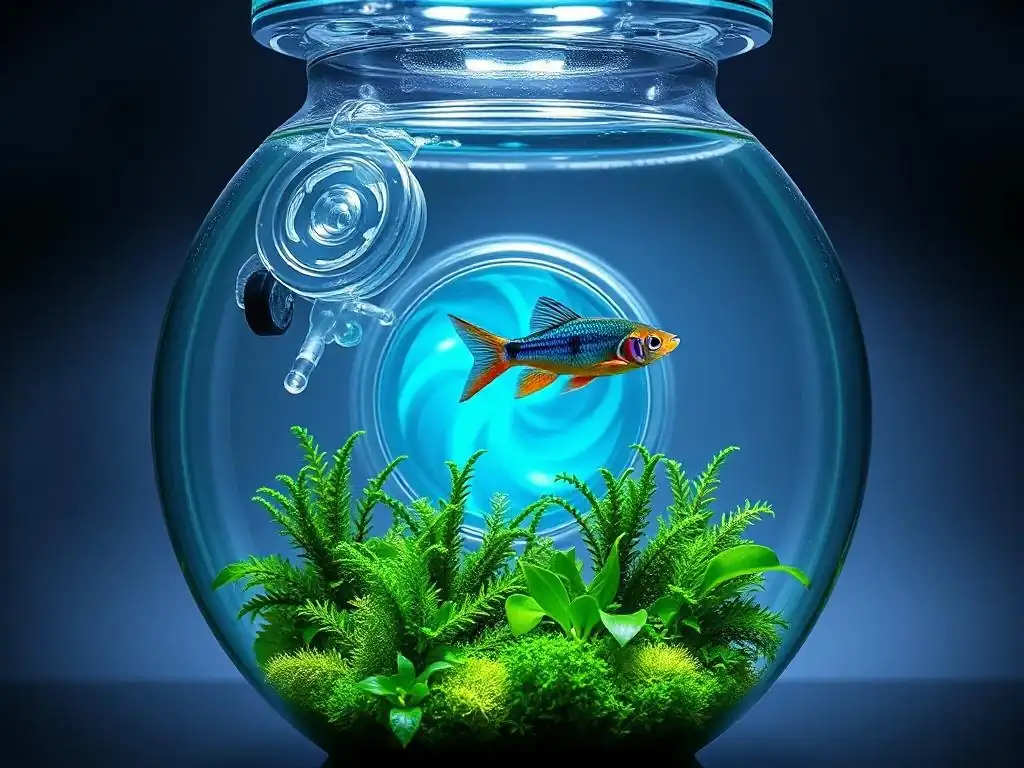
Maintaining your nano tank internal filter regularly is crucial for its optimal performance and the health of your aquarium. Due to their smaller media volume, internal filters tend to clog faster than larger external filters, necessitating more frequent cleaning, typically every 2 to 4 weeks depending on your tank's bioload. To clean, first unplug the filter from the power outlet to ensure safety. Carefully remove the filter from the aquarium, allowing excess water to drain back into the tank.
Once removed, disassemble the filter unit according to the manufacturer's instructions. Take out the mechanical media (sponges) and rinse them thoroughly in a bucket of old tank water that you've siphoned out during a water change. Never rinse filter media under chlorinated tap water, as this can kill the beneficial bacteria vital for biological filtration. Clean the impeller and its housing to remove any accumulated slime or debris that can reduce flow or cause noise. Reassemble the filter, ensuring all parts are correctly seated, and place it back into the aquarium, plugging it in only after it's fully submerged.
Replacing Filter Media: When and How
Understanding when and how to replace filter media is critical for maintaining a balanced nano aquarium ecosystem. Chemical media, such as activated carbon, has a limited lifespan; it adsorbs impurities until its capacity is exhausted, typically within 2 to 4 weeks. After this period, it may start to leach absorbed pollutants back into the water, so it's important to replace it regularly. Mechanical media, like sponges, can be rinsed repeatedly during routine cleaning until they begin to show signs of deterioration, such as tearing or crumbling, usually every 3 to 6 months.
The most important rule for biological media (e.g., ceramic rings, bio-balls) is to never replace all of it at once. Biological media houses the beneficial bacteria responsible for the nitrogen cycle.
If you need to replace biological media due to wear or damage, do so gradually or in stages, or run the new media alongside the old for several weeks to allow bacteria to colonize the new surface. If your internal filter uses an all-in-one cartridge for all three filtration types, consider cutting out the sponge portion and reusing it if possible, or replacing only half of the cartridge at a time if the design allows, to preserve as much beneficial bacteria as possible.
Troubleshooting Common Issues: Clogging, Noise, and Reduced Flow
Even well-maintained nano tank internal filters can occasionally experience issues. One of the most common problems is reduced flow or complete clogging. This is typically caused by excessive debris accumulating on the filter intake or within the mechanical media. To troubleshoot, first unplug the filter and remove it from the tank. Inspect the intake strainer for blockages and clear any debris. Then, disassemble the filter and thoroughly rinse the mechanical media (sponges) in old tank water. Also, check the impeller for any obstructions like hair or plant matter, and ensure it spins freely.
Noise can also be a concern with internal filters, although they are generally quiet. If your filter becomes noisy, it often indicates an issue with the impeller. Unplug the filter and remove the impeller cover. Check if the impeller is properly seated, free of debris, or if it shows signs of wear or damage.
Sometimes, trapped air bubbles can cause a rattling sound; gently shaking the filter while submerged can help release these. If the noise persists after cleaning and checking the impeller, the impeller itself may need replacement. Consistent, routine cleaning is the best preventative measure against most common filter issues.
Optimizing Water Quality in Your Nano Tank with Internal Filtration
The Importance of Regular Water Changes
While a nano tank internal filter is essential for removing physical debris and processing harmful nitrogenous compounds, it cannot single-handedly maintain perfect water quality. Regular water changes are an equally critical component of a healthy aquarium maintenance routine, especially in the confined volume of a nano tank. Filtration systems primarily convert toxic ammonia and nitrite into less harmful nitrate, but nitrates themselves accumulate over time and can become detrimental to aquatic life at high concentrations. Water changes are the most effective method for physically removing accumulated nitrates and other dissolved organic compounds that filtration cannot address.
Beyond nitrate reduction, routine water changes replenish essential trace minerals and electrolytes that are consumed by fish, plants, and invertebrates, ensuring a stable chemical environment. For most nano tanks, a weekly water change of 20-30% of the tank volume is recommended. This consistent dilution of pollutants and replenishment of vital elements helps to prevent sudden parameter swings, which are far more dangerous in small volumes, and ultimately contributes significantly to the long-term health and vibrancy of your nano aquarium inhabitants.
Monitoring Water Parameters: Ammonia, Nitrite, and Nitrate
Diligent monitoring of key water parameters is indispensable for ensuring the success of any nano aquarium, even one equipped with an excellent nano tank internal filter. Ammonia and nitrite are highly toxic compounds that should always be at zero parts per million (ppm) in a well-cycled tank. Any detectable levels indicate a problem with your biological filtration or an overloaded system (e.g., overfeeding, overstocking). Reliable liquid test kits are highly recommended over test strips for their accuracy in detecting these critical parameters.
Nitrate, the end product of the nitrogen cycle, is less toxic than ammonia or nitrite but can still be harmful in high concentrations, particularly for sensitive species like shrimp. While an efficient internal filter will process ammonia and nitrite, it does not remove nitrates.
Therefore, monitoring nitrate levels (aiming for typically below 20 ppm for most setups) is crucial, as consistently high readings signal the need for more frequent or larger water changes. Regular testing, perhaps weekly or bi-weekly, provides invaluable insight into your tank's health and the effectiveness of your filtration and maintenance regimen, allowing you to react quickly to potential issues.
Choosing the Right Substrate and Decorations
The substrate and decorations in your nano tank play a more significant role in water quality than just aesthetics; they can actively contribute to the overall health of the ecosystem. Porous substrates, such as certain types of aquarium gravel or specialized planted tank sands, offer an additional vast surface area for beneficial bacteria to colonize, supplementing the biological filtration provided by your nano tank internal filter. This extra bacterial capacity can be particularly advantageous in small volumes where biological stability is paramount.
When selecting decorations, prioritize aquarium-safe materials that will not leach harmful chemicals or alter water parameters. Natural elements like driftwood (properly prepared) and inert rocks can also provide surface area for bacterial growth and offer hiding spots for fish and invertebrates, reducing stress. However, avoid overcrowding the tank with too many decorations, as this can impede water flow, create "dead spots" where waste accumulates, and make cleaning more challenging. A thoughtful balance between aesthetic appeal and functional contribution to filtration and circulation is key for a thriving nano environment.
Avoiding Overfeeding and Overcrowding
Two of the most common causes of poor water quality in any aquarium, particularly nano tanks, are overfeeding and overcrowding. Overfeeding introduces an excessive amount of organic waste into the system. Uneaten food quickly breaks down, releasing ammonia and increasing the bioload beyond what even an efficient nano tank internal filter can handle. This leads to dangerous spikes in ammonia and nitrite, cloudy water, and an increased risk of algae blooms. It is always better to underfeed slightly than to overfeed; feed small amounts that your fish can consume completely within 1-2 minutes, once or twice a day.
Overcrowding, or keeping too many fish for the tank's volume, dramatically increases the amount of waste produced, overwhelming the filter's capacity and leading to chronically poor water quality. While general rules like "one inch of fish per gallon" exist, they are often too simplistic for nano tanks and do not account for species-specific needs, adult size, or waste production.
Research the specific requirements of each fish species you intend to keep and choose inhabitants that are truly suitable for the size of your nano aquarium. A lightly stocked, well-fed tank is far easier to maintain and much healthier for its inhabitants than an overcrowded one.
Conclusion: Choosing the Best Internal Filter for Your Nano Aquarium
Recapping Key Considerations
Selecting the ideal nano tank internal filter is a critical decision that directly impacts the health and stability of your miniature aquatic ecosystem. As we've explored, several key considerations must guide your choice. Foremost among these are the filter's compatibility with your tank's size and the desired flow rate, ensuring it provides adequate filtration without creating excessive currents for delicate inhabitants. The robustness of its filtration stages—mechanical, chemical, and especially biological—is paramount for maintaining pristine water quality.
Beyond core performance, practical aspects such as the variety and accessibility of filter media, the presence of adjustable flow or spray bar options, and the filter's noise level and energy efficiency contribute significantly to the user experience and the well-being of your aquatic pets. Finally, the ease of maintenance and cleaning cannot be overstated, as frequent upkeep is essential for internal filters to perform optimally in their compact environments. A thorough evaluation of these features against your specific tank's needs will lead to the most effective choice.
Final Recommendations Based on Tank Size and Fish Species
For very small nano tanks, typically 2.5 to 5 gallons, especially those housing delicate species like Betta fish or dwarf shrimp, a compact and quiet nano tank internal filter with adjustable, gentle flow is paramount. The Aqueon QuietFlow E Internal Power Filter (10 Gallon model) stands out here for its minimal noise, small footprint, and adjustable flow, making it ideal for creating a calm environment. For those seeking an affordable yet effective option for similar small setups, the Penn-Plax Cascade 300 Internal Filter offers good value with the added benefit of space for extra biological media.
For slightly larger nano tanks, ranging from 10 to 20 gallons, or those with a moderate bioload and perhaps a desire for planted features, a more robust internal filter like the Fluval U2 Underwater Filter becomes an excellent choice. Its comprehensive three-stage filtration, versatile adjustable flow options (including a spray bar), and easy "Flip-Top" access for maintenance make it highly adaptable for a variety of nano community setups and more demanding aquascapes.
Ultimately, the best internal filter is one that perfectly aligns with your specific tank size, the temperament of your fish species, and your personal commitment to routine maintenance.
Maintaining a Healthy and Thriving Nano Aquarium with Proper Filtration
The nano tank internal filter serves as the silent workhorse of your aquarium, diligently removing waste and fostering beneficial bacteria to maintain a stable environment. However, it is crucial to remember that filtration is just one pillar of successful nano tank husbandry. Even the most advanced filter cannot compensate for poor practices. A healthy and thriving nano aquarium is the result of a holistic approach that integrates efficient filtration with diligent maintenance.
This includes performing regular water changes to dilute nitrates and replenish essential minerals, consistently monitoring water parameters to catch issues early, and making judicious choices regarding substrate and decorations to support biological activity and circulation. Most importantly, responsible stocking and avoiding overfeeding are paramount, as these directly impact the bioload and the filter's ability to cope. By understanding the capabilities and limitations of your nano tank internal filter and combining it with these essential practices, you can create a beautiful, stable, and truly captivating miniature aquatic world that brings joy for years to come.
Frequently Asked Questions
What is a nano tank and why is an internal filter often preferred?
A nano tank is a small aquarium, typically under 10 gallons. An internal filter is often preferred due to its compact size and ease of concealment within the tank.
What are the key features to look for in an internal filter for a nano tank?
Look for filters with adjustable flow rates to suit the needs of the small tank inhabitants. Compact size and quiet operation are also crucial for a peaceful aquarium environment.
How often should I clean the internal filter in my nano tank?
Cleaning frequency depends on bioload, but generally, cleaning the filter media every 2-4 weeks is recommended. Avoid over-cleaning, as this can disrupt the beneficial bacteria.
Can an internal filter provide sufficient filtration for a nano tank with live plants?
Yes, a good internal filter can provide adequate filtration for a planted nano tank. The plants will also assist in biological filtration, improving water quality.
What are some common problems associated with internal filters in nano tanks, and how can I address them?
Common issues include clogging and reduced water flow. Regular cleaning and choosing a filter with appropriate media capacity can help prevent these problems.
Final Reflection: The Quiet Power of Small Spaces
The exploration of internal filters for nano tanks, as we've seen, isn't just about technical specifications; it's about cultivating miniature ecosystems within our homes. The ability to maintain a thriving aquatic environment in a small space speaks to our growing desire for connection with nature, even amidst urban landscapes. It's a testament to the power of thoughtful design and efficient technology.
This pursuit of miniature aquatic havens has profoundly impacted the aquascaping community, fostering creativity and innovation in tank design. The rise of nano tanks represents a shift towards more sustainable and accessible aquariums, allowing even those with limited space to experience the joy of fishkeeping. The best things come in small packages,
as the saying goes, and in the world of aquariums, this holds especially true. Nano tanks demonstrate that beauty and complexity can flourish even in the most compact environments.
Now, consider the implications of this quiet revolution. How can you apply the principles of efficiency and thoughtful design, not just to your aquarium, but to other areas of your life? Embrace the challenge of creating something beautiful and sustainable, no matter how small the space. Let the silent hum of your nano tank serve as a constant reminder that even the smallest efforts can cultivate a world of wonder.
Unleash Your Nano Tank's Potential!
Thanks for diving deep into the world of internal filters! We hope you've discovered the perfect solution to keep your nano tank crystal clear and thriving. Now, it's time to put that knowledge into action!
- Get Hands-On: Order your chosen internal filter today and experience the difference it makes in your nano tank's health and beauty.
- Explore Further: Experiment with different filter media to discover what works best for your specific aquatic ecosystem.
- Share Your Wisdom: Inspire fellow aquarists by posting photos of your nano tank setup and filter in action on social media, using #AquariumMastery!
Ready to finally achieve that pristine nano tank you've always dreamed of?