
Chili Rasbora (Boraras brigittae): Igniting Your Nano Tank with Fiery Beauty

Welcome to Aquarium Mastery!
Ever wondered how to bring a fiery spark to your nano aquarium? Dive in and discover the secrets to successful Chili Rasbora care. We'll illuminate everything you need to know about these captivating little fish, from their ideal tank conditions to ensuring they thrive in your care. Ready to ignite your aquarium passion? Let's get started!
- Introduction to the Fiery Chili Rasbora: A Nano Aquarium Gem
- Understanding Chili Rasbora Care: Essential Guidelines
- Setting Up the Perfect Chili Rasbora Tank Environment
- Chili Rasbora Tank Mates: Compatibility and Considerations
- Chili Rasbora Breeding: A Rewarding Challenge
- Common Chili Rasbora Health Issues and Prevention
- Enhancing the Fiery Color of Your Chili Rasboras
- Sourcing Healthy Chili Rasboras: Choosing Reputable Suppliers
- Troubleshooting Common Chili Rasbora Issues
- Conclusion: The Enduring Appeal of the Chili Rasbora
- Frequently Asked Questions
- Final Reflection: Embracing the Miniature Marvel
- Ignite Your Aquarium: Bring Home the Chili Rasbora's Flame!
Introduction to the Fiery Chili Rasbora: A Nano Aquarium Gem
Discovering the Allure of Boraras brigittae
Boraras brigittae, commonly known as the Chili Rasbora or Mosquito Rasbora, is a captivating freshwater fish renowned for its diminutive size and intense coloration. Typically growing to less than an inch (approximately 2.5 centimeters) in length, this species hails from the blackwater streams and peat swamps of Southeast Asia, particularly Borneo and Sumatra. Its most striking feature is a vibrant red-orange body adorned with a distinctive black spot or stripe, creating a truly fiery aesthetic that belies its small stature.
Despite their tiny size, Chili Rasboras possess an undeniable charm. They are highly peaceful and exhibit strong schooling behavior, moving in synchronized patterns that add dynamic life to any aquarium. Their subtle yet brilliant hues, combined with their active nature, make them a popular choice for aquarists seeking to create visually engaging and harmonious nano tank environments.
Why Choose Chili Rasboras for Your Small Aquarium?
Chili Rasboras are exceptionally well-suited for nano aquariums, typically those ranging from 5 to 10 gallons (approximately 19 to 38 liters). Their minimal bioload means they produce very little waste, making it easier to maintain stable water parameters in smaller volumes where fluctuations can be problematic for larger species. This makes them an ideal choice for aquarists who appreciate the challenge and beauty of miniature aquatic ecosystems.
Beyond their practical benefits, the vibrant colors of Boraras brigittae provide an immediate visual impact, transforming a modest tank into a focal point of fiery beauty. Their schooling behavior is a joy to observe, as they dart and weave through plants, creating a mesmerizing display. For those limited by space but unwilling to compromise on the vibrancy and activity of their aquatic inhabitants, the Chili Rasbora offers an unparalleled solution.
The Growing Popularity of Chili Rasbora in Aquascaping
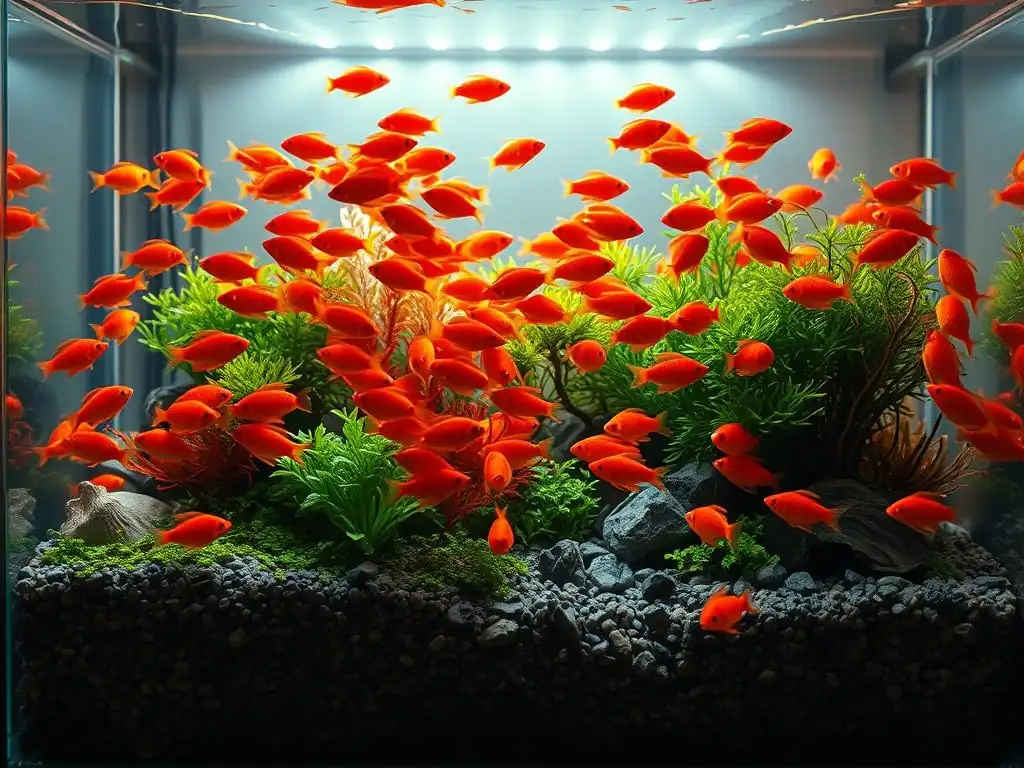
The Chili Rasbora's popularity has surged within the aquascaping community, particularly in the creation of intricately planted "Nature Aquariums" or Dutch-style setups. Their small size makes them perfect for conveying a sense of grand scale in miniature landscapes, allowing the aquascaper to create vast, expansive scenes where larger fish would appear disproportionate.
These tiny fish complement the lush greenery and intricate hardscaping of a well-designed aquascape, acting as living jewels that highlight the textures and colors of aquatic plants. Their fiery hues stand out against dark substrates and dense foliage, drawing the eye and adding a crucial element of life and movement. This symbiotic relationship between fish and environment has solidified the Chili Rasbora's status as a staple for discerning aquascapers.
Understanding Chili Rasbora Care: Essential Guidelines
Optimal Water Parameters for Chili Rasbora Health
Temperature, pH, and Hardness Requirements
Optimal fiery chili rasbora care begins with precise water parameters. These fish thrive in warm, soft, and acidic to neutral water, mimicking their natural blackwater habitats. The ideal temperature range is between 72-82°F (22-28°C), with stability being paramount. pH levels should be maintained between 4.0 and 7.0, with a target of 5.5-6.5 being highly beneficial. Water hardness should be very soft to soft, ideally between 0-10 dGH.
Maintaining these specific parameters is crucial for their long-term health and vibrant coloration. Deviations outside these ranges, particularly sudden fluctuations, can lead to significant stress, weakened immune systems, and susceptibility to disease. For instance, a pH above 7.0 consistently can cause stress and dull their fiery hues over time, as it deviates significantly from their preferred acidic environment.
Maintaining Pristine Water Quality in a Chili Rasbora Tank
Given their sensitivity, pristine water quality is non-negotiable for robust fiery chili rasbora care. Regular partial water changes are essential; a weekly change of 10-20% of the tank volume is often recommended to dilute nitrates and replenish essential trace elements. Using a reliable liquid-based test kit to monitor ammonia, nitrite, and nitrate levels is critical, as even small spikes can be detrimental in a nano tank.
A mature nitrogen cycle is fundamental before introducing Chili Rasboras. For example, in a densely planted 5-gallon tank housing 10 Chili Rasboras, nitrate levels should ideally be kept below 10-20 ppm to prevent long-term stress and promote optimal health. Consistent monitoring and proactive water changes are the cornerstones of preventing common health issues.
Chili Rasbora Tank Size: How Much Space Do They Need?
Minimum Tank Size for a School of Chili Rasboras
Despite their tiny stature, Chili Rasboras are schooling fish and require adequate space to exhibit their natural behaviors and feel secure. A minimum tank size of 5 gallons (approximately 19 liters) is recommended for a small school of 6-8 individuals. While they are small, cramming too many into an insufficient volume will lead to stress, stunted growth, and a dulling of their fiery colors.
For larger schools, perhaps 10-15 fish, a 10-gallon (approximately 38 liters) tank is far more suitable. This additional volume provides more ample swimming space, helps dilute waste products more effectively, and contributes significantly to the overall stability of the aquatic environment, enhancing the effectiveness of your fiery chili rasbora care efforts.
Considering Tank Dimensions and Aquascaping for Boraras brigittae
When selecting a tank for Chili Rasboras, the dimensions are often more important than the literal volume. A longer, shallower tank (e.g., a 10-gallon "long" style tank, which might be 20 inches long by 10 inches wide by 12 inches high) is preferable to a taller, narrower one of the same volume. This provides more horizontal swimming space, which is crucial for these active schooling fish.
Aquascaping should balance open swimming areas with dense planting. While Chili Rasboras appreciate open spaces for schooling, they also need plenty of hiding spots and shaded areas among plants to feel secure. A well-designed aquascape can make even a 5-gallon tank feel more expansive and natural for a small school.
Diet and Feeding: Ensuring Proper Nutrition for Your Chili Rasboras
What Do Chili Rasboras Eat? Live, Frozen, and Flake Foods
In their natural habitat, Chili Rasboras are micro-predators, primarily feeding on tiny invertebrates, zooplankton, and biofilm. In the aquarium, a varied diet is essential for their health and to enhance their fiery coloration. High-quality micro-pellets or finely crushed flake foods specifically designed for small fish can form the staple of their diet.
However, to truly thrive and display their most vibrant hues, supplementation with live and frozen foods is crucial. Excellent options include newly hatched brine shrimp nauplii, microworms, Daphnia, and cyclops. These foods provide essential proteins, fats, and carotenoids, which are vital for maintaining their intense red and orange pigmentation and ensuring comprehensive fiery chili rasbora care.
Feeding Frequency and Portion Control for Optimal Health
Due to their small size and the limited volume of nano tanks, precise feeding frequency and portion control are paramount. It is best to feed Chili Rasboras small amounts 1-2 times per day, only what they can consume within 2-3 minutes. Overfeeding is a common pitfall in nano tanks and can quickly lead to deteriorated water quality.
Uneaten food rapidly decays, releasing ammonia and nitrites, which are highly toxic to these sensitive fish. Consistent overfeeding can also lead to issues like fin rot or bloating. Observing how quickly they consume their food will help you fine-tune the portion size, ensuring they receive adequate nutrition without polluting their environment.
Lighting and Substrate Considerations for Chili Rasboras
Chili Rasboras naturally inhabit environments with dense vegetation and often a canopy of trees, resulting in subdued lighting conditions. In the aquarium, moderate to low lighting is preferred. Intense light can stress these small fish, causing them to hide more often and potentially dulling their vibrant colors. Adjustable LED lights are ideal, allowing aquarists to fine-tune the intensity to suit the fish and plants.
The choice of substrate also plays a significant role in their well-being and visual appeal. Dark substrates, such as black sand or fine dark gravel, are highly recommended. These not only mimic their natural darkwater habitats but also provide a stark contrast that makes their fiery red and orange coloration pop, creating a more stunning display.
Setting Up the Perfect Chili Rasbora Tank Environment
Choosing the Right Substrate for a Chili Rasbora Biotope
Dark Substrates to Enhance Coloration
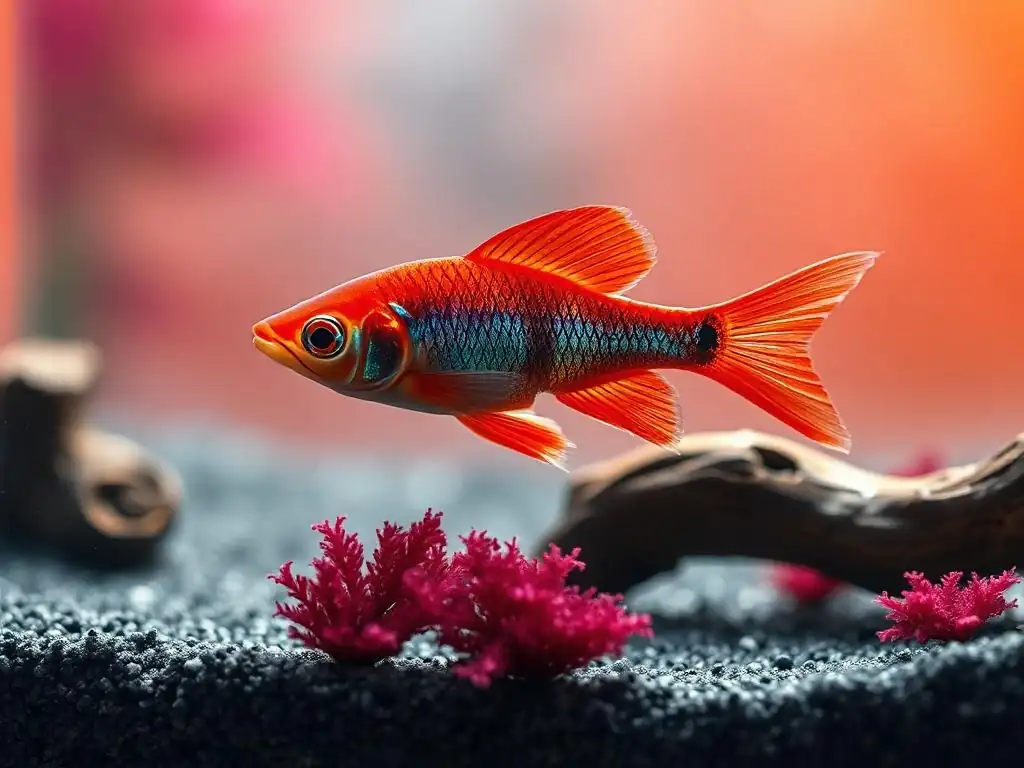
To truly bring out the "fiery" beauty of Boraras brigittae, the selection of a dark substrate is a critical aesthetic choice. Substrates such as black sand, like CaribSea Eco-Complete Black, or very fine dark gravel, create a striking contrast against the fish's vibrant red and orange hues. This visual enhancement makes their colors appear more intense and captivating, significantly contributing to the overall appeal of the aquarium.
Furthermore, a dark background or substrate can help reduce stress in these naturally shy fish. By mimicking the shaded, tannin-stained waters of their native blackwater habitats, the fish feel more secure and are more likely to display their full, brilliant coloration rather than appearing washed out or stressed.
Substrate Depth and Nutrient Content
For a planted Chili Rasbora tank, a substrate depth of 2-3 inches (approximately 5-7.5 cm) is generally sufficient to allow for healthy root development for most aquatic plants. If using an inert substrate like sand, it will be necessary to supplement plant nutrition through root tabs or liquid fertilizers, as the substrate itself will not provide nutrients.
While Chili Rasboras do not directly interact with the substrate in a significant way, a clean, well-maintained substrate is vital for overall water quality, especially in a sensitive nano environment. Regular gravel vacuuming (if not heavily planted) or ensuring good water flow through the substrate helps prevent the buildup of detritus that could degrade water parameters.
Plants for Chili Rasbora: Creating a Natural Habitat
Ideal Plant Species for a Chili Rasbora Tank
Creating a densely planted environment is paramount for the well-being and natural behavior of Chili Rasboras. Ideal plant species include fine-leaved plants that offer ample hiding spots and diffuse light, such as Java Moss ( Taxiphyllum barbieri), Guppy Grass ( Najas guadalupensis), and various Rotala species. Floating plants like Dwarf Water Lettuce ( Pistia stratiotes) or Amazon Frogbit ( Limnobium laevigatum) are also highly beneficial, providing crucial shade and further mimicking their natural canopy-covered habitats.
These plants serve multiple purposes: they provide security for the fish, help to reduce light intensity, and contribute to excellent water quality by absorbing nitrates, which is a key aspect of superior fiery chili rasbora care. A lushly planted tank encourages them to display their natural schooling behaviors more confidently.
Plant Placement and Aquascaping Tips
When aquascaping for Chili Rasboras, aim for a balance between open swimming areas and dense vegetation. Design the layout with heavily planted zones at the back and sides of the tank, creating a secure backdrop. Leave a clear, open area in the foreground or mid-ground where the school can gather and be observed. This allows the fish to feel safe while still providing ample space for their characteristic schooling movements.
Incorporating natural elements like small pieces of driftwood or cholla wood can further enhance the biotope feel. These not only add visual interest but can also release beneficial tannins into the water, subtly lowering the pH and tinting the water, further replicating the blackwater conditions that Boraras brigittae thrive in.
Filtration and Water Flow: Maintaining a Healthy Ecosystem
Choosing the Right Filter for a Nano Tank
For a Chili Rasbora nano tank, the choice of filter is crucial, as these fish require very gentle water flow. Sponge filters are an excellent option for their low current, superior biological filtration, and safety for tiny fry (should breeding occur). Small hang-on-back (HOB) filters with adjustable flow rates or internal filters can also be used, but their outflow often needs to be baffled or directed towards the tank wall to reduce current.
Avoid powerful filters designed for larger tanks, as their strong currents can easily stress and exhaust these delicate fish. For instance, a 5-gallon tank housing Chili Rasboras would benefit from a small air-driven sponge filter rated for 10-15 gallons, ensuring adequate filtration capacity without creating turbulent water.
Maintaining Gentle Water Flow for Boraras brigittae
Chili Rasboras originate from slow-moving or even stagnant waters, making strong currents highly detrimental to their well-being. It is imperative to ensure that the water flow in their tank is minimal and gentle. If using a HOB or internal filter, consider adding a pre-filter sponge over the intake to protect the tiny fish and baffling the output with a piece of filter sponge or a spray bar to disperse the flow.
Observing your fish's behavior is the best indicator of appropriate water flow. If the Chili Rasboras are constantly struggling against the current, are pushed around the tank, or are clustering in a single, calm corner, the flow is likely too strong. Adjustments should be made promptly to ensure their comfort and long-term health, which is a key aspect of successful fiery chili rasbora care.
Chili Rasbora Tank Mates: Compatibility and Considerations
Ideal Tank Mates for Chili Rasboras
Peaceful Community Fish That Thrive with Boraras brigittae
Selecting appropriate tank mates for Chili Rasboras requires careful consideration of their peaceful nature and small size. Ideal companions are other small, non-aggressive nano fish that share similar water parameter requirements. Excellent choices include other Boraras species (such as the Phoenix Rasbora, Boraras merah), Ember Tetras ( Hyphessobrycon amandae), and the various Pygmy Corydoras species ( Corydoras pygmaeus, C. hastatus, C. habrosus).
These species are unlikely to outcompete Chili Rasboras for food or intimidate them. They are also similarly sized, ensuring that no fish perceives the Chili Rasboras as prey. The key is to select fish known for their docile temperament and small adult size, creating a harmonious and stress-free environment for your fiery chili rasbora care.
Avoiding Aggressive or Predatory Tank Mates
It is absolutely crucial to avoid any fish that might pose a threat to the tiny Chili Rasboras. This includes species that can fit a Chili Rasbora in their mouth, even if they are generally considered "peaceful" with larger fish, such as larger Tetras (e.g., Neon Tetras, Black Skirt Tetras) or many Gourami species. Any fish known for fin-nipping, like some Barbs or even certain Betta varieties, should also be strictly avoided.
Even seemingly innocent larger fish can stress Chili Rasboras by their sheer presence or by outcompeting them for food. The goal is to create a serene environment where these delicate fish can thrive without fear of predation or constant intimidation.
Invertebrates as Tank Mates: Shrimp and Snails
Shrimp Compatibility with Chili Rasboras
Chili Rasboras are one of the most compatible fish species for dwarf shrimp. Their mouths are simply too small to consume adult dwarf shrimp, or even most larger shrimplets. This makes them ideal tank mates for popular species such as Cherry Shrimp ( Neocaridina davidi), Amano Shrimp ( Caridina multidentata), and Crystal Red Shrimp ( Caridina cantonensis).
The presence of shrimp can be mutually beneficial; the shrimp act as efficient scavengers, helping to keep the tank clean by consuming algae and detritus, while the Chili Rasboras provide a dynamic, colorful display without posing any threat to the shrimp population. This pairing is often a cornerstone of successful nano community tanks.
Snail Options for Algae Control
Peaceful, non-predatory snails are also excellent additions to a Chili Rasbora tank. Species like Nerite Snails ( Neritina natalensis), Ramshorn Snails ( Planorbella spp.), and Mystery Snails ( Pomacea bridgesii) are completely safe and can contribute significantly to algae control and the breakdown of uneaten food and detritus.
Ensure that any snail chosen is compatible with the slightly acidic to neutral water parameters preferred by the rasboras. Snails like Malaysian Trumpet Snails ( Melanoides tuberculata) can also be beneficial, as they burrow through the substrate, helping to aerate it and prevent anaerobic pockets, further contributing to a healthy environment for your fiery chili rasbora care.
Chili Rasbora Breeding: A Rewarding Challenge
Creating Breeding Conditions for Boraras brigittae
Setting Up a Separate Breeding Tank
Breeding Chili Rasboras can be a rewarding experience, though it requires specific conditions due to their egg-scattering nature and tiny fry. A dedicated breeding tank, typically a small 2-3 gallon (7.5-11 liter) aquarium, is highly recommended. This tank should be dimly lit and ideally have a bare bottom or a layer of spawning mops (yarn mops) or dense clumps of fine-leaved plants like Java moss to catch the adhesive eggs.
To induce spawning, condition a small group (e.g., 2 males and 3 females) or a single pair with high-quality live and frozen foods for 1-2 weeks. The breeding water should be very soft (0-5 dGH) and acidic (pH 5.5-6.5), with a temperature maintained around 78-80°F (25.5-26.5°C) to mimic their natural spawning grounds.
Mimicking Natural Breeding Triggers
In their natural environment, spawning is often triggered by changes in water conditions, such as a slight drop in temperature followed by a gradual increase, or a small, cool water change. In the breeding tank, these subtle changes, combined with the presence of dense spawning media, can encourage the fish to spawn, typically in the early morning hours.
The eggs are incredibly small and translucent, making them difficult to spot. Once spawning is observed or suspected, the adult fish should be removed immediately to prevent them from consuming the eggs. This critical step ensures the survival of the delicate fry.
Chili Rasbora Fry Care: Raising Healthy Young
Feeding Newly Hatched Fry
Chili Rasbora fry are minuscule upon hatching and require microscopic food for their initial days. Infusoria, which can be cultured or purchased, is an essential first food. Liquid fry foods or green water (microalgae cultures) can also provide the necessary sustenance. Feeding small amounts multiple times a day is crucial to ensure a constant food supply for their rapid growth.
After approximately 3-5 days, once the fry have grown slightly, they can typically transition to larger microscopic foods such as newly hatched brine shrimp nauplii or microworms. These live foods provide vital nutrition for healthy development and are key to successful fiery chili rasbora care for the next generation.
Maintaining Optimal Water Quality for Fry Development
Maintaining pristine water quality is even more critical for Chili Rasbora fry than for adults, as they are exceptionally sensitive to pollutants. Extremely small, frequent water changes (e.g., 10% daily) using an air line tube to gently siphon water are necessary to remove waste without disturbing the delicate fry.
A gentle air-driven sponge filter is vital in the fry tank for aeration and biological filtration, ensuring no strong currents that could harm or stress the tiny fish. Stable water parameters, consistent temperature, and diligent feeding are paramount for their survival and healthy growth into vibrant, fiery adults.
Identifying Male and Female Chili Rasboras for Breeding
Distinguishing between male and female Chili Rasboras, particularly outside of breeding season, can be subtle but is essential for successful breeding. Males are generally more slender and display a more intense, vibrant "fiery" red coloration, especially when conditioned for breeding. Their characteristic black spot or stripe often appears more defined and prominent.
Females, in contrast, tend to have a rounder, fuller body shape, which becomes particularly noticeable when they are gravid (carrying eggs). Their coloration is typically slightly duller than that of the males. Observing these subtle differences in body shape and color intensity allows aquarists to select suitable breeding pairs or groups.
Common Chili Rasbora Health Issues and Prevention
Recognizing Signs of Illness in Chili Rasboras
Common Diseases Affecting Boraras brigittae
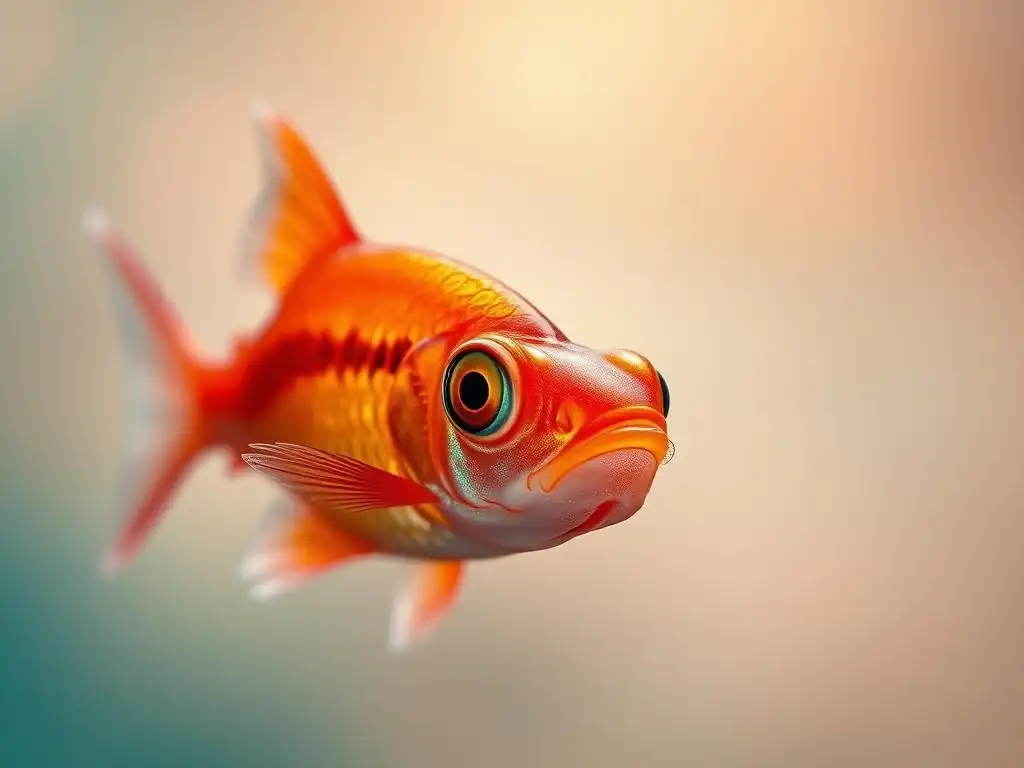
Chili Rasboras, while relatively hardy for nano fish, can be susceptible to common freshwater diseases if their environment is unstable or water quality declines. Common ailments include Ich ( Ichthyophthirius multifiliis), characterized by small white spots resembling salt grains on the body and fins. Fin Rot, often caused by bacterial infections, presents as frayed, discolored, or disintegrating fins. Columnaris, a bacterial infection, can appear as cotton-like growths, often around the mouth, and can progress rapidly.
Other non-specific signs of illness include lethargy, clamped fins (fins held close to the body), loss of their vibrant fiery coloration, difficulty swimming, or a sudden refusal to eat. Any deviation from their normal active schooling behavior should be observed closely.
Early Detection and Treatment Strategies
Vigilant daily observation is the most effective tool for early detection of health issues in Chili Rasboras. Regularly inspecting your fish for any changes in appearance, behavior, or swimming patterns can allow you to address problems before they escalate into serious outbreaks. Catching issues like a single white spot early can prevent an entire tank infection.
For minor issues, often the first course of action is to perform a significant water change (e.g., 30-50%) to improve water quality immediately. If symptoms persist or worsen, appropriate medications may be necessary. Always research the correct dosage for sensitive nano fish, as they can be more susceptible to medication side effects than larger species.
Preventing Disease Through Proper Tank Maintenance
Regular Water Changes and Monitoring
The most effective preventative measure against disease in Chili Rasboras is consistent, high-quality tank maintenance. Regular partial water changes, typically 15-20% of the tank volume weekly, are crucial for diluting nitrates, removing accumulated organic waste, and replenishing essential minerals. This practice maintains a stable and healthy aquatic environment, significantly reducing stress on the fish.
Beyond water changes, regularly testing water parameters (ammonia, nitrite, nitrate, and pH) is vital. This allows aquarists to identify any imbalances before they become critical. For instance, a persistent rise in nitrate levels above 20 ppm can stress Chili Rasboras, making them more vulnerable to opportunistic pathogens.
Quarantine New Fish Before Introduction
A fundamental practice for preventing the introduction of diseases is to quarantine all new fish in a separate, dedicated tank for a period of 2-4 weeks before adding them to your main Chili Rasbora aquarium. This isolation period allows you to observe new arrivals for any signs of illness, parasites, or stress.
During quarantine, if any health issues arise, they can be treated without risking the established fish population. This simple yet crucial step significantly reduces the risk of devastating outbreaks in your main display tank, protecting your investment in fiery chili rasbora care.
Enhancing the Fiery Color of Your Chili Rasboras
Optimizing Diet for Vibrant Coloration
Foods That Enhance Red Pigmentation
To truly maximize the "fiery" red and orange pigmentation of your Chili Rasboras, their diet must be rich in carotenoids. Incorporate high-quality micro-pellets or flakes specifically formulated for color enhancement, often containing ingredients like spirulina, astaxanthin, or krill. Frozen foods such as bloodworms, cyclops, and Daphnia are also excellent sources of natural pigments.
Live foods, including newly hatched brine shrimp or microworms, not only provide superior nutrition but also promote active hunting behavior, which contributes to overall fish vitality and color expression. A varied diet ensures they receive a full spectrum of nutrients necessary for their most vibrant display.
Natural Color Enhancers
Beyond specialized foods, certain natural elements can subtly enhance the fiery coloration of Chili Rasboras. The introduction of driftwood or Indian Almond Leaves (IALs) into the aquarium releases beneficial tannins and humic substances. These compounds not only create a blackwater environment, which is highly preferred by Boraras brigittae, but also subtly intensify their natural red hues, making them appear more vibrant.
Some aquarists also report that providing a diet supplemented with high-quality astaxanthin, a powerful antioxidant and carotenoid, can lead to a noticeable intensification of red and orange pigments. This can be found in some commercial color-enhancing foods.
Lighting and Background: Creating a Visually Stunning Display
Selecting the Right Lighting Spectrum
While Chili Rasboras prefer subdued lighting, the right lighting spectrum can significantly enhance their visual appeal. Moderate LED lighting systems that allow for spectrum adjustments are ideal. Lights with a color temperature in the range of 6500K to 8000K often work well, as they provide a balanced spectrum that can highlight red and orange tones without being overly intense.
Avoid extremely bright lights, as these can wash out the fish's colors and stress them. Experiment with light intensity and color settings to find the balance that best showcases the fiery beauty of your Chili Rasboras while keeping them comfortable.
Using a Dark Background to Accentuate Colors
A simple yet incredibly effective technique to make the vibrant colors of your Chili Rasboras pop is to use a dark background behind the aquarium. A plain black or dark blue background provides maximum contrast for their brilliant red and orange bodies. This visual trick creates an illusion of depth and causes the fish's coloration to stand out dramatically.
This aesthetic choice not only enhances the "fiery" effect but also contributes to the fish's sense of security, as it mimics the darker, shaded areas of their natural habitat, encouraging them to display their best colors more confidently.
Sourcing Healthy Chili Rasboras: Choosing Reputable Suppliers
Selecting Healthy Specimens at Your Local Fish Store
What to Look For When Purchasing Chili Rasboras
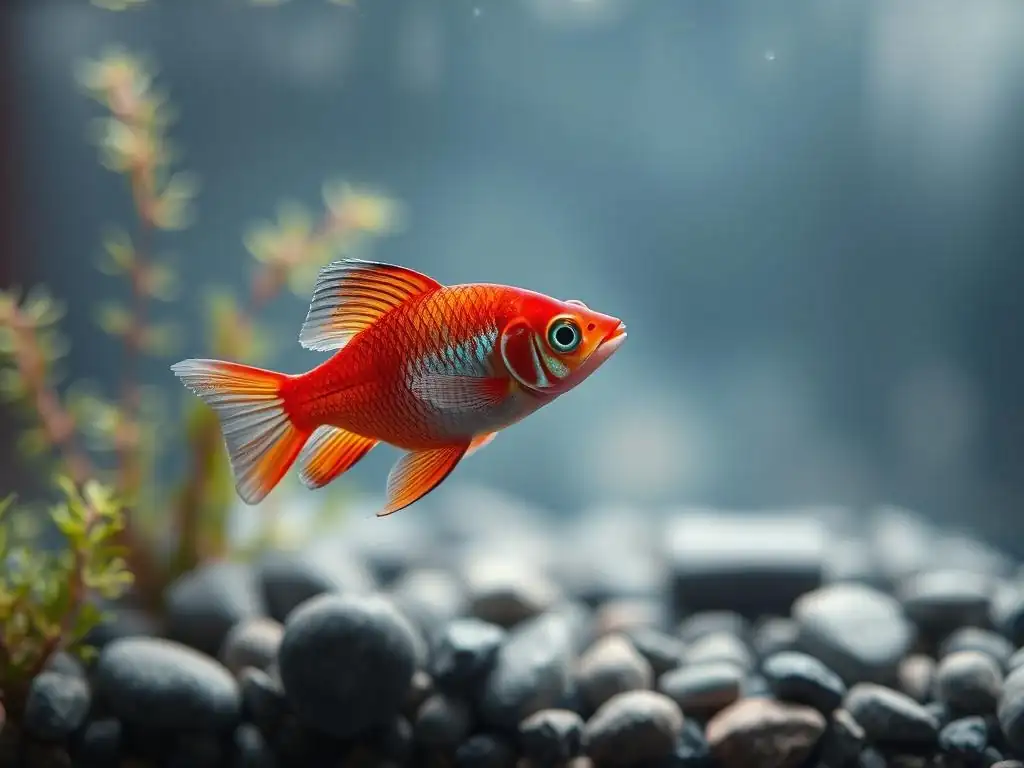
When purchasing Chili Rasboras from a local fish store, careful observation is key to ensuring you bring home healthy specimens. Look for fish that are actively schooling, displaying vibrant, intense coloration, and swimming confidently. Their fins should be intact and free from tears or clamping, and their bodies should appear full, without any signs of emaciation or bloating. Eyes should be clear and bright.
Avoid any fish that are lethargic, gasping at the surface, showing visible white spots (Ich), exhibiting frayed fins, or have any other physical abnormalities. Also, observe the overall health of the tank they are housed in; a clean tank with healthy-looking fish is a good indicator of a reputable store's care standards.
Avoiding Diseased or Stressed Fish
It is crucial to avoid purchasing fish from tanks that contain any visibly sick or deceased specimens, as diseases can spread rapidly. Even if the Chili Rasboras themselves appear healthy, they might be carriers of pathogens if their tank mates are ill. Inquire about the store's quarantine procedures and how long the fish have been in their care.
Reputable fish stores will typically have a policy of quarantining new arrivals and will be transparent about their fish's origins and health. Purchasing from such establishments significantly reduces the risk of introducing diseases to your meticulously maintained fiery chili rasbora care setup.
Online Retailers: Pros and Cons
Researching Reputable Online Suppliers
Online retailers can offer a wider selection of Chili Rasboras, sometimes at better prices, but require thorough research. Look for online suppliers with a strong reputation for fish health, excellent packaging, and responsive customer service. Websites like Aquahuna or Aqua Huna are frequently cited by hobbyists for their quality and reliability in shipping live fish.
Before making a purchase, always review their Dead on Arrival (DOA) policy and guarantee. A reputable supplier will have a clear and fair policy regarding fish that do not survive shipping, often offering replacements or refunds. This provides a safety net for your investment in fiery chili rasbora care.
Considering Shipping and Acclimation
Shipping live fish, especially delicate nano species like Chili Rasboras, can be stressful. Opt for expedited shipping options, such as overnight or express delivery, to minimize transit time. It's also wise to check the weather conditions at both the shipping origin and your destination to avoid extreme temperatures that could harm the fish.
Upon arrival, proper acclimation is paramount. Utilize a drip acclimation method over 1-2 hours to slowly adjust the fish to your tank's water parameters (temperature, pH, and hardness). This gradual process minimizes shock and significantly improves their chances of settling into their new home without stress.
Troubleshooting Common Chili Rasbora Issues
Addressing Fin Nipping and Aggression
While Chili Rasboras are renowned for their peaceful nature, rare instances of fin nipping or unusual aggression can occur. This is often a symptom of underlying stress, usually caused by an inadequate tank size, overcrowding, or the presence of unsuitable tank mates. Ensure your school size is sufficient (at least 6-8, ideally 10 or more) to dilute any potential intraspecific squabbles and make them feel more secure.
If fin nipping is observed, first assess and rectify any water quality issues, as poor conditions can lead to stress-induced abnormal behavior. Re-evaluate your tank mates to ensure no larger or more boisterous species are causing stress. Increasing the tank size or adding more hiding spots can also alleviate stress and reduce unwanted behaviors.
Dealing with Algae Blooms in a Nano Tank
Algae blooms are a common challenge in nano tanks, often exacerbated by the smaller water volume and quicker accumulation of nutrients. The primary causes are typically excessive light duration or intensity, overfeeding, or high levels of nitrates and phosphates. To combat this, reduce your lighting period to 6-8 hours daily and ensure you are not overfeeding your Chili Rasboras.
Introducing natural algae eaters like Nerite Snails or Amano Shrimp can be highly effective. Manual removal of algae during your regular water changes is also crucial. Avoid chemical algaecides, as they can be harsh and potentially harmful to sensitive fish and invertebrates in a small, closed system, impacting your fiery chili rasbora care efforts.
Maintaining Stable Water Parameters
Fluctuations in water parameters, particularly temperature, pH, and hardness, are a significant source of stress for Chili Rasboras and can quickly lead to illness. To maintain stability, invest in a reliable aquarium heater with an accurate thermostat. Perform small, consistent partial water changes (e.g., 10-20% weekly) rather than large, infrequent ones, which can cause sudden shifts in chemistry.
Regularly test your water parameters, at least once a week, to catch any gradual changes before they become problematic. For example, if your pH starts to creep up, investigate potential causes like substrate buffering or declining CO2 levels in a planted tank, and take corrective action to prevent stress to your fish.
Conclusion: The Enduring Appeal of the Chili Rasbora
Why Boraras brigittae Remains a Favorite Among Aquarists
The Chili Rasbora, Boraras brigittae, has solidified its place as a beloved species among aquarists for a multitude of reasons. Its remarkably diminutive size makes it an unparalleled choice for nano aquariums, allowing enthusiasts to create vibrant, active ecosystems even in limited spaces. Coupled with its striking "fiery" coloration and inherently peaceful, schooling nature, it offers immense visual appeal and fascinating behaviors.
Beyond aesthetics, its low bioload is a significant practical advantage in smaller setups, contributing to easier maintenance and greater water stability. These combined attributes ensure that despite their tiny stature, Chili Rasboras deliver a powerful presence and enduring joy, making them an indispensable component of successful fiery chili rasbora care.
Enjoying the Beauty and Activity of Your Chili Rasbora School
Observing a thriving school of Chili Rasboras darting and weaving through a meticulously aquascaped, densely planted tank is a truly captivating and rewarding experience. Their constant activity, synchronized movements, and brilliant red-orange hues can transform any small aquarium into a dynamic, living art piece, providing endless hours of contemplative enjoyment.
By diligently adhering to the guidelines for proper fiery chili rasbora care – ensuring optimal water parameters, providing a suitable environment, and offering a nutritious diet – aquarists can ensure these captivating fish not only survive but truly thrive. This dedication allows them to display their full beauty and bring a unique touch of fiery elegance to the home aquarium for years to come.
Frequently Asked Questions
What are the ideal water parameters for Chili Rasboras?
Chili Rasboras thrive in soft, slightly acidic water. Aim for a pH of 6.0-7.0 and a general hardness (GH) below 10 dGH.
What is the best tank size for keeping Chili Rasboras?
Due to their small size, Chili Rasboras can be kept in a nano tank. A minimum of 5 gallons is recommended, but a 10-gallon tank is preferable for a larger school.
What is the best diet to keep my Chili Rasboras healthy and vibrant?
Chili Rasboras require a varied diet of small foods. Offer them high-quality flake food, micro worms, daphnia, and baby brine shrimp.
Are Chili Rasboras difficult to care for?
Chili Rasboras are generally considered easy to care for once their specific needs are met. Maintaining stable water parameters and providing a suitable environment are crucial for their health.
What are some common health issues that affect Chili Rasboras?
Common issues include stress from poor water quality, Ich (white spot disease), and other parasitic infections. Preventative measures like regular water changes and quarantine are important.
Final Reflection: Embracing the Miniature Marvel
The journey into the world of Boraras brigittae, the fiery chili rasbora, reveals more than just the intricacies of nano tank keeping; it underscores the profound beauty and responsibility inherent in cultivating miniature ecosystems. These tiny jewels, with their vibrant colors and delicate needs, remind us that even the smallest creatures deserve our utmost care and attention. The success of a chili rasbora tank is a testament to the dedication and understanding of the aquarist, a microcosm reflecting our broader relationship with the natural world.
The allure of the chili rasbora extends beyond its aesthetic appeal. It's a captivating reminder that beauty can be found in the most unexpected places, and that even the smallest acts of care can have a significant impact. The growing popularity of nano tanks and these vibrant fish speaks to a desire for connection with nature, even within the confines of our modern lives. In nature, nothing is perfect and everything is perfect. Trees can be contorted, bent in weird ways, and they're still beautiful.
- Alice Walker. This quote perfectly encapsulates the beauty of the chili rasbora, and the imperfect, yet perfect, ecosystems we strive to create for them.
As we conclude our exploration of fiery chili rasbora care, let us not simply close the book on this fascinating species. Instead, let us carry forward the lessons learned – the importance of meticulous research, the dedication to creating optimal environments, and the appreciation for the delicate balance of life. Consider how you can apply these principles not only to your aquarium, but also to other aspects of your life. Embrace the challenge of nurturing something small and beautiful, and witness the profound rewards that follow.
Ignite Your Aquarium: Bring Home the Chili Rasbora's Flame!
Thanks for diving into the vibrant world of Chili Rasboras! We hope you've found inspiration to add a spark of fiery beauty to your nano aquarium. Ready to take the next step and transform your tank?
Here are a few ways to bring the Chili Rasbora's magic into your life:
- Commit to creating a thriving environment! Start by researching the ideal water parameters and tank setup for these little gems. Your diligence will be rewarded with vibrant colors and active behavior.
- Share your newfound knowledge with fellow aquarists! Post your favorite Chili Rasbora fact on social media or start a discussion in an online forum dedicated to nano tanks.
- Consider supporting ethical and sustainable fish keeping by purchasing Chili Rasboras from a reputable breeder or local fish store that prioritizes the health and well-being of their fish.
What unique aquascaping idea are you most excited to try to showcase the Chili Rasbora's stunning colors in your own nano tank?