
Coral Banded Shrimp: Beauty or Beast in Your Reef Tank?

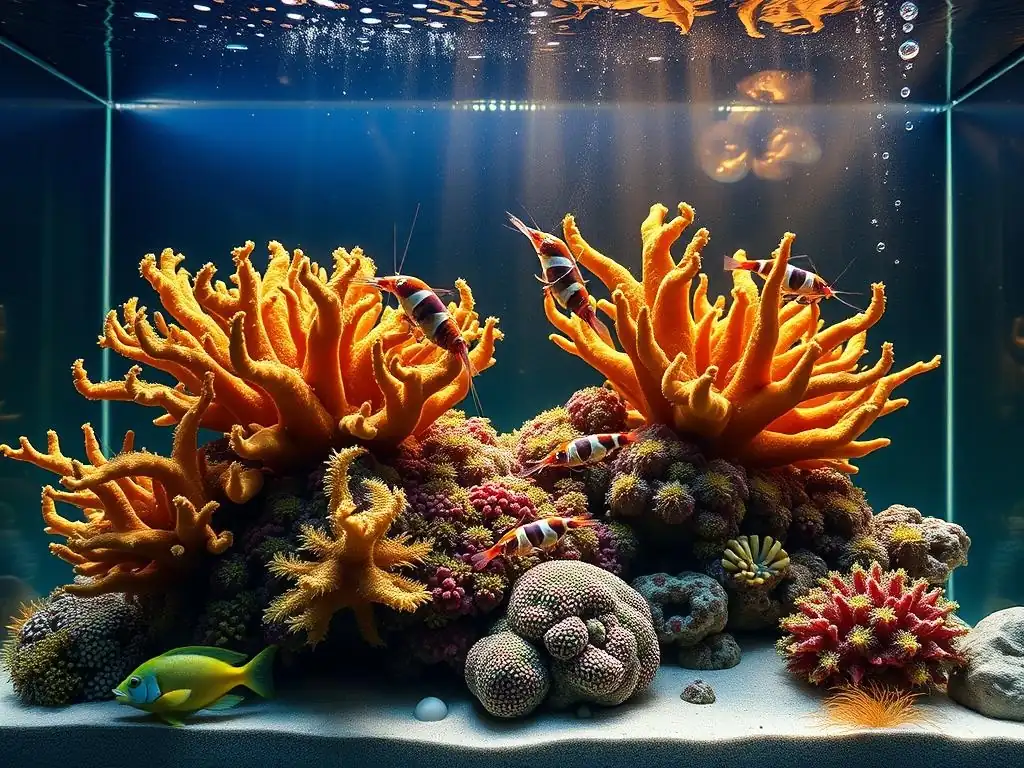
Welcome to Aquarium Mastery, where we dive deep into the fascinating world beneath the surface! Ever wondered if a Coral Banded Shrimp is the perfect addition to your reef tank, or a potential troublemaker? Prepare to uncover the secrets of this striking invertebrate and learn everything you need to know about providing optimal Coral Banded Shrimp care. Ready to separate fact from fiction and ensure a thriving reef environment? Let's explore!
- Peppermint Shrimp: Aiptasia Control or Reef Menace?
- Introduction to Peppermint Shrimp
- Peppermint Shrimp Care: A Comprehensive Guide
- Identifying Peppermint Shrimp: Physical Characteristics
- Peppermint Shrimp Habitat and Tank Requirements
- Peppermint Shrimp Diet and Feeding
- Peppermint Shrimp Behavior and Temperament
- Peppermint Shrimp and Reef Tank Pests: A Double-Edged Sword
- Breeding Peppermint Shrimp: A Challenging Endeavor
- Common Health Issues and Diseases
- Pros and Cons of Keeping Peppermint Shrimp
- Choosing the Right Peppermint Shrimp for Your Aquarium
- Conclusion: Is a Peppermint Shrimp Right for Your Reef?
- Frequently Asked Questions
- Final Reflection: Appreciating the Nuances of Reef Life
- Transform Your Reef: Start Thriving Today!
Peppermint Shrimp: Aiptasia Control or Reef Menace?
Introduction to Peppermint Shrimp
Understanding the Appeal of Peppermint Shrimp in Reef Aquariums
The Peppermint Shrimp, Lysmata wurdemanni, has long been a popular inhabitant in saltwater reef aquariums, primarily due to its reputation as a natural predator of Aiptasia anemones. These invasive pests can quickly proliferate and sting corals, making them a significant concern for reef tank enthusiasts. Introducing Lysmata wurdemanni offers a biological control method, often seen as a more natural and less disruptive alternative to chemical treatments. Many aquarists report significant reductions in Aiptasia populations within weeks of adding these shrimp, making them a highly sought-after component of a reef tank's clean-up crew.
Beyond their pest control capabilities, Peppermint Shrimp are also appreciated for their active and engaging behavior. They are relatively small, typically reaching about 2 inches (5 cm) in length, and their translucent bodies with subtle red stripes add a unique visual element to the tank. Their scavenger nature contributes to overall tank cleanliness, as they will consume uneaten food and detritus, thereby aiding in nutrient cycling. This dual benefit of pest control and general clean-up makes comprehensive peppermint shrimp care an attractive proposition for many hobbyists looking to maintain a healthy and vibrant reef ecosystem.
Potential Challenges of Keeping Peppermint Shrimp
While the benefits of Peppermint Shrimp are numerous, prospective owners should be aware of certain challenges. One primary concern is the potential for species misidentification; several Lysmata species look similar to L. wurdemanni, but not all are effective Aiptasia predators, and some may even be coral nippers. For example, Lysmata bogessi is another species sometimes sold as a Peppermint Shrimp, but its Aiptasia appetite can be less consistent, and it might be more prone to bothering corals. Ensuring you acquire the correct species is crucial for successful Aiptasia control and preventing unintended harm to your reef inhabitants.
Another significant challenge in peppermint shrimp care involves their temperament and compatibility. While generally peaceful, individual shrimp can occasionally develop a taste for certain soft corals, zoanthids, or even clam mantles. This unpredictable behavior means that while one Peppermint Shrimp might be an exemplary citizen, another might become a nuisance, requiring its removal from the display tank. Monitoring their behavior closely, especially after introduction, is vital to mitigate any potential negative impacts on your valuable corals and other invertebrates.
Peppermint Shrimp Care: A Comprehensive Guide
Key Considerations for Peppermint Shrimp Health
Optimal peppermint shrimp care hinges on maintaining stable and pristine water conditions, which are paramount for their overall health and longevity. These invertebrates are sensitive to fluctuations in water chemistry, particularly salinity and temperature. A stable salinity level between 1.023 and 1.026 specific gravity is recommended, with temperature consistently maintained between 72°F and 78°F (22°C to 26°C).
Regular testing of these parameters, ideally on a weekly basis, helps identify any deviations promptly. Furthermore, low levels of nitrates (under 10 ppm) and phosphates (under 0.05 ppm) are crucial, as high nutrient levels can stress shrimp and make them susceptible to disease.
Beyond water quality, proper nutrition and a stress-free environment contribute significantly to robust peppermint shrimp health. Providing a varied diet, as discussed later, ensures they receive all necessary nutrients. Adequate hiding places within the live rock structure are also essential, offering them security and reducing stress, especially during molting periods when they are most vulnerable. A healthy Peppermint Shrimp typically lives for approximately 1 to 2 years in captivity, although some well-cared-for individuals have been known to live for up to 3 years. Consistent and attentive peppermint shrimp care practices are key to achieving these longer lifespans.
Identifying Peppermint Shrimp: Physical Characteristics
Distinguishing Features: Translucent Body and Red Stripes
The Peppermint Shrimp ( Lysmata wurdemanni) is characterized by its semi-translucent body, which often has a faint reddish or orange tint, allowing some internal organs to be faintly visible. The most distinctive identifying features are the several thin, broken, or dashed reddish-orange stripes that run horizontally along its body, from the rostrum (the pointed projection between the eyes) to the tail. These stripes are typically more pronounced on the carapace and abdomen.
Unlike some similar-looking species, L. wurdemanni usually lacks thick, solid red bands or prominent white markings. For instance, Lysmata debelius (Fire Shrimp) has solid, bright red coloration with white spots, making it easily distinguishable.
Another key characteristic often overlooked in peppermint shrimp identification is the coloration of their legs and antennae. Lysmata wurdemanni generally has clear or faintly striped legs that blend with the body, and their antennae are typically white or clear. This contrasts with other Lysmata species that might have bolder leg patterns or distinctly colored antennae. When purchasing, observing these subtle details is vital for accurate identification, especially since some vendors may mistakenly sell other Lysmata species, like Lysmata rathbunae or Lysmata boggessi, under the "Peppermint Shrimp" moniker, which may not exhibit the same Aiptasia-eating tendencies.
Sexing Peppermint Shrimp: Difficulties and Observations
Sexing Peppermint Shrimp, particularly Lysmata wurdemanni, is notoriously challenging for the average aquarist due to their hermaphroditic nature. Most Lysmata species are protandric simultaneous hermaphrodites, meaning they initially mature as males but later develop female reproductive organs, capable of functioning as both sexes simultaneously. This makes visual differentiation based on traditional male/female characteristics nearly impossible. There are no readily apparent external morphological differences, such as size or coloration, that reliably distinguish one sex from another in a casual observation.
However, in a group setting, it is generally understood that any two adult Peppermint Shrimp can potentially mate and reproduce. The presence of eggs, which are typically green or brown and carried under the female's pleopods (swimmerets) on the underside of the tail, is the most definitive sign of a reproductive female. These eggs are visible for several days before hatching.
While observing egg clutches confirms a shrimp is acting as a female, it doesn't preclude it from also acting as a male at other times. For detailed peppermint shrimp care and breeding, one typically relies on having multiple individuals to ensure reproductive success.
Peppermint Shrimp Habitat and Tank Requirements
Ideal Tank Size for Peppermint Shrimp
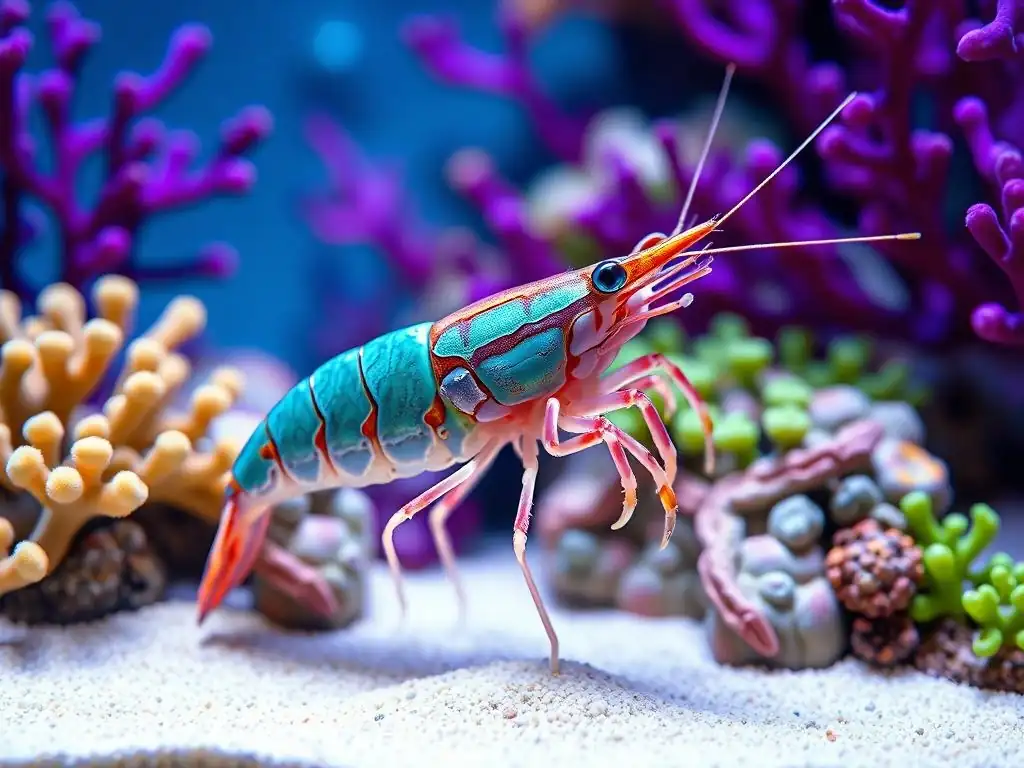
When considering peppermint shrimp care, the ideal tank size is a crucial factor for their well-being and the stability of the reef ecosystem. While a single Peppermint Shrimp can theoretically survive in tanks as small as 10 to 20 gallons (38 to 76 liters), a minimum tank size of 30 gallons (114 liters) is generally recommended for a solitary individual or a small group of two to three. This larger volume provides greater water stability, which is vital for sensitive invertebrates, and offers ample space for foraging and establishing territories without excessive competition.
For aquarists planning to keep a larger group of Peppermint Shrimp or integrate them into a mature reef system with various corals and fish, a tank of 50 gallons (189 liters) or more is preferable. This allows for sufficient live rock structure, which is essential for their security and natural behavior. Overcrowding can lead to stress, increased aggression, and reduced foraging efficiency, ultimately impacting their health and effectiveness as a clean-up crew. Adhering to these tank size guidelines is a fundamental aspect of responsible peppermint shrimp care, ensuring a thriving environment for these beneficial crustaceans.
Essential Water Parameters for Peppermint Shrimp Health
Maintaining precise and stable water parameters is paramount for the health and longevity of Peppermint Shrimp, as they are highly sensitive to environmental fluctuations. The specific gravity (salinity) should be kept consistently within the range of 1.023 to 1.026. Sudden shifts in salinity can be fatal, making a reliable refractometer or hydrometer an indispensable tool for regular monitoring. Temperature is equally important, ideally maintained between 72°F and 78°F (22°C and 26°C), with minimal daily swings. A quality heater with a thermostat is essential to prevent temperature stress.
Beyond salinity and temperature, the chemical parameters of the water significantly impact peppermint shrimp care. Ammonia and nitrite levels must be undetectable (0 ppm), as even trace amounts are highly toxic to invertebrates. Nitrates should be kept as low as possible, ideally below 10 ppm, and phosphates below 0.05 ppm.
Adequate levels of alkalinity (8-12 dKH), calcium (400-450 ppm), and magnesium (1250-1350 ppm) are also important, particularly in a reef tank setting where these elements are consumed by corals and other calcifying organisms. Regular water changes, typically 10-20% bi-weekly, help replenish trace elements and maintain overall water quality, contributing to robust peppermint shrimp health.
Creating a Suitable Reef Environment: Live Rock and Hiding Places
A suitable reef environment for Peppermint Shrimp is one that closely mimics their natural habitat, providing both foraging opportunities and essential hiding places. Live rock is the cornerstone of such an environment, offering a complex structure of crevices, caves, and overhangs that serve as secure retreats. These hiding spots are particularly crucial during molting, a vulnerable period when the shrimp sheds its exoskeleton to grow.
Without adequate cover, a newly molted shrimp is susceptible to predation by tank mates or even stress-induced mortality. A good rule of thumb is to provide at least 1 pound of live rock per gallon of tank volume for optimal environmental complexity.
Beyond physical structure, the live rock also contributes to the biological filtration of the tank, supporting beneficial bacteria that process waste. This natural filtration is vital for maintaining the pristine water quality that Peppermint Shrimp require. Aquarists should arrange the live rock to create stable formations that won't shift or collapse, potentially trapping or injuring the shrimp. Incorporating various sizes and shapes of rock can enhance the aesthetic appeal and provide diverse hiding options, promoting the shrimp's natural behavior and overall well-being as a key aspect of comprehensive peppermint shrimp care.
Peppermint Shrimp Diet and Feeding
Natural Diet of Peppermint Shrimp
In their natural coral reef habitats, Peppermint Shrimp are opportunistic scavengers and omnivores, playing a crucial role in the reef ecosystem as part of the clean-up crew. Their diet primarily consists of detritus, uneaten food particles, algae, and small invertebrates. They are particularly known for preying on Aiptasia anemones, which are considered pests in reef aquariums. This natural inclination to consume Aiptasia is a significant reason for their popularity among aquarists. Their foraging behavior involves constantly sifting through the substrate and probing crevices within live rock for any edible matter.
This natural diet ensures they receive a diverse range of nutrients. They are not strictly carnivores or herbivores but rather adapt their feeding based on the availability of food sources. This adaptability contributes to their resilience in various reef environments. Understanding their natural dietary habits is fundamental to providing effective peppermint shrimp care in captivity, aiming to replicate the nutritional variety they would encounter in the wild.
Supplementing Their Diet in Captivity: What to Feed
While Peppermint Shrimp are excellent scavengers, their diet in a captive reef tank often needs supplementation to ensure they receive all necessary nutrients, especially if Aiptasia populations are low or non-existent. A varied diet is key to robust peppermint shrimp health. High-quality marine flakes and pellets, designed for omnivorous invertebrates, should form the basis of their supplemental feeding. These often contain essential vitamins, minerals, and proteins.
In addition to dry foods, offering frozen foods several times a week is highly beneficial. Examples include mysis shrimp, brine shrimp, finely chopped silversides, or a high-quality frozen blend specifically formulated for marine invertebrates. These provide vital proteins and fats. Vegetable matter, such as spirulina flakes or blanched zucchini, can also be offered occasionally, though their preference for plant material is generally lower than for meaty foods. Feeding small amounts once a day or every other day, depending on the tank's bioload and the presence of other scavengers, is a good practice to prevent overfeeding and maintain water quality.
Feeding Frequency and Avoiding Overfeeding
The feeding frequency for Peppermint Shrimp should be carefully managed to prevent overfeeding, which can lead to poor water quality and contribute to undesirable algae growth. In a well-established reef tank with a moderate bioload, Peppermint Shrimp will actively scavenge for uneaten fish food, detritus, and microalgae. Therefore, direct supplemental feeding may only be necessary a few times per week, perhaps two to three times, depending on the tank's cleanliness and the number of shrimp.
When feeding, offer only a small amount of food that can be consumed within a few minutes. A common mistake in peppermint shrimp care is providing too much food, which not only pollutes the water but can also make the shrimp less inclined to hunt Aiptasia. If you notice uneaten food lingering on the substrate for extended periods, reduce the quantity or frequency of feeding. Observing the shrimp's behavior and their body condition can also guide feeding adjustments; a healthy shrimp will appear active and have a full, but not distended, abdomen.
Peppermint Shrimp Behavior and Temperament
Understanding Their Role in the Reef Ecosystem
Peppermint Shrimp are fascinating invertebrates that play a multifaceted role in the reef ecosystem, particularly within the confines of a home aquarium. Their primary and most celebrated contribution is their voracious appetite for Aiptasia anemones, which are invasive pests that can quickly overrun a reef tank, stinging and outcompeting corals for space and light. Many aquarists rely on them as a natural, biological control method, often observing a significant reduction in Aiptasia populations within weeks of introduction. This makes them a valuable component of the reef's clean-up crew, offering a more sustainable alternative to chemical treatments.
Beyond Aiptasia control, Peppermint Shrimp are also diligent scavengers. They actively forage for uneaten food, detritus, and decaying organic matter throughout the tank, including hard-to-reach crevices within live rock. This constant scavenging helps maintain overall tank cleanliness and reduces the build-up of nutrients that could otherwise fuel nuisance algae or degrade water quality. Their nocturnal nature means they are often more active after the tank lights are off, diligently working to keep the substrate and rockwork pristine. This dual role of pest control and general clean-up makes them a highly beneficial addition, provided proper peppermint shrimp care is maintained.
Potential Aggression Towards Other Shrimp
While generally considered peaceful, Peppermint Shrimp can exhibit aggression, particularly towards other shrimp species or even conspecifics in certain circumstances. In tanks where multiple Lysmata species are present, such as Skunk Cleaner Shrimp ( Lysmata amboinensis) or Blood Red Fire Shrimp ( Lysmata debelius), Peppermint Shrimp may occasionally harass or compete with them, especially during feeding times or when establishing territories. This aggression is usually more pronounced in smaller tanks or when resources are limited.
Instances of Peppermint Shrimp nipping at or pestering other shrimp, particularly newly molted or smaller individuals, have been reported by aquarists. While not typically fatal, this can cause stress and injury to the less dominant shrimp. For optimal peppermint shrimp care and to minimize potential conflicts, it's advisable to introduce them into tanks with ample hiding places and ensure a diverse range of food sources. Keeping a single Peppermint Shrimp or a small group of them as the sole shrimp species can also reduce the likelihood of inter-species disputes.
Compatibility with Fish and Other Invertebrates
Peppermint Shrimp are generally considered compatible with most peaceful reef-safe fish and invertebrates, making them a versatile addition to many marine aquariums. Small, non-aggressive fish such as gobies, blennies, cardinalfish, and clownfish typically coexist well with Peppermint Shrimp. However, caution is advised when housing them with larger, predatory fish like triggers, puffers, lionfish, or certain wrasses, as these species may view the shrimp as a food source. Even seemingly peaceful fish can sometimes prey on shrimp, especially after molting when the shrimp is soft and vulnerable.
Regarding other invertebrates, Peppermint Shrimp usually get along with snails, hermit crabs, and most starfish. Their compatibility with corals is generally good, and they are considered "reef-safe." However, as mentioned previously, there are anecdotal reports of individual Peppermint Shrimp developing a taste for certain soft corals, zoanthids, or even clam mantles. This behavior is not universal but highlights the need for careful observation after introduction. For comprehensive peppermint shrimp care, it's prudent to monitor their interactions with all tank inhabitants, especially in the initial weeks, to ensure long-term harmony.
Peppermint Shrimp and Reef Tank Pests: A Double-Edged Sword
Peppermint Shrimp as Aiptasia Anemone Control
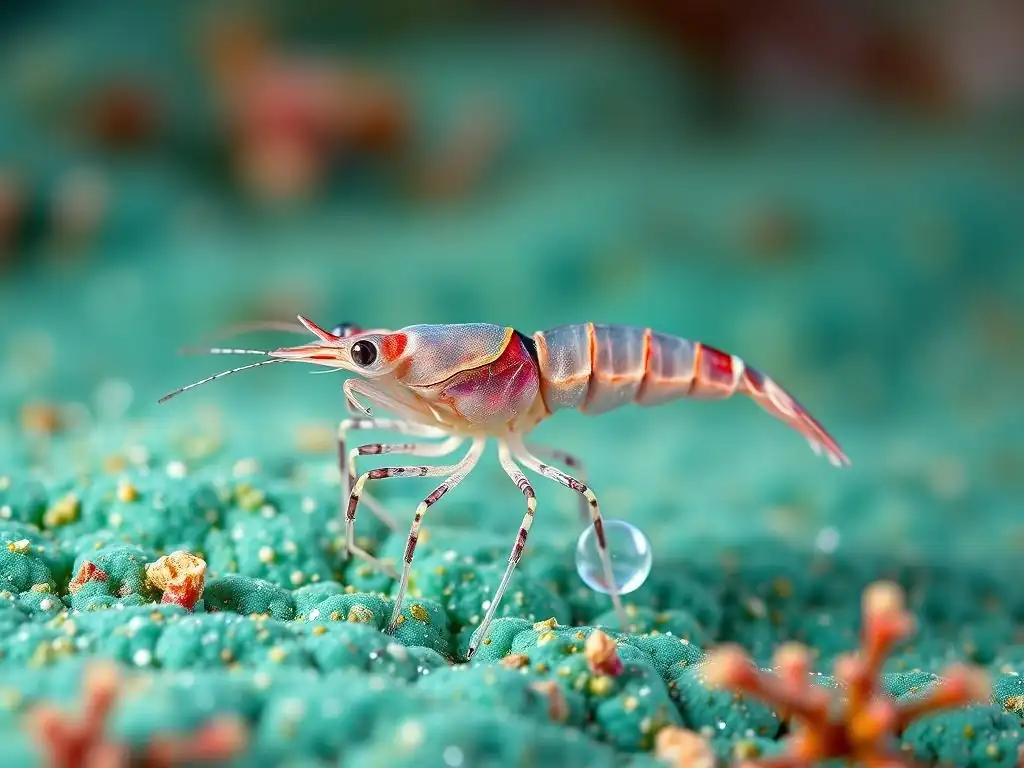
The primary reason many aquarists introduce Peppermint Shrimp into their reef tanks is their well-documented ability to consume Aiptasia anemones. Aiptasia are notorious pests that can quickly multiply and harm corals through stinging or by monopolizing space and light. Lysmata wurdemanni are known to actively hunt and eat these anemones, often starting with smaller ones and gradually tackling larger specimens.
Many reports from hobbyists indicate that a few Peppermint Shrimp can significantly reduce or even eradicate an Aiptasia infestation within several weeks to a few months, depending on the severity. For example, a 50-gallon tank with a moderate Aiptasia problem might see noticeable improvement with 2-3 shrimp within a month.
This biological control method is highly appealing as it avoids the use of chemical treatments, which can sometimes be harmful to other tank inhabitants or disrupt the delicate balance of the reef ecosystem. The shrimp's natural foraging behavior means they can reach Aiptasia in crevices and hard-to-access areas where manual removal or spot treatment might be difficult. While their effectiveness can vary between individual shrimp, they remain one of the most popular and environmentally friendly solutions for managing Aiptasia in a reef aquarium, making proper peppermint shrimp care crucial for this purpose.
Potential for Nuisance Behavior: Coral Nipping
While Peppermint Shrimp are celebrated for their Aiptasia-eating capabilities, a less desirable aspect of their behavior can emerge: coral nipping. Although generally considered reef-safe, there are numerous anecdotal accounts from aquarists reporting that individual Peppermint Shrimp, particularly when Aiptasia populations are depleted or food is scarce, may begin to pick at or consume certain corals. This nuisance behavior is unpredictable and varies greatly among individual shrimp. Corals commonly reported to be targeted include zoanthids, palythoa, mushroom corals, and even the mantles of clams.
This behavior can be incredibly frustrating for hobbyists who have invested significantly in their coral collections. For instance, a single shrimp might cause noticeable damage to a zoanthid colony over several days, leading to retraction or tissue loss. The exact reasons for this shift in diet are not fully understood but are often attributed to a lack of preferred food sources, individual temperament, or misidentification of the shrimp species. This potential for coral nipping means that diligent observation is a critical component of peppermint shrimp care, especially if Aiptasia is no longer present in the tank.
Managing Predatory Behavior: Mitigation Strategies
If a Peppermint Shrimp begins to exhibit undesirable predatory behavior, such as coral nipping, several mitigation strategies can be employed before resorting to removal. First and foremost, ensuring the shrimp is well-fed with a varied and consistent diet can often curb opportunistic nipping. If the shrimp has ample access to high-quality frozen foods like mysis shrimp or brine shrimp, it may be less inclined to seek alternative food sources from your corals. Regular feeding, perhaps once a day, can make a significant difference.
Another strategy involves increasing the amount of live rock and hiding places in the tank. A more complex environment can provide additional scavenging opportunities and reduce stress, potentially leading to less nipping behavior. If the problem persists, placing the affected coral in a separate quarantine tank for a few days can allow it to recover while you monitor the shrimp.
In severe cases where the behavior continues despite mitigation efforts, the only reliable solution is to humanely remove the offending shrimp from the display tank, often by setting a small trap with food. This ensures the safety of your valuable corals and maintains the integrity of your reef.
Breeding Peppermint Shrimp: A Challenging Endeavor
Creating the Right Conditions for Breeding
Breeding Peppermint Shrimp ( Lysmata wurdemanni) in a home aquarium can be a challenging but rewarding endeavor, requiring specific conditions to increase success rates. As protandric simultaneous hermaphrodites, any two adult shrimp can potentially mate, with one acting primarily as a female and the other as a male, or both exchanging roles. To encourage breeding, a dedicated breeding tank, typically 10-20 gallons (38-76 liters), is often recommended to protect the delicate larvae from predation by adult shrimp or fish in a main display tank.
Key environmental parameters must be meticulously maintained. Water quality should be pristine, with stable salinity (1.025 specific gravity), temperature (75-78°F / 24-26°C), and undetectable levels of ammonia and nitrite. A mature biological filter is essential. The breeding tank should also include plenty of hiding places, such as small PVC pipes or live rock rubble, to provide security for the adult shrimp, especially after molting. A consistent feeding regimen of high-quality, varied foods will ensure the adults are healthy and well-nourished, which directly impacts their reproductive capacity and the viability of their eggs.
Larval Care and Survival Rates
The most significant hurdle in breeding Peppermint Shrimp is the care and survival of their delicate larval stage. After mating, the female carries a clutch of green or brown eggs under her pleopods for approximately 10-14 days. Once hatched, the larvae, known as zoea, are tiny, planktonic, and highly vulnerable. They are positively phototactic (attracted to light) and will often congregate near the water surface. Their survival rates are notoriously low in typical aquarium settings due to predation, improper feeding, and inadequate water quality.
Successful larval rearing requires specialized care. The zoea need microscopic food sources, such as newly hatched Artemia nauplii (brine shrimp) or rotifers, fed multiple times a day. Water circulation should be gentle to avoid harming the fragile larvae, and a bare-bottom tank with minimal filtration (e.g., an air-driven sponge filter) is often used to prevent larvae from being sucked into equipment.
Maintaining stable, clean water is paramount, often requiring daily small water changes using carefully matched parameters. Despite best efforts, larval survival rates typically remain low, often below 10%, making successful captive breeding a true testament to meticulous peppermint shrimp care.
Common Health Issues and Diseases
Recognizing Signs of Illness in Peppermint Shrimp
Recognizing signs of illness in Peppermint Shrimp is crucial for prompt intervention and effective peppermint shrimp care. One of the most common indicators of distress or disease is a change in their typical behavior. A healthy Peppermint Shrimp is usually active, constantly foraging, and exhibits a strong instinct to hide when startled. Signs of illness include lethargy, prolonged hiding, refusing to eat, or erratic swimming. If a shrimp remains in the open, unmoving, for extended periods, it often signals a serious problem.
Physical symptoms can also point to underlying health issues. A dull or cloudy appearance to their normally translucent body, discolored patches, or visible lesions are red flags. Another critical sign is a failed molt, where the shrimp struggles to shed its old exoskeleton completely.
This can be caused by poor water quality, iodine deficiency, or stress, and often results in the shrimp becoming stuck and eventually dying. Observing their antennae and legs is also important; frayed or missing appendages can indicate aggression from tank mates or a general decline in health. Prompt attention to these signs can significantly improve the outcome for an ailing shrimp.
Treatment Options for Common Diseases
Treatment options for common diseases in Peppermint Shrimp are often limited due to their sensitivity to many medications and the difficulty in diagnosing specific ailments. The most effective "treatment" is often prevention through excellent peppermint shrimp care, focusing on pristine and stable water parameters. For issues like failed molts, ensuring adequate iodine levels in the tank (though direct dosing can be risky) and reducing stress factors are key. Some aquarists use iodine supplements, but caution is advised as overdosing can be fatal.
If a shrimp exhibits signs of bacterial infection, such as cloudy patches or lesions, a separate quarantine tank with clean, stable water is often the best approach. Broad-spectrum antibiotics are generally not recommended for use in the main display tank as they can harm beneficial bacteria and other invertebrates. In severe cases, or if the shrimp is near death, humane euthanasia might be the most compassionate option. The focus should always be on maintaining optimal water quality and a stress-free environment, as a healthy immune system is the best defense against most common ailments.
Quarantine Procedures for New Arrivals
Implementing strict quarantine procedures for new Peppermint Shrimp arrivals is a non-negotiable aspect of responsible peppermint shrimp care. This practice helps prevent the introduction of diseases, parasites, or unwanted pests into your established display tank. A dedicated quarantine tank, typically 10-20 gallons (38-76 liters), should be set up with mature filtered water, a small amount of live rock rubble for hiding, and a heater to maintain stable temperature. It should ideally be bare-bottom for easy cleaning and observation.
New shrimp should be acclimated slowly using the drip method over at least 30-60 minutes to minimize shock from changes in water parameters. After acclimation, they should reside in the quarantine tank for a minimum of two to four weeks. During this period, observe them daily for any signs of illness, unusual behavior, or the presence of parasites (like flatworms or ich). If any issues arise, they can be treated in isolation without risking the entire main tank. This proactive approach significantly reduces the risk of introducing pathogens and ensures the long-term health of your entire reef system.
Pros and Cons of Keeping Peppermint Shrimp
Advantages of Adding Peppermint Shrimp to Your Reef Tank
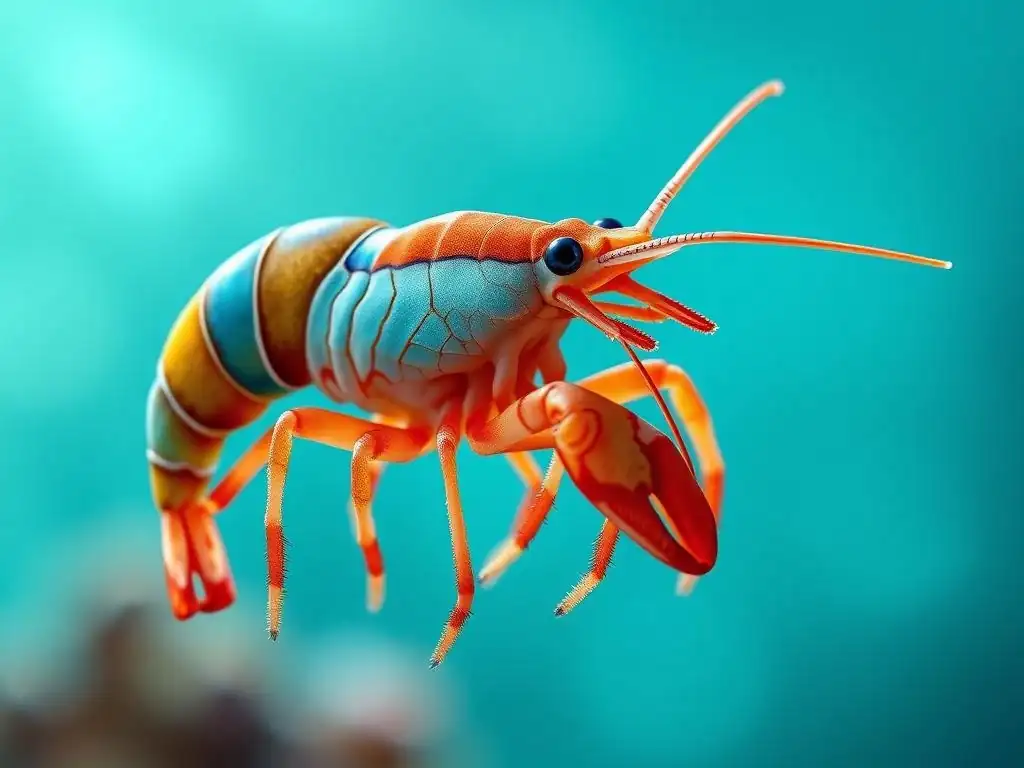
Adding Peppermint Shrimp to a reef tank offers several compelling advantages, making them a popular choice for many aquarists. Foremost among these is their well-documented ability to consume Aiptasia anemones, which are notorious pests that can quickly overrun a reef. Many hobbyists report significant reductions in Aiptasia populations within weeks of introducing these shrimp, providing a natural and chemical-free method of pest control. This benefit alone often outweighs any potential drawbacks for those struggling with Aiptasia infestations.
Beyond pest control, Peppermint Shrimp are also diligent scavengers, contributing to the overall cleanliness of the aquarium. They actively forage for uneaten food, detritus, and decaying organic matter, helping to reduce nutrient buildup and maintain water quality.
Their active and somewhat shy nature adds an interesting dynamic to the tank, and their relatively small size (typically up to 2 inches) makes them suitable for a wide range of tank sizes, including smaller nano reefs. Their generally peaceful temperament with most reef-safe fish and invertebrates further enhances their appeal, making them a valuable member of the clean-up crew when proper peppermint shrimp care is provided.
Disadvantages and Potential Problems to Consider
Despite their benefits, there are several disadvantages and potential problems to consider before adding Peppermint Shrimp to your reef tank. One of the most significant issues is the possibility of misidentification; several Lysmata species look similar but may not be effective Aiptasia predators, and some might even be more prone to bothering corals. Acquiring the wrong species can lead to disappointment regarding Aiptasia control and potential harm to your corals.
Another notable drawback is the unpredictable nature of their behavior. While generally reef-safe, individual Peppermint Shrimp can occasionally develop a taste for certain corals, such as zoanthids, palythoa, or even clam mantles, especially if Aiptasia is scarce or if they are not adequately fed. This can be frustrating and costly for aquarists with valuable coral collections.
Furthermore, they can sometimes show aggression towards other shrimp species, particularly in smaller tanks or during feeding times. These potential issues necessitate careful observation and a willingness to remove the shrimp if problem behaviors emerge, highlighting the need for thorough peppermint shrimp care research.
Choosing the Right Peppermint Shrimp for Your Aquarium
Selecting Healthy Specimens from Reputable Sources
When considering peppermint shrimp care, the initial step of selecting healthy specimens from reputable sources is crucial for their long-term well-being and success in your aquarium. Avoid purchasing shrimp from tanks that appear dirty, have dead inhabitants, or show signs of disease. A healthy Peppermint Shrimp should be active and alert, constantly moving its antennae, and exhibiting a clear, translucent body with distinct red stripes. Its legs and swimmerets should be intact, and it should move fluidly without any jerky or uncoordinated movements.
It is also vital to inquire about the shrimp's origin. While most Peppermint Shrimp are wild-caught, some aquaculture facilities are beginning to breed them. If possible, opt for captive-bred specimens, as they are generally more robust, less stressed, and less likely to carry parasites or diseases. Always choose a reputable local fish store or online vendor with knowledgeable staff who can accurately identify the species ( Lysmata wurdemanni) and provide information on its care history. This diligence at the point of purchase sets the foundation for successful peppermint shrimp care.
Acclimation Procedures for New Peppermint Shrimp
Proper acclimation is a critical step in peppermint shrimp care, minimizing the shock and stress associated with transitioning from the pet store's water parameters to your aquarium's conditions. Shrimp are particularly sensitive to sudden changes in salinity, temperature, and pH. The drip acclimation method is highly recommended as it allows for a slow, gradual adjustment. Begin by floating the sealed bag containing the shrimp in your sump or tank for 15-20 minutes to equalize temperature.
After temperature equalization, open the bag and secure it in a container, ensuring the shrimp is fully submerged. Using airline tubing and a knot or control valve, slowly drip water from your display tank into the container at a rate of about 1-2 drops per second. The goal is to slowly double the volume of water in the container over a period of 45-60 minutes.
Once acclimation is complete, gently net the shrimp and release it into your aquarium, discarding the water from the bag. Avoid simply dumping the shrimp and its original water directly into your tank, as this can introduce contaminants and cause severe shock.
Conclusion: Is a Peppermint Shrimp Right for Your Reef?
Evaluating Your Tank's Needs and the Shrimp's Requirements
Deciding whether a Peppermint Shrimp is the right addition to your reef tank requires a careful evaluation of your tank's specific needs and the shrimp's requirements. If your aquarium is battling an Aiptasia infestation, a Peppermint Shrimp can be an incredibly effective and natural solution, often reducing or eliminating these pests without the need for chemical treatments.
Their role as scavengers also contributes positively to the overall cleanliness and nutrient management of the tank. Consider the size of your tank; while a single shrimp can be housed in smaller setups, larger tanks offer more stability and space for multiple individuals.
However, it's equally important to consider the potential downsides. Do you have particularly valuable or sensitive corals that might be susceptible to nipping if the shrimp deviates from its Aiptasia diet? Are you prepared to monitor its behavior closely and potentially rehome it if it becomes a nuisance? Understanding that individual shrimp behavior can vary, and being prepared for the possibility of coral aggression, is crucial. If your primary goal is Aiptasia control and you're willing to accept the minor risks, a Peppermint Shrimp can be an invaluable asset, provided you commit to comprehensive peppermint shrimp care.
Responsible Peppermint Shrimp Keeping Practices
Responsible peppermint shrimp care goes beyond simply purchasing and introducing the shrimp to your tank; it involves a commitment to their long-term health and the well-being of your entire reef system. This includes maintaining pristine and stable water parameters, with consistent salinity, temperature, and undetectable levels of ammonia and nitrite. Regular water testing and routine water changes are fundamental to providing a healthy environment. A well-established tank with ample live rock and hiding places is also essential for their security and natural behavior, particularly during vulnerable molting periods.
Furthermore, providing a varied and appropriate diet is crucial, supplementing their scavenging with high-quality marine foods, especially if Aiptasia populations are low. Continuous observation of their behavior, especially during the initial weeks, will help identify any potential issues, such as coral nipping or aggression towards other tank inhabitants, allowing for prompt intervention. By adhering to these responsible keeping practices, aquarists can maximize the benefits of Peppermint Shrimp while minimizing potential problems, ensuring these beneficial invertebrates thrive in their reef aquariums.
Frequently Asked Questions
How difficult is it to care for a Coral Banded Shrimp?
Coral Banded Shrimp care is generally considered moderate. They require stable water parameters and a well-established tank, but are otherwise fairly hardy. However, their aggressive tendencies can be a challenge.
What should I feed my Coral Banded Shrimp?
They are opportunistic scavengers and will eat almost anything. A varied diet of sinking pellets, frozen foods, and meaty treats like mysis shrimp is ideal for optimal health and coloration. Avoid overfeeding!
Are Coral Banded Shrimp compatible with other invertebrates?
This is where things get tricky. They can be aggressive towards smaller, more docile invertebrates, especially other shrimp. Careful observation and tank size are crucial for compatibility.
What are the ideal water parameters for Coral Banded Shrimp?
Maintain a stable salinity of 1.023-1.025, a temperature of 72-78°F, and a pH of 8.1-8.4. Regular water changes are vital for reducing nitrates and maintaining water quality, essential for their health.
How large do Coral Banded Shrimp get and what size tank do they need?
Coral Banded Shrimp typically reach a size of around 2-3 inches. A tank of at least 30 gallons is recommended to provide enough space and minimize aggression towards other tank inhabitants.
Final Reflection: Appreciating the Nuances of Reef Life
The journey through understanding Coral Banded Shrimp Care reveals more than just the practicalities of keeping these striking creatures; it underscores the broader responsibility we undertake when introducing any lifeform into the delicate ecosystem of a reef tank. The information presented highlights the importance of informed decision-making, reminding us that beauty alone is not enough to justify disrupting the natural balance, even within a controlled environment.
The allure of the Coral Banded Shrimp, with its vibrant colors and intriguing behavior, often overshadows the potential challenges it presents. This exploration has reinforced my belief that responsible reef keeping requires a constant commitment to learning and adapting, recognizing that our actions have far-reaching consequences within the miniature world we create. The ultimate goal of farming isn't the growing of crops, but the cultivation and perfection of human beings.
- Masanobu Fukuoka. This quote resonates deeply, reminding us that our interactions with nature, even on a small scale, should strive for mutual benefit and understanding.
As you consider adding a Coral Banded Shrimp to your reef tank, or any new inhabitant for that matter, I urge you to reflect on the information presented and to continue your research. Embrace the challenge of providing optimal care, not just for the shrimp, but for the entire reef ecosystem. By doing so, you contribute to a more sustainable and enriching experience, transforming your aquarium from a mere display into a testament to the beauty and complexity of the natural world.
Transform Your Reef: Start Thriving Today!
We appreciate you diving into the world of Coral Banded Shrimp and their role in your reef aquarium! Now that you're equipped with the knowledge, it's time to take action and cultivate a vibrant, balanced ecosystem.
Here's how you can make a real difference:
- Carefully Evaluate: Before introducing a Coral Banded Shrimp, assess your existing reef inhabitants. Ensure compatibility to prevent territorial disputes or unintended predation.
- Explore Natural Solutions: Research alternative pest control methods, such as manual removal or natural predators, to minimize potential risks associated with introducing a Coral Banded Shrimp.
- Share Your Insights: Join the Aquarium Mastery community forums and share your experiences – both good and bad – with Coral Banded Shrimp, helping others make informed decisions.
What are your specific concerns about introducing a Coral Banded Shrimp into your reef tank, and what steps will you take to address them?