
Choosing the Right Hermit Crab Shells: A Crucial Aspect of Care

Welcome to Aquarium Mastery!
Ever wondered if your hermit crabs are truly happy in their shells? Dive into our guide and uncover the secrets to choosing the perfect hermit crab shell size. It's more crucial than you think! Prepare to unlock a deeper understanding of these fascinating invertebrates and ensure their well-being. Ready to become a true Aquarium Master? Let's explore!
- Understanding the Importance of Proper Hermit Crab Shells
- Determining the Ideal Hermit Crab Shell Size
- Types of Hermit Crab Shells: Materials and Shapes
- Providing a Variety of Shells for Your Hermit Crabs
- Preparing and Maintaining Hermit Crab Shells
- Troubleshooting Shell-Related Hermit Crab Issues
- Common Mistakes to Avoid When Choosing Hermit Crab Shells
-
Frequently Asked Questions
- How do I determine the right hermit crab shell size for my crab?
- Why is hermit crab shell size so important for their well-being?
- What happens if a hermit crab's shell is too small?
- How many extra shells should I provide for my hermit crab?
- Where can I find appropriate hermit crab shells and what should I avoid?
- Final Reflection: The Sheltering Embrace of Choice
- Uncover the Perfect Shell for Your Hermit Crab!
Understanding the Importance of Proper Hermit Crab Shells
Why Shell Size Matters for Hermit Crab Health and Well-being
A hermit crab's shell is far more than just a decorative covering; it is an indispensable part of its anatomy, serving as a mobile home, primary defense mechanism, and vital support for its delicate, unexoskeletoned abdomen and gills. An ill-fitting shell compromises these fundamental functions, leading to significant stress and vulnerability. When a hermit crab shell size is too small, the crab cannot fully retract, leaving its soft body exposed to potential predators or aggressive tank mates. This constant exposure can also lead to desiccation if the crab cannot seal its opening effectively to retain humidity.
Furthermore, the physiological well-being of the hermit crab is directly tied to its shell. A shell that is excessively small restricts natural growth, potentially leading to stunted development or, in severe cases, even death due to the inability to molt successfully. Conversely, a shell that is disproportionately large can hinder mobility, making the crab feel insecure and expending excessive energy just to move. This can result in lethargy, reduced foraging behavior, and an overall decline in health, as the crab struggles with the cumbersome weight and lack of proper fit.
The Impact of Inadequate Shells on Hermit Crab Behavior
The availability of appropriate hermit crab shell size options profoundly influences a crab's behavior. Hermit crabs housed in unsuitable shells often exhibit signs of distress, such as increased reclusiveness, spending more time buried or hidden, or, paradoxically, becoming more aggressive towards tank mates in an attempt to acquire a better shell. The natural "shell-shopping" behavior, where crabs meticulously inspect and try on various shells, is a critical part of their behavioral repertoire; if this behavior is inhibited by a lack of suitable choices, it leads to chronic stress.
Specific behavioral indicators of inadequate shells include a crab constantly trying to "borrow" or "steal" shells from other crabs, even if those shells are also unsuitable. Repeated attempts to enter shells that are clearly too small for full retraction, or too large to be comfortably carried, are clear signals of dissatisfaction. This persistent discomfort can escalate conflict within the habitat, leading to physical altercations and injuries among the crab population as they compete for the limited desirable hermit crab shell size and shape options.
Determining the Ideal Hermit Crab Shell Size
Measuring Your Hermit Crab for the Perfect Shell Fit
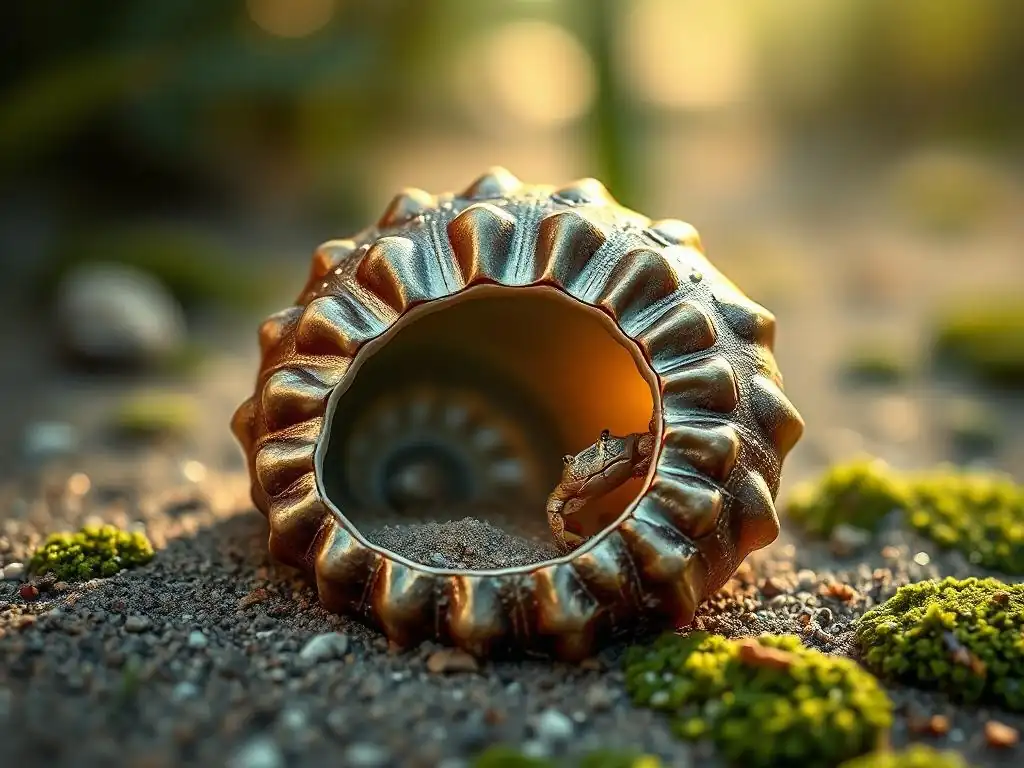
Determining the ideal hermit crab shell size begins with understanding how to measure your crab and its current shell. The most crucial dimension is the diameter of the shell's opening (aperture), which should be slightly larger than the crab's largest walking leg and just wide enough for the crab to retract its entire body, including its claws and legs, fully inside. You can approximate this by measuring the width of your crab's body just behind its walking legs, or by measuring the opening of its current shell if it appears to be a good fit.
For most common pet hermit crab species like Purple Pinchers ( Coenobita clypeatus ), a general guideline suggests that the shell opening should be approximately 1/8 to 1/4 inch (about 3-6 mm) larger than the crab's body width. For example, a crab with a body width of 1 inch might comfortably fit a shell with an opening of 1.125 to 1.25 inches. However, individual preferences and slight variations in body shape mean that providing a range of hermit crab shell size options around this ideal measurement is always recommended.
Identifying Signs Your Hermit Crab Needs a Larger Shell
Observing your hermit crab's behavior and physical appearance can provide clear indicators that it requires a larger shell. Visually, you might notice the crab's abdomen or a significant portion of its soft body protruding from the shell opening, even when it attempts to retract. Its legs might also appear too large for the opening, unable to pull fully inside, or the crab might seem to struggle to carry its current shell, appearing to "drag" it rather than lift it efficiently.
Behavioral cues are equally important. A hermit crab frequently attempting to "try on" other shells in the habitat, even those that are clearly unsuitable, or exhibiting restless behavior and excessive climbing, often signals dissatisfaction with its current hermit crab shell size. A crab might also display increased lethargy or a reduced appetite if it is consistently uncomfortable or stressed by an ill-fitting shell, indicating an urgent need for new, appropriately sized housing options.
The Dangers of Overly Large Shells: Finding the Right Balance
While the instinct might be to provide a shell that offers plenty of room for growth, an overly large shell presents its own set of dangers for hermit crabs. A shell that is too big prevents the crab from properly sealing its opening, leaving its vulnerable abdomen exposed to desiccation, predatory tank mates, or even fungal and bacterial infections. Without the ability to seal its entrance, the crab cannot effectively maintain the high humidity levels essential for its modified gills to function properly.
Furthermore, a shell that is too cumbersome to carry makes movement difficult and inefficient. The crab expends significantly more energy just to transport its home, which can lead to fatigue, reduced foraging, and overall stress. This added weight can also put undue strain on the crab's delicate legs and joints. Therefore, finding the right hermit crab shell size is not just about providing a larger option, but about striking a precise balance that offers both protection and ease of mobility for the individual crab.
Types of Hermit Crab Shells: Materials and Shapes
Natural Shells: Preferred Options for Hermit Crabs
When selecting shells for your hermit crabs, natural, unpainted options are overwhelmingly preferred and crucial for their health. These shells, typically made of calcium carbonate, offer the best grip for the hermit crab's pleopods (small appendages on its abdomen) and provide a natural texture that allows the crab to secure itself comfortably within its home. They are free from potentially toxic paints, glues, or sealants found on decorated shells, which can chip off, be ingested, or leach harmful chemicals into the environment.
Specific types of natural shells are highly favored by common pet hermit crabs due to their suitable openings and sturdy structure. Turbo shells, such as Green Turbo ( Turbo fluctuosa), Jade Turbo ( Turbo marmoratus), and various other Turbo species, are excellent choices because of their round, consistently sized openings and robust build. Other suitable options include Murex shells and Babylonia shells, which also typically feature the preferred round or D-shaped apertures that allow hermit crabs to fully retract and protect themselves.
Exploring Different Shell Shapes and Their Suitability
Beyond just hermit crab shell size, the shape of the shell's opening is a critical factor in its suitability. Most commonly kept hermit crab species, such as the Purple Pincher ( Coenobita clypeatus) and the Ecuadorian crab ( Coenobita compressus), strongly prefer shells with round or D-shaped openings. This specific shape allows them to tuck their abdomen fully inside and seal the opening with their larger claw (cheliped), providing maximum protection and security. Examples of shells with these preferred openings include most Turbo snails, Apple Snails, and some species of Whelk shells.
Conversely, shells with oval, slit-like, or elongated openings, such as those from Olive snails or Cone snails, are generally unsuitable for these common species. While aesthetically pleasing to humans, these shapes prevent the crab from fully retracting or effectively sealing its shell, leaving it vulnerable to desiccation and attack. Although some rarer hermit crab species might prefer these different shapes, for the typical pet owner, prioritizing shells with round or D-shaped apertures is paramount for the crab's comfort and safety, irrespective of the overall hermit crab shell size.
Sourcing High-Quality Shells: Where to Buy Safe Options
Sourcing high-quality, safe shells for your hermit crabs is essential for their well-being. Reputable specialty pet stores that focus on invertebrates, or dedicated online hermit crab supply retailers, are generally the best places to purchase shells. These suppliers often understand the specific needs of hermit crabs and stock natural, untreated shells that are safe. It is crucial to avoid shells from souvenir shops, craft stores, or general beachcombing finds, as these may have been chemically treated, lacquered, or dyed, posing significant health risks.
When selecting shells, inspect them carefully for any signs of damage, such as cracks, chips, or rough edges, which could injure your crab. The interior of the shell should be smooth and free of any obstructions that might prevent the crab from entering or fully retracting. Purchasing shells in bulk from a trusted source can be a cost-effective way to ensure you have a continuous supply of various hermit crab shell size and shape options, allowing your crabs to choose their perfect home as they grow or their preferences change.
Providing a Variety of Shells for Your Hermit Crabs
The Benefits of Offering Multiple Shell Choices
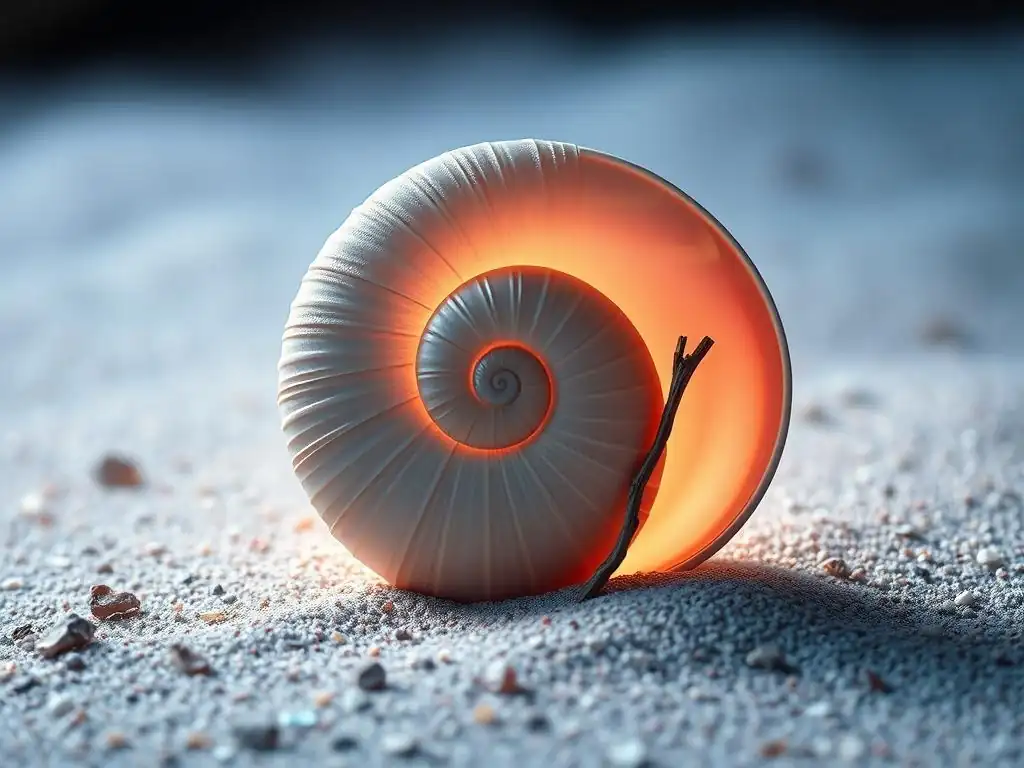
Offering a diverse selection of shells is one of the most beneficial practices for hermit crab welfare. Each hermit crab is an individual with unique preferences regarding hermit crab shell size, shape, weight, and even texture. Providing a wide array of options significantly increases the likelihood that every crab in your habitat will find a shell that perfectly meets its current comfort and security needs, reducing stress and promoting natural behaviors.
Furthermore, a generous supply of varied shells plays a crucial role in minimizing competition and aggression among crabs, especially in a multi-crab habitat. When suitable shells are scarce, crabs may resort to fighting over desirable options, leading to injuries or even fatalities. A good selection allows for natural "shell shopping" behavior, where crabs can explore and switch homes at their leisure, which is vital for their psychological well-being and helps maintain a peaceful environment among your invertebrates.
How Many Shells Should You Provide Per Crab?
To ensure your hermit crabs always have ample choices, a widely recommended guideline is to provide at least 3-5 suitable shells per hermit crab in your habitat. This number accounts for individual preferences, growth, and potential "shell-shopping" desires. For example, if you have three hermit crabs, aiming for a minimum of 9 to 15 clean, appropriate shells of varying hermit crab shell size and shape will create a healthy environment.
These shells should encompass a range of sizes: some slightly smaller than their current shells (in case they prefer a tighter fit), several roughly the same size, and a good selection that are slightly larger to accommodate future growth. This strategic distribution ensures that as your crabs grow or simply decide they need a change, a perfect new home is readily available without causing stress or competition.
Introducing New Shells to Your Hermit Crab Habitat
Introducing new shells to your hermit crab habitat requires a simple but important preparation process. Before placing any new shells into the tank, they must be thoroughly cleaned and sanitized. A common and effective method is to boil them in dechlorinated water for 5-10 minutes to eliminate any bacteria, fungi, or parasites. After boiling, allow the shells to cool completely before they are introduced into the habitat to prevent thermal shock to your crabs.
Once prepared, distribute the new shells evenly throughout the habitat, particularly near popular hiding spots, food sources, or water dishes. Avoid simply piling them in one corner. After introduction, observe your crabs for signs of interest or shell changes. It is crucial to remember that the process of finding and switching shells is a natural, voluntary one for the hermit crab. Never attempt to force a crab into a new shell, as this can cause severe stress and injury. The availability of multiple hermit crab shell size options will allow them to make their own choice at their own pace.
Preparing and Maintaining Hermit Crab Shells
Cleaning and Sanitizing New Shells Before Introduction
Even shells marketed as "aquarium safe" or "for hermit crabs" must undergo a thorough cleaning and sanitization process before being introduced into your habitat. This crucial step eliminates any potential bacteria, fungi, parasites, or chemical residues that could harm your hermit crabs. The most effective method involves boiling the shells in dechlorinated water for 5 to 10 minutes. This high temperature effectively sterilizes the shell's surface and interior.
After boiling, carefully remove the shells and allow them to cool completely to room temperature. Never use soaps, detergents, bleach, or any other harsh chemical cleaners, as these can leave toxic residues that are extremely harmful, even fatal, to hermit crabs. A simple boil in dechlorinated water is sufficient to make any new hermit crab shell size option safe for immediate placement in the tank.
Maintaining Shell Hygiene in the Hermit Crab Tank
Ongoing shell hygiene is an important aspect of maintaining a healthy hermit crab habitat. Periodically, you should inspect all empty shells within the tank. If you notice any shells that appear soiled with food debris, substrate, or waste, remove them for cleaning. This prevents the buildup of harmful bacteria and keeps the environment sanitary for your crabs.
For routine cleaning, gently scrub the shells with a soft brush (like a dedicated toothbrush) under running dechlorinated water. If there's any visible algae or biofilm accumulation, this method is usually sufficient to remove it. Regular maintenance of the hermit crab shell size options available in the tank ensures they remain appealing, clean, and safe for your pets to inhabit whenever they choose to "shell shop."
Recognizing and Addressing Shell Damage or Deterioration
Hermit crab shells, despite their hard exterior, can sustain damage over time from wear and tear, accidental drops, or even aggressive interactions between crabs. It is important to regularly inspect the shells in your habitat for any signs of damage or deterioration. Look for cracks, chips, or any rough, sharp edges that could injure your crab or compromise its ability to seal itself inside for protection. Shells can also become brittle or eroded over time, especially if the tank's humidity or substrate conditions are not ideal.
Any shell exhibiting significant damage should be promptly removed from the habitat and discarded. A compromised shell no longer provides adequate protection or comfort and could even become a hazard. To ensure your hermit crabs always have safe and suitable homes, maintain a continuous supply of intact, high-quality hermit crab shell size options. Regularly replacing damaged shells is a simple yet vital step in providing a secure and healthy environment for your pets.
Hermit Crab Shell Fighting and Aggression
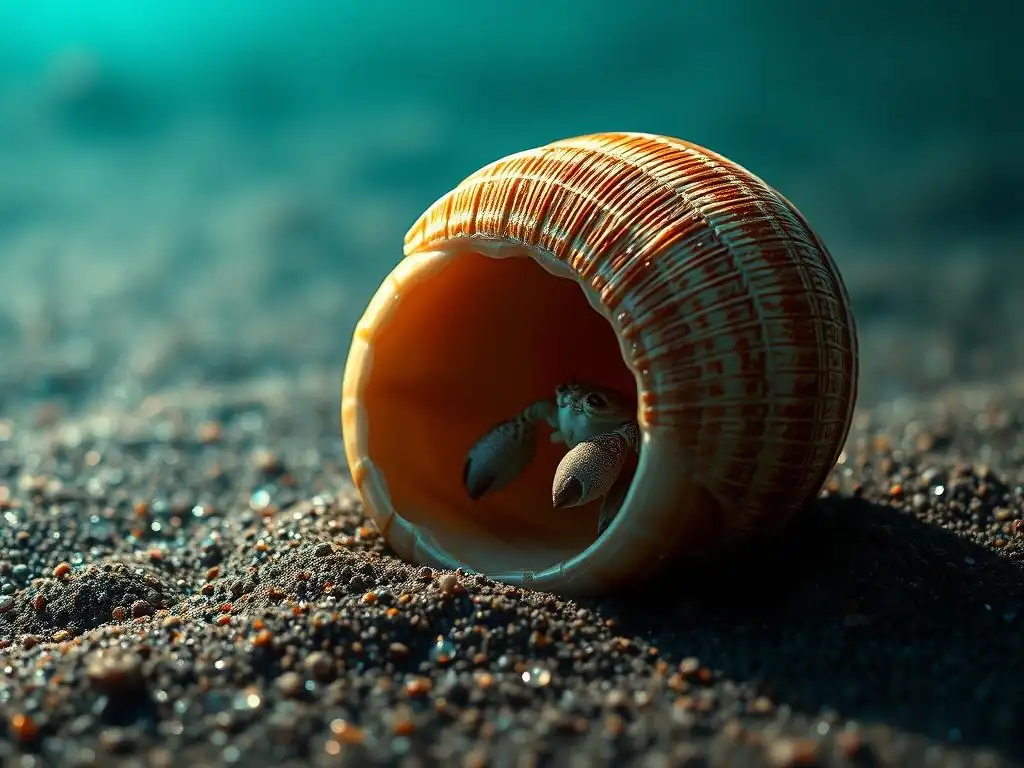
Shell fighting is a common behavioral issue observed in hermit crab habitats, primarily stemming from insufficient or unsuitable shell options. When desirable shells are scarce, crabs may resort to aggressive behaviors, such as pushing, pulling, or even injuring one another, in an attempt to forcibly acquire a preferred shell. This can lead to serious stress, physical harm, and even death for the weaker or less aggressive crabs in the group.
The most effective solution to combat shell fighting is to significantly increase the variety and quantity of available shells. Aim to provide at least 5-10 shells per crab, ensuring a wide range of hermit crab shell size, shape (primarily round or D-shaped openings), and material. This abundance reduces competition and allows each crab to find a comfortable home without resorting to conflict. Additionally, ensuring adequate tank space and proper environmental conditions (temperature, humidity, substrate depth) can also help reduce overall stress levels that might contribute to aggression.
Hermit Crabs Not Changing Shells: Reasons and Solutions
If your hermit crab is not changing its shell, despite the availability of new options, there could be several underlying reasons. One common cause is stress, which can be induced by improper habitat parameters (e.g., low humidity, incorrect temperature, insufficient substrate for molting) or a perceived lack of security. Another reason could be that the available shells are simply not the right hermit crab shell size or shape that the crab prefers, or they might be too heavy or have an obstructed opening. Sometimes, a crab is simply comfortable in its current shell and sees no immediate need to switch.
To encourage shell changes, first, ensure all habitat parameters are optimal, mimicking their natural environment. Then, offer an even wider and more diverse range of thoroughly cleaned and prepared shells. Include various sizes, from slightly smaller to notably larger than its current shell, and different natural shapes. It's also important to remember that a crab preparing to molt, or one that has just molted, will typically not change shells until its new exoskeleton has hardened, a process that can take several weeks underground. Patience and consistent provision of diverse hermit crab shell size options are key.
Dealing with Empty Shells in the Habitat: Proper Disposal Methods
It is common to find empty shells scattered throughout your hermit crab habitat. These can be shells that have been outgrown and abandoned, rejected after being "tried on," or simply not chosen by any of your crabs. While they might seem harmless, an accumulation of empty shells can clutter the tank, potentially hiding waste or decaying food, and making it harder for you to monitor the environment.
Periodically, it's a good practice to remove and inspect these empty shells. If they are in good condition, clean them thoroughly (as you would new shells) and reintroduce them to the habitat. They might become suitable for another crab or for the original crab at a later stage, especially if they represent a unique hermit crab shell size or shape. However, if shells are damaged, cracked, or consistently ignored, it is best to dispose of them responsibly. Do not return them to natural beaches, as they may introduce non-native elements or diseases.
Common Mistakes to Avoid When Choosing Hermit Crab Shells
Selecting Shells That Are Too Heavy
One common oversight when choosing shells for hermit crabs is selecting options that are disproportionately heavy for the crab's size. While a larger shell might seem to offer more room, an overly heavy shell can be a significant burden for a hermit crab. It forces the crab to expend excessive energy just to move around, forage for food and water, or escape from perceived threats. This constant strain can lead to exhaustion, lethargy, and a general decline in the crab's activity levels.
Furthermore, a shell that is too heavy can put unnecessary stress on the crab's delicate abdomen and walking legs, potentially leading to injuries or hindering its ability to climb and explore its environment naturally. In extreme cases, a crab might even abandon a shell that is too cumbersome, leaving it vulnerable and exposed. Always consider the crab's current hermit crab shell size and apparent strength, and opt for shells that feel relatively light for their volume, ensuring ease of movement and comfort.
Choosing Shells with Narrow or Obstructed Openings
Another critical mistake is selecting shells with openings that are too narrow, or those that have internal obstructions. Even if the overall hermit crab shell size appears appropriate, a shell with an opening that is too small prevents the crab from fully retracting its body and claws inside. Similarly, an internal spiral that is too tight, or any foreign material lodged within the shell, can make it impossible or extremely uncomfortable for the crab to inhabit.
This renders the shell useless for its primary purpose of protection and can cause significant frustration and stress for the hermit crab. A crab might repeatedly attempt to enter such a shell only to abandon it in frustration, or it might become stuck. Always visually inspect the interior of any shell before offering it to your crabs, ensuring a clear, unobstructed, and appropriately sized passage that allows the crab to fully and comfortably retreat into its mobile home.
Using Painted or Decorated Shells: Potential Toxicity Concerns
Perhaps the most dangerous mistake a hermit crab owner can make is using painted or artificially decorated shells. These shells, often sold as souvenirs or novelty items, are highly toxic to hermit crabs. The paints, dyes, glues, and sealants used on these shells are not designed for animal contact and can chip off, be ingested by the crab, or leach harmful chemicals into the habitat's air and substrate.
Ingestion of these toxic substances can lead to severe poisoning, respiratory issues, neurological damage, or even death. The aesthetic appeal of such shells is negligible compared to the significant health risks they pose to your sensitive invertebrates. Always, without exception, opt for natural, unpainted, and untreated shells. Prioritizing natural hermit crab shell size and shape options is fundamental for ensuring the safety, health, and long-term well-being of your cherished hermit crabs.
Frequently Asked Questions
How do I determine the right hermit crab shell size for my crab?
The best way is to ensure the shell opening is slightly larger than the crab's abdomen. They need enough room to easily retreat but not so much they rattle around.
Why is hermit crab shell size so important for their well-being?
A properly sized shell allows them to regulate their temperature and humidity, protects them from predators, and reduces stress. It's vital for their overall health and survival.
What happens if a hermit crab's shell is too small?
If the shell is too small, the crab will be stressed and uncomfortable. They may also be unable to molt properly, which can lead to serious health problems.
How many extra shells should I provide for my hermit crab?
You should offer at least three to five extra shells per crab, in varying sizes and shapes. This allows them to choose a comfortable shell and change as they grow.
Where can I find appropriate hermit crab shells and what should I avoid?
You can find suitable shells at most pet stores or online retailers. Avoid painted shells or shells with small openings, as these can be toxic and dangerous for the crabs.
Final Reflection: The Sheltering Embrace of Choice
The importance of providing appropriately sized shells for hermit crabs extends far beyond mere aesthetics; it's a fundamental pillar of their well-being. As we've explored the nuances of hermit crab shell size and selection, it becomes clear that responsible pet ownership hinges on understanding and meeting these often-overlooked needs. The shell isn't just a home; it's a lifeline, a source of security, and a critical factor in their overall health and happiness.
This seemingly small detail, the careful selection of a hermit crab's shell, ripples outwards, influencing the entire ecosystem of responsible pet ownership. It underscores the importance of empathy and understanding the unique needs of every creature, no matter how small. We must fight against the spirit of unconscious cruelty with which we treat the animals. Animals suffer as much as we do. True humanity does not allow us to impose suffering on them. It is only when we realize this that we shall know what civilization means.
- Albert Schweitzer. This quote reminds us that even the smallest acts of kindness and consideration can make a profound difference in the lives of others, including our animal companions.
Now, consider the impact of this knowledge. Armed with the understanding of proper hermit crab shell size, you have the power to transform the lives of these fascinating creatures. Take a moment to reflect on your own practices, and ask yourself: are you truly providing the best possible environment for your hermit crabs? Let this article be a catalyst for positive change, inspiring you to create a haven where they can thrive, secure and content within the perfect sheltering embrace of their chosen home.
Uncover the Perfect Shell for Your Hermit Crab!
Thank you for exploring the fascinating world of hermit crab shell selection! We hope this article has empowered you with the knowledge to provide the best possible environment for your shelled friends. Now, it's time to put that knowledge into action!
- Begin Your Shell Search: Commit to finding at least three new shells of appropriate sizes for your hermit crabs within the next week. This ensures they have choices and reduces stress.
- Document their preferences: Keep a log of which shells your hermit crabs investigate or move into. This information will allow you to provide better future options.
- Share your crab's shell-seeking adventures! Post a photo of your hermit crab exploring its new shell on social media using #AquariumMasteryCrabs.
What surprising shell preference has your hermit crab displayed, and how did you adapt to meet its unique needs?