
Butterflyfish Whispers: Decoding Their Secret Behaviors and Social Cues

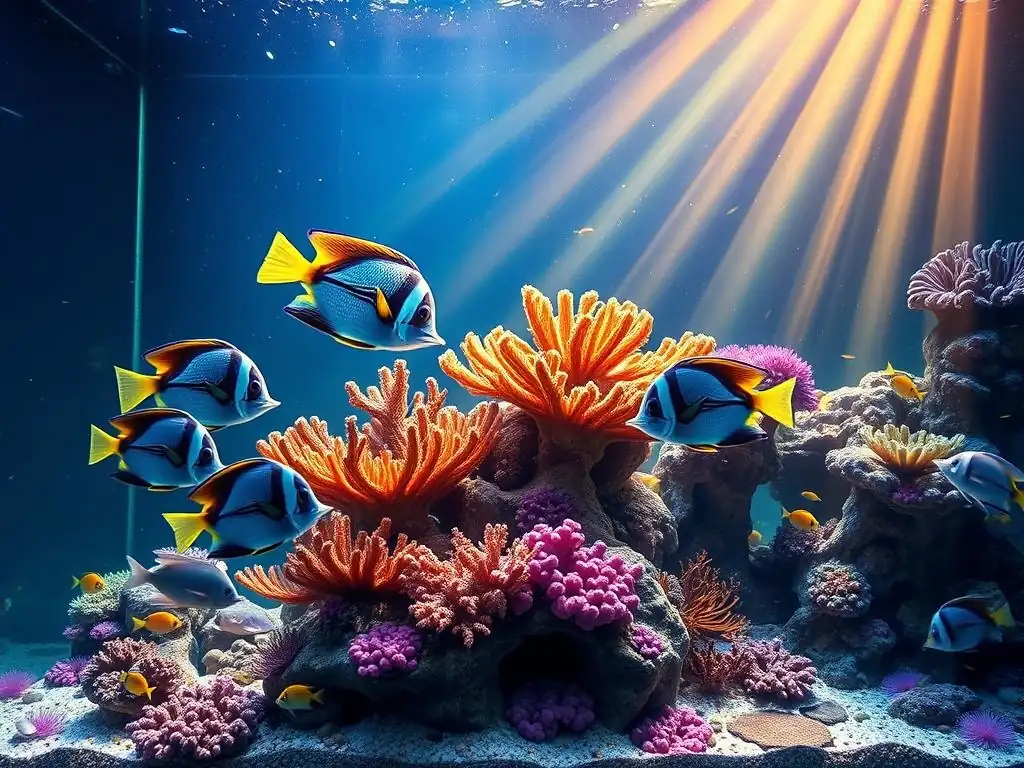
Welcome to Aquarium Mastery!
Ever wondered what those vibrant Butterflyfish are really thinking behind their dazzling displays? Dive into "Butterflyfish Whispers: Decoding Their Secret Behaviors and Social Cues" and unlock the secrets of their complex social lives. Discover how understanding their intricate interactions can transform your saltwater aquarium into a thriving, harmonious ecosystem. Intrigued? Let's explore the fascinating world of Butterflyfish care and their captivating behaviors!
- Understanding Butterflyfish Behavior in the Aquarium: An Introduction
- Decoding Butterflyfish Communication: Social Cues and Signals
- Social Structures and Hierarchy Among Butterflyfish
- Butterflyfish Care and Social Compatibility in Captivity
- Optimizing Tank Conditions to Promote Natural Butterflyfish Social Behavior
- Common Behavioral Problems in Butterflyfish and Solutions
- Advanced Butterflyfish Care: Encouraging Breeding and Natural Behaviors
- Case Studies: Successful Butterflyfish Communities in Aquariums
- Conclusion: Mastering Butterflyfish Care Through Understanding Their Social Behavior
-
Frequently Asked Questions
- How challenging is it to care for Butterflyfish in a home aquarium?
- What are some key social behaviors to observe in Butterflyfish?
- What type of tank setup is best for Butterflyfish, considering their social needs?
- What dietary requirements do Butterflyfish have, and how does this influence their social behavior?
- Are all Butterflyfish species compatible with other fish species in a community aquarium?
- Final Reflection: Unveiling the Secrets of the Reef
- Dive Deeper: Unveil the Secrets of Butterflyfish!
Understanding Butterflyfish Behavior in the Aquarium: An Introduction
Understanding the intricate social behaviors of Butterflyfish is paramount for their successful integration and long-term health within a captive aquarium environment. These visually stunning marine fish, known for their vibrant colors and distinctive body shapes, often exhibit complex social dynamics that, if misunderstood, can lead to stress, aggression, and even premature death. Proper Butterflyfish care social behavior knowledge allows aquarists to create a harmonious ecosystem, preventing common issues like fin nipping, territorial disputes, and chronic hiding, which are all indicators of an unhealthy social environment.
Moreover, a deep dive into their social cues provides valuable insights into their overall well-being, helping aquarists proactively address potential problems. For instance, observing changes in schooling patterns, feeding aggression, or unusual solitary behavior can alert an aquarist to underlying stress factors such as poor water quality, inadequate tank space, or incompatible tank mates. By prioritizing the understanding of Butterflyfish care social behavior, hobbyists can significantly enhance the quality of life for these delicate beauties, ensuring they thrive rather than merely survive.
Key Aspects of Butterflyfish Behavior to Observe
Observing key aspects of Butterflyfish behavior is fundamental to providing optimal Butterflyfish care social behavior. One crucial aspect is their swimming patterns; healthy Butterflyfish typically exhibit graceful, unhurried movements, often exploring rockwork and substrate for food. Erratic swimming, darting, or constant rubbing against tank surfaces can signal stress, parasites, or poor water conditions.
Another vital behavior to monitor is their feeding habits. Most Butterflyfish are active daytime feeders, and a sudden refusal to eat or a significant reduction in appetite is a strong indicator of illness or stress. Furthermore, pay close attention to their interactions with other fish: look for signs of aggression such as chasing, fin nipping, or flared fins, as well as signs of submission like hiding or fading colors. These observations provide a continuous feedback loop, guiding adjustments in tank parameters, diet, or social structure to ensure effective Butterflyfish care social behavior.
Visual Communication: Color Changes and Body Language
Butterflyfish, like many coral reef inhabitants, rely heavily on visual communication to convey messages within their social structures. Their vibrant and often intricate color patterns are not merely for show; they serve as sophisticated signals for various social cues. For example, a healthy, confident Butterflyfish will typically display its full, vivid coloration. However, when stressed, frightened, or submissive, many species, such as the Raccoon Butterflyfish ( Chaetodon lunula), may exhibit a darkening of their body, a paling of their colors, or an intensification of specific patterns, indicating their emotional state or intention.
Beyond color, body language plays an equally critical role. Fin flaring, particularly of the dorsal and anal fins, can be a display of aggression or territorial warning, often observed during initial introductions or disputes over prime hiding spots. A rapid, jerky swimming motion or a head-down posture might signal a challenge or a threat. Conversely, a smooth, unhurried swim often indicates contentment. Understanding these subtle visual cues is crucial for interpreting Butterflyfish care social behavior and maintaining a peaceful aquarium.
The striking coloration of Butterflyfish is a cornerstone of their social interactions, serving multiple purposes from species recognition to territorial displays. Many species possess distinct markings, such as eye bands, spots, or stripes, which help them identify conspecifics and differentiate from other fish species. For instance, the Copperband Butterflyfish ( Chelmon rostratus) is instantly recognizable by its vertical copper-orange bands, which are vital for pair bonding and maintaining social cohesion within its species.
Furthermore, coloration can act as an honest signal of an individual's health and fitness. A fish with dull or faded colors might be perceived as weak or sick, potentially making it a target for aggression or reducing its appeal to potential mates. In contrast, a fish exhibiting brilliant, intense colors signals vitality, often asserting dominance or attracting a partner during breeding rituals. This intricate interplay of color in Butterflyfish care social behavior underscores the importance of a healthy environment to allow these visual signals to flourish naturally.
Chemical Signals: Pheromones and Their Influence on Behavior
While not as overtly observable as visual cues, chemical signals, primarily in the form of pheromones, also play a subtle yet significant role in the Butterflyfish care social behavior repertoire. Pheromones are chemical substances released into the water that can influence the behavior or physiology of other individuals of the same species. In the complex marine environment, these chemical messengers can convey a range of information, including reproductive status, alarm signals, or even individual identity.
For example, during spawning events, female Butterflyfish may release specific pheromones that signal their readiness to breed, attracting potential mates. Conversely, an injured or stressed Butterflyfish might release alarm pheromones, alerting nearby conspecifics to potential danger. While the precise mechanisms and specific pheromones involved in Butterflyfish social interactions are still areas of ongoing scientific research, their presence underscores the multifaceted nature of their communication, influencing everything from schooling patterns to reproductive success in both wild and captive environments.
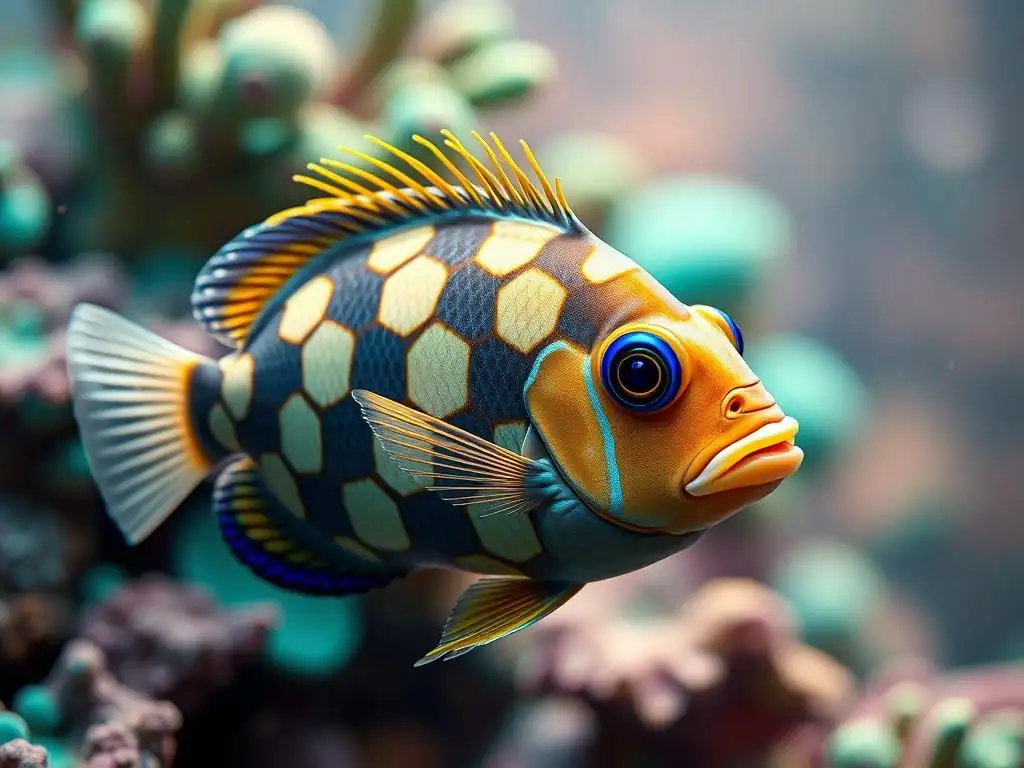
The social structure of Butterflyfish varies significantly between species, with some preferring a solitary existence and others forming strong, pair-bonded relationships. Understanding these inherent social preferences is critical for successful Butterflyfish care social behavior in an aquarium. Solitary species, such as the Orange-banded Butterflyfish ( Chaetodon ornatissimus), are typically best kept alone or in very large aquariums where they can establish their own territories without conflict. Introducing multiple individuals of a solitary species into a smaller tank often leads to chronic stress and aggression among them.
In contrast, many Butterflyfish species, including the popular Threadfin Butterflyfish ( Chaetodon auriga) and the Longnose Butterflyfish ( Forcipiger flavissimus), are known to form monogamous, pair-bonded relationships in the wild. When keeping these species, providing a bonded pair can significantly enhance their well-being and natural behavior, as they often swim, feed, and interact as a unit. Attempting to keep a single individual of a pair-bonded species can lead to loneliness and stress, while introducing unbonded individuals may result in aggression as they attempt to establish dominance or form a pair.
Establishing Dominance: Aggression and Territoriality in Butterflyfish
Within Butterflyfish social groups, particularly among conspecifics or similar-shaped species, the establishment of dominance and territoriality is a common aspect of their Butterflyfish care social behavior. Dominance hierarchies are typically formed through a series of ritualized displays rather than outright physical combat. These displays might include fin flaring, body quivering, chasing, and subtle color changes, all designed to assert superiority without causing significant harm. The more dominant fish will often claim preferred feeding spots or prime hiding places within the aquarium.
Territoriality is closely linked to dominance, with Butterflyfish defending specific areas that they perceive as their own. This behavior is more pronounced in smaller tanks or when sufficient hiding spots and visual barriers are lacking. Aggression can escalate if a subordinate fish is unable to escape the dominant individual's territory. Providing ample live rock structures, caves, and crevices that break up line of sight is crucial to mitigate aggressive encounters and allow less dominant fish to retreat and feel secure, thereby promoting a more peaceful Butterflyfish care social behavior dynamic.
Observing the social dynamics of Butterflyfish in their natural reef environments offers invaluable lessons for optimizing Butterflyfish care social behavior in captivity. In the vastness of a coral reef, Butterflyfish have ample space to establish territories, find mates, and escape aggression. For instance, a pair of Racoon Butterflyfish might patrol a specific patch of reef, foraging together and retreating into crevices when threatened. This abundant space and complex three-dimensional structure allow for fluid social interactions, minimizing prolonged stress.
Translating these observations to an aquarium setting means recognizing the limitations of a confined space. While we cannot replicate the ocean, we can emulate its key features. Providing a sufficiently large tank, rich in live rock structures with numerous hiding places and visual breaks, is paramount. This allows individual fish to establish micro-territories, retreat from dominant individuals, and engage in natural foraging behaviors without constant stress. Understanding these natural social dynamics helps aquarists create an environment where Butterflyfish care social behavior can flourish as close to their wild counterparts as possible.
Choosing the Right Butterflyfish Species for Your Aquarium
Selecting the appropriate Butterflyfish species is the foundational step in ensuring successful Butterflyfish care social behavior within your aquarium. Not all Butterflyfish are created equal in terms of temperament and suitability for community tanks. Some species, like the Copperband Butterflyfish ( Chelmon rostratus), are generally peaceful and can coexist well with a variety of tank mates, often even performing the valuable service of consuming nuisance Aiptasia anemones. These are often recommended for intermediate aquarists.
In contrast, certain species, particularly those from the Chaetodon genus like the Lemon Butterflyfish ( Chaetodon miliaris) or the Pearlscale Butterflyfish ( Chaetodon xanthurus), can exhibit significant aggression, especially towards conspecifics or other Butterflyfish species. Researching the specific social requirements and temperament of each species is paramount. Consider its adult size, dietary needs, and known social tendencies before purchase. A common guideline is to avoid mixing multiple species of Butterflyfish unless you have a very large tank (e.g., 180 gallons or more) with extensive rockwork, as this significantly reduces the likelihood of negative Butterflyfish care social behavior interactions.
Minimizing Aggression: Tank Size and Aquascaping Strategies
Minimizing aggression, a critical component of successful Butterflyfish care social behavior, hinges significantly on providing adequate tank size and strategic aquascaping. A general rule of thumb for Butterflyfish is a minimum tank size of 75 gallons for a single, generally peaceful species, with larger tanks (120-180 gallons+) required for pairs or community setups. Insufficient space is a leading cause of stress and aggression, as fish cannot establish territories or escape dominant individuals.
Aquascaping plays an equally vital role. Incorporate abundant live rock to create a complex, three-dimensional environment with numerous caves, overhangs, and swim-throughs. These structures serve as vital hiding places and visual barriers, breaking up lines of sight and allowing subordinate fish to retreat from aggressive encounters. Aim for at least 50% of the tank volume dedicated to well-structured rockwork. This thoughtful design helps to diffuse potential conflicts and encourages natural Butterflyfish care social behavior, as they feel secure and have options for exploration and retreat.
Compatible Tank Mates: Selecting Peaceful Companions for Butterflyfish
Selecting compatible tank mates is a cornerstone of responsible Butterflyfish care social behavior and ensures a harmonious aquarium environment. Butterflyfish, with their delicate fins and often shy nature, can be easily stressed by overly aggressive or boisterous tank mates. Ideal companions are generally peaceful, non-aggressive species that occupy different ecological niches within the aquarium, minimizing direct competition for space or food.
Good choices often include smaller, peaceful tangs (like Yellow Tangs or Kole Tangs), gobies, blennies, certain clownfish species, and cardinalfish. Avoid species known for fin nipping, such as certain triggers or puffers, as these can severely injure a Butterflyfish's delicate fins, leading to stress and secondary infections. Similarly, highly aggressive species that dominate the water column should generally be avoided. Always introduce new fish carefully, preferably after a quarantine period, and observe interactions closely to ensure the long-term success of your Butterflyfish care social behavior strategy.
Replicating Natural Habitats: Importance of Rockwork and Hiding Places
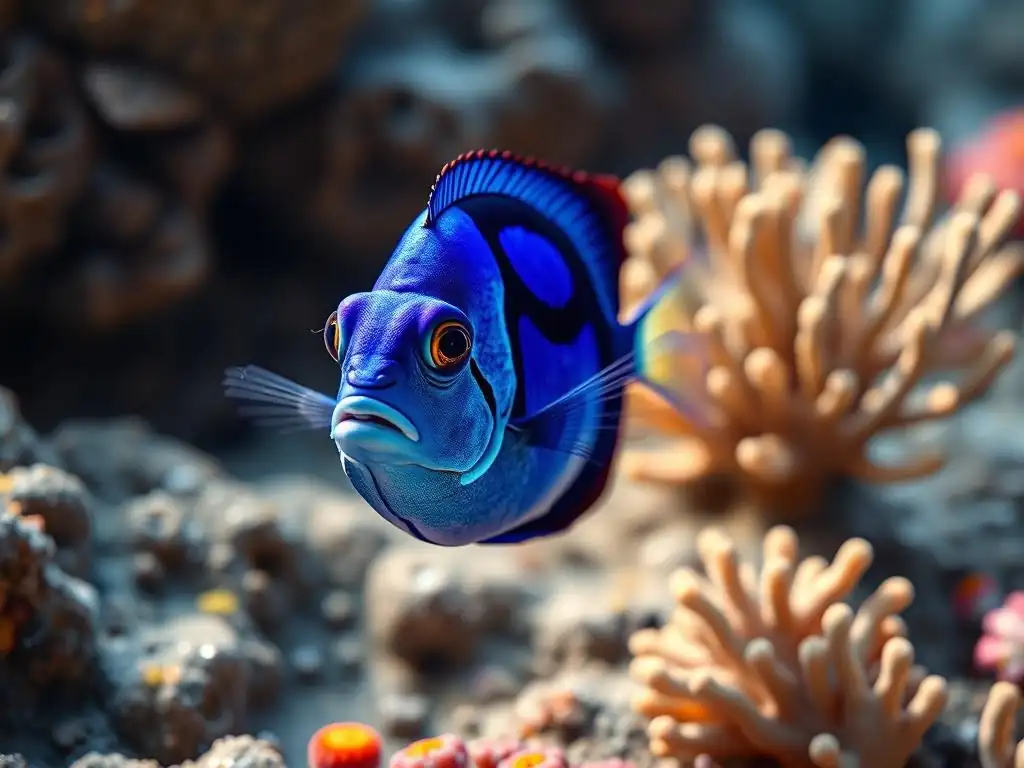
Replicating the intricate structures of natural coral reefs is paramount to promoting natural Butterflyfish care social behavior in captivity. In the wild, Butterflyfish navigate complex reef environments teeming with live rock, corals, and crevices, which provide essential foraging grounds, hiding spots, and territorial markers. To mimic this, an aquarium should be heavily aquascaped with ample live rock, creating a labyrinth of caves, arches, and overhangs.
These structures serve multiple critical functions. They provide security, allowing Butterflyfish to retreat when startled or to escape perceived threats from tank mates. They also offer visual breaks, preventing constant line-of-sight aggression between fish and allowing individuals to establish micro-territories. Furthermore, live rock provides surfaces for natural algae and detritus, encouraging natural foraging behaviors. A well-structured environment, with at least 60-70% of the tank's footprint covered by diverse rockwork, directly reduces stress and encourages the display of more natural Butterflyfish care social behavior.
Pristine and stable water quality is a non-negotiable requirement for healthy Butterflyfish care social behavior. Suboptimal water parameters are a major source of stress for these delicate fish, directly impacting their immune system and predisposing them to disease and behavioral abnormalities. For instance, elevated levels of ammonia, nitrite, or nitrate (above 10-20 ppm) can lead to chronic stress, causing fish to become lethargic, hide excessively, or exhibit aggressive behavior due to discomfort and a weakened state.
Maintaining stable salinity (1.023-1.025 specific gravity), temperature (74-78°F or 23-26°C), and pH (8.1-8.4) is equally vital. Fluctuations in these parameters can cause osmotic shock or metabolic stress, making fish irritable and prone to aggression or withdrawn behavior. Regular water changes (e.g., 10-20% bi-weekly), robust filtration (sump, protein skimmer), and consistent monitoring of water parameters are essential practices to ensure a low-stress environment that promotes optimal Butterflyfish care social behavior.
Feeding Strategies to Reduce Competition and Stress
Effective feeding strategies are crucial for reducing competition and stress, thereby fostering positive Butterflyfish care social behavior within a community tank. In nature, Butterflyfish often forage continuously throughout the day. In captivity, providing multiple, small feedings (e.g., 2-3 times daily) instead of one large meal can better mimic their natural feeding patterns and prevent a frantic rush for food that often leads to aggression.
Varying the diet with a mix of high-quality frozen foods (mysis shrimp, brine shrimp, enriched formulas), marine flakes, and pellets ensures nutritional completeness and keeps them engaged. Distributing food across multiple areas of the tank can also prevent a single dominant fish from monopolizing the food source, ensuring all fish receive adequate nutrition. This approach not only supports their physical health but also significantly contributes to a more peaceful Butterflyfish care social behavior dynamic by minimizing resource-related conflicts.
Common Behavioral Problems in Butterflyfish and Solutions
Fin Nipping and Aggression Towards Tank Mates
Fin nipping and aggression towards tank mates are common behavioral problems observed in Butterflyfish, often stemming from stress, inadequate space, or incompatible tank mates. While some species are inherently more aggressive (e.g., certain Chaetodon species towards conspecifics), even typically peaceful Butterflyfish can become aggressive if conditions are suboptimal. The primary cause is often insufficient tank size, which prevents the establishment of adequate territories and escape routes.
Solutions involve a multi-faceted approach. First, ensure the tank is sufficiently large for all inhabitants, ideally exceeding 75 gallons for a single Butterflyfish. Second, enrich the aquascape with abundant live rock and decor that create numerous hiding spots and break line of sight, allowing less dominant fish to escape aggression. Third, carefully reassess tank mate compatibility; remove any known fin-nipping species or overly boisterous fish. If aggression persists, consider temporarily removing the aggressor to a separate tank for a few days, then reintroducing it, sometimes with a rearranged aquascape, to disrupt established territories, thereby improving Butterflyfish care social behavior.
Stress is a pervasive issue for Butterflyfish in captivity, and it often manifests as prolonged hiding, pale coloration, and a marked reduction or complete cessation of feeding. These behaviors are clear indicators that the fish is unwell or uncomfortable with its environment. Common stressors include poor water quality (e.g., high nitrates, fluctuating parameters), bullying from tank mates, inadequate hiding spots, or the recent introduction to a new, unfamiliar tank.
Addressing these stress-related behaviors requires immediate action. Begin by thoroughly testing all water parameters (ammonia, nitrite, nitrate, pH, salinity, temperature) and performing a partial water change if any parameters are outside optimal ranges. Observe tank mates closely for signs of aggression and consider separating any bullies. Ensure the aquarium has plenty of secure, dark hiding places that the Butterflyfish can retreat to. Offering a variety of highly palatable foods, such as live brine shrimp or enriched mysis shrimp, can also help stimulate their appetite. Consistent, high-quality Butterflyfish care social behavior management through environmental stability is key.
When social incompatibility leads to persistent aggression or stress, direct intervention is often necessary to salvage the Butterflyfish care social behavior dynamic. A crucial first step is to establish a dedicated quarantine tank (at least 20-30 gallons). This tank serves multiple purposes: it allows for the isolation and observation of new fish before introduction, prevents the spread of diseases, and provides a "time-out" zone for aggressive or stressed individuals.
If a specific fish is consistently bullying others, remove the aggressor and place it in the quarantine tank for a period of 1-2 weeks. During this time, rearrange the main display tank's aquascape significantly. When the aggressor is reintroduced, the unfamiliar layout can disrupt its established territory, often leading to a more peaceful re-establishment of the hierarchy. For highly stressed or bullied fish, isolating them in the quarantine tank allows them to recover without constant harassment. This proactive approach to Butterflyfish care social behavior management can prevent severe injury or death due to social stress.
Advanced Butterflyfish Care: Encouraging Breeding and Natural Behaviors
Creating a Breeding-Friendly Environment: Water Parameters and Diet
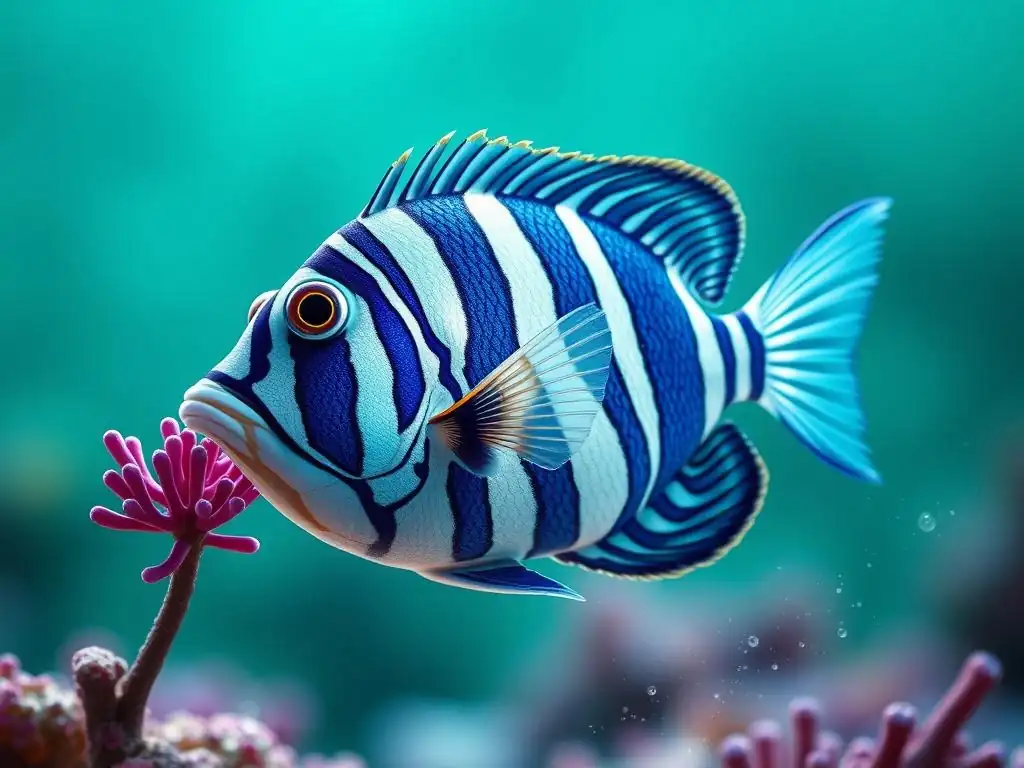
Encouraging breeding in Butterflyfish, while challenging, is the pinnacle of advanced Butterflyfish care social behavior and requires meticulous attention to environmental conditions and diet. Most Butterflyfish are pelagic spawners, releasing eggs and sperm into the water column, making successful rearing in home aquaria extremely difficult. However, creating a breeding-friendly environment can sometimes induce natural courtship and spawning behaviors. This often involves maintaining exceptionally stable and pristine water parameters, mimicking their natural reef conditions.
Specific parameters might include a slightly elevated temperature (e.g., 78-80°F) and a stable salinity of 1.025. Crucially, a highly varied and nutritious diet, rich in proteins and essential fatty acids, is vital for conditioning breeding pairs. This includes offerings of live foods like enriched brine shrimp, mysis shrimp, and finely chopped seafood. Providing ample space (e.g., 200+ gallons) and complex rockwork allows pairs to establish territories and engage in courtship rituals without undue stress, which are all part of advanced Butterflyfish care social behavior.
Observing Courtship Rituals and Spawning Behavior
Observing the courtship rituals and spawning behavior of Butterflyfish is a fascinating aspect of advanced Butterflyfish care social behavior. While rare in most home aquariums, successful conditioning can lead to these natural displays. Courtship typically involves a series of elaborate dances and chases between the male and female. The pair might swim in tight circles, engage in "shivering" movements, or display intensified coloration to signal readiness. For instance, a pair of Longnose Butterflyfish might perform a synchronized swim, with the male nudging the female's abdomen.
Spawning usually occurs at dusk or dawn. Butterflyfish are broadcast spawners, meaning the female releases tiny, buoyant eggs into the water column, immediately followed by the male releasing sperm to fertilize them. The fertilized eggs float to the surface and drift with the currents. Documenting these fleeting moments can provide invaluable insights into their natural reproductive cycle, even if raising the fry to maturity remains an immense challenge in Butterflyfish care social behavior.
Raising Butterflyfish Fry: Challenges and Successes
Raising Butterflyfish fry is widely considered one of the most significant challenges in marine aquaculture, even for experienced breeders. The minute size of the newly hatched fry, often less than 2 millimeters, presents immediate hurdles. Their tiny mouths require extremely small live foods, typically rotifers (e.g., Brachionus plicatilis) enriched with phytoplankton, followed by progressively larger zooplankton as they grow. Culturing these live foods in sufficient quantities and maintaining their nutritional value is a continuous, demanding task.
Furthermore, Butterflyfish fry are highly susceptible to changes in water quality and are often sensitive to light and water flow. Maintaining pristine water conditions in a dedicated larval rearing tank, with minimal water circulation and specialized filtration, is essential for their survival. While a few commercial facilities have achieved limited success with certain species, consistent, large-scale breeding of Butterflyfish in captivity remains an elusive goal for most hobbyists. Thus, successful Butterflyfish care social behavior that extends to breeding and rearing fry is a rare and celebrated achievement.
Case Studies: Successful Butterflyfish Communities in Aquariums
The Success of a Copperband Butterflyfish in a Reef Tank
A compelling case study demonstrating successful Butterflyfish care social behavior involves a Copperband Butterflyfish ( Chelmon rostratus) thriving in a 120-gallon mixed-reef aquarium. The tank, well-established for over two years, maintained stable parameters (salinity 1.025, temperature 76°F, nitrates <5 ppm). The Copperband was introduced as a juvenile, measuring approximately 3 inches, and shared the tank with a Yellow Tang, a pair of Clownfish, and several peaceful gobies.
The key to its success lay in ample live rock (approximately 100 pounds) providing numerous caves and crevices, allowing the Copperband to forage naturally for small invertebrates and even consume nuisance Aiptasia anemones without competition. Its long, slender snout enabled it to access tight spaces, reducing stress during feeding. The peaceful nature of its tank mates also contributed significantly; there was no fin nipping or aggressive chasing, allowing the Copperband to display its full, vibrant coloration and exhibit natural Butterflyfish care social behavior for over three years.
Managing Aggression Between a Raccoon Butterflyfish and a Klein's Butterflyfish
Another insightful case study highlights the importance of managing Butterflyfish care social behavior when aggression arises, specifically between two Butterflyfish species. In a 90-gallon FOWLR (Fish Only With Live Rock) tank, a Raccoon Butterflyfish ( Chaetodon lunula) was introduced after a Klein's Butterflyfish ( Chaetodon kleinii) had been established for six months. Initially, the Raccoon, being slightly larger, constantly chased and nipped at the Klein's, causing it to hide and refuse food.
To mitigate the aggression, the aquarist first added more live rock, creating several new line-of-sight breaks and additional hiding spots. Second, the feeding strategy was adjusted to disperse food more widely across the tank, reducing direct competition. Third, the Raccoon Butterflyfish was temporarily removed to a separate 20-gallon quarantine tank for three days. Upon reintroduction, the main tank's rockwork was significantly rearranged. This disruption of established territories, combined with increased hiding opportunities and diffused feeding, led to a dramatic reduction in aggression within two weeks. Both fish eventually coexisted peacefully, demonstrating effective Butterflyfish care social behavior management.
Mastering Butterflyfish care social behavior is not merely about providing food and clean water; it is about cultivating an environment that respects and supports their intricate social dynamics. From deciphering subtle visual cues and understanding species-specific social preferences to strategically aquascaping and selecting compatible tank mates, every decision an aquarist makes directly impacts the well-being and natural expression of these delicate marine beauties.
By meticulously observing their interactions, promptly addressing stress signals, and continuously striving to replicate aspects of their natural reef habitats, aquarists can unlock the true potential of Butterflyfish in captivity. A thriving Butterflyfish in an aquarium is a testament to an aquarist's dedication to understanding their unique "whispers" – the unspoken language of their social world. Ultimately, successful Butterflyfish care social behavior is the cornerstone of a vibrant, harmonious, and truly rewarding saltwater aquarium.
Frequently Asked Questions
How challenging is it to care for Butterflyfish in a home aquarium?
Butterflyfish are generally considered intermediate to advanced aquarium inhabitants. Their specific dietary needs and sensitivity to water quality require dedicated attention and experience. Careful research is essential before acquiring one.
Butterflyfish exhibit a range of social behaviors, including territorial disputes, pair bonding, and cooperative feeding. Observing these behaviors helps ensure a harmonious community tank (if compatible species are selected). Understanding their interactions is vital.
A larger tank with plenty of hiding places and live rock is ideal for Butterflyfish. This allows them to establish territories and reduce stress, especially when housing multiple individuals or pairs. Proper aquascaping is critical.
Many Butterflyfish have specialized diets, often requiring live or frozen foods. Insufficient or inappropriate food can lead to aggressive behavior as they compete for resources. A varied and consistent diet is crucial.
Are all Butterflyfish species compatible with other fish species in a community aquarium?
No, some Butterflyfish species are known to nip at corals or invertebrates, making them unsuitable for reef tanks. Thoroughly research the specific species' temperament and compatibility before introducing them to a community aquarium setting. Careful selection is key.
Final Reflection: Unveiling the Secrets of the Reef
The intricate world of butterflyfish, once a silent spectacle observed from afar, now resonates with newfound meaning thanks to our deeper understanding of their complex social dynamics and behavioral nuances. These vibrant inhabitants of our coral reefs are not merely decorative; they are active participants in a delicate ecosystem, and our appreciation of their social lives is crucial for effective conservation and responsible aquarium keeping.
The journey into decoding the "Butterflyfish Whispers" has profoundly altered how we perceive these creatures. It's a reminder that even seemingly simple organisms possess layers of communication and social structures that deserve our respect and protection. In the end, we will conserve only what we love; we will love only what we understand; and we will understand only what we are taught.
- Baba Dioum. This quote underscores the importance of continued research and education in safeguarding the future of butterflyfish and their fragile reef habitats.
Now, armed with this knowledge, I invite you to reflect on your own connection to the natural world. Consider how your actions, whether as a diver, an aquarist, or simply a conscious consumer, can impact the lives of these fascinating fish. Let us strive to be responsible stewards of our planet, ensuring that future generations can also marvel at the beauty and complexity of the butterflyfish and the vibrant coral reefs they call home.
Dive Deeper: Unveil the Secrets of Butterflyfish!
Thank you for exploring the fascinating world of butterflyfish! We hope you’ve gained a deeper appreciation for their complex behaviors and vibrant social lives. Now, it's time to translate this knowledge into action.
Here are some ways you can further connect with these captivating creatures:
- Start a Detailed Observation Log: Dedicate at least 15 minutes each week to observe your butterflyfish, noting their interactions, feeding habits, and any subtle changes in behavior. This will sharpen your understanding and help you detect potential issues early on.
- Share your newfound knowledge. Join an online aquarium community and share your insights about butterflyfish behavior, contributing to the collective understanding of these captivating fish.
- Consider Creating a Butterflyfish 'Enrichment Zone': Add carefully selected rock structures and coral alternatives to your aquarium that mimic their natural habitat, encouraging exploration and foraging behaviors.
What surprising butterflyfish behavior have you witnessed lately, and what adjustments have you made to your aquarium setup as a result?