
Beyond Beauty: Mastering the Specialized Needs of Aquarium Butterflyfish

Welcome to Aquarium Mastery!
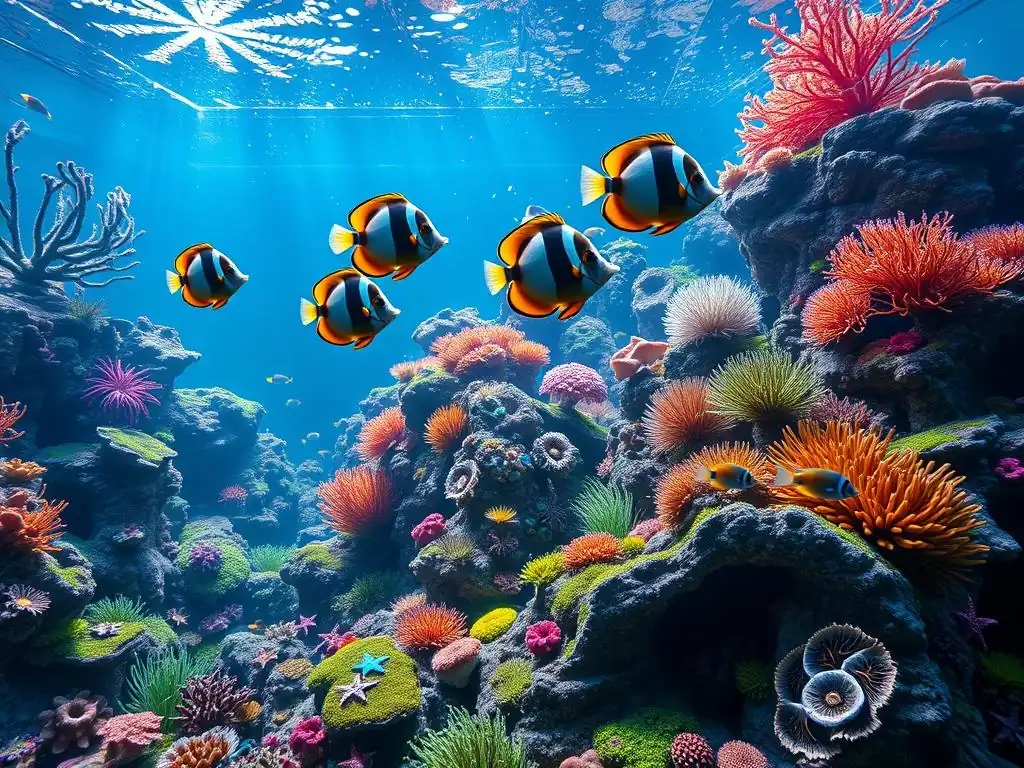
Ever been captivated by the vibrant dance of a butterflyfish in your local aquarium? These aquatic jewels are more than just beautiful; they demand a unique approach to care. Dive in and discover our comprehensive guide to Butterflyfish aquarium care tips, unlocking the secrets to successfully keeping these stunning creatures thriving in your saltwater haven. Ready to transform your aquarium into a butterflyfish paradise? Let's begin!
- Understanding Butterflyfish for the Home Aquarium
- Essential Butterflyfish Aquarium Care Tips
- Advanced Butterflyfish Aquarium Care: Overcoming Common Challenges
- The Future of Butterflyfish Keeping: Responsible Aquarism
-
Frequently Asked Questions
- What are the biggest challenges in keeping Butterflyfish in an aquarium?
- What size aquarium is generally recommended for Butterflyfish?
- What are some key water parameters to monitor when keeping Butterflyfish?
- What kind of tank mates are suitable for Butterflyfish?
- What specific foods are recommended for Butterflyfish to ensure their health and vibrant colors?
- Final Reflection: Embracing the Delicate Dance of Reef Harmony
- Unlock the Secrets: Cultivate Your Butterflyfish Paradise!
Understanding Butterflyfish for the Home Aquarium
The Allure and Challenges of Keeping Butterflyfish
Butterflyfish are undeniably some of the most captivating inhabitants of a saltwater aquarium, renowned for their vibrant colors, intricate patterns, and graceful swimming. Species like the Copperband Butterflyfish ( Chelmon rostratus) with its distinctive orange bands and elongated snout, or the vibrant Racoon Butterflyfish ( Chaetodon lunula), draw immediate attention. Their delicate movements and often curious personalities make them a focal point, inspiring many aquarists to delve into the complexities of their care. This allure, however, often belies the significant commitment required to keep them thriving.
Despite their beauty, butterflyfish present a unique set of challenges that set them apart from many other marine aquarium fish. Many species are highly specialized feeders, with some being obligate corallivores in the wild, making dietary adaptation in captivity a critical hurdle. They are also notoriously sensitive to water quality fluctuations and stress, which can quickly lead to health issues. Their susceptibility to common marine diseases, combined with their often shy or territorial nature, means that successful Butterflyfish aquarium care tips hinge on meticulous planning and consistent maintenance.
Butterflyfish Species Suitable for Aquarium Life
While the family Chaetodontidae boasts over 120 species, only a select few are genuinely suitable for home aquariums due to their specific dietary needs and adaptability. The Copperband Butterflyfish is a popular choice, often sought after for its appetite for nuisance aiptasia anemones, though it can still be a finicky eater.
Other relatively hardy and adaptable species include the Longnose Butterflyfish ( Forcipiger flavissimus), known for its striking yellow coloration and extended snout, and the Pearly Butterflyfish ( Chaetodon xanthurus), which tends to be more omnivorous than its coral-eating relatives. These species generally accept a broader range of prepared foods over time.
Conversely, many butterflyfish species are notoriously difficult or impossible to maintain long-term in captivity. Obligate corallivores, such as the Ornate Butterflyfish ( Chaetodon ornatissimus) or the Pacific Double-saddle Butterflyfish ( Chaetodon ulietensis), rely almost exclusively on coral polyps for their diet in the wild. Replicating this specialized diet in a home aquarium is nearly impossible, leading to rapid decline and starvation. Therefore, understanding the specific dietary and environmental requirements of individual species is paramount before considering their addition to your tank, forming a core part of effective Butterflyfish aquarium care tips.
Assessing Your Aquarium's Readiness for Butterflyfish
Before introducing any butterflyfish, a thorough assessment of your aquarium's maturity and stability is crucial. These fish thrive in established systems that have completed the nitrogen cycle and possess a robust biological filter capable of handling their waste and maintaining pristine water quality. A tank that has been running stably for at least six months, ideally over a year, is generally recommended. This allows for the development of beneficial bacterial colonies and a stable microfauna, which contributes to the overall health of the ecosystem.
Furthermore, the physical dimensions and existing inhabitants of your aquarium play a significant role. Most butterflyfish require ample swimming space; a minimum tank size of 75 gallons is often cited for smaller, less active species, while larger or more active types may necessitate 120 gallons or more. The tank should also be free of overly aggressive tank mates that could stress or injure the butterflyfish, as their delicate nature makes them susceptible to bullying. Ensuring your current setup meets these criteria is a fundamental step in providing optimal Butterflyfish aquarium care tips.
Essential Butterflyfish Aquarium Care Tips
Optimizing Water Parameters for Butterflyfish Health
Maintaining pristine and stable water parameters is arguably the most critical aspect of successful butterflyfish husbandry. These fish are highly sensitive to fluctuations, and even minor shifts in salinity, pH, or temperature can induce stress, compromise their immune system, and make them susceptible to disease. Regular testing using reliable kits is not just recommended but essential, ideally on a daily or every-other-day basis, to catch any deviations promptly.
Beyond basic parameters, monitoring nitrates, phosphates, and alkalinity is also vital. High levels of nitrates (above 10-20 ppm) and phosphates (above 0.03 ppm) indicate poor water quality and can lead to algae blooms and stress. Consistent alkalinity (8-12 dKH) ensures pH stability and supports the calcification processes of any corals or coralline algae present, contributing to a healthy overall environment crucial for effective Butterflyfish aquarium care tips.
Maintaining Ideal Salinity, pH, and Temperature
For most marine butterflyfish, the ideal salinity range is between 1.023 and 1.026 specific gravity (SG), or 32-35 parts per thousand (ppt). A stable pH of 8.1 to 8.4 is optimal, mimicking natural reef conditions. Temperature should be maintained consistently between 75°F and 80°F (24°C to 27°C). Sudden drops or spikes in any of these parameters can cause severe stress, leading to issues like osmotic shock or compromised metabolic function. For instance, a rapid pH drop from 8.3 to 7.9 can severely impact a butterflyfish's ability to regulate its internal chemistry, leading to lethargy and potential organ damage.
To maintain these critical parameters, use a high-quality refractometer for salinity, calibrated regularly with a reference solution. Digital pH meters offer more precision than test kits but require frequent calibration. Reliable heaters, ideally two smaller ones rather than one large one for redundancy, should be used to maintain temperature. An auto top-off (ATO) system is highly recommended to replenish evaporated freshwater, which helps stabilize salinity by preventing it from rising as water evaporates. These precise measurements and stability are core Butterflyfish aquarium care tips.
The Importance of Water Changes for Butterflyfish
Regular water changes are indispensable for maintaining the health of butterflyfish. They serve multiple vital functions: diluting accumulated nitrates and other undesirable organic compounds, replenishing essential trace elements that are consumed by the aquarium inhabitants, and helping to buffer pH. For a healthy butterflyfish aquarium, a routine of 10-15% water change weekly, or 20-25% bi-weekly, is generally recommended, although higher bioloads or specific issues may necessitate more frequent changes.
When performing water changes, it's crucial to use high-quality, deionized (RODI) water mixed with a good marine salt mix, ensuring the new water matches the existing tank water's salinity, temperature, and pH as closely as possible. Drastic differences can shock the fish. For example, adding new water that is 5°F colder or significantly different in salinity can cause immediate stress. Siphoning detritus from the substrate and around live rock during water changes also helps remove trapped organic matter, further contributing to a cleaner, healthier environment and reinforcing crucial Butterflyfish aquarium care tips.
Nutrition and Feeding Strategies for Butterflyfish
Providing a diverse and appropriate diet is one of the most challenging yet rewarding aspects of Butterflyfish aquarium care tips. Many species are finicky eaters, and transitioning them to prepared foods can take considerable patience.
Understanding Butterflyfish Dietary Needs
In their natural habitat, butterflyfish exhibit a wide range of feeding behaviors, from obligate corallivores consuming coral polyps to omnivores grazing on algae and picking at small invertebrates. In the aquarium, replicating these specific diets is difficult, necessitating a varied approach. Their diet should ideally consist of a mix of high-quality marine-based proteins, such as mysis shrimp, brine shrimp (preferably enriched), various types of krill, and finely chopped seafood (e.g., clams, scallops, shrimp). Additionally, a significant portion of their diet should include marine algae, spirulina, and other plant-based matter to ensure they receive essential vitamins and fiber.
Many butterflyfish, particularly those that are not obligate corallivores, will readily accept a variety of frozen foods. However, it's crucial to ensure these foods are fortified with vitamins and minerals, as a diet solely of unenriched frozen foods can lead to nutritional deficiencies. For example, a lack of Vitamin C can compromise their immune system, making them more susceptible to diseases like Ich. Incorporating a high-quality pellet or flake food designed for marine omnivores, even if initially refused, should be a long-term goal to provide a balanced nutritional foundation.
Live Foods vs. Prepared Foods: A Butterflyfish Diet Guide
For newly acquired or particularly finicky butterflyfish, live foods often serve as an excellent bridge to accepting prepared diets. Live brine shrimp, blackworms, or even small feeder shrimp (if appropriately sized) can stimulate a feeding response. For instance, a Copperband Butterflyfish notoriously difficult to feed might initially only accept live blackworms before transitioning to frozen mysis. Once they are consistently feeding on live offerings, these can be gradually replaced or supplemented with frozen foods.
Prepared foods, while less stimulating initially, offer a more consistent and complete nutritional profile. High-quality frozen foods like enriched mysis shrimp, spirulina-enriched brine shrimp, and finely chopped clam or scallop are excellent staples. Brands specifically formulated for marine omnivores or carnivores, often containing a blend of marine proteins and algae, should be prioritized. It's also beneficial to soak frozen foods in a liquid vitamin supplement, such as a garlic-based appetite stimulant or a comprehensive marine vitamin complex, for 10-15 minutes before feeding. This enhances palatability and boosts nutritional content, proving to be an invaluable Butterflyfish aquarium care tip.
Preventing Nutritional Deficiencies in Butterflyfish
Nutritional deficiencies are a common problem in butterflyfish that are not provided with a diverse and balanced diet. One of the most visible signs of long-term deficiency is Head and Lateral Line Erosion (HLLE), characterized by pitting and lesions on the head and along the lateral line. While HLLE is multifactorial, often linked to poor water quality and carbon use, dietary deficiencies, particularly of Vitamin C and certain amino acids, are significant contributors.
To prevent such issues, always offer a varied diet, rotating between different types of frozen foods, high-quality pellets, and occasional live or fresh seafood. Supplementation with marine vitamins and probiotics can also bolster their immune system and digestive health. Feeding small amounts multiple times a day (e.g., 3-4 times) rather than one large meal ensures better nutrient absorption and reduces competition for food. Consistent observation of their body condition and coloration can also provide early warning signs of nutritional stress, allowing for prompt dietary adjustments.
Tank Setup and Environment for Butterflyfish
The physical environment of a butterflyfish aquarium plays a crucial role in their overall well-being, influencing stress levels, feeding behavior, and disease resistance.
Choosing the Right Tank Size for Butterflyfish
Tank size is a critical consideration for butterflyfish due to their active swimming nature and potential for territoriality. For smaller, less active species like the Copperband Butterflyfish, a minimum tank size of 75 gallons (approximately 280 liters) is generally recommended to provide adequate swimming space and maintain stable water parameters. However, for larger or more active species such as the Longnose Butterflyfish or species that can grow over 6 inches, a tank of 120 gallons (approximately 450 liters) or more is preferable.
Larger tanks offer several advantages: they provide more stable water chemistry due to increased water volume, dilute waste products more effectively, and offer more territory to reduce potential aggression between tank mates. For instance, a 120-gallon tank provides significantly more linear swimming space and hiding spots compared to a 75-gallon tank, which can reduce stress in species prone to shyness or those that require ample foraging areas. This emphasis on space is a key aspect of Butterflyfish aquarium care tips.
Creating a Butterflyfish-Friendly Reef Environment
While some butterflyfish are known to nip at corals, a well-structured live rock aquascape is essential for their comfort and security. Live rock provides numerous hiding places where shy or newly introduced fish can retreat when feeling stressed or threatened. These structures also offer natural foraging opportunities, as butterflyfish will often pick at microfauna and algae growing on the rockwork. It's important to arrange the rockwork to create caves, overhangs, and open swimming channels.
The substrate choice can vary, but a sand bed of 2-4 inches is generally suitable, providing a natural aesthetic and supporting beneficial bacteria. Water flow should be moderate, mimicking their natural reef environment without being overly turbulent, which can stress them. Powerheads should be positioned to create gentle, random flow patterns. Lighting should be appropriate for any corals or invertebrates you plan to keep, but it's important to note that very intense lighting can sometimes be overwhelming for new or stressed butterflyfish, so a gradual acclimation or shaded areas should be provided.
Essential Equipment for Butterflyfish Aquariums
Beyond the tank itself, several pieces of equipment are non-negotiable for successful Butterflyfish aquarium care tips. A robust filtration system is paramount, often best achieved with a sump, which allows for greater water volume, houses a protein skimmer, and provides space for media reactors. An oversized protein skimmer, rated for 1.5 to 2 times your tank's actual volume, is highly recommended for efficient removal of organic waste, which is crucial for sensitive fish like butterflyfish.
Reliable heaters, ideally two smaller ones for redundancy in case one fails, are necessary to maintain stable temperatures. Accurate testing kits for salinity, pH, ammonia, nitrite, and nitrate are essential for daily or weekly monitoring. A high-quality refractometer for salinity measurement is more accurate than hydrometers. Finally, an auto top-off (ATO) system is invaluable for maintaining consistent salinity by automatically replacing evaporated water, thereby reducing daily maintenance and minimizing parameter fluctuations that can stress delicate butterflyfish.
Advanced Butterflyfish Aquarium Care: Overcoming Common Challenges
Identifying and Treating Butterflyfish Diseases
Butterflyfish are particularly susceptible to common marine diseases, largely due to stress from shipping, improper acclimation, or poor water quality. Proactive disease management is a cornerstone of advanced Butterflyfish aquarium care tips.
Recognizing Early Signs of Illness
Early detection is key to successful treatment of diseases in butterflyfish. Aquarists should observe their fish daily for any changes in behavior or physical appearance. Common behavioral signs of illness include lethargy, loss of appetite, rapid breathing (gilling), scratching or "flashing" against tank decor or substrate, clamped fins, and abnormal swimming patterns.
Physical signs can include white spots (Ich), a dusty or velvet-like coating (Marine Velvet), cloudy eyes, fin rot, lesions, or discolored patches on the body. For instance, a butterflyfish with Marine Ich might develop small, salt-grain-sized white spots across its body and fins within 24-48 hours of infection, often accompanied by increased gilling.
Any deviation from normal behavior or appearance warrants immediate attention. If a butterflyfish that typically grazes actively suddenly hides or refuses food for a day, it's a significant warning sign. Early recognition allows for prompt action, such as moving the fish to a quarantine tank for observation and treatment, potentially preventing the spread of disease to other inhabitants and increasing the chances of recovery.
Quarantine Procedures for New Butterflyfish
A dedicated quarantine tank (QT) is an indispensable tool for preventing disease introduction and managing illness in butterflyfish. All new fish, including butterflyfish, should undergo a mandatory quarantine period of at least 4-6 weeks before being introduced to the main display tank. This allows the aquarist to observe the fish for signs of disease, treat proactively if necessary, and ensure the fish is eating well and acclimated to captive life.
During quarantine, the fish can be treated for common parasites like Ich and Marine Velvet using copper-based medications (e.g., Chemi-Pure Copper or Coppersafe) or hyposalinity (reducing salinity to 1.009-1.010 SG). For example, a standard copper treatment might involve maintaining a therapeutic copper level of 0.5-0.75 ppm for 30 days. It's crucial to use a reliable copper test kit to monitor levels daily. Additionally, freshwater dips can be used as a temporary measure to dislodge external parasites. A QT also allows for the fish to become accustomed to prepared foods without competition, further solidifying good Butterflyfish aquarium care tips.
Managing Aggression and Compatibility with Tank Mates
The temperament of butterflyfish varies greatly by species, and understanding their social dynamics is crucial for harmonious tank inhabitants.
Understanding Butterflyfish Temperament
While many butterflyfish are generally peaceful, some species can exhibit territorial aggression, particularly towards similar-looking fish or conspecifics in smaller tanks. For example, a Raccoon Butterflyfish might be peaceful with most tank mates but show aggression towards another butterflyfish if the tank is not large enough to provide ample territory. Other species, like the Copperband Butterflyfish, are known for their shy and peaceful nature, often becoming targets of bullying if housed with overly aggressive fish.
It is vital to research the specific temperament of the butterflyfish species you intend to keep. Observe their behavior closely, especially during feeding times, to ensure they are not being outcompeted or harassed. Signs of stress due to aggression include clamped fins, hiding constantly, refusal to eat, and physical damage like nipped fins. A well-designed aquascape with plenty of hiding spots can help mitigate minor territorial disputes.
Selecting Suitable Tank Mates for Butterflyfish
Choosing appropriate tank mates is a critical aspect of Butterflyfish aquarium care tips. Ideal tank mates are peaceful, non-aggressive species that will not outcompete the butterflyfish for food or space. Good choices often include smaller, peaceful tangs (e.g., Yellow Tangs, Kole Tangs), gobies, blennies, cardinalfish, and some non-aggressive angelfish (e.g., Centropyge species). It is generally advisable to avoid housing butterflyfish with very aggressive fish like triggers or large predatory groupers, which could easily stress or injure them.
Furthermore, consider the feeding habits of potential tank mates. Fast, voracious eaters can quickly consume all the food before a slower, more deliberate butterflyfish has a chance to feed. If you plan to keep multiple butterflyfish, ensure the tank is very large (e.g., 200 gallons or more) and that the species chosen are known to be compatible, as some species are best kept singly. Introducing new fish gradually and observing interactions closely for the first few days is also recommended.
Addressing Butterflyfish Feeding Problems
Butterflyfish are infamous for their picky eating habits, especially when newly introduced or wild-caught. Overcoming these challenges is essential for their long-term survival.
Encouraging Picky Eaters to Accept Food
Many butterflyfish, particularly wild-caught specimens, initially refuse prepared foods, relying solely on live rock or the substrate for sustenance. To encourage picky eaters, offer a wide variety of foods, starting with live options like live brine shrimp or blackworms, which can stimulate a feeding response. Gradually introduce frozen foods, such as enriched mysis shrimp, spirulina-enriched brine shrimp, and finely chopped clam or scallop. Soaking foods in a garlic-based appetite stimulant (e.g., Garlic Guard) or a liquid vitamin supplement can significantly improve palatability.
Feeding small amounts multiple times a day (e.g., 3-5 times) is more effective than one large feeding, as it mimics their natural continuous grazing behavior and ensures they have frequent opportunities to eat. For very shy or slow feeders, target feeding with a pipette or turkey baster can ensure the food reaches them directly, preventing faster tank mates from consuming it all. Patience is paramount; it can take several weeks for a butterflyfish to fully acclimate to a captive diet.
Preventing Competition for Food
In a community tank, fast-eating or aggressive tank mates can easily outcompete butterflyfish for food, leading to starvation despite regular feedings. To prevent this, employ strategic feeding methods. One effective Butterflyfish aquarium care tip is to feed the faster, more aggressive fish on one side of the tank or at a slightly earlier time, then target feed the butterflyfish on the other side or in a less accessible area. This ensures the butterflyfish has ample opportunity to consume its share without being intimidated.
Another strategy is to scatter food in multiple locations simultaneously, allowing the butterflyfish to find food without direct competition. Observing feeding behavior is crucial; if a butterflyfish consistently appears thin or lethargic despite food being offered, it's likely not getting enough to eat. In such cases, temporarily moving the butterflyfish to a dedicated feeding area or a quarantine tank for a few days to ensure it gets sufficient nutrition might be necessary.
The Future of Butterflyfish Keeping: Responsible Aquarism
Sourcing Butterflyfish Ethically and Sustainably
The increasing demand for marine aquarium fish, including butterflyfish, places significant pressure on wild coral reef populations. Responsible aquarists play a crucial role in mitigating this impact by prioritizing ethical and sustainable sourcing practices. This means seeking out reputable suppliers who adhere to strict collection guidelines, minimize environmental damage, and prioritize the health of the collected fish during transport. Inquire about their collection methods and CITES (Convention on International Trade in Endangered Species of Wild Fauna and Flora) compliance where applicable.
Furthermore, supporting the development and availability of captive-bred or aquacultured butterflyfish is paramount. While many butterflyfish species are challenging to breed in captivity, successful breakthroughs for species like the Blue-spot Butterflyfish ( Chaetodon plebeius) by facilities such as the Oceanic Institute in Hawaii offer a glimpse into a more sustainable future. Choosing captive-bred specimens, when available, not only reduces pressure on wild populations but often results in hardier fish that are already accustomed to aquarium life and prepared foods, making them ideal candidates for Butterflyfish aquarium care tips.
Supporting Conservation Efforts for Butterflyfish
Aquarists have a unique opportunity to contribute to the conservation of butterflyfish and their natural habitats. By maintaining healthy, thriving aquariums, we foster a deeper appreciation for marine ecosystems and the delicate balance within them. Beyond the home aquarium, supporting organizations dedicated to coral reef conservation and marine research is vital. Groups like the Coral Reef Alliance or the Marine Aquarium Societies of North America (MASNA) often fund projects focused on habitat restoration, sustainable fisheries, and scientific studies that benefit wild populations.
Participating in citizen science initiatives, reducing your carbon footprint, and advocating for policies that protect marine environments are also impactful ways to contribute. For example, reducing household chemical runoff helps protect coastal waters, which are vital nursery grounds for many marine species. Understanding that the health of the aquarium hobby is intrinsically linked to the health of wild reefs emphasizes the importance of responsible practices and continuous learning about Butterflyfish aquarium care tips and broader conservation efforts.
Emerging Technologies in Butterflyfish Health Management
The field of aquaculture and aquarium keeping is constantly evolving, with new technologies offering promising advancements in butterflyfish health management. Molecular diagnostics, for instance, are becoming more accessible, allowing for rapid and accurate identification of specific pathogens (e.g., Cryptocaryon irritans or Uronema marinum) even before visible symptoms appear. This enables targeted treatments, reducing the reliance on broad-spectrum medications and minimizing stress on the fish.
Automated water quality monitoring systems, which can continuously track parameters like pH, temperature, and salinity, provide real-time data and alerts, allowing aquarists to address deviations before they become critical. Developments in specialized nutrition, including designer diets fortified with prebiotics, probiotics, and specific fatty acids, are also improving fish health and disease resistance. These innovations, alongside ongoing research into captive breeding techniques, promise a future where Butterflyfish aquarium care tips become even more precise, effective, and sustainable, ensuring these delicate beauties can thrive in home aquariums for years to come.
Frequently Asked Questions
What are the biggest challenges in keeping Butterflyfish in an aquarium?
The biggest challenges involve their specialized dietary needs and sensitivity to water quality. Many Butterflyfish are fussy eaters and require specific live or frozen foods to thrive.
What size aquarium is generally recommended for Butterflyfish?
A larger tank is crucial for Butterflyfish, typically at least 75 gallons for smaller species, and significantly larger for others. This provides adequate swimming space and helps maintain stable water parameters.
What are some key water parameters to monitor when keeping Butterflyfish?
Maintaining stable and pristine water quality is paramount. Key parameters include consistent salinity, stable pH, and low levels of nitrates and phosphates. Regular water changes are essential.
What kind of tank mates are suitable for Butterflyfish?
Careful consideration is needed when selecting tank mates. Avoid aggressive or overly territorial fish, as Butterflyfish can be easily stressed. Peaceful, reef-safe species are often the best choices.
What specific foods are recommended for Butterflyfish to ensure their health and vibrant colors?
A varied diet is essential. Offer a mix of high-quality frozen foods, live foods (like brine shrimp or blackworms), and specially formulated Butterflyfish pellets. This helps maintain their health and vibrant coloration.
Final Reflection: Embracing the Delicate Dance of Reef Harmony
The journey into the world of butterflyfish, as we've explored, is far more than just adding vibrant color to an aquarium; it's a commitment to understanding and meeting their specialized needs. This commitment to informed and responsible aquascaping is increasingly vital in a world where reef ecosystems face unprecedented challenges. By prioritizing the well-being of these delicate creatures, we contribute to a broader understanding of marine conservation and the importance of sustainable practices within the aquarium hobby.
The enduring allure of butterflyfish lies not only in their aesthetic appeal but also in the intricate dance they perform within the reef ecosystem. Their presence in our aquariums serves as a constant reminder of the fragility and beauty of these natural environments, urging us to become better stewards of the ocean. In the end, we will conserve only what we love; we will love only what we understand; and we will understand only what we are taught.
- Baba Dioum. This quote encapsulates the essence of responsible aquarism: education, understanding, and ultimately, conservation.
Now, as you close this article, consider the knowledge you've gained and the responsibility it carries. What small changes can you implement in your own approach to aquarium keeping, not just for butterflyfish, but for all marine life? Let this be more than just a collection of Butterflyfish aquarium care tips; let it be a catalyst for deeper understanding, a commitment to ethical practices, and a lifelong journey of learning and appreciation for the wonders of the underwater world.
Unlock the Secrets: Cultivate Your Butterflyfish Paradise!
Thank you for diving deep into the world of aquarium butterflyfish! We hope this guide has illuminated the path to successfully caring for these captivating creatures. Now, it's time to translate knowledge into action and create a thriving underwater haven.
Here are some steps you can take to continue your journey:
- Begin building your dream butterflyfish aquarium now: Plan your tank setup, research compatible tankmates, and source the highest quality equipment to ensure a healthy and harmonious environment.
- Delve deeper into their intricate behaviours! Read through our forum section on aquariummastery.com and engage with our expert community to gain even more insights into their feeding habits, social dynamics, and specialized requirements.
- Share your new-found butterflyfish knowledge on social media! Let other aquarium enthusiasts benefit from what you’ve learned and inspire them to appreciate these magnificent fish.
What specific steps will you take this week to transform your aquarium into a butterflyfish haven?