
Rosette Plant Placement: Creating Natural Depth and Focal Points

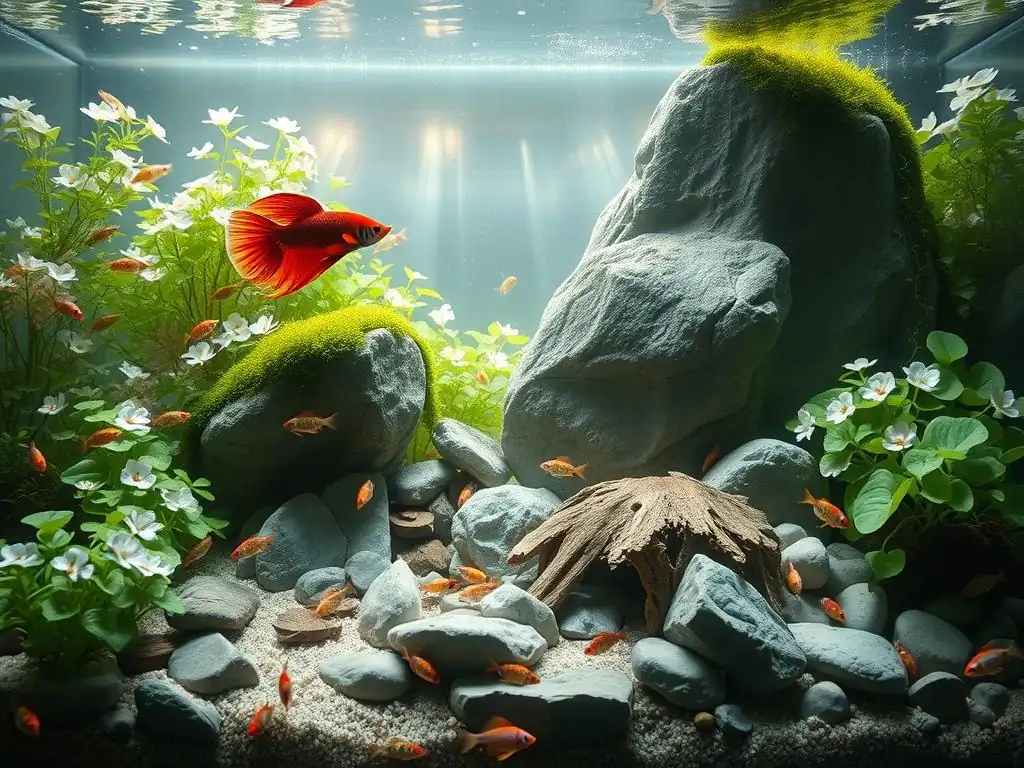
Welcome to Aquarium Mastery, where we help you unlock the secrets to a thriving underwater world!
Ever wondered how to transform your aquarium into a mesmerizing scape? Today, we're diving deep into the art of Rosette Plant Aquarium Placement. Discover how strategic placement not only enhances the beauty of your tank but also provides vital benefits for your aquatic inhabitants. Curious about creating natural depth and stunning focal points? Read on to master the art!
- Rosette Plant Placement: Creating Natural Depth and Focal Points in Your Aquarium
- Understanding Rosette Plants for Aquascaping
- Rosette Plant Aquarium Placement Tips: Achieving Natural Depth
- Creating Visual Depth with Rosette Plant Placement
- Optimizing Rosette Plant Growth Through Strategic Placement
- Specific Rosette Plant Placement Techniques
- Maintaining Your Rosette Plant Aquascape
- Troubleshooting Common Rosette Plant Issues
- Aquascaping Examples
- Advanced Aquascaping Techniques
-
Frequently Asked Questions
- How do rosette plants contribute to a natural-looking aquarium?
- What are the best locations for rosette plants in a freshwater aquarium?
- Are there specific substrate requirements for planting rosette plants?
- How can I prevent rosette plants from being uprooted by fish or strong currents?
- Do rosette plants require special care or maintenance in a saltwater aquarium?
- Final Reflection: Cultivating Aquatic Harmony
- Transform Your Aquarium: Bring Rosette Magic to Life!
Rosette Plant Placement: Creating Natural Depth and Focal Points in Your Aquarium
Understanding Rosette Plants for Aquascaping
What are Rosette Plants?
Rosette plants are a distinct category of aquatic flora characterized by their growth habit where leaves emerge from a central point or a very short stem, radiating outwards in a circular or spiral pattern, much like the petals of a rose. Unlike stem plants, which grow vertically from a single stem with leaves branching off, rosette plants typically have a basal structure. Their root systems are often robust, anchoring them firmly in the substrate and allowing them to absorb a significant portion of their nutrients directly from the substrate.
Common examples of true rosette plants include various species from the Echinodorus genus (commonly known as Amazon Swords) and the Cryptocoryne genus. These plants propagate primarily through runners that extend from the mother plant, developing new plantlets along their length, or sometimes through rhizomes. Understanding this growth pattern is crucial for effective rosette plant aquarium placement tips, as it dictates their spread and interaction with other tank inhabitants and features.
Benefits of Using Rosette Plants in Aquariums
Incorporating rosette plants into an aquarium offers numerous aesthetic and biological advantages. Aesthetically, their distinct leaf shapes and sizes, ranging from the broad leaves of an Amazon Sword to the delicate textures of certain Cryptocorynes, provide excellent focal points and visual interest. They can add significant structural diversity to an aquascape, helping to create natural depth and a sense of scale within the aquatic environment.
Biologically, rosette plants contribute significantly to a healthy aquarium ecosystem. Like all aquatic plants, they perform photosynthesis, converting carbon dioxide into oxygen, which is vital for fish and other aquatic life. Their extensive root systems are highly efficient at absorbing excess nutrients, particularly nitrates and phosphates, thereby helping to control algae growth and maintain stable water parameters. Furthermore, their dense foliage offers excellent shelter and hiding spots for shy fish, fry, and invertebrates, contributing to a more natural and less stressful environment for tank inhabitants.
Popular Rosette Plant Species for Freshwater Aquariums
Several rosette plant species are highly favored by aquarists for their beauty, adaptability, and distinct growth habits, making them excellent choices for various rosette plant aquarium placement tips.
One of the most popular is the Amazon Sword (Echinodorus bleheri or Echinodorus amazonicus). These plants are known for their large, broad leaves and can grow quite tall, often reaching 12 to 20 inches in height, making them ideal for the background of medium to large aquariums (e.g., 50 gallons and up). They are heavy root feeders, thriving in nutrient-rich substrates and benefiting from root tabs. Another stunning variant is the Red Flame Sword (Echinodorus 'Red Flame'), which develops striking red and green variegated leaves, typically growing to 10-15 inches.
The Cryptocoryne genus offers a vast array of species with varying sizes, leaf shapes, and colors, making them incredibly versatile for different aquascaping needs. Cryptocoryne wendtii is a very common and hardy species, typically growing 6 to 10 inches tall with green, brown, or reddish leaves, suitable for midground placement. For foreground applications, Cryptocoryne parva is an excellent choice, growing only 2 to 4 inches tall and forming a dense carpet over time, though it is a slower grower, often taking 3-6 months to establish a noticeable spread.
Other notable rosette-like plants, though technically rhizome plants often treated similarly in aquascaping, include Anubias species ( Anubias barteri, Anubias nana). These plants are incredibly hardy, slow-growing, and prefer to have their rhizome (the thick horizontal stem from which roots and leaves sprout) exposed to the water column, typically attached to driftwood or rocks. Anubias nana is small, reaching 2-5 inches, perfect for foreground or accenting hardscape, while Anubias barteri can grow larger, up to 5-10 inches, suitable for midground.
Rosette Plant Aquarium Placement Tips: Achieving Natural Depth
The Importance of Planning Your Aquarium Layout
Effective aquascaping begins long before any water or plants are introduced into the tank. Planning your aquarium layout is paramount to creating a visually appealing and biologically stable environment. A well-thought-out design ensures that each plant, including every rosette plant, serves a purpose in the overall composition, contributing to natural depth and focal points. Without a plan, tanks can often appear cluttered or disorganized, leading to issues with light distribution, water flow, and maintenance.
Consider classic design principles such as the Rule of Thirds or the Golden Ratio to guide your placement. Sketching out your desired layout on paper, or even using digital aquascaping tools, can help visualize the final result and make adjustments before committing. This foresight allows you to account for the mature size of your rosette plants, ensuring they don't outgrow their intended space or overshadow smaller plants. Strategic rosette plant aquarium placement tips will always emphasize this foundational planning step.
Analyzing Your Aquarium's Dimensions and Water Parameters
The success of your rosette plant aquarium placement tips hinges significantly on understanding your tank's physical dimensions and its specific water parameters. A 10-gallon nano tank, for instance, has vastly different capabilities than a 75-gallon community tank. Large rosette plants like mature Amazon Swords, which can reach 20 inches in height, are unsuitable for smaller tanks where they would quickly overwhelm the space. Conversely, a tiny Cryptocoryne parva might get lost in a massive setup unless used in large, dense groupings.
Beyond size, water chemistry plays a critical role. Rosette plants, particularly Cryptocorynes, are sensitive to sudden changes in water parameters, which can lead to "Crypt melt" – a phenomenon where leaves rapidly disintegrate. Maintaining stable pH (e.g., 6.5-7.5 for most Crypts and Swords), general hardness (GH), and carbonate hardness (KH) is essential for their long-term health. Substrate type is also vital; heavy root feeders like Amazon Swords require a nutrient-rich substrate or regular root tab supplementation, while Anubias and Bucephalandra, which absorb nutrients from the water column, are best attached to hardscape rather than planted directly in the substrate.
Rosette Plants as Focal Points
Rosette plants are exceptionally well-suited for creating compelling focal points within an aquascape due to their distinct shapes and often striking colors. A well-placed rosette plant can draw the eye and anchor a specific section of the tank, providing a central point of interest that the rest of the aquascape can build around. To maximize their impact as focal points, consider placing them slightly off-center, adhering to the Rule of Thirds, rather than directly in the middle.
For instance, a vibrant Red Flame Sword, with its contrasting red and green leaves, can serve as a stunning mid-ground focal point in a 50-gallon aquarium. Its unique coloration will naturally attract attention. Similarly, a particularly large or well-developed Amazon Sword can dominate the background or mid-ground of a larger tank (e.g., 75-gallon or more), providing a lush, green anchor.
When using rosette plants as focal points, ensure they have ample space to grow to their full potential without being overshadowed by other plants or hardscape. This strategic use is a key element of effective rosette plant aquarium placement tips.
Creating Visual Depth with Rosette Plant Placement
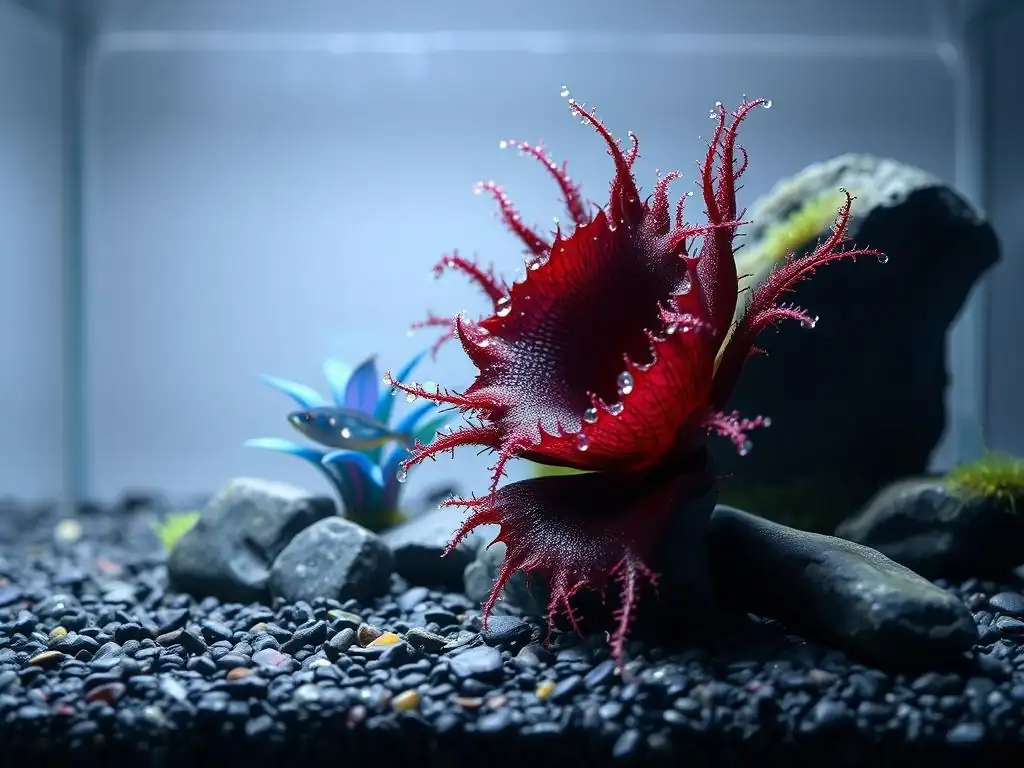
Foreground Rosette Plants
Foreground rosette plants are crucial for establishing the initial layer of depth in an aquascape, transitioning smoothly from the front glass into the midground. These plants are typically small, slow-growing, and do not obstruct the view of the tank's interior.
The most common choice for a foreground rosette plant is Cryptocoryne parva. This species is one of the smallest Cryptocorynes, usually reaching only 2-4 inches in height. When planted in small clusters a few inches apart, C. parva can gradually form a dense, low-lying carpet over several months, providing a natural, lush look.
Another option, though technically a rhizome plant, is Anubias nana 'Petite', which grows to only 1-2 inches. These are best attached to small stones or driftwood placed in the foreground, creating miniature focal points or texture variations. For successful rosette plant aquarium placement tips in the foreground, ensure these smaller plants receive adequate light and are not overshadowed by taller elements.
Midground Rosette Plants
Midground rosette plants serve as the vital transitional layer, connecting the low-lying foreground with the taller background elements. They are typically medium-sized, offering a bridge in height and often providing significant visual mass and texture.
Excellent choices for the midground include Cryptocoryne wendtii varieties (e.g., 'Green', 'Brown', 'Red'), which typically grow 6-10 inches tall. These Crypts are hardy and come in various subtle hues, allowing for interesting color contrasts. They can be planted in small groups of 3-5 plants to create natural-looking bushes or used individually as accent pieces.
Another great option is the Dwarf Amazon Sword (Echinodorus parviflorus 'Tropica'), which reaches about 6-8 inches and offers the classic sword leaf shape in a more compact size. For rosette plant aquarium placement tips in the midground, consider placing these plants around the base of hardscape elements like driftwood or rocks to soften their edges and integrate them into the plant layout.
Background Rosette Plants
Background rosette plants are essential for creating a sense of height, depth, and a lush backdrop in the aquarium. These are the tallest rosette species, often serving to conceal equipment such as heaters or filters and providing a dense green wall.
The quintessential background rosette plant is the Amazon Sword (Echinodorus bleheri). As mentioned, these can grow upwards of 12-20 inches, with some specimens reaching even larger sizes in optimal conditions. Their broad, long leaves create a powerful visual impact and provide ample hiding spaces for fish.
Another excellent choice for a dramatic background is the Red Flame Sword (Echinodorus 'Red Flame'), which combines height with striking coloration, typically growing 10-15 inches. When implementing rosette plant aquarium placement tips for the background, plant them closer to the rear of the tank, leaving sufficient space between individual plants to allow for their mature size and to prevent them from shading out midground plants. For a 50-gallon tank, a cluster of 3-5 Amazon Swords spaced 4-6 inches apart can create a dense, natural wall.
Optimizing Rosette Plant Growth Through Strategic Placement
Light Requirements and Plant Positioning
Strategic rosette plant aquarium placement tips must always consider the specific light requirements of each species to ensure optimal growth and health. Not all rosette plants demand the same intensity of light; some thrive in low-light conditions, while others require strong illumination to display their best colors and growth rates.
For instance, Anubias species and most Cryptocoryne species are considered low to moderate light plants, generally thriving in PAR (Photosynthetically Active Radiation) values ranging from 20 to 40 µmol/m²/s. These plants can be positioned in shadier areas of the tank, under the canopy of taller plants, or in areas partially obscured by driftwood or rocks. Conversely, many Echinodorus (Sword) species, especially those with red coloration like the Red Flame Sword, prefer moderate to high light levels, often requiring PAR values of 40-70 µmol/m²/s or even higher to achieve vibrant coloration and robust growth.
These should be placed directly under the primary light source, ensuring they receive unobstructed illumination. Incorrect lighting can lead to issues like leggy growth (insufficient light) or algae accumulation (excessive light combined with nutrient imbalance).
Nutrient Availability and Plant Placement
Rosette plants are predominantly heavy root feeders, meaning they absorb a significant portion of their required nutrients through their root systems embedded in the substrate. This characteristic profoundly influences their ideal placement and the type of substrate needed.
Species like Amazon Swords and Cryptocorynes are prime examples of root feeders. For these plants, a nutrient-rich substrate, such as aquasoil or a specialized plant substrate, is highly beneficial. If using an inert substrate like sand or gravel, it is imperative to supplement with root tabs, which are slow-release fertilizer capsules. These tabs should be inserted directly into the substrate within 2-3 inches of the plant's base, typically needing replacement every 3-6 months depending on the product and plant uptake.
In contrast, Anubias and Bucephalandra, while having roots, are primarily water column feeders and prefer to have their rhizomes exposed. They should be attached to hardscape (wood, rocks) and not buried in the substrate, as burying the rhizome can lead to rot. Rosette plant aquarium placement tips concerning nutrients dictate that heavy root feeders should be positioned where substrate fertilization can be easily maintained.
CO2 Circulation and Plant Health
Carbon dioxide (CO2) is a fundamental component for photosynthesis, and its adequate circulation is crucial for the vigorous growth of most aquatic plants, including many rosette species. While some low-light rosette plants can manage with ambient CO2, higher light setups or tanks aiming for faster, denser plant growth significantly benefit from CO2 injection.
Proper CO2 distribution ensures that all plant leaves, even those in dense groupings, receive sufficient carbon for photosynthesis. Poor water flow can create "dead spots" where CO2 does not reach, leading to stunted or unhealthy growth in those areas. When planning rosette plant aquarium placement tips, consider the overall water flow pattern in your tank.
Position plants, especially those in the midground and background, where they will benefit from the current created by filters or powerheads, ensuring that dissolved CO2 is evenly distributed. Optimal CO2 levels for planted tanks are generally maintained between 20-30 ppm. This enhances the growth rate of plants like Amazon Swords, which can then more effectively outcompete algae for nutrients, leading to a healthier and clearer aquarium.
Specific Rosette Plant Placement Techniques
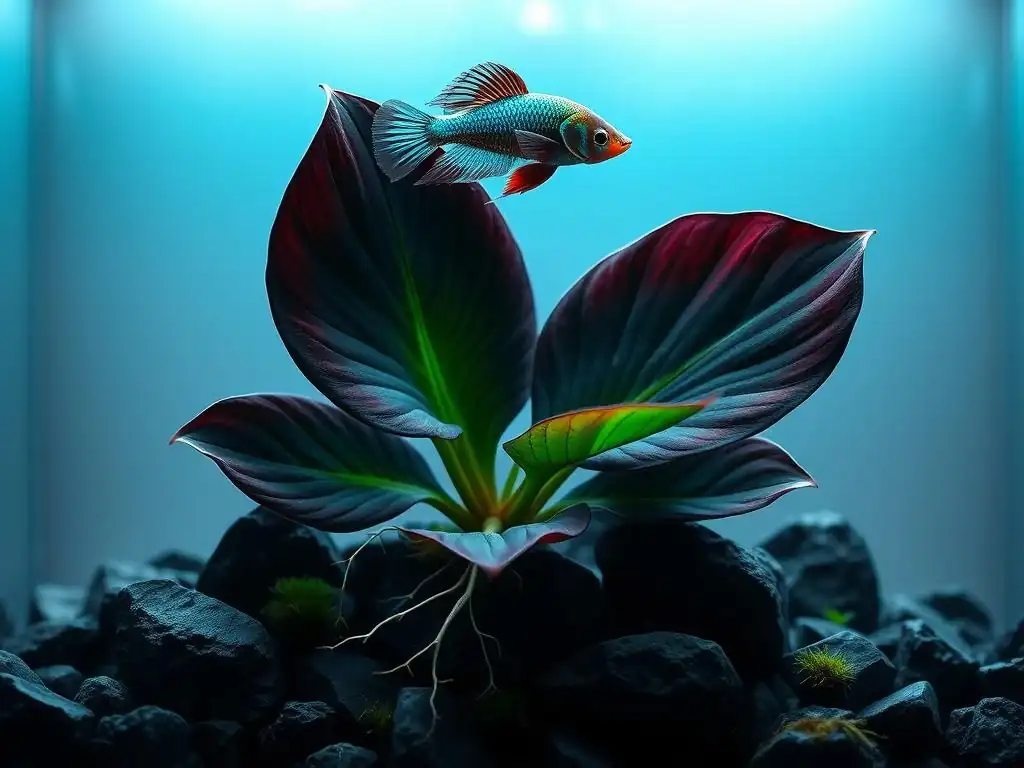
Grouping Rosette Plants
Grouping rosette plants is a fundamental aquascaping technique that enhances visual impact and creates a more natural, lush appearance. Instead of scattering individual plants haphazardly, planting them in clusters creates a sense of density and scale.
When grouping, it's often advised to use odd numbers of plants (e.g., 3, 5, or 7) as this tends to look more organic and less symmetrical than even numbers. For instance, a cluster of five Cryptocoryne wendtii can form a beautiful, natural-looking bush in the midground, providing significant visual weight. Similarly, three large Amazon Swords planted together in the background can create a strong, verdant wall.
Ensure that when grouping, you still provide enough space between individual plants to allow for their mature size and to prevent them from shading each other out excessively. This foresight in rosette plant aquarium placement tips prevents overcrowding and ensures each plant receives adequate light and nutrients.
Contrasting Textures and Colors
Utilizing contrasts in texture and color is a powerful tool in aquascaping to add visual interest and definition to your planted tank. Rosette plants offer a wide range of leaf shapes and hues that can be strategically combined to create dynamic compositions.
Consider placing a broad-leafed Amazon Sword (e.g., Echinodorus bleheri) with its vibrant green foliage next to a finer-textured plant like a narrow-leafed Cryptocoryne or even a stem plant with delicate leaves. This contrast in leaf shape adds complexity. For color, a striking Red Flame Sword can be positioned as a focal point against a backdrop of darker green plants, making its red coloration pop.
Similarly, the subtle bronze or reddish tones of certain Cryptocoryne varieties can provide a beautiful contrast to more vibrant green plants. Effective rosette plant aquarium placement tips leverage these contrasts to highlight individual plants and create a more engaging overall scene. For example, a cluster of dark green Cryptocoryne beckettii positioned in front of a lighter green Dwarf Amazon Sword can create a subtle, yet effective, color transition.
Using Hardscape to Enhance Arrangements
Hardscape elements such as driftwood and rocks are not merely decorative; they are integral to creating structure, depth, and naturalism in an aquascape. Rosette plant aquarium placement tips often involve integrating plants with hardscape to create cohesive and visually appealing arrangements.
For species like Anubias and Bucephalandra, hardscape serves as an essential anchor. These plants thrive when their rhizomes are attached to wood or rocks using fishing line or super glue, allowing their roots to eventually grip the surface. This technique allows for vertical planting and creates interesting textures on the hardscape itself.
Larger rosette plants, such as Amazon Swords, can be placed behind or beside prominent pieces of driftwood or rock formations to frame them, softening their edges and creating a more natural transition from hardscape to plant life. A large, gnarled piece of driftwood with Anubias attached, surrounded by a cluster of Cryptocorynes at its base, exemplifies how hardscape can be enhanced by strategic rosette plant placement.
Maintaining Your Rosette Plant Aquascape
Pruning and Trimming
Regular pruning and trimming are essential maintenance tasks for a healthy and aesthetically pleasing rosette plant aquascape. Unlike stem plants that are often topped and replanted, rosette plants require a different approach to pruning.
For most Echinodorus (Sword) species and Cryptocorynes, pruning involves removing older, outer leaves that may be yellowing, damaged, or covered in algae. These leaves are typically trimmed at the very base of the plant, near the substrate, using sharp aquascaping scissors. This encourages the plant to put energy into producing new, healthier growth from its central crown. For large, fast-growing Amazon Swords, this might be a monthly task, especially in high-tech setups where they can grow rapidly.
For Anubias and Bucephalandra, trimming involves removing damaged leaves or, if the plant becomes too large, carefully dividing the rhizome with a sharp knife to create new individual plants. A large Anubias nana 'Petite' attached to a rock might need a few outer leaves trimmed every 2-3 months to maintain its compact shape. Consistent pruning ensures that light reaches all parts of the plant and prevents overcrowding.
Fertilizing
Proper fertilization is crucial for the robust growth and vibrant coloration of rosette plants, particularly given their varied nutrient absorption methods. As previously discussed, most rosette plants are heavy root feeders, necessitating a focus on substrate fertilization.
For Amazon Swords and Cryptocorynes, regular supplementation with root tabs is vital, especially if your substrate is inert gravel or sand. These tabs slowly release essential macro and micronutrients directly to the roots. Depending on the product, root tabs typically need to be replaced every 3-6 months.
In addition to root tabs, a balanced liquid fertilizer dosed into the water column can benefit all plants, providing readily available nutrients for water column feeders like Anubias and Bucephalandra, and supplementing the needs of root feeders. A comprehensive liquid fertilizer containing nitrogen (N), phosphorus (P), potassium (K), and trace elements like iron (Fe) should be dosed according to package instructions, often weekly after a water change. For example, a typical 50-gallon tank might receive 5ml of liquid fertilizer weekly and 5-7 root tabs every 4 months.
Preventing Algae Growth
Algae growth is a common frustration for aquarists, but healthy, thriving rosette plants are one of the best defenses against it. Algae often proliferate when there's an imbalance in light, nutrients, and CO2, or when plants are struggling to absorb available nutrients.
To prevent algae, ensure your rosette plant aquarium placement tips consider the balance of light intensity and duration. For instance, an Amazon Sword needing high light should not be placed in a shaded area, as this can lead to slow growth and susceptibility to algae. Maintain consistent CO2 levels (20-30 ppm for high-tech tanks) to ensure plants can efficiently use available nutrients.
Regular water changes (25-30% weekly) help remove excess nutrients that could fuel algae. Introducing algae-eating invertebrates like Amano shrimp (e.g., 5-10 shrimp in a 20-gallon tank) or snails can also help keep surfaces clean. A well-nourished, actively growing rosette plant will outcompete algae for available nutrients, naturally keeping the tank cleaner and clearer.
Troubleshooting Common Rosette Plant Issues
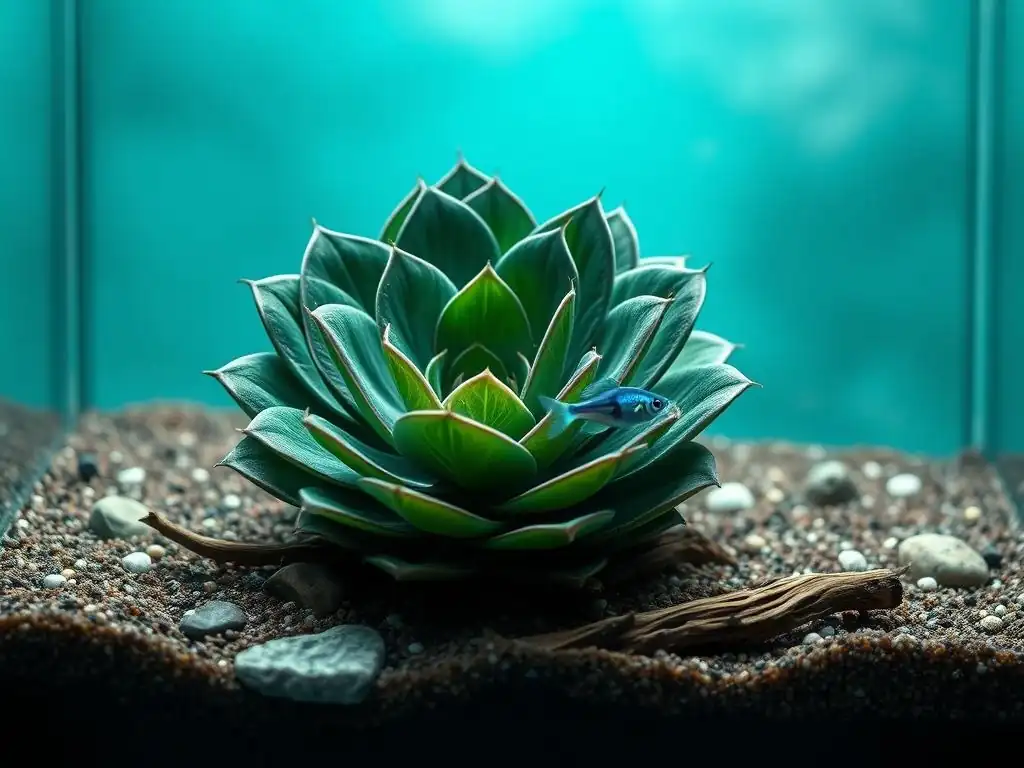
Addressing Leggy Growth
Leggy growth in rosette plants is characterized by elongated stems and sparse, widely spaced leaves, indicating that the plant is "stretching" to reach a light source. This is a common issue when plants are not receiving adequate light intensity or duration for their specific needs.
For instance, an Amazon Sword that typically grows with dense, broad leaves might develop thin, stretched leaves if placed in a tank with insufficient lighting or if it's heavily shaded by taller plants or hardscape. To address leggy growth, reassess your lighting setup. Increase the light intensity if possible, or extend the photoperiod (e.g., from 6 hours to 8-10 hours per day).
If the plant is shaded, consider relocating it to a brighter spot, applying key rosette plant aquarium placement tips to ensure direct light access. Additionally, ensure proper nutrient availability, as deficiencies can also contribute to poor growth habits. For example, a Cryptocoryne wendtii that usually reaches 8 inches tall with full foliage might stretch to 12 inches with sparse leaves if light is insufficient.
Dealing with Nutrient Deficiencies
Rosette plants, especially heavy root feeders, are susceptible to various nutrient deficiencies, which manifest as distinct symptoms on their leaves and overall growth. Recognizing these signs early is crucial for effective intervention.
- Yellowing or pale leaves: Often indicates a deficiency in nitrogen (N) or iron (Fe). New growth turning pale suggests iron deficiency, while older leaves yellowing might point to nitrogen.
- Stunted growth: A general sign of inadequate macronutrients (N, P, K) or micronutrients. A Cryptocoryne that grows only 1 inch in a month when it should be growing 2-3 inches could be experiencing a deficiency.
- Holes in leaves: Typically a sign of potassium (K) deficiency.
- Melting leaves (especially Cryptocorynes): Can be caused by sudden changes in water parameters, but also severe nutrient shock or substrate issues.
To address deficiencies, perform targeted fertilization. For iron deficiency, use a liquid iron supplement. For general macronutrient issues, ensure regular dosing of a comprehensive liquid fertilizer and replenish root tabs for root feeders. For example, if your Amazon Sword has pale new leaves, adding an iron-rich root tab near its base and a liquid iron supplement to the water column can often resolve the issue within 1-2 weeks.
Preventing Overcrowding
Overcrowding is a common problem in planted aquariums, particularly as rosette plants mature and propagate. It can lead to several issues, including reduced light penetration to lower leaves, nutrient competition, poor water circulation, and increased susceptibility to algae.
As Amazon Swords and Cryptocorynes send out runners, they can quickly populate an area, forming dense clumps. While some density is desirable, excessive overcrowding can stifle growth and health. To prevent this, regularly prune runners and remove new plantlets before they become too established if you don't need them.
For larger, mature rosette plants, consider thinning out older, less vigorous plants to give younger, healthier ones more space. For example, in a 50-gallon tank, if your Amazon Swords are growing so densely that they are shading out midground plants, remove 1-2 of the oldest or largest plants to open up the canopy. Adhering to initial rosette plant aquarium placement tips that account for mature size can significantly reduce future overcrowding issues.
Aquascaping Examples
Low-Tech Planted Tank Example
A low-tech planted tank offers a beautiful and relatively low-maintenance option for aquarists, relying on robust, undemanding plants that thrive without high light or CO2 injection. A typical low-tech setup might be a 10-20 gallon tank.
For rosette plant aquarium placement tips in a low-tech tank, focus on hardy species. In a 15-gallon tank, one could place a cluster of Cryptocoryne wendtii 'Green' in the midground, providing a natural bush effect (e.g., 3-5 plants spaced 2 inches apart). In the foreground, a few Anubias nana 'Petite' attached to small lava rocks could create small, textured accents. For the background, a small Dwarf Amazon Sword (Echinodorus parviflorus 'Tropica') could provide some height without overwhelming the tank, reaching about 6-8 inches.
Lighting would be a standard LED fixture (e.g., 15-25 PAR) on an 8-hour photoperiod. Maintenance would involve weekly 25% water changes, and root tabs for the Crypts and Swords every 3-4 months, along with a general liquid fertilizer dosed weekly. This setup focuses on minimal intervention while still achieving a lush, natural aesthetic.
High-Tech Planted Tank Example
A high-tech planted tank is designed for maximum plant growth and vibrancy, utilizing high light, pressurized CO2 injection, and comprehensive fertilization. These setups allow for a wider range of plant species, including more demanding rosette plants.
Consider a 50-75 gallon high-tech tank. For background rosette plant aquarium placement tips, a large Amazon Sword (Echinodorus bleheri) could anchor one corner, growing up to 20 inches, while a vibrant Red Flame Sword (10-15 inches) serves as a stunning mid-background focal point, both benefiting from high light (e.g., 50-70+ PAR) and CO2 (20-30 ppm). In the midground, dense groupings of Cryptocoryne lutea (6-10 inches) could provide rich, bronze coloration, contrasting with the green swords. For the foreground, a small cluster of Cryptocoryne parva could slowly develop into a low carpet.
Hardscape like intricate driftwood could have Bucephalandra species attached, showcasing their unique textures under high light. Fertilization would involve daily liquid dosing (e.g., Estimative Index method) and root tabs replaced every 2-3 months for the heavy root feeders. This setup demands more intensive maintenance but rewards with incredibly lush and dynamic aquascapes.
Advanced Aquascaping Techniques
Dutch-Style Aquascapes
The Dutch-style aquascape is a highly structured and densely planted layout that emphasizes plant variety, color, and texture, often resembling an underwater garden. Hardscape is typically minimal or entirely absent, with the focus solely on the plants themselves.
In Dutch aquascapes, rosette plants are used strategically within "streets" or groups of varying heights, colors, and leaf shapes to create distinct visual blocks. Cryptocoryne species are particularly popular in Dutch tanks due to their wide range of sizes and subtle color variations, making them excellent transition plants or forming sections of a "street." For instance, a "street" might feature a foreground of Cryptocoryne parva, transitioning to a midground of Cryptocoryne wendtii, and then a background of a taller stem plant.
Rosette plant aquarium placement tips in Dutch aquascaping focus on meticulous arrangement, ensuring sharp contrasts and clear differentiation between plant groups, with plants often trimmed into specific shapes. The goal is to create a harmonious composition using only the plants themselves.
Iwagumi Aquascapes
The Iwagumi style is a minimalist aquascape characterized by its focus on rock arrangements (Iwagumi means "rock formation" in Japanese) and open spaces, often with a limited selection of plant species. The primary emphasis is on the aesthetic appeal of the stones, their placement, and the negative space around them.
Rosette plant use in Iwagumi aquascapes is highly restricted and typically limited to very small, low-growing species that do not detract from the rocks. Most Iwagumi layouts primarily feature carpeting plants like Hemianthus callitrichoides 'Cuba' or Glossostigma elatinoides. However, a very small, slow-growing rosette plant like Cryptocoryne parva might occasionally be used if it can maintain an extremely low profile and does not grow tall enough to obscure the rocks.
Its slow growth rate and small size make it a rare but possible choice for adding a subtle texture to the foreground. Rosette plant aquarium placement tips for Iwagumi are about extreme restraint and ensuring the plant enhances, rather than competes with, the stark beauty of the rock arrangement.
Nature Aquariums
The Nature Aquarium style, popularized by Takashi Amano, aims to recreate natural terrestrial landscapes underwater, often featuring intricate hardscape (wood and rocks) integrated seamlessly with a diverse array of plants. It emphasizes natural growth, balance, and a sense of depth.
Rosette plants are incredibly versatile and widely used in Nature Aquariums to achieve natural depth and focal points. Larger species like Amazon Swords are frequently placed in the background to create lush, dense foliage that mimics trees or dense undergrowth, providing a strong sense of scale. Midground Cryptocorynes are used to soften the edges of hardscape, create natural transitions between different plant heights, or form dense, natural-looking clumps.
Smaller rosette-like plants such as Anubias and Bucephalandra are often attached to driftwood or rocks, adding intricate detail and texture to the hardscape. Rosette plant aquarium placement tips in Nature Aquariums involve blending these plants organically with the hardscape, allowing them to grow naturally to fill spaces and create a cohesive, living ecosystem that evokes a sense of tranquility and wild beauty.
Frequently Asked Questions
How do rosette plants contribute to a natural-looking aquarium?
Rosette plants, with their radiating leaf structure, help create natural depth by drawing the eye downward and providing a sense of layering. They also function as focal points, especially when strategically placed.
What are the best locations for rosette plants in a freshwater aquarium?
Rosette plants often thrive best in the midground or foreground of the aquarium. Avoid overshadowing them with taller plants. Ensure they have adequate light to flourish.
Are there specific substrate requirements for planting rosette plants?
Yes, rosette plants typically prefer a nutrient-rich substrate. Using aquarium-specific substrate or adding root tabs can provide essential nutrients. This supports healthy growth and robust root systems.
How can I prevent rosette plants from being uprooted by fish or strong currents?
Anchor the rosette plant securely in the substrate. You can use plant weights or bury the root system deeper during initial planting. Consider lower flow areas for species that prefer calmer waters.
Do rosette plants require special care or maintenance in a saltwater aquarium?
While most are freshwater, some rosette-shaped plants can be used in saltwater. Research specific species thoroughly before introducing them. Ensure they receive proper light and water parameters.
Final Reflection: Cultivating Aquatic Harmony
The principles of aquascaping, particularly the strategic placement of rosette plants, are not merely about aesthetics; they are about creating miniature ecosystems that thrive on balance and visual appeal. In a world increasingly disconnected from nature, the act of crafting a beautiful and functional aquarium becomes a powerful way to reconnect with the natural world, fostering a sense of calm and wonder within our own homes.
The art of rosette plant placement, as explored in this article, extends beyond simple arrangement. It's about understanding the interplay of light, shadow, and perspective to mimic the depth and complexity of natural aquatic environments. This understanding, I believe, is crucial for fostering a deeper appreciation for the delicate balance of aquatic life and our responsibility to protect it. The best way to observe a fish is to become a fish.
- Jacques Cousteau. This quote reminds us that truly understanding an ecosystem requires empathy and a willingness to see the world from its perspective.
As you consider the rosette plants in your own aquarium, or even contemplate starting a new aquascape, I invite you to reflect on the principles discussed here. Don't just aim for beauty; strive for harmony. Consider the needs of your aquatic inhabitants, the flow of energy within the tank, and the story you want your aquascape to tell. By embracing these principles, you can transform your aquarium into a vibrant, thriving microcosm that reflects the beauty and complexity of the natural world, and inspires a deeper connection to the aquatic realm within yourself.
Transform Your Aquarium: Bring Rosette Magic to Life!
Thank you for exploring the art of rosette plant placement! Now that you're equipped with the knowledge to create stunning aquascapes, it's time to put that inspiration into action.
- Dive into your tank! Strategically position your rosette plants to create immediate depth and captivating focal points.
- Share your new aquascape with the Aquarium Mastery community. What unexpected combinations did you discover?
- Experiment with lighting to enhance the natural beauty of your rosette arrangements, and share your results!
What's one unique rosette plant you're excited to feature in your newly designed aquascape?