
Creating Slopes and Hills with Carpeting Plants in Aquascaping

Welcome to Aquarium Mastery!
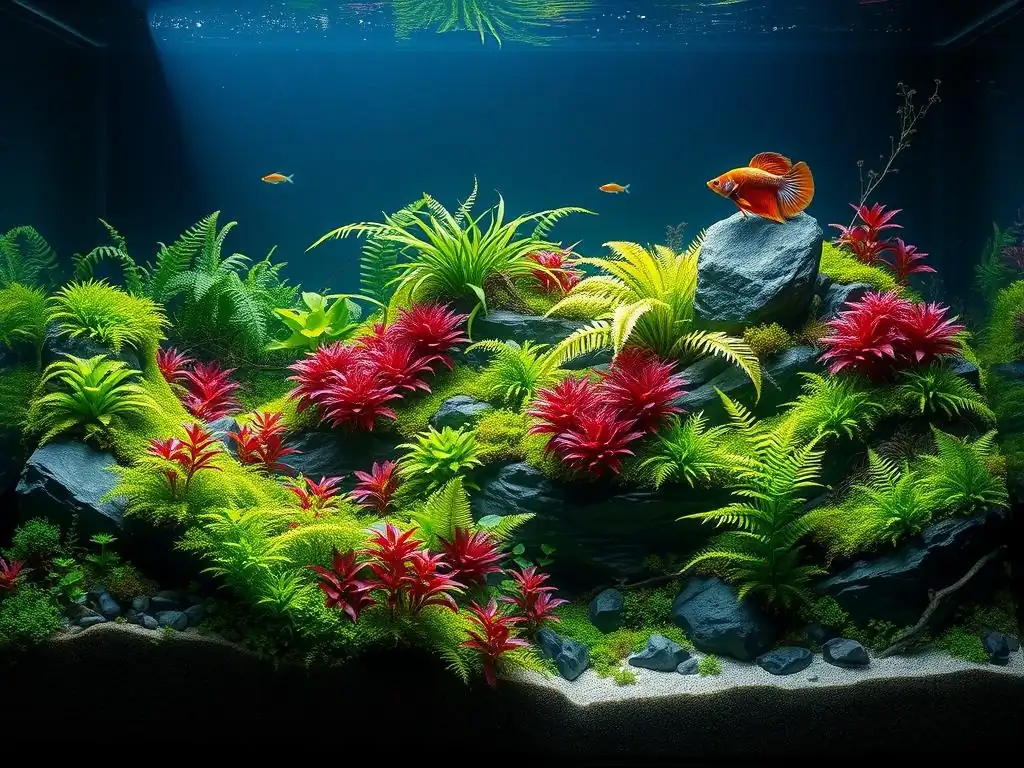
Ever dreamt of transforming your aquarium into a breathtaking underwater landscape with rolling hills and lush, carpeted slopes? Dive in and discover the secrets to creating stunning DIY aquarium carpet slopes and hills. We'll guide you through the process, unlocking the potential of your aquascape and helping you cultivate a thriving ecosystem that will captivate everyone who sees it. Intrigued? Let's get started!
- Creating Stunning DIY Aquarium Carpet Slopes and Hills
- Introduction to Aquascaping with Carpeting Plants: Elevating Your Aquarium Design
- Planning Your DIY Aquarium Carpet Slope and Hill Design
- Essential Materials and Tools for Building Aquarium Carpet Slopes
-
Step-by-Step Guide: Constructing Your DIY Aquarium Carpet Slope and Hill
- Preparing the Aquarium: Cleaning and Establishing a Base Layer
- Building the Foundation: Creating a Stable Substrate Structure
- Planting Carpeting Plants on Slopes: Techniques for Optimal Growth
- Securing Plants on Steep Slopes: Methods to Prevent Uprooting
- Adding Hardscape Elements: Integrating Rocks and Wood for a Natural Look
-
Maintaining Your Aquarium Carpet Slope and Hill
- Fertilization Strategies for Lush Carpeting Plant Growth
- CO2 Injection: Is It Necessary for Maintaining Carpeting Plants?
- Trimming and Pruning Techniques for a Healthy and Visually Appealing Carpet
- Preventing Algae Growth on Slopes and Carpeting Plants
- Water Changes and Their Impact on Slope Stability and Plant Health
- Troubleshooting Common Issues with Aquarium Carpet Slopes
- Advanced Aquascaping Techniques for Creating Realistic Slopes and Hills
- Conclusion: Mastering the Art of DIY Aquarium Carpet Slopes and Hills
-
Frequently Asked Questions
- How do I create a slope or hill in my aquarium using carpeting plants?
- What are the best carpeting plants for creating aquarium slopes and hills?
- How do I prevent the substrate from sliding down when creating a slope?
- What kind of substrate should I use for carpeting plants on a slope?
- How do I maintain a carpeted slope in my aquarium?
- Final Reflection: Cultivating Underwater Landscapes
- Cultivate Your Underwater Paradise!
Creating Stunning DIY Aquarium Carpet Slopes and Hills
Introduction to Aquascaping with Carpeting Plants: Elevating Your Aquarium Design
Why Incorporate Slopes and Hills in Your Aquascape?
Incorporating slopes and hills into your aquascape design dramatically enhances its visual appeal and creates a more dynamic, natural landscape within the aquarium. Unlike flat substrates, an undulating terrain adds significant depth and perspective, guiding the viewer's eye through the composition. This mimics the varied topography found in natural riverbeds, forest floors, or underwater valleys, transforming a simple tank into a captivating miniature world. Such elevated features can also serve as natural focal points, drawing attention to specific hardscape elements or plant groupings.
Beyond aesthetics, slopes and hills offer functional advantages. They allow for the creation of different micro-environments within the tank, catering to a wider range of plant species that may prefer varied substrate depths or specific light intensities. For instance, a gentle incline provides ample space for a dense carpet, while a steeper hill can host smaller, more delicate plants at its peak or provide elevated hiding spots for certain fish species. This varied topography also promotes better water circulation in certain areas and can influence the distribution of nutrients.
Benefits of Using Carpeting Plants for Aquascaping Slopes
Carpeting plants are ideal for creating aquascaping slopes and hills due to their inherent growth habits. Their ability to spread horizontally and conform tightly to the contours of the substrate allows them to create a seamless, lush green expanse that beautifully defines the elevated features. This dense growth is not only visually stunning but also provides crucial stability to the substrate, effectively preventing erosion and landslides on inclines. Species like Hemianthus callitrichoides 'Cuba' (HC Cuba) or Micranthemum 'Monte Carlo' are particularly known for their tight, low-growing habits, ensuring a uniform and naturalistic base.
From a biological perspective, a well-established carpet of plants offers numerous benefits. The dense foliage provides excellent hiding spots and foraging grounds for small fry, shrimp, and other invertebrates, enhancing the ecosystem's diversity. Furthermore, carpeting plants are highly efficient at photosynthesis, producing significant amounts of oxygen and absorbing excess nutrients, such as nitrates and phosphates, from the water column. For example, a healthy Dwarf Hairgrass carpet in a high-tech setup can absorb nitrates at a rate of approximately 5-10 ppm per day, helping to suppress algae growth and maintain pristine water quality.
Planning Your DIY Aquarium Carpet Slope and Hill Design
Determining the Ideal Location and Size for Your Aquascape Hill
When planning your DIY aquarium carpet slopes hills, the ideal location and size are paramount for visual balance and impact. Consider the dimensions of your aquarium and the primary viewing angles. For instance, in a standard 60cm (24-inch) tank, a central or slightly off-center hill reaching a peak height of 15-20cm (6-8 inches) can create a dramatic focal point without overwhelming the space. Applying principles like the 'golden ratio' or the 'rule of thirds' can help in placing the hill strategically to create a more dynamic and aesthetically pleasing composition, avoiding a symmetrical or stagnant look.
The scale of your aquascape hill should also be proportionate to other hardscape elements and the planned fish inhabitants. A hill that is too large can make the tank appear cramped and reduce swimming space, while one that is too small might be unnoticeable. For a larger 90cm (36-inch) tank, a more expansive hill could occupy 30-40% of the substrate area, rising to 10-15cm (4-6 inches) at its highest point, allowing for intricate detailing and varied plant arrangements. Always visualize the final layout, considering how the slope will transition into flat areas and interact with surrounding elements.
Selecting the Right Carpeting Plants for Slopes and Hills: Dwarf Hairgrass, Monte Carlo, Glossostigma elatinoides
Choosing the correct carpeting plants is crucial for the success and appearance of your DIY aquarium carpet slopes. Each species offers distinct characteristics and growth requirements. Dwarf Hairgrass (Eleocharis parvula) is renowned for its fine, grass-like texture, creating a natural meadow effect. It roots deeply, providing excellent substrate stability on slopes, and typically grows to heights of 5-15 cm (2-6 inches) depending on light and CO2. It thrives under high light and consistent CO2 injection, forming a very dense carpet.
Micranthemum 'Monte Carlo' is a highly popular choice due to its relatively easier care compared to some other demanding carpets. It forms a lush, tight carpet with small, round leaves, typically reaching 2-5 cm (0.8-2 inches) in height. Monte Carlo adheres well to contours and provides a natural, undulating look, performing best in moderate to high light with CO2 supplementation.
Glossostigma elatinoides (Glosso), conversely, demands very high light and CO2 to maintain its low-growing carpet form; without these conditions, it can grow quite tall, up to 10 cm (4 inches). While challenging, its rapid spread under ideal conditions can quickly cover large areas. Consider the desired texture, growth rate, and maintenance commitment when selecting your carpeting plants for aquascaping slopes.
Considering Substrate and Nutrient Needs for Carpeting Plants on Slopes
The foundation of any successful planted aquascape, especially one with DIY aquarium carpet slopes hills, is a high-quality, nutrient-rich substrate. Active substrates, such as specialized aqua soils (e.g., ADA Aqua Soil, Fluval Stratum), are highly recommended. These granular substrates provide essential macro and micronutrients (like nitrogen, phosphorus, and potassium) directly to the plant roots and help maintain a slightly acidic pH (typically 6.0-6.8), which is ideal for most carpeting plants. Their granular structure also offers excellent grip for plant roots, crucial for stability on inclines.
Even with nutrient-rich active substrates, supplementary nutrition is often beneficial, particularly for demanding carpeting plants like Glosso or Dwarf Hairgrass. Liquid fertilizers, providing both macro and micro nutrients, should be dosed regularly into the water column.
For instance, a common dosing regimen for a high-tech tank might involve maintaining 1-2 ppm of phosphate, 5-10 ppm of potassium, and 10-20 ppm of nitrate weekly, alongside trace elements like iron. Additionally, root tabs can be inserted into the substrate every 3-6 months to provide concentrated nutrients directly to the root zone, supporting vigorous and sustained carpet growth and preventing localized deficiencies that can lead to stunted or discolored foliage.
Essential Materials and Tools for Building Aquarium Carpet Slopes
Choosing the Best Substrate for Supporting Slopes and Plant Growth
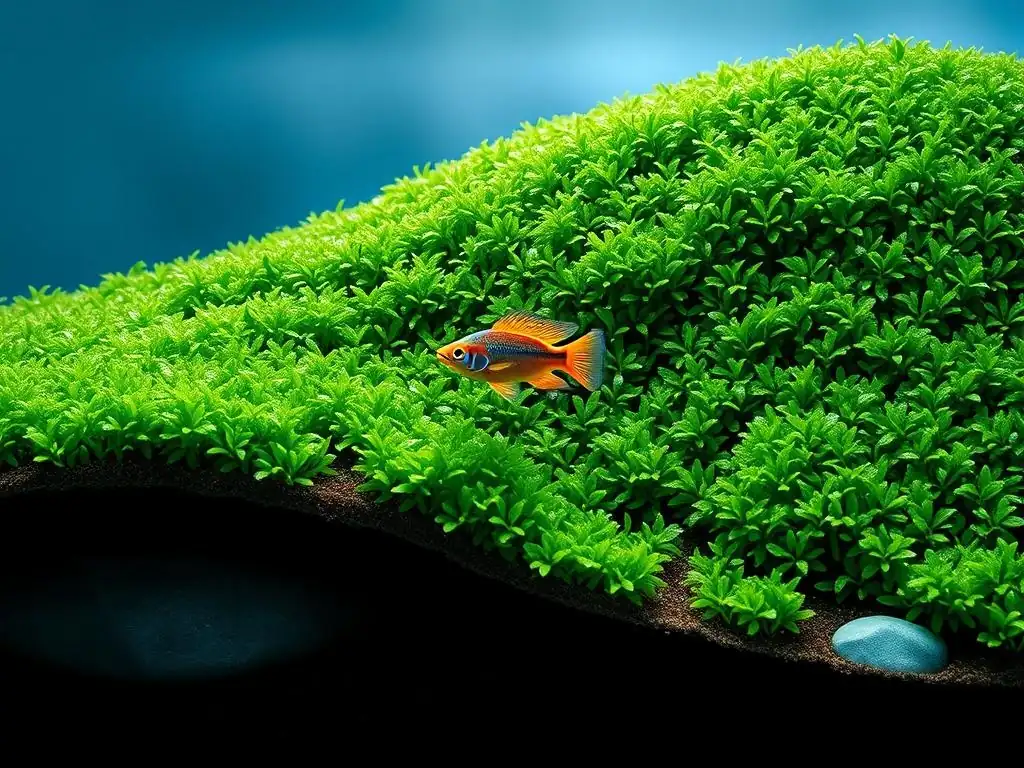
The choice of substrate is paramount for both supporting the desired slope structure and fostering healthy plant growth in your DIY aquarium carpet slopes hills. Active substrates, such as specialized aqua soils like those from ADA or Tropica, are generally considered superior. These substrates are designed to slowly release nutrients, buffer pH to an ideal range (typically 6.0-6.8) for aquatic plants, and possess a granular structure (often 2-4 mm) that allows for excellent root penetration and firm anchoring of plants on inclines. Their density also contributes to better stability for steeper slopes.
For creating significant elevation, a layering technique can be highly effective and cost-efficient. A base layer of inert, porous material like lava rock or pumice can be used to build the bulk of the hill. This not only reduces the amount of more expensive aqua soil needed but also provides extensive surface area for beneficial bacteria, improving overall water quality.
On top of this inert base, a substantial layer of 5-10 cm (2-4 inches) of nutrient-rich active substrate is then applied to ensure the carpeting plants have ample nutrients and a stable medium to root into. This layered approach helps maintain the structural integrity of the slope over time.
Selecting Hardscape Materials: Rocks, Wood, and Their Role in Slope Stability
Hardscape materials like rocks and driftwood are indispensable for creating stable and visually appealing DIY aquarium carpet slopes. Strategically placed rocks, such as Seiryu Stone, Dragon Stone, or Lava Rock, can act as natural retaining walls, effectively holding back substrate and preventing landslides on steep inclines. For example, a large, heavy piece of lava rock partially buried at the base of a particularly steep section can provide significant structural support, ensuring the substrate remains in place even after the tank is filled.
Beyond their functional role in stability, hardscape elements enhance the natural aesthetic of the slope. They can be integrated to mimic natural cliff faces, fallen logs, or scattered boulders, adding texture, contrast, and focal points to the aquascape. Ensure that any rocks selected are inert and will not leach unwanted minerals or significantly alter water parameters (e.g., avoid limestone, which can raise pH and hardness).
Driftwood, such as Manzanita or Spiderwood, should be thoroughly pre-soaked to prevent buoyancy and minimize the release of tannins, which can discolor the water. These elements are key to making your aquarium carpet hills look like a slice of nature.
Tools You'll Need: Substrate Retaining Mesh, Aquascaping Tweezers, Scissors
To effectively build and maintain your DIY aquarium carpet slopes, a specific set of tools is essential. A substrate retaining mesh, often made of plastic or stainless steel with a grid size of approximately 0.5-1 cm (0.2-0.4 inches), is invaluable for preventing substrate erosion, especially on steeper inclines. This mesh is typically placed beneath or within the substrate layers to provide additional structural integrity, ensuring the sculpted shape holds firm.
Aquascaping tweezers are another critical tool. Long (25-30 cm or 10-12 inches) straight or curved tweezers allow for precise planting of individual carpeting plantlets or small clumps, ensuring they are firmly rooted without disturbing the surrounding substrate or the delicate slope structure. For ongoing maintenance, sharp aquascaping scissors (straight or wave-style) are indispensable for trimming and pruning your carpet plants, maintaining their desired low profile and encouraging dense, healthy growth. Other useful tools include a substrate scraper or spatula for shaping, and a siphon for careful water changes without disturbing the slope.
Step-by-Step Guide: Constructing Your DIY Aquarium Carpet Slope and Hill
Preparing the Aquarium: Cleaning and Establishing a Base Layer
Before you begin constructing your DIY aquarium carpet slopes hills, thorough preparation of the aquarium is essential. Start by meticulously cleaning the tank, ensuring it is free of any dust, residue, or fingerprints. If desired, place a thin protective foam mat underneath the aquarium to cushion it and absorb minor imperfections on the stand. Once clean, you can begin establishing the foundational base layer for your hill.
For significant elevations, consider using inert, porous materials like lava rock, pumice, or even specialized filter media (e.g., Seachem Matrix) as a bulk filler. This reduces the amount of more expensive active substrate needed and can also provide additional surface area for beneficial bacteria. Arrange these materials to form the general shape and height of your desired slope. If you plan to use a substrate retaining mesh for added stability, position it over this base layer, or integrate it within the subsequent substrate layers, ensuring it provides adequate support to prevent future shifts.
Building the Foundation: Creating a Stable Substrate Structure
With the base layer in place, begin adding your primary substrate (e.g., aqua soil) in gradual layers to sculpt the desired slope and hill contours. Use your hands, a substrate scraper, or a spatula to carefully shape the substrate, working from the back of the tank towards the front, and building up the elevation as you go.
For steeper inclines, gently compact the substrate to increase its density and stability, which helps prevent erosion once the tank is filled. The height of your slope can vary, from a subtle 5-10 cm (2-4 inches) rise to a more dramatic 20-25 cm (8-10 inches) peak in larger aquariums.
As you build the substrate foundation, strategically integrate your hardscape elements. Place larger rocks or pieces of driftwood at the base or within the slope structure. These act as natural anchors, providing crucial structural integrity and preventing the substrate from shifting. Ensure these hardscape elements are securely seated and won't dislodge once the tank is filled with water. For example, a heavy piece of Seiryu Stone can be partially buried at the critical point of a steep incline to buttress the substrate effectively, making your DIY aquarium carpet slopes more resilient.
Planting Carpeting Plants on Slopes: Techniques for Optimal Growth
Once your DIY aquarium carpet slopes are sculpted, it's time for planting. If using the dry start method (DSM), ensure the substrate is moist but not waterlogged. For wet setups, drain most of the water, leaving just enough to cover the substrate surface. Use long aquascaping tweezers to plant individual plantlets or small clumps. For dense coverage, plant them relatively close, typically 1-2 cm (0.4-0.8 inches) apart. Bury the roots completely, ensuring the crown of the plant is at or just above the substrate surface to prevent rot.
When planting on a slope, always begin at the bottom and work your way upwards. This technique prevents dislodging already planted sections as you add more plants above them. For very small species like Hemianthus callitrichoides 'Cuba', planting individual stems (nodes) rather than large clumps often yields better rooting and a denser carpet.
For slightly larger plants like Micranthemum 'Monte Carlo', small mats or clumps can be carefully pressed into the substrate. Aim for a planting density of 50-100 plantlets per 10x10 cm (4x4 inch) area for a fast and robust carpet formation, ensuring your aquarium carpet hills quickly fill in.
Securing Plants on Steep Slopes: Methods to Prevent Uprooting
Planting on very steep inclines (e.g., greater than a 30-degree angle) can be challenging, as plants may struggle to root effectively and are prone to detachment. One effective method to prevent uprooting is to use small, flat, inert rocks or small squares of substrate mesh to gently hold down newly planted sections until their root systems establish, typically within 3-4 weeks.
Another technique involves using specialized aquascaping pins or U-shaped staples, which are small, non-toxic plastic or stainless steel pins designed to secure plant mats or individual plants into the substrate. These can be removed once the carpet is firmly rooted.
For plants sold on small mesh pads or as tissue culture mats, these can sometimes be placed directly onto the slope and gently pressed into the substrate, with the mesh providing an immediate anchor. Ensuring the substrate itself is well-compacted during the building phase also significantly contributes to plant stability. When finally flooding the tank, do so very slowly and gently, perhaps by directing the water flow onto a piece of hardscape or against the tank glass, to minimize disturbance to the newly planted and delicate DIY aquarium carpet slopes.
Adding Hardscape Elements: Integrating Rocks and Wood for a Natural Look
After the carpeting plants are meticulously planted on your DIY aquarium carpet slopes, the strategic addition of hardscape elements like rocks and wood can significantly enhance the natural aesthetic and visual interest of your aquascape. These elements can be placed to break up the continuous green carpet, create intriguing shadowed areas, or serve as prominent focal points. Ensure that any newly added hardscape is securely positioned and does not exert excessive pressure on the newly formed slope or planted areas, which could lead to substrate displacement or plant damage.
Consider the overall composition and how these elements integrate with the existing slope. For instance, a piece of artfully placed driftwood extending from the crest of the hill down into the flat foreground can create a strong sense of flow and connection. Small, scattered pebbles or larger feature rocks can mimic natural rockfalls or exposed outcroppings, adding a rugged, realistic touch to your aquarium carpet hills. Aim for an asymmetrical yet balanced arrangement, using the hardscape to define pathways, create hidden nooks, or frame specific views within your aquascape, elevating its artistry.
Maintaining Your Aquarium Carpet Slope and Hill
Fertilization Strategies for Lush Carpeting Plant Growth
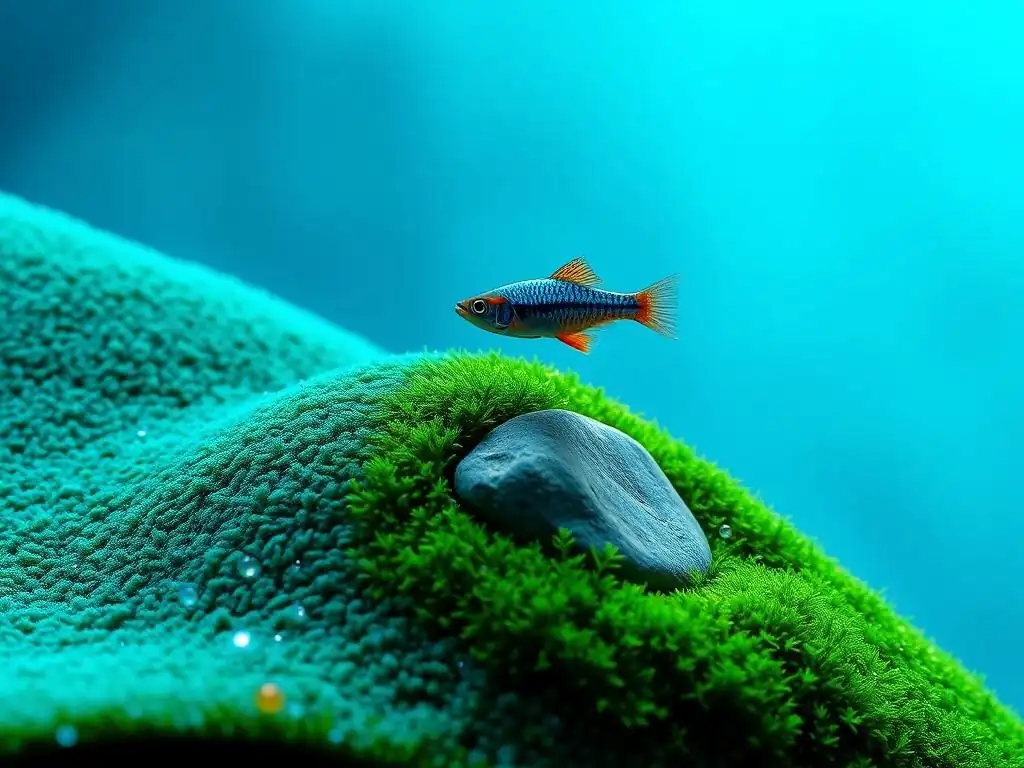
Maintaining lush, vibrant carpeting plant growth on your DIY aquarium carpet slopes requires a consistent and comprehensive fertilization strategy. For high-tech setups with CO2 injection, a balanced liquid fertilizer regimen, such as the Estimative Index (EI) or Lean Dosing methods, is crucial. This involves regularly supplying macro-nutrients (Nitrogen, Phosphorus, Potassium) and micro-nutrients (Iron, Manganese, Boron, etc.) directly into the water column. For example, a common target for robust growth might be maintaining weekly levels of 10-20 ppm NO3, 1-2 ppm PO4, and 10-15 ppm K.
Beyond liquid dosing, root tabs are highly beneficial for carpeting plants, especially those with extensive root systems like Dwarf Hairgrass or Cryptocoryne parva. These tabs provide concentrated nutrients directly into the substrate, replenishing the supply as the plants consume them. Root tabs typically need to be replaced every 3-6 months. Closely monitor your plants for signs of nutrient deficiencies, such as yellowing leaves (often indicating iron or nitrogen deficiency) or stunted growth, and adjust your dosing accordingly. A slight excess is generally preferred over deficiency for carpeting plants, but always be mindful of potential algae triggers.
CO2 Injection: Is It Necessary for Maintaining Carpeting Plants?
For most popular and demanding carpeting plants, such as Hemianthus callitrichoides 'Cuba', Glossostigma elatinoides, or Micranthemum 'Monte Carlo', CO2 injection is highly recommended, if not essential, for achieving a dense, low-growing carpet on your DIY aquarium carpet slopes. Carbon dioxide is a primary nutrient for photosynthesis, and its consistent supply (typically aiming for 20-30 ppm during the light cycle) dramatically accelerates plant growth and encourages horizontal spreading rather than vertical stretching, which is key for a tight carpet. Without adequate CO2, these plants often become leggy, struggle to thrive, or fail to carpet effectively.
While some less demanding foreground plants like S. Repens or certain mosses can grow without CO2 supplementation, they will generally not form the same lush, vibrant, and compact carpet as their CO2-supplemented counterparts. For a truly stunning, healthy, and low-maintenance carpet on a slope, investing in a reliable CO2 system (including a regulator, diffuser, and CO2 tank) is a worthwhile endeavor. Consistent CO2 levels also play a significant role in helping your plants outcompete undesirable algae, contributing to the overall health and beauty of your aquarium carpet hills.
Trimming and Pruning Techniques for a Healthy and Visually Appealing Carpet
Regular trimming and pruning are vital for maintaining the desired low profile and encouraging dense, lateral growth of your carpeting plants on DIY aquarium carpet slopes. Without consistent trimming, fast-growing carpets can become too thick, shading lower layers and potentially leading to detachment due to buoyancy from trapped gases. Use sharp aquascaping scissors to carefully trim the top one-third to one-half of the carpet. For very fast-growing species like Glossostigma elatinoides, trimming might be necessary every 1-2 weeks, while slower growers like Micranthemum 'Monte Carlo' might only require trimming every 3-4 weeks.
After trimming, it's crucial to remove the clippings from the tank using a fine net or by carefully siphoning them out. Allowing clippings to decompose in the tank can foul the water and contribute to algae issues. Trimming not only maintains the aesthetic shape of your aquarium carpet hills but also rejuvenates the plants, promoting healthier and denser growth. Over time, a thick carpet can accumulate detritus; therefore, regular trimming combined with gentle surface vacuuming during water changes can prevent issues like nutrient buildup and localized algae outbreaks.
Preventing Algae Growth on Slopes and Carpeting Plants
Algae growth is a common challenge in planted aquariums, and DIY aquarium carpet slopes can be particularly susceptible if not properly managed. The primary strategy for preventing algae is to maintain a stable balance of light, CO2, and nutrients. An imbalance, such as too much light without sufficient CO2 and nutrients, is a common trigger for algae blooms. Ensure consistent CO2 levels (20-30 ppm during the light cycle), adequate water flow across the entire carpet, and a consistent, appropriate nutrient dosing regimen. For example, fluctuating CO2 levels are a frequent cause of Black Beard Algae (BBA).
Introducing a robust cleanup crew of algae-eating inhabitants can also be highly effective. Amano shrimp ( Caridina multidentata), Otocinclus catfish ( Otocinclus affinis), and Nerite snails ( Neritina natalensis) are excellent choices for grazing on various types of algae, including those that might settle on your carpeted slopes. Manual removal of algae using a soft brush or toothbrush, especially on hardscape and the surface of the carpet, is also an important part of maintenance. Regular water changes (e.g., 30-50% weekly) help dilute excess nutrients that can fuel algae growth, contributing to a clean and vibrant aquascape.
Water Changes and Their Impact on Slope Stability and Plant Health
Regular water changes are a cornerstone of effective aquarium maintenance, fundamental for maintaining excellent water quality and overall tank health, especially in a planted aquascape with DIY aquarium carpet slopes. For most planted tanks, weekly water changes of 30-50% are typically recommended. This practice replenishes essential trace elements that are consumed by plants, removes accumulated nitrates and other waste products, and helps maintain a stable and healthy environment for both plants and aquatic inhabitants.
When performing water changes in an aquascape featuring slopes, it is crucial to be mindful of the slope's stability. When siphoning out water, use a gentle flow and avoid directing the siphon directly onto the carpeted areas to prevent uprooting plants or eroding the substrate. Similarly, when refilling the tank, direct the new water against the tank glass or onto a sturdy piece of hardscape to diffuse the flow. This minimizes disturbance to the carefully sculpted slopes and the newly planted or established carpet, ensuring the integrity of your aquarium carpet hills remains intact.
Troubleshooting Common Issues with Aquarium Carpet Slopes
Substrate Erosion and How to Prevent It
Substrate erosion on DIY aquarium carpet slopes is a common issue that can undermine the aesthetic and structural integrity of your aquascape. It typically occurs due to overly rapid or directed water flow, insufficient compaction of the substrate during setup, or a lack of proper hardscape support. To prevent erosion, ensure your filter outflow is diffused, perhaps using a spray bar, or directed away from steep inclines. During the initial build, compact the substrate firmly, especially on steeper sections, and strategically place larger rocks or use substrate retaining mesh to act as retaining walls.
If erosion does occur, gently redistribute the displaced substrate using an aquascaping spatula or your fingers. For persistent issues, consider adding more hardscape elements at the base of the affected slope to provide additional support, or if not already used, implement a substrate retaining mesh. For example, a small, flat stone partially buried at the bottom of a gentle slope can be surprisingly effective in preventing substrate from sliding down. Regularly monitoring the slope's integrity during maintenance can help catch minor erosion before it becomes a significant problem.
Plant Detachment and Solutions for Re-Rooting
Newly planted carpeting plants on DIY aquarium carpet slopes can sometimes detach from the substrate due to insufficient rooting, strong water currents, or disturbance from curious fish. This issue is particularly prevalent during the initial weeks after planting. To prevent it, ensure that when planting, you firmly bury the roots completely using long aquascaping tweezers. If employing the dry start method (DSM), allow sufficient time, typically 4-6 weeks, for a robust root system to establish before fully flooding the tank.
If plants do detach, carefully re-plant them, ensuring they are more securely anchored. For areas with persistent detachment, consider using specialized aquascaping pins or U-shaped staples to hold down small mats or clumps until they root securely. Gentle water flow across the carpet, rather than direct blasts, and avoiding bottom-dwelling fish species known for digging (e.g., certain Cichlids or loaches) can also significantly reduce instances of uprooting. If a significant patch detaches, re-plant it with a slightly higher density to encourage quicker establishment.
Algae Blooms and Control Methods Specific to Slopes
Algae blooms on DIY aquarium carpet slopes can be particularly frustrating, often indicating an underlying imbalance in the tank's ecosystem. Slopes might be prone to algae due to potential "dead spots" in water flow, where nutrients can accumulate, or uneven light distribution. Ensure your filter's outflow provides adequate water circulation across the entire carpeted area, and verify that your lighting system offers uniform coverage over the entire slope. Algae on slopes often point to an imbalance in light, CO2, or nutrients; for instance, green spot algae might suggest low phosphates.
To control algae, address the root cause: meticulously check your CO2 levels (aim for a consistent 20-30 ppm during the light cycle), ensure consistent and appropriate nutrient dosing, and evaluate your light intensity and duration (typically 6-8 hours for high-tech setups). Manual removal is also crucial; a soft toothbrush can gently scrub algae from delicate carpeting plants like Dwarf Hairgrass without uprooting them. Introducing more algae-eating inhabitants or performing targeted spot treatments with liquid carbon products can also help manage localized outbreaks on your aquarium carpet hills.
Nutrient Deficiencies and How to Address Them
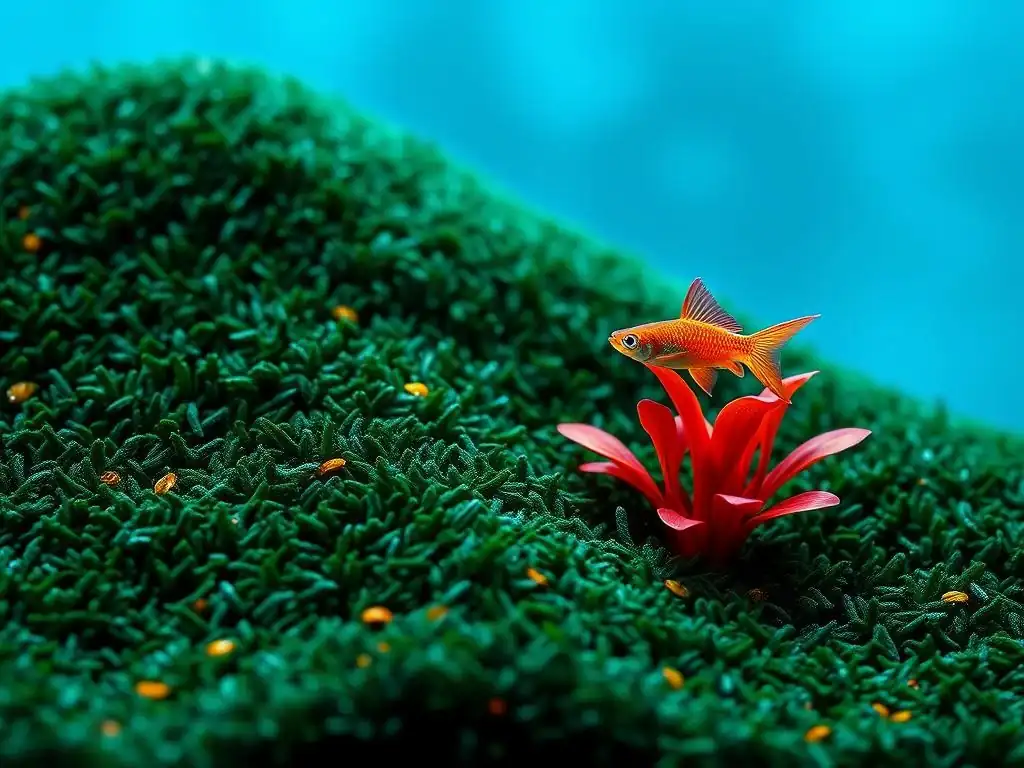
Nutrient deficiencies in carpeting plants on DIY aquarium carpet slopes can manifest in various ways, impacting their health and the overall aesthetic. Common signs include yellowing leaves (often indicating a lack of nitrogen or iron), stunted growth, or discoloration of new or old foliage. For instance, yellowing of older leaves might suggest a nitrogen deficiency, while new growth turning pale or white often points to an iron deficiency. Red plants losing their vibrant color can also signify insufficient iron or phosphorus.
To address these issues, closely monitor your plants for symptoms and adjust your fertilization regimen accordingly. If nitrogen is low, increase your nitrate dosing. For iron deficiency, use an iron-specific supplement. For overall stunted growth, ensure all macro and micro nutrients are adequately supplied. Regular water testing for key parameters like NO3, PO4, and K can help pinpoint specific deficiencies. For example, if your nitrate levels consistently read below 5 ppm, increasing your nitrogen dose is advisable to support robust growth on your aquarium carpet hills.
Dealing with Uneven Growth and Patchy Carpets
Uneven growth and patchy areas within your carpeting plants on DIY aquarium carpet slopes can detract from the desired lush, uniform appearance. This issue can stem from several factors, including inconsistent light distribution across the slope, varied water flow creating localized nutrient deficiencies or excesses, or even uneven planting density during setup. Ensure your lighting system provides uniform intensity over the entire carpet area, and adjust your filter outflow to ensure water circulates well across all parts of the slope, preventing dead spots where nutrients might not reach the plants effectively.
For patchy areas, it may be necessary to re-plant more densely in those specific spots, or to insert root tabs directly into the substrate beneath the sparse sections to provide a localized nutrient boost. Aggressively trimming the denser areas of the carpet can also encourage the sparser sections to fill in by redirecting the plant's energy towards lateral growth in the less dense regions. Often, patience is key, as established carpets tend to spread vigorously once fully settled, gradually resolving minor patchiness and creating a seamless green expanse over your aquarium carpet hills.
Advanced Aquascaping Techniques for Creating Realistic Slopes and Hills
Using Terracing to Create Multi-Level Slopes
For truly dramatic and realistic DIY aquarium carpet slopes, incorporating terracing is an advanced technique that adds significant depth and complexity. Terracing involves creating distinct, stepped levels on a slope using carefully placed flat rocks or small pieces of wood as retaining walls. This method mimics natural mountain formations, agricultural terraces, or tiered rock formations found in nature, providing an incredible sense of scale. For instance, a 50 cm (20-inch) high slope could be designed with 2-3 terraces, each approximately 10-15 cm (4-6 inches) deep, creating multiple planting zones.
To implement terracing effectively, securely stack and interlock flat hardscape pieces to form the desired levels. Fill each level with substrate before moving to construct the next one, ensuring stability at each step. This technique is particularly impactful in larger tanks (e.g., 120 cm / 48 inches or more) where substantial elevation changes are desired. Beyond aesthetics, terracing also provides practical benefits, such as significantly reducing the risk of substrate erosion on very steep inclines and allowing for the cultivation of different plant species on each level, adding textural variety to your aquarium carpet hills.
Incorporating Perspective and Depth in Your Aquascape Design
Creating the illusion of perspective and depth is a hallmark of masterful aquascaping, and DIY aquarium carpet slopes provide an excellent canvas for this. This can be achieved by strategically using smaller hardscape elements and finer-leaved plants towards the back of the tank, while gradually transitioning to larger elements and broader-leaved plants towards the front.
A slope receding into the background naturally enhances this effect, making the tank appear much deeper than its actual dimensions. For example, planting tiny Hemianthus callitrichoides 'Cuba' at the distant top of a hill and larger Micranthemum 'Monte Carlo' at the closer base can exaggerate perspective.
Another advanced technique is employing the 'vanishing point,' where lines of hardscape or plant groupings appear to converge towards a distant point on the horizon, guiding the viewer's eye and creating a powerful sense of recession. Subtle manipulation of color can also contribute: using lighter greens in the foreground and darker, more muted greens in the background can enhance the sense of distance. This meticulous attention to scale, arrangement, and color allows you to craft DIY aquarium carpet slopes hills that possess a profound and captivating sense of three-dimensionality.
Choosing Complementary Plants to Enhance the Aesthetic Appeal of Your Carpet Slopes
While carpeting plants form the essential base of your DIY aquarium carpet slopes, carefully selecting complementary plants can significantly elevate the aesthetic appeal by adding texture, color, and visual interest. Small foreground plants like Staurogyne repens or Alternanthera reineckii 'Mini' can be strategically planted at the edges of the carpet or along the base of the slope to create softer transitions or introduce vibrant contrasting colors. Midground plants, such as various Bucephalandra species or small Anubias nana 'Petite', can be attached to rocks or driftwood integrated into the slope, adding intricate detail and naturalistic accents.
When choosing complementary plants, consider their growth habit, light requirements, and how they will interact with the carpeting plants. Ensure they won't overshadow the carpet or compete excessively for nutrients. For instance, a small cluster of red-stemmed Rotala rotundifolia 'Orange Juice' emerging from the crest of a Monte Carlo-carpeted hill can provide a striking color contrast and a vertical accent, drawing the eye upwards. This thoughtful layering of plant types with varied forms and colors is crucial for creating a dynamic and artful aquascape with your DIY aquarium carpet slopes.
Creating Natural Transitions Between Slope and Flat Areas
A crucial aspect of creating realistic DIY aquarium carpet slopes is ensuring smooth, natural transitions between the elevated areas and the surrounding flat foreground or midground sections. Abrupt changes in elevation can look artificial and break the illusion of a natural landscape. This seamless integration can be achieved by gradually decreasing the slope's angle as it approaches the flatter areas, creating a gentle gradient rather than a sharp drop-off. Strategically placing smaller, scattered rocks or pebbles at the base of the slope can also help blend it into the foreground, mimicking natural erosion or scattered debris.
Plant selection also plays a significant role in achieving fluid transitions. Using slightly taller carpeting plants or very low-growing foreground plants at the base of the slope can help merge the different elevations seamlessly. For example, a gentle blend of Micranthemum 'Monte Carlo' on the main slope transitioning into a sparse scattering of Glossostigma elatinoides or even fine, light-colored sand in the immediate foreground can create a very natural shoreline or riverbed effect. This meticulous attention to detail ensures that your DIY aquarium carpet slopes hills appear as naturally occurring features within the aquatic environment.
Conclusion: Mastering the Art of DIY Aquarium Carpet Slopes and Hills
Creating stunning DIY aquarium carpet slopes and hills is an art form that transforms a simple glass box into a captivating miniature landscape. It offers both profound aesthetic rewards, adding depth and dynamic visual interest, and practical benefits for a thriving aquatic ecosystem. Mastering this technique involves meticulous planning, from selecting the ideal location and size for your slopes to choosing the right carpeting plants and supporting hardscape materials.
The step-by-step process, encompassing careful substrate sculpting, precise planting, and securing plants on inclines, forms the foundation of a successful aquascape. Equally important is the ongoing maintenance, including strategic fertilization, CO2 management, regular trimming, and diligent algae prevention. While challenges like substrate erosion or plant detachment may arise, understanding common troubleshooting methods empowers aquarists to overcome them.
By incorporating advanced techniques like terracing and thoughtful plant selection for natural transitions, you can elevate your aquarium carpet hills to a truly professional level. Ultimately, patience, attention to detail, and a passion for aquatic artistry are the keys to mastering the rewarding endeavor of creating spectacular DIY aquarium carpet slopes and hills.
Frequently Asked Questions
How do I create a slope or hill in my aquarium using carpeting plants?
You can create a slope by using aquascaping materials like rocks or substrate supports. Then, plant your carpet plants on top, ensuring they have good root hold and nutrient access to establish themselves.
What are the best carpeting plants for creating aquarium slopes and hills?
Dwarf Hairgrass (Eleocharis parvula), Monte Carlo (Micranthemum 'Monte Carlo'), and Glossostigma elatinoides are all excellent choices. They have good carpeting growth habits and can adapt to sloping surfaces.
How do I prevent the substrate from sliding down when creating a slope?
Use terracing with rocks or driftwood to create barriers and prevent substrate slippage. You can also use aquascaping mesh or planting nets to hold the substrate in place until the plants establish.
What kind of substrate should I use for carpeting plants on a slope?
Use a nutrient-rich substrate designed for aquatic plants. This will provide the necessary nutrients for the plants to establish and grow quickly, helping to stabilize the slope.
How do I maintain a carpeted slope in my aquarium?
Regular trimming is crucial to prevent the plants from becoming too dense and shading each other. Also, ensure proper CO2 and nutrient levels to promote healthy and even growth across the slope.
Final Reflection: Cultivating Underwater Landscapes
The art of aquascaping, as we've explored, transcends mere decoration; it's about crafting miniature ecosystems, and the techniques for creating dynamic slopes and hills with carpeting plants are more relevant than ever. In a world increasingly drawn to the calming influence of nature, the ability to bring a slice of the natural world into our homes, meticulously designed and nurtured, offers a powerful antidote to the stresses of modern life. The DIY approach empowers us to not only create beauty but also to understand the delicate balance within these aquatic environments.
This journey into crafting underwater topography has undoubtedly reshaped the way we perceive aquariums. It's a reminder that even within the confines of glass, we can sculpt breathtaking landscapes, fostering a deeper appreciation for the intricate beauty of the natural world. The best time to plant a tree was 20 years ago. The second best time is now.
This ancient proverb resonates deeply with the patience and dedication required in aquascaping, urging us to embrace the process and cultivate beauty that unfolds over time.
Now, as you stand at the precipice of your own aquascaping adventure, I invite you to reflect on the lessons learned. Consider the power of patience, the importance of planning, and the sheer joy of creating something beautiful and life-sustaining. Let the principles of creating slopes and hills with carpeting plants guide you not only in your aquarium but also in your approach to life itself. Embrace the challenge, nurture your vision, and watch as your own unique underwater world flourishes, inspiring both yourself and those who behold it.
Cultivate Your Underwater Paradise!
Thank you for delving into the art of aquascaping with carpeting plants! We hope you found the guide inspiring and now feel ready to elevate your aquarium's aesthetic. It's time to put that newfound knowledge into action!
Here are a few things you can do now:
- Start Planning Your Carpeting Plantscape: Select your plants and layout based on the information you've learned and the specific needs of your aquarium.
- Explore unconventional carpeting techniques:experiment with different substrates or shadow placement to see how it impacts the growth and spread of your plants.
- Share your aquascaping ideas: Post photos of your aquascape vision on social media using \#AquariumMastery and inspire others in the community!
What unique slope or hill design are you most excited to try in your aquascape?